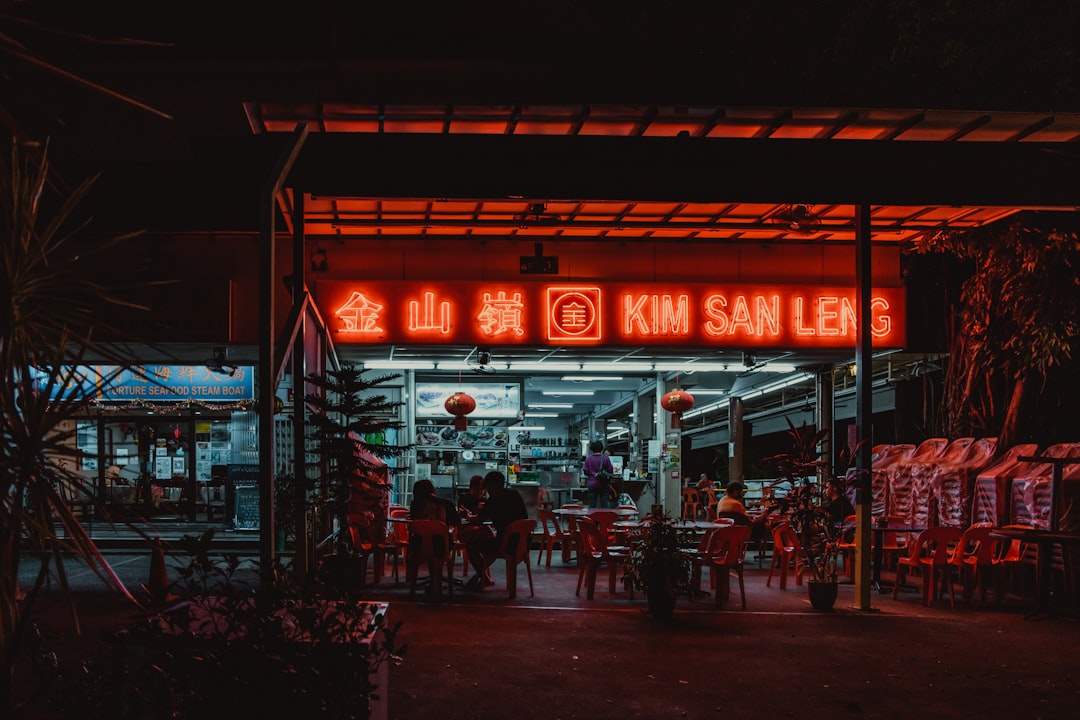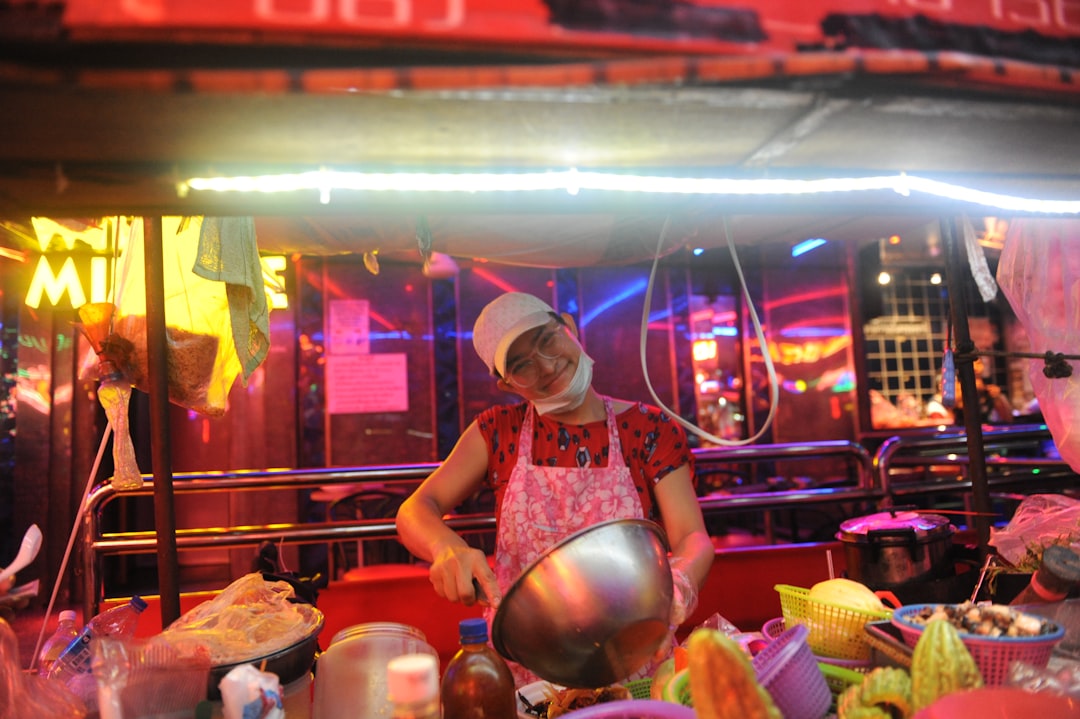
A city can reveal more of its character in one morning market than in a full day of monuments. That is why food tours around the world feel so addictive in 2026: you are not simply eating, you are decoding rhythm, class, migration, memory, and pride through steam rising off a bowl, the clatter of plates, and the smell of charcoal at dusk.
If you search food tours around the world, you will keep seeing the same polished lists. But the most satisfying food-first trips are not built on prestige alone. They are built on pace. A great eating city lets you start with coffee and pastry at dawn, graze through a market at noon, reset with a walk, and finish standing shoulder to shoulder at a late-night stall. It gives you signature dishes worth crossing oceans for, but it also rewards curiosity one street at a time.
This guide takes a slightly different route. Instead of crowning one winner, it matches six cities to six appetites: Bangkok for fearless street snacking, Mexico City for market depth, Istanbul for edible history, Tokyo for precision, Bologna for old-world comfort, and Lima for bright coastal flavor. If you are planning food tours around the world with intention rather than bucket-list panic, these are cities where a meal can structure an entire itinerary.
When I sketch routes in TravelDeck, I start with neighborhoods before landmarks. Food tours around the world work best when breakfast, lunch, aperitivo, and late-night cravings are all within walking or transit range. That is how you leave room for the unexpected bowl of noodles, the bakery queue full of locals, or the tiny restaurant that only becomes obvious once you are already hungry.
Why these cities stand out for food tours around the world
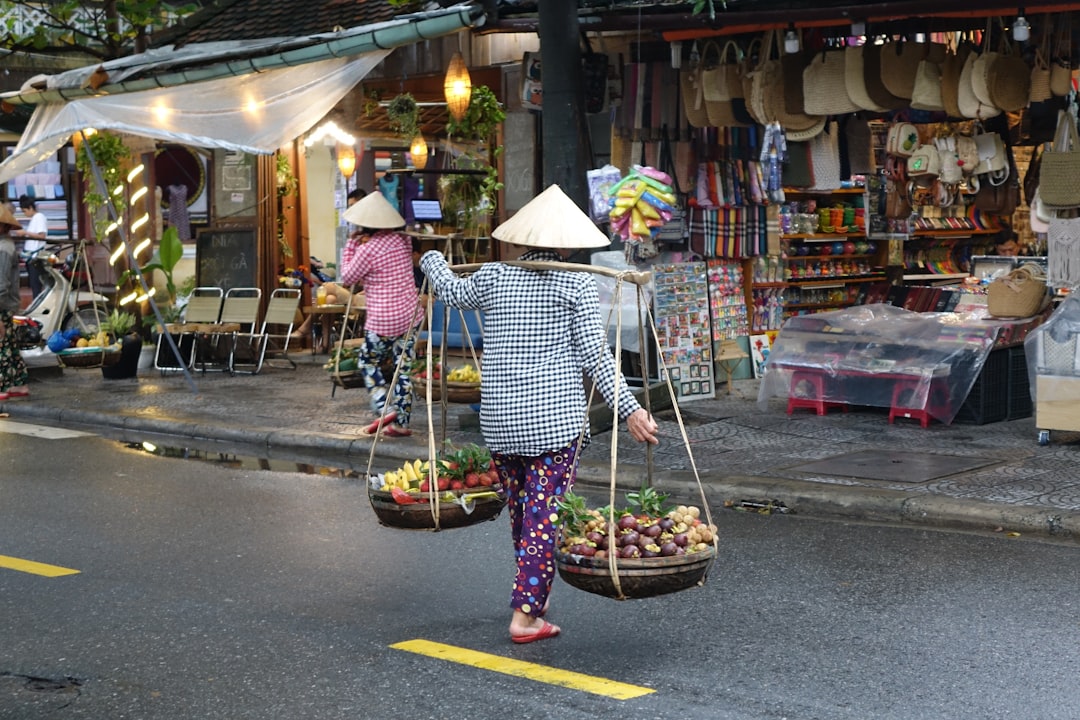
Photo by Arthur Tseng on Unsplash
The best food tour cities are not always the ones with the most famous chefs. They are the ones where culinary culture spills into daily life. You can hear it in the chop of cleavers, the shout of vendors, the scrape of stools on pavement, and the soft confidence of regulars ordering without menus. Great culinary travel needs density, variety, and momentum. It needs serious local dishes, casual excellence, and neighborhoods where eating feels woven into every hour of the day.
These six cities also reward different budgets. You can feast in Bangkok and Mexico City on the price of a museum ticket elsewhere. You can spend more in Tokyo and still eat astonishingly well at lunch counters and depachika basements. Bologna and Istanbul offer that rare middle ground where tradition, history, and comfort land on the plate without feeling performative. Lima, meanwhile, brings one of the most exciting coastal dining cultures in the world, with acidity, spice, and freshness that make a short trip feel almost unfairly vivid.
| City | Best for | Signature local dishes | Typical daily food budget | Best months |
|---|---|---|---|---|
| Bangkok | Street food lovers and night eaters | Boat noodles, pad kra pao, som tam, mango sticky rice | 500-1,500 THB | Nov-Feb |
| Mexico City | Market explorers and taco obsessives | Tacos al pastor, tamales, chilaquiles, pozole | 400-1,300 MXN | Feb-May, Oct-Nov |
| Istanbul | History-rich culinary travel | Simit, meze, balik ekmek, baklava, kokorec | 900-2,500 TRY | Apr-Jun, Sep-Oct |
| Tokyo | Precision dining and neighborhood hopping | Sushi, ramen, yakitori, tonkatsu, tempura | 3,500-9,000 JPY | Mar-May, Oct-Nov |
| Bologna | Handmade pasta and slow meals | Tagliatelle al ragu, tortellini, mortadella, lasagne verdi | 35-110 EUR | Mar-Jun, Sep-Nov |
| Lima | Seafood, citrus, and modern Peruvian cooking | Ceviche, lomo saltado, causa, anticuchos | 60-180 PEN | Dec-Apr |
Bangkok: where the street food guide begins after dark
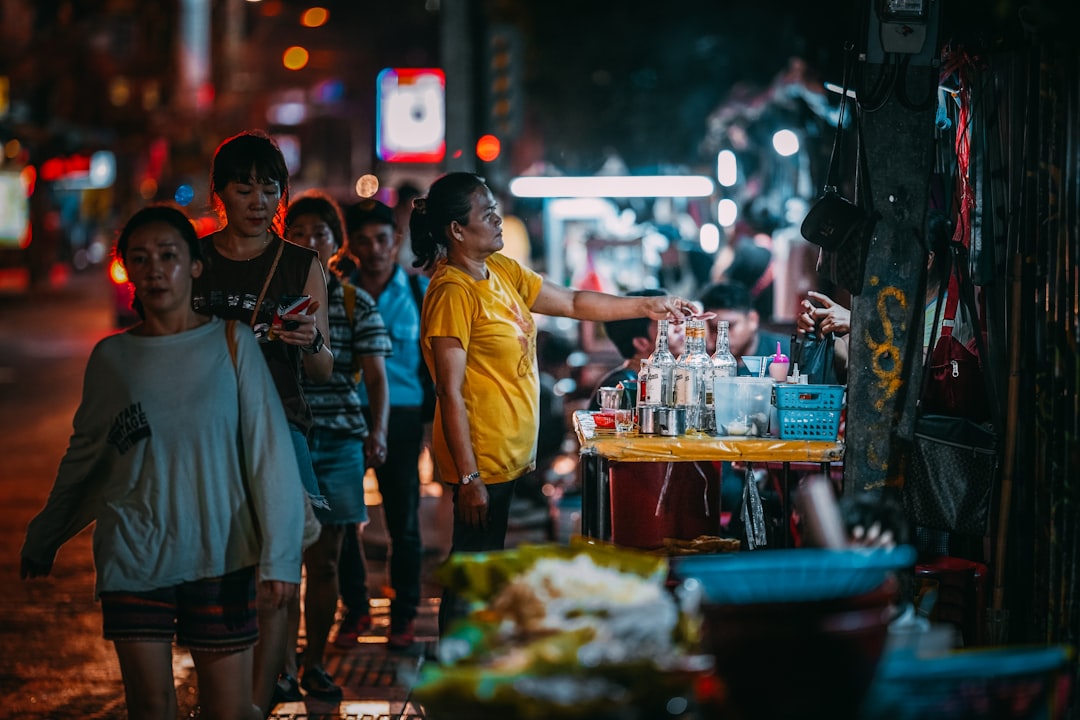
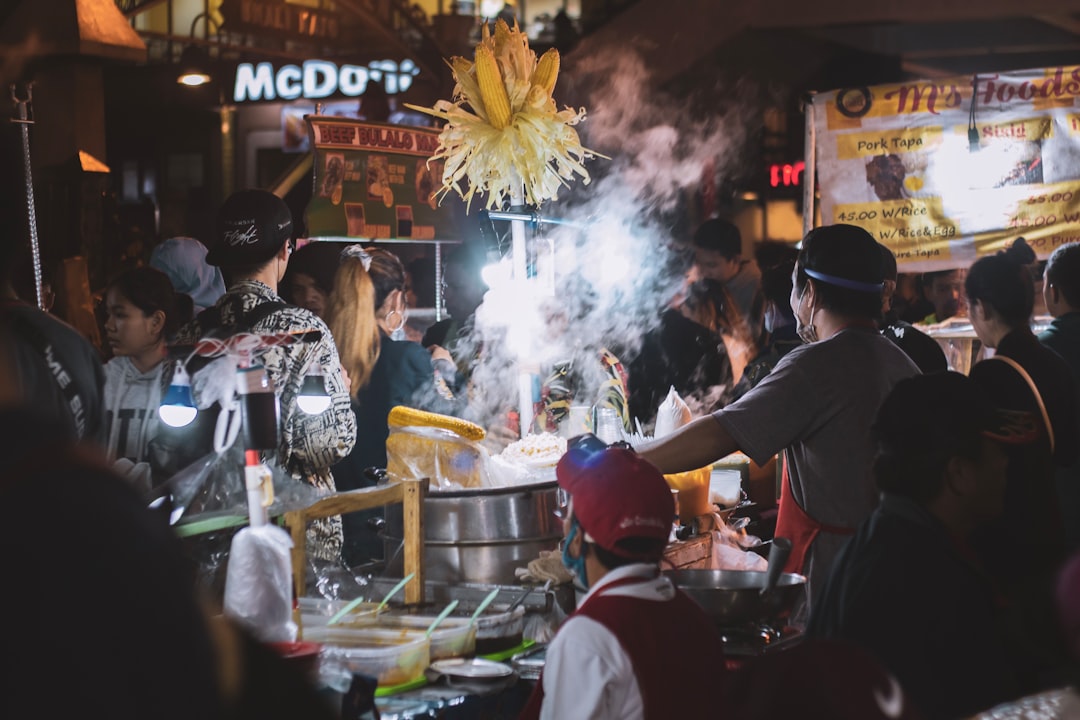
Photo by Yoshitsugu Saito on Unsplash
Bangkok does not ask for subtlety. It arrives in flashes: neon reflected in puddles, the perfume of grilled pork drifting under tangled cables, stainless-steel carts rattling into place at sunset, and soups so aromatic they seem to rise before you can even see the pot. For many travelers, food tours around the world become a lifelong habit because of one night in Bangkok, when dinner turns into six stops and midnight still feels early.
The city rewards appetite and flexibility more than rigid planning. Yaowarat in Chinatown hums with crab omelets, peppery noodle soups, chestnuts roasting in blackened pans, and dessert stalls glowing under bright signs. But some of Bangkok's deepest pleasures are quieter: boat noodles taken standing near a canal, a plate of pad kra pao eaten in ten efficient minutes at lunch, or green papaya salad pounded to order with enough lime and chili to reset your senses entirely. This is a street food guide city in the truest sense, because the point is not one perfect meal. The point is momentum.
Bangkok is also ideal for travelers who want culinary travel without ceremony. You can eat brilliantly at every hour and every budget, and local dishes still feel local rather than staged. A morning market is not a performance for visitors. It is a working ecosystem of curry pastes, herbs, jasmine rice, grilled bananas, and plastic bags filled with iced drinks. That everyday quality is what makes Bangkok one of the essential food tours around the world stops.
Do not miss in Bangkok
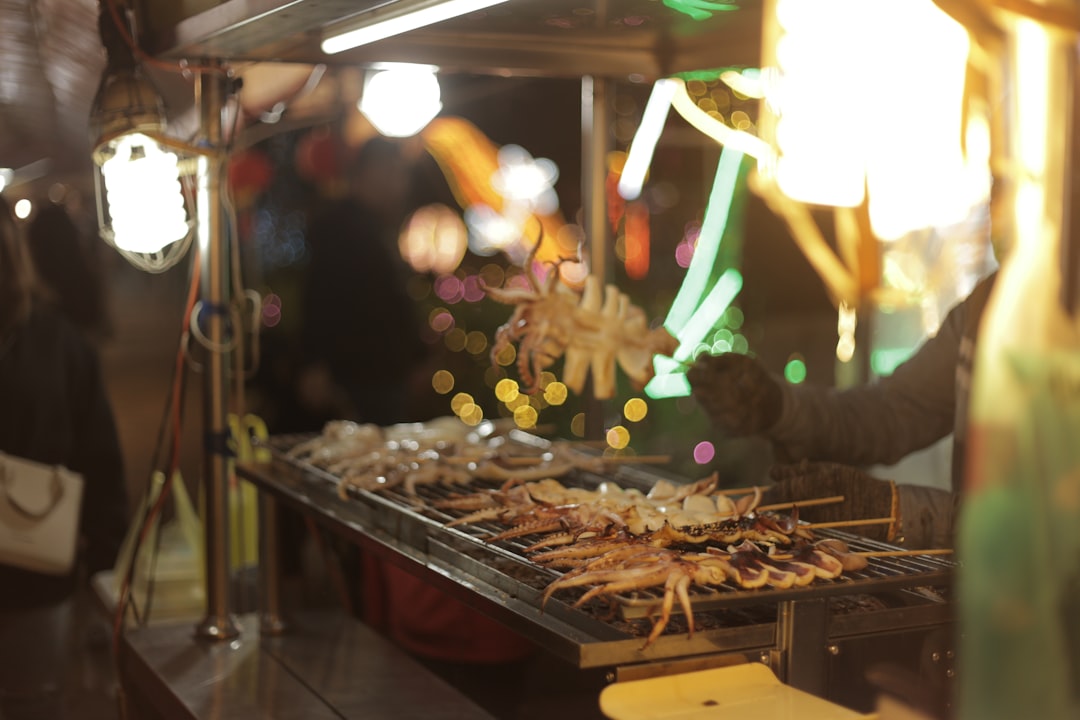
- Yaowarat Road in Chinatown for seafood, grilled squid, noodle soups, and late-night sweets.
- Or Tor Kor Market near Kamphaeng Phet MRT for beautifully arranged fruit, curry pastes, coconut desserts, and regional specialties.
- Victory Monument for boat noodles in tightly packed shops where broth is rich, dark, and fast-moving.
- Wang Lang Market across the river from the Grand Palace area for fried snacks, sweets, and student-priced bites.
- Soi Polo for fried chicken before or after a park walk in Lumphini.
Mexico City: a market city with layers under every tortilla
Food Tours Mexico Underground
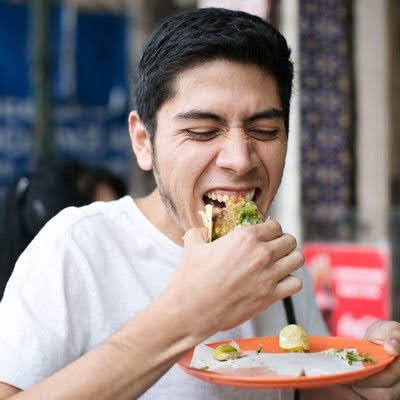
Mexico City feels endless in the best possible way. It is a place where volcanic geography, Indigenous ingredients, colonial history, migration, and modern creativity all land in the same bite. The air in the morning can feel surprisingly cool at altitude, and the first sounds near a market are often metal shutters, blender motors, and the slap of fresh masa. In the afternoon, the city turns fragrant with grilled meat, frying oil, cinnamon, and roasted corn. Among food tours around the world, few cities give you this much depth with this much immediacy.
The obvious stars are wonderful for a reason. Tacos al pastor cut from a trompo still feel like a small act of urban theater, especially when pineapple lands on top in one clean motion. Chilaquiles can be gentle or glorious chaos depending on sauce and toppings. Tamales wrapped in corn husks make breakfast portable and deeply comforting. Yet the most important thing about Mexico City is range. One block can lead from a humble fonda serving guisados to a bakery with impeccable conchas, from a pulque bar to a seafood counter, from family-run pozole to elegant tasting menus.
What makes the city especially strong for food tours around the world is how tied taste remains to neighborhood identity. Roma and Condesa may draw visitors, but Centro Historico, Coyoacan, Narvarte, Santa Maria la Ribera, and San Rafael often deliver stronger local rhythm. The best street food guide here is not a list of famous places; it is learning when to stop because the line is full of office workers, taxi drivers, and grandparents buying lunch for home.
Do not miss in Mexico City
- Mercado de San Juan, Ernesto Pugibet 21, for cheeses, cured meats, produce, and specialist vendors.
- Tacos in Narvarte and Centro, especially late evening when the city eats standing up.
- Coyoacan's market area for tostadas, aguas frescas, and a slower, more neighborhood feel.
- Churreria El Moro branches for churros and thick hot chocolate.
- Morning tamales and atole from street vendors outside metro stations and parks.
Istanbul: edible history between continents
Istanbul tastes like empire, migration, trade, and weather. You smell the sea near Eminonu, butter and syrup around baklava shops, coffee in side streets, and charcoal drifting through neighborhoods where grills never seem to cool. The gulls cry over ferries, tea glasses clink on saucers, and every district seems to have its own tempo of snacking. If Bangkok is velocity and Mexico City is depth, Istanbul is texture: flaky, smoky, briny, spiced, and always slightly dramatic.
Food tours around the world often promise authenticity, but Istanbul does not need to promise anything. Its edible geography is visible. On one side of the water, you might start with simit and tea. A ferry ride later, you are eating stuffed mussels on the street, tasting pickles, standing at a meyhane table, or ordering regional dishes that traveled to the city long before you did. Kadikoy, Karakoy, Beyoglu, Fatih, and Besiktas all give a different face of the city, and part of the pleasure is crossing between them.
This is also one of the great cities for travelers who like food markets as much as restaurants. The Spice Bazaar still dazzles, but neighborhood produce markets and lokantas often tell the fuller story. You will find humble trays of stews, eggplant dishes slick with olive oil, lentil soup bright with lemon, and desserts that range from milk-soft to syrup-heavy. Among food tours around the world, Istanbul is one of the easiest places to understand through contrast: street food and palace legacy, Anatolian home cooking and cosmopolitan appetite, old-school tea houses and modern cafes humming with design students.
Do not miss in Istanbul
- Kadikoy Market for cheese shops, pickles, fish counters, bakeries, and casual meze culture.
- Eminonu for balik ekmek by the water and ferry views that make every snack taste better.
- Karakoy Gulluoglu for baklava that is buttery, layered, and impossible to forget.
- A neighborhood lokanta in Fatih or Uskudar for soups, stews, and vegetable dishes.
- A Bosphorus ferry at sunset, followed by tea and dessert on whichever side you land.
Tokyo: precision, patience, and astonishing everyday meals
Tokyo can feel intimidating until the first bite, and then suddenly it feels inevitable. Convenience stores are polished, train stations hide serious ramen, department-store basements sell immaculate prepared food, and even a quick lunch can carry the clarity of a carefully tuned instrument. You hear station chimes, vending machines, soft greetings at restaurant doors, and the steady slurp of noodle counters where nobody has time for theatrics. Food tours around the world rarely offer this degree of consistency.
The city shines because excellence is distributed rather than concentrated. A traveler does not need the hardest reservation in town to eat well. You can begin at Tsukiji Outer Market with tamagoyaki and grilled seafood, move to a depachika in Ginza or Shinjuku for boxed luxuries and sweets, stop in Kappabashi for kitchenware daydreaming, then disappear into a narrow yakitori alley by evening. Tokyo rewards the traveler who notices small signals: noren curtains, office workers queued at noon, ticket machines with one highlighted item, or a chef whose whole reputation rests on a single style of broth.
For culinary travel, Tokyo is also a lesson in specialization. One shop might spend decades refining tonkatsu. Another might focus on tempura with almost spiritual control over oil and timing. Local dishes here often come with quiet rules about season, sequence, or etiquette, which is part of the appeal. Among food tours around the world, Tokyo is less about abundance on one plate and more about cumulative precision across many neighborhoods.
Do not miss in Tokyo
- Tsukiji Outer Market for seafood snacks, omelets, knives, and fast breakfast energy.
- Kappabashi Dougu Street for kitchenware, ceramics, plastic food models, and serious souvenir hunting.
- Omoide Yokocho in Shinjuku for tiny grill spots and old-Tokyo atmosphere.
- Asakusa for sweets, tempura history, and a strong street-level feel around Senso-ji.
- Basement food halls at Isetan Shinjuku, Mitsukoshi Ginza, or Nihombashi stores for refined grazing.
Bologna: the city that proves comfort can be world-class
Bologna does not seduce with speed. It works more slowly, under terracotta arcades and market lanes where wheels of cheese, ribbons of cured meat, and golden pasta seem to hold the color of the city itself. The first impression is often visual: warm plaster, red roofs, old stone, and porticoes that make a rainy day feel cinematic rather than disappointing. Then comes the smell of broth, ragu, espresso, and fresh dough. Food tours around the world can become exhausting when every meal feels like a performance; Bologna is the cure.
This is one of the great local dishes cities because the classics still matter. Tagliatelle al ragu is not a generic pasta here; it is structure, patience, and identity. Tortellini in brodo tastes like tradition made precise. Mortadella, once flattened into caricature abroad, regains dignity in silky slices tucked into bread or served beside squacquerone and tigelle. The Quadrilatero and Mercato delle Erbe pull you into the city's edible core, but Bologna is also wonderful in side streets where a modest trattoria delivers one perfect plate and a carafe of wine without any need for reinvention.
For travelers building food tours around the world around one comforting city break, Bologna is ideal. It is walkable, train-connected, and dense with shops, delis, cafes, and aperitivo culture. It also lets you understand the surrounding region through taste: Parmigiano Reggiano, balsamic vinegar, prosciutto, Lambrusco, and pasta traditions all orbit through Emilia-Romagna. The pleasure is not only in eating but in noticing how little here needs to be dressed up.
Do not miss in Bologna
- Quadrilatero market lanes for salumi, fresh pasta, cheese shops, and standing aperitivi.
- Mercato delle Erbe for casual counters and a livelier modern mix of locals and visitors.
- A pasta workshop where sfogline show how dough becomes tagliatelle or tortellini.
- An evening walk under the porticoes with gelato in hand.
- A day trip by train to Modena or Parma if your appetite extends beyond the city.
Lima: bright acidity, coastal air, and one of the most exciting tables on earth
Lima is a city of sea light and appetite. In Miraflores and Barranco, the Pacific sits just beyond cliffs and parks, while in markets and neighborhood eateries the flavors are sharper, brighter, and more electric than many first-time visitors expect. Lime, aji, onion, cilantro, smoke, corn, sweet potato, soy, and wok-char all move through the city's local dishes with a confidence that feels both ancient and contemporary. Few food tours around the world reset the palate as quickly as Lima.
Ceviche is the headline, of course, but Lima's strength is its full spectrum. A causa can be elegant and cooling, layered with potato and seafood or chicken. Lomo saltado delivers comfort through wok heat and savory depth. Anticuchos on the street bring smoke and iron-rich intensity after dark. Chifa and Nikkei influences remind you that Peruvian cuisine is also a story of migration and adaptation, not simply heritage preserved under glass. In that sense, Lima belongs in any serious conversation about food tours around the world because it shows how a city can honor roots while constantly reinventing itself.
Lima also shines for travelers who like to alternate market mornings with long lunches. Surquillo's produce and herb stalls feel practical rather than decorative, and the city's best meals often have that same directness. Seafood wants to be eaten early, afternoons invite coffee and dessert, and nights can stretch into pisco sours, grilled meats, and shared plates. This is culinary travel with sunlight and salt in the air.
Do not miss in Lima
- Mercado No. 1 de Surquillo for produce, fruit juices, herbs, and a grounded look at daily ingredients.
- La Mar area in Miraflores for seafood lunches when the city feels freshest.
- Barranco for cafes, bars, dessert stops, and a more bohemian evening mood.
- Anticuchos from trusted evening vendors in busy districts.
- A Nikkei or chifa meal to understand the city's multicultural palate.
How to get there
Planning food tours around the world is easier when airport transfers are simple and neighborhoods are compact enough for multiple eating stops in one day. For first-time visitors, I recommend arriving with your first meal already in mind. That decision shapes the rest of the day and reduces the temptation to waste energy zigzagging across town.
Because these cities sit in different regions, the practical goal is not to visit them all on one trip. It is to choose the one that matches your appetite and travel style now, then save the others for future food tours around the world. The transport details below help you land smoothly and start eating fast.
| City | Main airports | Best airport-to-center option | Time | Typical cost | Useful overland options |
|---|---|---|---|---|---|
| Bangkok | BKK, DMK | Airport Rail Link from BKK to Phaya Thai | 30 min | 35-45 THB | Train from Ayutthaya to Bangkok around 1.5 hours |
| Mexico City | MEX, NLU | Metrobus Line 4 from MEX to Centro or Roma area | 45-60 min | 30 MXN | Bus from Puebla around 2-2.5 hours, 200-320 MXN |
| Istanbul | IST, SAW | Havaist coach from IST to central districts | 60-90 min | 170-240 TRY | YHT train from Ankara around 4.5-5 hours |
| Tokyo | HND, NRT | Tokyo Monorail from HND or Keisei Skyliner from NRT | 20-40 min | 500 JPY from HND, 2,580 JPY from NRT | Shinkansen from Kyoto around 2 hours 10 minutes |
| Bologna | BLQ | Marconi Express to Bologna Centrale | 7 min | 12.80 EUR | High-speed train from Florence 37 min, Milan around 1 hour 5 min |
| Lima | LIM | Authorized taxi or app car to Miraflores | 45-70 min | 50-80 PEN | Long-distance buses connect coastal cities such as Paracas and Huacachina |
Official transport and tourism links
- Bangkok tourism: https://www.tourismthailand.org
- Airport Rail Link and urban rail info: https://www.srtet.co.th/en
- Mexico City tourism: https://www.cdmxtravel.com
- Mexico City airport: https://www.aicm.com.mx/
- Istanbul destination guide: https://goturkiye.com/destinations/istanbul
- Havaist airport coaches: https://www.hava.ist/en
- Tokyo city guide: https://www.gotokyo.org/en/
- Keisei Skyliner: https://www.keisei.co.jp/keisei/tetudou/skyliner/us/
- Bologna tourism: https://www.bolognawelcome.com/en
- Trenitalia: https://www.trenitalia.com/en.html
- Peru travel guide: https://www.peru.travel/en
- Lima airport: https://www.lima-airport.com/en
Things to do
The best activities on food tours around the world are not all meals. The smartest food-first itinerary includes markets, walks, ferries, kitchens, and neighborhoods that sharpen appetite. Leave breathing space between stops so your senses do not blur. A city tasted too fast can feel flatter than it really is.
I also recommend one anchor activity per day: a market visit, a cooking class, a ferry crossing, a kitchenware street, or a bakery crawl. Around that anchor, let the city feed you spontaneously. That balance keeps culinary travel vivid rather than over-programmed.
Bangkok
- Walk Yaowarat Road after 6 pm and sample seafood, noodles, toast, and tropical fruit.
- Browse Or Tor Kor Market, Kamphaeng Phet Road, for ingredients and polished produce displays.
- Take the Chao Phraya Express Boat and snack at Wang Lang Market afterward.
- Join a small-group cooking class in Sukhumvit or Silom to understand curry pastes and herb balance.
- Visit Talat Phlu for old-school desserts and neighborhood dining.
Mexico City
- Start at Mercado de San Juan, Ernesto Pugibet 21, then walk toward Centro's taco counters.
- Explore Coyoacan Market and nearby plazas for tostadas, sweets, and coffee.
- Take a churro-and-chocolate break at El Moro after an evening stroll.
- Spend a late afternoon in Roma or Condesa, then shift to Narvarte for a stronger local dinner scene.
- Ride the Turibus or metro between food neighborhoods if you want to cover more ground cheaply.
Istanbul
- Cross from Eminonu to Kadikoy by ferry and build an entire day around eating on both sides.
- Visit the Spice Bazaar in the morning before the surrounding streets get crowded.
- Book a Bosphorus cruise near sunset, then end with meze and raki in Beyoglu or Besiktas.
- Walk Karakoy uphill toward Galata, stopping for pastries, coffee, and baklava.
- Explore a weekly neighborhood pazar for produce, olives, textiles, and street snacks.
Tokyo
- Eat breakfast around Tsukiji Outer Market, then continue to Ginza on foot.
- Browse Kappabashi Dougu Street for knives, ceramics, and bento supplies.
- Do an evening yakitori crawl in Omoide Yokocho or nearby alleys in Shinjuku.
- Visit Asakusa for classic sweets and tempura, then take a Sumida River cruise.
- Reserve one lunch-only specialist restaurant to experience high quality at a lower price point.
Bologna
- Join a pasta-making class near the historic center and learn to roll fresh sfoglia.
- Wander the Quadrilatero before lunch when shops are busiest and aromas strongest.
- Stop at Mercato delle Erbe for casual counters and local wines.
- Climb Torre degli Asinelli for city views that help you appreciate Bologna's compact scale.
- Take a day trip to Modena for balsamic culture or Parma for cheese and ham traditions.
Lima
- Tour Surquillo market with a guide or on your own, focusing on fruit, potatoes, herbs, and peppers.
- Walk the Miraflores Malecon before a seafood lunch near Avenida La Mar.
- Spend an evening in Barranco for cocktails, dessert, and live music.
- Try a ceviche class or pisco sour workshop to understand flavor balance.
- Eat anticuchos or sandwiches from a busy, trusted stand after dark.
Where to stay
On food tours around the world, neighborhood choice matters almost as much as hotel comfort. Stay where breakfast is easy, transit is reliable, and dinner options do not require heroic logistics. Being able to walk back after a long meal is one of the great luxuries of culinary travel, even at modest budgets.
For most travelers, the sweet spot is a lively but not chaotic district: close to markets and metro, far enough from heavy nightlife to sleep well. The properties below are practical places to start, with a mix of character, value, and location.
| Budget tier | Hotel | Neighborhood | Typical price | Why it works |
|---|---|---|---|---|
| Budget | Lub d Bangkok Siam | Bangkok | 900-1,600 THB | Near BTS, easy access to food districts and modern malls with great food courts |
| Budget | Casa Pepe | Centro, Mexico City | 650-1,500 MXN | Social, central, and walkable to historic-center eats |
| Budget | Combo Bologna | Bologna Centro | 45-110 EUR | Stylish value base within walking distance of markets and porticoes |
| Mid-range | AriyasomVilla | Sukhumvit, Bangkok | 4,200-6,500 THB | Calm setting with easy transit and strong in-house breakfast |
| Mid-range | Nena Hotel | Sultanahmet, Istanbul | 90-160 EUR | Strong Old City base for ferries, sights, and classic dining |
| Mid-range | Hotel Gracery Asakusa | Tokyo | 14,000-24,000 JPY | Good links, compact rooms, and a neighborhood with real eating culture |
| Luxury | Mandarin Oriental, Bangkok | Chao Phraya River | 18,000-32,000 THB | Legendary service and river access to multiple districts |
| Luxury | Four Seasons Hotel Mexico City | Reforma area | 650-1,100 USD | Central courtyard calm and easy access to Roma, Condesa, and Centro |
| Luxury | Bulgari Hotel Tokyo | Yaesu area | 180,000-300,000 JPY | Ultra-polished base with quick access to top dining zones |
If you want extra city-specific guidance, aim for these neighborhoods:
- Bangkok: Chinatown for maximum night action, Sukhumvit for transport ease, Riverside for atmosphere.
- Mexico City: Roma Norte, Condesa, and Juarez for first-timers; Coyoacan for a slower pace.
- Istanbul: Karakoy and Galata for modern energy, Kadikoy for local life, Sultanahmet for classic sightseeing.
- Tokyo: Asakusa, Ueno, Shinjuku, and Ginza all work depending on budget and dining style.
- Bologna: Historic center is best if you can find a room within the ring roads.
- Lima: Miraflores is easiest, Barranco has more character, San Isidro is polished and calmer.
Where to eat
A memorable eating city is not defined by one famous restaurant but by how well it feeds you between the headline meals. The strongest food tours around the world include breakfast counters, bakeries, market snacks, lunch specials, and one or two restaurants you would happily revisit. That rhythm creates contrast, and contrast is what makes local dishes stick in memory.
Use the lists below as anchors, not commandments. Opening hours change, queues grow, and the best meal may still happen somewhere unplanned. But these are reliable names, districts, and specialties that can turn a good culinary travel day into a great one.
Bangkok
- Jay Fai, Maha Chai Road: famous crab omelet and wok-char classics if you are willing to queue and spend more.
- Nai Ek Roll Noodles, Yaowarat: peppery broth, rolled noodles, and a Chinatown institution.
- Jek Pui Curry, near Bangkok City Hall: eat Thai curries on red plastic stools.
- Soi Polo Fried Chicken, Witthayu Road area: crispy chicken and sticky rice done right.
- Or Tor Kor cooked-food stalls: ideal for trying regional curries and sweets in one stop.
What to order: pad kra pao, boat noodles, som tam, green curry, mango sticky rice, grilled pork skewers.
Mexico City
- El Vilsito, Narvarte: pastor tacos that justify a detour.
- Tacos Los Cocuyos, Centro Historico: late-night taco stop with deep city energy.
- El Cardenal, multiple branches: breakfast classics such as chocolate, pan dulce, and elegant traditional dishes.
- Contramar, Durango 200, Roma Norte: tuna tostadas and seafood in a brighter, more leisurely style.
- Churreria El Moro: churros and chocolate for any time your day needs sugar.
What to order: tacos al pastor, chilaquiles, tamales, pozole, esquites, conchas, flan.
Istanbul
- Ciya Sofrasi, Kadikoy: regional Anatolian dishes with serious range.
- Karakoy Gulluoglu: baklava benchmark near the water.
- Pandeli, above the Spice Bazaar: classic setting and Ottoman-era atmosphere.
- Sehzade Cag Kebap, Fatih: excellent cağ kebab in a no-nonsense room.
- Kanaat Lokantasi, Uskudar: soups, stews, rice dishes, and old-school comfort.
What to order: simit, menemen, meze, balik ekmek, lahmacun, kokorec, baklava, Turkish breakfast spreads.
Tokyo
- Sushi no Midori, multiple branches: good value sushi with consistent quality.
- Ginza Kagari: refined chicken ramen with a devoted following.
- Tonkatsu Marugo, Akihabara area: crisp, juicy tonkatsu in a specialist setting.
- Asakusa Imahan: sukiyaki if you want one splurge meal grounded in tradition.
- Depachika counters at Isetan or Mitsukoshi: luxury-level variety without a formal reservation.
What to order: sushi sets, ramen, tempura, yakitori, onigiri, tonkatsu, seasonal fruit sandwiches and sweets.
Bologna
- Osteria dell'Orsa: beloved, lively, and ideal for pasta without fuss.
- Sfoglia Rina, Via Castiglione area: fresh pasta favorites with a casual feel.
- Trattoria Anna Maria: classic Bolognese repertoire in a more traditional setting.
- Tamburini, Via Caprarie: deli and quick meal stop for salumi, cheeses, and sandwiches.
- Gelateria Gianni: dependable gelato for an evening walk.
What to order: tagliatelle al ragu, tortellini in brodo, lasagne verdi, cotoletta alla Bolognese, mortadella, tigelle.
Lima
- La Mar, Avenida La Mar 770, Miraflores: benchmark ceviche and seafood at lunch.
- Isolina, Barranco: hearty criollo cooking in generous portions.
- El Chinito, multiple branches: classic sandwiches, especially for breakfast or a quick bite.
- Maido: a splurge for Nikkei cooking if you want one globally acclaimed meal.
- Surquillo market stalls: excellent for juices, simple plates, and ingredient-focused snacking.
What to order: ceviche, causa, lomo saltado, anticuchos, arroz con mariscos, suspiro a la limena, pisco sour.
Practical tips
Even the most exciting food tours around the world can become tiring if you ignore climate, local eating hours, and neighborhood rhythm. Heat affects appetite in Bangkok. Altitude changes how thirsty you feel in Mexico City. Tokyo rewards punctuality. Bologna slows down on Sundays and in August. Lima's best seafood hours are earlier than many travelers expect. Understanding these small patterns is often what separates a meal-chasing sprint from a truly satisfying culinary travel experience.
Pace yourself. Skip one heavy meal per day if necessary. Share whenever possible. Carry tissues, hand sanitizer, a reusable bottle, and a light layer even in warm climates, because markets, ferries, train stations, and indoor dining rooms all run on different temperatures and speeds.
| City | Best months | Weather snapshot | Currency | Card or cash | Smart note |
|---|---|---|---|---|---|
| Bangkok | Nov-Feb | Warm, drier, humid evenings | THB | Mix of both | Pack breathable clothes and expect sudden rain outside peak dry season |
| Mexico City | Feb-May, Oct-Nov | Mild days, cool mornings, altitude around 2,240 m | MXN | Cards common, cash useful | Sunscreen matters more than visitors expect at this elevation |
| Istanbul | Apr-Jun, Sep-Oct | Pleasant shoulder seasons, variable wind by the water | TRY | Cards common, cash useful | Carry layers for ferry rides and evening temperature drops |
| Tokyo | Mar-May, Oct-Nov | Comfortable, seasonal, tidy weather windows | JPY | Cards widely accepted, some cash still useful | Small towel and portable battery are surprisingly useful |
| Bologna | Mar-Jun, Sep-Nov | Warm spring and autumn, hot midsummer | EUR | Cards widely accepted | Book early during fairs and university events |
| Lima | Dec-Apr for sun, year-round for food | Coastal humidity, gray garua in winter | PEN | Cards common, cash useful | Seafood lunches are strongest earlier in the day |
Customs, safety, and planning tips
- For street snacks and market grazing, trust busy stalls, high turnover, and vendors with clear cooking flow. If you want a deeper health-focused checklist before departure, read Food Safety Tips Abroad in 2026: Start With Singapore.
- Eating customs differ more than menus do. Tipping, queue etiquette, chopstick habits, tea service, and how long people linger at tables all change by city. A quick refresh from Travel Etiquette Around the World 2026: Invisible Rules helps a lot.
- If markets, alleys, and low-light night stalls are part of your plan, bring compact gear rather than a bulky setup. Travel Camera Packing List 2026: Gear for Every Trip is useful if you want to photograph food without hauling a studio around.
- Keep small bills and coins for stalls, public transport, and casual cafes.
- Lunch is often the value play. In Tokyo, Bologna, and Lima especially, you can eat better at midday for less.
- Build one lighter day into longer culinary travel itineraries. Museums, parks, ferries, and neighborhood walks help reset your appetite.
- Learn a few food words before arriving: spicy, vegetarian, no shellfish, less sugar, take away. These tiny phrases improve food tours around the world more than many travelers expect.
FAQ
Which city is best for first-time food tours around the world?
Bangkok is the easiest introduction if you want excitement, low costs, and a dense street food guide experience. Bologna is the gentlest first choice if you prefer slower meals, walkability, and familiar ingredients treated with great skill. Tokyo is ideal for travelers who love order, precision, and reliable transit.
Are guided food tours worth booking, or should I explore alone?
Both work. Guided food tours around the world are especially helpful on day one, because they teach you how a city eats: where locals stand, what time markets peak, how to order, and which dishes matter in which district. After that, independent exploring often becomes more rewarding because you understand the local rhythm.
How much should I budget for a food-focused city trip?
A comfortable daily food budget can be modest in Bangkok and Mexico City, moderate in Istanbul and Lima, and higher in Tokyo and Bologna if you want specialty restaurants. Roughly speaking, budget travelers can eat well from 500-1,500 THB in Bangkok, 400-1,300 MXN in Mexico City, 900-2,500 TRY in Istanbul, 3,500-9,000 JPY in Tokyo, 35-110 EUR in Bologna, and 60-180 PEN in Lima.
Is street food safe in these cities?
Usually yes, if you use common sense. The best street food guide rule is simple: choose busy stalls with high turnover, visible cooking, and fresh ingredients handled briskly. Avoid food that has been sitting in direct sun for too long, and stay attentive to your own tolerance for spice, heat, and raw seafood.
Which city is best for vegetarian travelers?
Mexico City, Bangkok, and Istanbul generally offer the easiest everyday variety for vegetarian travelers, though you still need to ask about broths, fish sauce, or meat stock. Tokyo can be more specialized, while Bologna is wonderful for cheese, vegetables, and pasta but less naturally vegetarian in traditional trattorias. Lima is improving quickly, especially in modern cafes and upscale restaurants.
Food tours around the world are often sold as checklists, but the best ones feel more personal than that. They begin with hunger, drift into neighborhoods you had not planned to love, and leave you remembering not only flavor but context: the ferry wind in Istanbul, the broth steam in Bangkok, the early seafood brightness of Lima, the orderly hum of Tokyo, the market gravity of Mexico City, the slow comfort of Bologna.
If you choose one city from this list, choose the one that matches how you like to travel, not how the internet ranks prestige. Some travelers want smoke, noise, and plastic stools. Others want arcades, wine, and handmade pasta. Some want a market at dawn; others want a midnight skewer under neon. That is the real pleasure of food tours around the world in 2026: there is no single best appetite, only the city that meets yours at the right moment.