Travel Etiquette Around the World 2026: Invisible Rules
Travel Etiquette Around the World 2026: Invisible Rules
A delayed train, a badly timed joke, a pair of shoes left on when they should have come off — most travel mistakes are not dramatic, but they linger. That is why travel etiquette around the world matters more than most itineraries admit. The best trips are not only about what you see; they are about how people feel when you enter their space. When I sketch routes on TravelDeck, I think about the social map as carefully as the transport map, because respect often decides whether a place opens up to you or stays politely closed.
The good news is that respectful travel is rarely about memorizing a thousand tiny rules. It is about learning how to notice rhythm, hierarchy, silence, generosity, and boundaries. In one country, warmth sounds loud and fast and full of hand gestures. In another, warmth looks quieter — a lowered voice, a small bow, a careful pause before sitting down. If you understand that difference, whole cities begin to feel less confusing.
This guide approaches travel etiquette around the world from a different angle: not as a checklist of random do nots, but as a way to read a room abroad. We will move through greetings, clothing, meals, sacred places, money, photos, and recovery after mistakes. Then, because etiquette is easiest to understand on the ground, we will map five gateway cities where you can practice these ideas in real streets, markets, stations, and family-run dining rooms.
The invisible rules nobody stamps in your passport
Photo by Kit (formerly ConvertKit) on Unsplash
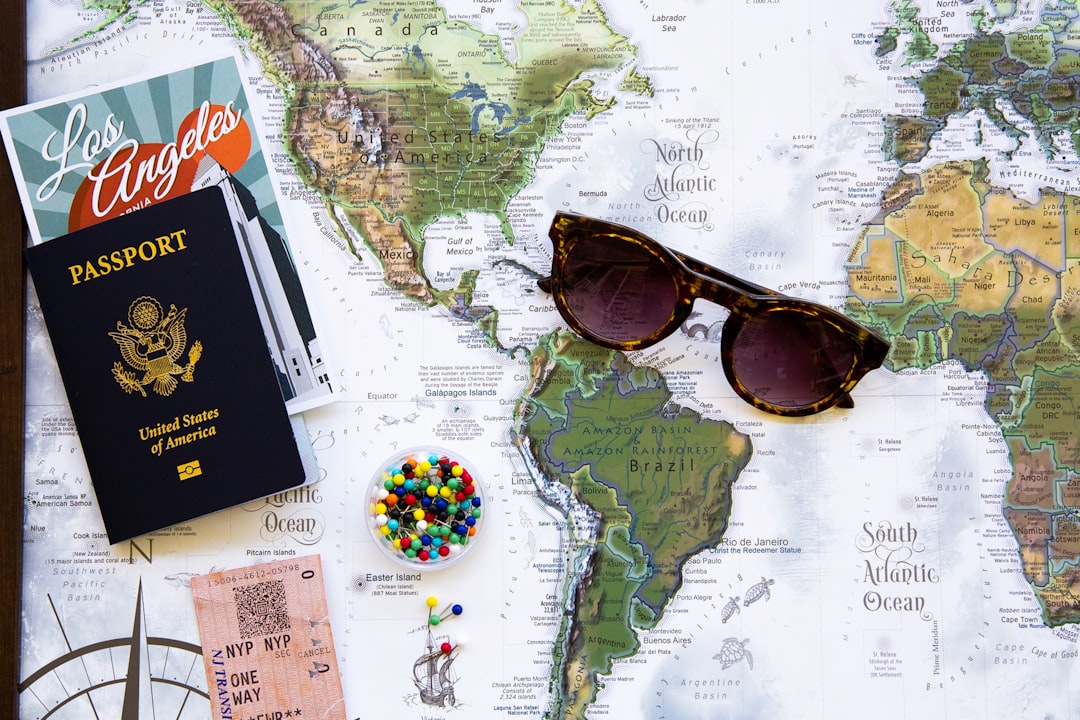
Every culture has visible landmarks and invisible rules. Travelers spend hours reading about castles, beaches, and viewpoints, then arrive unprepared for the moment that actually shapes the day: how to greet the guesthouse owner, whether to refuse tea once or twice, whether to tip in cash, whether to enter a shrine without looking at the sign by the gate. Travel etiquette around the world lives in these small moments. Nobody hands you a universal manual at immigration, yet these are the moments locals remember.
Think of the first seconds inside a Japanese ryokan, where the air smells faintly of tatami straw and cedar, and your suitcase wheels suddenly seem too loud. Or a family home in Morocco, where mint tea arrives bright and sweet, steam curling into a tiled courtyard, and the pace of hospitality is slower than the one in your head. Or a church in southern Europe on a blistering afternoon, where the street outside is noisy and sun-struck, but the interior is cool, shadowed, hushed, and clearly asks something different from your body. Local customs often reveal themselves through atmosphere before they ever become a written rule.
That is why the smartest travelers use three habits everywhere. First, observe before acting. Second, follow the lead of the most formal person in the room. Third, treat uncertainty as a cue to become gentler, not bolder. Travel etiquette around the world becomes far less intimidating when you realize that humility beats confidence in almost every ambiguous situation.
Here are the core habits that work across borders:
- Pause at thresholds. Doorways, temple gates, home entrances, and restaurant host stands often signal a change of behavior.
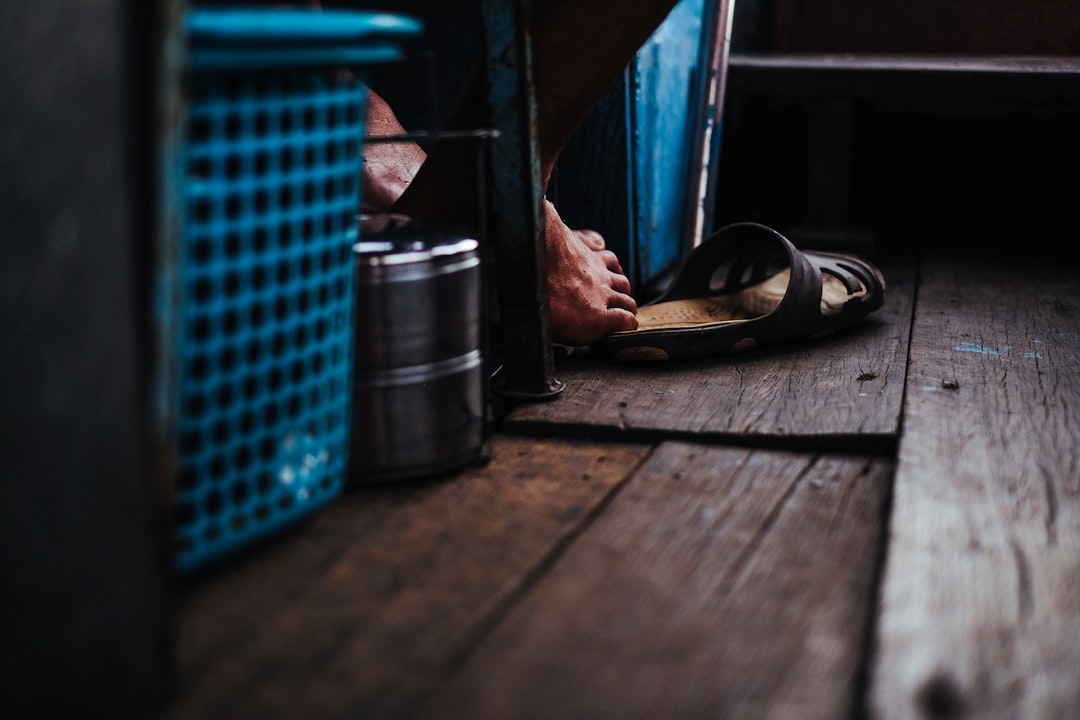
- Notice footwear. Shoes left at the entrance are one of the clearest clues about local customs.
- Lower your volume first. You can always get louder if a place is relaxed; the reverse is harder.
- Watch how people signal respect. It may be a bow, a title, a handshake, or simply waiting your turn.
- Accept correction gracefully. A quick apology and a calm smile repair more than defensiveness ever will.
- Remember that kindness is not identical everywhere. In some places it is exuberant. In others it is restrained.
If you travel with friends, this matters even more because one person can set the tone for the entire group. Before departure, it helps to agree on pace, dress expectations, and shared courtesy standards, especially if you are coordinating different travel styles. That is one reason Drama-Free Group Trip Planning 2026: How to Plan Without Drama matters long before anyone boards a plane.
Greetings in different countries start before you speak
The first thirty seconds of a meeting often shape the next thirty minutes. Greetings in different countries are not just formalities; they reveal ideas about age, hierarchy, gender, privacy, and trust. In some places, the correct greeting is energetic and immediate. In others, rushing to fill silence feels clumsy. Travel etiquette around the world often begins before language does, with distance, posture, eye contact, and the speed of your approach.
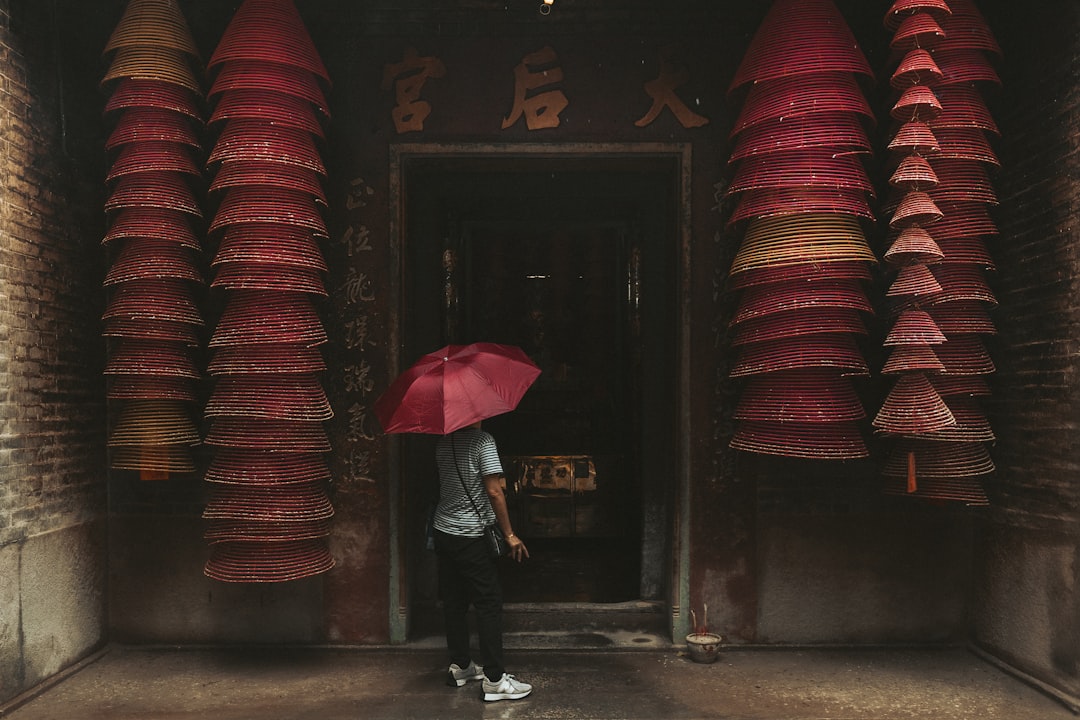
Imagine arriving at a small inn in Kyoto after rain. Umbrellas drip at the door, the receptionist steps forward with perfect calm, and your instinct to stride in with a broad handshake suddenly feels too large for the room. Now picture a family-run restaurant in Mexico City, where warmth is carried in tone, in the use of titles, in the rhythm of an introduction that feels social before it feels transactional. Greetings in different countries are not a random set of rituals. They are compact expressions of how each society negotiates closeness.
A useful rule is this: start formal, then relax if invited. Using titles, softening your body language, and matching the other person’s pace rarely offend. Overfamiliarity can. Travel etiquette around the world rewards travelers who know how to enter slowly.
Practical patterns to remember:
- Japan: A slight bow is often more appropriate than reaching for a handshake first. If someone offers a handshake, return it lightly. Loud backslapping friendliness feels out of place.
- India and Nepal: A small namaste gesture with palms together is respectful and easy. It works especially well across age or gender differences.
- France, Spain, and parts of Latin Europe: Cheek kisses are context-dependent and usually reserved for people who already know one another. Let locals initiate.
- Gulf countries: Same-gender handshakes may be warm and prolonged, but mixed-gender physical greetings are more variable. Wait for the other person to decide.
- Thailand: A wai is graceful in many situations, though visitors are not expected to master every nuance. Do not treat it like a novelty pose.
- Turkey: Older people and hosts are often greeted with visible respect; titles matter in more traditional settings.
- Latin America: Use formal address first, especially with older adults or service staff in classic establishments.
A few things to avoid when learning greetings in different countries:
- Assuming eye contact always signals honesty. In some places, prolonged eye contact can feel intense or challenging.
- Using first names immediately with older people, teachers, guides, or hosts.
- Touching casually before you know the context.
- Turning greetings into performance, especially when sacred or highly traditional gestures are involved.
If language makes you nervous, remember that politeness travels well. Learning hello, please, thank you, excuse me, and sorry in the local language will cover a remarkable amount of ground. For solo travelers, these first exchanges also shape safety and confidence. Calm, respectful greetings help you read people and be read correctly in return, which is part of why Solo Travel Safety Tips 2026: Confident & Secure Alone remains useful even when the topic is culture rather than security.
Dress codes and religious site etiquette that change the room
Photo by Frankie Cordoba on Unsplash
Clothing is never just fabric when you travel. It is context, signal, and sometimes passport. One tank top may be invisible on a beach promenade and deeply inappropriate ten minutes later inside a monastery, mosque, temple, synagogue, or rural family courtyard. Religious site etiquette is not about suppressing your personality. It is about understanding that certain spaces have emotional weather of their own, and your outfit either harmonizes with it or jars against it.
The difference is often physical the moment you cross a threshold. The sun outside may be hard and white, heat rising from stone, scooter engines buzzing past. Inside a sacred space, sound softens. Footsteps change. Incense or candle wax hangs in the air. Knees bend. Heads lower. A scarf, sleeves, or the simple act of removing shoes becomes part of the architecture of respect. Travel etiquette around the world is often felt most strongly in these transitions, when a public sightseeing day suddenly becomes a private spiritual encounter for someone else.
Religious site etiquette also extends beyond clothing. It includes where you stand, whether you photograph, how you sit, whether you point your feet, and whether you understand which areas are reserved for worshippers. Even travelers who consider themselves culturally aware can make mistakes here because beautiful interiors create the urge to move freely and capture everything. Local customs ask for the opposite: move carefully, and accept that not every meaningful moment belongs to your camera roll.
A reliable packing and behavior strategy for religious site etiquette:
- Carry a lightweight scarf or shawl. It can cover shoulders, a head, or knees in seconds.
- Choose bottoms that cover knees if you expect to visit churches, mosques, temples, or monasteries.
- Wear socks if you may remove shoes. Bare feet on old stone or temple flooring can be uncomfortable and sometimes discouraged.
- Avoid beachwear away from beach zones, especially in conservative towns.
- Check whether hats should come off before entering.
- Look for gender-specific entrances, prayer areas, or visiting hours.
- Keep voices low even if others are talking outside.
- Never sit on altars, steps used for prayer, or objects that may have ritual significance.
Regional notes worth remembering:
- In Buddhist settings, avoid pointing the soles of your feet toward people or sacred objects.
- In many Hindu temples, shoes come off before entry, and leather items may be discouraged.
- In mosques open to visitors, modest dress is expected, and prayer times are not sightseeing windows.
- In many churches across Europe and Latin America, shoulders and knees should be covered, especially during services.
- In Orthodox and traditional communities, clothing expectations may be more conservative than in nearby secular neighborhoods.
Travel etiquette around the world becomes easier if you stop asking what you can get away with and start asking what would make you a low-impact guest. That small shift changes everything. It also makes packing smarter, because versatile layers do more than save luggage space — they save awkwardness.
Dining etiquette abroad is about rhythm as much as food
Nothing reveals culture faster than a table. Dining etiquette abroad is not only about which fork to use or whether to tip. It is about pace, hierarchy, sharing, gratitude, and the meaning attached to abundance or restraint. In one country, slurping noodles signals enjoyment. In another, audible eating would feel jarring. In one household, finishing every grain of rice shows appreciation. In another, leaving a little behind suggests that your host has fed you well.
Walk into a Tokyo ramen shop at lunch and the room hums with concentration: steam on the windows, ceramic bowls clacking, the perfume of pork broth and scallion hanging thick in the air. The etiquette is efficient, almost musical. Order, sit, eat, go. Now shift to a long evening meal in Istanbul, where tea glasses glint amber, bread arrives warm, meze spreads across the table in glossy reds and greens, and conversation loops as food does. Move again to a family meal in India, where hands matter, serving order matters, and hospitality can feel endless in the best possible way. Travel etiquette around the world comes alive at meals because food compresses so many values into one scene.
Dining etiquette abroad is also where many travelers accidentally center themselves. They photograph first, ask for substitutions too bluntly, start eating before the oldest person is served, or treat local mealtime norms like optional theater. A more respectful approach is to pay attention to sequence. Who sits first? Who begins? Are dishes shared? Does the host insist once, twice, three times? Is tea accepted immediately or after a ritual refusal? Local customs around food are rarely random. They are scripts of care.
Here are useful anchors for dining etiquette abroad:
- Japan: Slurping noodles is generally acceptable and can signal enjoyment. Do not stick chopsticks upright in rice, as it resembles funeral practice.
- India: In many contexts, eat with your right hand, especially when food is served traditionally. The left hand may be considered less appropriate for eating.
- China: Shared dishes are central; use serving utensils when provided. Toasting can involve hierarchy, and hosts may pour for guests.
- Morocco: Bread may function like a utensil, and communal dishes are common. Eat from the section nearest you if sharing from one plate.
- Ethiopia: Injera meals are shared, and feeding another person by hand can be a gesture of affection and trust in the right context.
- Turkey: Tea and small extras are often part of hospitality, not mere add-ons. Refusing too abruptly can feel colder than intended.
- Mexico: Long meals are social events. Greetings before business matter, and polite patience is part of the atmosphere.
Tipping can complicate dining etiquette abroad because norms differ dramatically:
| Country or region | Typical restaurant tip | What to know |
|---|---|---|
| United States | 18 to 22 percent | Staff often rely on tips as core income |
| Japan | No tip | Tipping can create confusion or embarrassment |
| Turkey | Around 5 to 10 percent | Small tips are appreciated in many sit-down places |
| Morocco | Around 5 to 10 percent | Round up or leave modest cash if service was good |
| Mexico | Around 10 to 15 percent | Check whether service is already included |
| India | Often 5 to 10 percent | Service charge may appear on the bill |
Small dining habits that help almost everywhere:
- Wait until everyone is served, or until the host invites you to begin.
- Keep your phone off the table in more formal settings.
- Ask before adding salt, sauce, or chili to a dish, especially in a home.
- Say yes to at least a small taste when refusing would be socially sharp.
- If you have allergies or strict dietary needs, explain them early and clearly.
For travelers navigating food restrictions, respectful communication matters as much as caution. Traveling with Allergies Tips 2026: Essential Safe-Travel Guide is especially useful when local customs encourage sharing and communal serving.
The deeper lesson of dining etiquette abroad is this: meals are often less about eating efficiently than joining a temporary community. Travel etiquette around the world asks you to notice when a table is a service transaction and when it is an invitation into someone’s social order.
Body language, queues, and personal space are never neutral
Some of the most common travel blunders happen without a single word. Travel etiquette around the world often lives in gestures you barely notice at home: how close you stand, where you place your feet, whether you wave someone over with one finger, how patiently you queue, how often you interrupt, and what your face does when something surprises you.
A crowded platform in Tokyo teaches one kind of choreography — orderly lines, quiet trains, minimal sprawl. A market in Marrakech teaches another — fluid movement, close negotiation, layered sound, fast sensory decisions. Neither is more civilized than the other. They are simply different systems of shared space. Problems begin when travelers treat their home rhythm as universal. Local customs around space can be as meaningful as language.
Useful nonverbal reminders:
- In many parts of Asia, avoid touching people on the head, especially children.
- In Buddhist cultures, feet can be symbolically low or impure, so avoid pointing them at people or sacred objects.
- In some countries, public displays of affection are mild; in others, they may be frowned upon in conservative areas.
- Do not assume pointing with one finger is neutral. An open hand gesture is often softer.
- Respect queues where they exist, and do not import aggressive line-cutting habits into highly orderly systems.
- Keep backpacks and luggage from blocking aisles, train doors, and prayer paths.
Travel etiquette around the world gets easier when you turn public space into observation practice. Notice how locals wait, sit, laugh, bargain, and apologize. If you mirror the calmest version of what you see, you will rarely go far wrong.
Gift-giving customs, tipping, and the language of gratitude
Money is practical, but it is also emotional. Gift-giving customs, tipping rules, and the ways people say thank you tell you a great deal about what a culture values. In some places, a gift should be opened immediately with enthusiasm. In others, immediate opening may feel too direct, even greedy. In some settings, handing over cash solves a problem cleanly. In others, it can flatten a gesture that was meant to be relational rather than transactional.
Think of the texture of these moments: the rustle of wrapping paper in a Tokyo department store, immaculate and ceremonial; the easy exchange of sweets when visiting a home in Istanbul; the importance of bringing something modest but thoughtful when staying with a family in many parts of the world. Gift-giving customs are not just about objects. They are about timing, modesty, symbolism, and the wish not to burden the recipient.
Travel etiquette around the world becomes delicate here because tourists sometimes overdo generosity. They tip where it is awkward, offer expensive gifts that create obligation, or give items with colors, numbers, or meanings they do not understand. Better to be considerate than lavish.
Helpful principles for gift-giving customs:
- Bring consumables or items from your home region when invited to a private home.
- Avoid gifts that may conflict with religion, such as alcohol in conservative Muslim households.
- In East Asia, present and receive gifts with both hands when appropriate.
- Do not insist aggressively if a gift is refused once; ritual refusal can be part of politeness in some places.
- Skip clocks, overly sharp objects, or white wrapping in settings where these carry negative associations.
- Keep business gifts modest unless you understand the local corporate norm.
A quick gratitude guide:
- Japan: Precision and presentation matter; a neat, thoughtful gift can mean more than an expensive one.
- Turkey and the Middle East: Hospitality is generous, so sincere thanks and gracious acceptance matter.
- India: Small gifts for hosts are welcome, but avoid anything that feels showy.
- Morocco: Pastries, tea, or quality sweets are often safer than personal items.
- Latin America: Warm verbal thanks and follow-up messages are often appreciated.
Travel etiquette around the world also requires knowing when not to tip. A culture that builds dignity into service may not want the customer to turn every interaction into a bonus system. When in doubt, ask discreetly at your hotel or observe what locals do.
Photography etiquette and digital manners in living cultures
The camera changes behavior the moment it appears. Travel etiquette around the world now includes digital manners that older guidebooks barely mentioned: whether it is acceptable to film a prayer, geotag a fragile site, post children’s faces online, fly a drone above a village, or treat someone’s daily life as visual content.
Some of the most beautiful travel moments are the least photographable. Smoke from incense in a temple, a grandmother folding flatbread in a market stall, a call to prayer lifting over rooftops at dusk, marigold garlands stacked in a Delhi lane, candles trembling in a side chapel — all of these may be powerful precisely because they are intimate. Local customs often draw a line between witnessing and capturing. Respect begins with learning that line.
A few rules matter almost everywhere:
- Ask before photographing people, especially elders, children, artisans, and worshippers.
- Never assume a festival is public in the same way a parade is public.
- Obey no-photo signs at sacred sites, museums, border areas, and performances.
- Turn off flash in religious and heritage interiors.
- Do not block prayer, processions, or narrow lanes to compose a better shot.
- Be careful with drone use; many historic zones ban it outright.
- Think before posting exact locations of fragile cultural or natural places.
Travel etiquette around the world is increasingly digital, which means courtesy continues after you leave the room. A respectful traveler does not just ask, Can I take this photo? They also ask, Should I share it, and in what context?
How to recover gracefully after a cultural mistake
Even careful travelers make mistakes. You may hand something over with the wrong hand, speak too loudly on a quiet train, wear the wrong thing, sit in the wrong place, or misunderstand a host’s insistence. Travel etiquette around the world is not about never slipping. It is about how quickly and gracefully you repair the moment.
The best recovery is usually short and sincere. Overexplaining can make the scene bigger. Defensive humor almost always makes it worse. A simple apology, a visible correction, and a calmer second attempt are enough in most cases. People generally recognize intent. They can tell the difference between arrogance and ignorance.
A practical repair formula:
- Stop immediately when corrected.
- Smile gently, not theatrically.
- Say sorry in the local language if you know it.
- Correct the behavior at once.
- Thank the person who helped you.
- Move on without making them comfort you.
Useful phrases to learn before any trip:
- Sorry
- Excuse me
- Thank you
- I did not know
- Could you please show me
- Is this okay
Travel etiquette around the world gets less stressful once you accept that respectful travel is interactive. Locals are not testing you for perfection. They are responding to whether you can listen.
How to get there
If you want to understand travel etiquette around the world in a real, tactile way, theory alone is not enough. The fastest education often comes from moving through a handful of cities where customs shift in visible, memorable ways. The route below links five gateway cities that are excellent classrooms for reading local customs: Tokyo, Istanbul, Marrakech, Delhi, and Mexico City.
Each city is large enough to offer major international access, but intimate enough in certain neighborhoods to teach you how greetings, sacred spaces, dining codes, bargaining rhythms, and host-guest etiquette actually work on the ground. You do not need to do the full route in one trip. Even one stop can sharpen your understanding of travel etiquette around the world.
| City | Main airport | Typical airport to center transfer | Approx cost | Best onward cultural trip | Duration |
|---|---|---|---|---|---|
| Tokyo | HND, NRT | HND to Hamamatsucho by Tokyo Monorail, or NRT to Tokyo Station by Narita Express | JPY 500 from HND, around JPY 3,070 from NRT | Tokyo to Kyoto by Shinkansen | about 2 hr 15 min |
| Istanbul | IST | Havaist bus or taxi to Sultanahmet or Taksim | around TRY 200 to 250 by bus, TRY 800 to 1,200 by taxi depending on traffic | Istanbul to Edirne by bus or car | about 2 hr 30 min |
| Marrakech | RAK | Official taxi to Medina or Gueliz | around MAD 100 day, MAD 150 night | Marrakech to Essaouira by bus or car | about 2 hr 45 min |
| Delhi | DEL | Airport Express Metro to New Delhi Station | INR 60 | Delhi to Agra on Gatimaan Express | about 1 hr 40 min |
| Mexico City | MEX | Authorized airport taxi to Centro or Roma, or Metro when light on luggage | around MXN 250 to 350 by taxi | Mexico City to Teotihuacan by car or bus | about 1 hr 15 min |
Suggested multi-city flight logic for long-haul travelers:
- Europe to Tokyo is often easiest via direct services from London, Paris, Frankfurt, and Amsterdam.
- Tokyo to Delhi and Delhi to Istanbul have frequent one-stop and some nonstop options depending on season.
- Istanbul to Marrakech is well served by direct and one-stop routes.
- Marrakech to Mexico City usually requires a connection in Madrid, Paris, or another major hub.
Official planning links worth bookmarking:
- Japan travel information: https://www.japan.travel/en/
- Istanbul Airport: https://www.istairport.com/en
- Morocco travel information: https://www.visitmorocco.com/en
- Delhi airport: https://www.newdelhiairport.in/
- Mexico City airport: https://www.aicm.com.mx/
If you build the route as one long journey, protect your energy on the transport days. Courtesy gets harder when you are dehydrated, jet-lagged, and carrying too much. That is why practical recovery habits from Survive Long-Haul Flight Comfortably 2026: Practical Travel Hacks help as much with etiquette as with comfort.
Things to do
The fastest way to understand travel etiquette around the world is to put yourself in spaces where manners have shape and sound: a shrine approach, a covered market, a tea house, a neighborhood bakery, a food hall, a prayer courtyard at the edge of visiting hours. These are the places where behavior is patterned, and where you can feel how local customs guide movement.
Do not rush through these places with a checklist mentality. Arrive a little early. Watch who enters first. Notice how people dress, where they pause, how they pay, whether they greet staff before ordering, whether they sit anywhere or wait to be shown. That slow attention will teach you more than any lecture.
Here are eight specific experiences that make etiquette tangible:
- Senso-ji Temple, Asakusa, Tokyo
- Meiji Jingu, Shibuya, Tokyo
- Sultanahmet Square, Istanbul
- Kadikoy Market, Istanbul
- Jemaa el-Fnaa, Marrakech
- Bahia Palace and the Medina lanes, Marrakech
- Jama Masjid and Chandni Chowk, Old Delhi
- Coyoacan and Mercado de Coyoacan, Mexico City
Where to stay
Accommodation shapes your cultural learning more than travelers sometimes realize. A giant anonymous hotel can buffer every local custom until the city feels interchangeable. A smaller ryokan-style inn, riad, pension, or neighborhood hotel often teaches more because staff communicate expectations clearly: when shoes come off, how breakfast works, when voices should drop, how to greet elders, whether cash tips are standard, and how shared spaces are used.
For travelers focused on travel etiquette around the world, the best places to stay are not always the flashiest. They are the ones where the social texture of the destination is still visible. Properties with local staff, neighborhood breakfast rooms, and manageable scale make it easier to understand local customs without feeling thrown into the deep end.
| Budget tier | Property | City | Typical price per night | Why it works |
|---|---|---|---|---|
| Budget | Khaosan Tokyo Laboratory | Tokyo | USD 35 to 70 | Friendly, compact, and well placed for observing quiet shared-space norms |
| Budget | Cheers Hostel | Istanbul | USD 30 to 80 | Social but central, good for learning mosque-area dress and old-city rhythm |
| Budget | Riad Dia | Marrakech | USD 20 to 55 | Affordable Medina base with clear host guidance on local customs |
| Mid-range | Hotel Gracery Asakusa | Tokyo | USD 120 to 220 | Comfortable and efficient, ideal near temples and traditional neighborhoods |
| Mid-range | Neorion Hotel | Istanbul | USD 120 to 220 | Walkable to Sultanahmet while still feeling rooted in the city |
| Mid-range | Riad BE Marrakech | Marrakech | USD 130 to 220 | Stylish but intimate, with warm explanations of Medina etiquette |
| Luxury | Hoshinoya Tokyo | Tokyo | USD 700 to 1,200 | One of the best places to experience refined hospitality and ritual detail |
| Luxury | Four Seasons Hotel Istanbul at Sultanahmet | Istanbul | USD 550 to 1,100 | Strong service in a neighborhood where religious site etiquette matters daily |
| Luxury | The Oberoi Marrakech | Marrakech | USD 650 to 1,300 | Spacious, serene, and excellent for travelers wanting cultural immersion with comfort |
If Delhi or Mexico City are your main bases, strong mid-range options include Haveli Dharampura in Old Delhi and Casa Decu in Mexico City, both of which place you near neighborhoods where daily etiquette is easy to observe rather than abstract to imagine.
Where to eat
Restaurants are where travel etiquette around the world becomes vivid, edible, and impossible to fake. The room teaches you. You notice whether people wait to be seated, how servers are addressed, whether bills are requested or simply brought, whether dishes are shared, whether tea ends the meal or begins a new phase of it. Dining etiquette abroad feels far less mysterious once you have seen how it unfolds in a real place.
Try to balance markets with sit-down meals. Markets teach spontaneity, payment rhythm, and photography boundaries. Sit-down dining teaches tone, service expectations, and how long a meal is meant to last. Both reveal local customs, and both are worth your time.
Good places to learn through food:
- Tsukiji Outer Market, Tokyo — Fresh seafood, tamagoyaki, and compact counters where efficient ordering matters. Best early morning.
- Asakusa Imahan, Tokyo — A classic spot for sukiyaki where attentive service shows how formal dining etiquette abroad can feel almost ceremonial.
- Karakoy Lokantasi, Istanbul — Excellent for meze and fish, with a polished but welcoming atmosphere that rewards patience and shared ordering.
- Ciya Sofrasi, Kadikoy, Istanbul — Regional Turkish dishes and a room that makes conversation, curiosity, and modest appetite expansion feel easy.
- Nomad, Marrakech — A stylish place to try updated Moroccan flavors while still respecting Medina pace and reservation culture.
- Jemaa el-Fnaa food stalls, Marrakech — Go with awareness, ask prices first, and observe where locals cluster for the busiest, freshest counters.
- Karim's, Old Delhi — Mughlai classics in a historic setting where service speed and room energy are part of the experience.
- Dilli Haat, Delhi — Useful for sampling regional foods while observing how diverse Indian dining practices coexist in one venue.
- El Cardenal, Mexico City — Traditional breakfasts and gracious service; ideal for understanding the social rhythm of a classic Mexican meal.
- Azul Historico, Mexico City — A beautiful dining room where slower service is not neglect but atmosphere.
What to order if you want to understand the table, not just the menu:
- Tokyo: ramen, sushi omakase in a modest local shop, or sukiyaki
- Istanbul: meze, simit, menemen, baklava, Turkish tea
- Marrakech: tagine, pastilla, msemen, mint tea
- Delhi: thali, kebabs, chaat, butter chicken, jalebi
- Mexico City: mole, tamales, tacos al pastor, churros, café de olla
Dining etiquette abroad becomes easier when you stop treating meals as refueling stops and start treating them as cultural rooms with their own tempo.
Practical tips
Travel etiquette around the world becomes much easier when you plan for context instead of improvising under pressure. Weather affects clothing rules. Fatigue affects patience. Connectivity affects whether you can check temple hours, reservation customs, or cash needs before arriving at the door. Good planning does not make a trip rigid; it makes you less likely to be rude by accident.
Best seasons for this etiquette-focused route are generally spring and autumn, when streets are lively, layers are easier, and sacred sites are more comfortable to visit without heat stress. Summer can work, but modest dressing becomes trickier in hot climates, and crowded conditions make patience even more important.
Quick climate comparison
| City | Best months | Typical daytime temperature in best season | Main caution |
|---|---|---|---|
| Tokyo | March to May, October to November | 12 to 24 C | Rain showers and crowded holiday periods |
| Istanbul | April to June, September to October | 15 to 28 C | Summer congestion around major monuments |
| Marrakech | March to May, October to November | 18 to 32 C | Strong sun and cool desert nights |
| Delhi | November to February | 8 to 25 C | Fog in winter mornings, intense heat in late spring |
| Mexico City | February to April, October to November | 12 to 26 C | Afternoon rain in wet season |
What to pack for respectful travel
- Lightweight scarf or shawl
- Tops with sleeves
- Trousers or skirts below the knee
- Slip-on shoes and socks for sites where footwear comes off
- Small cash in local currency for modest tips or market purchases
- Refillable water bottle
- Portable charger
- Translation app downloaded offline
- A slim notebook for addresses, phrases, and small etiquette reminders
Money, currency, and payment
- Japan: JPY, card-friendly but carry some cash for smaller temples, local eateries, and older shops.
- Turkey: TRY, cards common in cities, cash still useful for markets and small tea houses.
- Morocco: MAD, cash matters in souks and smaller guesthouses.
- India: INR, digital payment is widespread in cities but cash is still practical for many local transactions.
- Mexico: MXN, cards common, but cash helps in markets, taxis, and neighborhood spots.
Safety and situational awareness
Respect and safety often overlap. Modest dress lowers friction in conservative areas. Calm greetings defuse uncertainty. Observing before acting helps you avoid scams as well as social mistakes. Keep copies of important documents, use registered taxis or ride apps when appropriate, and avoid photographing police, military areas, and border infrastructure.
Connectivity and local information
Buy an eSIM or local SIM when staying more than a few days in each country. Being able to check prayer times, museum rules, transport strikes, and restaurant reservation customs in real time makes travel etiquette around the world much easier. Official tourism boards are better sources than random social videos for checking current dress codes and access rules.
A few final planning habits that help
- Pre-book major sacred sites where timed entry exists.
- Carry tissues and hand sanitizer for markets and station bathrooms.
- Learn at least five polite phrases per country.
- Keep a backup outfit for unexpectedly formal dinners or worship spaces.
- Build empty time into days so you do not rush sacred places or long meals.
- If traveling cheaply, remember that courtesy is not expensive. You can save money with Budget Travel Strategies 2026: Smart Ways to Stretch Every Euro without cutting the small comforts that help you stay patient and respectful.
FAQ
What is the biggest mistake travelers make with travel etiquette around the world?
The most common mistake is assuming good intentions are enough. Intent matters, but so does observation. People usually forgive errors faster than entitlement. Slow down, watch the room, and ask when unsure.
How do I learn greetings in different countries without memorizing everything?
Start with a formal greeting, a smile, and a small amount of physical distance. Learn hello, thank you, sorry, and excuse me in the local language. Greetings in different countries vary, but respectful restraint travels well.
What should I wear for religious site etiquette if I am not sure?
Choose shoulders covered, knees covered, and shoes that are easy to remove. Carry a scarf. Religious site etiquette nearly always rewards modesty over fashion risk, especially in active worship spaces.
Is tipping part of travel etiquette around the world?
Sometimes yes, sometimes no. In the United States it is expected. In Japan it can feel awkward. In many other places, small tips are appreciated but not mandatory. Check local customs instead of assuming your home norm applies.
How important are gift-giving customs for short trips?
Gift-giving customs matter most when you are invited into homes, joining a host family, or visiting in a business context. For ordinary sightseeing trips, sincere thanks and modest courtesy matter more than arriving with presents.
Is dining etiquette abroad different in markets than in restaurants?
Yes. Dining etiquette abroad in markets is often faster, more observational, and more cash-oriented. Restaurants may involve pacing, table hierarchy, reservations, and tipping norms. In both, watch first and follow the local rhythm.
A final thought on respectful travel
Travel etiquette around the world is not a performance of sophistication. It is a quiet practice of making yourself a little smaller so that another place can remain fully itself in your presence. The reward is not simply avoiding embarrassment. It is hearing a warmer tone in a shopkeeper’s voice, being invited to sit longer at a table, noticing when a sacred space changes the air, and feeling the city soften because you met it with care.
Landmarks make memories, but manners unlock them. Learn the rhythm, honor the room, and the world becomes less like a spectacle and more like a conversation.