Solo Travel Safety Tips 2026: Confident & Secure Alone
Solo Travel Safety Tips 2026: A Practical Guide
Photo by Ling App on Unsplash
Have you ever wondered why more travellers choose to go it alone? Solo travel can sharpen your senses, deepen your curiosity, and force small acts of bravery that become bright memories. In this guide you'll find pragmatic, experience-driven solo travel safety tips 2026 to help you travel more confidently — from airport exits to late-night rides, and from money backups to making meaningful connections.
Solo travel feels like stepping into an empty train car at dusk: the light is different, sounds are crisper, and every small decision is yours to make. This article blends streetwise hacks, sensory storytelling, and precise, actionable checklists so you leave better prepared and more relaxed.
Primary focus: solo travel safety tips 2026 appears throughout this guide to anchor practical advice for modern independent travellers.
Why safety-first solo travel matters
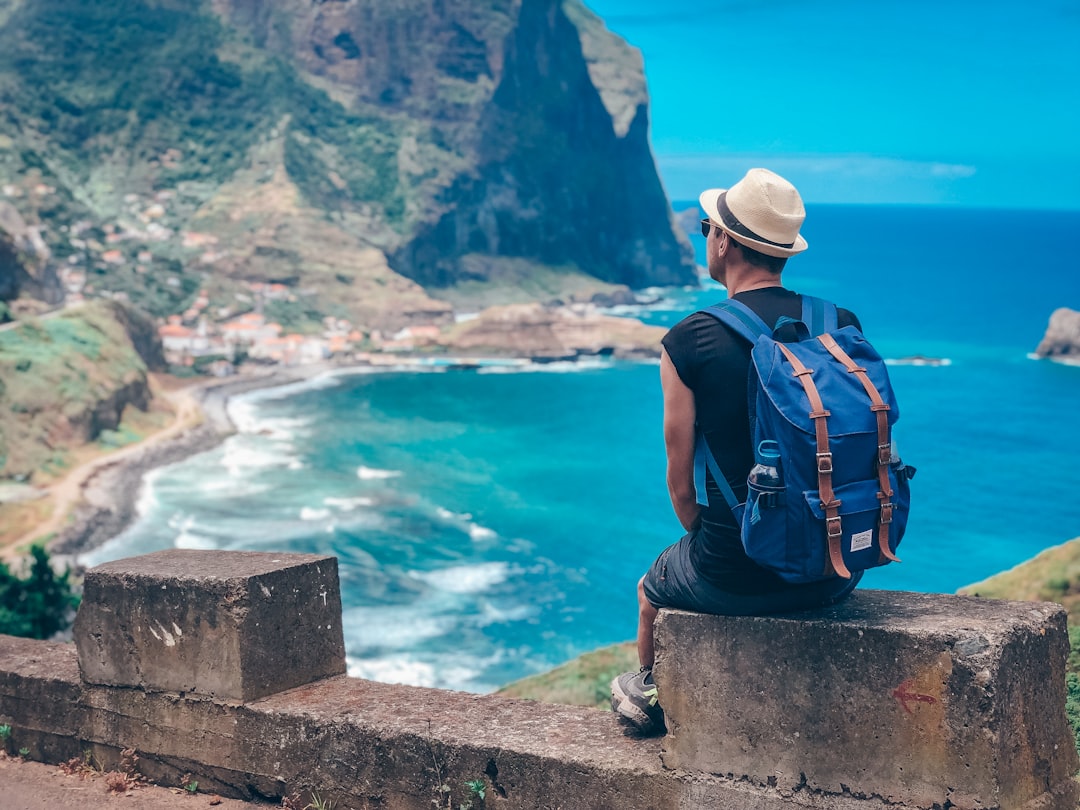
Photo by Jan Suchánek on Unsplash
Travel alone and you’ll notice details you miss in company: a locked courtyard gate, the smells of a market, the cadence of a language you’re trying to catch. Those details are joyful — but they also reveal where you can be vulnerable. Prioritising safety doesn’t muffle the adventure; it amplifies it. You move with purpose, sleep better, and connect with locals from a place of calm confidence.
In the sections that follow I describe real sensory moments and step-by-step tactics: what to pack in your daypack, how to choose the right hostel room, how to read a street’s atmosphere, and which digital habits will keep your data secure.
Related keywords you’ll see: personal safety tips solo, solo travel security checklist, traveling alone safety strategies
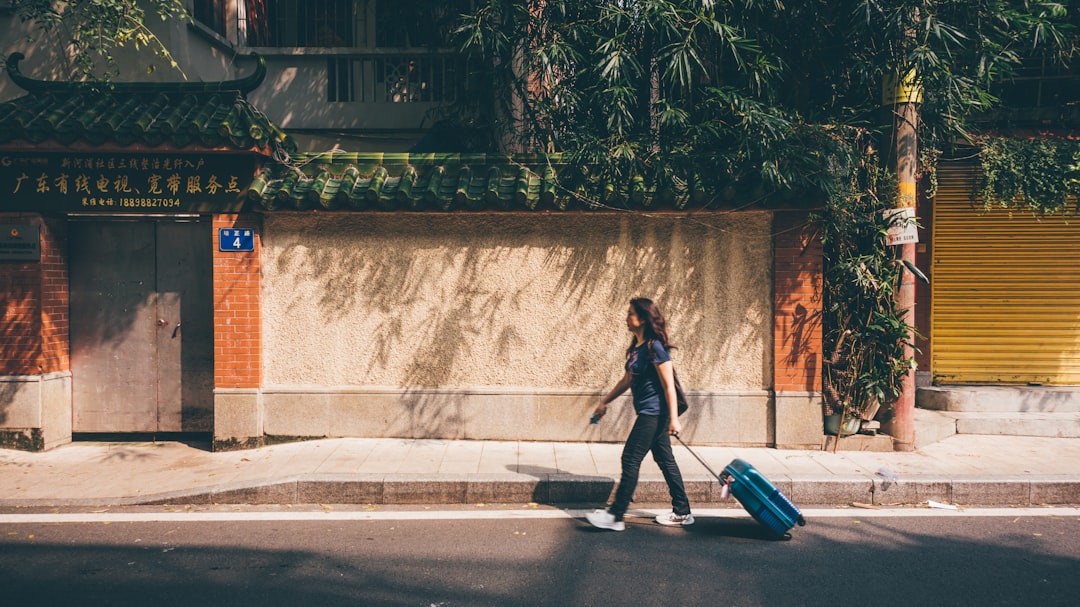
Photo by Shawn Rain on Unsplash
Getting a head start: planning and pre-trip checks
A solo trip that begins with clear planning sets the stage for relaxed improvisation. Spend time on three essentials before you leave: documents, emergency contacts, and a basic digital-security routine.
When I prepare for a solo trip, I make a ritual of printing one itinerary copy, leaving it with someone at home, and saving encrypted copies of my passport and insurance details. That small tactile step — folded paper in a travel wallet — is oddly reassuring in a world of clouds and apps.
Practical pre-trip checklist:
- Passport scan (PDF) in a password manager and a second copy in an encrypted cloud folder.
- Travel insurance with 24/7 emergency assistance and medical evacuation options.
- Two working payment cards (different networks) and a small emergency cash stash.
- Local emergency numbers and your embassy contact saved under a memorable name in your phone.
## Come arrivare / How to get there
Arriving smoothly is the first safety win. Below are examples for typical solo routes; adjust details for your destination.
- Airports: research your arrival terminal, official taxi desks, and shuttle counters. At most major airports the official taxi desk sits just past passport control; expect a 20–60 minute wait for a licensed taxi during busy hours. Example: nailed airport flow — arrive at Schiphol (AMS), follow signs to official taxi/bus, prebooked train to Amsterdam Centraal is 15–20 minutes and costs €5–6.
- Trains: major stations have staffed ticket offices and guarded platforms. Reserve seats for overnight journeys where possible.
- Buses and ferries: pick daytime crossings when possible. On popular island routes expect ticket windows on the dock and prebook online to avoid long queues.
Costs and durations (examples):
- Flight + train transfer: London Heathrow (LHR) to central London by Heathrow Express 15–20 mins, £25–£30.
- Airport shuttle: from Nice (NCE) to Nice-Ville station bus ~25 mins, €6.
- Overnight bus: costs vary widely; budget €20–€60 depending on distance and country.
Pro tip: download airport maps and offline transit apps so you don’t stare at your phone in a doorway. An offline map plus confidence is a potent combination.
## Cosa fare / Things to do
Solo travel isn’t just about safety — it’s about savoring freedom. Below are 6 things that balance exploration with low-risk interaction:
- Join a morning walking tour (local guides often have police-registered licences).
- Take a cooking class in a well-reviewed studio — cooking schools are social and low-pressure.
- Book a small-group day trip (hiking, market visits, island hops).
- Spend a morning at a community co-working space — meet people, not overshare.
- Visit a central market early in the day for sensory immersion: colors, citrus scents, chatter.
- Take a short organised night activity (food tour, small-group music night) rather than wandering unknown streets after dark.
Each one of these activities keeps you within a social web while preserving solo autonomy. Listen to the textures of the place: market spices, tram bell clangs, the hush of churches or temples — these cues help you pick routes and companions.
## Dove dormire / Where to stay
Pick accommodation for both comfort and safety: location, reviews, staff responsiveness, and clear access control matter. Below are tiered suggestions (price ranges are illustrative; update locally).
- Budget (hostel/private room): Social hostels with female-only dorms available; expect €12–€40 per night in many European cities. Look for properties with 8.5+ recent ratings and active common rooms.
- Mid-range (3-star hotels / guesthouses): €60–€150 per night. Choose hotels with 24-hour reception and keycard access.
- Luxury (4–5 star): €180+. Concierge assistance, secure valet, and in-house transfers add convenience when arriving late.
Room-choice tips: ask for higher floors, test door locks on arrival, note emergency exits, and bring a small travel door alarm or portable rubber doorstop for extra reassurance.
## Dove mangiare / Where to eat
Food is a gateway to local life. Safely enjoy local cuisine with these strategies:
- Eat where locals queue — busy stalls mean fresh turnover.
- Choose daytime markets or well-lit restaurant streets at night.
- Try communal counters and chef’s bar seating for solo dining that feels natural.
Suggested dishes and spots (examples):
- Mediterranean city: sample a morning bakery’s fresh focaccia, midday grilled fish by the port, and a late gelato near a square.
- Southeast Asia: street-market rice dishes at lunchtime, cooked in front of you; pick stalls with lots of locals and steam rising from woks.
When you eat solo, bring a small notebook or journal. The ritual of writing while you eat keeps you present and less likely to display expensive devices.
## Consigli pratici / Practical tips
The seasons, local customs, and small rituals shape safety. Here are compact, sensory-rich recommendations:
- Best months: travel shoulder months where crowds thin and mornings are cool. Weather matters: rain makes streets slippery and understaffed services less reliable.
- What to pack: daypack with rain jacket, compact first-aid kit, microfiber towel, charger, and a printed emergency contact list.
- Currency and payments: carry one main card and one backup; keep a small emergency stash of local currency in a hidden pocket.
- Connectivity: buy a local SIM card at a staffed kiosk, or pre-order eSIMs for immediate connectivity. Keep a power bank charged.
- Safety on the street: walk with purpose, avoid sudden map-checking in the middle of a busy lane, and step into a cafe if you need to plan.
Digital security:
- Use a VPN on public Wi-Fi.
- Enable device-level remote-wipe and strong passcodes.
- Avoid posting real-time location publicly.
Comparison table: accommodation tiers (example)
| Tier | Typical cost/night | Security features | Best for |
|---|---|---|---|
| Budget | €12–€40 | Lockers, staff hours, social area | Backpackers, social travellers |
| Mid-range | €60–€150 | Reception 24/7, keycards | Solo professionals, comfort seekers |
| Luxury | €180+ | Concierge, in-house transfers | High-comfort, late arrivals |
Money & tech safety: live examples and numbers
- ATM usage: use ATMs inside banks or major supermarkets. Expect transaction fees of €2–€5 plus your bank’s FX markup unless you use a travel-friendly card.
- Card backup: carry one Visa and one Mastercard where possible. If one network has problems, the other often works.
- Emergency cash: €50–€150 (or local equivalent) hidden in a belt or sewn into a packing layer.
Meeting people safely: social rhythms for solo travellers
Meeting others is a highlight of solo travel — do it with boundaries.
Narrative: I once accepted an island day-trip invite from hostel friends and found myself on a small boat where everyone took turns cooking; the sound of salt on wood, frying oil, and laughter became the day’s signature. Boundaries were simple: I kept my accommodation details private and shared arrival times only.
Safe ways to meet people:
- Join morning tours and exchange social handles, not room numbers.
- Sit at communal tables and try to start conversation about food; it’s non-intrusive and universal.
- Attend organised meetups rather than spontaneous late-night invites to private apartments.
Emergency planning: simple, not scary
Create a two-tier emergency plan: local and back-home.
Local:
- Save local emergency numbers and the nearest embassy phone in your contacts with an obvious name.
- Know the closest 24-hour clinic or hospital to where you sleep.
Back-home:
- Share a loose itinerary with a trusted person and agree on check-in times.
- Keep your insurance policy number and emergency hotline in an easy-to-access place.
## FAQ / Domande frequenti
Q: Are solo trips safe for first-timers?
A: Yes — when you research the destination, choose central accommodation, and follow basic streetwise rules. Start with a short trip to a well-connected city.
Q: How do I handle loneliness while travelling alone?
A: Schedule social activities (walking tours, cooking classes) and reserve morning encounters; solitude in the afternoon makes evenings with others more meaningful.
Q: What should I do if I lose my passport?
A: Report to local police, contact your embassy, and use your stored digital passport copy to speed up replacement.
Tags
- solo travel safety tips 2026
- personal safety tips solo
- traveling alone security checklist
- solo female travel tips
- solo trip emergency planning
Internal links and resources
For practical budgeting and money-safety tips, see Budget Travel Strategies 2026: Smart Ways to Stretch Every Euro. If you want more on long-haul comfort for those long transit days between solo stops, read Survive Long-Haul Flight Comfortably 2026: Practical Travel Hacks.
For a simple way to organise documents and itineraries I sometimes use TravelDeck (https://traveldeck.ai) to keep bookings in one place — only one mention here as a practical tool.
Final thoughts
Solo travel is a continuous braid of quiet mornings and impulsive evenings. The safest travellers are not the most paranoid ones but the most prepared: they travel with redundancies, stay curious, and listen to what a place's sounds and smells tell them. Use these solo travel safety tips 2026 as a foundation; then step into the city with all your senses open. The road will teach you the rest.