Cultural Etiquette Travel 2026: Customs You Should Know Before Going
Cultural etiquette travel: Customs you should know before traveling (2026)
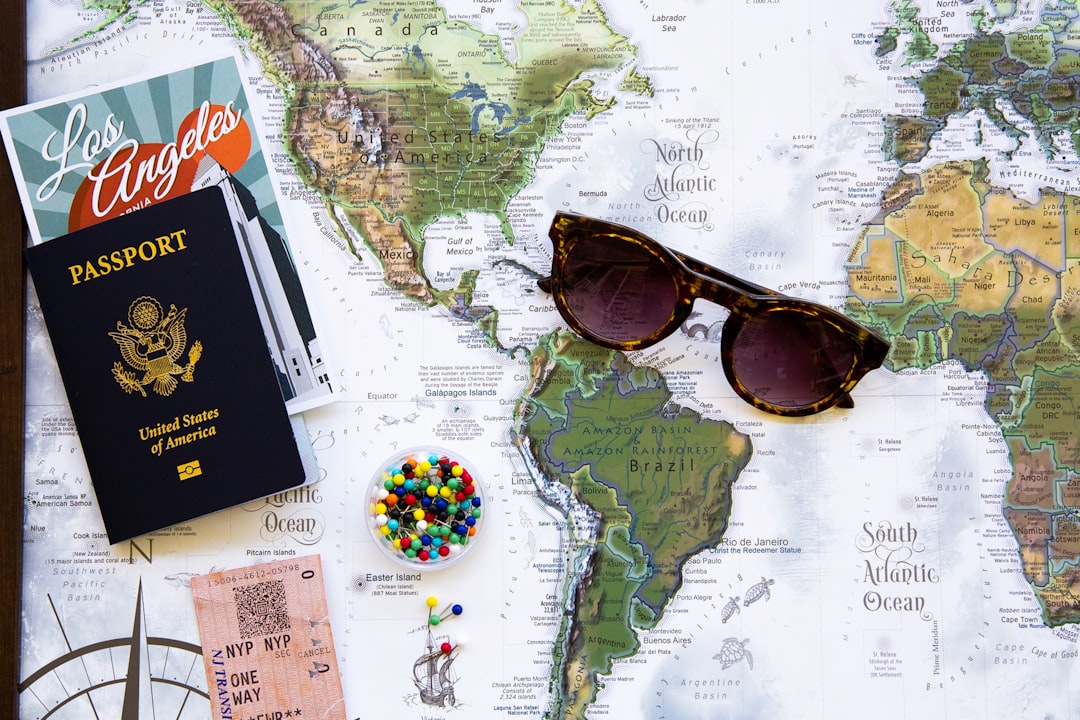
Photo by GeoJango Maps on Unsplash
Have you ever wondered why a friendly thumbs-up in one city can trigger a wince in another? Cultural etiquette travel matters because tiny gestures set the tone of a visit long before you say a word. In this guide you'll find living, breathing examples of local customs, sensory-rich descriptions, and practical guidance to help you move through other cultures with curiosity, humility and confidence. The phrase "cultural etiquette travel" appears throughout to keep you oriented as you learn how to behave thoughtfully in new places.
Travel is sensory: salty wind off coastal promenades, the clack of shoes on temple stone, the heady perfume of street spice stalls. But etiquette is the quiet scaffolding that makes those moments possible — the rules that let you share a meal, enter a home, or photograph a festival without causing offense.
Why cultural etiquette travel changes your trip
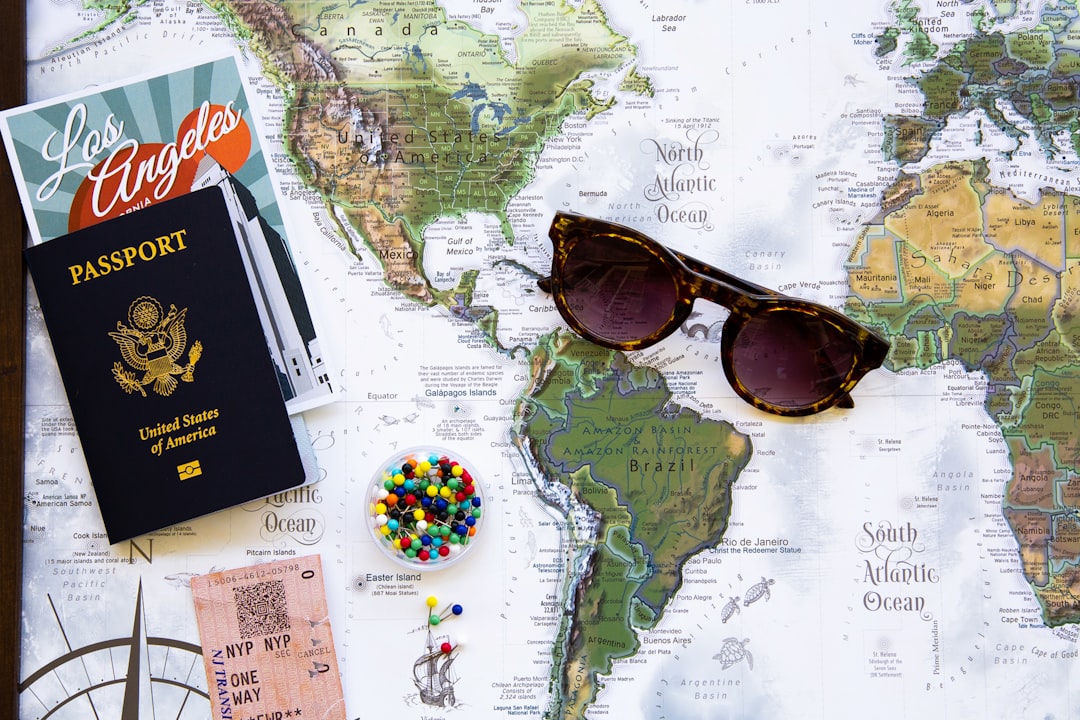
Photo by GeoJango Maps on Unsplash
When you study local customs you unlock warmer conversations and deeper invitations. Locals notice small efforts — a phrase memorized, shoes removed at a threshold, eyes lowered in modesty — and they reward that respect with stories, access, or a shared table. Cultural etiquette travel is not restriction; it's an invitation to belong for a little while.
Walk into a Japanese ryokan and feel the tatami underfoot; the ritual of removing shoes and folding them neatly is a quiet vow of respect. Sit down to a Moroccan mint tea and taste the sugar, heat, and ceremony of pouring — the host's rhythm teaches you how to be a good guest. Those sensory details are what stay with you.
Core principles to guide every trip

Photo by Precondo CA on Unsplash
Before we visit regions and specifics, anchor yourself to five portable principles that make cultural etiquette travel easier:
- Observe first, then follow: watch how people greet, queue, and dine.
- Ask when you're unsure: a simple "Is this okay?" or the local equivalent opens doors.
- Use both hands when exchanging items in many Asian cultures.
- Err on the side of modesty at religious sites: cover shoulders and knees if in doubt.
- Learn five polite phrases in the local language: hello, thank you, please, excuse me, sorry.
Regional snapshots: gestures, greetings, and small rituals
Below are vivid snapshots to give you a feel for how etiquette shapes everyday life across regions. Each mini-section blends sensory detail with actionable do's and don'ts for cultural etiquette travel.
East Asia: Quiet precision and layered politeness
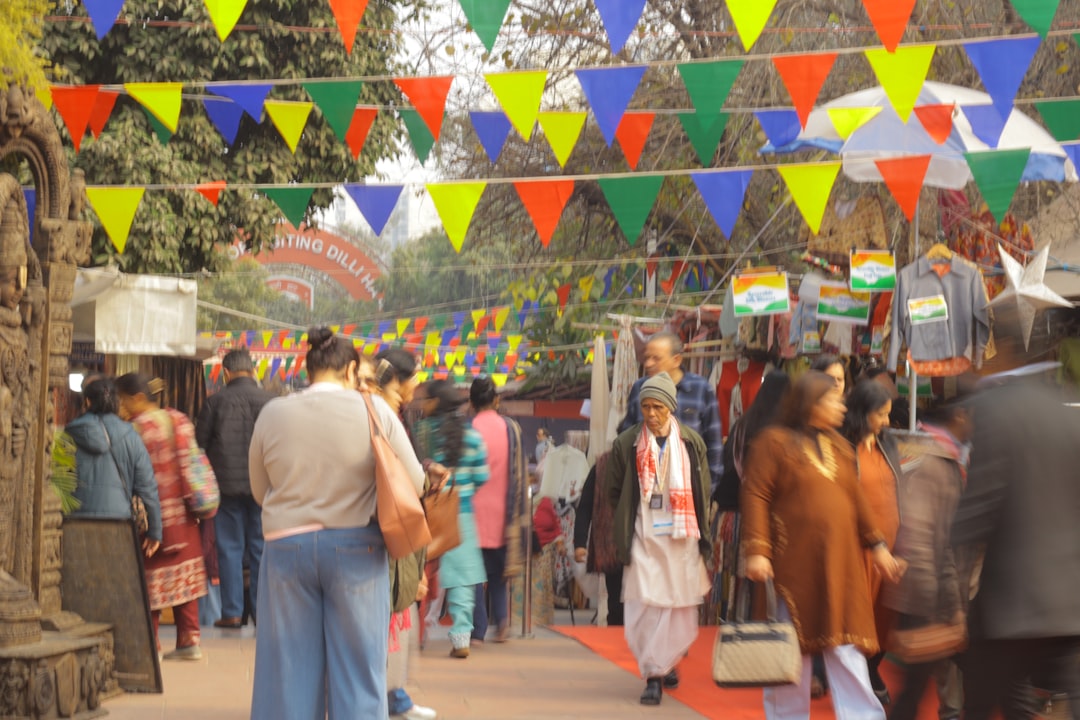
In Japan and South Korea the world often feels calibrated: subdued voices on trains, methodical rituals at shrines, and an appreciation for subtlety. Imagine stepping into a Shinto shrine: wet stone underfoot, the faint scent of incense, and the ritual water basin where pilgrims rinse their hands and mouths in silence.
Do:
- Bow or nod when greeting.
- Remove shoes at genkan and change into slippers.
- Wait for the eldest diner to start at a Korean table.
Don't:
- Stick chopsticks vertically into rice (Japan) — it evokes funerary rites.
- Tip in Japan — it can confuse and offend.
Southeast Asia: Feet, heads, and the power of the wai
Thailand is a study in reverence: heads are treated as sacred and feet as lowly. Visualize sitting on red-tiled temple steps, the hum of cicadas, and the smell of jasmine. The wai — hands pressed together near the chest with a slight bow — is the social currency.
Do:
- Keep your head lower than Buddha images.
- Use your right hand for handing objects in Bali and many parts of Indonesia.
- Cover knees and shoulders in temples.
Don't:
- Point feet at people or religious icons.
- Step on small Hindu offerings in Bali — they are everywhere and delicate.
South Asia: Ritual hospitality and layered formality
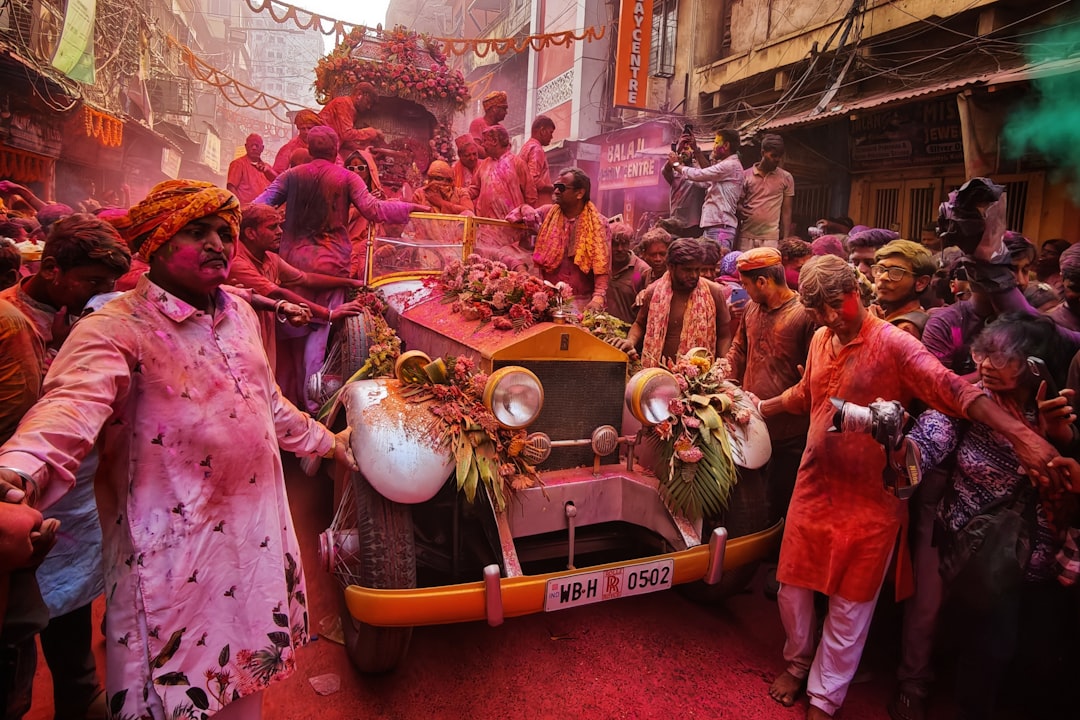
In India and Nepal hospitality arrives like a warm gust: chai poured in a small glass, the bright spice-laden air near food stalls, and the sung prayers at dawn. Dress modestly, use your right hand for eating, and accept offers of food, even small tastes.
Do:
- Say "Namaste" with palms together where appropriate.
- Remove shoes before entering homes and many religious sites.
- Respect dietary taboos — ask before offering beef or pork.
Don't:
- Take photos of women or religious rituals without permission.
- Use your left hand for exchanging money or food in conservative areas.
Middle East & North Africa: Hospitality, formality, and taboo topics
The warmth of a Jordanian home is tactile: carpets under bare feet, strong coffee smelling of cardamom, and long, generous conversations. Hospitality can be intense — be prepared to be offered tea or sweets repeatedly.
Do:
- Dress modestly in public; cover shoulders and knees.
- Accept at least one small serving when offered hospitality.
- Use respectful language around the royal family and religious leaders when relevant.
Don't:
- Photograph women or religious ceremonies without permission.
- Joke about politics or religion if you’re unsure of local sensibilities.
Europe: Local rules, distinct flavors
From the formal handshake in Germany’s boardrooms to the relaxed cafe chatter in Lisbon, Europe contains microcultures. In France, the first word you say when entering a shop should be "Bonjour" — a small ritual that opens doors.
Do:
- Learn region-specific greetings (la bise in France, a hearty "ciao" in Italy).
- Respect dining pace: meals are often leisurely.
Don't:
- Expect uniform rules everywhere — observe local practice.
How to research etiquette before you go
Planning is sensual: read, watch, and listen. Watch etiquette videos to see gestures in motion. Scan forums for recent traveler notes on customs and taboo behaviors. If you use TravelDeck or another planner, save local notes in your trip file so you review them before arrival.
Checklist for pre-trip research:
- Learn core phrases.
- Check dress rules for religious sites.
- Confirm tipping norms and transport payment methods.
- Note any national laws that affect behavior (photography, speech, alcohol consumption).
Come arrivare / How to get there
Practical transit details matter because arrival frames your first impression and offers early chances to practice etiquette.
Example city: Bangkok (as a model for Southeast Asia travel behavior)
- Airports: Suvarnabhumi (BKK) and Don Mueang (DMK).
- From Suvarnabhumi to city center: Airport Rail Link to Phaya Thai (25–35 minutes, ~45–60 THB). Taxi to central Bangkok: 35–60 minutes depending on traffic, ~300–500 THB including airport surcharge and tolls.
- From Don Mueang: Bus and train combos or taxi (30–60 minutes, similar fares).
- Long-distance trains to Chiang Mai: State Railway overnight sleepers (approx. 12–14 hours, 2nd-class fan vs AC options, ~600–1400 THB).
Adapt this format for your destination: list airport codes, main train operators, ferry companies, typical drive times and realistic fares. Check national tourism board websites and official airline pages for current schedules.
Cosa fare / Things to do (5–8 activities)
When you arrive, blend sightseeing with cultural participation. For any city you visit include activities like these:
1) Guided walking tour of a historic quarter — look for small-group, local-run options.
2) Market visit early in the morning — taste street snacks while watching merchants set up.
3) Temple or mosque visit with a local guide who explains rituals and proper behavior.
4) Cooking class in a private home — learn to use the right hand, utensils, and gratitude phrases.
5) Attend a small neighborhood festival or ceremony (if dates align) — observe respectfully and ask before photographing.
6) Volunteer or community tour that prioritizes cultural exchange.
7) Museum with an audio guide narrated by local historians.
8) Night-time food crawl to practice dining etiquette and tipping norms.
Dove dormire / Where to stay
Pick lodging that reflects the tone of the culture and offers guidance on etiquette.
Budget:
- Guesthouses and homestays: $15–$50 per night. Pros: local hosts who model customs and languages. Book via trusted local platforms or tourism boards.
Mid-range:
- Boutique hotels and family-run riads: $70–$180 per night. Pros: often located in historic neighborhoods, staff can advise on local customs.
Luxury:
- High-end hotels and heritage properties: $250+. Pros: curated cultural experiences, private guides, often strict dress and behavior policies in dining and spa areas.
Dove mangiare / Where to eat
Eating is where cultural etiquette travel comes alive.
- Street markets: eat where locals queue. Look for stalls with high turnover; aroma, sizzle, and a line are good signs.
- Family restaurants: share plates, learn how to use condiments and which sides are communal.
- Religiously observant areas: find halal or vegetarian options accordingly.
Local dishes to try by region (examples):
- Thailand: khao soi, som tam, mango sticky rice.
- India: thali, dosas, chaat in roadside stalls.
- Morocco: tagine, msemen, sweet mint tea poured from height.
Consigli pratici / Practical tips
Best months: travel in shoulder seasons to avoid peak crowds and to experience authentic rituals without being in a rush.
What to pack: a lightweight scarf for temple visits, a pair of easy-to-remove shoes, a compact vocabulary card with polite phrases, small wrapped gifts for hosts in cultures where gifts are customary.
Money and tipping: confirm local tipping norms before you travel. In many East Asian countries tipping is uncommon; in North America and parts of Southeast Asia service workers expect tips.
Connectivity: buy a local SIM or an eSIM at the airport for maps and phrase apps. Offline phrasebooks and saved translation audio are invaluable when you meet people with limited English.
Safety: respect volatile topics and avoid showing strong political opinions in public. Keep copies of travel documents in a separate bag and register with your embassy if recommended.
Comparison table: budget tiers and typical nightly costs (example city)
| Tier | Accommodation type | Typical price (per night) | Why choose it |
|---|---|---|---|
| Budget | Guesthouse / dorm | $15–$50 | Local hosts, cultural immersion |
| Mid-range | Boutique hotel | $70–$180 | Comfort + local insight |
| Luxury | Heritage hotel / resort | $250+ | Curated cultural programming |
FAQ / Domande frequenti
Q: What should I do if I accidentally offend someone?
A: Apologize sincerely and briefly. Most people accept a genuine apology; follow with a small corrective action (e.g., cover up if you showed too much skin).
Q: How much language do I need to learn?
A: Five to ten polite phrases go a long way. Locals often respond more warmly to effort than to perfect pronunciation.
Q: Are there universal etiquette rules?
A: Respect, curiosity, and the habit of observing others are universal. When uncertain, choose modesty and formality.
Q: Is photography always allowed?
A: No. Ask before photographing people or religious ceremonies. Respect signs and local prohibitions.
Q: How can I practice etiquette without being fake?
A: Be honest and curious. Say you are learning and invite correction — locals usually appreciate the humility.
Tags
- cultural etiquette travel
- travel etiquette 2026
- international travel customs
- respectful travel guide
- travel manners worldwide
Closing reflection
Cultural etiquette travel is less about rules and more about relationship-building: small acts of attention that convert strangers into hosts and cities into stories you carry home. Approach every encounter as a chance to learn — and you'll discover that respect returns generosity in unexpected ways.
Internal links: For packing tips that complement respectful travel, see How to Pack Carry-On Efficiently 2026: Carry-On Only Tips. If you worry about scams as you navigate local customs, keep Common Travel Scams 2026: Spot, Avoid, and Travel Safer in your pocket. For jet-lag strategies before your cultural adventure, read How to Beat Jet Lag: Science-Backed Remedies 2026.
Reference: TravelDeck homepage — https://traveldeck.ai