Travel Fraud Prevention Tips 2026: A Scam-Proof Trip Plan
One of the easiest ways to lose money on a trip is not a dramatic theft in a dark alley. It is a normal travel moment: a taxi rank outside arrivals, a QR code on a café table, a helpful stranger at an ATM, a message on your phone that looks official enough to make your stomach drop. Good travel fraud prevention tips matter because modern scams thrive in ordinary places, especially when you are tired, dehydrated, distracted, or eager to trust the first person who sounds confident.
The good news is that most scams follow familiar patterns. They rush you, flatter you, isolate you, confuse you with local rules, or ask you to solve a fake emergency on the spot. Once you understand that rhythm, travel gets lighter again. You do not need to turn suspicious and joyless. You need a repeatable system for booking, arriving, paying, eating, moving, and asking for help. If you are building that kind of routine already, First Solo Trip Guide 2026: Safe Routines for Going Abroad pairs well with the habits below.
I think about scam resistance the same way I think about packing a power bank or carrying water: it is basic trip hygiene. Before I leave home, I save my hotel pin, airport transfer options, nearby bank ATMs, and the local emergency number in TravelDeck, because the safest decision is usually the one you made while calm, fed, and still sitting at your kitchen table.
Why smart travelers still get scammed
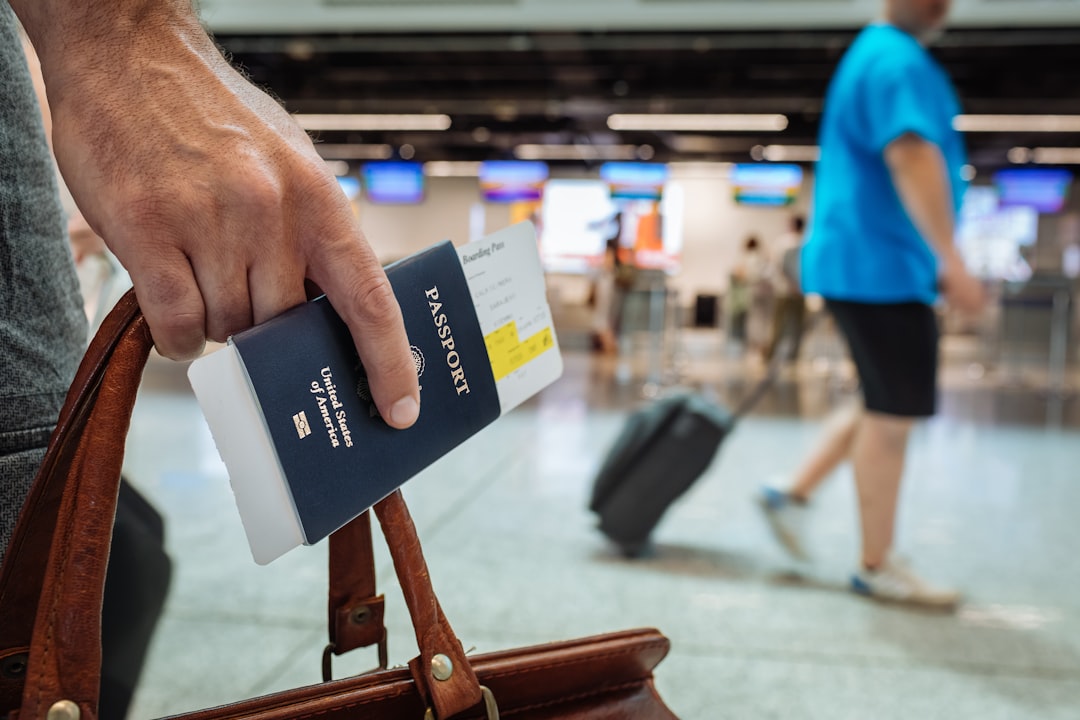
Photo by Global Residence Index on Unsplash
Scams work because travel strips away your normal reference points. At home, you know what a taxi should cost, which café looks reputable, how your currency feels in your hand, and what an official message from your bank usually looks like. Abroad, every small uncertainty adds up. The arrivals hall smells like jet fuel and burnt coffee, your phone battery is sliding toward red, and suddenly the loudest voice in the room sounds like the best plan.
There is also a health angle that travelers often overlook. Hunger, heat, long flights, alcohol, and sleep loss make people more impulsive. A scammer does not need you to be foolish; they just need you to be overloaded. That is why the best travel fraud prevention tips are not clever one-liners but routines that reduce decision fatigue. Eat before long transfers. Do not negotiate complex transport when exhausted. Avoid big cash withdrawals at the exact moment you land. Slow bodies make better decisions.
The first layer of defense is recognizing the tourist scam warning signs that show up again and again, no matter the country.
| Travel moment | What feels normal | Hidden risk | Best move |
|---|---|---|---|
| Booking a stay | Great deal, urgent countdown, direct transfer request | Fake listing or cloned property page | Verify the address, call the property, pay only through protected channels |
| Leaving the airport | Friendly driver approaches first | Fake taxi, inflated fare, route padding | Use the official rank, app, or airport rail link |
| Sitting at a café | QR menu on the table | QR code travel scam, fake payment page | Check the URL and ask for a printed menu if unsure |
| Getting cash | ATM in a busy tourist area | Skimmer, shoulder surfing, forced help | Use an indoor bank ATM |
| Meeting locals | Fast friendliness, sudden intimacy | Club bill scam, drink spiking, theft | Keep first meetings public and low-spend |
| Receiving alerts | Urgent text or call about danger | Fake emergency payment demand | Verify through official channels only |
Hotel booking scam checks before you pay
Photo by Duskfall Crew on Unsplash
The quietest scam often happens before your suitcase leaves the floor. A dreamy apartment with sun on the balcony, a boutique hotel with flawless reviews, a final room banner flashing in red, and a host who wants to move the conversation off-platform so they can offer you a better rate. The hotel booking scam is effective because it preys on the most emotional moment in trip planning: the moment you picture yourself already there.
I have learned to distrust anything that gets smoother after it leaves the booking platform. If the host says the calendar is broken, if the property suddenly needs a bank transfer, if the address is vague, or if the listing photos show wildly different furniture styles from one shot to the next, I stop. The hotel booking scam usually relies on urgency plus a small rule change that feels annoying rather than alarming. That is exactly why it works.
The safest properties are not always the prettiest. They are the ones with a traceable web presence, a real street address, multiple recent reviews that discuss details rather than generic praise, and staff who answer practical questions clearly. When I book, I check the map twice, street-view the entrance if possible, and read the worst reviews first. If a property is real, the complaints tend to be ordinary: small room, thin walls, weak coffee. Fraudulent listings sound different. They generate stories about vanished hosts, last-minute substitutions, strange deposits, and locks that do not exist.
Use these travel fraud prevention tips before you click pay:
- Reverse-search the property name and address. If the same photos appear under three different names, walk away.
- Look for a direct website, official email domain, and phone number that matches the address area code.
- Call or message the property and ask a specific question, such as whether reception is staffed after 10 pm or whether they can store luggage before check-in.
- Be wary of payment requests by wire transfer, direct bank transfer, gift card, or cryptocurrency.
- Screenshot the original listing, room type, cancellation terms, and total price including taxes.
- If booking an apartment, ask exactly how key handoff works and who meets you on arrival.
- Check whether the property has recent guest photos, not just glossy marketing images.
- Read reviews for mentions of neighborhood safety, entry procedure, and late-night access.
A useful rule is simple: if you cannot clearly explain how you will get into the building at 11 pm with luggage, you do not know enough to book it.
Quick hotel verification table
| Check | Safe sign | Red flag |
|---|---|---|
| Payment | Card payment inside a protected platform or official site | Pressure to pay outside the system |
| Address | Full street address with map pin and nearby landmarks | Area name only, no exact location |
| Contact | Responsive staff using a branded domain | Messaging app only, vague replies |
| Reviews | Recent, detailed, mixed but believable | Short, repetitive, overly generic |
| Photos | Consistent furniture, layout, and façade | Different styles, cropped images, no exterior |
These travel fraud prevention tips matter even more at peak season, when sold-out cities make people accept sloppy booking details they would never tolerate at home.
How to get there without getting trapped by fake transfers
The most expensive ten minutes of many trips happen between baggage claim and the first honest seat you sit in. You step into warm air, a chorus of drivers lifts signs, somebody says the train is not running, another person insists taxis are flat-rate tonight only, and your brain is still somewhere over the ocean. If you want to avoid fake taxis abroad, do not make arrival decisions in the emotional theater of the arrivals hall.
Every major gateway city has a predictable safe option: official airport rail, licensed taxi rank, prebooked hotel car, or rideshare pickup point where legal. The problem is not lack of transport. The problem is too many unofficial voices trying to intercept you before you reach it. One of the most practical travel fraud prevention tips is boring on purpose: know your exact arrival route before wheels touch down.
This matters especially in cities where arrival scams are part of the local landscape. Some patterns are very city-specific, and Bangkok Tourist Scams 2026: Street Smarts for Safer Days is a good example of how the basics stay the same while the setup changes.
Safe airport-to-city options worth saving before you fly
| Airport | Best official transfer | Time to city center | Typical cost | Notes |
|---|---|---|---|---|
| London Heathrow, LHR | Elizabeth Line to Paddington or Tottenham Court Road | 35-45 min | £12.80-£13.30 off-peak | Faster and usually calmer than negotiating a cab |
| Paris Charles de Gaulle, CDG | RER B to Gare du Nord or Châtelet | 35-40 min | about €11.80 | Buy from official machines or staffed counters |
| Rome Fiumicino, FCO | Leonardo Express to Roma Termini | 32 min | €14 | Nonstop and easy to track |
| Amsterdam Schiphol, AMS | NS train to Amsterdam Centraal | 15-20 min | about €5.90 | Trains run frequently from below the terminal |
| Tokyo Narita, NRT | Keisei Skyliner to Ueno | 41 min | about ¥2,580 | Reserved seats, clear signage |
| Bangkok Suvarnabhumi, BKK | Airport Rail Link to Phaya Thai | 26 min | ฿45 | Excellent first move if traffic is heavy |
| Istanbul Airport, IST | Havaist airport bus to Taksim | 70-100 min | around ₺200 | Use official counters or card payment |
| New York JFK, JFK | AirTrain plus LIRR to Penn Station | 35-50 min | about $13.50-$20.50 | Faster than traffic at busy hours |
When rail is not practical, licensed taxis can still be the best choice, especially late at night or with children. The trick is to use systems with visible rules: marked cars, queue marshals, printed fare zones, or app-based records. To avoid fake taxis abroad, I ignore anyone who approaches me first. In most airports, the honest option is slightly less theatrical. It is the counter, the marked rank, the bus bay, or the signed app pickup zone.
Arrival health matters here too. After long flights, people are more likely to overspend just to end uncertainty. Drink water before you leave the secure area. Use the restroom. Turn on offline maps. Stand still for two minutes and open your pre-saved route. That tiny pause is one of the simplest travel fraud prevention tips because it interrupts the panic-buy impulse.
Use this arrival checklist in any new city:
- Screenshot the official airport transport page before departure.
- Save your hotel address in the local language if your destination uses a different script.
- Carry small change for transit tickets but avoid flashing a thick wallet.
- If you must take a taxi, ask the hotel for the expected fare range before you land.
- Watch the route on your phone map in real time.
- Never hand your phone to a driver to enter the address; show the screen instead.
- If a driver says your hotel is closed, full, moved, or burned down, insist on going there anyway.
- If the meter is broken, leave unless a posted flat fare exists and matches the official rate.
- Late at night, consider booking the first night at an airport hotel if the city transfer feels too complicated.
To avoid fake taxis abroad, choose the transport method that creates the most paper trail, not the one with the friendliest sales pitch.
Tourist scam warning signs on streets, squares, and old-town lanes
The postcard parts of a city often contain the oldest tricks. Cathedral bells, scooter engines, perfume from bakeries, heat rising off stone, and just enough crowd noise to hide a rehearsed conversation. This is where people are stopped with petitions, offered friendship bracelets, sold closed-attraction stories, or gently steered toward the one shop that supposedly solves the problem they did not know they had.
Most street scams are not built on complexity. They are built on interruption. You are walking with purpose, then someone inserts a tiny social obligation. A dropped ring. A stain on your jacket. A kid asking for a signature. A guide insisting the monument is closed for prayer, lunch, restoration, private ceremony, or a special event that lasts exactly long enough to reroute you into a commission-paying store.
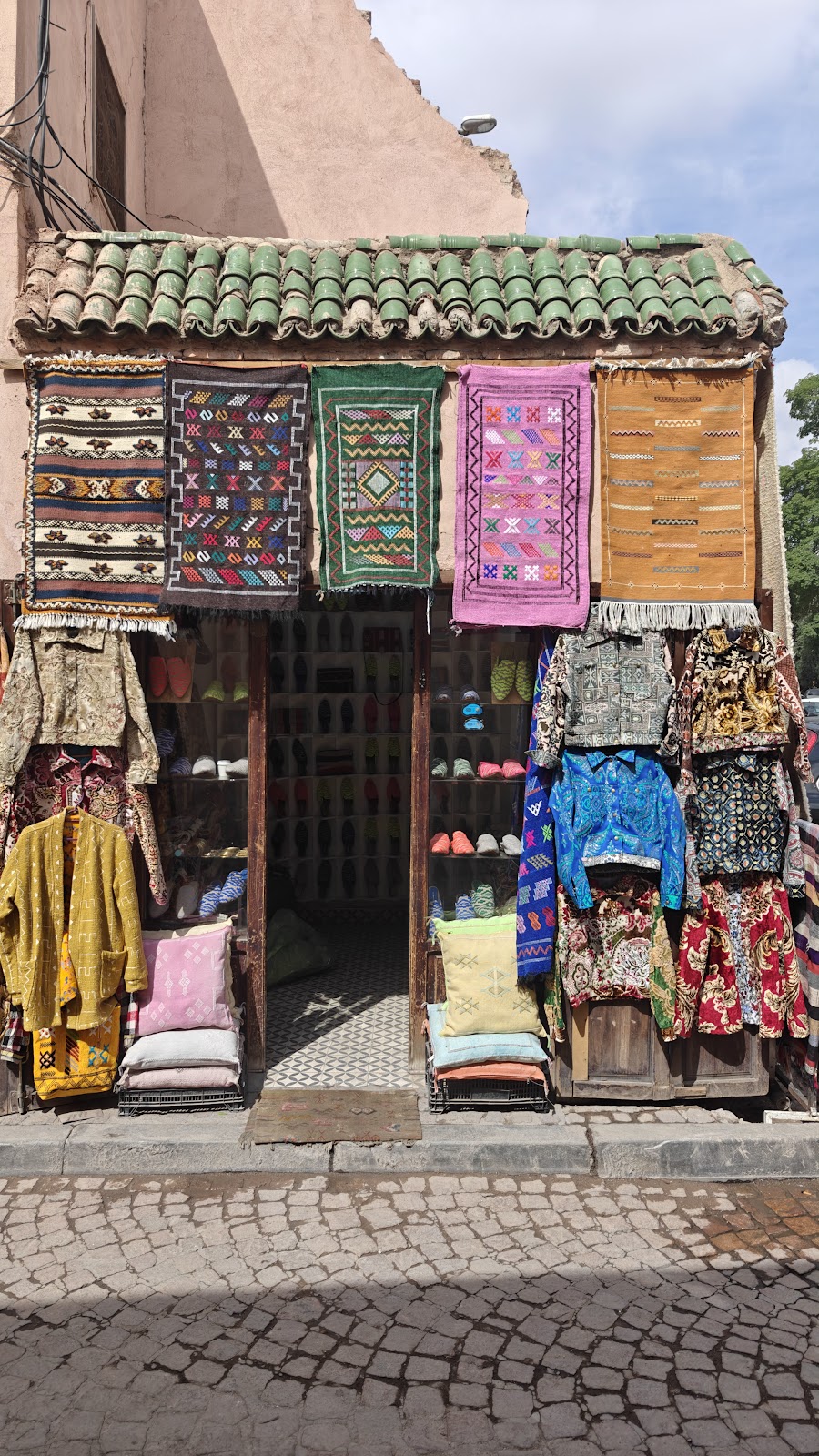
The most reliable tourist scam warning signs are emotional, not visual. You feel suddenly rushed, slightly embarrassed, eager not to offend, or oddly grateful to a stranger you did not ask for. That emotional shift is your cue to stop speaking, hold your bag, and keep moving. In maze-like historic quarters, navigation stress makes the problem worse; in that kind of environment, Marrakech Medina Safety 2026: Outsmart Scams, Stay Well shows how easy it is for confusion and hospitality to blur.
Here are the street setups I see most often, along with the clean exit:
- Bracelet or trinket placed on your body: step back, remove it immediately, say no once, and keep walking.
- Petition clipboards near major sights: do not stop, do not sign, and protect your pockets while passing.
- Closed attraction claim: go to the main entrance or official ticket office and check for yourself.
- Spill or stain distraction: move to a wall or shop doorway and clean it yourself while keeping your bag in front.
- Found item scam, often a ring: refuse the conversation and never buy the supposed bargain.
- Friendly route advice that ends in a shop: thank them, check your map, and continue independently.
- Fake monk or charity collector: donate only through official institutions, never to street pressure.
A few body habits reduce risk immediately:
- Wear your day bag cross-body and in front on crowded transit or in queues.
- Keep one payment card separate from your main wallet.
- Do not carry your passport in an outer backpack pocket.
- Use a cheap decoy wallet only if you can manage it calmly; confusion can backfire.
- Pause before taking your phone out on busy corners where snatch theft is common.
The more crowded and theatrical a place feels, the more valuable calm movement becomes. Tourist scam warning signs are often hidden in plain sight by noise, color, and momentum.
QR code travel scam traps in cafés, markets, and bars
At first glance, the QR code travel scam feels modern and tidy. There is no shouting, no hard sell, no suspicious alley. Just a black-and-white square on a wooden table, maybe under a salt shaker, with sunlight hitting the edge of the menu stand. You scan because everyone scans now. That normality is what makes the setup dangerous.
In the mild version, the code leads to an inflated menu or fake ordering page with extra charges. In the worse version, it takes you to a cloned payment site that harvests card details or prompts you to download something you should never install on public Wi-Fi. The QR code travel scam works especially well in places where digital menus became routine after the pandemic and travelers stopped expecting printed menus altogether.
Cafés, beach clubs, and market stalls are perfect environments for this because people lower their guard when they sit down. The air smells like espresso or grilled fish, the server seems busy, and nobody wants to become the difficult customer over a small square of ink.
Use these checks whenever a menu or payment step starts with a scan:
- Ask whether the QR code is the official menu and whether a printed menu is available.
- Look at the URL before entering any information. Misspellings, extra characters, or unrelated domains are enough reason to stop.
- Never enter card details into a site launched by a QR code unless you are certain it is the official business domain.
- Do not download files or apps from a QR code at a restaurant table.
- Compare prices on the digital menu with posted prices outside when possible.
- If a payment terminal appears only after you scan, ask to pay on the physical card machine instead.
The QR code travel scam is easy to avoid if you treat the code as an invitation, not a command. A real restaurant can always show you a menu another way.
Cash, cards, and safe ATM use while traveling
Money mistakes rarely feel dramatic in the moment. They feel slightly awkward, slightly hurried, slightly too small to challenge. A cashier returns change too quickly. A driver flips between notes before you can register the colors. An ATM sits just outside a convenience store with a bright screen and a card slot that looks normal until you tug it lightly and feel it move.
Safe ATM use while traveling begins with location. The best machine is usually inside a bank branch, airport terminal, or shopping center with cameras and foot traffic. Street-side machines in nightlife zones and near major landmarks are convenient, but convenience is exactly what scammers monetize. The same logic applies to card readers in bars and taxis. If you lose sight of your card, you lose control of the transaction.
There is also a budgeting trap that blends into fraud risk: dynamic currency conversion. A terminal offers to charge you in your home currency so the number looks familiar. It feels helpful. It often costs more. Declining that option and paying in local currency is not only cheaper but clearer, because you are following one standard process rather than accepting a mystery markup disguised as courtesy.
Safe ATM use while traveling checklist
- Use indoor bank ATMs during opening hours when possible.
- Cover the keypad fully and ignore anyone offering help.
- Tug the card slot and look for loose overlays or odd attachments.
- If the screen or keypad looks damaged, sticky, or misaligned, leave.
- Withdraw enough for a day or two, not for the whole trip.
- Store cash in two places so one mistake does not become a crisis.
- Choose local currency on ATMs and card terminals unless your bank specifically advises otherwise.
- Count change before stepping away from the counter.
- Freeze cards quickly through your banking app if something feels off.
Payment method comparison
| Method | Best use | Main risk | Smart habit |
|---|---|---|---|
| Credit card | Hotels, restaurants, trains, larger purchases | Card cloning, terminal swap | Use tap or chip, keep the card in sight |
| Debit card | ATM withdrawals only if possible | Direct access to bank funds | Set withdrawal alerts and daily limits |
| Cash | Markets, tips, small purchases | Wrong change, distraction theft | Carry small notes and split storage |
| Mobile wallet | Transit, stores, major cities | Dead phone or low battery | Carry a backup physical card |
Safe ATM use while traveling is not about fearing cash. It is about choosing the place and moment carefully. I would rather wait fifteen minutes to reach a bank branch than use the flashing machine beside a souvenir stand at midnight.
Nightlife, dating apps, fake emergencies, and bad Wi-Fi
Travel has its own emotional weather after dark. Streets glow, music spills out of doorways, strangers seem more interesting, and everyone is temporarily more open than they would be at home. That openness is one of the best parts of travel, but it is also why nightlife scams have such a long shelf life. The classic version is the invite to a second bar, private lounge, or special club where the bill arrives with impossible drink prices and intimidating staff. The newer version starts long before you meet, through dating apps, social media messages, or travel communities that feel local and spontaneous until money enters the chat.
Keep first meetings simple. Pick a busy café or straightforward bar with posted prices. Order and pay your own drinks. Watch them being made. If somebody keeps steering you toward a different venue, especially one they chose and you cannot easily verify, that is a strong tourist scam warning sign. So is a person who seems wildly available, highly polished, and unusually aligned with your exact interests within minutes.
The digital side has become just as important as the in-person one. A fake emergency message can arrive in the middle of dinner saying your booking failed, your passport data must be reconfirmed, your child is in trouble, or local authorities require an immediate payment because of unrest, weather, or visa issues. Add shaky airport Wi-Fi or an unlocked network named Free Airport Internet and the door opens wider. Some of the most effective travel fraud prevention tips now belong to digital hygiene as much as street smarts.
Use these rules after dark and online:
- Meet new people in places you can independently find on a map and review site.
- Do not leave drinks unattended and do not accept open drinks from strangers.
- Keep a small reserve of cash and one backup card separate from your main wallet.
- Avoid sharing your live hotel location or room number with people you just met.
- Use a VPN on public Wi-Fi and avoid logging into banking apps on unknown networks.
- Turn off automatic connection to open Wi-Fi networks.
- Verify emergency alerts through official government, airline, hotel, or embassy channels.
- If a caller pressures you to pay immediately, hang up and contact the institution directly using a number you find yourself.
- Delay social posting until you have left a location, especially if traveling alone.
These travel fraud prevention tips sound unromantic until you need them. Then they feel like freedom. You can still flirt, dance, wander, and accept invitations. You just do it without surrendering the map, the payment flow, or the timeline to someone else.
Things to do on day one to lower scam risk fast
The smartest first day in a new city is not the busiest. It is the one that gives you orientation. Before you chase viewpoints and museum tickets, spend an hour creating familiarity. A city becomes much safer the moment you know where to buy water, where the nearest pharmacy is, how the transit gates work, and which ATM you trust.
This small ritual also helps physically. After a flight, a gentle daylight walk resets your senses better than plunging straight into a complicated market or a hard-to-reach attraction. You start hearing the traffic rhythm, noticing how people queue, learning what prices look like on real signs. That is exactly the context that makes travel fraud prevention tips stick in memory.
Do these 7 things before your first big sightseeing push:
- Walk from your hotel to the nearest pharmacy and supermarket.
- Identify one indoor bank ATM you are willing to use again.
- Test your metro or bus card on a short ride in daylight.
- Locate the nearest police post, tourist information office, or staffed transit desk.
- Buy a bottle of water and one snack with small notes to get used to local cash.
- Save your accommodation as a pinned location offline.
- Note one calm fallback place, such as a museum café, hotel lobby, or chain coffee shop, where you can regroup if something feels wrong.
Where to stay
Accommodation choice shapes scam exposure more than many travelers realize. A well-run property with 24-hour reception, clear signage, and easy transit can remove half the uncertainty that scammers feed on. A hidden apartment with self check-in, no nearby services, and vague host communication can multiply it.
When I choose where to stay, I pay extra attention to the final 500 meters. Is the street well lit? Can a taxi or rideshare stop easily? Is there a staffed business nearby if I arrive late? Those details matter more than rooftop style. They also reduce the chance that a hotel booking scam turns into a stranded-at-midnight problem.
Safer stay ideas by budget tier
| Tier | Suggestions | Typical nightly range | Why they work well |
|---|---|---|---|
| Budget | YHA London Central, MEININGER Hotel Berlin East Side Gallery, ibis Budget Singapore Clarke Quay | £45-£170, €28-€135, S$115-S$180 | Clear check-in systems, strong transit links, lots of recent reviews |
| Mid-range | citizenM Paris Gare de Lyon, Motel One Wien-Staatsoper, Hampton by Hilton Krakow Airport | €140-€220, €120-€210, PLN 320-550 | Reliable standards, staffed reception, easy late arrivals |
| Luxury | Hyatt Regency Tokyo, Four Seasons Hotel Istanbul at Sultanahmet, Mandarin Oriental Bangkok | ¥32,000-¥60,000, €450-€900, ฿18,000-฿35,000 | Concierge support, secure transport help, professionally managed access |
Extra filters worth using:
- 24-hour front desk if you land late
- recent reviews from the last 90 days
- easy airport connection without multiple transfers
- card payment at check-in rather than cash only
- good lighting on the approach street
These travel fraud prevention tips are not about choosing expensive hotels. They are about choosing predictable ones.
Where to eat
Food is one of the pleasures that can still be slightly stressful on the first couple of days, especially when you are trying to avoid the QR code travel scam, inflated bills, or cash confusion. The easiest places to start are venues where prices are clearly posted, turnover is high, and locals are present for ordinary meals rather than only tourist spectacle.
Markets and food halls are excellent training grounds because they let you compare menus side by side. You can see how ordering works, what a realistic price looks like, and whether payment happens at the stall, a central cashier, or through a reload card. That transparency lowers the risk of misunderstandings and overcharging.
Good first-week choices in major travel cities include:
- Maxwell Food Centre, Singapore: Hainanese chicken rice, laksa, sugarcane juice, usually S$5-S$12 per dish.
- Testaccio Market, Rome: trapizzino, supplì, fresh pasta, roughly €3-€12 depending on the stall.
- Nishiki Market, Kyoto: tamagoyaki, grilled seafood skewers, tofu snacks, around ¥300-¥1,200.
- Time Out Market, Lisbon: bifana, croquettes, seafood rice, usually €5-€18.
- Kadıköy Market area, Istanbul: pide, börek, baklava, tea; expect posted menus and busy local trade.
- Department store food halls in Tokyo, Seoul, and Taipei: ideal for clear pricing, clean turnover, and easy takeaway when you are tired.
Dining habits that help:
- Sit where prices are visible before ordering.
- Ask whether service is included if the bill looks unclear.
- Pay on the card machine in front of you.
- If the menu has no prices, leave before you order.
- On a long travel day, choose simple, well-reviewed places over the most atmospheric gamble in the neighborhood.
Practical tips
Scam pressure rises and falls with season, crowd level, and your own energy. Peak summer and major festivals bring thicker crowds, longer queues, more transport confusion, and more rushed decisions. Rainy days create different problems: sheltered ATM queues, more phone use under awnings, and more opportunities for distraction in tight spaces. Good travel fraud prevention tips adapt to weather and season because body comfort changes judgment.
Packing for scam resistance is surprisingly physical. A cross-body bag with secure zips, a small power bank, an eSIM or roaming plan, sunglasses for bright plazas, a lightweight layer with an inner pocket, and comfortable shoes all help you move steadily instead of reactively. Add electrolytes or rehydration tablets if you are landing in heat; dehydration makes every minor hassle feel more urgent.
Season and crowd pattern table
| Period | Typical conditions | Scam pressure | Smart adjustment |
|---|---|---|---|
| June to August | Heat, crowds, packed transit, long attraction lines | High in major tourist centers | Prebook major transport, carry water, avoid decision-making when overheated |
| December holidays | Short daylight, heavy shopping traffic, festive distractions | High around markets and transport hubs | Use indoor ATMs, book transfers early, watch bags in crowded squares |
| March to May | Milder weather, steadier pace in many cities | Moderate | Good season for calmer arrivals and easier verification |
| September to November | Warm shoulder months in much of Europe and parts of Asia | Moderate | Great for daylight orientation walks and lower-pressure bookings |
Connectivity, money, customs, and safety basics
- Buy an eSIM or local SIM before or shortly after arrival so you do not depend on random Wi-Fi.
- Keep photocopies or secure digital copies of your passport and visa pages.
- Learn one polite refusal and one help phrase in the local language.
- In countries where haggling is normal, agree the price before the service starts.
- If local custom values formality, a calmer tone often works better than confrontation.
- Use card alerts and low withdrawal limits to make fraud visible fast.
- Keep alcohol lower than you would at home until you understand the area.
Useful official and practical links:
- U.S. travel advisories: https://travel.state.gov/content/travel/en/traveladvisories/traveladvisories.html/
- UK foreign travel advice: https://www.gov.uk/foreign-travel-advice
- CDC travelers health pages: https://wwwnc.cdc.gov/travel
- IATA travel centre: https://www.iatatravelcentre.com/
- Rome2Rio for route planning: https://www.rome2rio.com/
- Booking platform comparison and reviews: https://www.booking.com/
Remember the three easiest tourist scam warning signs to miss when you are tired: urgency, secrecy, and a request to leave the normal payment path.
FAQ
What are the most common travel scams in 2026?
The most common patterns are still the ones wrapped around normal travel moments: fake or inflated taxis, hotel booking scam setups, closed-attraction reroutes, wrong change, distraction theft, fake petitions, QR code travel scam menus, ATM skimming, club bill traps, and bogus emergency messages. The packaging changes, but the structure stays familiar: pressure, confusion, and immediate payment.
How do I avoid fake taxis abroad when I land?
To avoid fake taxis abroad, ignore drivers who approach you first, use the official rank or app pickup zone, check for posted fares, and follow the route on your phone. If possible, choose airport rail over road transfers in the first place. Knowing the normal cost before you land is half the battle.
Are QR code menus safe while traveling?
Sometimes yes, but a QR code travel scam is common enough that you should pause before entering any card details. Check the web address, ask for a printed menu if something looks off, and pay on a physical card machine when possible. A real restaurant will not be offended by a simple verification question.
What is the safest way to get cash abroad?
Safe ATM use while traveling means using indoor bank ATMs, covering the keypad, refusing help from strangers, and choosing local currency on the screen. Withdraw moderate amounts, not huge stacks of cash, and store your money in two places. If an ATM looks altered or badly placed, walk away.
What should I do if I think I have already been scammed?
First, move to a safe, public place and slow down. Lock or freeze affected cards, change crucial passwords, document everything with screenshots and receipts, and contact the bank, booking platform, or police as needed. If your passport is involved, contact your embassy or consulate. The fastest recovery usually comes from acting methodically rather than trying to chase the scammer.
A calmer way to move through the world
The point of travel fraud prevention tips is not to make every street feel hostile. It is to make your own behavior so steady that scams have less room to work. When you know your arrival route, trust only verifiable payment paths, recognize tourist scam warning signs early, and protect your energy as carefully as your wallet, the road feels open again.
That is the quiet reward of good travel habits. You still hear the market vendors, smell the train-station coffee, follow a side street because the light is beautiful, and say yes to the right kind of surprise. You just stop paying for the wrong ones.