Solo travel is no longer a niche way to see the world. In 2026, independent trips make up a huge share of leisure travel, and that changes something important: traveling alone safely is no longer about acting fearless. It is about building systems. This first solo trip guide is for travelers who want freedom without chaos, spontaneity without avoidable risk, and memorable days that do not begin with a panic search for a late-night taxi.
The biggest surprise of a first independent trip is that danger rarely arrives as a dramatic movie scene. More often, stress starts with smaller cracks: a dead phone at midnight, a hotel in the wrong neighborhood, too much cash in one wallet, a vague address in a language you cannot read, or a new friend who stops feeling like a good idea. A good first solo trip guide solves those tiny cracks before they widen.
That is why the best solo travelers do not rely on luck or vibes. They choose easy arrival cities, sleep in well-connected neighborhoods, save maps offline, keep their money in layers, and understand exactly how they will get from airport gate to accommodation door. When you do that, the trip opens up. Streets feel interesting instead of intimidating. Cafes feel cinematic instead of lonely. You stop scanning for problems and start noticing scent, light, sound, and possibility.
If you are planning your first real independent adventure, think of this first solo trip guide as a practical field manual. It covers safe solo travel destinations, smart arrival routines, where to stay, where to eat, how to meet people while traveling alone, and the solo travel packing list that quietly lowers your odds of a bad day.
Why this first solo trip guide starts with routines, not courage
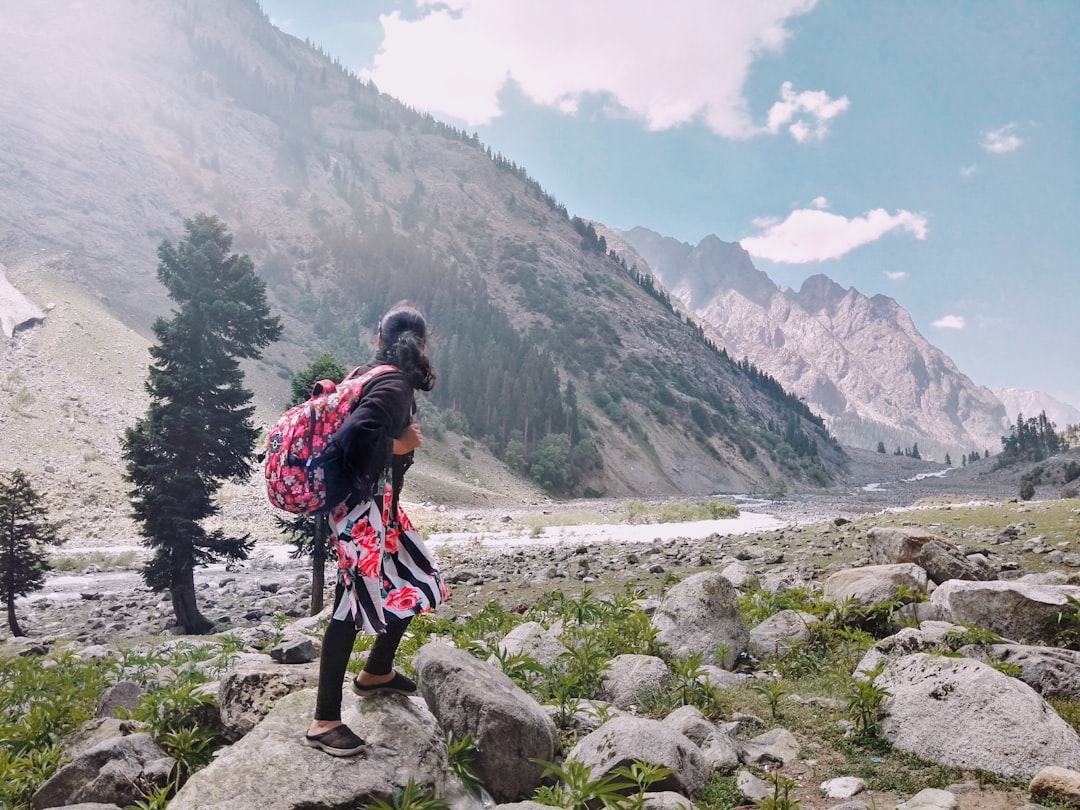
Photo by Zahra Tahir on Unsplash
People often talk about solo travel as a test of personality, as if only naturally bold travelers can do it well. That is nonsense. Most confident solo travelers are not braver than everyone else; they are simply more methodical. They know the train line from the airport, the late-night food option near their hotel, the second bank card in a hidden pocket, and the exact corner where they will stand if they need to recheck directions. Confidence grows from repetition.
There is also a sensory side to safety that first-time travelers underestimate. Cities feel safer when you arrive in daylight and can read the rhythm of them. You hear the hiss of buses, the click of crosswalk signals, the scrape of cafe chairs, and suddenly the place stops being abstract. You can smell bread, coffee, rain on pavement, even metro brakes. Familiarity builds astonishingly fast when your first few hours are easy.
So before booking anything, this first solo trip guide asks a simple question: which places lower the mental load? The easiest first-time solo cities tend to share the same traits:
- Clear public transport from the airport
- Walkable central neighborhoods
- Low friction for card payments and mobile data
- Plenty of casual dining where eating alone feels normal
- Good hostel or hotel stock in central areas
- A visible culture of commuters, students, and other travelers
- Streets that still feel populated after dark without feeling chaotic
Choose safe solo travel destinations that lower the mental load

Solo Travel
The smartest way to begin traveling alone safely is not by finding the cheapest flight or the trendiest city. It is by choosing a place where the basics are easy. That means transport signs in English or intuitive symbols, airport transfers that run often, neighborhoods that are alive but not overwhelming, and enough solo travelers around that you never feel like the only person wandering with a backpack and a map screenshot.
Good safe solo travel destinations also give you room to practice. You learn how to navigate a metro, order a meal, or change a plan without everything feeling high stakes. A missed stop in a calm, well-connected city is an inconvenience. A missed stop in a confusing, spread-out city with weak public transport can turn into a tense, expensive evening. For a first trip, boring logistics are a gift.
If you prefer a quieter European start rather than a capital-city sprint, Underrated Places in Europe 2026: Quiet Escapes Beyond Crowds is useful inspiration after you have practiced the basics below.
| City | Why it works for first-timers | Airport to center | Typical daily budget | Best months |
|---|---|---|---|---|
| Tokyo | Exceptionally orderly, solo dining is normal, rail network is precise | HND to Shinjuku in about 35-45 min from JPY 500 to 800; NRT by Skyliner plus metro in 60-75 min from about JPY 2,570 | JPY 12,000-22,000 | Mar-May, Oct-Nov |
| Singapore | Clean, clear, English widely used, late-night food culture | SIN to Chinatown or City Hall by MRT in 30-40 min for about SGD 2-3 | SGD 90-180 | Feb-Apr, Jul-Sep |
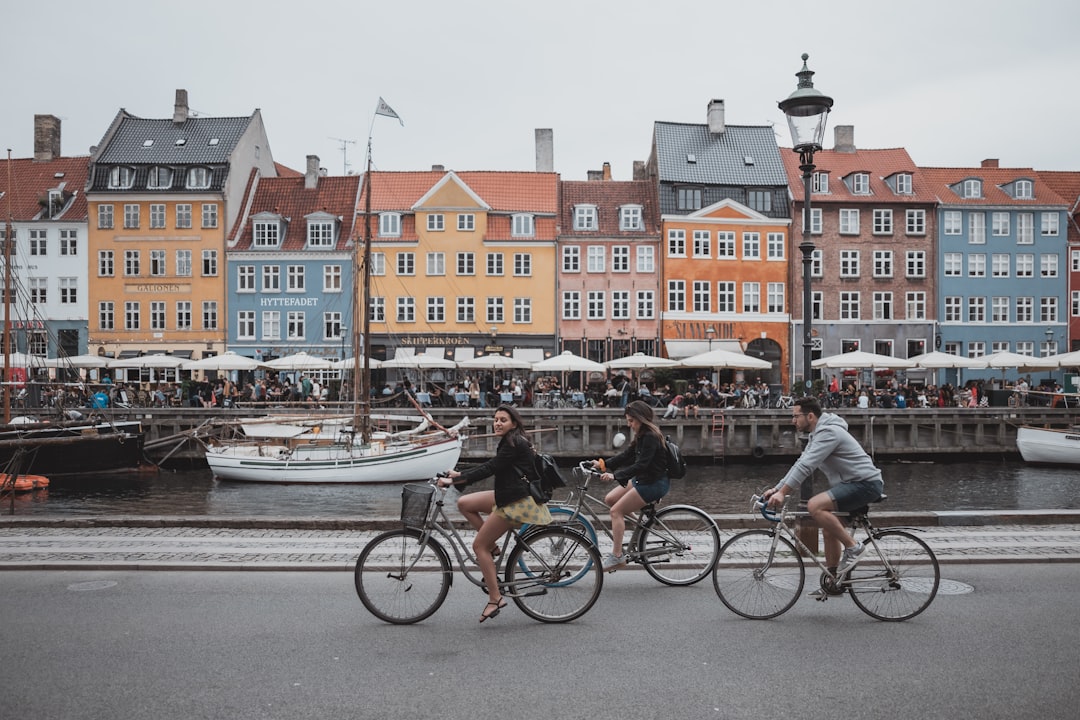
| Copenhagen | Calm, compact, bike-friendly, easy airport metro | CPH to Kongens Nytorv or Norreport in 13-18 min for about DKK 30-36 | DKK 900-1,700 | May-Sep |
| Porto | Human-scale center, good metro, strong cafe culture | OPO to Trindade on Metro Line E in about 30 min for about EUR 2.25 plus card | EUR 70-140 | Apr-Jun, Sep-Oct |
| Taipei | Efficient MRT, night markets, kind street culture | TPE to Taipei Main Station in 35-50 min for TWD 160 | TWD 2,300-4,500 | Oct-Dec, Mar-Apr |
| Ljubljana | Small center, relaxed pace, easy orientation | LJU to center by bus in about 50 min from around EUR 3.70 or shuttle in 30 min from about EUR 12 | EUR 75-145 | May-Jun, Sep |
A few patterns stand out. Tokyo and Singapore are ideal if you worry about street friction and want systems that work. Porto and Ljubljana are softer, slower introductions if you want beauty without sensory overload. Copenhagen gives you design, safety, and easy cycling, though at a higher price point. Taipei may be the best all-round compromise: efficient, friendly, affordable, and delicious at nearly every hour.
This first solo trip guide is not saying these are the only good options. It is saying they are forgiving options. Forgiving cities make better teachers.
Build an arrival plan before you leave home
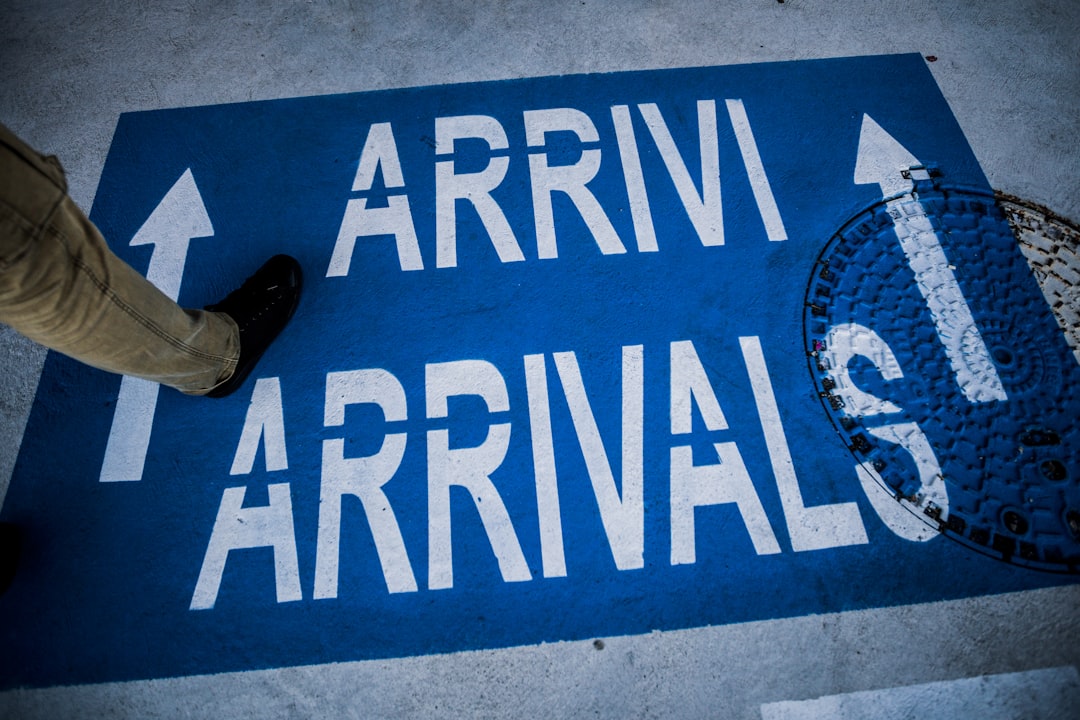
Photo by Kipras Štreimikis on Unsplash
Nothing feels more dramatic than landing alone in a new country after a long flight, when your phone battery is dropping, the cabin air still clings to your skin, and every sign seems to point somewhere else. The first evening shapes your whole opinion of a place. If it goes smoothly, you start from curiosity. If it turns into a maze of ticket machines and vague taxi offers, your nervous system stays on high alert for hours.
That is why traveling alone safely begins before departure. Your job is to remove as many decisions as possible from your jet-lagged self. I usually save my first 48 hours of addresses, transfer notes, and backup options in TravelDeck before takeoff, then screenshot everything in case the app or my data connection fails. That tiny habit has saved me more than once.
A strong first-night plan should fit on one phone screen. If it spills into paragraphs, it is too complex for a tired brain. This first solo trip guide recommends sorting these items before wheels-up:
- Save your hotel name, address, phone number, and nearest station offline
- Screenshot the airport transfer option you intend to use first, plus one backup
- Pre-download an offline map in Google Maps or Maps.me
- Store passport, visa, insurance, and card copies in a secure cloud folder
- Share your first-night plan with one trusted person at home
- Learn or save key local phrases for help, hospital, police, and I am lost
- Check current advisories at travel.state.gov, gov.uk/foreign-travel-advice, or smartraveller.gov.au
- Register your trip where relevant, such as STEP
The emotional benefit of this prep is enormous. When the airport doors open and you feel that strange mix of exhilaration and fatigue, you do not need courage. You need sequence: cash, SIM or eSIM, train, station, hotel, shower, snack, sleep. Traveling alone safely is often just the art of preserving sequence.
How to get there
For a first independent trip, your safest arrival is usually the one with the fewest interpretive leaps. Official trains, airport metros, licensed buses, and pre-booked transfers beat improvisation almost every time. If you arrive late, it is often worth spending a bit more on a registered transfer to keep the first night clean and calm.
Below are six easy-entry routes that work well for travelers using this first solo trip guide. Costs are approximate for 2026 and can shift slightly with operator updates and airport fare changes.
Tokyo, Japan
Tokyo sounds intimidating until you use it. In practice, the airport systems are polished and heavily signposted.
- Airports: Haneda Airport, HND; Narita International Airport, NRT
- Best easy option from HND: Tokyo Monorail to Hamamatsucho, then JR to Shinjuku or Tokyo Station; 35-45 min; roughly JPY 700-900 total
- Best easy option from NRT: Keisei Skyliner to Ueno or Nippori, then metro or JR; 60-75 min; about JPY 2,570
- Taxi reality: HND to central Tokyo often JPY 7,000-10,000; NRT can easily exceed JPY 25,000
- Official info: tokyo-haneda.com and narita-airport.jp
Singapore
Singapore is one of the smoothest airport-to-city experiences in the world. Even first-timers usually relax within an hour of landing.
- Airport: Singapore Changi, SIN
- MRT to city: About 30-40 min to City Hall, Bugis, or Chinatown with one simple transfer; around SGD 2-3
- Taxi or Grab: 20-30 min depending on traffic; roughly SGD 25-40 with surcharges
- Official info: changiairport.com
Copenhagen, Denmark
Copenhagen rewards simple planning. The metro is fast, clean, and easy to understand, even when you are tired.
- Airport: Copenhagen Airport, CPH
- Metro M2: 13-18 min to Kongens Nytorv or Norreport; about DKK 30-36 depending on zone ticket
- Train: Similar travel times to Copenhagen Central Station
- Taxi: Usually DKK 300-450 to the inner city
- Official info: cph.dk/en
Porto, Portugal
Porto feels immediately human in scale, and that matters when you are traveling alone safely for the first time.
- Airport: Francisco Sa Carneiro Airport, OPO
- Metro Line E: Around 30 min to Trindade; around EUR 2.25 plus the reusable Andante card
- Taxi or ride-hail: 20-30 min; about EUR 20-30 depending on time and traffic
- Rail connection: Lisbon to Porto by Alfa Pendular or Intercidades usually takes about 2 h 50 min to 3 h 15 min
- Official info: ana.pt/en/oporto-airport
Taipei, Taiwan
Taipei is a dream for solo travelers who like order without stiffness. The airport rail is excellent and the stations are intuitive.
- Airport: Taiwan Taoyuan International Airport, TPE
- Airport MRT: 35-50 min to Taipei Main Station; TWD 160
- Taxi: 35-50 min; often TWD 1,200-1,600 depending on traffic
- Official info: tymetro.com.tw/eng
Ljubljana, Slovenia
Ljubljana is small enough to feel welcoming on day one, which is exactly why it belongs in this first solo trip guide.
- Airport: Ljubljana Joze Pucnik Airport, LJU
- Public bus: About 50 min to the center; from roughly EUR 3.70
- Shared shuttle: Often 30-40 min; about EUR 10-15
- Driving times: From Zagreb around 1 h 45 min to 2 h 15 min; from Venice around 2 h 45 min to 3 h 15 min depending on border and traffic
- Official info: fraport-slovenija.si
If your budget matters as much as your nerves, compare route costs before you book. Lisbon Travel Budget 2026: Build a Trip Budget That Holds Up is especially useful if Portugal is calling your name.
Where to stay
A room is not just a place to sleep when you are alone. It is your decompression chamber, charging station, map table, and weather shelter. Good solo accommodation lets you exhale. The hallway feels well lit. The reception is clearly staffed. The lockers are solid. The street outside has enough life to feel safe, but not so much nightlife that you hear scooters and shouting until 3 a.m.
For first-timers, I care less about stylish design than I do about three practical details: the walk from transit, the atmosphere after dark, and how recent reviews describe staff. If you are between a prettier room in a sketchier area and a simpler room near a central station, choose the easier location almost every time.
These picks are not the only good options, but they fit the logic of this first solo trip guide: central, reliable, and well-suited to independent travelers.
| Budget tier | Property | City | Why it works for solo travelers | Typical 2026 price |
|---|---|---|---|---|
| Budget | Hotel Owl Tokyo Nippori | Tokyo | Capsule-style but calm, good access from airport rail, secure and efficient | JPY 4,500-7,500 |
| Budget | The Central House Porto Ribeira | Porto | Social without being rowdy, walkable old-town base, private rooms available | EUR 25-45 dorm, EUR 70-110 private |
| Budget | Cube Boutique Capsule Hotel at Kampong Glam | Singapore | Safe area, easy MRT access, great for short stays and solo routines | SGD 55-90 |
| Mid-range | Hotel Gracery Shinjuku | Tokyo | Excellent transport, 24-hour desk, easy for first-time arrivals | JPY 18,000-30,000 |
| Mid-range | citizenM Copenhagen Radhuspladsen | Copenhagen | Central location, straightforward self-check-in, safe-feeling base | DKK 1,100-1,700 |
| Mid-range | Hotel 1929 | Singapore | Good city position, manageable size, easy food access nearby | SGD 170-260 |
| Luxury | Park Hotel Tokyo | Tokyo | Quiet service, safe-feeling environment, stylish but practical | JPY 35,000-60,000 |
| Luxury | Villa Copenhagen | Copenhagen | Elegant central stay with strong transport links | DKK 2,200-3,800 |
| Luxury | The Fullerton Hotel Singapore | Singapore | Superb waterfront position, highly polished service, easy transfers | SGD 420-650 |
When reading reviews, search for very specific phrases: safe at night, close to station, lockers, women-only dorm, staff helped, quiet street, easy airport access. These clues tell you far more than generic ratings. This first solo trip guide also recommends avoiding ultra-cheap places that save EUR 15 or SGD 20 a night but add a 25-minute walk through empty streets. Friction compounds.
Things to do
Solo travel becomes easier when your activities create structure. A morning market, a waterfront walk, a museum with timed entry, a food hall with shared tables, a hilltop viewpoint reached by funicular: these are ideal solo experiences because they combine clear movement with low social pressure. You are not trapped in a bar hoping conversation starts. You are in motion, with something to look at and a natural reason to be there.
One of the best tricks for traveling alone safely is to plan your first two days around daylight anchors. Book one activity in the morning, one neighborhood for lunch, and one easy evening view or food stop. That way you are not making too many decisions when your energy dips. These are excellent low-pressure starters.
- Yanaka and Nezu Shrine, Tokyo
- Torvehallerne and the Lakes, Copenhagen
- Ribeira to Mercado do Bolhao, Porto
- Gardens by the Bay at dusk, Singapore
- Maokong Gondola and Zhinan Temple, Taipei
- Ljubljana Central Market and Castle Funicular
- A small-group food tour or cooking class
Where to eat
Food changes the emotional temperature of a solo trip. A bad dinner alone can make a whole city feel colder than it is. A good one can make you think, I could stay here another week. The best solo meals are usually not formal tasting menus or giant group tables. They are counter seats, market stools, hawker trays, noodle bars, wine bars with bar seating, and cafes where nobody rushes you.
Eating alone safely also means choosing places that remove unnecessary social friction. Look for visible ordering systems, open kitchens, communal markets, and restaurants with regular local traffic. When the workflow is clear, you relax. You can listen to the room: stock simmering, plates sliding across counters, brief greetings, the bright clatter of cutlery, the low engine of a city feeding itself.
Here are reliable solo-friendly options in the cities featured in this first solo trip guide:
- Ichiran Shibuya or Ueno, Tokyo - Ideal for nervous solo diners because counter seating is built into the format. A ramen meal is usually around JPY 1,000-1,500.
- Maxwell Food Centre, Singapore - Near Chinatown, with efficient stalls and lots of solo diners. Try chicken rice, fishball noodles, or carrot cake. Expect SGD 5-10 per dish.
- Lau Pa Sat, Singapore - Especially lively in the evening, though still easy to navigate alone. Good satay, plenty of light, central location.
- Casa Guedes, Porto - Famous for roast pork sandwiches, especially the version with Serra da Estrela cheese. A classic low-effort, high-reward solo lunch. Around EUR 8-12.
- Torvehallerne, Copenhagen - More market than restaurant, which is why it works so well for independent travelers. Smorrebrod, pastries, coffee, and excellent people-watching.
- Din Tai Fung, Taipei, Xinyi area - Smooth service, clear menu flow, and one of the easiest places to enjoy dumplings alone without feeling conspicuous.
- Open Kitchen style hostels or neighborhood wine bars - In Porto and Ljubljana especially, early evening bar seating can be more comfortable than full-service dining rooms.
If you drink alcohol, keep one simple rule: stay sober enough to preserve sequence. Knowing your route home, your station stop, and your building entrance matters more than squeezing the last bit of nightlife value from a night out.
The daily safety system for traveling alone safely
The most useful part of any first solo trip guide is not romance. It is repeatable habit. When you build a daily safety system, you stop spending precious energy on low-level worry. You already know where your backup card lives, how much cash is in your day wallet, whether your phone battery is above 40 percent, and what your route home looks like after dark.
Traveling alone safely does not mean being suspicious of everyone. It means staying slightly ahead of the day. The mood is calm preparation, not paranoia. Here is the system I come back to again and again.
Money and documents
- Use at least two cards from different networks, such as Visa and Mastercard
- Keep one card on you and one separate in your room or hidden pouch
- Carry only the cash you need for the day plus a small emergency reserve
- Scan passport, insurance, prescriptions, and visas into secure cloud storage
- Use bank ATMs or machines inside malls rather than isolated street ATMs at night
Phone and digital security
- Activate eSIM or local SIM as soon as possible after arrival
- Use a power bank every day rather than waiting for crisis level battery
- Enable device tracking and remote wipe
- Avoid posting your exact location in real time, especially room views or live hotel names
- Use a VPN on public Wi-Fi when logging into banking or sensitive accounts
Moving through the city
- Walk with purpose, even if you are just heading to a cafe to regroup
- If you need directions, step into a shop or hotel lobby instead of stopping on a dark corner
- Keep your phone and wallet in front-facing or zipped compartments
- Use licensed ride-hail or official taxi queues late at night
- Share ride details with a trusted contact when possible
Nightlife and social decisions
- Choose the first venue, not the fifth, for your main night out
- Keep an eye on your drink and know your route back before you leave
- Do not reveal your exact hotel room or apartment details to people you just met
- Leave at the first weird feeling, not after collecting more evidence
- If Southeast Asia is on a later itinerary, Bangkok Tourist Scams 2026: Street Smarts for Safer Days is a smart read before you go
This first solo trip guide keeps returning to the same truth: most problems are easier to prevent than to fix. Prevention is not glamorous, but it is what creates freedom.
How to meet people while traveling alone without losing your boundaries
Loneliness is real on solo trips, especially around dinner or on the second night, when the novelty settles and you suddenly notice every pair and friend group around you. But there is a useful paradox here: solo travelers are usually easier to approach and more likely to be included. You only need the right setting.
The secret to how to meet people while traveling alone is to choose structured social spaces. Morning walking tours, food tours, cooking classes, hostel common rooms with clear activities, day hikes, and co-working day passes all create conversation with a built-in subject. Loud pub crawls can work for some people, but they are not the most reliable choice if your priority is traveling alone safely.
If you want practical answers to how to meet people while traveling alone, start with these:
- Book one small-group activity within your first 24 hours
- Stay in a social property with private rooms if you need both community and rest
- Sit at bar seating or communal tables rather than isolated two-top tables
- Use Meetup events, language exchanges, or city walking clubs in daylight hours
- Ask another solo traveler a specific question, such as where they ate or which museum was worth the time
- Leave gracefully when your energy or instincts dip
The second part of how to meet people while traveling alone is boundary language. Have simple scripts ready. Try: I am heading back early, maybe another day. Or: I do not share my hotel details, but I can meet you at the cafe tomorrow. Or: I am doing a museum morning on my own today. Polite, ordinary, firm. Good boundaries do not make you unfriendly. They make you sustainable.
Solo female travel tips that are actually practical
A lot of solo female travel tips are either painfully obvious or unrealistically severe. Real life is messier. Most women traveling alone are not trying to hide in their hotel after sunset; they want to move through a city with confidence, read the room clearly, and make choices that preserve autonomy.
The most useful solo female travel tips start with pattern recognition. Street harassment, date-app ambiguity, overfriendly drivers, and the pressure to appear relaxed when you are not are all more common than dramatic crime. That means your best tools are room selection, transport discipline, clothing choices that suit local norms, and a willingness to disappoint strangers.
Here are the solo female travel tips I would give a friend before departure:
- Choose female-only dorms or private rooms when they improve your sleep and peace of mind
- Request a room on an upper floor when possible, but not so high that evacuation feels confusing
- Avoid sharing your exact accommodation name with people you just met in bars or on apps
- Use ride-hail apps where the plate, driver name, and route are visible
- If a conversation turns odd, become boring fast rather than trying to be endlessly polite
- In conservative destinations, dress to blend in enough to reduce attention, especially on transit and in residential areas
- Carry a small personal safety alarm if it helps you feel prepared
- On date apps, meet in busy daytime cafes first and arrange your own transport both ways
The deeper value of good solo female travel tips is not restriction. It is range. When you feel prepared, you actually say yes to more of the trip: the sunset walk, the museum detour, the extra night market snack, the train to the next city.
The solo travel packing list that lowers your risk
A strong solo travel packing list is not about winning some minimalist style contest. It is about reducing the number of problems that can snowball when nobody else is there to lend you a charger, lock, medicine, or working bank card. The right kit is quiet insurance.
Think of your solo travel packing list in layers. There is the visible layer you use all day, the backup layer you hope not to need, and the emergency layer that can rescue a rough 24 hours. When packing for traveling alone safely, redundancy matters more than shaving off one last sock.
| Item | Why it matters | Typical cost |
|---|---|---|
| Small power bank | Prevents late-night navigation and payment problems | EUR 20-40 |
| Universal adapter | Essential if you move between countries or airports | EUR 15-30 |
| Combination padlock | Useful for hostel lockers and transit storage | EUR 8-20 |
| Slim crossbody or anti-theft day bag | Keeps valuables in sight and zipped | EUR 30-90 |
| Backup bank card | The difference between inconvenience and trip disruption | Varies |
| Mini first-aid kit | Blisters, headaches, minor stomach issues, cuts | EUR 10-25 |
| Door wedge alarm or simple wedge | Helpful in budget rooms with weak interior locks | EUR 10-25 |
| Printed paper backup | One page with hotel address, contacts, and emergency numbers | Almost free |
A practical solo travel packing list should also include:
- Prescription medication in original packaging
- Spare glasses or contacts if you need them
- A few oral rehydration sachets and anti-diarrheal tablets
- One outfit that works in conservative settings
- A pen for immigration forms and quick notes
- A small laundry pouch to keep your room organized
The best solo travel packing list is the one that lets you solve predictable problems quietly. Lost cable? You have another. Locker without a lock? Covered. Train delay and dead phone? Not today.
Consigli pratici / Practical tips
By this point, a first solo trip guide stops being theory and becomes rhythm. You know what kind of city to choose, how to land well, how to store money, and how to create social contact without giving up control. The last step is fine-tuning the trip around season, budget, connectivity, and local customs.
For first-timers, shoulder periods are often ideal. The weather is still pleasant, daylight is generous, but the city breathes a little easier. Train platforms feel less compressed. Restaurant staff have a moment to answer questions. You are less likely to book the last bed in a rushed, noisy dorm simply because everything else sold out.
Best months by city
| City | Best months | Why |
|---|---|---|
| Tokyo | Mar-May, Oct-Nov | Mild weather, walkable days, fewer heat-stress issues than midsummer |
| Singapore | Feb-Apr, Jul-Sep | Heat year-round, but these windows are often easier for sightseeing rhythm |
| Copenhagen | May-Sep | Long daylight, outdoor life, easier first-time city navigation |
| Porto | Apr-Jun, Sep-Oct | Warm but not exhausting, better value than peak summer |
| Taipei | Oct-Dec, Mar-Apr | Lower humidity and more comfortable walking weather |
| Ljubljana | May-Jun, Sep | Pleasant temperatures and compact old-town wandering |
Weather and what to pack
Traveling alone safely gets easier when your clothes match the climate. Overheating makes people sloppy with decisions. Cold rain makes long walks back to your accommodation feel longer and emptier.
- Tokyo and Taipei can get humid fast; pack breathable layers and quick-dry socks
- Singapore demands light clothing, hydration, and indoor air-con layers
- Copenhagen needs wind-aware layering even in summer evenings
- Porto and Ljubljana reward comfortable walking shoes because streets can be slick, steep, or cobbled
Customs, currency, and payments
- Japan: Japanese yen, card use improving everywhere but cash still helpful in smaller places
- Singapore: Singapore dollar, cards widely accepted
- Denmark: Danish krone, almost fully card-friendly
- Portugal and Slovenia: euro
- Taiwan: New Taiwan dollar, easy card use in cities but cash still handy at some markets
A small but powerful habit for traveling alone safely is to carry enough local cash for one meal, one metro ride, and one taxi backup. Not a thick wad. Just enough to avoid desperation.
Connectivity
Reliable data is one of the biggest safety upgrades of modern travel. Buy an eSIM before departure when possible, or get a reputable airport SIM from an official counter. Messaging, maps, translation, and ride-hail access can turn what would once have been a stressful evening into a simple course correction.
Budget reality
Solo travel is often a little pricier because you cannot split rooms and taxis. That is normal. Counter it with transit passes, lunch specials, market meals, and central locations that reduce transport costs. Saving money on a bad location is usually false economy.
One final practical rule
Every day, know three things before you head out: how you are getting back, what time your backup route stops running, and where you can get food if everything closes earlier than expected. This first solo trip guide keeps coming back to basics because basics are what keep a beautiful day from unraveling.
FAQ
Is solo travel safe for first-time travelers in 2026?
Yes, especially if you choose easy-entry cities and focus on routines rather than bravado. Traveling alone safely depends more on preparation, accommodation choice, arrival timing, and money management than on being naturally fearless.
What are the best safe solo travel destinations for beginners?
Some of the best safe solo travel destinations for a first trip are Tokyo, Singapore, Copenhagen, Porto, Taipei, and Ljubljana. They combine clear transport, manageable city centers, and good infrastructure for independent travelers.
How do I handle loneliness on my first independent trip?
Use structure. Book one daytime group activity, eat in places with counter seating, and stay somewhere with common areas if you want easy conversation. The best answer to how to meet people while traveling alone is not random nightlife; it is repeated low-pressure contact.
What should I do if I lose my wallet or phone?
This is where your backups matter. Freeze cards immediately, use your backup card and emergency cash, access saved document copies in the cloud, and contact your accommodation or embassy if needed. A solid solo travel packing list and document backup system reduce this from crisis to admin.
Is solo travel a good choice for women traveling alone?
Absolutely. Many women travel independently all the time. Good solo female travel tips simply make the experience smoother: use verified transport, avoid oversharing your accommodation, choose well-reviewed stays, and trust the first sign of discomfort.
Traveling alone changes your relationship with a place because there is nobody to buffer it for you. You hear the station announcements more clearly, notice the warm smell drifting out of bakeries at dawn, feel the slope of a street in your calves, and remember the exact table where you ate a simple lunch and felt, maybe for the first time, fully capable in a new city. That is the real reward.
A good first solo trip guide is not really about eliminating uncertainty. It is about making uncertainty smaller than your curiosity. Do that, and the world stops feeling like a test. It starts feeling like an invitation.