Sustainable Travel in Copenhagen 2026: Green Fun, Less Guilt
Copenhagen has pulled off something rare in modern tourism: it makes doing the right thing feel like part of the pleasure. You can cycle past copper spires and bakery windows warm with cardamom and butter, jump into a clean harbor after lunch, eat brilliantly seasonal food, and cross half the city without ever needing a car. That is why sustainable travel in Copenhagen has become such a persuasive model for 2026. It does not ask you to trade delight for discipline. It simply rearranges the trip so the greener choice is often the best one.
A lot of travelers still imagine eco-friendly travel as a checklist of tiny sacrifices: skip the fun stuff, take the slower route, sleep somewhere worthy but dull, and spend the whole time worrying about your footprint. Copenhagen feels like the counterargument. Here, low-carbon travel often means a better view from a train window, a livelier evening at a food market, or a more intimate morning pedaling through quiet side streets before the city wakes. The sustainable version of the trip is not less vivid. It is often more textured, more local, and more memorable.
I like planning sustainable travel in Copenhagen as a series of small upgrades rather than restrictions. Choose the train when it makes sense. Stay longer in one neighborhood. Rent a bike that turns the city into an open-air set. Book one really thoughtful meal instead of three forgettable ones. Before a trip, I often sketch possible routes and neighborhoods in TravelDeck, then build around walkability and train time instead of defaulting to taxis. The result is a holiday that feels smoother, lighter, and more connected to the place itself.
Why sustainable travel in Copenhagen feels easier than you expect
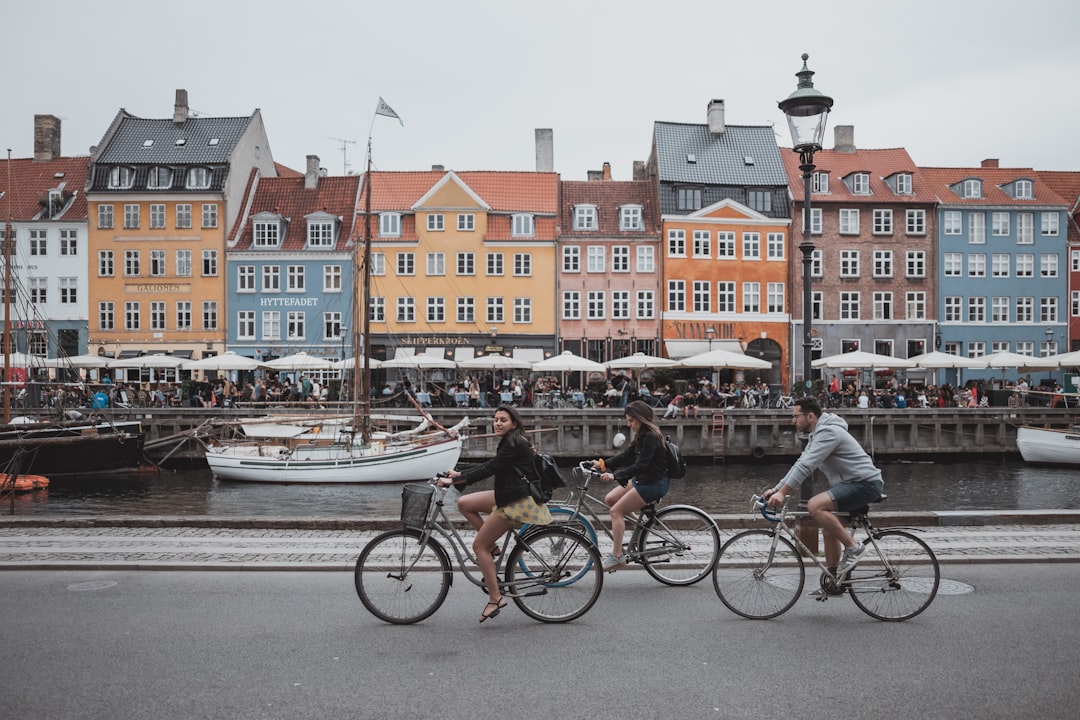
Photo by Febiyan on Unsplash
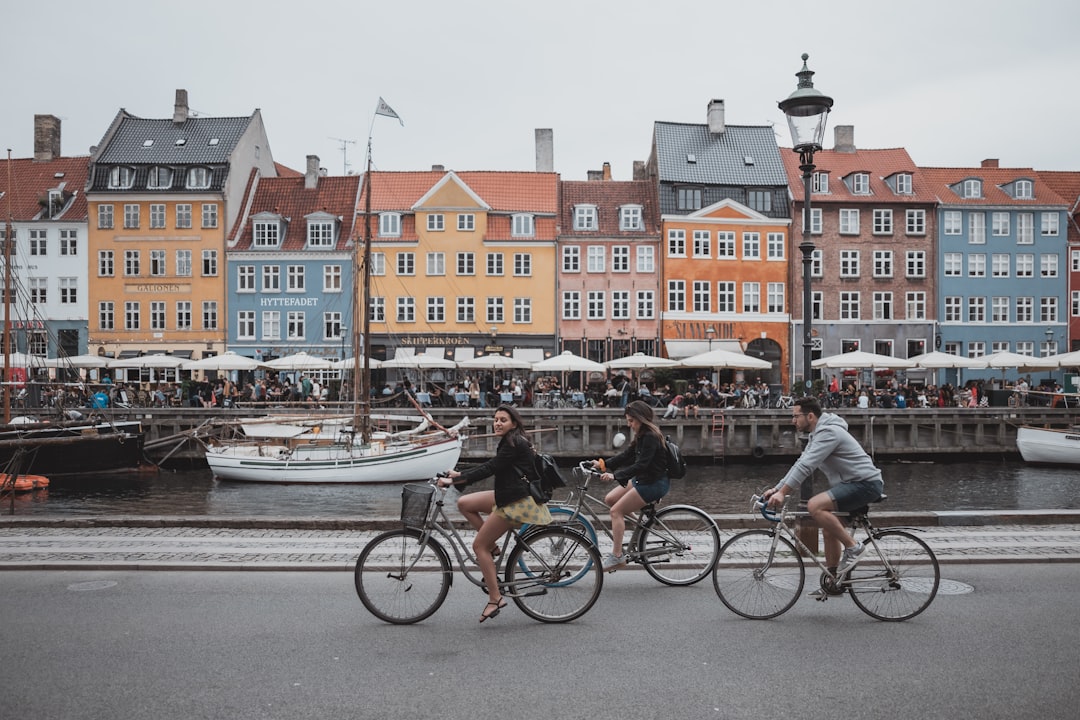
Copenhagen does not perform sustainability like a moral lecture. It wears it like good design. Bike lanes are broad and intuitive. Metro stations are clean, frequent, and fast. Harbor baths sit beside office blocks and apartment buildings as if a city should naturally let people swim on a summer evening. Even the air feels different when you walk from Christianshavn toward Nyhavn on a clear morning: less engine noise, more gulls, more bells, more snippets of conversation drifting from café terraces.
That atmosphere matters because responsible tourism succeeds when it improves the trip instead of complicating it. In Copenhagen, slow travel is practical. Staying in one area and moving mostly by bike or foot means you notice details you would miss from a taxi window: the rust-red brick of old industrial buildings in Vesterbro, the spicy scent of rye bread outside a bakery in Nørrebro, the pale evening light stretching across the lakes. Sustainable travel in Copenhagen works so well because the city rewards attention. The slower you move, the richer it becomes.
It also helps that the fun is not hidden. You are not being told to avoid the harbor, nightlife, or food scene. You are being invited to enjoy them in a smarter way. Cycle to dinner instead of ridesharing. Take the train over the Öresund Bridge to Malmö for a cross-border day trip. Choose green hotels that feel stylish rather than austere. If you are traveling with friends who want different energy levels, the city is flexible enough for everyone, and this is where articles like Group Trip Planning Tips for Friends Who Travel Differently (2026) become surprisingly useful.
Here is what makes this city such a strong case study for eco-friendly travel:
- A compact layout that keeps major neighborhoods within cycling or metro distance
- Reliable public transport through metro, S-trains, buses, harbor buses, and regional rail
- Excellent tap water, which makes refill habits easy and cuts plastic waste fast
- A mature food culture built around seasonality, bread, seafood, vegetables, and thoughtful sourcing
- Green hotels and design-forward hostels that do not feel like compromises
- Fun, low-impact activities such as harbor swimming, kayaking, urban hiking, museum hopping, and market grazing
- Easy rail connections to Malmö, Helsingør, Odense, Hamburg, and beyond
How to get there

Photo by Riccardo Mion on Unsplash
The first secret of sustainable travel in Copenhagen is that the greener arrival often sets the tone for the whole trip. Landing at Copenhagen Airport is convenient, of course, but arriving by train feels like entering the city with your senses already switched on. You see coastlines, wind turbines, allotment gardens, station platforms, ferry water, warehouses turned into creative districts. You start in motion, but not in a blur.
If you do fly, Copenhagen still handles the transition into the city better than most capitals. The airport sits close to the center, and the train or metro ride into town is short enough that you can skip taxis without feeling heroic. If you come by rail from Sweden or Germany, the trip is even smoother. The tracks spill you directly into a city built for walking, cycling, and public transport, which is exactly what low-carbon travel should feel like: less friction, not more.
For many travelers in northern Europe, the smartest move is not to ask whether flying is possible, but whether it is actually better. On several routes, it is not. Add airport transfers, security, waiting time, baggage rules, and the cost of getting from an outlying airport to your hotel, and trains begin to look not just cleaner but calmer.
| Route | Best option | Time | Typical 2026 fare | Notes |
|---|---|---|---|---|
| London to Copenhagen | Flight to CPH or rail via Brussels and Hamburg | 1h 50m flight or 14h+ by rail | €45-€180 flight, €120-€260 rail | Rail is a journey; flight is faster but less relaxed |
| Hamburg to Copenhagen | Direct or near-direct train via DSB/DB | 4h 40m to 5h 15m | €29-€79 | One of the best low-carbon travel swaps in Europe |
| Berlin to Copenhagen | Train with change in Hamburg | 7h to 8h 30m | €49-€119 | Worth it if you stay at least 3 nights |
| Stockholm to Copenhagen | SJ fast train | 5h 15m to 5h 45m | SEK 395-1195 | Scenic and usually city-center to city-center |
| Malmö to Copenhagen | Öresundståg regional train | 38m to 40m | about SEK 140 or DKK 94 | Ideal for a car-free twin-city trip |
| Oslo to Copenhagen | Overnight ferry or flight | 17h 30m ferry or 1h 10m flight | DKK 399+ ferry seat, more for cabin | Ferry is slower but fun and memorable |
If you are arriving by air, use these basics:
- Main airport: Copenhagen Airport, Kastrup, code CPH
- Airport to center: Metro M2 or regional train to København H or Nørreport
- Travel time: about 13 minutes by train to København H, around 15 minutes by metro to Kongens Nytorv
- Single ticket: around DKK 36 for central Copenhagen zones
- Official airport info: https://www.cph.dk/en
If you are arriving overland, these links are the useful ones:
- Danish rail bookings: https://www.dsb.dk/en/
- Swedish rail from Stockholm and Malmö: https://www.sj.se/en/
- Öresund regional trains: https://www.oresundstag.se/en
- Local transit tickets and route planner: https://dinoffentligetrafik.dk/en
A few practical arrival hacks make sustainable travel in Copenhagen even easier:
- If you are coming from Hamburg or Berlin, pack one soft bag instead of a hard-shell suitcase. Station platforms, bike rentals, and older hotel stairwells all become simpler.
- If your group is split between rail lovers and budget-flight hunters, compare total door-to-door time, not just headline trip duration.
- If you want a quieter follow-up after Copenhagen, combine this trip with one of the softer-paced ideas in Underrated Places in Europe 2026: Quiet Escapes Beyond Crowds.
- From CPH, skip the taxi queue unless you arrive very late with children or mobility needs. The metro and trains are genuinely efficient.
- If you bring a bike helmet, you are more likely to rent a bike and use it often.
Where to stay

Photo by Michele Lana on Unsplash
Accommodation is where many green intentions fall apart. A traveler books a bargain room far from the center, then spends the whole weekend calling rides, burning time, and missing the atmosphere that made the trip attractive in the first place. The smarter move in Copenhagen is usually to stay central enough that your feet and a bike do most of the work. That is better for the city and much better for you.
Neighborhood choice shapes the whole rhythm of sustainable travel in Copenhagen. Vesterbro is ideal for first-timers who want station access, cool cafés, and easy biking to the center. Nørrebro feels younger, more local, more layered, with vintage shops, wine bars, bakeries, and leafy cemeteries turned into strolling routes. Christianshavn has canals, old warehouses, and an almost cinematic calm in the early morning. Indre By is the classic choice if you want to walk to major sights, though it can be pricier and busier.
Green hotels matter, but so does practicality. Look for places with bike rental, breakfast that is not absurdly wasteful, refill access, and transport links that make taxis unnecessary. Copenhagen has enough design-conscious stays now that you do not have to choose between ethics and aesthetics.
| Budget tier | Hotel | Neighborhood | Typical 2026 price | Why it works |
|---|---|---|---|---|
| Budget | Next House Copenhagen | Vesterbro | DKK 180-350 dorm, DKK 900-1400 private | Social, central, walkable from the station, good for short stays |
| Budget | Steel House Copenhagen | near Tivoli and lakes | DKK 220-400 dorm, DKK 1000-1500 private | Stylish hostel feel with better-than-average common spaces |
| Budget | Sleep in Heaven | Nørrebro | DKK 200-350 dorm, DKK 850-1200 private | Great if you want local nightlife and fewer tourist crowds |
| Mid-range | Coco Hotel | Vesterbro | DKK 1300-2200 | Chic, bike-friendly, strong location for cafés and rail access |
| Mid-range | Hotel Axel Guldsmeden | Vesterbro | DKK 1400-2200 | One of the best-known green hotels in the city, warm rather than sterile |
| Mid-range | Hotel Ottilia | Carlsberg Byen | DKK 1500-2600 | Repurposed industrial architecture, stylish and quieter |
| Luxury | Villa Copenhagen | beside Central Station | DKK 2300-4000 | High-comfort, central, with a strong contemporary sustainability profile |
| Luxury | Manon les Suites | near the lakes | DKK 2400-4500 | Lush, dramatic interiors, great for travelers who want eco-friendly travel without losing indulgence |
| Luxury | Bryggen Guldsmeden | Islands Brygge | DKK 1700-3000 | Slightly calmer area with easy harbor access and a relaxed upscale feel |
Booking tips that make a real difference:
- Stay at least three nights. Slow travel works best when you stop treating the city like a checklist.
- Pick one neighborhood and lean into it. Repeatedly crossing town for every meal adds friction and unnecessary transit.
- If you are coming by train, Vesterbro is especially practical because København H is right there.
- If harbor swimming is high on your list, Islands Brygge and Christianshavn feel more immediate in summer.
- If nightlife and independent food spots matter, Nørrebro usually gives you more life for your money.
Things to do
This is where the whole idea comes alive. Sustainable travel in Copenhagen is not about sitting in your hotel congratulating yourself for reusing a towel. It is about discovering that some of the city’s best experiences happen to be low-impact by nature. A bike ride is not just transport; it is a front-row seat to the city’s choreography. A harbor swim is not just wholesome; it is one of the great summer pleasures in Europe. A train day trip to Malmö feels like a bonus country without the stress of airports or long transfers.
The city’s beauty is subtle at first. It is not trying to overwhelm you every second. But once you settle into its pace, pleasure multiplies. The click of bike gears at a traffic light. The smell of coffee drifting from a tiny hatch in a brick wall. The way evening light turns the canals silver-blue. Responsible tourism often gets reduced to big statements, but here it lives in small, elegant logistics that free up more time for actual enjoyment.
If you want a trip that feels generous rather than deprived, choose activities that use the city itself as the entertainment: water, public space, bike lanes, ferries, parks, food halls, and neighborhood wandering. That is the real trick of eco-friendly travel here. The infrastructure does the hard work, and you get the fun.
1. Cycle the lakes, bridges, and backstreets from Nørreport to Christianshavn
Rent a bike on your first full morning, ideally before 9 am, when the city feels brisk and unshowy. Start around Nørreport, trace the lakes, glide through Indre By, then continue over the bridges toward Christianshavn and Islands Brygge. You will pass commuters in trench coats, parents hauling children in cargo bikes, and students balancing coffee cups like acrobats. A daily rental from Donkey Republic or a local shop usually runs around DKK 150-220.
This is not only the most enjoyable way to see the city; it is the purest form of low-carbon travel inside the capital. You are moving at the speed of curiosity. Stop at a bakery because it smells too good to ignore. Pause on a bridge for five extra minutes because the light has gone honey-colored. That freedom is hard to replicate from a bus seat.
2. Swim at Islands Brygge Harbor Bath
On a sunny day, Islands Brygge feels like Copenhagen distilled into one scene: people sunning on timber decks, teenagers cannonballing into clear water, office workers dangling their legs at lunch, bikes piled in cheerful disorder nearby. The harbor bath is free, central, and proof that urban life does not have to be cut off from nature.
Bring a quick-dry towel, sandals, and a dry bag. Even if you do not swim, it is worth visiting in late afternoon when the place glows with that long Scandinavian summer light. It is one of the best examples of sustainable travel in Copenhagen because it is public, joyful, accessible, and impossible to separate from local life.
3. Paddle with GreenKayak
If you want one activity that captures the city’s spirit, make it a paddle with GreenKayak. The concept is simple and brilliant: borrow a kayak for free in exchange for collecting litter from the water and sharing the idea. You still get the thrill of moving through the canals at water level, but the experience quietly folds stewardship into the fun.
Gliding beneath bridges in Christianshavn or near Kalvebod Bølge, you notice textures the streets hide: the slap of water against stone, reflections of apartments in the canal, the sudden echo under an archway. Eco-friendly travel rarely feels this elegant. Reserve ahead in summer because slots go fast.
4. Spend an evening at Reffen street food market
Set on Refshaleøen, Reffen feels part shipyard, part festival, part urban beach. You get sea air, graffiti, shipping containers, picnic tables, music, and a food lineup that makes it easy for groups with mixed tastes to stay happy. Expect dishes from around DKK 85 to 150, craft beer around DKK 60 to 80, and the kind of long golden evenings that make you forget what time it is.
The sustainable edge here is not preachy. It is in the adaptive reuse of the area, the casual outdoor atmosphere, the easy bike and bus access, and the ability to sample several small dishes instead of committing to one expensive formal dinner. If you are traveling with friends, this is the kind of place that keeps everyone relaxed.
5. Climb, ski, or simply stare at the skyline from CopenHill
CopenHill should not work as a travel experience, and yet it does. It is a waste-to-energy plant with an artificial ski slope, hiking route, climbing wall, and panoramic views over the city. Whether or not you ski, it is worth visiting for the surreal pleasure of seeing industrial infrastructure turned into public recreation.
That is the deeper lesson of responsible tourism in Copenhagen: fun does not have to be separate from good urban planning. Prices vary by activity and duration, but even walking the roofline trail or visiting the area gives you a vivid sense of how the city thinks. Take bus 2A or cycle there.
6. Wander Assistens Cemetery and the side streets of Nørrebro
Nørrebro is where sustainable travel in Copenhagen becomes less about attractions and more about atmosphere. Assistens Cemetery, where locals stroll, jog, and sit under trees, does not feel gloomy. It feels lived-in, calm, almost intimate. Nearby Jægersborggade and Elmegade offer ceramics, natural wine bars, bakeries, coffee roasters, and independent shops that reward slow looking.
This is also where slow travel pays off. Do less, notice more. Buy one pastry and eat it in a park. Walk without a map for an hour. Choose a neighborhood evening over another museum dash. In a city where design is often polished, Nørrebro provides texture.
7. Take the train to Malmö for a car-free day trip
One of the most underrated pleasures in Copenhagen is how quickly you can add a second city by rail. Cross the Öresund Bridge to Malmö in roughly 40 minutes, have lunch in Lilla Torg, browse design shops, visit Moderna Museet Malmö, and be back in Copenhagen for dinner. It feels expansive without being exhausting.
For travelers who love the idea of seeing more without turning the trip into a frantic country count, this is ideal. It is also a reminder that low-carbon travel can widen a trip rather than shrink it. You do not need another flight to get that feeling of contrast.
8. Make one high-culture afternoon count at Louisiana Museum of Modern Art
A short regional train ride north to Humlebæk, followed by a walk of about 10 to 15 minutes, brings you to Louisiana, one of Europe’s great museum settings. The sculpture garden slopes toward the sea, the architecture is luminous, and the whole visit feels quietly cinematic. Adult tickets are typically around DKK 145.
Because the journey is so easy by public transport, this makes a wonderful example of eco-friendly travel done well. You get art, water views, fresh air, and a sense of leaving the city without the drag of driving. It is especially good on bright spring and early autumn days.
Where to eat
Food is often where people fear sustainability will start feeling righteous. Copenhagen, mercifully, has no interest in serving you a joyless plate in the name of virtue. This is a city of dark rye, pickled brightness, shellfish, seasonal vegetables, roasted roots, butter-rich pastries, and restaurants that can make cabbage taste like an event. If you want proof that eco-friendly travel can be delicious, you will find it here before noon on your first bakery stop.
The smartest food strategy is to mix one or two destination meals with plenty of everyday pleasures. Copenhagen is expensive, but not every memorable bite needs to happen under a tasting-menu spotlight. In fact, sustainable travel in Copenhagen gets better when you spread your food budget across bakeries, food halls, lunch counters, and neighborhood spots instead of putting everything into one grand reservation.
Eating more sustainably here usually means eating more seasonally and more locally. That does not mean every meal must be ascetic or Nordic in a doctrinaire way. It means choosing places where ingredients have personality, menus change with weather and harvest, and the room feels connected to the city rather than imported from nowhere.
Best places to eat well with a lighter footprint
- Hart Bageri: Several locations. Come early for cardamom buns, croissants, and excellent bread. Expect DKK 35-55 for pastries and more for sandwiches. The smell alone is enough to reroute your morning.
- Torvehallerne: Frederiksborggade 21. A stylish covered market near Nørreport where you can build a meal from multiple stalls. Great for smørrebrød, cheese, fish, coffee, and picnic supplies. Budget DKK 80-220 depending on your level of self-control.
- Selma: Rømersgade 20. One of the city’s standout places for refined smørrebrød. Expect around DKK 250-450 for a solid lunch with drinks. It is polished but not stiff.
- Hija de Sanchez: Mainly known around the Meatpacking District area and other locations. Tacos around DKK 45-60 each, bold flavors, easy casual energy, and a good reminder that responsible tourism does not require culinary purity.
- Morgenstedet: Fabriksområdet 134 in Christiania. Long-running vegetarian favorite with relaxed, homemade warmth. Mains usually around DKK 90-140. A genuinely satisfying budget-friendly option.
- Gro Spiseri: On a rooftop farm in Østerbro. Fixed-menu dinners often around DKK 450-550. This is one of the clearest examples of dining as experience, not just consumption. Book well ahead.
- Reffen: Refshalevej 167A. Ideal for groups and sunset grazing. Go hungry, share plates, and let the sea breeze do the rest.
- Il Buco: Islands Brygge area. Seasonal, stylish, and reliably atmospheric. A dinner with wine can land around DKK 300-500 per person.
What to try
- Smørrebrød with herring, potato, shrimp, or roast beef
- Cardamom buns and fastelavnsbolle in season
- Seasonal vegetable plates and grilled greens
- Danish strawberries and new potatoes in early summer
- Fish dishes that feel clean and bright rather than heavy
- Natural wine and locally roasted coffee in Nørrebro and Vesterbro
Food habits that support better eco-friendly travel while keeping the trip fun:
- Eat your largest meal at lunch when many good places offer better-value menus.
- Carry a refill bottle. Copenhagen’s tap water is excellent.
- Build one meal around a market or food hall so everyone can choose what they actually want.
- Try one plant-forward dinner, not as a duty, but because many kitchens here do vegetables exceptionally well.
- If you book a splurge dinner, make the rest of the day simple: bike, swim, bakery, sunset. Let the meal be the event.
For travelers who plan whole itineraries around flavor, the local scene pairs beautifully with the ideas in Food Tours Around the World in 2026: 6 Cities to Taste, though Copenhagen’s pleasure is often best found outside formal tours too.
Practical tips for low-carbon travel and slow travel
The biggest mistake first-time visitors make is treating Copenhagen like a place to conquer quickly. It looks compact on a map, so people assume they can stack museums, markets, design shops, canal views, and restaurant bookings into every hour. The city pushes back. Not rudely, but firmly. The best version of it appears when you leave air in the plan.
That is why slow travel matters here. A three-night trip is good. Four or five nights is much better. The extra time lets you use the city as intended: cycle to breakfast, swim in the afternoon, take a train day trip, come back for wine near your hotel, and repeat some streets until they stop feeling like a backdrop and start feeling familiar. Sustainable travel in Copenhagen improves dramatically when you stop trying to squeeze every sight into one weekend.
Practicality also matters. Denmark is expensive, weather can flip quickly, and local bike etiquette is real. None of that should intimidate you. It just means packing smart, choosing the right months, and respecting the flow of the city. Done well, responsible tourism here feels effortless.
Best months to visit
| Month | Weather feel | Crowds | Best for | Notes |
|---|---|---|---|---|
| January | Cold, dark, often windy | Low | Museums, cozy cafés, winter city breaks | Bring serious layers and expect short days |
| February | Cold but slightly brighter | Low | Design hotels, bakery hopping | Good value, still wintery |
| March | Chilly, changeable | Moderate | Shoulder-season walking | Pack waterproof layers |
| April | Fresh, bright, breezy | Moderate | City wandering, early bike rides | One of the prettiest months for soft light |
| May | Mild and lively | Moderate to high | Cycling, gardens, longer days | Excellent balance of weather and crowds |
| June | Warm, long daylight | High | Harbor swims, outdoor dining | Book hotels early |
| July | Warmest month, festive | High | Swimming, markets, open-air evenings | Peak prices, best summer mood |
| August | Warm, sometimes humid | High | Water activities, food scene | Still busy but glorious at sunset |
| September | Crisp, golden, calmer | Moderate | Slow travel, museums, restaurants | Arguably the sweet spot |
| October | Cool, moody, colorful | Moderate | Cozy cafés, galleries, neighborhood walks | Good for lower hotel rates |
| November | Dark, damp, atmospheric | Low | Hygge season, quieter city breaks | Pack waterproof shoes |
| December | Cold, festive, twinkling | High around holidays | Christmas lights and markets | Charming but pricey on weekends |
What to pack
- Lightweight waterproof jacket even in summer
- Layers rather than one heavy coat in spring and autumn
- Comfortable sneakers or flat boots for cycling and cobblestones
- Swimsuit and quick-dry towel from June to August, sometimes September
- Reusable water bottle and tote bag
- Portable battery for maps, tickets, and photos
- Compact day bag that is easy on a bike
Money, safety, and everyday logistics
- Currency: Danish krone, DKK
- Cards are accepted almost everywhere, often even for very small amounts
- Tipping is not expected in the way it is in the United States; service is usually included
- Copenhagen is generally very safe, though bike theft and petty theft can happen
- Keep phones secure near the water and on busy nightlife streets late at night
- Most visitors find 3 to 5 days ideal
- Mobile data and Wi-Fi are excellent across the city
Transport passes and local hacks
- Consider the Copenhagen Card if you plan multiple museums and transit-heavy days. Prices vary by duration, often around DKK 499 and up.
- For simple point-to-point travel, the DOT app is usually enough and often cheaper than a sightseeing card.
- Harbor buses are a scenic public-transport bonus, not a gimmick.
- If you ride a bike, stay in your lane, signal clearly, and do not stop abruptly for photos in busy cycle traffic.
- Bike lights matter after dark. If your rental does not include them, ask.
Easy ways to make sustainable travel in Copenhagen even better
- Choose one day with no fixed itinerary at all. Wander a neighborhood instead.
- Use trains for at least one side trip rather than adding another internal flight elsewhere in your itinerary.
- Prioritize locally owned cafés, bakeries, and shops over generic chains.
- Book green hotels close to transit rather than cheaper places that force constant rides.
- Travel in May, early June, or September if you want the best mix of weather, mood, and manageable crowds.
- Avoid over-scheduling dinner reservations. Some of the best evenings begin with an unplanned stop for wine and small plates.
- If budget matters, put your money into location and one memorable meal, then save elsewhere with bakeries, market lunches, and bikes.
FAQ
Is sustainable travel in Copenhagen expensive?
It can be, but not always in the way people assume. Hotels are often the biggest cost. Once you solve that thoughtfully, many of the best experiences are surprisingly affordable or free: cycling, harbor swimming, neighborhood wandering, parks, markets, and even a GreenKayak session. Sustainable travel in Copenhagen often saves money on taxis and impulse transport because the city is so easy to navigate without them.
How many days do I need for sustainable travel in Copenhagen?
Three full days is the minimum for a satisfying trip. Four or five is ideal if you want to practice real slow travel, add a day trip to Malmö or Louisiana, and still leave room for spontaneous meals and unrushed cycling. The city rewards anyone who stays just a little longer than they originally planned.
Is Copenhagen good for eco-friendly travel in winter?
Yes, but the style of fun changes. Winter is more about cafés, bakeries, museums, design shops, saunas, candlelit bars, and early evenings than swimming and long bike loops. Bring proper layers, choose a central hotel, and keep your daily plans compact. Eco-friendly travel still works because public transport remains excellent and the city center is walkable.
Do I need a car in Copenhagen?
No. For nearly all visitors, a car would make the trip worse. Parking is expensive, cycling infrastructure is excellent, and the metro, buses, S-trains, and regional trains cover what your feet cannot. If your goal is low-carbon travel, Copenhagen is one of the easiest capitals in Europe to do entirely without driving.
What is the most fun low-impact activity in the city?
For summer, it is hard to beat combining a morning bike ride with an afternoon harbor swim and sunset dinner at Reffen. For shoulder season, I would choose a neighborhood bike loop, a market lunch, and a train ride to Louisiana. The point of sustainable travel in Copenhagen is that the greener option is often also the better story.
A final thought
The most convincing thing about sustainable travel in Copenhagen is not a statistic or a slogan. It is the feeling of finishing a day unusually full and oddly light at the same time. You have seen a lot, eaten well, moved mostly under your own power, and spent more of the day in the city than buffered from it. The water, the bikes, the bread, the calm efficiency, the soft evening light over the canals all add up to one clear idea: traveling more sustainably does not have to shrink the pleasure of a trip. In the right place, it sharpens it.