Underrated Places in Europe 2026: Quiet Escapes Beyond Crowds
Europe’s most unforgettable travel moments often happen where the souvenir shops thin out, the church bells sound louder, and dinner still starts with a nod from the owner instead of a QR code. That is exactly why underrated places in Europe feel so magnetic in 2026. While headline cities wrestle with queues, timed entries, and rising prices, smaller old towns, island communities, and overlooked cultural centers are giving travelers something rarer than novelty: room to breathe.
The smartest trips this year are not necessarily farther away. They are simply better chosen. Some of the best underrated places in Europe sit a short train ride beyond a major airport, a ferry hop from a famous coast, or a few valleys away from a destination everybody already knows. These are the kinds of places where breakfast still comes with local jam, where the market is for residents first, and where sunset feels like part of daily life rather than a ticketed event. If you are planning a slower route, balancing costs matters too, and Budget Travel Strategies 2026: Smart Ways to Stretch Every Euro is a useful companion for building a realistic trip.
This guide takes a different angle from the usual hidden-gems roundup. Instead of racing through a long list, it goes deep on five underrated places in Europe that work brilliantly as real trips, not just pretty pins on a map. I have focused on places that reward two to four nights, offer distinct local culture, and feel practical for independent travelers. For route planning, I often sketch rail, ferry, and flight combinations in TravelDeck before checking the final official timetables. If you travel solo, Solo Travel Safety Tips 2026: Confident & Secure Alone is worth reading, and if you want smoother cultural interactions, Travel Etiquette Around the World 2026: Invisible Rules covers the subtleties that make a difference.
Why underrated places in Europe are worth slowing down for
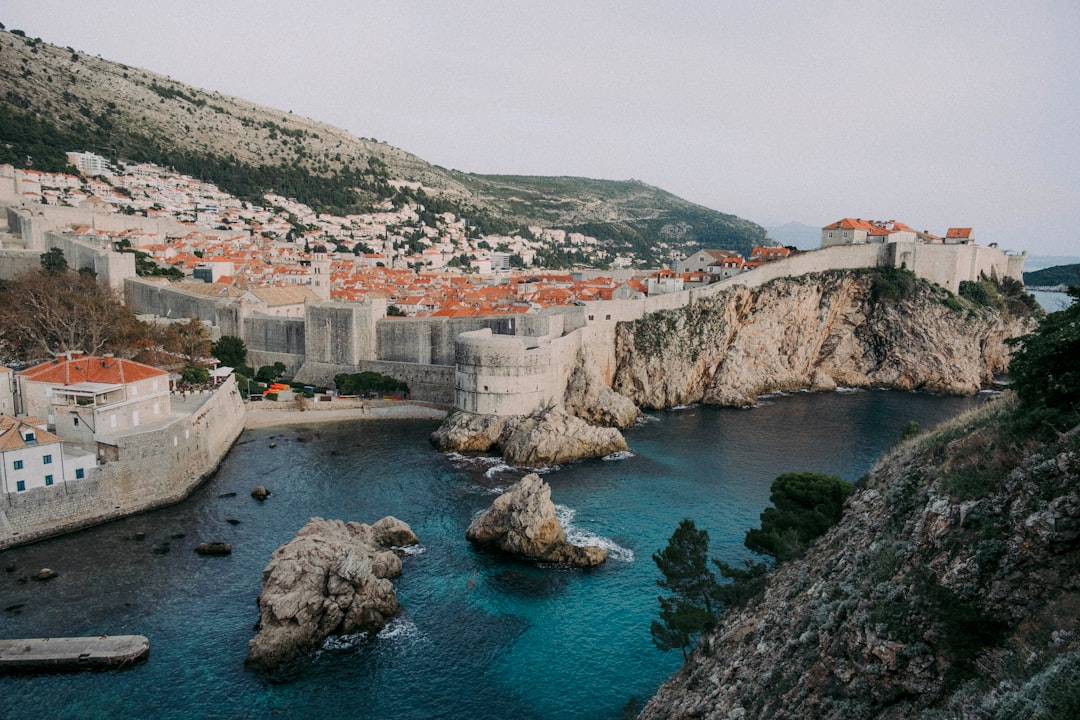
Photo by Colin + Meg on Unsplash
The appeal of underrated places in Europe is not only about escaping crowds. It is about proportion. In quieter destinations, architecture feels human-sized, conversations last longer, and travel time starts serving the place instead of swallowing it. You notice the blue-painted shutters, the bread delivery at dawn, the fishermen rinsing their boats, the saxophone floating from a square after dark. These are small sensory details, but they change the emotional texture of a trip.
They also tend to offer better value. In many quiet European destinations, boutique stays cost what a budget room might in a capital. Museums are smaller but more personal. Restaurant menus are shorter and often better. You are more likely to meet local weekenders than tour groups moving in synchronized waves. For travelers craving off the beaten path Europe without giving up comfort, that combination is gold.
Below is a practical comparison of five underrated places in Europe that deliver different moods: Roman ruins and creative energy, Adriatic calm, Ottoman stone streets, a car-light Italian island, and wind-carved prehistoric drama in the North Atlantic.
Best underrated places in Europe at a glance
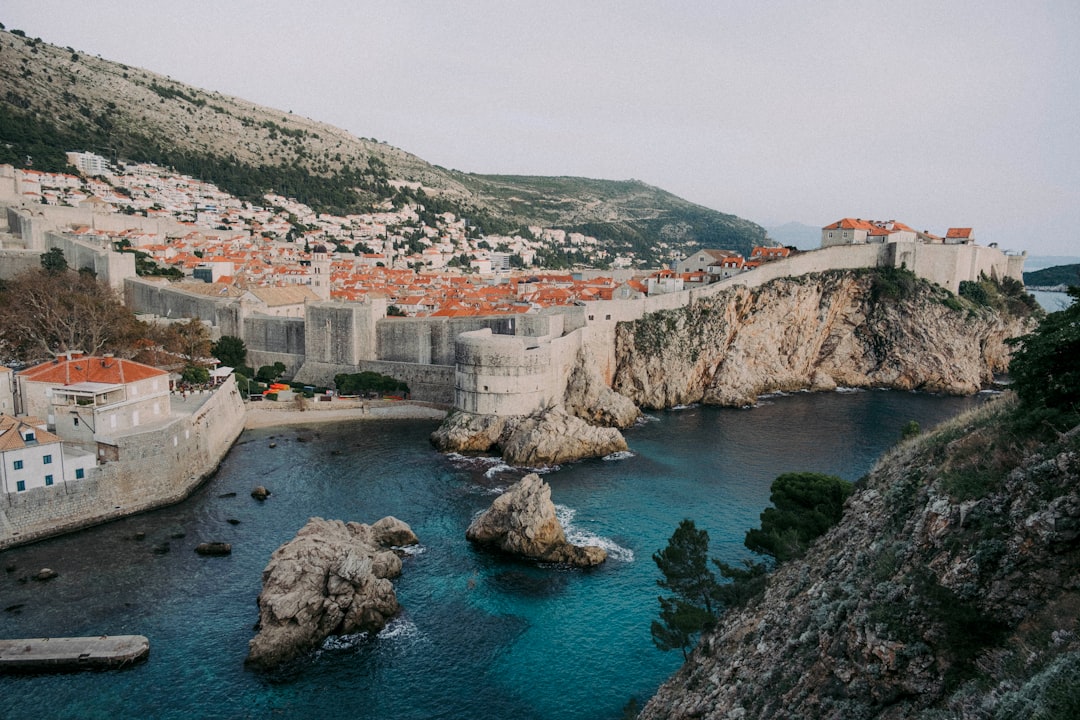
Photo by Colin + Meg on Unsplash
| Destination | Country | Best for | Ideal stay | Typical daily budget | Closest gateway |
|---|---|---|---|---|---|
| Plovdiv | Bulgaria | History, food, creative districts | 2 to 3 nights | 55 to 120 euros | Sofia Airport SOF or Plovdiv Airport PDV |
| Izola | Slovenia | Seaside downtime, cycling, seafood | 2 to 4 nights | 80 to 170 euros | Trieste Airport TRS or Ljubljana Airport LJU |
| Gjirokaster | Albania | Ottoman architecture, mountain scenery | 2 nights | 45 to 110 euros | Tirana Airport TIA |
| Monte Isola | Italy | Lake escape, walking, slow travel | 2 to 3 nights | 95 to 220 euros | Bergamo Airport BGY or Milan Linate LIN |
| Orkney | Scotland | Archaeology, cliffs, islands, wildlife | 3 to 4 nights | 110 to 240 pounds | Kirkwall Airport KOI |
A quick pattern emerges: the best underrated places in Europe are usually easy enough to reach, but awkward enough to deter rushed travelers. That little bit of friction is often what protects them. It is also why they feel so rewarding when you arrive.
Best months for these quiet European destinations
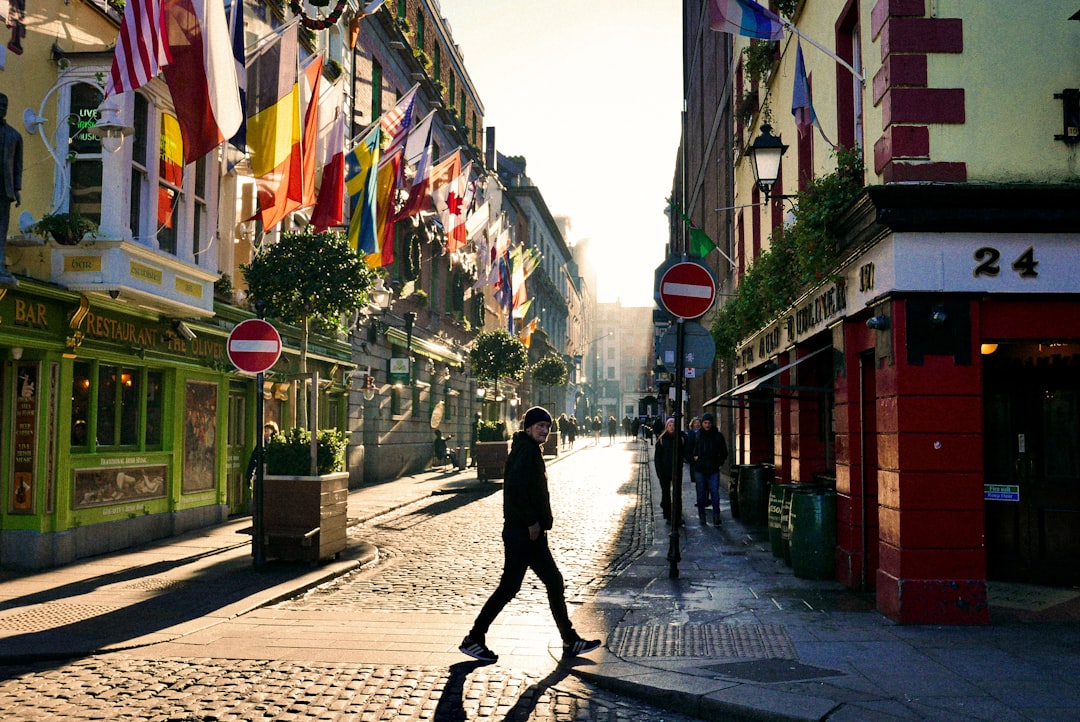
Photo by Vitaly Mazur on Unsplash
| Destination | Best months | What it feels like | Watch out for |
|---|---|---|---|
| Plovdiv | April to June, September to October | Warm evenings, café life, festivals | July and August can be very hot |
| Izola | May to June, September | Swimmable sea, fewer crowds, clear light | July and August prices rise sharply |
| Gjirokaster | April to June, September to October | Pleasant walking weather, green hills | Mid-summer heat on stone streets |
| Monte Isola | May to June, September | Ferries run often, hiking is comfortable | Weekend day-trippers in high summer |
| Orkney | May to August | Long daylight, best road conditions | Wind changes quickly year-round |
Plovdiv, Bulgaria: one of the smartest Europe alternative city breaks
Plovdiv is the kind of place that surprises you twice. First, because it is far more beautiful than many travelers expect; second, because it never feels like it needs to prove it. Bulgaria’s second city spreads across seven hills, and its layers are visible everywhere: Roman remains under modern streets, Revival-era mansions in the Old Town, craft beer bars and design shops in Kapana, students filling the plazas after dark. Among underrated places in Europe, Plovdiv stands out because it combines deep history with a very livable present.
What lingers here is texture. In the Old Town, the streets twist between ochre facades, carved wooden eaves, and painted houses that glow softly at golden hour. Laundry flutters in inner courtyards. Cats sleep on warm stone steps. You turn a corner and suddenly see the semicircle of the Roman Theatre opening toward the hills. Then you drop into Kapana, where the mood changes completely: murals, espresso bars, galleries, small record shops, cocktails in tiny courtyards, and a youthful hum that gives the city its pulse.
Plovdiv is one of those underrated places in Europe that works for almost every kind of traveler. Culture lovers get archaeology and churches. Food travelers get hearty Balkan cooking, wines from the nearby Thracian Valley, and a café scene that punches above its weight. Remote workers get walkability and good prices. Couples get sunset viewpoints and candlelit courtyards. And anyone looking for Europe alternative city breaks gets a destination that feels original instead of derivative.
How to get there
Plovdiv is straightforward if you use Sofia as your gateway. That is part of its charm as one of the most practical underrated places in Europe.
- Fly to Sofia Airport, SOF: direct links from many European hubs. Then take a bus, train, or rental car to Plovdiv.
- Train from Sofia to Plovdiv: around 2 hours 30 minutes to 3 hours depending on service, usually 8 to 15 euros one way.
- Bus from Sofia to Plovdiv: about 2 hours 10 minutes to 2 hours 40 minutes, often 10 to 18 euros.
- Drive from Sofia: roughly 145 km and about 1 hour 50 minutes on a good day via the A1.
- Plovdiv Airport, PDV: limited seasonal and charter traffic, useful mainly if schedules align.
- Useful links: Visit Plovdiv, Bulgarian State Railways, Plovdiv Airport
Things to do
Plovdiv rewards wandering more than strict scheduling. The city’s rhythm is best felt on foot, with a slow morning in the Old Town, a long lunch, then an evening drifting toward Kapana. Still, there are several specific stops that deserve a place in your plan.
- Ancient Theatre of Philippopolis: one of the city’s great landmarks, still used for performances. Go early or late for softer light.
- Old Town Plovdiv: wander around Nebet Tepe, Hisar Kapia, and the historic mansions such as Balabanov House.
- Kapana Creative District: coffee, craft shops, design studios, and some of the city’s best nightlife in a compact grid.
- Roman Stadium: partially visible under the modern center near Dzhumaya Square.
- Nebet Tepe viewpoint: a favorite place for sunset over rooftops and hills.
- Bishop’s Basilica of Philippopolis: extraordinary mosaics and a museum experience that feels modern without flattening the past.
- Day trip to Bachkovo Monastery: about 40 minutes by car, a good escape into the Rhodope foothills.
Where to stay
One reason Plovdiv keeps appearing on lists of underrated places in Europe is value. You can sleep in a beautifully restored historic building for prices that feel almost impossible if you have just come from Western Europe.
- Budget
- HillHouse Plovdiv: simple, central, and often around 35 to 60 euros for a double.
- Mid-range
- Landmark Creek Hotel and Wellness: greener setting outside the center with pool, around 85 to 130 euros.
- Luxury
- Vizualiza Residence Hotel: boutique feel and polished rooms, usually 140 to 220 euros.
Where to eat
Bulgaria does comfort food extremely well, and Plovdiv is one of the country’s easiest places to explore it. Expect grilled meats, roasted peppers, yogurt, white brined cheese, slow-cooked stews, and generous salads bright with tomatoes and cucumbers.
- Pavaj: a local favorite for modern Bulgarian comfort dishes and a great brunch feel.
- Aylyakriya: creative regional plates and a good introduction to contemporary Bulgarian cooking.
- Rahat Tepe: go for the view as much as the food, especially at sunset.
- Hemingway: classic city institution with a leafy terrace.
- Try these dishes: shopska salad, kavarma, grilled kebapche, tarator in summer, and regional wines from the Thracian Valley.
- Best food areas: Kapana for bars and modern dining; around the center for traditional restaurants.
Practical tips
Plovdiv is among the easiest underrated European towns for a first trip to the Balkans. It feels accessible without feeling sanitized.
- Best months: April to June and September to October.
- Summer weather: hot, often above 32 C in July and August.
- Currency: Bulgarian lev, though card use is common in the center.
- Safety: generally good; use normal city awareness around stations and late-night bars.
- Connectivity: local SIMs are affordable; many cafés have solid Wi-Fi.
- Packing: comfortable shoes are essential for cobbles and hills.
- Etiquette: service can be more understated than in highly touristed cities; patience goes a long way.
Izola, Slovenia: a quiet European destination on the Adriatic
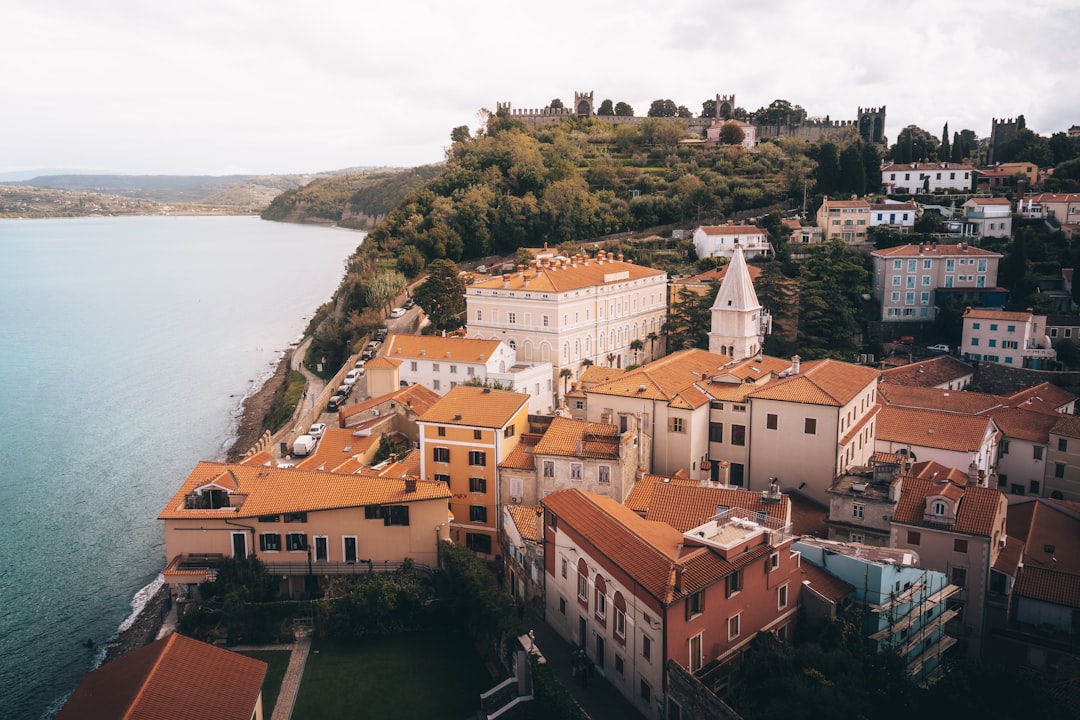
If much of the Adriatic now feels choreographed for summer crowds, Izola still feels lived in. Fishing boats bob at the marina, older residents chat on benches in the late afternoon shade, and the old town slips into the sea in warm pastel tones. Among underrated places in Europe, Izola is especially rewarding because it is not trying to be dramatic. It wins you over with salt air, Venetian echoes, and an easygoing rhythm that turns a weekend into a reset.
Slovenia’s coastline is short, which makes every seaside town feel precious. Piran gets the postcards, Portoroz gets much of the resort attention, and Koper handles the practical business of transport and commerce. Izola sits in between, gentler and somehow more grounded. The church tower rises over compact lanes, shutters catch the morning light, and the waterfront transitions from working harbor to swimming spots without much fuss. This is crowd-free Europe travel in a place that still belongs to itself.
What makes Izola one of the most appealing underrated places in Europe is how easily it expands into a wider slow-travel route. You can cycle old railway paths, swim off rocks, order a plate of grilled fish with local Malvasia, then take a short bus ride into vineyards or salt-pan landscapes. It is a small destination, but not a thin one. For travelers seeking quiet European destinations with good logistics and real atmosphere, Izola is an excellent answer.
How to get there
Izola is simple to reach from two airports and works well without a car, which is rare for off the beaten path Europe on the coast.
- Fly to Trieste Airport, TRS: then continue by bus or transfer via Trieste and Koper. Total travel time is usually around 1 hour 30 minutes to 2 hours.
- Fly to Ljubljana Airport, LJU: then bus or shuttle to Ljubljana and onward to Koper or directly to the coast. Around 1 hour 45 minutes to 2 hours 30 minutes total.
- Train option: Slovenia’s rail network does not go directly to Izola. Take the train to Koper, then local bus or taxi to Izola in about 15 to 20 minutes.
- Drive from Ljubljana: about 110 km, usually 1 hour 20 minutes.
- Bus fares: often 6 to 18 euros depending on route and operator.
- Useful links: Visit Izola, Slovenian Railways, Arriva Slovenia
Things to do
Izola is best enjoyed with the brakes off. Swim in the morning, wander the old town before lunch, nap in the heat, then return to the promenade when the stone starts releasing the day’s warmth. Still, several specific places give structure to the stay.
- Old Town and Marina: stroll around Veliki Trg, Manzioli Square, and the harbor front.
- Svetilnik Beach: the easiest town beach for a quick dip, especially in the evening.
- Bele Skale: rocky coves just outside town for a wilder swim and clearer water.
- Parenzana Trail: cycle or walk part of the former railway route linking coastal towns and the interior.
- House of the Sea Izolana: a small museum that gives context to Izola’s maritime past.
- Day trip to Strunjan Nature Reserve: cliffs, moonlike views, and salt-pan landscapes within easy reach.
- Sunset promenade: simple but memorable, especially when fishing boats return to the harbor.
Where to stay
Izola has a gentle range of accommodation, from no-frills rooms to sea-view hotels. In shoulder season, it is one of the best-value underrated places in Europe for an Adriatic break.
- Budget
- Guesthouse Centrum B&B: compact and convenient, usually 55 to 85 euros.
- Mid-range
- Dependences San Simon Resort: good for longer stays and beach access, often 95 to 150 euros.
- Luxury
- Hotel Mirta: spa-style comfort near the sea, often 150 to 230 euros.
Where to eat
The food in Izola tastes like the geography: olive oil, seafood, herbs, sea breeze, and a light Italian influence that slips naturally into the Slovenian coast. Long lunches are part of the pleasure here.
- Gostilna Sidro: reliable seafood and a local feel near the waterfront.
- Restavracija Svetilnik: sea views and fish-focused plates in a lovely setting.
- Marina Restaurant: good choice for a polished dinner with harbor atmosphere.
- Try these dishes: grilled sea bass, mussels buzara-style, cuttlefish risotto, fuzi pasta, local olive oil, and Malvasia wine.
- For snacks: bakeries and gelato stops in the center make casual evenings easy.
Practical tips
Izola is one of those underrated places in Europe where simplicity is the luxury. The town is compact, the sea is close, and you do not need much beyond good sandals and a decent appetite.
- Best months: May, June, and September.
- Sea temperature: warmest from late June through September.
- Currency: euro.
- Parking: can be tight in summer; staying central without a car is easier.
- Safety: very good overall.
- Connectivity: excellent mobile coverage and strong café Wi-Fi.
- Packing: water shoes help on rocky swimming spots.
- Good to know: book weekend stays early in summer because Slovenians and nearby Italians know exactly how good Izola is.
Gjirokaster, Albania: off the beaten path Europe with Ottoman soul
Some places feel theatrical at first glance, then deepen the longer you stay. Gjirokaster is like that. Roofs of silver-gray slate step down the hillside, a fortress crowns the skyline, and the bazaar folds through stone lanes that seem to catch and hold the mountain light. Among underrated places in Europe, Gjirokaster is one of the most atmospheric because its architecture shapes the entire emotional experience of the town. Even silence sounds different here, echoed off rock and tile.
This southern Albanian city has often been described as a museum town, but that phrase undersells it. It is still lived in, and that matters. Children run through the bazaar after school. Elderly men sit over coffee. Guesthouse terraces look out across the Drino Valley toward ridgelines that blush pink at sunset. The old houses are not quaint stage sets; they are part of a hard, beautiful landscape. For travelers seeking underrated European towns that feel rooted rather than polished, Gjirokaster is a remarkable choice.
Gjirokaster is also one of the most accessible introductions to off the beaten path Europe in the Balkans. Albania’s tourism profile has risen quickly, but many visitors still focus on the Riviera. That leaves the inland stone cities comparatively quiet, especially outside holiday peaks. If you want the sense of discovery that people once chased across Europe more easily, this is one of the underrated places in Europe where you can still find it.
How to get there
Gjirokaster takes a bit more effort than a capital-city break, but that effort is exactly why it remains one of the best underrated places in Europe.
- Fly to Tirana Airport, TIA: then take a bus, shuttle, or rental car south.
- Drive from Tirana: about 230 km, usually 3 hours 30 minutes to 4 hours depending on traffic and stops.
- Bus from Tirana: around 4 to 5 hours, commonly 12 to 18 euros.
- From Saranda: about 1 hour to 1 hour 30 minutes by road, useful if you combine it with the southern coast or Corfu.
- From Corfu: ferry to Saranda first, then continue by bus or taxi.
- Useful links: Tirana International Airport, Albania Tourism
Things to do
Gjirokaster deserves time at different hours. The bazaar is busiest in late morning, the castle is best in slanted afternoon light, and the quiet after dinner turns the whole place into something almost cinematic.
- Gjirokaster Castle: the defining sight, with sweeping valley views and fascinating military history.
- Old Bazaar: browse rugs, carved wood, handmade goods, and small cafés.
- Skenduli House: one of the best-preserved historic homes for understanding elite Ottoman-era domestic life.
- Ethnographic Museum area: even when museum access changes, the neighborhood itself is worth exploring.
- Cold War Tunnel: a stark reminder of Albania’s 20th-century isolation.
- Ali Pasha Bridge: a photogenic Ottoman aqueduct-like bridge outside the main center.
- Obelisk viewpoint: one of the best places for sunset over the stone roofs.
- Day trip to the Blue Eye or Labova e Kryqit: natural beauty or historic church architecture, depending on your mood.
Where to stay
Gjirokaster’s best accommodations are often guesthouses with views, homemade breakfasts, and owners who seem genuinely invested in your stay. That hospitality is one reason underrated places in Europe can feel so memorable.
- Budget
- Friends Guesthouse and Hostel: welcoming and often 20 to 45 euros.
- Mid-range
- Hotel Kalemi 2: characterful rooms in a historic-style setting, usually 65 to 110 euros.
- Luxury
- Hotel Fantasy: upper-mid to premium depending on season, often 90 to 140 euros.
Where to eat
The food here is deeply satisfying: grilled meats, yogurt sauces, pies, beans, mountain herbs, and slow-cooked dishes that match the stony seriousness of the setting. Meals feel generous without being flashy.
- Taverna Kuka: one of the best-known tables in town for traditional Albanian cooking.
- Restaurant Kujtimi: dependable local dishes and a warm atmosphere.
- Odaja: good for regional plates in a setting that suits the town.
- Try these dishes: qifqi rice balls, byrek, fergese, grilled lamb, local mountain tea, and house wine.
- Best area to eat: around the Old Bazaar and nearby terraces with valley views.
Practical tips
Gjirokaster is one of the most rewarding quiet European destinations in the Balkans, but it helps to plan for heat, slopes, and cash.
- Best months: April to June and September to October.
- Summer weather: hot and reflective because of the stone surfaces.
- Currency: Albanian lek; cash is still useful.
- Safety: generally very good, though cobbled lanes can be slippery after rain.
- Connectivity: mobile data is inexpensive and usually strong in town.
- Packing: grippy shoes, sun protection, and a light layer for cooler evenings in spring and autumn.
- Etiquette: a little Albanian greeting goes a long way, and hospitality is often deeply personal.
Monte Isola, Italy: crowd-free Europe travel on a lake island
Italy hardly lacks beautiful places, which is exactly why Monte Isola feels so refreshing. Instead of competing with famous cities, it opts out. Rising from Lake Iseo between Brescia and Bergamo, this mountain island is threaded with small villages, steep lanes, olive trees, and chapels. Ferries bring people in, but there are few cars, the pace is slow, and the horizon is water and peaks rather than monuments. In a country where overtourism can define entire regions, Monte Isola is one of the rare underrated places in Europe that gives you an Italian classic without the crush.
What you notice first is the light. It skims the lake in silver bands, flashes off passing ferries, and softens the stone walls of villages like Peschiera Maraglio and Carzano. Laundry hangs over narrow lanes. Wooden shutters click open in the morning. Locals still use boats and scooters for the practical business of life. Walk uphill and church bells carry across the water from the mainland. It feels intimate and expansive at the same time.
Monte Isola works best for travelers who like to do very little, very well. A hike to the sanctuary, a long fish lunch, a swim, a quiet night with lake air coming through the window. That makes it one of the most restorative underrated places in Europe and one of the best examples of crowd-free Europe travel close to major airports. It is not a checklist destination. It is a place that resets your pulse.
How to get there
Monte Isola is easier than it looks on a map. The key is reaching the lakeside town of Sulzano or another ferry port on Lake Iseo.
- Fly to Bergamo Airport, BGY: then drive or connect by bus and train toward Lake Iseo.
- Fly to Milan Linate, LIN, or Milan Malpensa, MXP: useful if flight prices are better, though transfer times are longer.
- Train from Brescia to Sulzano: about 30 to 40 minutes, usually 4 to 7 euros.
- Drive from Bergamo: around 1 hour; from Milan, roughly 1 hour 30 minutes depending on traffic.
- Ferry from Sulzano to Peschiera Maraglio: around 10 to 15 minutes, roughly 5 euros return depending on ticket type.
- Useful links: Visit Monte Isola, Trenord, Navigazione Lago d'Iseo
Things to do
Monte Isola is not about hitting ten attractions in a day. It is about stringing together lake scenes and simple pleasures until the island rhythm takes over. That said, there are several anchor experiences you should not miss.
- Walk Peschiera Maraglio: the main arrival village with colorful houses, small shops, and lakefront restaurants.
- Hike to Madonna della Ceriola: the island’s high sanctuary with panoramic views over Lake Iseo.
- Cycle or e-bike the island: a wonderful way to stitch together villages and quiet stretches.
- Visit Carzano and Novale: especially lovely in spring and early summer for flower-filled lanes.
- Lunch in Sensole: slower, quieter, and beautifully placed on the water.
- Take a boat loop around the lake: combine Monte Isola with Iseo, Sulzano, or Lovere.
- Try the local cured fish traditions: a culinary window into the island’s working past.
Where to stay
Accommodation on Monte Isola is intimate rather than abundant. Book ahead for weekends and summer. If the island is full, nearby mainland towns like Sulzano and Iseo make good backups.
- Budget
- Ostello del Porto in Lovere: mainland option with good value, often 30 to 75 euros.
- Mid-range
- Locanda La Pernice: warm hospitality and strong food reputation, often 100 to 160 euros.
- Luxury
- Relais I Due Roccoli: mainland splurge near Iseo with panoramic elegance, often 190 to 320 euros.
Where to eat
Lake food in this part of Lombardy is understated and distinctive. Menus lean into freshwater fish, cured specialties, polenta, olive oil, and simple ingredients handled with confidence.
- Trattoria del Sole: historic and beloved, especially for traditional island flavors.
- Ristorante La Foresta: good for a slow meal with lake atmosphere.
- Hotel Sensole restaurant: a polished lunch stop even if you are not staying there.
- Try these specialties: sardine essiccate, tinca al forno from the lake region, salami di Monte Isola, polenta, local olive oil.
- Best dining strategy: long lunch by the water, lighter dinner in the village.
Practical tips
Among underrated places in Europe, Monte Isola is one of the easiest places to understand immediately: move slowly, watch the ferry schedules, and do not overplan.
- Best months: May to June and September.
- Summer weekends: busier with Italian day-trippers.
- Currency: euro.
- Transport: check the last ferry if you are dining off-island or staying on the mainland.
- Safety: excellent, though some uphill paths are steep and exposed in heat.
- Connectivity: generally good, but lake terrain can cause small signal variations.
- Packing: a refillable water bottle, sun hat, and comfortable shoes for steep lanes.
Orkney, Scotland: one of the wildest underrated European towns and islands
Orkney does not fit the typical hidden-Europe fantasy of shutters and café terraces, yet it belongs firmly among underrated places in Europe because it delivers something even rarer: scale, weather, and history that feel almost geological. These islands north of mainland Scotland hold some of Europe’s most important prehistoric sites, along with dramatic cliffs, sea stacks, seabirds, and a quality of light that can shift from silver to pewter to blazing gold in a single afternoon.
The first sensation in Orkney is openness. The sky feels larger, the wind feels present, and the sea is never far away. Then the human story begins to surface. Neolithic villages. Stone circles. Viking traces. Wartime history. A cathedral rising unexpectedly in Kirkwall. Tiny roads leading to farm gates, coves, and archaeological wonders. For travelers who think underrated places in Europe must always be southern, Orkney is the corrective.
These islands reward patience and curiosity. A ruined broch in drizzle can be as moving as a castle in bright sun. A bowl of seafood chowder after a cliff walk can feel like luxury. The weather is not decoration here; it is part of the trip’s character. That is why Orkney remains one of the most distinctive quiet European destinations and one of the strongest cases for off the beaten path Europe in the North Atlantic.
How to get there
Orkney is remote, but it is well connected by Scottish standards. Build in buffer time for weather, especially outside summer.
- Fly to Kirkwall Airport, KOI: regular connections from Edinburgh, Glasgow, Inverness, and Aberdeen, often with Loganair.
- Ferry from Scrabster to Stromness: about 1 hour 30 minutes, a scenic and practical route from northern mainland Scotland.
- Ferry from Aberdeen to Kirkwall: longer and often overnight depending on schedule.
- Drive from Inverness to Scrabster: roughly 3 hours 30 minutes to 4 hours before the ferry.
- Typical costs: flights often 90 to 220 pounds return if booked ahead; ferries vary by passenger and vehicle.
- Useful links: Visit Orkney, NorthLink Ferries, Loganair
Things to do
Orkney is one of the few underrated places in Europe where a rental car genuinely changes the trip. Distances are manageable, but the most atmospheric sites sit across the islands in landscapes that deserve lingering stops.
- Skara Brae: an extraordinary Neolithic village preserved in stone.
- Ring of Brodgar: a haunting stone circle best appreciated in shifting weather and silence.
- Maeshowe: prehistoric chambered cairn with later Norse graffiti.
- St Magnus Cathedral in Kirkwall: red sandstone grandeur in the middle of town.
- Italian Chapel: small, moving, and unforgettable for wartime history.
- Yesnaby Cliffs: one of the great coastal walks in the islands.
- Highland Park Distillery: for whisky lovers and a different side of local heritage.
- Broch of Gurness: dramatic archaeology beside open water.
Where to stay
Staying in Kirkwall makes logistics easy, but rural stays can deepen the island feeling. Book early in summer and during local events.
- Budget
- The Orcades Hostel: another wallet-friendly option when available, often 35 to 80 pounds.
- Mid-range
- Albert Hotel: central and comfortable, often 120 to 190 pounds.
- Luxury
- The Shore: stylish rooms in Kirkwall, generally 170 to 260 pounds.
Where to eat
Orkney’s food scene is shaped by sea, pasture, and weather. The produce is excellent, the seafood is often superb, and meals can feel deeply restorative after a day in the wind.
- Helgi’s: relaxed, reliable, and good for informal meals in Kirkwall.
- The Storehouse Restaurant: popular for seafood and local ingredients.
- Lucano: strong all-rounder when you want something easy and central.
- Try these specialties: Orkney cheddar, hand-dived scallops, local beef, oatcakes, seafood chowder, and island whisky.
- Best plan: reserve ahead for dinner in summer because options are good but not endless.
Practical tips
Orkney may be among the most exhilarating underrated places in Europe, but it rewards practical preparation more than spontaneous packing.
- Best months: May to August for longer daylight and easier driving conditions.
- Weather: wind can be intense year-round; layers are essential even in summer.
- Currency: pound sterling.
- Driving: roads are generally manageable, but many are narrow rural lanes.
- Safety: very good overall; main hazards are weather, exposed cliffs, and sea conditions.
- Connectivity: towns are fine, but expect patchier coverage in remote spots.
- Packing: waterproof shell, warm mid-layer, sturdy shoes, and a power bank.
How to choose between these underrated places in Europe
If you are torn between several underrated places in Europe, think in moods rather than rankings. Plovdiv suits travelers who want history and nightlife in the same compact city. Izola is for saltwater mornings and long seafood lunches. Gjirokaster is for stone, mountains, and deep atmosphere. Monte Isola is for lake stillness and car-light living. Orkney is for those who want weather, archaeology, and landscapes that feel elemental.
If your main goal is budget, Plovdiv and Gjirokaster are the easiest wins. If you want seaside relaxation without the full Riviera frenzy, Izola is one of the best quiet European destinations around. For romance, Monte Isola is hard to beat. For a transformative sense of place, Orkney may be the boldest choice of all. These underrated places in Europe are very different, but they share one quality: they reward staying put instead of sampling too many places too fast.
FAQ
What are the best underrated places in Europe for first-time visitors?
For first-time visitors, Plovdiv and Izola are especially easy. Both are among the most approachable underrated places in Europe because transport is manageable, food is accessible, and the learning curve is gentle.
Which underrated places in Europe are cheapest?
Plovdiv and Gjirokaster usually offer the best value for accommodation, dining, and local transport. If you want off the beaten path Europe without spending heavily, start with those two.
Are these quiet European destinations good without a car?
Plovdiv, Izola, and Monte Isola are very workable without a car. Gjirokaster is possible without one if you arrange buses or taxis for day trips. Orkney is best with a car if you want to see the major archaeological sites efficiently.
When should I avoid these destinations?
Avoid the hottest weeks of midsummer in Gjirokaster if you dislike heat. Avoid peak summer weekends on Monte Isola if you want maximum calm. In Orkney, winter can be atmospheric but more complicated because weather disrupts plans more often.
Are underrated European towns safe for solo travelers?
Generally yes. These underrated European towns tend to feel calmer than heavily touristed capitals, though normal precautions still apply. Good footwear, daylight arrivals, booked first nights, and awareness around transport links are wise everywhere.
Final thoughts
The best underrated places in Europe are not simply the places with the fewest tourists. They are the places where travel still feels reciprocal, where your presence does not overwhelm the setting, and where the setting still has enough confidence to remain itself. That might be a Bulgarian hill city with Roman bones, a Slovenian harbor that smells of pine and grilled fish, an Albanian stone town catching mountain light, an Italian island where ferries replace traffic, or a northern archipelago where the past sits out in the open under racing clouds.
In 2026, choosing underrated places in Europe is less about bragging rights than about quality of experience. Go where you can hear the place. Stay long enough for your morning coffee order to become familiar. Let the road narrow a little. That is usually where the trip gets better.