Pet-Friendly Europe by Train 2026: Routes, Stays, Tips
Pet-Friendly Europe by Train 2026: Routes, Stays, Tips
The fastest way to make a trip harder on a dog or cat is often the one most travelers book first. Flying looks efficient on paper, yet for many animals the calmer choice is rail: fewer temperature swings, no cargo-hold uncertainty, more predictable routines, and station arrivals that drop you into the heart of a city instead of a distant airport edge. That is why pet friendly Europe by train has quietly become one of the smartest travel styles for 2026.
Done well, pet friendly Europe by train feels less like logistics and more like a gentle unfolding of landscapes. The metallic rhythm of wheels, the soft hiss of station doors, the smell of coffee drifting through a concourse at dawn, the relief of stepping off into a walkable old town instead of a taxi queue: all of it makes train travel with pets more humane. You get more breaks, clearer routines, and far more control over your day.
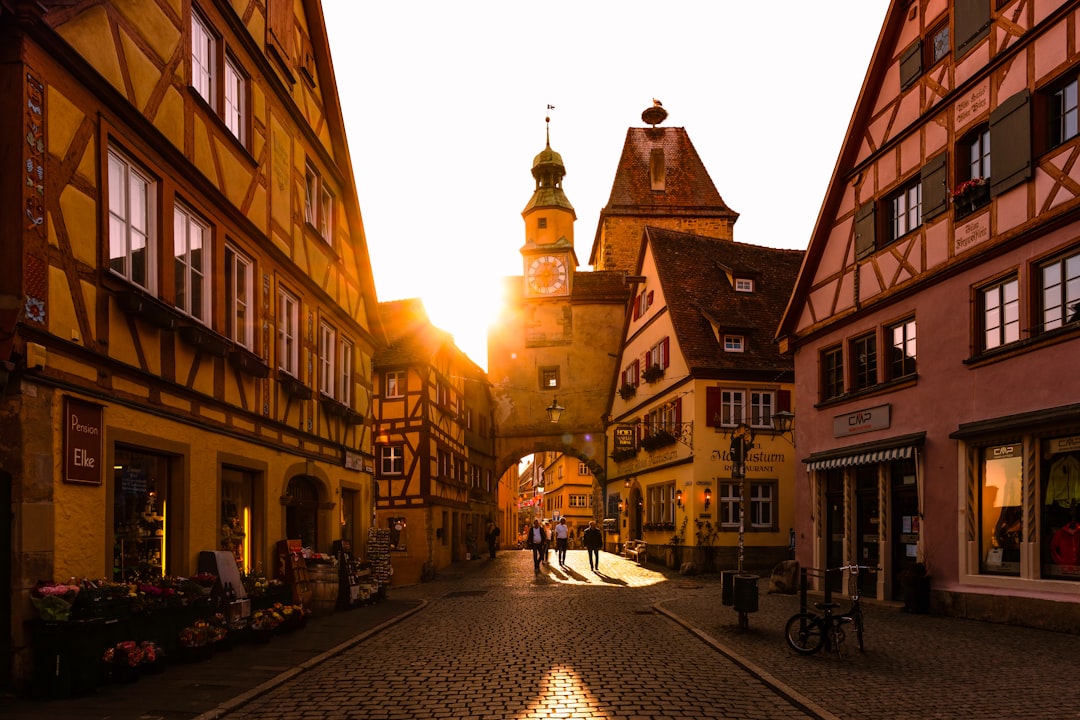
This guide is not about racing through capitals with an overpacked suitcase and a stressed dog. It is about building a realistic, elegant route through Strasbourg and Alsace, Texel in the Netherlands, Saxon Switzerland from Dresden, and Achensee in Austria. Each stop works beautifully for traveling with a dog in Europe, especially if you care about green space, short transfers, and hotels that understand muddy paws are part of a holiday.
When I am sketching rail legs, hotel notes, pet fees, backup vet contacts, and walking routes, I like keeping everything organized in one place with TravelDeck. It makes pet friendly Europe by train feel less like a puzzle and more like a trip you can actually enjoy.
Why pet friendly Europe by train works so well in 2026
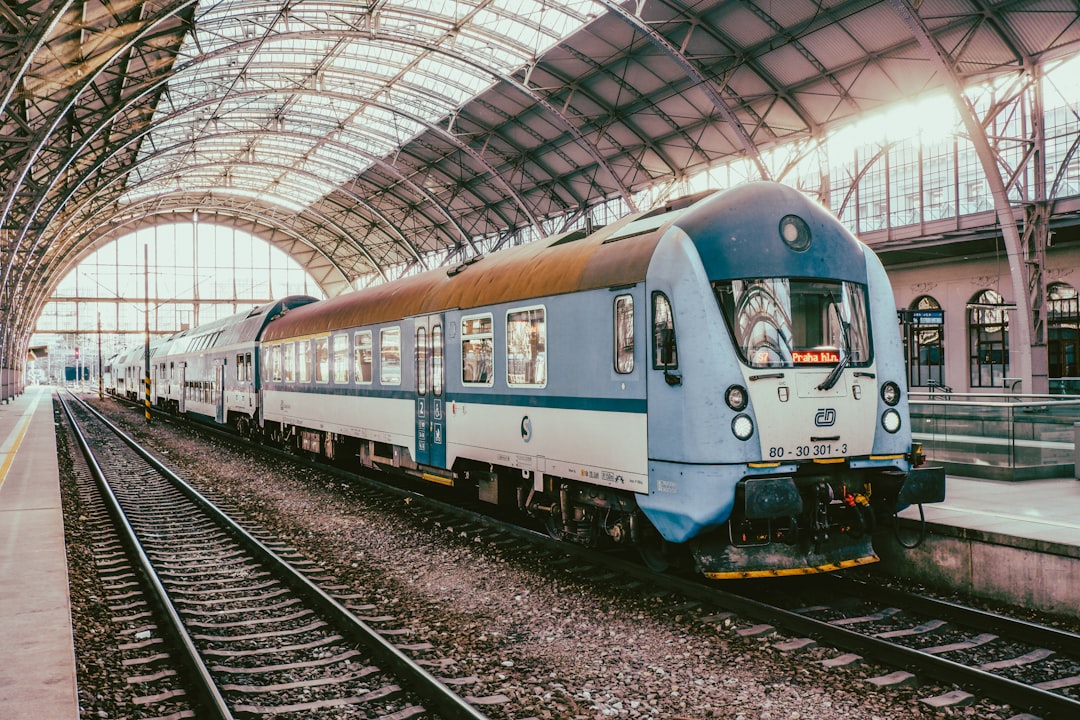
Photo by Timur Shakerzianov on Unsplash
The best part of train travel with pets is not only what you gain, but what you avoid. There is no tense check-in desk conversation about the size of a carrier after a red-eye flight. There is no guesswork about tarmac heat. There is no long wait at baggage claim while your animal has already had enough of noise and fluorescent light. In most of Europe, rail stations are central, frequent, and connected to local transit, so the trip becomes a chain of manageable pieces rather than one enormous leap.
For dogs in particular, rhythm matters. A morning walk before boarding, a predictable seat or floor space, a water break at a transfer, a quiet afternoon in a town park: that sequence is easier to create on rail. Cats can also travel well if carrier training starts early and you choose direct routes. Pet friendly Europe by train is often less about glamour and more about controlled variables, and controlled variables are what make animals settle.
There is also a cultural advantage. Much of dog friendly Europe already treats public life as something to share with animals more naturally than many travelers expect. In Germany and Austria, dogs are common on local transport. In the Netherlands, practical infrastructure makes moving from platform to ferry to bike-friendly village surprisingly smooth. In France, acceptance varies by venue, but terrace culture and walkable centers make daily routines easy if you ask politely and plan well. If you want a broader primer on dining and social expectations, Cultural Etiquette Tips 2026: What to Know Before You Travel is a useful companion read.
Pet friendly Europe by train also saves money in ways that do not show up in the base fare alone. Many rail operators charge little or nothing for small pets in carriers. Central stations reduce taxi costs. City-center arrivals mean you can walk to your hotel instead of paying for an airport transfer. And when you choose shoulder months, room rates and pet surcharges feel less punishing. For timing ideas, Shoulder Season Travel Tips 2026: Save Money, Skip Crowds pairs especially well with this style of trip.
Rail operators and pet rules at a glance
| Operator | Small pets in carrier | Larger dogs | Typical cost | Useful link |
|---|---|---|---|---|
| SNCF France | Usually allowed in a carrier | Allowed on leash, often with muzzle | Around €7 to €10 | sncf-connect.com |
| Deutsche Bahn | Usually free in a carrier | Often half fare, leash and muzzle recommended | Varies by route | int.bahn.de |
| NS Netherlands | Small pets usually free in carrier | Dog day ticket commonly required | Around €3.70 to €4.50 | ns.nl/en |
| ÖBB Austria | Small pets in carriers usually free | Ticket often required, leash and muzzle rules apply | Varies by route | oebb.at/en |
| Regional ferries | Depends on operator | Usually leash required | Often low or free | Check operator site |
Rules change, and conductor discretion still matters. Always recheck policies before travel day and assume that a short leash, a comfortable muzzle for dogs that need one, and a clean blanket or mat will make every trip easier.
Planning pet friendly Europe by train without stress
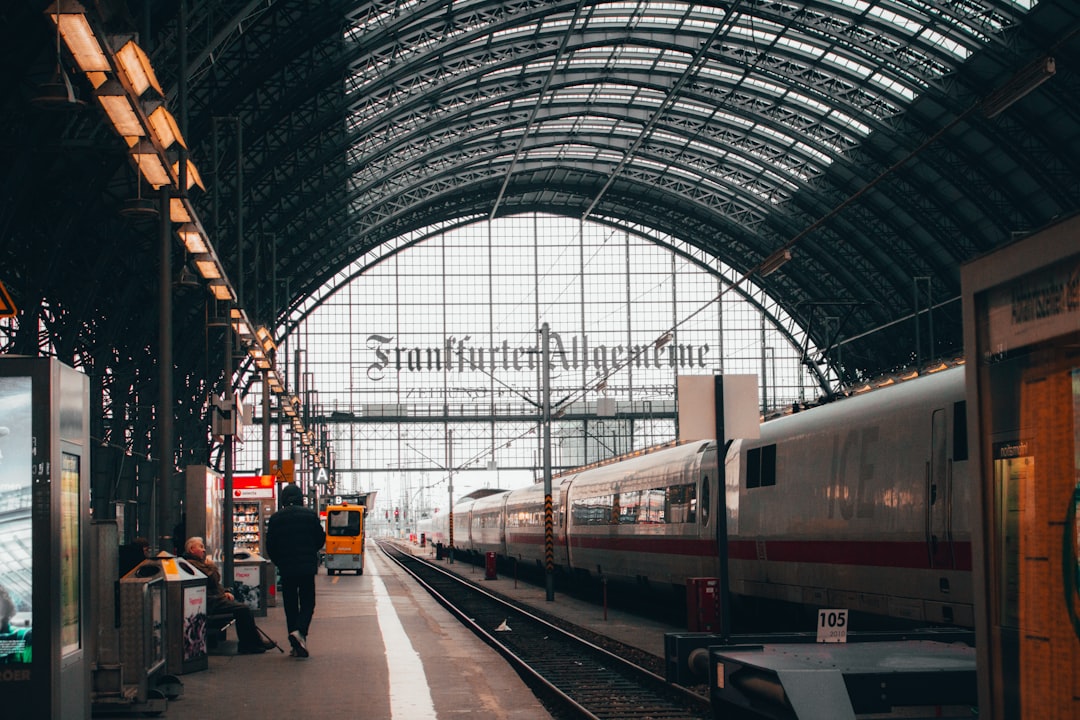
Photo by Gabriel Menchaca on Unsplash
If there is one secret to traveling with a dog in Europe, it is this: your trip begins at home, not at the station. The goal is not simply compliance with rules. The goal is familiarity. A dog that has already spent time resting on a travel mat at cafes, riding short regional trains, and settling beside your seat is far more likely to handle a longer journey well. A cat that sees the carrier as a nap den instead of a prison box is less likely to panic when the platform gets loud.
Start with the carrier or travel setup two to four weeks in advance. Feed treats inside it. Leave it open in the living room. Add a familiar blanket that smells like home. For dogs, practice short train or tram rides if possible. Sit for ten minutes, get off, reward calm behavior, and go home. That small rehearsal teaches your pet that movement does not always lead to chaos.
Documentation matters just as much as behavior. For EU travel with dogs and cats, the essentials are usually a microchip, current rabies vaccination, and an EU pet passport or valid veterinary documentation depending on your origin country. Some destinations require extra parasite treatment within a narrow time window. If you are crossing from outside the EU, timelines can stretch much longer because of import paperwork or antibody test requirements. Pet friendly Europe by train feels easy on the day only when the paperwork has been boring and complete weeks before.
Your pre-departure checklist
- Microchip registered with your current phone number
- Rabies vaccination valid for the full trip
- EU pet passport or destination-specific health documents
- Printed and digital vaccine records
- Pet insurance policy details and emergency contact number
- Local vet and emergency clinic saved for each stop
- Train bookings checked for pet rules and seat layout
- Hotel confirmation that specifically notes pet acceptance and fee
- Portable water bowl, cleanup bags, wipes, towel, and food for 2 to 3 extra days
- Short leash, harness with ID tag, and muzzle if required by route
- Temporary tag with your phone number and first hotel address
For cost control, pet friendly Europe by train can still be significantly cheaper than flying, but the hidden extras add up: hotel pet fees, ferry surcharges, replacement food if your usual brand is unavailable, and the occasional taxi when a heatwave makes a long walk unfair. If you are trying to keep the route elegant without overspending, Budget Travel Strategies 2026: Smart Ways to Stretch Every Euro can help you trim the right corners instead of the risky ones.
The four best routes for pet friendly Europe by train
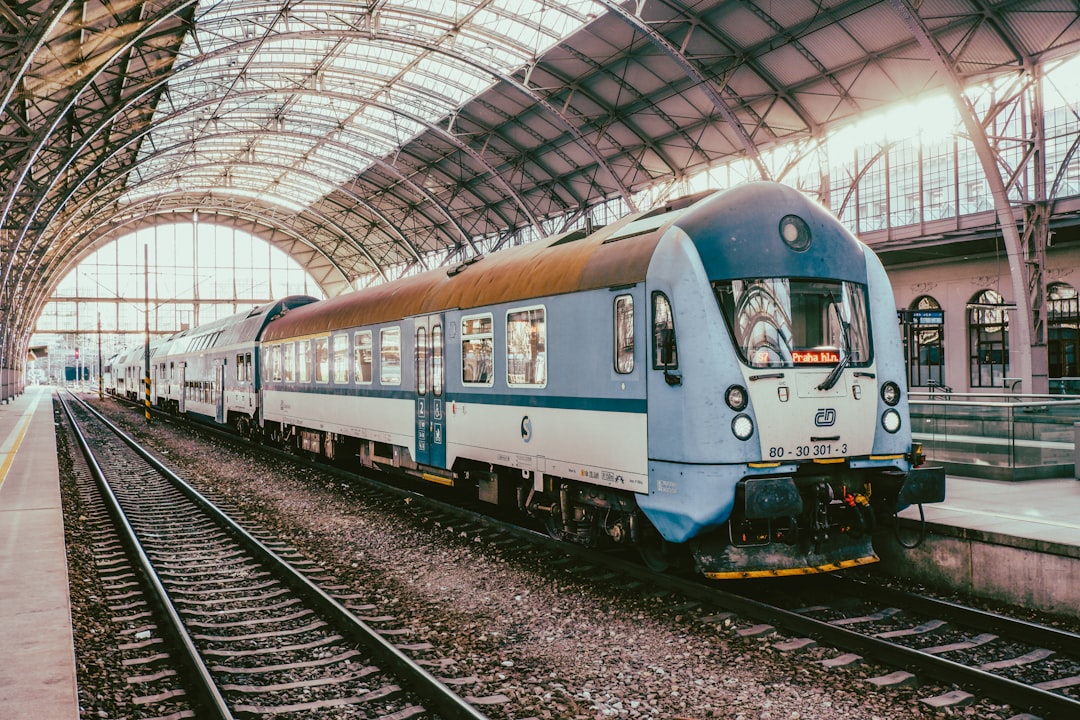
Photo by Timur Shakerzianov on Unsplash
The most workable version of pet friendly Europe by train is not one giant epic. It is a series of soft-edged getaways where transport is reliable, walking routes begin near the station, and the destination itself understands animals. The four routes below stand out because they combine transport simplicity with genuinely enjoyable days on the ground.
Strasbourg gives you a city of canals, half-timbered houses, and broad parks where a dog can settle into a rhythm quickly. Texel offers sea air, dunes, long beach walks, and a ferry crossing that feels like part of the holiday instead of an obstacle. Saxon Switzerland is dramatic without being absurdly technical for most dogs, and Achensee delivers alpine water, forest shade, and cable-car access that opens up mountain views without forcing a punishing climb.
Pet friendly Europe by train works best when every destination solves a slightly different need. One stop for urban walks and café terraces. One for beach freedom. One for rock formations and river landscapes. One for lake air and mountain calm. That variety keeps the human trip vivid while giving the animal a structure that still feels familiar.
Snapshot comparison table
| Destination | Best for | Best months | Typical stay | Pet highlight | Average daily budget for 2 adults + 1 dog |
|---|---|---|---|---|---|
| Strasbourg and Alsace | City breaks and easy day trips | Apr-Jun, Sep-Oct | 2 to 4 nights | Parks, terraces, walkable core | €170 to €320 |
| Texel | Beaches and low-stress outdoors | Apr-Jun, late Aug-Oct | 3 to 5 nights | Long sandy beaches and easy ferry | €190 to €360 |
| Saxon Switzerland | Scenic hikes and river views | May-Jun, Sep-Oct | 3 to 4 nights | Forest paths and sandstone viewpoints | €160 to €300 |
| Achensee | Lakes and alpine air | Jun-Sep, early Oct | 3 to 5 nights | Dog beach, boats, cable car access | €220 to €420 |
How to get there
Pet friendly Europe by train becomes realistic only when the arrival is simple. The good news is that each of these routes has a clean transport chain from a major hub, plus official sites worth checking just before departure.
Strasbourg and Alsace
Strasbourg is one of the easiest gateways for train travel with pets because the station sits right on the edge of the historic center. You arrive under the glass canopy of Gare de Strasbourg, step out, and within minutes the city softens into canals, tramlines, bakeries, and narrow lanes. It feels human-scaled, which is exactly what you want after a rail day.
From Paris, direct TGV services from Gare de l Est to Strasbourg usually take about 1 hour 46 minutes to 2 hours. Advance fares often start around €25 to €40, though popular departures can rise above €90. From Frankfurt, the simplest route is usually via Offenburg, with total travel time around 2 to 2.5 hours. From Brussels, expect about 3.5 to 4.5 hours depending on connections.
If you need an airport, Strasbourg Airport, code SXB, connects to the city by shuttle train in around 9 minutes to Entzheim-Aéroport station plus a short transfer, typically costing about €4 to €6 into the center. Nearby alternatives are Basel EuroAirport, code BSL, and Frankfurt Airport, code FRA, but for pet friendly Europe by train, arriving directly by rail is smoother.
Useful links:
#### Easy onward journeys from Strasbourg
- Colmar: 30 minutes by TER, usually €10 to €18
- Obernai: about 30 minutes by TER, usually €6 to €10
- Sélestat: about 18 minutes by TER, usually €8 to €13
- Petite France area from station: 15 to 20 minutes on foot
Texel, Netherlands
Texel is what happens when a transport chain looks slightly complicated on a map but turns out to be wonderfully logical in real life. You ride north through the flat, green geometry of the Netherlands, reach Den Helder, board a short ferry, and suddenly the air smells saltier, the light opens up, and your pace changes. For dogs that love open space and humans who need a coast without airport hassle, this is one of the best expressions of pet friendly Europe by train.
From Amsterdam Centraal to Den Helder, direct NS trains usually take about 1 hour 15 minutes. Standard one-way fares are often around €18 to €22. From Schiphol Airport, code AMS, you can connect directly to Amsterdam Centraal or take a route north with a change, usually in 1.5 to 2 hours total. Once at Den Helder station, local bus 33 or a taxi gets you to the TESO ferry terminal in about 10 minutes. The ferry crossing to Texel takes about 20 minutes. Foot-passenger fares are low, and dogs typically travel free.
After landing on Texel, buses fan out to Den Burg, De Koog, and other villages. If you are staying near De Koog, bus 28 commonly takes around 25 minutes. If your dog is older, very reactive, or exhausted after the rail leg, a taxi from the ferry terminal to De Koog is often around €25 to €35 and may be worth every euro.
Useful links:
#### Typical journey timings
- Amsterdam Centraal to Den Helder: about 1 hour 15 minutes
- Den Helder station to ferry terminal: 10 minutes by bus or taxi
- Ferry crossing: 20 minutes
- Ferry terminal to De Koog: about 25 minutes by bus
Saxon Switzerland from Dresden
Saxon Switzerland is one of those landscapes that seems almost too theatrical to be real. Sandstone towers rise out of woodland like the remains of a giant cathedral. Morning mist hangs in the gorges. The Elbe slides past in broad silver curves. And yet, despite the drama, this is often a practical destination for traveling with a dog in Europe because the transport spine is so good.
The easiest base is Dresden or Bad Schandau. From Berlin Hauptbahnhof to Dresden Hauptbahnhof, direct trains usually take between 1 hour 50 minutes and 2 hours 15 minutes. Advance fares can be as low as €18 to €30, with last-minute or flexible fares higher. Dresden Airport, code DRS, is about 20 to 25 minutes from the main station by S-Bahn, usually around €3 to €5.
From Dresden Hauptbahnhof to Bad Schandau, regional S-Bahn line S1 usually takes about 40 to 50 minutes and costs roughly €11 to €15 without a special day pass. From Bad Schandau station or the national park zone, local buses, ferries, and the charming Kirnitzschtal tram make the onward movement unusually gentle for a hiking destination. That is a huge reason pet friendly Europe by train works here: the mountain feeling arrives without a punishing transfer.
Useful links:
#### Handy access points
- Dresden Hbf to Bad Schandau: 40 to 50 minutes
- Bad Schandau to Bastei via Kurort Rathen and local connection: about 30 to 45 minutes depending on route
- Dresden old town from station: 10 minutes by tram or 25 minutes on foot
Achensee, Austria
If Texel is all horizontal freedom, Achensee is the vertical answer. The lake lies in a deep Tyrolean setting of dark forest, sharp light, and mountain slopes that drop toward turquoise water. In the morning, cowbells echo faintly through the valleys. By afternoon, the wind lifts off the lake and cools the promenade. It feels restorative for humans and, if you respect midday heat and trail choice, surprisingly good for dogs.
The rail gateway is Jenbach. From Munich Hauptbahnhof to Jenbach, direct or easy-connection trains usually take around 1 hour 30 minutes to 2 hours. Fares often start around €20 to €35 booked ahead, though flexible fares can be much higher. From Vienna, plan on about 4 to 4.5 hours. If flying, Innsbruck Airport, code INN, is the closest practical airport; from Innsbruck Hauptbahnhof to Jenbach, regional rail usually takes 20 to 25 minutes.
From Jenbach station, bus 4080 to Pertisau or Maurach typically takes 20 to 30 minutes. In some accommodations, the AchenseeCard includes local buses and regional discounts, which makes day-to-day movement much easier. For pet friendly Europe by train, this last leg matters: you can be from a major station to a lakeside path in under half an hour.
Useful links:
#### Typical journey timings
- Munich to Jenbach: 1.5 to 2 hours
- Innsbruck to Jenbach: 20 to 25 minutes
- Jenbach to Pertisau: 20 to 30 minutes by bus
- Jenbach to Achenkirch: about 35 to 45 minutes by bus
Things to do
The beauty of pet friendly Europe by train is that the activities do not need to be extreme. A great day is often just long enough to satisfy both species and short enough to leave everyone pleasantly tired rather than flattened. These are the outings that consistently deliver.
1. Walk the Grande Île and Petite France in Strasbourg
Strasbourg at daybreak feels washed in pearl-gray light. Delivery vans rumble over stone. Cathedral bells drift between façades. Bakers set trays of kougelhopf behind fogged windows. A dog notices the city before you do: the wet cobbles, the canal smells, the faint butter scent from a corner pâtisserie. Start near Place de la Gare, cross toward Petite France, and let the route unfold through timbered houses, locks, and bridges.
The reward here is not a checklist attraction. It is the easy urban rhythm. You can walk 60 to 90 minutes without the city ever feeling hostile to paws. Continue toward Place de la Cathédrale and the river edges around the Palais Rohan, then loop back through quieter lanes before breakfast.
Practical notes:
- Best early morning route: Gare de Strasbourg to Petite France to Place de la Cathédrale
- Good green stop: Parc de l Orangerie
- Avoid the hottest afternoon cobbles in midsummer
2. Take a dog-friendly park break at Parc de l Orangerie
Every city stop in pet friendly Europe by train needs one reliable decompressing park, and in Strasbourg this is it. Parc de l Orangerie has broad paths, lawns, shade, and enough local life to make people-watching part of the pleasure. Children play, joggers pass, storks clatter on nests overhead, and the whole park seems to breathe more slowly than the center.
For nervous dogs, it is a good place to let the city settle. For energetic ones, it gives just enough room to loosen shoulders before you sit at a terrace nearby. Bring water and take a shady bench when the light turns bright.
3. Wander the dunes and beach at De Koog, Texel
Some beaches are beautiful but stressful. Texel is beautiful and useful. The approach through the dunes already feels medicinal: wind pushing through grasses, the rasp of sand under shoes, gulls cutting white arcs overhead. Then the beach opens, wide enough to make even a lively dog look small. This is why so many travelers fall for pet friendly Europe by train after trying Texel once.
De Koog is the easiest base, but the real joy is moving along the shoreline with no complicated plan. On windy days, stick closer to the dune edge. On calm days, walk farther north or south and let the island empty out around you. Keep an eye on seasonal restrictions and local signage, but much of Texel is deeply accommodating to dogs.
Practical notes:
- Best beach base: De Koog
- Scenic nature area: De Slufter
- Rinse station availability varies by access point
4. Visit Ecomare and the dunes on Texel
Ecomare blends nature reserve, rescue center, and educational stop in a way that works well for mixed travel days when the weather shifts. Even if your pet cannot enter all indoor spaces, the surrounding dune landscape and paths are worth the detour. The air smells of pine and salt, and the transition from open beach to sheltered dune trail is gentle on paws.
This is a smart half-day on Texel because it gives structure without overloading the itinerary. Many travelers discover that pet friendly Europe by train feels best when every active day has one intentional anchor and the rest is left loose.
5. Watch the sandstone glow at Bastei, Saxon Switzerland
Bastei is famous, yes, but there is a reason. The first glimpse of the bridge and rock towers through the trees can feel almost cinematic, especially when early light turns the sandstone honey-colored. Mist can gather in the ravines below, and the Elbe appears as a narrow ribbon far beneath. Dogs usually respond less to the panorama than to the cool forest scents on the approach, which is part of the charm.
Go early. Crowds arrive fast, and narrow paths are more pleasant for train travel with pets before the tour buses and selfie queues build. Some sections around Saxon Switzerland have stairs, metal grates, or tighter passages, so choose routes that match your dog s confidence and joint health.
Practical notes:
- Best timing: before 9 am or late afternoon
- Nearest common access point: Kurort Rathen area
- Bring a harness if your dog dislikes grated surfaces
6. Ride the Kirnitzschtal tram or Elbe ferry for a softer hiking day
Not every day needs to be a summit day. One of the pleasures of dog friendly Europe in Germany is how public transport itself becomes an outing. The Kirnitzschtal tram glides through woodland scenery in a way that feels almost old-fashioned, and the short river ferries around the region add a little adventure without much effort.
For older dogs, hot days, or simply the middle day of a longer trip, this kind of light-moving sightseeing is ideal. You still get forests, river air, and viewpoints, but you return without anyone becoming over-tired.
7. Swim and stroll at the dog beach in Pertisau, Achensee
Achensee is one of the most satisfying stops in pet friendly Europe by train because the setting feels grand while the daily routine stays simple. Morning by the water is all silver-blue reflections and crisp air. By afternoon, the lake turns brighter, almost luminous, with the mountains mirrored in the shallows. In Pertisau, the designated dog beach and lakeside stretches make it easy to build a relaxed day.
Even if your dog is not a natural swimmer, the shoreline alone is rewarding. Let them paddle, sniff, and cool paws on the stones. Then follow the promenade or continue on an easy section toward forest shade.
8. Take the boat across Achensee and walk to Gaisalm
Boats on mountain lakes feel slightly improbable, which is probably why they are so memorable. Boarding with a dog, feeling the deck vibrate softly, watching the steep shore drift past while the air cools off the water: it is the kind of transport that becomes the highlight rather than the means. From one of the lake landings, the walk toward Gaisalm is among the best moderate outings in the area.
Pick your segment carefully. Parts of the trail are straightforward and scenic, while other sections may be less suitable for very small, elderly, or uncertain dogs. The point is not to prove anything. The point is to let the landscape arrive at a humane pace.
Where to stay
Accommodation can make or break pet friendly Europe by train. A hotel that merely tolerates animals is different from one that quietly understands the basics: easy outdoor access, no drama about a damp towel, enough floor space, and a check-in process that does not leave you standing in a crowded lobby with an overexcited dog.
Below are dependable categories and examples. Pet policies change constantly, so always confirm size limits, number of pets, and nightly fees before payment.
Budget stays
| Hotel | Destination | Typical 2026 rate | Why it works |
|---|---|---|---|
| ibis budget Strasbourg Centre République | Strasbourg | €70 to €105 | Simple, central enough, practical for short city breaks |
| Stayokay Texel | Den Burg, Texel | €75 to €120 | Good base for island exploring, social but straightforward |
| a&o Dresden Hauptbahnhof | Dresden | €60 to €95 | Near rail connections, easy for early departures |
Mid-range stays
| Hotel | Destination | Typical 2026 rate | Why it works |
|---|---|---|---|
| Hôtel Tandem | Strasbourg | €130 to €190 | Near the station, stylish without being precious |
| Hotel Tesselhof | De Koog, Texel | €140 to €220 | Close to beach and village life |
| Hotel Wagnerhof | Pertisau, Achensee | €170 to €250 | Strong lakeside area base, alpine atmosphere |
Luxury stays
| Hotel | Destination | Typical 2026 rate | Why it works |
|---|---|---|---|
| Maison Rouge Strasbourg Hotel & Spa | Strasbourg | €220 to €340 | Central, elegant, useful for a softer city stay |
| Boutique Hotel Texel | Texel | €230 to €360 | Calm island luxury with comfort after beach days |
| Das Kronthaler | Achenkirch, Achensee | €320 to €500 | Dramatic setting, ideal for a mountain-and-lake splurge |
#### Booking rules worth following
- Ask for the exact pet fee in writing, usually €10 to €30 per night in these regions
- Request a lower floor or room near an exit if your dog needs frequent walks
- Confirm whether pets are allowed in breakfast rooms or only on terraces
- Ask about nearby green space before arrival, not after check-in
- Bring your own mat or blanket so the room smells familiar on night one
Where to eat
Food is where pet friendly Europe by train feels most pleasantly local. You stop thinking about rules and start noticing what each region actually tastes like: Alsatian cream and onions on a paper-thin crust, Dutch lamb with sea wind still somehow lingering in the memory, Saxon cakes after a forest walk, Tyrolean potatoes and onions after a lakeside afternoon.
The smartest strategy is simple: book or choose places with terraces, arrive slightly early, and keep the meal length fair to your pet. In much of dog friendly Europe, hospitality is warm when your animal is settled and you are considerate.
Strasbourg
Strasbourg is made for slow eating. The city smells of butter, beer, and wood-fired dough, especially around Petite France and the lanes near the cathedral. Tarte flambée is the must-order: crisp, creamy, smoky, and easy to share. Choucroute and baeckeoffe are heartier options for cold weather.
Good areas and picks:
- Maison Kammerzell, 16 Place de la Cathédrale, for a classic setting
- Au Pont St Martin, 7 Rue des Moulins, especially good with canal views
- Place du Marché Gayot area for easier terrace hopping
Texel
Texel tastes of sea air, lamb, local cheese, and beach hunger. After a windy walk, even a simple bowl of fries and fish tastes better. Many travelers base their eating around De Koog, where beach pavilions make dining with a dog much easier than formal village interiors.
Good areas and picks:
- Paal 17 Aan Zee, Ruijslaan 96, for beachside food and sunset atmosphere
- Strandpaviljoen Paal 28, near De Koog, for a relaxed coastal meal
- Kaasboerderij Wezenspyk, Hoornderweg 29, for local cheese and farm-shop browsing
Dresden and Saxon Switzerland
This region suits comfort food after walking days. Think hearty plates, good beer, coffee with cake, and meals that feel earned. In Dresden, beer gardens and riverside terraces are ideal for train travel with pets because there is space and movement. In Bad Schandau, focus on riverfront or terrace seating.
Good areas and picks:
- Schillergarten, Schillerplatz 9, Dresden, for classic beer-garden energy
- Brauhaus am Waldschlösschen, Am Brauhaus 8, Dresden, for a substantial post-hike meal
- Riverside terraces in Bad Schandau for lighter lunches between outings
Achensee
At Achensee, the best meals often come with a view of water or mountain pasture. Tyrolean food is deeply satisfying after a day outdoors: Tiroler Gröstl, dumplings, clear broths, lake fish, and apple strudel that disappears faster than it should. Terraces around Pertisau and Maurach are your friend.
Good areas and picks:
- Entners Wirtshaus am See, Seepromenade 17-19, Pertisau
- Café Erika, Naturparkstraße 20, Pertisau, for cakes and an easier midday stop
- Lakeside hotel restaurants in Maurach for sunset dinners with more space
Practical tips for train travel with pets in Europe
This is where pet friendly Europe by train shifts from a pretty idea to a smooth reality. The details below are the ones that save trips.
Best months for pet friendly Europe by train
Heat is the main enemy of a comfortable pet trip. Cold can be managed with a blanket, a coat for short-haired dogs, and sane walk timing. Heat is different. Platforms radiate it, old town stones hold it, and animals cannot negotiate with it. That is why the sweet spots for traveling with a dog in Europe are usually May to June and September to early October.
Spring brings flowers, longer daylight, and crisp mornings, though pollen and rain showers can complicate some days. Early autumn gives you stable temperatures, fewer crowds, and richer colors in places like Saxon Switzerland and Achensee. High summer works on Texel better than in inland stone cities, but even there midday can be tiring.
Seasonal overview
| Month | Strasbourg | Texel | Saxon Switzerland | Achensee | Verdict for pets |
|---|---|---|---|---|---|
| March | Cool, variable | Windy, chilly | Cool, muddy trails possible | Cold shoulder season | Good for hardy dogs, not ideal for all |
| April | Fresh, pleasant | Bright but breezy | Good hiking start | Snow may linger at altitude | Very good overall |
| May | Excellent | Excellent | Excellent | Excellent | One of the best months |
| June | Warm, long days | Excellent | Very good | Very good | Great if you avoid heat spikes |
| July | Hotter city days | Good coast option | Warm, busier | Warmest lake season | Manage carefully |
| August | Busy, warm | Good | Busy | Busy and warm | Better for coast than cities |
| September | Excellent | Excellent | Excellent | Excellent | Another top month |
| October | Cool and atmospheric | Very good | Colorful and crisp | Early autumn magic | Superb for many dogs |
| November | Damp, shorter days | Windier | Quiet, cool | Colder and quieter | Fine for calm short breaks |
What to pack
A pet travel bag should feel almost boringly complete. You want the item before you need the item.
Essential packing list:
- Collapsible water bowl
- Enough regular food for the whole trip plus extra for delays
- Copy of medical records in paper and on phone
- Tick remover, saline, bandage wrap, paw balm, and any prescribed medication
- Microfiber towel for rain or lake days
- Cooling bandana or cooling mat for warm months
- Travel mat or blanket for trains, hotel rooms, and cafés
- Long line only where legal and safe, never in crowded stations
- Small lint roller for hotel courtesy
- Enzyme wipes for accidents
Documentation and legal basics
For most EU movement of dogs and cats, the core trio is simple: microchip, rabies vaccination, and valid pet travel documentation. But the details matter. First-time rabies vaccinations usually need a waiting period before travel becomes valid. Some countries require tapeworm treatment within a narrow window before entry. Breed-specific restrictions can also affect routes and accommodation choices.
Official starting points:
- EU pet travel rules
- Check the agriculture or veterinary authority for each country on your route
- Recheck your own airline or rail operator if your trip includes a flight segment
If you are coming from outside the EU, do not assume a Europe pet passport solves everything from day one. It may not. Start early, and treat every border as its own rule set.
Money, pet fees, and budgeting
Traveling with a dog in Europe is rarely cheap in an obvious way, but it can be efficient. The rail fare itself is often only part of the equation. Build your budget around the real daily cost of pet friendly Europe by train:
- Train pet ticket or dog day pass: €0 to €15 per segment depending on size and operator
- Hotel pet fee: usually €10 to €30 per night
- Ferry pet fee: often free or minimal
- Emergency taxi or local transfer: €15 to €40 in most of these destinations
- Vet consult abroad: often €50 to €120 before medication
A useful rule is to create a separate pet line in your budget of about €25 to €45 per day on a moderate trip, excluding emergencies.
Safety and comfort on travel days
Train travel with pets feels easier when the day is broken into rituals. Long walk. Water. Boarding. Settle. Short station break. Light meal later. Repeat. Predictability lowers stress.
Best practices:
- Choose direct trains whenever possible
- Sit at carriage ends or less crowded sections when booking allows
- Avoid feeding a full meal right before departure if your pet gets motion sick
- Keep water frequent but measured to avoid urgent accidents
- Never let a dog roam on a retractable lead in stations
- Use a harness, not just a collar, during transfers
- Take midday shade breaks in summer, especially in Strasbourg and Dresden
- Never leave a pet alone in a parked car near stations or ferry ports
Restaurant, transit, and leash culture
One reason dog friendly Europe feels so pleasant is that rules are often clear, even when they are stricter than you expected. Germany and Austria can be welcoming to dogs while still expecting good public behavior. The Netherlands is practical and low-drama. France is often flexible, but politeness matters. Ask first. Keep your dog under the table. Carry a towel if it is raining. These tiny signals change how warmly you are received.
In Scandinavia and some parts of northern Europe, indoor dining rules may be tighter. In the countries covered in this route, terraces are usually your safest and nicest option anyway.
Connectivity and navigation
Pet friendly Europe by train works better when your phone does not fail you. Keep offline maps for stations, hotel routes, and vet clinics. eSIMs work well across the EU for most travelers, and station Wi-Fi is inconsistent enough that you should not rely on it for last-minute platform changes.
Save these in advance:
- Hotel phone number
- Local vet clinic and emergency animal hospital
- Rail operator app for live platform info
- Taxi app where available
- Address of the nearest green space from your hotel
When a route is not right for your pet
This may be the most important tip in the guide. Some animals simply do not enjoy travel, and no amount of careful aesthetic planning changes that. If your dog becomes panicked in stations, refuses food for long periods, or is medically fragile, the kindest decision may be a shorter trip, a different destination, or staying home. Pet friendly Europe by train is excellent because it reduces stress, not because it makes every animal a born traveler.
Sample 10-day itinerary for pet friendly Europe by train
If you want a route that feels ambitious but still humane, this is a strong first version. It keeps transfers reasonable, mixes city and nature, and leaves enough space for weather or tired paws.
Days 1 to 2: Strasbourg
Arrive by TGV or regional rail, walk to your hotel, and keep day one light. An evening canal loop and a terrace dinner are enough. On day two, explore Petite France early, then head to Parc de l Orangerie in the afternoon. If energy is high, take a short TER day trip to Colmar or Obernai.
Days 3 to 5: Texel
Travel to Amsterdam and continue to Den Helder, then ferry to Texel. Stay in De Koog or Den Burg. Use one full day for beach and dune walking, and another for a quieter island circuit with Ecomare or inland villages. This stretch often becomes the emotional center of pet friendly Europe by train because everyone finally exhales.
Days 6 to 7: Dresden and Saxon Switzerland
Move east by rail with one night in Dresden or go straight to Bad Schandau if you prefer forest over city. Spend one early morning at Bastei, then take a lighter afternoon with ferries or the Kirnitzschtal tram. Keep expectations flexible if weather turns wet.
Days 8 to 10: Achensee
Continue south toward Jenbach and settle near Pertisau or Maurach. Do not overplan the first evening; a lakeside walk is enough. Use one day for promenade, dog beach, and village wandering, and one for a boat ride plus an easy to moderate trail. Leave with your dog pleasantly tired, not wrecked.
FAQ
Can dogs travel on European trains in 2026?
Yes, many can. Small pets in carriers are often free or low cost. Larger dogs are usually allowed on many rail operators with a ticket, leash, and sometimes a muzzle. Policies vary by country and train type, so check the operator before booking.
Do I need a Europe pet passport for this trip?
If you live in the EU and travel within the EU with a dog or cat, an EU pet passport is commonly the standard document alongside a valid microchip and rabies vaccination. If you are coming from outside the EU, you may need different certificates, endorsements, or waiting periods.
Which stop is best for anxious or reactive dogs?
Texel is often the easiest because space is abundant, the pace is slower, and beach walks let you create distance. Achensee can also work well if you stay in a quiet area and walk early. Strasbourg is best for dogs already comfortable in urban settings.
Are dogs allowed in restaurants in these destinations?
Often yes on terraces, and often yes indoors in Germany and Austria if the dog is calm, though house rules vary. In France and the Netherlands, acceptance is common but never assume it. Ask first and choose spacious, outdoor seating when possible.
What if my pet gets sick during the trip?
Save a local vet and emergency clinic for every stop before you travel. Carry records, insurance details, and a short medical summary on your phone. If symptoms are severe, skip the itinerary and go straight to care. In a foreign country, speed matters more than perfect planning.
Final thoughts
The charm of pet friendly Europe by train is that it brings travel back to scale. You notice weather again. You plan around shade and station gardens. You choose hotels for floor space and morning walks, not only thread count. And somewhere between a Strasbourg canal at sunrise, a Texel dune path in the wind, a sandstone overlook above the Elbe, and the cold blue edge of Achensee, you realize the trip has become richer precisely because it moved a little slower.
That is the quiet luxury of traveling with a dog in Europe this way. Not less travel. Better travel.