The most expensive ride in Bangkok is usually the one that begins with a smile and the words no problem. That is why Bangkok tourist scams 2026 matter so much: most are not dramatic crimes, but tiny pressure traps built around fatigue, heat, politeness, and the understandable excitement of arriving in one of Asia's most electric capitals. A city of temple roofs, river ferries, neon side streets, grilled pork smoke, and train lines threading above roaring traffic can make even careful travelers move faster than they think.
Bangkok is still one of the most rewarding cities in the world to explore. It is also one of the easiest places to learn a hard truth about travel: scammers usually do not beat caution with force; they beat it with timing. They catch you after a red-eye flight, outside a landmark when you are already sweating, or at midnight when the music is loud and your phone battery is at 6 percent. This guide looks at Bangkok tourist scams 2026 through a city-specific lens, so you can enjoy the capital's markets, boats, noodle alleys, rooftop views, and temple courtyards without feeling like everyone is trying to trick you.
Instead of giving you a generic list, I want to show you where scams tend to happen, what they feel like in real life, and which habits quietly protect you before the first lie is even spoken.
| Area | What travelers love here | Most common risk | Best defense |
|---|---|---|---|
| Rattanakosin and the Grand Palace area | Temples, royal sites, classic first-day sightseeing | Closed attraction story, tuk-tuk detours, fake guides | Walk to the official entrance, verify hours online, ignore unsolicited help |
| Sukhumvit and Nana | Hotels, malls, nightlife, BTS access | Bar bill padding, dating app meetups, taxi refusals | Use licensed venues, set drink limits, use ride apps late at night |
| Khao San and Bang Lamphu | Backpacker energy, cheap stays, bars | Overpriced tours, counterfeit tickets, pickpocket distractions | Buy from official counters, keep valuables zipped, compare prices |
| Yaowarat and Chinatown | Street food, markets, photography | Wrong change, crowded-street distraction theft | Pay with small bills, count change slowly |
| Airports and major stations | Easy arrival points | Taxi overcharge, fake transport assistance, SIM upsell pressure | Use official taxi queues or rail links, know rough fares in advance |
| ATMs and convenience stores | Cash access, quick purchases | Card skimming, shoulder surfing, change confusion | Use indoor bank ATMs, shield your PIN, review receipts |
Why Bangkok tourist scams work so well on tired arrivals
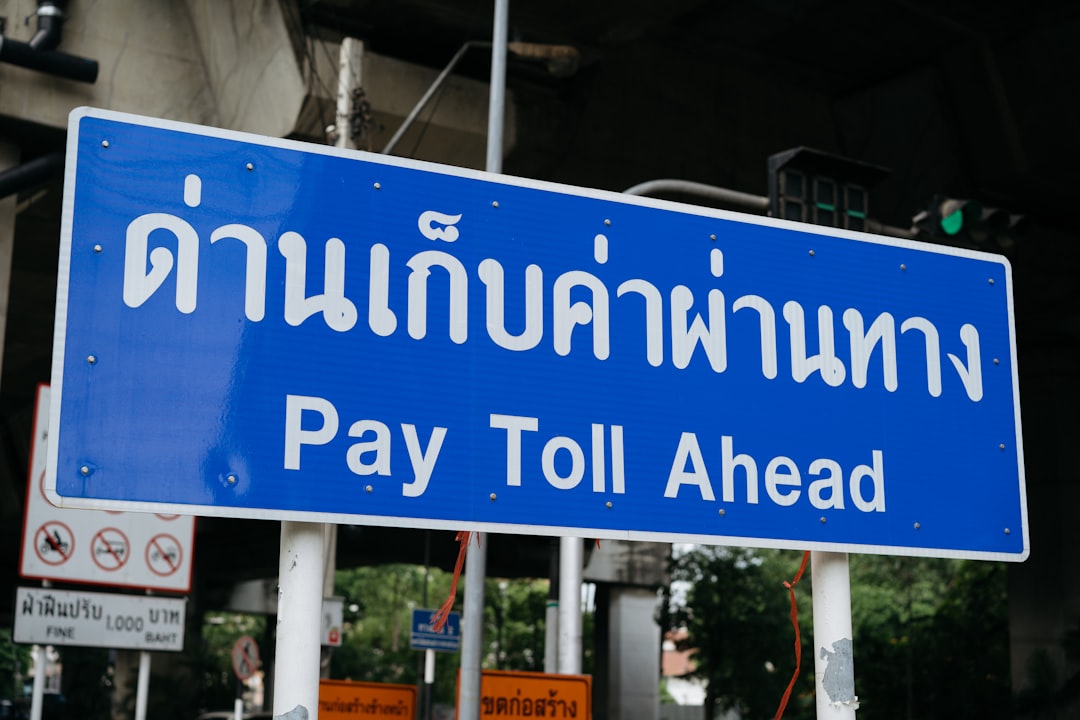
Photo by Markus Winkler on Unsplash
There is a very specific moment when Bangkok tourist scams 2026 become most effective: the first few hours after landing. The air outside Suvarnabhumi feels heavy and sweet, your clothes cling faster than expected, and every sign seems half familiar and half mysterious. You know the city runs on modern rails, ride apps, shopping malls, and polished hotels, but you are also facing a language shift, a different pace, and a flood of micro-decisions before you have even reached your room.
Scammers understand that first-day psychology better than most travelers do. They know that a visitor who would never hand over cash at home might gladly follow a helpful stranger to a tuk-tuk if the alternative is standing in the sun trying to decode a map. They know that politeness can be weaponized. They know that many people would rather pay 300 extra baht than create a scene on a sidewalk crowded with incense sellers, school groups, and traffic police whistles.
The key to tourist safety in Bangkok is not suspicion toward everyone; it is slowness. When you slow down, the city starts to make sense. Monks really do move quietly through temple grounds in the early light. Ferry commuters really do step on and off boats with astonishing speed. Street vendors really are friendly. But the person who approaches you with a solution before you have asked a question is often selling a problem dressed up as help.
Here is why Bangkok tourist scams 2026 catch smart people off guard:
- Long-haul arrival fatigue lowers your ability to compare prices and question urgency.
- Heat and dehydration make you eager to accept the fastest option instead of the safest one.
- The city is famously friendly, so a scam can feel like hospitality at first.
- Travelers often over-focus on violent crime and under-focus on social engineering.
- Many scams ask for modest amounts, which makes them feel harmless even when they are not.
- Small losses stack up: one inflated taxi, one fake ticket, one padded bar bill, and your cheap Bangkok break suddenly is not cheap.
Travel scam warning signs you should notice in the first minute
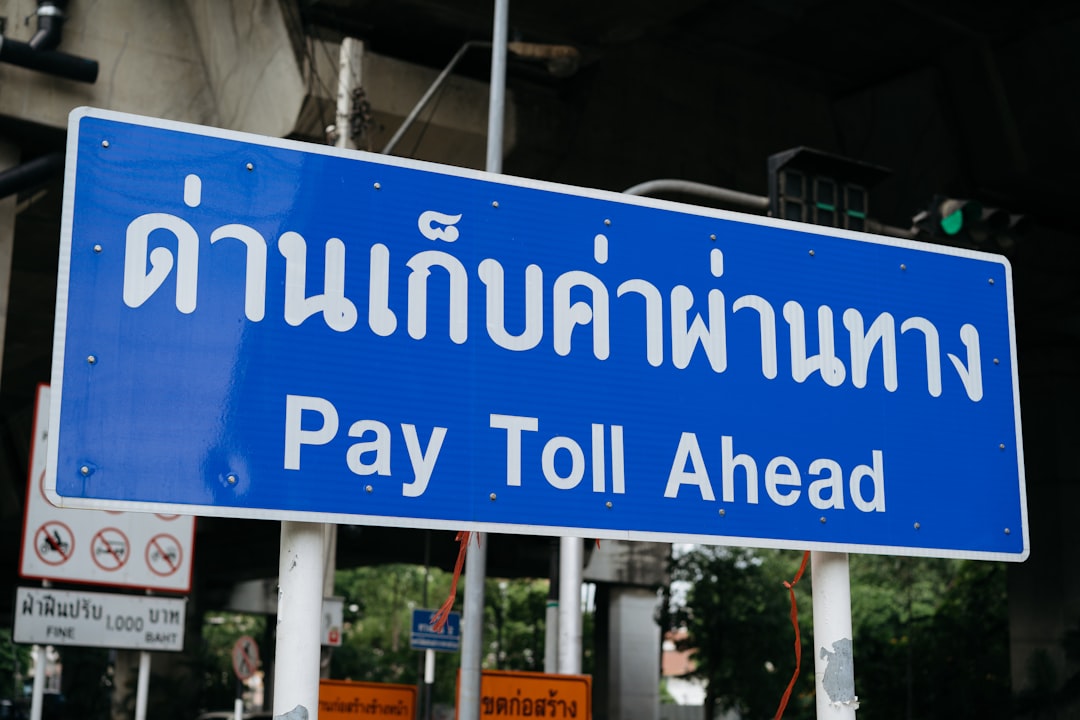
Photo by Markus Winkler on Unsplash
Every experienced traveler eventually develops a private alarm system. In Bangkok, that alarm is less about danger in the cinematic sense and more about friction. Something does not line up. A story arrives too quickly. A person is too interested in your destination, your hotel, or your plans for the evening. The smile is smooth, but the logic is thin. These are the travel scam warning signs that matter most.
The first rule is simple: if someone stops you before you stop them, ask yourself who benefits. In a city this busy, most locals are getting on with their day. Real assistance usually sounds practical and specific. It points you to a ticket counter, a station entrance, or a posted sign. Scam assistance often sounds emotional and urgent. It leans on special access, secret knowledge, sudden closures, or a limited-time deal that disappears if you think for thirty seconds.
A second pattern is forced redirection. Many Bangkok tourist scams 2026 do not begin with money. They begin with movement. You are nudged away from the official gate, away from the train platform, away from the ATM inside the bank, away from the restaurant's printed menu, away from the place you meant to go. If someone wants you to move to a second location, slow down immediately.
The most reliable travel scam warning signs in Bangkok are:
- You hear that a major attraction is closed for lunch, prayer, cleaning, or a special ceremony, but no official sign confirms it.
- A driver refuses the meter before you even tell them the destination.
- Someone says your hotel is shut, full, or moved, and offers a better alternative.
- A stranger insists you are lucky today because of a sale, a festival, or a one-time government promotion.
- The price is only spoken, never written or shown on an official menu, meter, or receipt.
- You are encouraged to decide quickly because a friend, boss, police officer, or driver is waiting.
- A helpful bystander appears at exactly the moment you open a map or approach an ATM.
- Your card leaves your sight, or a QR code sends you to a payment page you did not expect.
To improve tourist safety in Bangkok, treat confusion as a reason to pause, not a reason to surrender control. Move to a shop doorway, open your map, drink water, and verify. A ninety-second reset defeats a surprising number of scams.
Bangkok taxi scam, tuk-tuk detours, and the Grand Palace scam
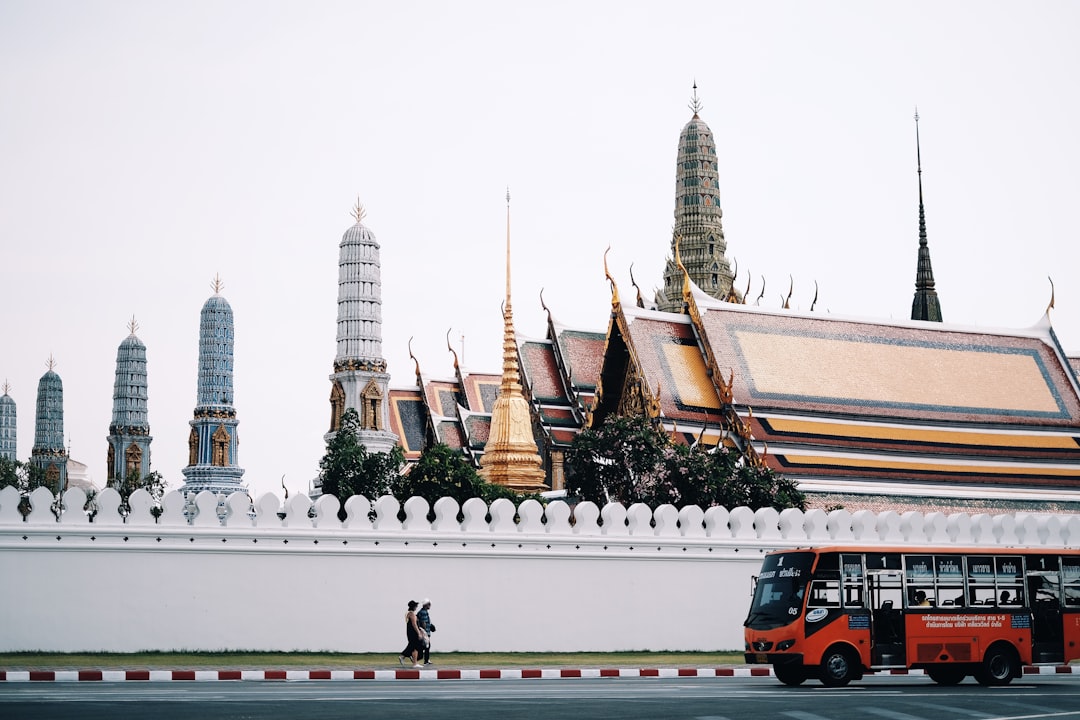
Photo by bady abbas on Unsplash
If there is one lesson that defines Bangkok tourist scams 2026, it is this: transportation is never just transportation. A ride can become a sales funnel, a delay tactic, or a moving trap of sunk-cost thinking. You are in the back seat, the city is rushing by in a blur of flyovers and shrine smoke, and every extra minute makes it harder to get out.
The classic Bangkok taxi scam starts at the airport, outside malls, near nightlife districts, or around major temples. A driver says the meter is broken, then quotes a flat fare far above the real rate. Sometimes the overcharge is obvious. More often it sounds plausible enough that exhausted travelers accept it. On other occasions, the driver uses the meter but takes a longer route, claims unusual traffic fees, or adds mysterious handling charges at the end. This is still the Bangkok taxi scam, just dressed in cleaner clothes.
Then there is the tuk-tuk version, which feels more charming and therefore more dangerous. The engine buzzes, the wind hits your face, temple spires flash between electric wires, and the whole thing seems like a postcard in motion. But the cheap tuk-tuk city tour is rarely about sightseeing. It is often about getting you into commission-based stops: a gem shop, tailor, souvenir store, or travel agency. The driver is not selling transport; he is selling your attention to someone else.
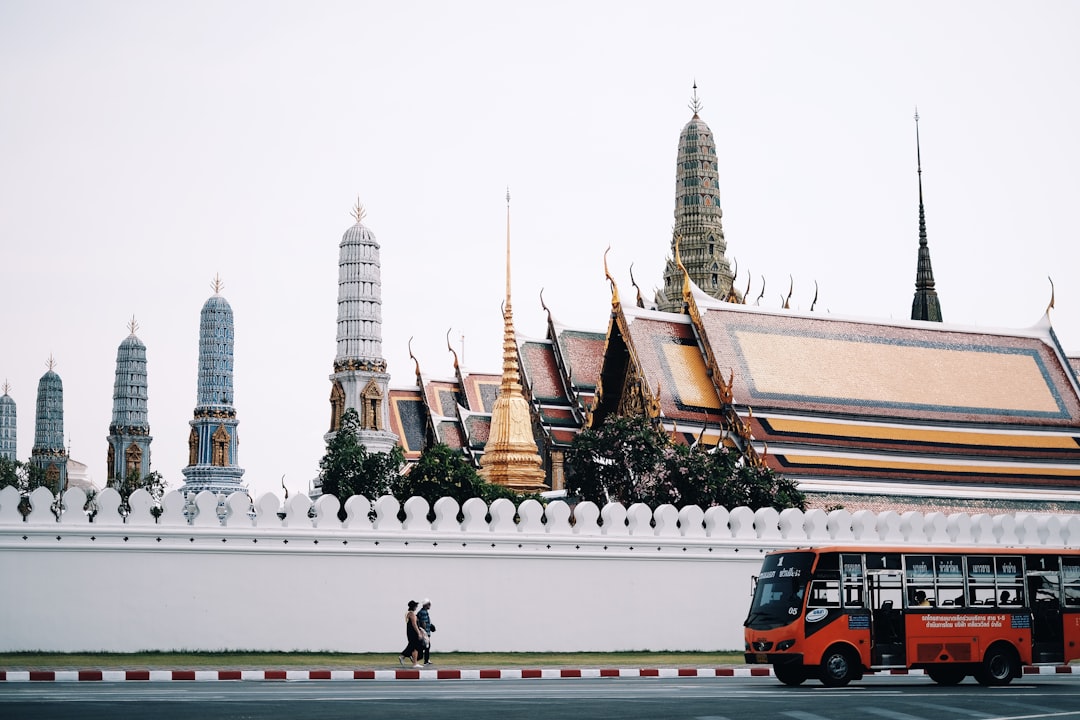
The most famous version is the Grand Palace scam. You arrive near one of the city's biggest landmarks, and a friendly person tells you the complex is closed for lunch, a royal event, or Buddhist holiday. Then comes the rescue: a special route to other temples, a canal ride, or a discount tuk-tuk tour while you wait. The Grand Palace scam works because it feels culturally plausible to visitors who do not know that the official hours are clearly posted and that one of Bangkok's biggest attractions does not quietly shut its gates because a stranger says so.
You can feel the city tighten around this scam zone. White uniforms, tuk-tuk horns, vendors fanning smoke over skewers, shimmering temple walls, heat rising from pale pavement: it is a beautiful setting for rushed decisions. That is why the Grand Palace scam still catches people every day.
Use these habits to defeat the Bangkok taxi scam and the Grand Palace scam:
- From Suvarnabhumi Airport, use the official taxi queue on Level 1 or take the Airport Rail Link. Ignore anyone approaching you inside arrivals with a transport offer.
- From Don Mueang, use the official taxi stand or the SRT Red Line. Avoid freelance ride offers at the curb.
- For metered taxis in town, say meter politely before entering. If the driver refuses, move on.
- Watch your route on Google Maps or an offline map. Small deviations happen, but large loops are a red flag.
- Expect airport taxi fares into central Bangkok to land roughly around 300 to 500 THB plus tolls, depending on traffic and district.
- If visiting the Grand Palace, walk to the official entrance and check the posted opening hours yourself.
- Buy tickets only from official counters or websites. Do not accept side-street advice about special closures.
- If a tuk-tuk quote sounds absurdly low, assume shopping stops are built into the deal.
- Never let a driver keep your backpack at the front of the vehicle while you browse a store.
A strong rule for tourist safety in Bangkok is that official systems may be slightly less romantic, but they are usually much cheaper than improvised help. The Airport Rail Link may not feel cinematic, yet it preserves your money and your mood. The same goes for BTS stations, ferry piers with posted prices, and ticket booths with signs in Thai and English.
QR code scam tricks, ATMs, and payment traps in busy neighborhoods
Bangkok feels increasingly cash-light on the surface. Cafes display payment logos, menus arrive by phone, and even humble stalls may accept digital transfers from locals. For travelers, though, that convenience can mask one of the newest layers of Bangkok tourist scams 2026: the digital shortcut that skips your common sense.
A QR code scam is simple because it borrows trust from the setting. You are seated in a restaurant in Sukhumvit or Chinatown, a laminated code sits on the table, and scanning it feels normal. But stickers can be replaced, fake payment pages can mimic real menus, and malicious links can collect card details or push you toward inflated charges. The danger is not scanning itself; it is treating every printed code as official just because it is physically present.
ATMs bring a different kind of vulnerability. Bangkok is full of machines in convenience stores, transit hubs, malls, and street-front vestibules. At the end of a humid evening, with shopping bags in hand and traffic echoing off concrete, it is easy to pick the nearest ATM instead of the safest one. But tourist-heavy zones are where card skimmers, shoulder surfers, and fake helpers do their best work.
A QR code scam and an ATM scam both exploit the same weakness: travelers lower their guard during small transactions. Nobody expects a major problem while ordering noodles or withdrawing 5,000 baht. That is exactly why these moments deserve more attention.
Protect yourself from QR code scam and ATM traps with this checklist:
- If a menu appears via QR code, verify the restaurant name and domain before entering payment details.
- Prefer paying at the counter with your card or cash rather than through a random browser page.
- If a QR code looks like a sticker placed over another code, ask staff for a printed menu.
- Use indoor ATMs inside bank branches or malls rather than isolated street machines.
- Tug lightly on the card slot and inspect the keypad before use; anything loose, bulky, or crooked is reason to walk away.
- Shield your PIN with your hand and keep strangers at a distance.
- Decline dynamic currency conversion when possible and choose to be charged in Thai baht rather than your home currency.
- Count your cash and your change before walking away, especially in crowded markets.
- Save ATM receipts until you confirm the transaction in your banking app.
The QR code scam is especially effective when travelers are hungry, rushed, and eager not to seem difficult. But you do not need to be suspicious of every small business. Just slow the transaction down. Real restaurants are used to questions. Good staff will not mind showing you the printed menu, the payment terminal, or the official website.
Nightlife, dating apps, and bar bill traps after dark
Bangkok after sunset is part perfume, part diesel, part chili smoke. Elevated tracks gleam, traffic reflects pink and blue in puddles after rain, and entire blocks seem to change personality as offices empty and bars wake up. This is where some of the costliest Bangkok tourist scams 2026 happen, not because the city is uniquely dangerous at night, but because your decision-making shifts with the light.
In Nana, Asok, Patpong, and parts of Thonglor, the most common pattern is the invitation trap. A friendly stranger, a host, or a match from an app suggests a venue you did not choose. Once inside, menus are vague, drinks arrive without clear prices, and a final bill materializes with bottle charges, companion fees, or service costs that were never explained. The staff can suddenly become much less friendly when you question the total.
A softer version begins on dating apps. The profile is attractive, responsive, and oddly available. The person quickly proposes a specific bar or karaoke spot. If you are already off balance from jet lag or loneliness, the plan sounds effortless. But the venue may be working on commission, the prices may be wildly padded, or the person may disappear as soon as the bill arrives. In more serious cases, drink tampering and theft are possible.
Tourist safety in Bangkok at night comes down to controlling the variables you can control. Pick the venue yourself. Set a spending ceiling before you leave the hotel. Keep your phone charged enough to leave without negotiation.
Use these rules after dark:
- Meet dating app contacts in well-reviewed public cafes or hotel bars first, not obscure clubs or karaoke rooms.
- Check recent Google reviews for sudden complaints about inflated bills or aggressive staff.
- Ask to see a menu with prices before ordering any drink or bottle service.
- Pay as you go in unfamiliar venues rather than stacking a large tab.
- Never leave your drink unattended and decline drinks that arrive already opened if you did not watch them being made.
- Share your live location with a friend or travel companion if you are going out alone.
- Keep enough cash or card access for a safe ride back without depending on a stranger.
- If the atmosphere changes from friendly to pressuring, leave early. Losing face for thirty seconds is cheaper than losing several thousand baht.
If you are traveling with friends and money habits differ, it helps to sort expectations before the first bar crawl. Splitting tabs, deciding who books rides, and choosing when to call it a night sounds unglamorous, but it prevents exactly the kind of friction scammers exploit. For that dynamic, Group Trip Planning Tips for Friends Who Travel Differently (2026) is surprisingly useful even for a city break.
What to do if Bangkok tourist scams catch you off guard
Even careful travelers get caught. That is part of the uncomfortable honesty of Bangkok tourist scams 2026. Maybe you paid too much for a ride because you were exhausted. Maybe you believed a closure story for five minutes longer than you should have. Maybe you handed over your card in a crowded restaurant because everyone else was moving quickly. A small mistake does not ruin a trip unless you compound it with panic.
The emotional aftershock matters. Travelers often feel embarrassed first and practical second. That is backwards. Scam recovery is not about protecting pride; it is about limiting damage. Step out of the situation, get into a bright public place, drink water, and start recording details while they are fresh. Bangkok is noisy and fast, and memories blur quickly once the city swallows the moment.
This is also where health and safety overlap. Heat stress, dehydration, alcohol, and lack of sleep increase your odds of making a second mistake after the first one. If your pulse is racing and you feel shaky, sit down somewhere cool before you start calling banks or arguing about charges.
If Bangkok tourist scams 2026 hit you, do this in order:
- Move to a safe, public location such as a hotel lobby, major cafe, mall entrance, or staffed station.
- Lock your cards in your banking app if payment data may have been exposed.
- Take screenshots of ride details, chat threads, menus, payment pages, receipts, and maps.
- Write down the exact time, location, vehicle plate, venue name, and what was said.
- Contact your bank immediately for suspicious card charges.
- For urgent help in Thailand, call Tourist Police at 1155 or emergency services at 191.
- Ask your hotel to help translate if a report needs to be made.
- If you feel unwell, dizzy, or drugged, go to a hospital right away rather than back to your room alone.
For serious issues, these official resources are worth saving before you land:
- Tourist Police: https://www.touristpolice.go.th/en/
- Tourism Authority of Thailand: https://www.tourismthailand.org/
- Bangkok Mass Transit System: https://www.bts.co.th/eng/
- MRT Bangkok: https://metro.bemplc.co.th/
I like storing embassy contacts, hotel addresses in Thai, offline maps, and emergency numbers in one place before the trip; a simple trip folder in TravelDeck or in your notes app can save you from fumbling when your brain is tired.
How to get there
Understanding arrivals is one of the easiest ways to reduce Bangkok tourist scams 2026 before they even begin. Bangkok has two main airports, several long-distance train connections, and frequent bus routes from around Thailand. The trick is knowing which official option to use before you walk out into the humidity.
Suvarnabhumi Airport (BKK) is the main international hub. It sits about 30 km east of central Bangkok. The easiest budget option is the Airport Rail Link from BKK to Phaya Thai, with trains roughly every 10 to 15 minutes, a ride time of about 25 to 30 minutes, and fares around 15 to 45 THB depending on distance. Official airport info is here: https://www.suvarnabhumiairport.com/en and the rail link is here: https://www.srtet.co.th/index.php/en/
Don Mueang Airport (DMK) handles many regional and low-cost flights. It is about 24 km north of the center. The SRT Red Line from Don Mueang station connects you toward Krung Thep Aphiwat Central Terminal, with fares often around 12 to 33 THB and a ride of roughly 20 minutes to the main interchange. Airport info: https://www.donmueangairport.com/
If you prefer taxis:
- BKK to Sukhumvit or Silom: usually 300 to 500 THB total plus tolls, 35 to 70 minutes depending on traffic.
- DMK to central Bangkok: usually 250 to 450 THB total plus tolls, 30 to 60 minutes depending on traffic.
- Airport surcharge rules and tolls are normal, but vague extras are not. That is where the Bangkok taxi scam tends to start.
Overland arrivals are excellent too:
| Route | Typical duration | Approximate cost | Notes |
|---|---|---|---|
| Chiang Mai to Bangkok by overnight train | 10 to 14 hours | 900 to 1,700 THB for sleeper classes | Scenic, comfortable, book early via State Railway of Thailand |
| Ayutthaya to Bangkok by train | 1.5 to 2 hours | 20 to 300 THB depending on train class | Easy day trip or arrival option |
| Pattaya to Bangkok by bus | 2 to 3 hours | 140 to 250 THB | Frequent departures to Ekkamai or Mo Chit |
| Hua Hin to Bangkok by train or van | 3.5 to 4.5 hours | 200 to 500 THB | Good for Gulf coast combinations |
Official rail information: https://www.railway.co.th/Home/Index
Things to do
Knowing what is worth seeing helps you avoid one of the oldest scam triggers in Bangkok: the bad detour. If you have a clear plan, you are less likely to let a stranger rewrite your day. The city rewards confident wandering, but it rewards informed wandering even more.
The beauty of Bangkok is that it can be ceremonial at dawn and playful by dusk. Temple bells, canal wakes, Chinatown steam, rooftop sunsets, tiny coffee bars hidden in old shophouses: the city is never just one thing. You do not need to race through it. In fact, better pacing improves tourist safety in Bangkok because the less rushed you are, the less vulnerable you become.
Here are seven excellent things to do without drifting into the usual tourist traps:
- Grand Palace and Wat Phra Kaew, Na Phra Lan Road
- Wat Pho, 2 Sanamchai Road
- Talad Noi and Chinatown walking circuit
- Bangkok canals in Thonburi
- Jim Thompson House, 6 Soi Kasemsan 2
- Benjakitti Park and the green walkways
- Mahanakhon SkyWalk, Silom/Sathon edge
If you care about moving respectfully as well as safely, Travel Etiquette Around the World 2026: Invisible Rules is a helpful companion before temple visits and local transit.
Where to stay
Where you sleep affects both your budget and your exposure to Bangkok tourist scams 2026. Neighborhood choice matters more than star rating. A cheaper hotel beside reliable transit and real foot traffic can be safer and more convenient than a flashy bargain in an awkward zone where every ride requires negotiation.
For first-time visitors, I usually divide Bangkok into three practical bases: Riverside/Old Town for culture and temples, Silom/Sathorn for a balanced city stay with good food and transit, and Sukhumvit for shopping, nightlife, and easy BTS access. Khao San is fun for some travelers, but it increases your exposure to loud nights, pressure selling, and sloppy transport choices.
| Budget tier | Suggested places | Typical nightly rate | Why stay here |
|---|---|---|---|
| Budget | Here Hostel Bangkok, Lub d Bangkok Silom, Norn Yaowarat Hotel | 500 to 1,800 THB | Social, central, good for solo and backpacker budgets |
| Mid-range | ASAI Bangkok Chinatown, Casa Nithra Bangkok, Amara Bangkok | 2,000 to 4,500 THB | Strong value, better security, convenient transport |
| Luxury | Mandarin Oriental Bangkok, Four Seasons Hotel Bangkok at Chao Phraya River, The Siam | 12,000 to 30,000+ THB | Top service, concierge help, calmer arrival and transfer experience |
A few specific notes:
- Here Hostel Bangkok in the old city is good if you want walkable temple access and a backpacker atmosphere without sleeping directly on Khao San Road.
- Lub d Bangkok Silom works well if you want BTS access and a busier urban feel with lots of cafes nearby.
- ASAI Bangkok Chinatown is one of the smartest first-timer picks: clean, stylish, well-located, and close to excellent food.
- Amara Bangkok in Surawong gives you a strong mid-range base near Silom with better nighttime convenience than many old-town hotels.
- Mandarin Oriental and Four Seasons are expensive, yes, but their transport coordination and concierge support dramatically reduce friction on a short stay.
Book directly or through a platform with strong cancellation policies, and screenshot the Thai address. One of the simplest protections against the Bangkok taxi scam is being able to show your destination clearly instead of relying on conversation.
Where to eat
Food is one of the best reasons to come to Bangkok, and it is also where tired travelers sometimes let caution slide. Hunger makes people move fast. They tap the first QR code, hand over a card too quickly, or follow a tout to an empty restaurant with oddly aggressive staff. You do not need to become paranoid to eat well here; you just need a little structure.
The city's great pleasure is range. One hour you are standing at a steel counter inhaling peppery broth in Chinatown; the next you are in a polished mall food court eating a perfect plate of rice and roast duck for less than the cost of a coffee in many Western capitals. Crowded, high-turnover places are usually your friend.
A few dependable eating ideas:
- Thip Samai, Maha Chai Road for famous pad thai. It is popular, yes, but the operation is organized and easy to understand.
- Nai Ek Roll Noodle, Yaowarat for rolled noodles and classic Chinatown energy.
- Jek Pui Curry, corner stall near Chinatown for curries eaten on small red stools under neon light.
- Boat noodle alleys near Victory Monument for rich, herb-heavy broth bowls at low prices.
- Or Tor Kor Market for fruit, prepared foods, and a cleaner market experience than many visitors expect.
- Soi Polo Fried Chicken near Lumphini for Thai-Chinese comfort food with a loyal local following.
- Iconsiam food floor and old-style food zones if you want a polished introduction to regional dishes without street-side chaos.
Smart food precautions:
- Pick stalls with quick turnover and ingredients cooked in front of you.
- Carry tissues and hand sanitizer; humidity plus shared surfaces can wear you down.
- Drink sealed bottled water, especially during temple-heavy walking days.
- If your stomach is sensitive, mix street food meals with mall food courts and sit-down restaurants.
For more on eating carefully while still enjoying local food culture, Food Safety Tips Abroad in 2026: Start With Singapore offers useful principles that translate well to Bangkok.
Practical tips for tourist safety in Bangkok
The safest travelers in Bangkok are not the boldest or the most suspicious. They are the most prepared. They know which month they are landing in, how much cash they actually need, where the train lines run, and what their own weak spots are after a long flight. Practicality beats bravado every time.
Weather matters more than many first-time visitors expect. Heat, humidity, and sudden rain affect not just comfort but judgment. When you are sticky, hungry, and late, every bad offer sounds more reasonable. Good tourist safety in Bangkok starts with hydration, shade, and a realistic daily rhythm.
Month-by-month weather snapshot
| Month | Avg high | Rain pattern | Travel feel |
|---|---|---|---|
| January | 32 C | Low | Best overall month for walking and temple days |
| February | 33 C | Low | Warm, dry, busy |
| March | 34 C | Rising | Hotter afternoons, pace yourself |
| April | 35 C | Moderate | Very hot, Songkran crowds and water festivities |
| May | 34 C | Rising | Sticky, storms begin appearing |
| June | 33 C | Moderate | Green season starts, sudden showers |
| July | 33 C | Moderate | Humid, manageable with indoor breaks |
| August | 33 C | Moderate to high | Wet spells, lower crowds |
| September | 32 C | High | One of the wettest months |
| October | 32 C | High then easing | Stormy but improving late month |
| November | 32 C | Lower | Excellent balance of weather and energy |
| December | 31 C | Low | Pleasant, festive, popular |
Day-to-day practical advice
- Best months: November to February for the easiest walking weather.
- Currency: Thai baht, often written as THB or the baht symbol. Keep small notes for taxis, markets, and ferry rides.
- Connectivity: Airport tourist SIMs from AIS, True, and dtac are convenient, but city branches often have better value. eSIMs are excellent if your phone supports them.
- What to pack: breathable clothing, temple-appropriate cover-up, small umbrella, refillable bottle, power bank, crossbody bag with zips, and comfortable sandals or sneakers with grip.
- Health precautions: use high-SPF sunscreen, electrolytes on very hot days, mosquito repellent near canals or parks at dusk, and a basic stomach kit with oral rehydration salts.
- Transport apps: Grab and local ride apps reduce negotiation risk, especially late at night.
- Temple customs: cover shoulders and knees, speak quietly, and do not climb where signs forbid it.
- Camera safety: crowded markets and ferry piers are hard on loose gear; if you bring expensive kit, keep it discreet and practical. Travel Camera Packing List 2026: Gear for Every Trip has sensible setup ideas.
Here are the travel scam warning signs worth memorizing on your phone lock screen:
- unsolicited help
- sudden closure story
- deal available only right now
- pressure to move to a second location
- price spoken but not written
- someone else holding your card, passport, or bag
The more you internalize those travel scam warning signs, the easier tourist safety in Bangkok becomes. You stop reacting to the performance and start looking at the mechanics underneath it.
FAQ
Is Bangkok safe for tourists in 2026?
Yes. For most visitors, Bangkok is broadly safe, lively, and easy to navigate, especially in well-traveled districts. The bigger issue is opportunistic fraud rather than violent crime. That is why understanding Bangkok tourist scams 2026 matters more than imagining dramatic worst-case scenarios.
What is the Grand Palace scam in Bangkok?
The Grand Palace scam happens when someone near the palace tells you the site is closed for lunch, ceremony, or a holiday, then steers you into a tuk-tuk ride or shopping detour. Avoid it by checking the official entrance and posted hours yourself.
How do I avoid a Bangkok taxi scam from the airport?
Use the official taxi queue or the Airport Rail Link from BKK, and the official taxi stand or SRT Red Line from DMK. Confirm the meter, know the rough fare, and ignore anyone approaching you in arrivals with a private offer. That blocks the most common form of the Bangkok taxi scam.
Are QR code menus safe in Bangkok?
Usually yes, but a QR code scam is possible when codes are tampered with or lead to fake payment pages. Verify the restaurant's website, avoid typing card details into suspicious pages, and ask for a printed menu if anything feels off.
What emergency numbers should travelers save in Bangkok?
Save 191 for emergencies and 1155 for Tourist Police. Also keep your hotel number, airline contact, bank fraud line, and embassy details handy. These simple steps improve tourist safety in Bangkok more than most people realize.
Bangkok does not reward fear; it rewards attention. Walk slowly enough to notice when a story does not make sense. Choose official systems when you are tired. Eat where the pans are hot and the tables turn fast. Keep your bag zipped, your phone charged, and your pride light enough to admit that no city is easier just because it is exciting. Do that, and the city opens in the best way: temple roofs flashing after rain, ferries crossing the brown river at dusk, noodle steam lifting into neon, and the feeling that you are finally moving through Bangkok on your own terms.