Pack Everything in a Carry-On in 2026 Without Outfit Panic
There is a strange little magic in walking past baggage claim with your whole trip on your shoulder. The air feels lighter. The taxi line moves faster. Cobblestones stop being your enemy. And the truth is this: most travelers do not fail to pack everything in a carry-on because their bag is too small. They fail because they pack individual items instead of building a system. Once you understand the system, a week in a warm city, a winter long weekend, a beach break, or even a work trip starts to fit into the same calm, repeatable setup.
If you want to pack everything in a carry-on, think less like a shopper and more like an editor. You are not filling empty space. You are choosing a tiny mobile wardrobe, a compact wash kit, and a few high-use tools that can survive airports, train stations, rain showers, overheated metro cars, and hotel rooms with one inconvenient outlet by the bed. When I map a trip in TravelDeck, the most useful question is never What might I want? It is What will I use at least twice?
That one question changes everything. It turns bulky hoodies into one thin mid-layer. It turns five pairs of shoes into one pair on your feet and one light backup in the bag. It turns a chaotic suitcase into a reliable rhythm: wear, wash, rotate, repeat. The goal is not to look underprepared. The goal is to look like someone who knows exactly what belongs in the bag and what belongs in the world outside it.
The cabin luggage math that decides everything
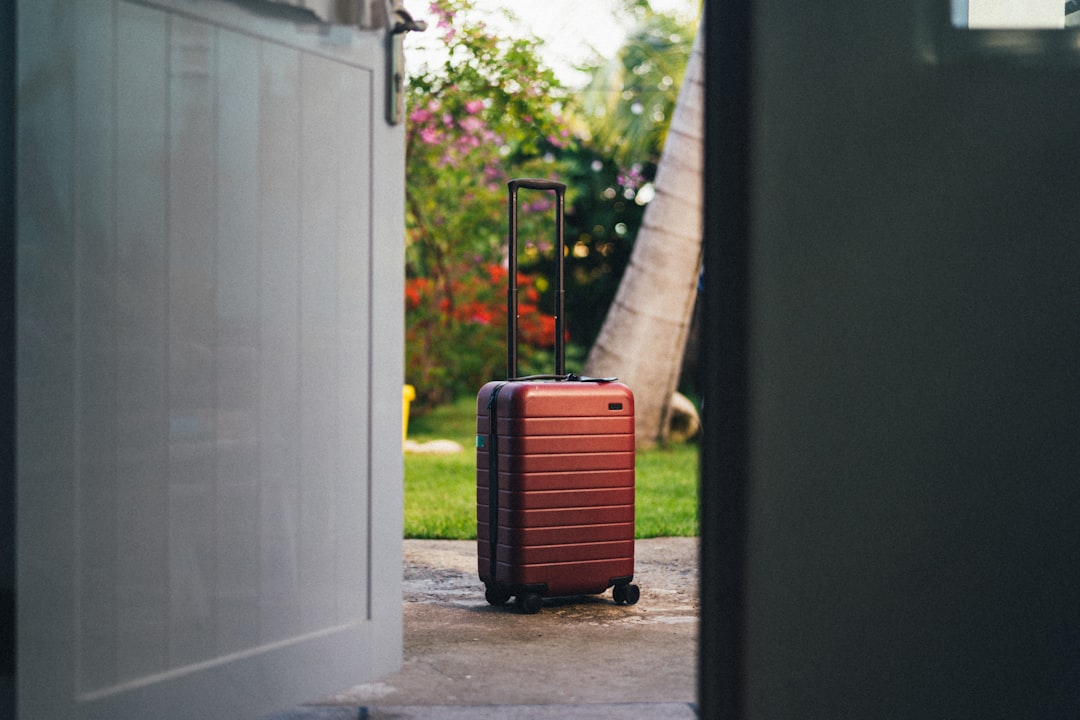
Photo by Kit (formerly ConvertKit) on Unsplash
Before you touch a single T-shirt, you need to know the limits of the game. The shape of your bag, the route you are flying, and the strictness of the airline all matter more than most people realize. A generous transatlantic carrier may tolerate a slightly stuffed bag. A budget airline at the gate may not care how beautifully you packed if the dimensions are off by two centimeters. Good one-bag travel begins with respect for boring numbers.
The sweet spot for most people is a 35 to 40 liter bag, though some can travel indefinitely with less and others need a bit more structure. A soft-sided roller gives neat lines and easy airport glide. A clamshell travel backpack is better for stairs, old streets, and train platforms. Either can work. What does not work is choosing a bag first because it looks stylish, then trying to force the trip into it.
To pack everything in a carry-on, your first decision is not what to bring but what size and weight rules you must obey.
| Airline type | Typical cabin size | Typical weight limit | Notes |
|---|---|---|---|
| Full-service long-haul carriers | 55 x 35 x 23 cm to 56 x 45 x 25 cm | 7 to 10 kg | Usually more forgiving, but check every ticket |
| European budget airlines | Around 55 x 40 x 20 cm | 8 to 10 kg | Gate checks can be strict |
| Asian low-cost carriers | Around 56 x 36 x 23 cm | 7 kg | Combined weight rules are common |
| US legacy carriers | Around 56 x 35 x 23 cm | Often no formal limit | Sizers still matter |
A few rules make the rest easier:
- Check the exact baggage page for every airline on your itinerary, not just the first one.
- If one segment is strict, pack for the strictest segment.
- Weigh your bag at home. Do not let the airport be the place where reality arrives.
- If your trip includes trains, ferries, or lots of stairs, favor a lighter bag over a bigger one.
Official references worth bookmarking before you fly:
If you are refining the bigger philosophy behind one-bag travel, the piece on One Bag Packing System 2026: Fit Real Trips in Cabin Luggage complements this guide nicely. This article is more practical: how to make your own real trip fit.
Build a carry-on packing list that repeats outfits
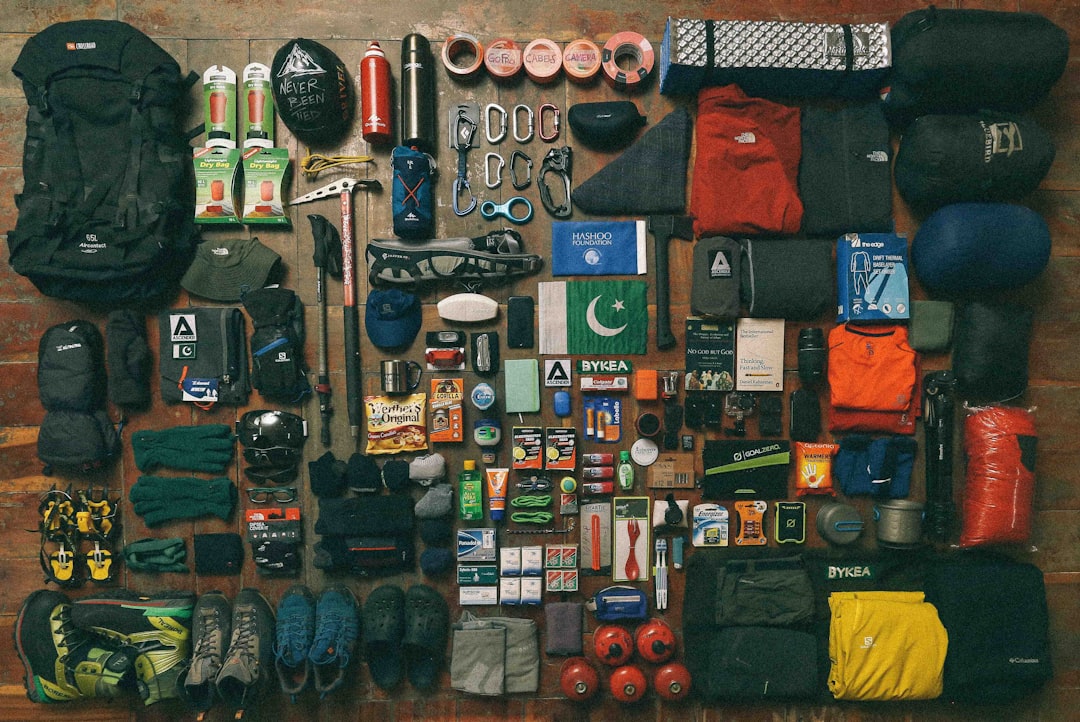
Photo by Muhammad Masood on Unsplash
The hardest part of a carry-on packing list is emotional, not physical. Most overpacking is really fear wearing clothes. Fear of being seen twice in the same shirt. Fear of one unexpected dinner, one wet afternoon, one chilly terrace, one photo you do not love. But stylish light packing has almost nothing to do with quantity. It has everything to do with compatibility.
Imagine opening your bag in a small hotel room. The curtains are moving in a warm night breeze. Street sounds float up from below: plates clinking, scooters passing, a voice calling from a bakery closing late. In that room, the best wardrobe is not the largest one. It is the one where every top works with every bottom, every layer behaves in changing weather, and nothing needs a special shoe.
If you want to pack everything in a carry-on, build your wardrobe as a rotation, not a calendar. You do not need seven finished outfits for seven days. You need four days of clothing that can survive a sink wash or one laundromat stop.
The repeatable clothing formula
For most 5 to 10 day trips, this formula works beautifully:
- 4 tops
- 2 bottoms
- 1 light layer
- 1 weather layer
- 1 sleep set or dual-use lounge set
- 5 underwear
- 4 pairs of socks
- 2 pairs of shoes total
- 1 optional swim item
That formula becomes your baseline carry-on packing list. Then you adapt it by climate and purpose.
Color palette rules that save space
Pick one of these combinations and stay faithful to it:
- Black, white, olive, denim
- Navy, grey, white, tan
- Cream, black, rust, khaki
- Charcoal, blue, white, one accent color
A tight palette lets you rewear pieces without looking repetitive. Scarves, jewelry, lipstick, or a shirt buttoned differently create more visual change than extra garments ever do.
Fabrics that behave well on the road
The smell of wet cotton in a hotel bathroom is the smell of packing regret. Light travelers learn fabric quickly. The best pieces are the ones that dry overnight, resist wrinkles, and still feel pleasant against the skin after a long day of walking.
Look for:
- Merino wool T-shirts or base layers
- Lightweight synthetics for activewear
- Linen blends rather than heavy pure linen if wrinkles bother you
- Thin knits instead of bulky sweatshirts
- Packable waterproof shells instead of thick coats when possible
Avoid, unless you truly wear them constantly:
- Heavy denim jackets
- Thick cotton hoodies
- Large sweaters with no layering role
- Shoes made only for one outfit
To pack everything in a carry-on, every piece should earn at least two roles. A button-up can be a beach cover-up, city layer, and dinner top. Black trousers can handle a museum morning, train ride, and nice restaurant. A merino tee can work for walking, sleeping, and an emergency extra day between washes.
Packing formulas for city breaks, beach trips, cold weather, and work travel
Different trips do not need different identities; they need different emphasis. A city break wants walking comfort and one polished look. A beach trip wants quick-dry fabrics and sun protection. Winter wants layers, not bulk. Business travel wants wrinkle resistance and discipline. The trick is that the bag itself barely changes.
This is where many travelers finally understand how to pack everything in a carry-on. You are not reinventing packing for each trip type. You are swapping a few modules in and out.
| Trip type | What changes most | Clothing formula | Best shoe strategy | Laundry plan |
|---|---|---|---|---|
| City break | Style plus comfort | 4 tops, 2 bottoms, 1 smart layer | Wear walking shoes, pack slim flats or sandals | Sink wash once |
| Beach holiday | Swim and sun gear | 3 tops, 2 bottoms, 2 swim items, 1 cover-up | Wear breathable sneakers, pack flip-flops | Quick-dry rinse nightly |
| Cold-weather trip | Warmth by layering | 3 tops, 2 bottoms, thermal base, mid-layer, shell | Wear boots, pack nothing extra or only hotel slippers | Minimal washing |
| Work trip | Polish and tech | 3 shirts, 2 trousers, blazer, knit layer | Wear smart shoes, pack foldable casual pair | Hotel laundry or one wash |
| Multi-city trip | Versatility | 4 tops, 2 bottoms, shell, light knit | Wear all-purpose trainers, pack sandals | Laundromat mid-trip |
City break formula
A city break smells like espresso, metro brakes, warm stone after rain, and bakeries before noon. You walk more than expected and take more photos than planned. For this kind of trip, comfort has to look intentional. That means sleek walking shoes, one outfit that feels dinner-ready, and layers that play well with changing temperatures between museums, streets, and transit.
Use this carry-on packing list for a 4 to 7 day city break:
- 3 casual tops
- 1 nicer top or shirt
- 1 pair of tailored trousers or dark jeans
- 1 second bottom, such as a skirt, shorts, or relaxed trouser
- 1 thin sweater or cardigan
- 1 rain shell or compact trench
- 5 underwear
- 4 socks
- 1 pair of walking shoes worn in transit
- 1 light secondary shoe
Beach trip formula
A beach trip can trick you into overpacking because warm-weather clothing feels small. Suddenly the bag is full of extra cover-ups, three hats, too many swimsuits, and clothes that only work at one specific resort dinner fantasy. Keep it simpler. Salt, sunscreen, and humidity flatten wardrobe ambitions very quickly.
To pack everything in a carry-on for the coast, prioritize quick-dry pieces and strong sun protection. One shirt that works over swimwear is more useful than two dresses you only half love.
Pack:
- 3 airy tops
- 2 bottoms
- 2 swimsuits or swim shorts
- 1 long-sleeve sun layer
- 1 evening layer for AC or sea breeze
- 1 pair of sandals or flip-flops packed flat
- 1 pair of sneakers worn on travel day
- 1 compact hat if it actually packs well
Cold-weather formula
Cold trips are where people abandon cabin luggage first. They picture giant coats, heavy boots, and chunky knitwear and assume a checked bag is inevitable. It usually is not. The secret is to wear the bulkiest pieces and make warmth come from thin stacked layers instead of single massive garments.
Picture arriving in a winter city at dusk: breath in the air, wool scarves moving in the station crowd, the metallic smell of cold rail tracks, cafe windows glowing gold. In that scene, a smart layering system works far better than stuffing your bag with one huge sweater after another.
Pack:
- 2 thermal or merino base tops
- 1 regular long-sleeve top
- 1 mid-layer fleece or fine merino knit
- 1 packable insulated jacket or compact puffer
- 1 waterproof shell if snow or rain is likely
- 2 bottoms, at least one dark and warm
- thermal leggings if temperatures stay near freezing
- boots worn in transit
- no second shoe unless absolutely necessary
Work trip formula
Business travel is less about quantity than about fabric discipline. The best work pieces for light packing are dark, wrinkle-resistant, and easy to dress up or down. One blazer can change the whole mood of a wardrobe. So can one polished shoe. So can simply deciding that off-duty clothes will not be a totally separate category.
If you need to pack everything in a carry-on for a meeting-heavy week, lean on a tighter, more formal capsule:
- 2 or 3 shirts or blouses
- 2 trousers or one trouser plus one skirt
- 1 blazer worn in transit if bulky
- 1 fine knit or cardigan
- 1 simple evening top
- 1 set of underlayers for sleeping or exercising
- 1 smart shoe worn in transit
- 1 foldable backup flat or minimal sneaker if space allows
Packing cubes, shoes, and the travel backpack layout
A bag without internal structure becomes a soft avalanche. The shirt you want is always at the bottom. Cables knot themselves around your toiletry pouch. Socks migrate into corners like escaped thoughts. The purpose of packing cubes is not aesthetic. It is speed, clarity, and the ability to repack in three minutes at 5:30 in the morning.
Good packing cubes turn your bag into rooms. One room for tops. One for bottoms. One tiny room for underwear and socks. You stop digging and start selecting. This matters even more in shared hotel rooms, hostels, overnight trains, and business hotels where you may never fully unpack.
If you use a travel backpack, put heavy items close to your back. If you use a roller, place dense items over the wheels so the bag stays balanced.
A simple bag architecture
Use this structure every time:
- Bottom layer: least-needed items, such as spare shoes or rain shell
- Middle layer: clothing cubes
- Top layer: toiletries and small items you may remove at security
- Quick-access pocket: chargers, pen, medication, tissues
- Personal item: passport, wallet, headphones, phone charger, water bottle, snacks, and anything you need in the air
What goes in each cube
Cube 1: tops
- T-shirts
- shirt or blouse
- sleep top if separate
Cube 2: bottoms
- trousers
- shorts or skirt
- leggings if used
Cube 3: smalls
- underwear
- socks
- swimwear
Flat pouch
- cables
- plug adapter
- charger brick
- portable battery
The difference between neat folding and rolling is often overstated. What matters more is compression and visibility. Roll soft items. Fold structured items. Use the method that lets you see everything at once.
The shoe rule
Shoes are the great lie of overpacking. They feel justified because they are useful, but they devour volume and weight faster than almost any other category. Most trips work best with exactly two pairs total:
- one pair on your feet
- one pair in the bag, if needed at all
To pack everything in a carry-on, choose shoes by function, not outfit fantasy. The winning pair is often a low-profile walking sneaker in leather, suede, or dark technical fabric. It handles airport security lines, cobblestones, subway steps, museum floors, and an impromptu dinner without looking like gym gear.
Toiletries, liquids, tech, and the personal item strategy
The liquids bag is where many beautiful packing plans die. Full-size sunscreen, a favorite serum in a heavy glass bottle, a shampoo you swear you cannot live without for six days. Suddenly the clean geometry of one-bag travel collapses into a zip-top bag that will not close. The solution is part ruthlessness, part reformulation.
Solid products are your friend. So are decanted minis, contact lens cases for small amounts of cream, and the realization that almost every city on earth sells toothpaste. A smart carry-on packing list protects liquid space like premium real estate.
Toiletries that deserve space
Pack these in travel size:
- toothbrush and small toothpaste
- deodorant, ideally solid
- moisturizer
- sunscreen
- cleanser or soap bar
- shampoo bar or small bottle
- any prescription medication
- razor if needed
- lip balm
Usually skip or buy on arrival:
- full-size body wash
- large hair products
- backup makeup for hypothetical evenings
- hotel-style extras you do not use at home
Tech that earns its place
Tech should shrink, not sprawl. One charger block with multiple ports is better than three separate plugs. One universal adapter is better than destination-specific clutter. If you are traveling for fun, ask whether a laptop truly needs to come.
Pack:
- phone
- charging cable
- compact power bank
- universal adapter
- earbuds or headphones
- e-reader if you love reading
- laptop only if genuinely necessary
Your personal item is not overflow storage. It is your control center. During delays, turbulence, or long taxi queues after landing, the right personal item feels like a small private lounge.
Mine would include:
- passport and wallet
- phone and charger
- headphones
- water bottle purchased after security
- eye mask and lip balm
- hand sanitizer and tissues
- snack with protein
- one warm layer or scarf
- any medication
If you are flying overnight, pair this with the advice in Long-Haul Flight Routine 2026: Sleep Better in Economy, because what stays in your personal item often decides whether the flight feels manageable or punishing.
How to get there
Carry-on travel shines before the plane even leaves the ground. It changes how you move through the city toward the airport, how easily you handle train connections, and how willing you are to choose public transport over a taxi. A light bag turns transfers from a chore into part of the trip: station coffee in hand, one free hand for your phone, no sweating on staircases while dragging hard-shell luggage one wheel at a time.
If you want to pack everything in a carry-on, think about the whole route from front door to hotel door. That means the train to the airport, the airport express, the bus from arrivals, the final walk on uneven streets. The right bag is the one you can comfortably carry for fifteen minutes, lift onto a luggage rack, and slide into an overhead bin without performing a small public tragedy.
Here are a few airport transfer benchmarks that show why traveling light matters so much:
| City | Airport | Best public transport option | Typical time | Typical cost |
|---|---|---|---|---|
| London | Heathrow, LHR | Elizabeth line from central London | 35 to 45 min | about GBP 13.90 off-peak |
| London | Heathrow, LHR | Heathrow Express from Paddington | 15 min | about GBP 25+ |
| Paris | Charles de Gaulle, CDG | RER B from central Paris | 35 to 40 min | about EUR 11.80 |
| New York | JFK, JFK | LIRR plus AirTrain | 35 to 50 min | about USD 15.50 |
| New York | JFK, JFK | Subway plus AirTrain | 60 to 75 min | about USD 11.40 |
| Milan | Malpensa, MXP | Malpensa Express from Milano Cadorna or Centrale | 50 to 55 min | about EUR 13 |
| Singapore | Changi, SIN | MRT from the city | 35 to 45 min | about SGD 2 to 3 |
Useful official transport pages:
- Heathrow transport and directions
- Paris CDG RER B access
- JFK AirTrain and access information
- Changi airport transport
Notice what all of these routes have in common: escalators that may be crowded, platform gaps, standing room, ticket barriers, and occasional stairs. Cabin luggage is not only about the flight. It is about preserving your patience before and after the flight too.
Things to do
The smartest way to pack everything in a carry-on is to stop treating packing as a single event. It works best as a sequence of small decisions made in the right order. The night before a trip should smell like coffee, not panic. Your room should look calm. Your bag should close easily. You should still have enough brainpower left to check in, charge your phone, and sleep.
These are the actions that make that possible. Think of them as the real pre-departure itinerary.
1. Build the outfit map first
Lay out your travel outfit, two daily outfits, one nicer option, and one weather layer. If a piece does not connect to at least two of those combinations, remove it.
2. Check the forecast for exact dates, not the season
Early April in Rome and early April in Stockholm are different worlds. Even the same city can swing from hot sun to sharp evening wind. Pack for the actual temperature band you expect.
3. Wear the bulkiest items in transit
Boots, blazer, coat, or your heaviest trousers belong on your body if you can tolerate them. This is the simplest way to free space in cabin luggage.
4. Pre-decant liquids and test the pouch
Close the pouch before packing day. If it strains now, it will be worse at security.
5. Weigh the bag fully packed
Do it with shoes, adapter, charger, and toiletries inside. Those dense little items are what push bags over the limit.
6. Plan one laundry moment
A hotel sink, a laundromat, or a paid hotel service halfway through the trip can replace half a suitcase. This is one reason light packing also pairs well with the mindset in How to Travel Sustainably in 2026 Without Losing the Fun.
7. Pack your personal item separately
Do not let it become a dumping ground. A clean personal item should contain only what you want during the journey.
8. Leave 10 percent empty space
Souvenirs, snacks, wet swimwear, a scarf bought in a night market, a book picked up in an airport shop: trips expand. Your bag should allow for that.
Where to stay
One of the quiet advantages of learning to pack everything in a carry-on is that your hotel choice gets wider. You can comfortably stay in older buildings with no elevator, tiny design hotels with narrow stairs, train-station properties where rooms are compact, or airport hotels built for overnight turnarounds. You stop needing generous baggage space and start prioritizing location, laundry access, and check-in convenience.
The best stays for one-bag travelers share a few traits: close to transit, flexible check-in, hooks or shelves that help you stay organized, and easy washing options. For longer trips, a guest laundry or nearby laundromat is often more valuable than a bathtub you will never use.
Budget stays
These are especially good when your trip is fast-moving and you want practical comfort over square meters.
| Stay type | Good examples | Typical price | Why it works for carry-on travelers |
|---|---|---|---|
| Budget chain hotel | ibis Budget, B&B Hotels, Premier Inn hub | EUR 55 to 140 | Compact rooms, reliable layouts, good transit locations |
| Hostel with private rooms | MEININGER, Generator, YHA urban properties | EUR 35 to 110 | Lockers, kitchens, laundry, flexible arrival patterns |
| Airport sleep hotel | YOTELAIR, Aerotel | EUR 90 to 180 | Great for early flights and overnight connections |
Mid-range stays
For most travelers, this is the sweet spot: enough design and comfort to enjoy the room, enough practicality to keep the trip simple.
| Stay type | Good examples | Typical price | Best use case |
|---|---|---|---|
| Lifestyle hotel | citizenM, Moxy | EUR 110 to 220 | City breaks, work trips, short stays |
| Apartment hotel | Adagio, Staycity, Sonder | EUR 120 to 260 | Laundry, kitchenette, longer stays |
| Airport-connected hotel | Hilton Garden Inn, Holiday Inn Express airport locations | EUR 120 to 240 | Late arrivals, early departures |
Luxury stays
Luxury and one-bag travel are a very good match, especially because excellent laundry and pressing services reduce how much you need to bring.
| Stay type | Good examples | Typical price | Why it works |
|---|---|---|---|
| Design luxury hotel | The Hoxton, Andaz | EUR 220 to 500 | Stylish without demanding a huge wardrobe |
| Classic business luxury | InterContinental, Westin, Hyatt Regency | EUR 250 to 550 | Strong ironing and laundry support |
| Resort or spa hotel | Six Senses, Aman city resorts, EDITION | EUR 400+ | Staff can handle almost every clothing emergency |
When booking, search the map for laundromats within a 10-minute walk. It is one of the least glamorous and most useful travel decisions you can make.
Where to eat
There is a wonderful ease to landing with only cabin luggage and walking straight to dinner. No carousel wait. No wrestling a suitcase over tram tracks. No changing clothes because your whole wardrobe is trapped in the hold. One-bag travelers can go directly from arrival to a market hall, noodle counter, wine bar, or neighborhood bakery with almost no friction.
The smartest arrival-day meal is not always the fanciest one. It is the place that fits the way you are dressed, the energy level you actually have, and the neighborhood where you are sleeping. If you packed well, you should feel appropriately dressed almost everywhere: clean sneakers, dark trousers, one polished layer, no costume change required.
Here are dependable kinds of first-night food stops that work beautifully when you travel light:
| City style | Good places to look for | Real examples | What to eat |
|---|---|---|---|
| Airport or rail hub arrival | Market halls near transit | Time Out Market Lisboa, Eataly Roma Termini, Mercato Centrale Firenze | One local dish plus a glass of wine or a coffee |
| Long-haul arrival | Warm, restorative chains or food halls | Din Tai Fung at Jewel Changi, food halls in major rail stations, ramen counters near airports | Soup dumplings, noodles, congee, broth-based meals |
| Beach arrival | Casual waterfront or town-center grills | Chiringuitos in Spain, tavernas in Greece, beach shacks in Thailand | Grilled fish, salad, rice, fruit |
| Work trip arrival | Quiet neighborhood bistros | hotel-adjacent brasseries, izakayas, small wine bars | A simple protein, vegetables, and water first |
A few food strategies help one-bag travel more than people expect:
- Eat something hydrating after flying, especially on hot or long-haul days.
- Keep one emergency snack in your personal item so you do not make expensive airport decisions while tired.
- Favor one satisfying meal over grazing on random packaged food all afternoon.
- If you carry only cabin luggage, use the saved time to eat in the city, not at the gate.
Practical tips
The practical side of pack everything in a carry-on is where confidence is built. It is one thing to understand the concept at home. It is another to manage rain in Amsterdam, dry heat in Seville, a budget-airline scale in Krakow, and a surprise dinner reservation in Tokyo all from the same bag. The more trips you take, the more you realize the method is stable even when the scenery changes.
The best time to practice is shoulder season. Weather is variable enough to teach you layering, but not so extreme that every mistake becomes miserable. Spring and early autumn are ideal classrooms for light travel. Warm days, cool evenings, the occasional shower, and lots of walking force you to discover whether your wardrobe really works as a system.
Climate-based packing guide
| Conditions | Temperature band | Best approach | Key warning |
|---|---|---|---|
| Hot and humid | 28 to 35 C | quick-dry tops, loose bottoms, sandals plus sneakers | Cotton dries slowly |
| Mild city weather | 15 to 24 C | 4 tops, 2 bottoms, cardigan, light shell | Evenings may surprise you |
| Wet shoulder season | 8 to 18 C | layers, compact rain shell, water-resistant shoes | Umbrellas are annoying in crowds |
| Cold urban winter | -2 to 10 C | thermal base, knit, puffer, boots worn in transit | Bulky extras will ruin your weight |
Smart rules that prevent almost every packing mistake
- Pack for a week, even if the trip is longer. Laundry is cheaper than hauling weight.
- Keep your nicest outfit surprisingly simple. Dark trousers and a sharp shirt do more work than a special-occasion dress or extra blazer.
- Store a tiny stain-removal wipe in your personal item.
- Keep one empty foldable tote for groceries, beach gear, or laundry days.
- If an item is heavy, fragile, and only useful once, it probably does not belong.
- A travel backpack is often better for Europe and Asia; a roller can be better for airport-to-taxi itineraries.
Money, connectivity, safety, and documents
These do not take much space, but they matter enormously:
- Carry two cards from different networks.
- Keep digital copies of your passport, visa, and insurance offline.
- Bring a small power bank that meets airline rules.
- Download maps offline before departure.
- Save the address of your first accommodation in your phone and on paper.
Helpful official resources:
- UK foreign travel advice
- US State Department travel advisories
- European emergency number information
And one final truth: when you pack everything in a carry-on, you do not become less prepared. You become more decisive.
FAQ
Can I really pack everything in a carry-on for two weeks?
Yes, if you rotate clothing and plan at least one wash. To pack everything in a carry-on for two weeks, pack about 5 to 7 days of clothes, not 14. Focus on compatible layers, quick-dry fabrics, and two pairs of shoes at most.
What size bag is best for carry-on only travel?
For most travelers, 35 to 40 liters is the sweet spot. A 30 to 35 liter bag works for minimalist warm-weather trips. If you are using strict airlines, always check the exact dimensions, because some carriers enforce smaller cabin luggage limits than others.
Is a backpack or roller better for carry-on travel?
A travel backpack is better if your route includes stairs, old streets, trains, ferries, or frequent hotel changes. A roller is excellent for smooth airport-heavy itineraries and work trips. The best choice depends less on preference and more on the terrain between landing and check-in.
How many shoes should I pack in a carry-on?
Usually two pairs total, including the one you wear. If you are trying to pack everything in a carry-on, shoes should be your strictest category. More than two pairs usually means you are sacrificing space needed for layers or toiletries.
What if I need formal clothes?
Use one dark, wrinkle-resistant base outfit and change the accessories, shirt, or jewelry. Many travelers can pack everything in a carry-on for weddings, dinners, or work events by choosing one versatile polished outfit rather than a separate wardrobe.
Are packing cubes really worth it?
Yes. Packing cubes make repacking faster, help separate categories, and stop your bag from turning chaotic on day two. They are not mandatory, but for many travelers they are the simplest upgrade to any carry-on packing list.
A final word before you zip the bag
At first, carry-on travel can feel like a test of self-denial. Then, somewhere between the train platform and the first evening walk in a new city, it starts to feel like freedom. You are lighter at every stage of the trip. You notice the smell of bread from the corner bakery instead of worrying about where to drag a suitcase. You take the stairs without thinking. You say yes to the bus, the ferry, the metro, the old hotel with no lift, the quick detour before check-in.
That is the real reward when you pack everything in a carry-on. Not minimalism for its own sake. Not bragging rights. Just a trip that moves at the speed of your curiosity, not the weight of your luggage.