Learning how to travel sustainably does not mean swapping joy for guilt, or turning every trip into a purity contest. In practice, the greener version of a holiday is often the one with better stories: the train ride where vineyards slide past the window, the market lunch eaten standing up with juice on your wrist, the old quarter explored on foot instead of through a taxi window. The surprise is not that these choices lower your footprint. It is that they usually make the trip feel more alive.
The nice part of learning how to travel sustainably is that the best moves are rarely dramatic. Stay longer in one place. Walk the waterfront instead of hailing rides all day. Sleep in a family-run guesthouse where someone actually tells you where locals go after dark. Order the stew that was made for this weather, in this street, by people who live here. When I map routes for this kind of trip in TravelDeck, I almost always end up deleting one flight, adding one extra night, and giving myself more room to wander.
This guide is about making those choices without draining the fun from travel. It is a practical playbook, not a sermon. You will find transport strategies, booking filters, low waste routines, food habits, and a real European city break that proves sustainable can still feel spontaneous, stylish, and delicious. If value matters to you too, pair this article with Most Affordable Countries 2026 for Comfortable Budget Travel, because the overlap between budget-smart and planet-smart travel is bigger than most travelers think.
Why better travel often has a smaller footprint
Photo by Road Ahead on Unsplash
A lot of people picture sustainable travel as a beige experience: worthy, careful, slightly joyless. The reality on the ground feels different. The lower-impact version of a trip often has more texture. You hear the squeal of tram rails in the morning instead of sitting in traffic with the windows up. You notice bakery steam drifting onto the pavement because you are walking. You learn the rhythm of a neighborhood because you have stayed long enough to know which bar fills up after work and which square glows honey-gold before dinner.
If you want to know how to travel sustainably, start by forgetting the idea that comfort and conscience are enemies. They are usually allies. Direct trains are less exhausting than short-haul flights with airport transfers on both ends. Public ferries give you the same sea wind as private boats, often with better views and for a fraction of the price. Seasonal local dishes are fresher and usually cheaper than imported favorites. A trip built around proximity, local routines, and fewer logistics has less friction, and less friction means more pleasure.
That is why eco minded travel rarely feels like subtraction when it is done well. It feels like editing. You cut the parts that burn time, money, and energy without giving much back. You keep the parts that make a place vivid.
Here is what greener fun usually looks like in real life:
- One base for four to six nights instead of changing hotels every day.
- A direct train or bus instead of a flight with long airport commutes.
- A small stay with breakfast made from local produce instead of a chain buffet that could be anywhere.
- A neighborhood wine bar, night market, or riverside concert instead of an expensive packaged activity.
- Walking, cycling, or public transit during the day, with one paid ride only when it saves real time.
- A reusable bottle, tote, and lunch box that quietly remove dozens of impulse purchases.
There is also an emotional payoff. Slower, lower impact travel tends to reduce the strange pressure to consume a destination at speed. You stop treating a city like a checklist and start letting it unfold. That feeling of being in a place instead of merely passing through it is what many travelers are really after, even when they do not phrase it that way.
Slow travel ideas for deeper days and fewer transit losses
Photo by john mishael Calimoso on Unsplash
The fastest answer to how to travel sustainably is not a gadget or a carbon calculator. It is fewer moves. Every time you change cities, you pay in emissions, money, and attention. You also lose the most irreplaceable travel resource of all: the unplanned hour. That is the hour when you hear music from a side street, notice a queue forming outside a bakery, or decide to keep walking because the light on the river looks too good to waste.
Good slow travel ideas are not about being idle. They are about creating room for a place to surprise you. Stay five nights in one city and day-trip lightly. Choose a region instead of a country-hopping sprint. Pick one arrival and one departure, then let the middle breathe. If you need inspiration for destinations where this style works especially well, cities and countries with strong rail links and compact historic centers tend to reward it most.
This is where how to travel sustainably stops feeling abstract and becomes obvious. Compare a classic frantic itinerary with a slower one. Four cities in six days sounds ambitious until you count the packing, checkouts, transfers, station hunts, flight buffers, and the vague fatigue that turns every afternoon into the same coffee stop. Two cities in six days, or even one city with one day trip, usually gives you more actual travel pleasure.
A quick transport reality check
| Route | Lower-impact option | Typical time | Typical cost | Higher-impact option | Real trade-off |
|---|---|---|---|---|---|
| London to Paris | Eurostar train | 2h 18m | £39-£120 | Flight to CDG or ORY | Train is usually city-center to city-center and far less tiring |
| Madrid to Valencia | AVE or iryo train | 1h 55m-2h | €15-€60 | Short-haul flight | Rail is usually faster door to door |
| Milan to Venice | Frecciarossa or Italo | 2h 15m-2h 30m | €19-€59 | Drive or flight via airports | Train avoids traffic and parking |
| New York to Washington, DC | Amtrak Northeast Regional or Acela | 2h 50m-3h 30m | $20-$180 | Flight | Rail saves airport time and lands downtown |
| Bangkok to Ayutthaya | State Railway train | 1h 30m-2h | ฿20-฿300 | Private car | Train is cheap, atmospheric, and easy for a day trip |
| Athens to Hydra | Passenger ferry | 1h 40m-2h | €38-€45 | Driving plus separate island logistics | Ferry is the trip, not just transport |
Notice the pattern. The greener option is often the more memorable one. A ferry becomes a sea-salted prelude. A train becomes part of the landscape. A bus through mountain roads gives you a sense of distance that flying erases.
Use these slow travel ideas when building an itinerary:
- Limit yourself to one major move every four or five days.
- Prioritize direct routes over the absolute cheapest route with multiple changes.
- Treat day trips as a release valve. They let you see more without repacking.
- Book morning or late-afternoon trains so you still get a full day on either side.
- If a flight is unavoidable, choose nonstop and stay longer after arriving.
- Build around regions that are made for rail or bus travel rather than around airline deals alone.
Many travelers discover that once they adopt slow travel ideas, they come home feeling less like they need a recovery week. The trip becomes not just more sustainable, but more humanly paced.
Green travel hacks for transport, timing, and booking smarter
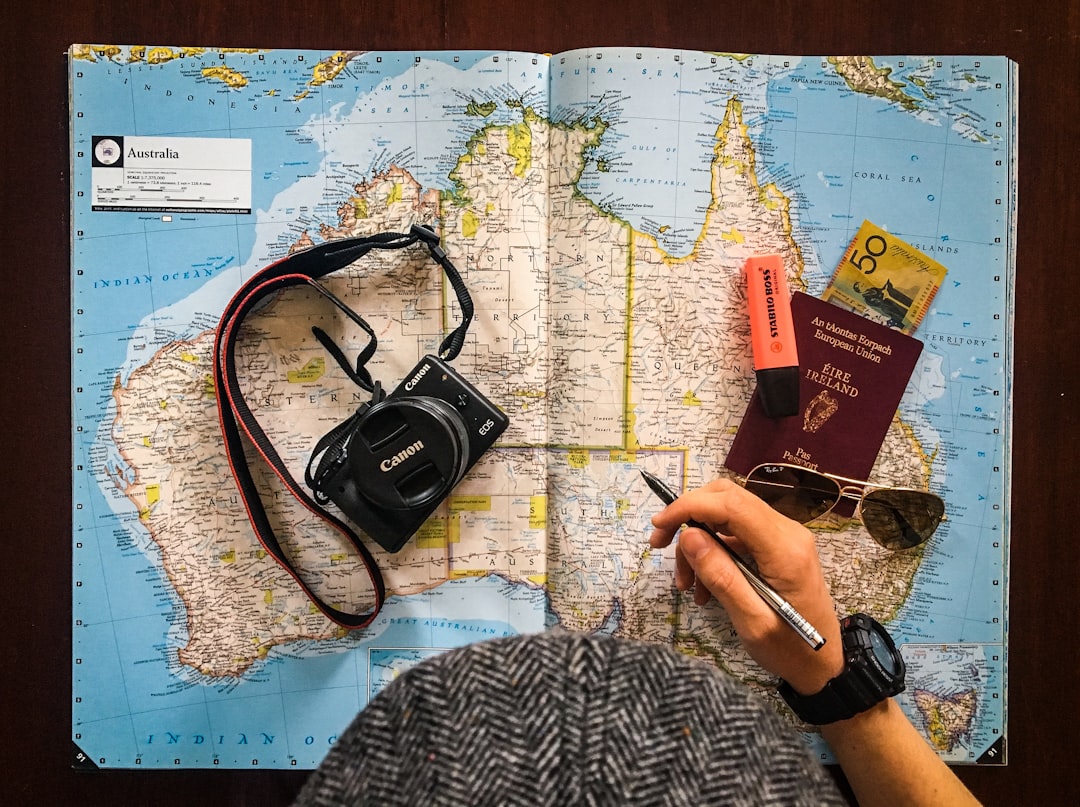
Photo by Tom Cleary on Unsplash
Another overlooked part of how to travel sustainably is timing. A city in peak heat, peak prices, and peak crowding often feels worse for everyone involved, including residents. Shoulder season, by contrast, smells like rain on warm stone, fresh citrus, and the first chestnuts or spring blossoms. Lines shrink. Streets feel usable again. Cafes have space. You spend less, and the destination itself takes less strain.
These are the green travel hacks that actually change a trip without making it feel overly managed. Travel in late April to early June, or mid-September to late October, when many cities still feel lively but not crushed. Choose a secondary airport only if the ground connection is smooth; otherwise a direct arrival into the main airport may be both easier and lower stress. When flying is necessary, economy and direct flights remain the least wasteful version of that decision.
Once you see how to travel sustainably through the lens of friction, a lot becomes clear. The trip with three layovers, a rental car for a walkable city, and a hotel far outside town because it looked cheaper online is rarely the smartest option. Green travel hacks are often just ways of keeping the useful parts of travel close together: station, hotel, market, museum, evening stroll, bed.
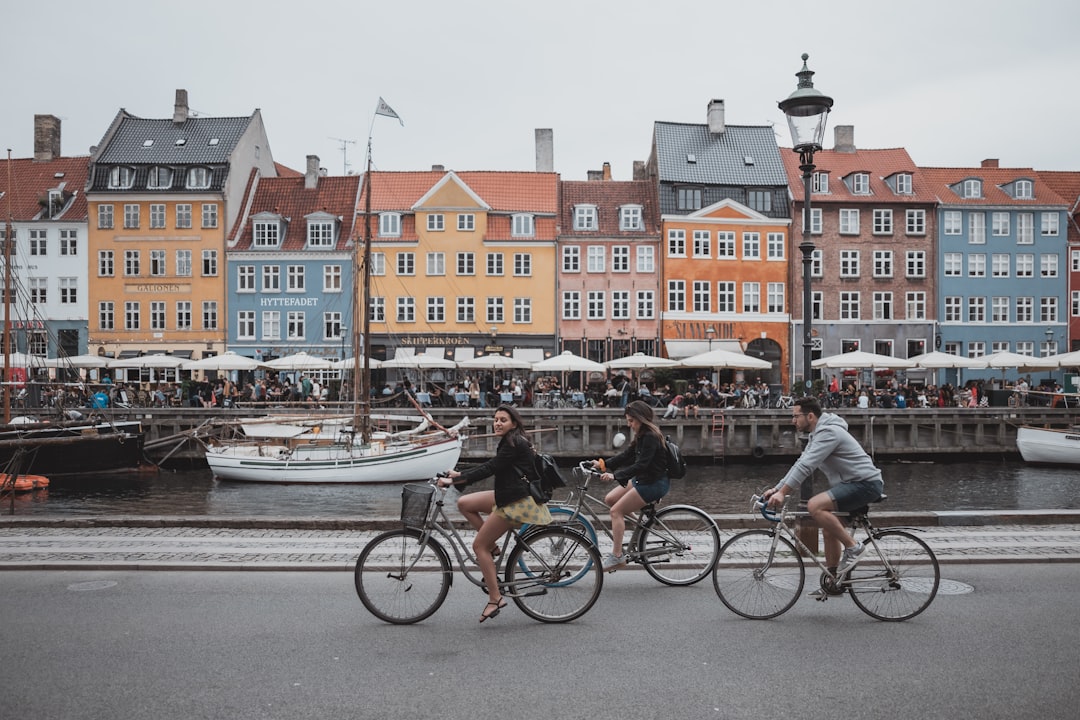
If you like destinations where the greener choice is baked into the city itself, Sustainable Travel in Copenhagen 2026: Green Fun, Less Guilt is a good example of how urban design can do half the work for you.
A few green travel hacks worth using on almost any trip:
- Book accommodation within walking distance of transit, not just attractions.
- Search for hotels by neighborhood first, then compare prices, instead of starting with star rating alone.
- Choose departures that let you use public transit at both ends instead of forcing expensive late-night rides.
- Rent a car only for the specific days you need it, not for the full trip by default.
- Prefer guesthouses and smaller hotels that state concrete actions such as refill stations, linen reuse, local sourcing, renewable power, or bike rental.
- Take one guided walk or food tour led by locals rather than stacking generic ticketed attractions.
These green travel hacks matter because they reduce what I think of as hidden waste: not just energy and plastic, but wasted time, wasted transit, and wasted attention.
Eco friendly travel tips for packing, water, and daily habits
Packing is where how to travel sustainably becomes delightfully practical. Your bag shapes your entire trip. A smaller bag means easier train platforms, fewer taxis, less checked luggage risk, more freedom to walk to your hotel, and less temptation to keep buying emergency things you already own at home. The travelers who seem most relaxed at stations are rarely the ones hauling hard-shell suitcases over cobbles.
The best part of how to travel sustainably is that these habits are small enough to become automatic. Low waste packing is not about carrying a wilderness kit into a capital city. It is about a handful of objects that make the easy choice more likely all day long. A bottle means you refill instead of buying water again. A tote means market fruit or bakery pastries fit into your day without extra packaging. A compact cutlery set or spork makes takeaway lunches easier. A food container can save leftovers, picnic supplies, or tomorrow's train snacks.
Eco friendly travel tips sound boring until you realize they make you more spontaneous. Low waste packing turns a city into a place you can use more freely. You can stop for cherries, cheese, dumplings, or olives and carry them to a park. You can fill your bottle before a hike. You can pack a breakfast from the market for an early train and skip the wrapped station meal.
A small low waste packing kit that earns its place
- Refillable water bottle, ideally insulated in hot climates.
- Foldable tote bag or small packable day bag.
- Lightweight food container or reusable zip pouch.
- Reusable cutlery and napkin.
- Solid toiletries for shorter trips.
- Universal plug adapter with USB-C ports.
- Reef-safe sunscreen if you are heading coastal.
- One extra layer so you can rely less on blasting hotel heating or air-conditioning.
A few eco friendly travel tips that pay off quickly:
- Pack a simple color palette so you can travel with fewer clothes.
- Wash small items in the sink and stay carry-on where possible.
- Keep your reusable items in the same pocket every trip.
- Use a map app to mark refill points, grocery stores, laundromats, and transit stations.
- Carry a small cloth to wrap pastries, fruit, or bread from markets.
- Buy only what you will actually use again at home. Souvenirs that become clutter are just delayed waste.
Low waste packing also changes how you buy food. Instead of defaulting to chains because you are unprepared, you can say yes to the peach stand, the bakery queue, the cheese shop, the olive counter, the noodle stall. That is exactly where a lot of travel pleasure lives. For travelers who plan entire trips around local eating, Food Tours Around the World in 2026: 6 Cities to Taste makes a nice companion read.
How to spot greenwashing without becoming cynical
If you are serious about how to travel sustainably, you will eventually meet the fuzzy language of hospitality marketing. Every hotel claims to care. Every tour says it is local. Every property seems to mention towels and light bulbs. Some mean it. Some are decorating a standard operation with a few leafy words.
The goal is not to become suspicious of everything. It is simply to look for evidence over adjectives. A stay that mentions refill stations, renewable energy, food waste reduction, public transit access, bike hire, staff conditions, and local sourcing is telling you something concrete. A stay that says eco luxury in large letters but has no details may just be selling a mood.
These checks help separate substance from styling:
- Look for specific certifications when they are relevant, but do not assume lack of certification means lack of effort.
- Read recent reviews for clues about transit access, refill stations, breakfast sourcing, and whether staff seem engaged.
- Check the map. A remote property that requires multiple long car transfers may not be a greener choice than a simple city hotel near transit.
- Notice whether the hotel explains how guests can participate, such as declining daily linen changes or using refill points.
- For tours, favor small group operators, walking tours, cycling tours, and companies that name local guides and communities.
- For wildlife activities, skip anything based on touching, feeding, forced performances, or close-up selfies.
One of the quiet skills in learning how to travel sustainably is knowing when enough is enough. You do not need a perfect scorecard. You need a decent place in a sensible location, a realistic transport plan, and habits that support the destination instead of extracting from it.
A sustainable city break that proves the point: Ljubljana
For travelers still wondering how to travel sustainably without sacrificing atmosphere, Ljubljana is a convincing answer. Slovenia's capital is compact, leafy, and easy on the senses. The old center is largely pedestrian, the Ljubljanica River curls through the city like a silver ribbon, and the bridges feel cinematic at dusk when glasses clink on terraces and church bells blur into conversation. You get a castle on a hill, a good food scene, bikeability, river life, and quick access to the Alps and Karst without the frantic scale of a mega-city.
This is exactly what a sustainable city break should feel like: manageable, walkable, visually rich, and genuinely fun after dark. You can spend the morning at the market, the afternoon on a kayak or in a museum, and the evening moving between wine bars and outdoor tables without using much more than your feet. Ljubljana also works beautifully for slow travel ideas because it is strong enough for a long weekend and well connected enough for day trips.
If your image of responsible travel is all sacrifice, let this city change your mind. Ljubljana smells of roasted coffee, river water, baked dough, and linden trees in season. Its pleasures are not hidden behind effort. They are built into the layout.
How to get there
Ljubljana is one of those cities where arrival can be part of the philosophy, not just a logistical hurdle. Its main airport is Ljubljana Joze Pucnik Airport, code LJU, about 26 km north of the center. If you are coming from within Central Europe, rail and bus routes are often just as sensible as flying. For a sustainable city break, I would choose the route that gets me into town calmly and close to my hotel, even if it is not the absolute cheapest line on the search results page.
This is also one of the clearest examples of how to travel sustainably without losing convenience. From nearby capitals, the land connections are strong enough that you can skip a flight entirely. From farther away, it often makes sense to fly nonstop into LJU or even into nearby airports such as Venice Marco Polo, code VCE, Trieste, code TRS, Zagreb, code ZAG, or Vienna, code VIE, then continue by rail or coach.
Best ways into Ljubljana in 2026
| Starting point | Best option | Duration | Typical 2026 cost | Notes |
|---|---|---|---|---|
| London | Flight to LJU, usually nonstop or one stop | 2h-4h flight time | €80-€220 | Stay at least 4 nights to make the flight worthwhile |
| Vienna | Train or bus | 5h 45m-6h 30m | €29-€79 | Easy city-center to city-center journey |
| Zagreb | Train or bus | 2h 15m-2h 40m | €9-€25 | One of the simplest regional hops |
| Trieste | Bus or shared transfer | 1h 35m-2h | €8-€25 | Great if you are combining Italy and Slovenia |
| Venice | Direct bus | 3h 15m-4h | €15-€35 | Often easier than renting a car |
| Munich | Train | 6h-6h 30m | €29-€89 | Scenic and comfortable if booked early |
| Bled | Bus or train | 55m-1h 20m | €5-€12 | Perfect as a day trip, no need to relocate |
Airport and station basics
- LJU to central Ljubljana by shared shuttle usually takes 35-45 minutes and costs about €12-€16.
- Public bus from the airport is cheaper, usually around €4-€5, but slower.
- A taxi into the center usually runs €35-€45.
- Ljubljana railway station and main bus station sit beside each other at Trg Osvobodilne fronte, which makes onward travel refreshingly simple.
- Driving from Venice takes roughly 2h 45m, from Zagreb about 1h 45m, and from Vienna about 4h 15m, traffic permitting.
Useful official and planning links:
If you are debating train versus car, remember what kind of city this is. Parking is a nuisance you do not really need. Arriving by rail or bus drops you where the trip actually begins: on foot, in the middle of things.
Things to do
Ljubljana rewards travelers who like cities that reveal themselves in layers. In the morning, the river can look silvery and still, with market traders arranging vegetables under pale awnings. By evening, the embankments pulse with conversation, bicycles click over bridges, and the facades take on a soft peach glow. For a sustainable city break, the great luxury here is proximity. You can do a lot without spending the day commuting between attractions.
If you want to practice how to travel sustainably in a way that still feels playful, build your days around movement, appetite, and neighborhoods. Walk until you are hungry. Stop when a view opens up. Leave room for one thing you did not plan. Ljubljana is ideal for this because the distances are kind and the city center is friendly to wandering.
1. Walk the old town loop
Start at Preseren Square, cross the Triple Bridge, and follow the river along Mestni trg and Stari trg. This is the city's theatrical heart: pastel facades, baroque details, small shops, and cafe tables almost touching the cobbles. Go early for calm light, or near dusk when the street lamps start to soften the stone.
2. Ride or walk up to Ljubljana Castle
Ljubljana Castle, Grajska planota 1, is the city's anchor point. You can walk up through the green slope in about 15-20 minutes or take the funicular from the old town. The funicular is around €4.50 one way, and a combined castle ticket is usually around €13-€17 depending on exhibitions. The views over red roofs and distant hills are worth timing for sunset.
3. Browse the Central Market and riverside stalls
Near Vodnikov trg and Pogacarjev trg, the market is where daily Ljubljana feels most tangible. You will see stacks of apples, pumpkins, mountain honey, fresh pasta, flowers, cheese, and breads that still smell warm. On Fridays in season, the nearby open-air food event Odprta Kuhna turns the area into one big roaming lunch. Check dates at Odprta Kuhna.
4. Cycle through Tivoli Park and out toward Siska
Ljubljana's flat terrain makes cycling easy. Tivoli Park gives you broad paths, shade, and a slower rhythm than the central riverfront. For a longer spin, look into the city's bike-share network BicikeLJ at bicikelj.si. This is one of the most enjoyable low-effort ways to see more residential parts of the city.
5. Kayak or SUP on the Ljubljanica
Seeing the city from the water changes its scale. The bridges feel higher, the facades more elegant, and the noise fades to paddles, laughter, and the occasional gull. Guided tours and rentals vary by season, but expect around €25-€45 depending on format and duration. This is a perfect example of replacing a high-impact thrill with something gentler that still feels like an event.
6. Spend an evening in Metelkova
North-east of the old town near the station, Metelkova is Ljubljana's autonomous cultural zone: colorful murals, sculptural oddities, live music, and a rough-edged energy that contrasts with the polished center. Go after dark for bars and gigs, but keep street smarts as you would anywhere. It is one of the best reminders that a sustainable city break does not have to be sleepy.
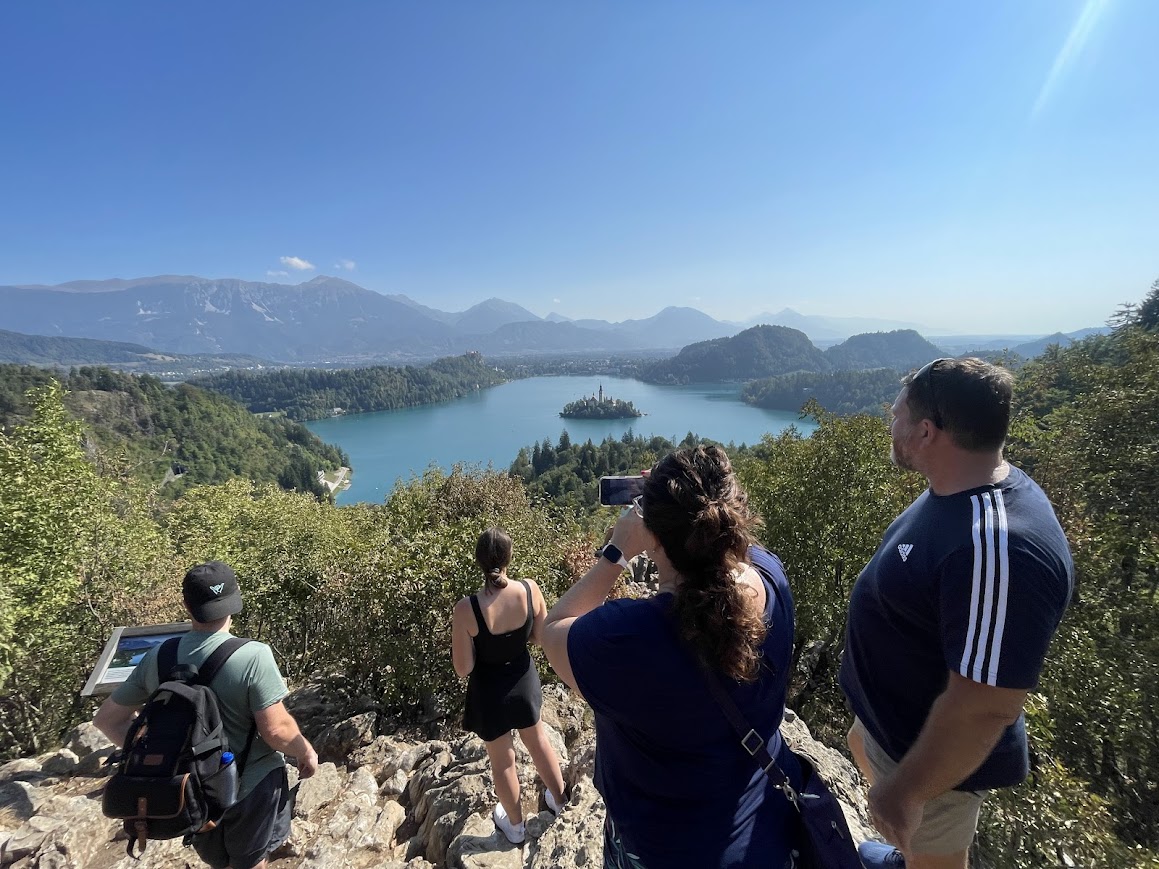
7. Take a car-free day trip to Lake Bled or Skofja Loka
Bled is the obvious classic, around an hour away by bus or train, and still magical if you go early or outside summer peaks. For something quieter, medieval Skofja Loka is even easier to fold into slow travel ideas. Either way, you can explore without moving hotels, which keeps the trip lighter and simpler.
8. Cruise the river on a public-style boat or simply cafe-hop the embankments
You do not need a luxury experience to enjoy the river. Short sightseeing boats are available in season, but one of the best low-cost evenings is simply walking from Cobbler's Bridge to Dragon Bridge, stopping for wine, coffee, or dessert. When a city gives you this much atmosphere at street level, the least resource-heavy activity can be the most memorable.
For opening hours and event calendars, Visit Ljubljana and Ljubljana Castle are the most useful official references.
Where to stay
Where you sleep matters more than many travelers realize. The right base can remove half your transport needs before the trip even starts. In Ljubljana, the sweet spot is usually somewhere between the old town, the river, and the main station, depending on your arrival plans and budget. A sustainable city break works best when you can walk back after dinner instead of thinking about late-night taxis.
Accommodation is another place where how to travel sustainably can be comfortable rather than austere. In this city, that usually means a small footprint, strong location, and straightforward amenities: decent insulation, good breakfast, refill options, and a building that encourages walking instead of constant transit.
Ljubljana stays by budget
| Budget tier | Stay | Typical 2026 price | Why it works |
|---|---|---|---|
| Budget | Hostel Celica Art Hostel | €30-€45 dorm, €75-€120 private | Characterful former barracks near Metelkova and walkable from the station |
| Budget | The Fuzzy Log | €45-€90 | Compact cabin-style setup near the center, good for short city breaks |
| Budget | H2O Hostel | €35-€80 | Simple, central, and close to the river |
| Mid-range | B&B Hotel Ljubljana Park | €95-€150 | Well located, reliable, and often favored by travelers prioritizing greener operations |
| Mid-range | Urban Boutique Hotel Center | €110-€180 | Comfortable central base near the old town without luxury pricing |
| Mid-range | Hotel Heritage | €120-€190 | Great if you want to stay inside the old center's atmosphere |
| Luxury | Zlata Ladjica Boutique Hotel | €250-€420 | Riverside style, historic character, and a high-comfort stay without losing sense of place |
| Luxury | InterContinental Ljubljana | €180-€320 | Best for skyline views, spa facilities, and easy station access |
| Luxury | Grand Plaza Hotel & Congress Center | €170-€300 | Sleek modern option close to transit and the center |
Booking tips:
- Prioritize location over room size for a short trip.
- Ask whether tap water is drinkable in-room or if refill stations are provided.
- If you are arriving by train or bus, staying near the station can save both time and cab rides.
- If nightlife matters, the river and old town are more atmospheric than out-of-center business districts.
Where to eat
Ljubljana is the kind of city where you can spend an entire day moving from coffee to market snack to long lunch to wine bar to late dessert without feeling rushed. The food scene fits the sustainable mood nicely because local ingredients, seasonal menus, and market culture are already part of daily life. In spring and early autumn, you can practically smell lunch before you decide where to go: grilled vegetables, mushroom sauces, yeasty dough, broth, roast meat, butter, herbs.
Food may be the happiest lesson in how to travel sustainably because it is where ethics and pleasure overlap most easily. Eat what is grown nearby, what is in season, what people around you are actually ordering, and you usually end up with something fresher and more rooted in place. That is why some of the best eco friendly travel tips are simply culinary common sense.
Good places to eat in Ljubljana
- Odprta Kuhna, Pogacarjev trg: Friday open-air food market in the warmer months. Great for trying multiple stalls without committing to one restaurant. Expect €6-€15 per dish.
- Druga Violina, Stari trg 21: Warm, local, and good for Slovenian comfort dishes. Try jota, a hearty soup-stew often made with beans and sauerkraut, or seasonal plates in the €10-€18 range.
- Moji Struklji Slovenije, Adamič-Lundrovo nabrezje 15: Ideal for trying struklji, the rolled dumpling-like specialty that can be savory or sweet. Portions often run €5-€9.
- Gostilna na Gradu, Grajska planota 1: Inside the castle complex, more polished and pricier, usually €25-€45 for mains, but worth it for a celebratory meal with a view.
- TaBar, Ribji trg 6: A stylish small-plates spot with good wine and a modern local feel. Excellent for a lingering evening.
- Abi Falafel, Trubarjeva cesta 40: Not traditional Slovenian food, but a useful low-cost, plant-forward lunch beloved by many visitors. Around €5-€9.
- Central Market area: Build your own picnic from bread, cheese, fruit, olives, and pastries, then eat by the river or in Tivoli.
What to try:
- Struklji in one savory and one sweet version.
- Jota on cooler days.
- Carniolan sausage if you eat meat.
- Buckwheat-based dishes and mushroom plates in autumn.
- Local wines from Goriska Brda or Vipava Valley.
- Potica, especially around festive periods.
A good food rhythm for the city is simple: market breakfast, proper lunch, lighter dinner with wine and small plates. It is better for your schedule, often better for your budget, and much closer to how the city actually tastes.
Practical tips
Practical details are where how to travel sustainably becomes easiest to maintain. When a trip is set up well, you do not have to keep making virtuous decisions all day. The right season, a compact bag, a central hotel, and a rough idea of local routines do most of the work for you. Ljubljana is forgiving in this sense, but it still pays to know when to go and what to expect.
For many travelers, the best months are May, June, September, and early October. Summer is lively, but July and August can be hot and busier, especially when you add day trippers. Winter has charm, especially around festive lights and markets, though you will trade outdoor cafe time for coats and early dusk. These practical notes are also useful beyond Slovenia because they are exactly the sort of eco friendly travel tips and green travel hacks that travel well anywhere.
Ljubljana by season
| Months | Weather feel | Crowds | Best for | Notes |
|---|---|---|---|---|
| March-April | Cool to mild, fresh rain, blossoming parks | Low to moderate | Museums, walks, cheaper stays | Carry a light waterproof layer |
| May-June | Mild to warm, green, long evenings | Moderate | Best all-round sustainable city break | Ideal for terraces and cycling |
| July-August | Warm to hot | High | Festivals, long daylight, river life | Book early and start days early |
| September-October | Warm days, crisp nights, golden light | Moderate | Food, wine, walks, day trips | Excellent shoulder season value |
| November-February | Cold, festive lights, occasional fog | Low except holidays | Winter markets, cozy cafes | Pack layers and good shoes |
Practical advice for 2026
- Currency: Slovenia uses the euro.
- Language: Slovene is the official language, but English is widely spoken in tourist areas.
- Connectivity: Most cafes and hotels have reliable Wi-Fi. EU travelers can use roaming as usual; others may want a local or regional eSIM.
- Safety: Ljubljana is generally very safe, though normal city precautions apply around stations, nightlife areas, and on crowded terraces.
- Tap water: Safe to drink. Bring that bottle and use it.
- What to pack: Comfortable walking shoes, a light rain layer, one smarter outfit for dinner, and a small day bag. Low waste packing works especially well here because distances are short.
- Cash vs card: Cards are widely accepted, but keep a little cash for markets or small purchases.
- Customs: Tipping is appreciated but not obligatory at US levels. A small round-up or around 5-10 percent for good service is normal.
- Transport in town: Walk first. Then cycle. Then use buses or taxis only when needed.
- Day trip logic: Leave early, return the same day, and resist the urge to re-check into another hotel unless you are genuinely moving on.
Useful links for current information:
If you adopt only three eco friendly travel tips from this guide, make them these: stay central, carry reusables, and move less often. Those three decisions solve an astonishing number of travel problems before they appear.
FAQ
Is sustainable travel more expensive?
Not necessarily. In many cases, learning how to travel sustainably actually cuts costs because trains, buses, local food, refillable water, and fewer hotel changes all reduce spending. The expensive version of travel is often the one with more friction: airport transfers, checked bags, rental cars, and last-minute convenience buys.
What is the easiest first step if I want to travel more sustainably?
Start with one change that improves the trip anyway. Good choices include taking a train instead of a short flight, staying longer in one base, or using low waste packing so you stop buying bottled water and disposable snacks all day.
Are flights always bad?
Not always, but they are usually the biggest part of a trip's footprint. If a flight is unavoidable, choose direct, fly economy, and stay longer once you arrive. That is one of the simplest green travel hacks because it reduces wasted transit and spreads the impact across a richer trip.
What makes Ljubljana a good sustainable city break?
It is compact, walkable, bike friendly, and pleasant without a car. You have market culture, river life, nightlife, and day trips all within easy reach. That means the fun does not depend on intensive transport or over-scheduling.
Do I need special gear to travel sustainably?
No. A few basics go a long way: reusable bottle, tote, comfortable shoes, and a compact bag. The point is not equipment for its own sake. The point is making the better choice the easier choice.
Travel changes when you stop asking how much you can fit in and start asking how fully you can experience one place. That shift is the quiet secret behind how to travel sustainably. It is not about being perfect. It is about noticing that the trip with more local meals, more train windows, more river walks, and fewer frantic transfers is often the one you wanted all along.
The best slow travel ideas are rarely flashy. They are the extra night, the market breakfast, the guesthouse recommendation, the bottle refilled before the hill climb, the decision to skip one more city and actually know the one you chose. Done well, sustainable travel does not feel smaller. It feels richer, lighter, and much more like freedom.