
Pet Travel Checklist 2026: Flights, Drives, Hotels, Calm Pets
A parked car can become dangerous in less time than it takes to grab a coffee, and that single fact explains why a solid pet travel checklist 2026 matters more than most travelers think. Trips with dogs and cats do not usually fall apart because of one dramatic mistake. They unravel through tiny oversights: a carrier your cat hates, a hotel fee you did not budget for, a layover that turns a short journey into a nine-hour sensory marathon, or a missing vaccination date that suddenly matters at check-in.
The best pet trips feel almost boring in the best possible way. Meals happen on time. Water is easy to reach. The carrier smells familiar. The route is simple. The room has enough floor space for a bed, bowls, and a quiet corner. This pet travel checklist 2026 is built around that calm, practical reality: less fantasy, more workable routines for dogs and cats on planes, trains, ferries, and long drives.
When I sketch routes on TravelDeck, the smoothest itineraries are rarely the most ambitious ones. They are the ones that respect the animal's clock first, then the human's wish list. That is the mindset behind this guide.
The pet travel checklist 2026 starts 30 days before departure
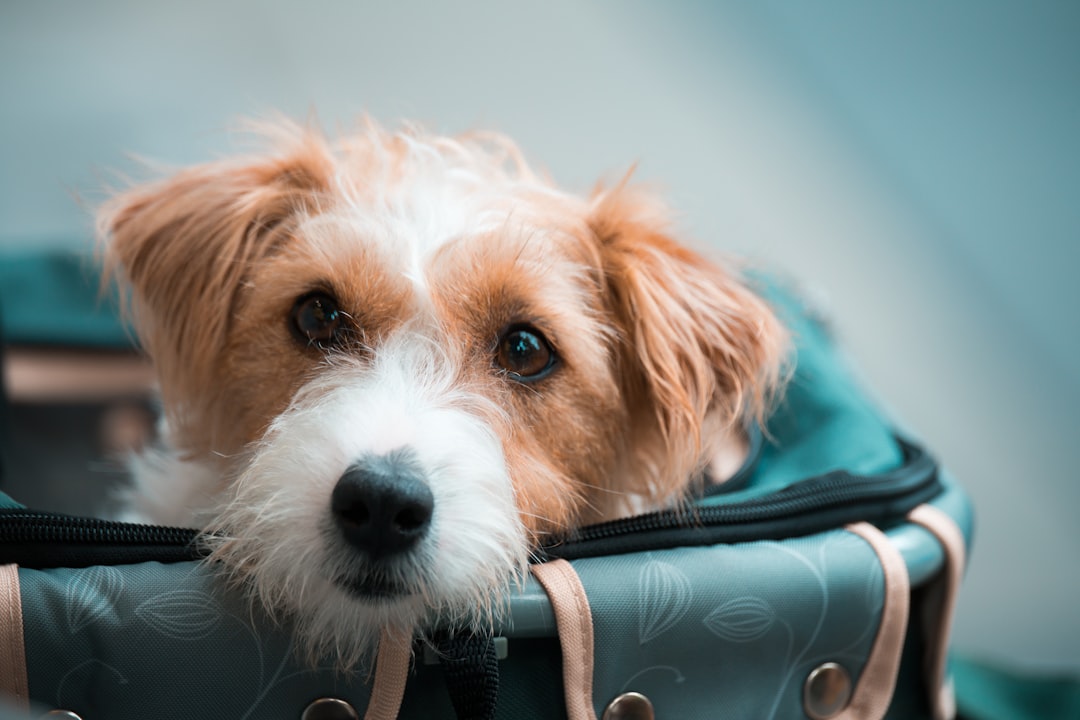
Photo by TA-WEI LIN on Unsplash
Most people think travel day starts when they zip the suitcase. In truth, it starts weeks earlier, in the ordinary smell of your living room and in the quiet moments when your pet decides whether a carrier feels like shelter or like a trap. If your dog only ever sees the crate right before the vet, or your cat only enters the carrier when something unpleasant is about to happen, you are already starting with a stress disadvantage.
The smartest pet travel checklist 2026 begins long before the ticket purchase becomes nonrefundable. It starts with behavior, not bookings. Watch how your pet handles noise, new flooring, strange smells, and delayed mealtimes. A confident dog that loves car rides may still panic at airport conveyor-belt sounds. A calm indoor cat may handle a train beautifully if the cat travel carrier feels like home. Temperament is your real transport filter.
Use the 30-day runway like this:
- Day 30 to 21: confirm vaccination dates, microchip registration, and basic health status
- Day 21 to 14: begin or refresh carrier training, crate naps, and short practice rides
- Day 14 to 10: book transport, call properties directly, and request written confirmation of pet rules
- Day 10 to 7: if needed, obtain health paperwork and print digital backups
- Day 7 to 3: pack food, medications, cleanup gear, and a compact first-aid kit
- Day 2 to 1: reduce surprises, keep routines normal, and avoid exhausting your pet before departure
A final point that saves heartbreak: decide whether your pet should come at all. Elderly animals with mobility pain, brachycephalic breeds that struggle in heat, pets with uncontrolled anxiety, and cats who stop eating outside home can be happier with a sitter or trusted boarding arrangement. Good planning includes the option not to travel together.
Pet travel documents that belong on every pet travel checklist 2026
Paperwork does not feel glamorous, but few things sabotage a trip faster. Pet travel documents are not just for border crossings. Airlines, some ferries, some hotels, and even certain campgrounds may ask for proof of rabies vaccination, vet details, or recent health information. The folder should be so easy to reach that you never have to unzip three bags while your dog pulls toward the curb.
For domestic travel, many pet travel documents are simple: current rabies proof, full vaccination record, medication list, microchip number, and your regular vet's contact information. For international travel, the timing becomes more exacting. Some routes require a health certificate issued within a narrow window before departure. Some countries require microchips in a specific format, parasite treatment within a fixed number of hours, or rabies titers months in advance. This is why pet travel documents should be checked before you pay for anything expensive.
Here is a useful planning table:
| Trip type | Core pet travel documents | Typical timing | Most common mistake |
|---|---|---|---|
| Domestic U.S. flight | Rabies proof, vaccination record, airline confirmation, medication list | 1 to 2 weeks before | Assuming every airline accepts the same carrier size |
| Domestic road trip | Vaccination record, microchip info, regular vet and emergency vet contacts | 1 week before | Leaving records at home because it is only a drive |
| EU trip with dog or cat | Microchip, rabies vaccine, EU pet passport or animal health certificate | 4 to 6 weeks before for simple cases | Forgetting the 21-day wait after first rabies shot |
| UK, Ireland, Malta, Norway, Finland routes | Microchip, rabies proof, passport or certificate, tapeworm treatment where required | Often 1 to 5 days for final treatment step | Missing the treatment window |
| Long-haul international | Import permit where required, endorsed certificate, vaccination history, possible titer test | 2 to 6 months before | Starting too late for the destination's timeline |
Build one paper folder and one phone folder with these essentials:
- Vaccination record
- Rabies certificate
- Microchip number and registration login details
- Recent photo of your pet
- Medication schedule and doses
- Emergency contact at home
- Destination address and local phone number on a temporary ID tag
- Travel insurance or reimbursement policy details if you carry pet coverage
Useful official pages to bookmark before you leave:
- USDA APHIS pet travel: https://www.aphis.usda.gov/pet-travel
- European Commission pet movement rules: https://food.ec.europa.eu/animals/movement-pets_en
- Amtrak pets: https://www.amtrak.com/pets
- IATA traveler guidance for pets: https://www.iata.org/en/programs/cargo/live-animals/pets/
Cat travel carrier training and the quiet routines that actually work
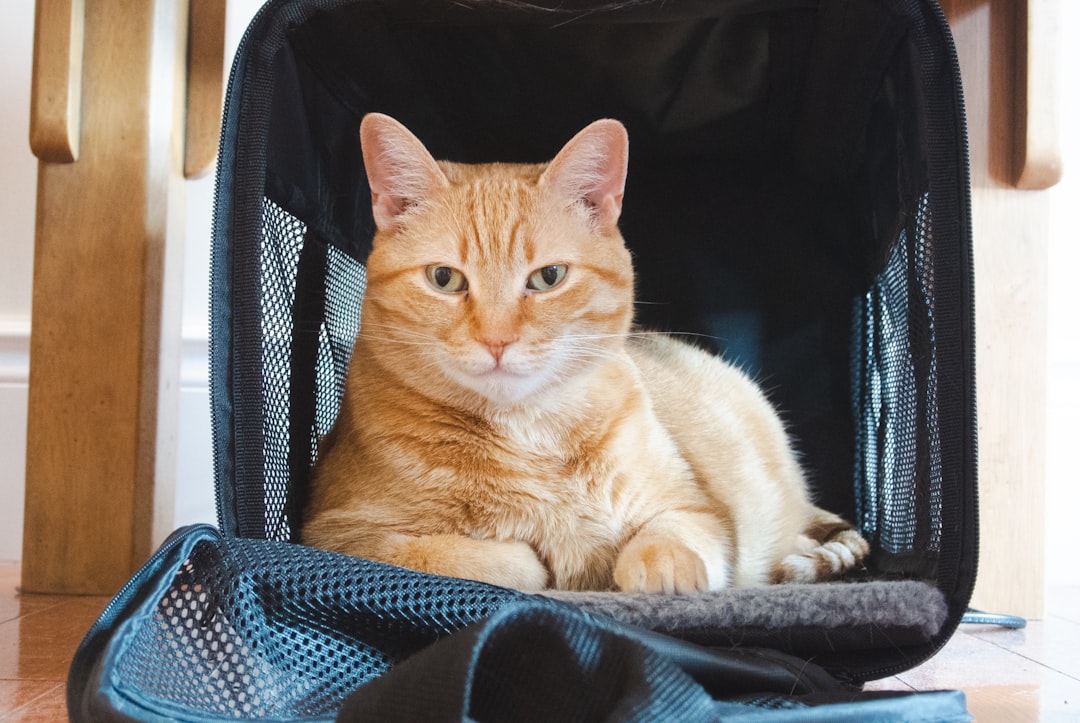
Photo by dh foto on Unsplash
If you share your life with a cat, the carrier is not luggage. It is the entire emotional climate of the journey. A good cat travel carrier smells like your home, not like the closet where it lived all year. It carries your cat's scent, a soft towel, and the familiar flattening weight of routine. When people complain that their cat hates travel, they often mean the cat hates being suddenly zipped into a plastic box that only appears before stressful events.
The cat travel carrier should enter daily life well before the trip. Leave it open in a bright corner. Drop treats inside. Feed meals near it, then inside it. Let naps happen there without closing the door at first. You are not teaching your cat to love transit. You are teaching your cat that the carrier predicts safety, food, and stillness rather than alarms and motion.
Dogs need rehearsal too, but cats usually need it more carefully. A small blanket that carries the smell of your sofa can change the whole mood. So can a towel draped over part of the cat travel carrier to soften visual overload in stations and terminals. If your cat is noise-sensitive, practice sitting in the parked car with the carrier on the seat, then drive five minutes, then ten. Calm is cumulative.
A simple training plan:
- Week 1: carrier stays open at home all day
- Week 2: treats and one daily meal in the carrier
- Week 3: short door-closed sessions of 2 to 5 minutes, followed by a reward
- Week 4: short walks, elevator rides, or car rides in the cat travel carrier
Choose the carrier with travel day in mind:
- Soft-sided models are often best for in-cabin flights because they flex under seats
- Rigid carriers can feel more stable in cars and for strong scratchers
- Good ventilation matters more than cute styling
- A washable liner saves your nerves
- Top-loading designs make anxious cats easier to handle at security or vet checks
If your veterinarian prescribes medication for anxiety or nausea, test it at home before travel day. Never make the trip the first trial run.
Flying with pets without blowing up the pet travel checklist 2026
Flying with pets is easiest when you stop treating it like ordinary air travel with an extra bag. It is a separate system with tighter limits, earlier deadlines, and less flexibility once you reach the airport. Nonstop flights beat cheaper connections almost every time. The shortest practical route is usually the kindest one. In flying with pets, every extra boarding call, gate change, and delay multiplies stress.
For small dogs and cats, in-cabin travel is generally the lower-risk option when the airline allows it. You stay together, temperatures are controlled, and you can monitor breathing, posture, and distress. For larger dogs, the decision gets more complex. Some travelers choose pet transport companies or ground options instead of a cargo itinerary. If your dog is elderly, heat-sensitive, or highly reactive, the cheapest plane ticket can quickly become the worst choice.
Flying with pets also means booking earlier than you would for yourself. Many airlines cap the number of in-cabin animals per flight, and that limit can sell out before seats do. Fees have climbed, and most major carriers charge roughly the same order of magnitude for cabin transport on domestic U.S. routes.
A quick airline comparison for planning purposes:
| Airline | Typical in-cabin fee | Usual pattern | Why travelers choose it |
|---|---|---|---|
| Delta | around 150 USD each way | Small pet in approved carrier | Strong nonstop network |
| American | around 150 USD each way | Small pet in cabin on eligible routes | Many domestic options |
| United | around 150 USD each way | Small pet in cabin, advance booking essential | Large route map |
| Southwest | around 125 USD each way | Good for short domestic hops | Simpler route structure |
| JetBlue | around 150 USD each way | Small pet in cabin on selected routes | Useful East Coast network |
What matters most when flying with pets:
- Book nonstop if at all possible
- Choose early morning or evening departures in hot months
- Measure the carrier after you add the liner, not before
- Confirm pet reservation by phone after online booking
- Ask about check-in cutoff times for animals, which can be earlier than standard passenger cutoffs
- Carry absorbent pads, spare wipes, and a small sealed bag for cleanup
- Feed lightly before departure unless your vet advises otherwise
- Offer water in small amounts before and after the flight rather than overloading the stomach
Airport rhythm matters too. Arrive with time to move slowly. Use quieter corners instead of busy central waiting areas. For dogs, find the relief area before boarding becomes urgent. For cats, keep the carrier zipped except when absolutely necessary. Security is the most awkward point in flying with pets, so rehearse how you will hold or harness your animal if the carrier must be screened.
Most veterinarians discourage routine sedation for flights unless specifically prescribed for that animal and scenario. The better first line is preparation: practice, route choice, temperature awareness, and realistic timing.
Dog road trip tips inside a pet travel checklist 2026
Road travel can feel wonderfully free until the third hour, when water bowls slosh, paws scatter gravel across the seat, and your dog decides the back seat is a launchpad. The best dog road trip tips are boring on purpose: restraint, shade, planned stops, and enough patience to keep the pace slower than it would be without a pet.
A car is both transport and waiting room, and that is why it can work so well. Your dog gets familiar smells, your music, your temperature control, and the same bed night after night if you pack intelligently. Yet cars are also where people cut corners. A loose dog on a lap is not cute at highway speed. An unventilated car on a bright day turns dangerous fast. And a trip designed around human stamina, not dog stamina, becomes miserable for everyone.
These dog road trip tips keep the day smoother:
- Use a crash-tested harness or secured crate, never a loose seat
- Stop every 2 to 3 hours for water, a sniff walk, and a bathroom break
- Keep meals modest before departure to reduce nausea
- Pack three extra days of food in case shops do not stock the usual brand
- Bring a long line for open spaces and a short leash for stations and hotel lobbies
- Wipe paws before re-entering the car to reduce stress at hotels later
- Store cleaning supplies where you can reach them from the front seat
- Never leave your pet in a parked car, even for a quick errand
If you want the trip to feel good, build in better stops. Some of the best dog road trip tips have nothing to do with gear and everything to do with place selection. Swap highway-edge rest areas for shady town greens, riverside promenades, or large service areas with real walking space. Ten calm minutes under trees beats two frantic minutes beside fuel pumps.
For multi-day drives, think in layers:
- Driving block: 2 to 3 hours
- Decompression stop: 20 to 30 minutes
- Longer lunch break: 45 to 60 minutes in shade
- Final arrival walk: 15 minutes before entering accommodation
Reactive dogs often do better with dawn departures and slightly shorter days. Puppies need more breaks than adults. Seniors may need orthopedic padding and hotel rooms without stairs. The point of dog road trip tips is not to make the trip Instagram-pretty. It is to keep your dog eating, sleeping, and recovering normally.
Pet-friendly hotels in the pet travel checklist 2026
Pet-friendly hotels are not all friendly in the same way. Some happily welcome dogs but not cats. Some accept pets but only under a weight limit. Some charge a one-time cleaning fee that is fair. Others quietly add nightly charges that can turn a three-night stop into a budget shock. The phrase pet-friendly hotels sounds warm and generous, but you need to read it like a contract.
The best properties feel easy the moment you arrive. There is a nearby patch of grass or a simple walking route. Elevators are not too tight. Floors are wipeable. Reception does not act surprised that you arrived with the animal they already approved. A room on the ground floor or near an exterior exit can make a huge difference, especially on early walks and rainy nights.
This is where the pet travel checklist 2026 saves money as well as stress. Call the property even if the booking platform says pets allowed. Ask four specific questions: what is the fee, which animals are accepted, are there rooms where pets are not permitted, and can the pet be left alone in the room at all. Many pet-friendly hotels look ideal online, then prohibit pets from being unattended for even ten minutes, which changes your meal and museum plans completely.
A fast screening list for pet-friendly hotels:
- Is the fee per stay or per night?
- Is the limit by pet, by room, or by stay?
- Are cats accepted as easily as dogs?
- Are there breed or size restrictions?
- Is there outdoor relief space within a 2 to 5 minute walk?
- Can housekeeping be skipped if your pet is nervous?
- Can you request a quiet room away from lifts and ice machines?
If you are traveling with friends or family, divide pet duties before arrival rather than in the lobby. One person checks in, one person walks the dog, one person carries the food and crate. That same clarity makes group trips smoother in general, which is why the planning logic in Group Trip Planning Tips for Friends Who Travel Differently (2026) works surprisingly well for pet travel too.
How to get there
The most humane transport mode is rarely the one you would choose for yourself. A four-hour train can beat a one-hour flight once you add security, airport noise, curbside waiting, and check-in restrictions. A ferry with a pet cabin can beat an airport marathon. A two-hour drive can beat both. In the pet travel checklist 2026, the route should be judged by total stress, not by headline duration.
If you are choosing between options, picture the full chain: getting to the terminal, waiting, moving through crowds, boarding, unloading, walking to the accommodation, and finding the first toilet patch or litter setup. That chain decides whether your pet arrives calm or wrung out.
Here are some realistic transport examples with costs and timings:
| Mode | Example route | Typical duration | Typical pet cost | Best for |
|---|---|---|---|---|
| Short nonstop flight | New York JFK or LGA to Orlando MCO | about 2 hours 45 minutes | 125 to 200 USD each way | Small dogs and cats in cabin on a simple route |
| West Coast flight | Los Angeles LAX to Seattle SEA | about 2 hours 50 minutes | 125 to 150 USD each way | Cooler arrival climates and urban stays |
| U.S. rail | Boston South Station to New York Penn on Amtrak | about 4 hours | around 26 USD | Small pets that dislike airports but tolerate movement |
| Channel crossing by car | Folkestone to Calais on Le Shuttle | 35 minutes on shuttle plus check-in | from about 23 GBP each way for pets | Dogs entering or leaving the UK with far less fuss than air |
| Ferry with car | Portsmouth to Caen on Brittany Ferries | about 6 hours | varies by route, kennels or pet cabins extra | Travelers who want their own car at the destination |
| Easy drive | Boston to Portland, Maine | 2 hours | fuel and tolls only | First-time dog trips or trial weekends |
| Easy drive | Los Angeles to Santa Barbara | 1.5 to 2 hours | fuel and parking | Coastal break with a low-stress test run |
Booking links worth checking directly before you lock plans:
- Delta pet travel: https://www.delta.com/us/en/pet-travel/overview
- Amtrak pets: https://www.amtrak.com/pets
- Le Shuttle pet travel: https://www.leshuttle.com/uk-en/travelling-with-us/travelling-with-your-pet
- Brittany Ferries pets: https://www.brittany-ferries.co.uk/information/travelling-with-pets
- BringFido accommodation search: https://www.bringfido.com/
A few route rules make an outsized difference:
- Pick the first workable departure of the day in hot weather
- Favor direct rail over bus travel when possible, because bus rules are often stricter and space is tighter
- Avoid tight same-day connections between plane and ferry or plane and train
- If it is your first trip, treat the destination like a test, not a trophy
Things to do
Once you arrive, the secret is not to overprogram. The first day of a pet trip should smell like adjustment, not achievement. Let the dog map the sidewalk. Let the cat hear the room. Open the curtains, place bowls, set up the litter box, and walk the same short loop twice before you do anything ambitious. New places are loud in ways humans barely register: delivery carts, elevator bells, unfamiliar cleaning products, gulls, scooters, doors that slam differently than home.
Good activities on a pet trip are simple, spacious, and forgiving. They give the animal time to sniff, pause, and reset. That is why parks, waterfronts, beach edges, wide promenades, and early-morning neighborhoods often work better than the flashy attractions on a city highlight reel.
Here are low-stress, genuinely useful stopover ideas in well-known pet-friendly cities:
- Tempelhofer Feld, Berlin
- Vondelpark, Amsterdam
- Hampstead Heath, London
- Fort Funston, San Francisco
- Coronado Dog Beach, San Diego
- Central Park North Woods, New York City
- Stanley Park Seawall, Vancouver
If you are traveling solo, keep activities even simpler and copy the same disciplined routine you would use on any cautious independent trip. The habits in First Solo Trip Guide 2026: Safe Routines for Going Abroad translate remarkably well when there is a four-legged companion depending on your timing.
Where to stay
A good room matters more on a pet trip than on an ordinary city break. You are not just sleeping there; you are rebuilding routine there. That means floor space for bowls, a place for muddy gear, a quiet corner for a bed or crate, and easy access to the street. The best rooms are often not the prettiest ones. They are the ones with simple layouts, wipe-clean surfaces, and a less dramatic walk from lobby to door.
This is also where the pet travel checklist 2026 protects your budget. In-cabin airline fees can easily run 125 to 200 USD each way, and hotel pet fees range from modest to painful. A cheaper room with a steep nightly pet fee can cost more than a better room with a flat stay fee.
Here is a practical comparison by budget tier. Policies vary by property, so always confirm directly.
| Budget tier | Stay option | Typical price | Why it works |
|---|---|---|---|
| Budget | Motel 6, U.S. | 70 to 120 USD | Simple roadside setup, many locations with low or no pet fee |
| Budget | B&B Hotels, Europe | 55 to 95 EUR | Straightforward format, useful near ring roads and secondary cities |
| Budget | Premier Inn, UK | 65 to 120 GBP | Reliable basics, decent room size, practical for road stops |
| Mid-range | La Quinta by Wyndham | 110 to 180 USD | Good for drive itineraries, easy parking, pet-friendly reputation |
| Mid-range | Staybridge Suites | 130 to 220 USD | Kitchenettes help with food routines and longer stays |
| Mid-range | Moxy Hotels | 110 to 190 EUR | Useful for urban breaks, often near transit, compact but efficient |
| Luxury | Kimpton Hotels | 220 to 450 USD | Strong welcome culture for pets and often generous policies |
| Luxury | 1 Hotels | 350 to 700 USD | Stylish stays with thoughtful amenities in select cities |
| Luxury | Four Seasons or Rosewood city properties | 500 to 1200 USD | Excellent service, but check size limits and housekeeping rules |
Room requests worth making in advance:
- Quiet room away from lifts and vending areas
- Lower floor or room near an exit
- Extra towels for paws
- No scheduled housekeeping if your pet is noise-sensitive
- Confirmation in writing that your pet type and size are accepted
If you are packing bowls, wipes, medication, and a blanket, your own bag fills up quickly. Trim the rest ruthlessly. The same discipline used in Travel Camera Packing List 2026: Gear for Every Trip is exactly what helps on pet trips too: bring the essentials, skip the vanity weight.
Where to eat
Meals are where pet travel often gets awkward. You are hungry, the city smells fantastic, the dog is tired, and the rules for indoor dining are murky. Outdoor seating saves the day more often than anything else. Think terraces, beer gardens, kiosks, courtyard cafés, food truck pods, and waterside tables where you can settle without blocking the world.
The golden rule is simple: feed your pet first, walk your pet second, then feed yourself. A dog that has already eaten and relieved itself is far easier to settle under a table. A cat usually does best staying back in the room or rental with food, water, litter, and calm. Travel dining should not become endurance training for a pet.
A few places and food scenes that work especially well for travelers with dogs:
- Berlin, Prater Garten, Prenzlauer Berg
- Lisbon, Príncipe Real and Jardim da Estrela kiosks
- Paris, Canal Saint-Martin terraces
- Austin, South Congress patios and Cosmic Saltillo
- Amsterdam, Pllek at NDSM
- Portland, Hawthorne Asylum food cart pod
Always ask first, even where dog culture is relaxed. Terrace rules can change by venue, season, or staff. Indoor access for pets varies sharply by country and by restaurant type.
Practical tips
The best months for pet travel are often the same months humans love for themselves, but the reasons feel sharper. Mild air means cooler pavements, less frantic panting, quieter hotels, and easier city walks. Shoulder season is magic for animals because it removes the most punishing extremes: blazing asphalt, packed beaches, holiday fireworks, and overheated transport hubs.
The pet travel checklist 2026 should always be adjusted by season. A sunny July city break that sounds perfect on your weather app can be miserable for a black-coated dog or a flat-faced breed. A December escape may mean salted sidewalks, cold train platforms, and loud celebrations at night. Weather is not background on a pet trip; it is logistics.
A quick month-by-month guide:
| Months | What it feels like for pets | Best use | Watch for |
|---|---|---|---|
| January to February | Cold, damp, quieter cities | Short urban breaks, cabin stays | Icy pavements, road salt, storm delays |
| March to April | Fresh air, lighter crowds | Test trips, scenic drives, park-heavy weekends | Mud, spring allergies, ticks returning |
| May to June | Usually the sweet spot | City breaks, ferry trips, road travel | Early heat waves, rising prices |
| July to August | Hot, bright, crowded | Mountain or coastal trips with strict routine | Heat stress, hot asphalt, busy transport |
| September to October | Excellent balance | Long walks, train trips, flexible itineraries | Sudden rain, shoulder-season popularity |
| November to December | Cool and manageable in many places | Quiet stays, countryside inns | Fireworks, holiday crowds, early darkness |
Pack these every time:
- Food for the full trip plus 3 extra days
- Foldable bowls
- Harness, leash, backup leash, and ID tag
- Waste bags and wipes
- Favorite blanket or bed
- Medications in original packaging
- Printed pet travel documents and digital copies
- Towel for paws and rain
- Tick remover if you are heading into grass or woods
- Compact first-aid kit
Extra practical details that travelers forget:
- Put your destination phone number on a temporary tag
- Save two local veterinary clinics before arrival, including one emergency option
- Check your insurance policy for away-from-home care reimbursement
- Bring a mat or sheet for hotel furniture if your pet is allowed up there
- Use an eSIM or reliable roaming plan so you are never hunting for a vet on weak hotel Wi-Fi
- Budget for pet fees separately from your main trip budget
For connectivity, route planning, and live official rules, these links are worth saving:
- USDA APHIS pet travel: https://www.aphis.usda.gov/pet-travel
- European Commission pet travel rules: https://food.ec.europa.eu/animals/movement-pets_en
- AVMA travel guidance: https://www.avma.org/resources-tools/pet-owners/petcare/traveling-your-pet-faq
- BringFido: https://www.bringfido.com/
FAQ
What pet travel documents do I usually need?
For most domestic trips, carry rabies proof, full vaccination records, microchip information, medication details, and emergency contacts. International routes may require extra pet travel documents such as health certificates, import permits, or parasite treatment records.
Is flying with pets safe in 2026?
Flying with pets can be safe when the route is simple, the airline accepts your pet type, the carrier fits correctly, and the animal is healthy enough for air travel. Nonstop flights, cooler departure times, and early booking reduce risk and stress.
How often should I stop on a road trip with a dog?
Most dogs do best with a stop every 2 to 3 hours. These breaks are not just for toileting. They help with hydration, muscle stiffness, and mental reset, which is why they sit at the center of nearly all dog road trip tips.
What is the best cat travel carrier setup for longer journeys?
The best cat travel carrier setup is well-ventilated, lined with an absorbent washable pad, familiar-smelling, and secure enough that your cat cannot force openings. Soft-sided designs are often best for cabins; stable rigid designs can work well in cars.
How much do pet-friendly hotels usually charge?
Pet-friendly hotels can charge anywhere from no fee at all to 150 USD per night, with many landing somewhere between 25 and 75 USD. Always ask whether the fee is per night or per stay, and whether it applies per pet.
Travel with pets is not really about making your animal adapt to your trip. It is about reshaping the trip until it makes sense for the animal too. That is why a good pet travel checklist 2026 feels less like a packing list and more like a rhythm: eat, move, rest, repeat.
If you get that rhythm right, the trip changes. Airport gates feel more manageable. Hotel rooms settle faster. Morning walks become the best part of the day, when a new city smells fresh and the pavement is still cool. And instead of dragging your pet through your itinerary, you start to notice how much better travel feels when you move at a more thoughtful pace.