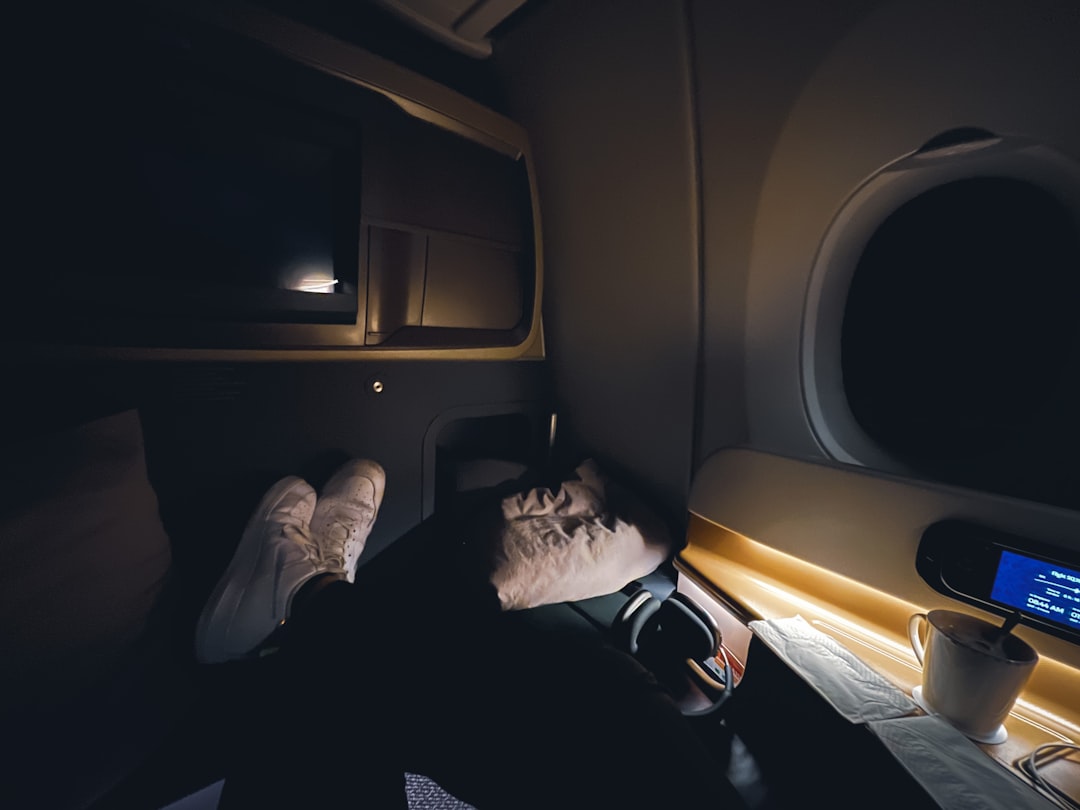
A plane cabin can be drier than most homes by a huge margin, often sitting around 10 to 20 percent humidity. That is why, by hour eight, your skin feels papery, your eyes sting, and even your favorite hoodie starts to feel wrong. A smart long haul flight routine matters far more than one expensive gadget. If you want to land feeling like a traveler instead of abandoned luggage, comfort starts before boarding and continues all the way to baggage claim.
Most people treat a long flight like a test of endurance. They rush to the airport, eat whatever is closest to the gate, scroll under harsh screen light until midnight in the cabin, then wonder why their neck, stomach, and mood collapse halfway over the Atlantic or Pacific. The truth is less dramatic and more useful: comfort comes from small, repeatable decisions. Get the seat right. Time your meals. Control light and noise. Move before you feel stiff. Build a personal rhythm that tells your body what is happening.
This guide is my realistic long haul flight routine for economy travelers who want practical comfort, not fantasy advice. It is built for red-eyes, 11-hour slogs, ultra-long routes, and those awkward connections where the airport carpet feels softer than your bed at home. It also works whether you are flying alone, with a partner, or with friends whose energy levels never match. If that last part sounds familiar, this pairs well with Group Trip Planning Tips for Friends Who Travel Differently (2026).
Why long flights feel so much worse than they should
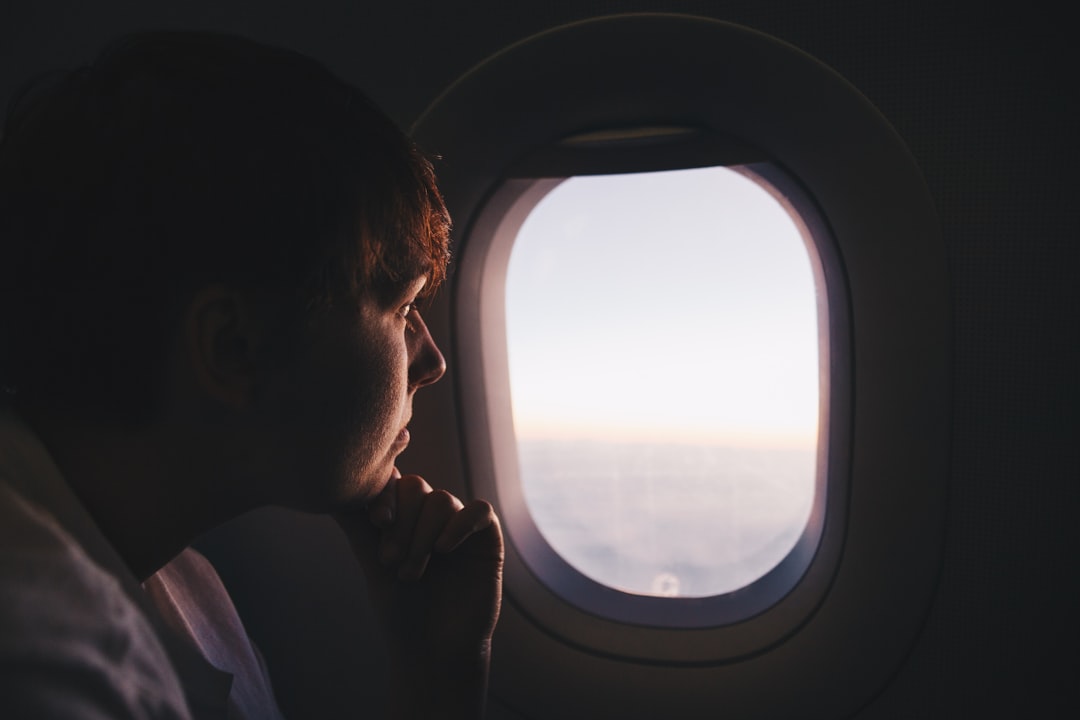
Photo by Luke Porter on Unsplash
Long-haul discomfort is not one single problem. It is a stack of tiny stressors. The seat stays almost still while your body wants variety. Cabin air dries your lips, eyes, and nose. Screens blast cool blue light into a dark cabin. Airline meals arrive by operational logic, not by your hunger. Even the soundtrack is relentless: engine hum, carts rattling, cutlery clinking, safety announcements in soft but inescapable loops.
There is also the strange psychology of being suspended between time zones. The window shade glows white while your body insists it is midnight. You are thirsty without feeling thirsty. You are tired without being able to sleep on a plane. Your feet swell inside shoes that fit perfectly at breakfast. By the middle hours, the flight feels less like transport and more like weather you have to live inside.
A good long haul flight routine solves that stack rather than chasing a single miracle fix. Instead of asking how to make economy feel luxurious, ask a better question: how do I make the next 14 hours predictable, calm, and kind to my body?
Here is what usually causes the misery:
- Dry cabin air that pulls moisture from your skin, eyes, and sinuses
- Poor timing of caffeine, alcohol, and heavy meals
- Seat choices that look fine on a booking map but sit near bassinets, lavatories, or non-reclining rows
- Too much screen time without breaks, which makes it harder to sleep on a plane later
- Tight clothes and shoes that get worse as swelling starts
- No movement plan, which turns a mild ache into back pain and heavy legs
- Treating arrival as the finish line instead of planning the first two hours after landing
Your long haul flight routine starts 24 hours before departure
Photo by Vini Brasil on Unsplash
The smoothest long-haul journeys usually begin in a quiet kitchen, not at the gate. The night before, the best gift you can give yourself is simplicity. Lay out one soft travel outfit. Pre-pack a toiletries pouch. Charge everything. Put your passport, boarding pass, earbuds, lip balm, and pen in the same pocket every time. It sounds boring, and that is exactly the point. Boring is comfortable. Boring means you are not digging through cables at security while the floor smells faintly of coffee and wet wheels.
In the 24 hours before departure, I stop thinking of the day as fragmented errands and treat it as one continuous long haul flight routine. I want the body I board with to be the body that copes well in the air. That means a normal meal before leaving home, plenty of water, moderate movement, and no dramatic attempts to stay awake all night to force sleep later. If I am traveling solo, I also give myself more time than I think I need; the confidence-building habits in First Solo Trip Guide 2026: Safe Routines for Going Abroad work surprisingly well for airport days too.
Planning helps more than willpower. When I map a long airport day on TravelDeck, I block out the train or taxi, a proper meal before security, my latest safe leave-home time, and a buffer for delays. That removes the frantic feeling that so often poisons the first hours of a trip. A rushed departure is one of the fastest ways to wreck economy seat comfort before you have even found your row.
My pre-flight timeline looks like this:
- 24 hours before: charge phone, power bank, e-reader, and headphones; download shows, playlists, maps, and hotel check-in details
- The evening before: avoid a huge salty dinner; pack compression socks, refillable bottle, eye mask, toothbrush, and any medication in your personal item
- Morning of flight: take a walk, do light stretching, or fit in a short workout to help circulation and sleep pressure later
- 4 to 6 hours before: eat a balanced meal with protein and something easy to digest, such as rice, eggs, yogurt, toast, chicken, or soup
- 3 hours before: switch your watch and phone lock screen mentally to destination time and decide whether the flight is now a sleep block or an awake block
- At the airport: fill your bottle after security, buy nothing you could have packed at home, and keep your first two in-flight hours easy and quiet
If you want a lighter footprint while doing all this, the low-waste habits in How to Travel Sustainably in 2026 Without Losing the Fun fit neatly into this routine: a refillable bottle, reusable pouch, and fewer single-use airport purchases.
Choosing the seat that gives you real economy seat comfort
Photo by Cathal Mac an Bheatha on Unsplash
Seat choice is where many long flights are won or lost. Not because there is a magical economy throne hidden on every aircraft, but because different seats fail in different ways. A window seat can feel cocoon-like at midnight and prison-like at 3 a.m. if you need the toilet twice. An aisle lets you move easily but exposes you to elbows, carts, and every passing hip. Bulkhead seats promise space, then punish you with fixed armrests and nowhere to stash your small bag during takeoff and landing.
The best approach is not asking which seat is best overall. Ask which discomfort matters least to you. If sleep is your top priority, protect the wall side and accept fewer bathroom exits. If circulation and stretching matter most, take the aisle. If you are sensitive to motion, aim near the wing where the plane usually feels steadier. If you hate noise, avoid the last rows, the lavatories, and galley-adjacent seats where lights and chatter flare up when the cabin should be winding down.
Economy seat comfort improves dramatically when you choose for your own habits instead of generic advice. A good long haul flight routine begins at the seat map, not with a neck pillow at duty free.
| Seat type | Best for | Trade-offs | When I would choose it |
|---|---|---|---|
| Window | Sleep, leaning, avoiding disruptions | Harder bathroom access, less leg freedom | Overnight flights where sleep on a plane is the goal |
| Aisle | Easy stretching, toilet access, less trapped feeling | Cart bumps, seatmates brushing past | Day flights or if you know you need to move often |
| Exit row | Extra legroom and better economy seat comfort | Often colder, sometimes fixed armrests, may not recline fully nearby | Flights over 10 hours if price is reasonable |
| Bulkhead | No one reclining into you, knee space on some aircraft | Limited under-seat storage, bassinet zone risk | Day flights when you want open space more than sleep |
| Rear cabin | Sometimes emptier on lightly booked flights | More noise, more motion, last off the plane | Only if you are gambling on empty seats |
A few seat rules are worth memorizing:
- Sit within a few rows of the wing if turbulence makes you anxious
- Avoid seats directly in front of lavatories or galleys if you want to sleep on a plane
- Check whether your chosen row reclines fully; some last rows do not
- If you are tall, pay for extra legroom on flights over 12 hours if the surcharge is not absurd
- Keep one small soft item at your feet for a footrest only after takeoff, never during taxi, takeoff, or landing
- If you are traveling as a pair, window plus aisle with a hopeful empty middle can work on quieter flights, but do not count on it
Long haul flight essentials that are worth the space
There is a particular kind of airport sadness that comes from realizing you packed three outfits you will not wear and forgot lip balm, a charging cable, or clean socks. The best long haul flight essentials are not glamorous. They are the small items that solve the exact annoyances economy creates: dryness, noise, temperature swings, boredom, and the feeling that your seat pocket has swallowed something vital.
Think of your personal item as a bedside table for a very strange bedroom. Everything you need for the first eight hours should be reachable without standing up and opening the overhead bin. That means your comfort kit must be compact, tactile, and easy to grab in the dark. Soft pouch for toiletries. One clear bag for chargers. One zip pocket for documents. One outer sleeve for a water bottle. If every item has a home, the flight feels calmer because you are never rummaging while your neighbor sleeps.
These are the long haul flight essentials I think genuinely earn their weight:
- Refillable water bottle, filled after security
- Compression socks, put on before leaving for the airport
- Eye mask with a soft nose bridge to block side light
- Earplugs or noise-canceling headphones
- Lip balm and richer-than-usual moisturizer
- Saline spray or simple nasal spray for dry cabins
- Preservative-free eye drops if screens dry your eyes out
- Toothbrush, toothpaste, deodorant, and face wipes for the last two hours
- Power bank and a short charging cable
- Spare pair of socks for ultra-long routes
- Lightweight layer such as a zip hoodie or thin merino sweater
- Small snacks that do not crumble everywhere, such as nuts, crackers, oat bars, or dried fruit
A few extras are situational but smart:
- Slip-on shoes if your feet tend to swell
- A small scarf that works as extra warmth or lumbar support
- Ginger candy if you are motion-sensitive
- A pen for arrival cards
- A foldable tote to organize the chaos around your seat
What I skip, unless I know I love them: huge U-shaped pillows, full-size toiletries, hard food containers, and anything that forces me to fight for overhead space. The long haul flight essentials that work best are the ones you can use almost without thinking.
How to sleep on a plane without arriving dazed
The cabin after dinner service has its own mood. Trays disappear. The lights fall to a dim blue wash. A few window shades leak silver daylight, and somewhere nearby a spoon still taps a glass. This is the hour when many travelers make their biggest mistake: they keep watching one more episode, answer a few messages, accept a coffee, and miss the easiest sleep window they are going to get.
If you want to sleep on a plane, think ritual rather than hope. Sleep does not happen because the airline handed out a blanket. It happens because you reduce stimulation in the right order. First, stop eating. Then clean up. Brush your teeth, wash your face if you can, and change into your spare socks. Dim your own world even if the cabin has not fully dimmed yet. Put away the bright screen. Pull on the eye mask. Start the same playlist, brown noise, or silence you use every time.
Neck pain usually comes from trying to hold your head in a position your seat cannot support. For most people, a window seat plus a pillow against the wall works better than a standard neck pillow alone. On an aisle, use a soft scarf or hoodie behind the lower back, recline as much as allowed, and keep the seat belt visible over the blanket so crew do not need to wake you during turbulence checks. That is how sleep on a plane becomes more realistic and less theatrical.
My in-flight sleep routine is simple:
- Eat lightly if the meal timing clashes with your destination bedtime
- Use the lavatory before the cabin settles down
- Brush teeth and moisturize once, not repeatedly
- Put on compression socks if you forgot earlier, though earlier is better
- Set screen brightness low and stop watching anything stimulating 30 to 45 minutes before trying to sleep
- Use an eye mask, earplugs, and a layer even if you do not feel cold yet
- Recline early if the person behind you is still awake and meals are cleared
- Sleep in one block if possible rather than drifting in and out with constant scrolling
If you never sleep well on planes, do not panic. Rest still counts. A calm, eyes-closed hour with no screen and no conversation helps more than doom-scrolling across two time zones.
Food, water, caffeine, and the mistake that ruins the middle hours
Airplane food is rarely the villain on its own. The real problem is timing. You board after a stressful transfer, accept a pre-departure drink, eat salty food because it is there, then chase the slump with coffee. By the sixth hour, you are thirsty, bloated, oddly hungry, and too wired to sleep on a plane even though your body is exhausted. The cabin magnifies every bad habit by making recovery harder.
Hydration is less about heroic quantities and more about consistency. Small, regular sips work better than trying to fix everything with two cups at once during meal service. I like to finish one bottle by the midpoint of a 10 to 12 hour flight, then refill if the crew allows or ask for water whenever I stand up. Lip balm and moisturizer help, but they are backup singers. Water is still the lead.
Food should follow your destination as much as your stomach allows. For jet lag prevention, your biggest win is giving your body clear signals about when this new day begins and ends. If you are crossing east overnight, eat a decent meal before the airport, keep the onboard meal lighter, and aim your bigger breakfast or first coffee closer to morning at the destination. A strong long haul flight routine uses meals like time cues, not just entertainment.
Here is the simplest eating and drinking plan I know:
- Before boarding: eat a real meal with protein and slow carbs so you are not desperate when the first trolley appears
- During the first half of the flight: drink water steadily and go easy on alcohol
- If sleeping soon: skip or shrink dessert, extra coffee, and fizzy drinks that bloat you
- Mid-flight: choose fruit, yogurt, crackers, or your own snacks instead of random sugar hits
- Before landing: eat enough to arrive functional, but not so much that immigration feels like a food coma
Foods and drinks I avoid on long flights when comfort matters:
- Too much alcohol, especially on red-eyes
- Very salty snacks that make dehydration feel worse
- Heavy creamy meals if I am prone to reflux
- Excess caffeine after the first third of the flight when jet lag prevention is the goal
- Carbonated drinks if my stomach already feels stretched by cabin pressure
The two-minute movement routine that saves your back and ankles
Long flights reward early movement, not heroic late movement. Once your hips are tight and your socks leave ridges at the ankles, you are already playing catch-up. The best time to move is before discomfort becomes the whole story. On a quiet night flight, that might mean standing for 60 seconds near your seat while most people are still watching movies. On a daytime route, it might mean a short aisle walk every couple of hours while the cabin is bright and restless.
Movement also changes the texture of time. After four hours in the same position, everything feels stale: air, thoughts, skin, mood. Stand up, feel the blood move, look down the aisle, and the flight suddenly has edges again. Even tiny motions help economy seat comfort because they interrupt the static pressure points that make the body feel much older than it is.
This is my favorite two-minute reset for economy seat comfort:
- Roll ankles slowly in both directions for 20 seconds each side
- Lift heels, then lift toes, 15 times each
- Tighten thighs and glutes for five seconds, release, repeat five times
- Draw shoulders up, back, and down to reverse the hunched-screen posture
- Press the lower back gently into the seat, then relax
- Stand up and walk to the galley or lavatory area if the aisle is clear
General movement rules that help:
- Walk every 2 to 3 hours on flights over 8 hours
- Never sit through pain just because the cabin seems quiet
- Use the aisle only when the seat belt sign is off and crew are not serving
- If you have circulation issues, are pregnant, or have a history of clotting problems, ask your doctor before long flights about the right precautions
A jet lag prevention plan that begins in the seat, not after landing
Jet lag prevention gets marketed like a miracle product problem, but most of it is timing, light, and discipline. The body reads light, food, and sleep as clues. If you keep sending mixed signals, it stays confused. If you send cleaner signals, it adapts faster. That does not mean you will bound off a 13-hour flight looking luminous, but it does mean the first day can feel far less foggy.
For eastbound flights, I try to protect an early sleep window and use bright light after landing. For westbound trips, I stay awake longer on the plane if possible and eat later. Either way, I switch my watch to destination time before takeoff and make decisions by that clock from then on. This is one of the simplest jet lag prevention tricks because it stops the endless mental debate about whether you deserve a second dinner or should be asleep already.
Jet lag prevention works best when you keep it basic:
- Change to destination time as soon as you board
- Decide before takeoff whether the first half or second half of the flight is your sleep block
- Use light strategically: eye mask when you should sleep, window light or a bright terminal walk when you should be awake
- Save your first stronger coffee for the destination morning rather than random cabin time
- After landing, get outside if you can, even for 15 minutes
How to get there
A comfortable long-haul day begins with the trip to the airport. If the transfer is chaotic, late, expensive, or physically draining, your long haul flight routine starts from a deficit. For major intercontinental hubs, the best route is usually the one with the fewest surprises, not always the absolute cheapest fare. Trains tend to beat cars in rush hour, but an early taxi can be worth every cent before a sunrise departure.
Below are three reliable long-haul gateways and the easiest ways to reach them from their city centers. Prices change, but these are realistic planning figures for 2026.
| Airport | Best route from city center | Typical duration | Typical cost | Notes |
|---|---|---|---|---|
| London Heathrow, LHR | Heathrow Express from London Paddington | 15 min to Terminals 2 and 3 | about GBP 25 to 37 | Fastest and least stressful if time matters; official info: heathrowexpress.com |
| London Heathrow, LHR | Elizabeth line from central London | 35 to 45 min | about GBP 13 | Good balance of price and speed |
| London Heathrow, LHR | Piccadilly line Underground | 50 to 60 min | about GBP 5.60 | Cheapest rail option, slower with luggage |
| New York JFK, JFK | LIRR from Penn Station or Grand Central plus AirTrain | 35 to 50 min | about USD 14 to 18 total | Best from Manhattan when traffic is ugly; official info: jfkairport.com |
| New York JFK, JFK | Subway plus AirTrain | 60 to 75 min | about USD 11.40 total | Cheapest public option, more stairs and transfers |
| New York JFK, JFK | Yellow cab or rideshare from Midtown | 60 to 90 min | about USD 95 to 120 with tolls and tip | Sensible for very early departures or lots of bags |
| Singapore Changi, SIN | MRT via Tanah Merah from City Hall area | 35 to 40 min | about SGD 2 to 3 | Excellent value and easy with light luggage; official info: changiairport.com |
| Singapore Changi, SIN | Taxi from Marina Bay | 20 to 25 min | about SGD 25 to 40 | Best for red-eyes or humid late nights |
| Singapore Changi, SIN | Bus 36 from city | 60 to 75 min | about SGD 2 to 3 | Cheapest, slowest, fine if time is generous |
A few transit rules save a lot of grief:
- For morning long-haul departures, I prefer to arrive near the airport the night before if travel to the terminal exceeds 75 minutes
- In winter at LHR or JFK, build at least one extra hour for weather or road disruption
- If your luggage is heavy, choose the route with the fewest transfers, not the lowest fare
Things to do
Long-haul comfort does not begin at the seat. It begins in the terminal, where you still have space, gravity, and the ability to reset your mood. The best airport time feels almost spa-like: fluorescent light softened by a coffee break, a proper shower, a slow walk, one unhurried meal, and a deliberate pause before the cramped part starts. That is a much better opening chapter than sprinting to the gate with a plastic sandwich.
If you have a long layover or you want to start your long haul flight routine gently, choose activities that reduce physical stress instead of adding stimulation. Stretching beats shopping. Water beats one more latte. A real meal beats random snacks. Silence beats doom-scrolling the departure board.
These are worthwhile pre-flight or layover stops:
- Jewel Rain Vortex, Changi Airport, 78 Airport Boulevard, Singapore - Free to view, dramatic and strangely calming. The falling water and humid garden air are a welcome contrast before a dry cabin.
- Butterfly Garden, Changi Terminal 3 transit area - Free and genuinely restorative on a long connection. A soft burst of green, warm air, and movement does wonders for jet lag prevention.
- Snooze Lounges, Changi Terminal 3 - Free resting zones with loungers. Ideal if your long haul flight routine includes a quiet pre-boarding power nap.
- TWA Hotel rooftop observation deck, JFK, 1 Idlewild Drive - Usually paid access unless you are staying, but the runway views and open sky can reset the airport mood completely.
- Plaza Premium Lounge showers, Heathrow Terminals 2, 4, and 5 - Day access varies, often from around GBP 40 depending on package. A shower before a red-eye changes everything.
- Terminal walk circuits at Heathrow T5 and JFK T4 - Free, simple, and underrated. Walk 20 to 30 minutes before boarding and your body boards looser, warmer, and more ready for economy seat comfort.
- Quiet rooms and prayer spaces at Heathrow and JFK - Free and usually underused. Good if you need darkness, stillness, or a mental reset before trying to sleep on a plane later.
Where to stay
An airport hotel can feel like an unnecessary splurge until you have missed a dawn train, sat in freeway traffic at 5 a.m., or tried to start a 14-hour flight after only three broken hours of sleep. For very early departures, winter travel, or ultra-long itineraries, sleeping near the airport is often the single best comfort investment you can make. It protects the beginning of your long haul flight routine when stress is most likely to spike.
I like airport hotels for one more reason: they create a clean dividing line between the city and the travel day. Dinner, shower, short walk, lights out. No last-minute bag drama, no panicky morning logistics, no guesswork about whether the taxi app will behave. Below are dependable picks near three major long-haul hubs.
| Budget tier | Hotel | Area | Typical nightly rate | Why it works |
|---|---|---|---|---|
| Budget | ibis Budget London Hounslow | West London for LHR | about GBP 55 to 95 | Often one of the cheaper Heathrow-area options with easy bus or taxi access |
| Budget | Hampton Inn NY-JFK | Jamaica, Queens for JFK | about USD 180 to 260 | Includes breakfast and airport shuttle on many rates |
| Budget | YOTELAIR Singapore Changi Airport | Jewel, airside or landside depending on booking | about SGD 180 to 260 | Compact but brilliantly placed for very early departures or short overnight stays |
| Mid-range | Hyatt Place London Heathrow Airport | Hayes for LHR | about GBP 110 to 160 | Quiet rooms, reliable for a one-night pre-flight reset |
| Mid-range | Hilton Garden Inn Queens-JFK Airport | Jamaica, Queens for JFK | about USD 220 to 320 | Comfortable beds, good if you want predictable chain quality |
| Mid-range | Village Hotel Changi | East Singapore near SIN | about SGD 170 to 260 | Larger rooms, breezier neighborhood feel, easy taxi ride to terminals |
| Luxury | Sofitel London Heathrow | Connected to Terminal 5, LHR | about GBP 180 to 280 | The gold standard for a frictionless Heathrow morning |
| Luxury | TWA Hotel New York JFK | On-airport at JFK | about USD 280 to 450 | Stylish, sound-insulated, and unmatched for terminal proximity |
| Luxury | Crowne Plaza Changi Airport | Terminal 3 area, SIN | about SGD 320 to 480 | One of the best airport hotels in Asia for calm, space, and easy transfers |
Booking tips:
- For flights before 9 a.m., I usually prefer an airport hotel over a city stay if transit exceeds an hour
- Check whether breakfast starts early enough for your departure time
- Confirm shuttle frequency instead of assuming it runs every 15 minutes
Where to eat
Pre-flight food should make the cabin easier, not more memorable. This is not the moment for the biggest burger in the terminal or three glasses of wine because vacation has officially started. The best airport meals are warm, balanced, and slightly boring in the most helpful way: rice, noodles, soup, eggs, grilled fish, bread, yogurt, fruit, lean meat. You want to feel fed, not impressed.
A good meal before boarding also gives you leverage. If the airline serves dinner at a ridiculous hour or the food is too salty, you can eat lightly without anxiety. That makes jet lag prevention much easier because you are no longer obeying the trolley. These are dependable options at major long-haul hubs.
- Gordon Ramsay Plane Food, Heathrow Terminal 5 - Better than the name suggests for a final sit-down meal. Expect mains around GBP 18 to 28. Good for breakfast, grilled dishes, and not boarding hungry.
- The Perfectionists' Cafe, Heathrow Terminal 2 - Pizza, breakfast, and lighter plates around GBP 14 to 22. Reliable if you want something familiar without a heavy stomach.
- Shake Shack, JFK Terminal 4 - Around USD 12 to 18 depending on order. Better for daytime departures than overnight red-eyes, but solid if you need predictable food fast.
- Deep Blue Sushi, JFK Terminal 5 - Usually around USD 14 to 24 for rolls and bowls. A lighter option if fried food sounds like a mistake.
- Song Fa Bak Kut Teh, Jewel Changi - Singapore peppery pork rib soup and rice, about SGD 15 to 25. Comforting, warm, and ideal before a cold cabin.
- Violet Oon Singapore, Jewel Changi - Richer local flavors, often SGD 18 to 30 for mains. Great if you want one proper Singapore meal before departure.
My own rule is simple:
- Red-eye flight: eat warm and moderate before boarding, then keep the onboard meal small
- Day flight: eat normally before the airport, snack lightly onboard, and avoid turning boredom into sugar
Practical tips
The most comfortable long-haul travelers are rarely the most extravagant. They are the ones who expect friction and remove it early. They know which season makes an airport messy, which clothing layers work under dry air, and how to keep a passport, charger, and lip balm visible at all times. Small systems beat big intentions every single time.
Because this guide is about a repeatable long haul flight routine rather than one route, the practical details below focus on timing, weather risk, packing, passenger rights, and airport habits that matter across major hubs.
| Months | What to expect at major hubs | Best strategy |
|---|---|---|
| January to February | Winter storms and fog can affect JFK and LHR; holiday overflow may linger | Book earlier departures when possible and consider an airport hotel |
| March to May | Usually the easiest months for long-haul departures in Europe and North America | Great window for a relaxed long haul flight routine with fewer weather surprises |
| June to August | Peak crowds, afternoon thunderstorms in New York, school holiday pressure | Leave extra time for security and choose nonstop when possible |
| September to November | Often the sweet spot for calmer airports and moderate weather | Best overall months for comfort-focused long-haul travel |
| December | Heavy crowds, winter disruption, higher hotel prices | Pre-book transport and airport stays well ahead |
More practical advice:
- Weather and clothing: Wear breathable layers, not one thick sweater. Cabin temperatures swing. A T-shirt, light mid-layer, and thin outer layer work better than a single bulky hoodie.
- What to pack: Your non-negotiable long haul flight essentials should include compression socks, lip balm, charger, spare socks, eye mask, headphones, snacks, and a refillable bottle.
- Customs and airport rules: Check liquid rules before you pack. The TSA 3-1-1 overview is here: tsa.gov/travel/security-screening/liquids-rule. If you are flying in Europe, passenger rights guidance is here: europa.eu.
- Currency: Heathrow, JFK, and Changi are heavily card-friendly. Contactless payment is normal almost everywhere, so you do not need much cash for a pre-flight meal.
- Safety: Keep your seat belt visible over your blanket while resting. Stand and move only when the seat belt sign is off. If you are worried about medical issues on long flights, speak to your doctor before travel.
- Connectivity: Airport Wi-Fi is usually enough for downloads and messaging, but an eSIM saves stress after landing. Download maps, hotel addresses, and transport info offline before departure.
- Food at arrival: Do not carry fresh fruit, sandwiches, or produce through international arrivals unless you are sure it is allowed. Finish perishable snacks before landing.
FAQ
Before a big trip, the same questions come up again and again because long-haul discomfort is predictable. That is good news: predictable problems are fixable. This FAQ covers the decisions that matter most when building a long haul flight routine that actually works.
What is the best seat for a long-haul flight in economy?
If your top priority is sleep on a plane, choose the window so you can lean and avoid being disturbed. If your priority is movement, circulation, or frequent bathroom trips, choose the aisle. For the smoothest ride, sit near the wing. For families and light sleepers, avoid bulkhead bassinet zones and seats near lavatories.
What should be in a carry-on for a 12-hour flight?
Your long haul flight essentials should cover hydration, rest, and basic hygiene: refillable bottle, lip balm, moisturizer, eye mask, earplugs or headphones, charger, power bank, spare socks, compression socks, snacks, toothbrush, and any medication. Keep them in your personal item, not in the overhead bin.
How often should I walk on a long flight?
For most people, getting up every 2 to 3 hours on flights over 8 hours is a sensible baseline, as long as the seat belt sign is off and crew are not serving. Even when you cannot walk, do ankle rolls, heel lifts, and posture resets in your seat. Early movement improves economy seat comfort far more than waiting until you are already stiff.
Is it better to eat airline meals or bring your own food?
A mix works best. Eat a proper meal before boarding, keep a few simple snacks with you, and treat the airline meal as optional rather than mandatory. That gives you more control over timing, which is helpful for jet lag prevention and for avoiding the bloated, over-salted feeling that often hits mid-flight.
Can you really reduce jet lag before landing?
Yes, at least partly. Jet lag prevention is not magic, but timing makes a noticeable difference. Switching to destination time, choosing a sleep block, using light carefully, and saving caffeine for the destination morning can all make the first day easier.
Long flights will probably never become glamorous in economy, and that is fine. They do not need to be glamorous to be manageable. What changes everything is having a system: one outfit that works, one seat choice you understand, one food rhythm, one sleep ritual, one movement plan, one calm arrival strategy.
A reliable long haul flight routine turns the journey from something you endure into something you handle. The engines still hum, the cabin still dries your skin, and the map still creeps slowly across oceans. But instead of arriving crumpled and irritable, you step off the plane with a clearer head, softer shoulders, and enough energy left for the part of travel that actually matters.