A single week in Morocco can give you sunburn in Essaouira, cold fingers at dawn in the Sahara, red dust on your cuffs outside Ait Benhaddou, and a polished rooftop dinner in Marrakech on the very same trip. That is why a smart Morocco packing list 2026 matters more here than in many destinations that stay in one climate lane.
The trick is not packing more. It is packing for contrast. Morocco rewards travelers who think in layers, textures, and itinerary segments rather than day counts. A loose cotton shirt that feels perfect in a Fes courtyard can become sun protection in the desert, beach cover on the Atlantic coast, and a respectful extra layer in a village mosque-adjacent neighborhood.
If you have ever stared at your bed wondering whether to bring sandals, boots, linen, fleece, or all of it, you are packing for Morocco the normal way. The better approach is to build one modular system for medinas, road trips, riads, dunes, windy beaches, and mountain mornings. This guide does exactly that, with real routes, real costs, and the kind of details that save you from carrying dead weight across cobbled lanes and stair-heavy guesthouses.
Why a Morocco packing list 2026 is harder than it looks
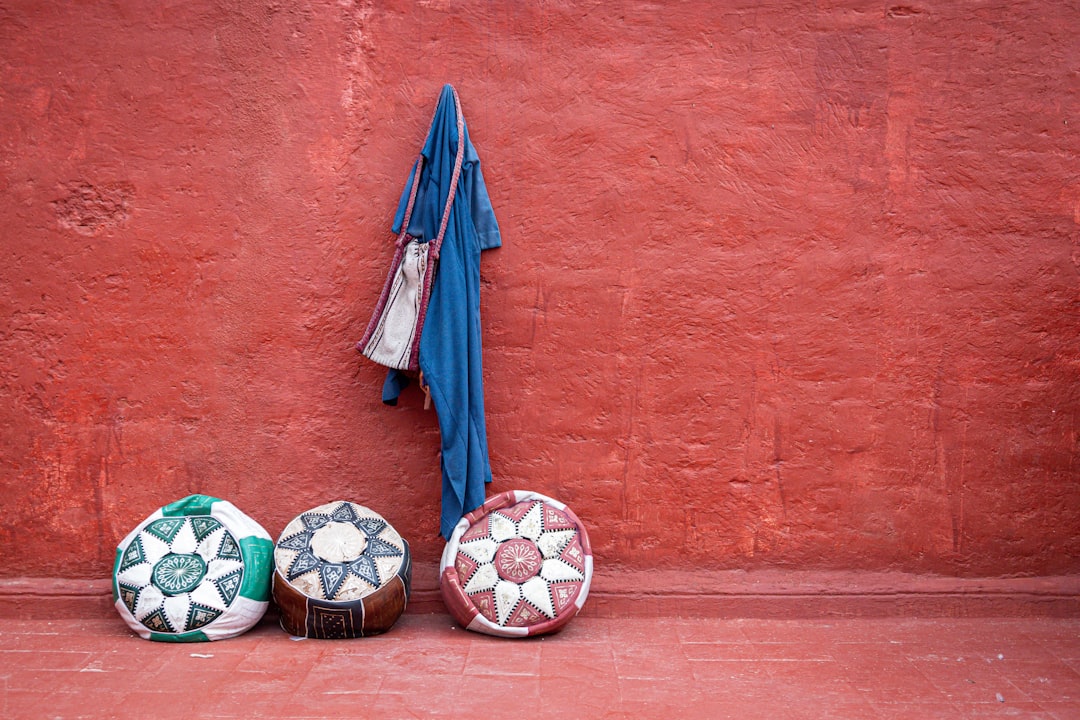
Photo by Miguel Alcântara on Unsplash
Morocco is often sold in a single postcard palette: terracotta walls, blue alleys, camel silhouettes, brass lamps glowing at dusk. Beautiful, yes, but misleading. The country is really a set of overlapping travel worlds. Marrakech and Fes are dense, urban, and often dusty. Essaouira is breezy and salt-softened. Merzouga is bright, sandy, and sharply cold after sunset for part of the year. The High Atlas can feel almost alpine once you gain elevation.
That range changes what you wear, how you carry it, and even which bag works best. Hard-shell suitcases roll nicely in airports but can feel clumsy on uneven medina paving and riad staircases. A backpack is easier on ferry ramps, bus stations, and guesthouse rooftops, but less ideal if you are bringing polished eveningwear for luxury stays. Your best setup depends less on trip length than on trip shape.
Here is the easiest way to think about a Morocco packing list 2026 before you add a single item:
| Trip style | Main challenge | Best bag | Biggest packing mistake |
|---|---|---|---|
| Marrakech or Fes city break | Heat by day, cooler nights, modest dressing | Carry-on spinner or 35L backpack | Packing heavy fabrics and too many shoes |
| City plus Sahara road trip | Big temperature swings and dust | Soft suitcase or travel backpack | Forgetting warm layers for desert nights |
| Atlantic coast and surf | Wind, salt, sand, casual pace | Duffel or backpack | Underestimating how cool the coast feels |
| Atlas Mountains add-on | Elevation, trail dust, chilly mornings | Backpack plus small daypack | Bringing city-only shoes |
| Luxury riads and special dinners | Day-to-night transitions | Small suitcase with garment pouch | Packing outfits that only work once |
Build your Morocco packing list 2026 around itinerary shape
Smart Edge
The smartest travelers in Morocco do not pack by counting days. They pack by counting transitions. How many times will you change climate zone? How many hotel moves involve stairs, train platforms, ferry ramps, or desert camp handoffs? How many nights actually need a dressed-up look? Once you answer those questions, your bag gets lighter almost immediately.
When I sketch a route on TravelDeck, I start by pinning climate changes before I pin restaurants. That sounds backward until you arrive in Marrakech in a linen set, then learn your next two nights are in a camp near Merzouga where dawn can bite through thin fabric. The best Morocco itinerary packing tips come from mapping movement, not aesthetics.
Use this packing framework as your base:
| Itinerary shape | Clothing formula | Shoes | Extras that matter |
|---|---|---|---|
| 3 to 4 nights in one city | 4 tops, 2 bottoms, 1 light layer, 1 nicer outfit | Walking shoes plus sandals or loafers | Crossbody bag, scarf, sunglasses |
| 7 to 10 nights city plus desert | 5 tops, 3 bottoms, 2 layers, 1 dinner look | Walking shoes, sandals, optional ankle boot | Fleece or knit, lip balm, head covering for dust |
| 5 to 7 nights surf coast | 4 tops, 2 bottoms, 2 swim items, 1 wind layer | Sandals plus sneakers | Quick-dry towel, dry bag, reef-safe sunscreen |
| 6 to 8 nights mountains plus medinas | 4 tops, 2 bottoms, 3 layers | Trail shoes plus city pair | Trek socks, light shell, reusable water bottle |
| 10 to 14 nights mixed grand tour | 6 tops, 3 bottoms, 3 layers, 1 dressy piece | Sneakers, sandals, one versatile smart shoe | Laundry sheets, packing cubes, power bank |
A few rules keep the system honest:
- Build outfits from one color family. Sand, olive, black, cream, rust, and navy all work beautifully in Morocco and hide dust better than pale pastels.
- Pack more tops than bottoms. Heat, sweat, spice splashes, and desert dust affect tops first.
- Limit shoes to two pairs for most trips, three only if your route includes mountains or formal dinners.
- Assume you will re-wear layers often and wash small items on the road.
- Treat a large scarf as clothing, sun protection, blanket, and respect layer all in one.
If you want to go lighter still, the mindset in Pack Everything in a Carry-On in 2026 Without Outfit Panic pairs especially well with Morocco, where changing hotels often matters more than outfit variety.
What to wear in Morocco for cities and medinas
The medinas are where many travelers get their first packing lesson. You start the morning under a cool plaster archway, pass through strips of shade and sunlight, brush by woven baskets and hanging leather bags, and by lunch the heat is bouncing back from the walls. Later, a rooftop breeze sneaks in just when you thought it would stay hot all evening. A rigid outfit plan rarely survives that rhythm.
What to wear in Morocco for city days is less about strict rules and more about intelligent ease. You do not need to dress like someone else, but you will feel more comfortable if your clothes skim rather than cling, cover a little more than you might on a Mediterranean beach holiday, and move easily through markets, courtyards, hammams, and taxis. This is especially useful in Marrakech, Fes, Rabat, and smaller traditional neighborhoods where modesty reads as both practical and respectful. For a deeper read on local courtesy, Respectful Travel Customs 2026: Homes, Temples, Tables is worth saving before you go.
For city days, these Morocco travel essentials do the most work:
- 3 to 5 breathable tops in cotton, linen blend, or merino
- 2 versatile bottoms such as wide-leg trousers, relaxed chinos, or longer skirts
- 1 overshirt, cardigan, or light sweater for evening rooftops and train air-conditioning
- 1 scarf or shawl for sun, dust, cool nights, and conservative spaces
- 1 pair of cushioned walking shoes with grip for uneven stone
- 1 compact crossbody or anti-theft sling worn close in crowded souks
- 1 pair of sunglasses and a packable hat with a secure fit
- 1 modest, slightly dressier look for riad dinners or upscale bars
What to wear in Morocco differs a little by traveler, but these shortcuts help:
- Women often feel most at ease in midi dresses, loose trousers, shirts with sleeves, and light layers over tank tops.
- Men blend in well with lightweight trousers, polos, linen shirts, and clean sneakers rather than beachwear.
- Very short shorts and bare-shoulder outfits are not forbidden everywhere, but they tend to attract more attention and feel less practical in cities.
- Leather sandals look great but can be tiring on long medina days unless they have real support.
Morocco desert packing list for Merzouga and Zagora
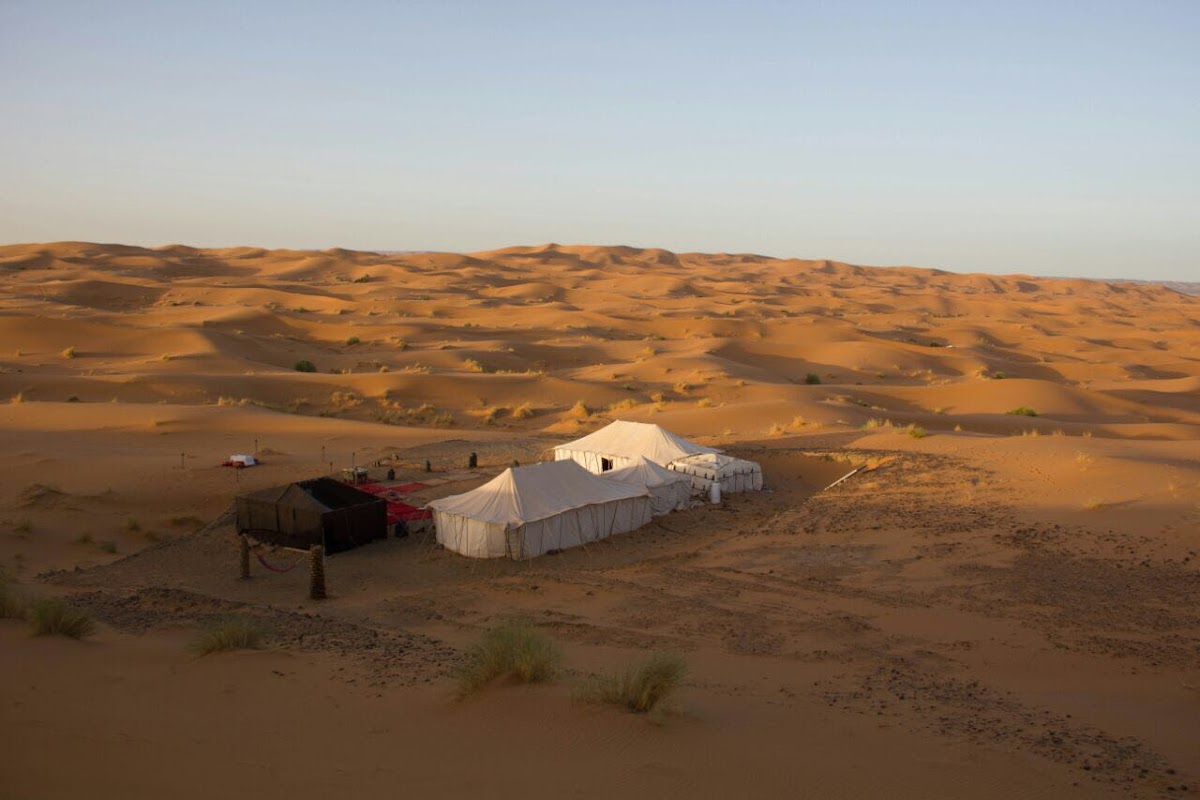
No part of the country tricks travelers faster than the Sahara edge. In photos, Merzouga looks like pure heat: apricot dunes, white light, flowing robes, endless sun. Then sunset drops, the wind shifts, and suddenly everyone who packed only summer clothes is wrapped in borrowed blankets, clutching mint tea with both hands. A Morocco desert packing list has to hold two truths at once: glaring daytime exposure and real evening chill.
Dust changes the equation too. Sand is less of a problem than fine grit, which sneaks into shoes, camera gaps, lip corners, and tote bags left open in a 4x4. Your desert gear should close securely, dry quickly, and keep you comfortable during both camel rides and camp downtime. The goal is not a cinematic outfit. The goal is to enjoy the silence instead of thinking about your cold ankles or sunburned neck.
Use this Morocco desert packing list for one to three nights in Merzouga or Zagora:
- 2 lightweight long-sleeve tops for sun protection
- 1 warmer mid-layer such as a fleece, knit, or insulated overshirt
- 1 pair of loose trousers that keep sand off your skin
- 1 sleep layer with socks for cold desert nights from October to April
- 1 breathable T-shirt for the hottest part of the day
- 1 scarf or shemagh-style wrap for wind and dust
- Closed shoes or trail sneakers for camp arrivals and dune walks
- Sandals or slides for the shower tent or camp lounging
- SPF 50 sunscreen, lip balm with SPF, and moisturizer
- Small headlamp or phone torch for walking around camp after dark
- Zipper bags for electronics and spare batteries
- Reusable water bottle, ideally insulated
A few desert-specific realities matter more than style:
- Camel rides can chafe if you wear very short hems or stiff denim.
- Nights in winter and shoulder season can fall close to freezing in desert camps, even after warm afternoons.
- Black clothing looks sleek in photos but shows dust fast; sand, olive, brown, and off-black age better across a road trip.
- Contact lens wearers may prefer glasses on windy days.
If your trip includes long road transfers from Marrakech to Ouarzazate, the Dades Valley, or Erg Chebbi, keep your warm layer and sunscreen in your day bag, not buried in luggage. This single habit improves any Morocco packing list 2026 more than one extra outfit ever will.
Morocco travel essentials for the coast and surf towns
Essaouira smells like salt, cedar, and grilled fish. Taghazout feels more surfboards-and-sunset than brass-lantern romantic. Agadir is broader, brighter, and more modern. But all three share a packing trick that surprises first-time visitors: the Atlantic coast can feel cool even when inland Morocco is baking. Wind is the main character here.
What works in Marrakech at midday may feel flimsy on an Essaouira rampart at golden hour. This is where Morocco travel essentials shift from modest city layers to a more casual, sporty mix. Think pieces that handle sea spray, cooler evenings, sand, and impromptu beach walks rather than heavy sightseeing days. If your route includes both medinas and the coast, keep the same neutral palette and simply swap one dressy piece for one technical layer.
For coastal stops, pack these Morocco travel essentials:
- 2 to 3 easy tops that can handle wind and repeat wear
- 1 light sweater or hoodie
- 1 windproof shell or compact jacket
- 1 pair of trousers or jeans for cool evenings
- 1 pair of shorts or swim cover-up for daytime
- 1 to 2 swimsuits or boardshorts
- Sandals plus sneakers with grip for slippery harbor stones
- Dry bag or waterproof pouch for electronics
- Reef-safe sunscreen and after-sun lotion
- Quick-dry towel if your guesthouse does not provide beach towels
What to wear in Morocco on the coast is generally more relaxed than in old-city neighborhoods, especially in surf towns. Still, it helps to keep a cover-up or shirt handy for walking into cafes, taxi rides, and village streets away from the beach.
Atlas Mountain layers: Morocco itinerary packing tips for Imlil and beyond
The High Atlas changes the soundscape as much as the temperature. The medina noise drops away. In Imlil, Ouirgane, and the valleys below Toubkal, mornings arrive with mule bells, cold stone, and air that feels thinner and cleaner. Even if you are not doing a full trek, elevation asks for real layering. One hoodie and city sneakers are often not enough.
This is where Morocco itinerary packing tips become especially practical. The same traveler can spend the morning on a mountain trail, lunch on a terrace with walnut trees, and return to Marrakech for dinner that night. Pack for effort, not just scenery. Shoes need grip. Socks matter. Sun at altitude is strong, even on cool days. And if you are visiting outside high summer, the cold after sunset feels very different from coastal cool.
For Atlas add-ons, bring:
- Trail shoes or sturdy sneakers with traction
- 2 pairs of moisture-wicking socks
- 1 base layer top
- 1 warm mid-layer, ideally fleece or light down jacket
- 1 thin waterproof or windproof shell
- 1 pair of walking trousers or leggings under a longer top
- Sun hat, sunglasses, and high-SPF sunscreen
- Refillable water bottle and basic blister care
- Trek poles if you are doing a longer guided hike
If your route includes Toubkal-related trekking, check conditions locally before departure. Snow can linger at elevation, and weather changes quickly. A Morocco packing list 2026 for the mountains should always leave room for one more warm layer than you think you need.
The overlooked items that save a Morocco trip
The best packing victories in Morocco are often tiny. Not the jacket, not the shoes, not the suitcase itself, but the little objects that make friction disappear. The tissue pack in a bus station bathroom. The detergent sheet after a dusty day on the road. The second card kept separately from your wallet. The soft scarf that turns an over-air-conditioned train into a comfortable nap.
These details matter because Morocco is a country of movement. You will step from taxi to train, from riad to rooftop, from paved square to sandy lot, from polished hotel to simple village guesthouse. Morocco travel essentials should support that constant switching rather than assume one polished, predictable environment.
Do not skip these small but high-value additions:
- A pen for forms and guesthouse check-ins
- Small packets of tissues and hand sanitizer
- A simple laundry pouch for dusty or sandy clothes
- Flat laundry detergent sheets for longer trips
- Spare zip bags for snacks, laundry, and electronics
- Power bank and charging cable in your personal item
- Universal plug adapter for type C and E sockets, 220V
- Blister patches and basic pain relief
- Offline maps and rail or bus tickets stored on your phone
- A photocopy or digital backup of passport and insurance
For route planning, train booking ideas, and phone-friendly tools, Best Travel Apps 2026: Essential Downloads for Every Trip fits nicely with these Morocco itinerary packing tips.
How to get there
Morocco is easy to enter, but the arrival experience shapes your packing more than most people expect. If you land in Casablanca, you can transition quickly into the national train network. If you arrive in Marrakech, the medina transfer is short but can involve walking the last stretch if your riad is deep inside the old city. Coming from Spain by ferry adds another layer: ramps, terminals, passport control, and often more self-carrying than airport arrivals.
For a mixed itinerary, most travelers do best flying into one city and out of another. Open-jaw routing saves both time and energy, especially if your Morocco packing list 2026 is built around a loop such as Casablanca to Fes to Merzouga to Marrakech to Essaouira. Soft luggage is especially handy if you plan to combine trains, buses, and riad stays with narrow staircases.
Here are the most useful transport options:
| Route | Duration | Typical cost | Notes |
|---|---|---|---|
| Casablanca Mohammed V Airport, CMN, to Casa Voyageurs by train | 45 minutes | 50 MAD | Frequent and easy for onward rail connections |
| Marrakech Menara Airport, RAK, to Medina by taxi | 15 to 20 minutes | 120 to 200 MAD | Agree fare or use official taxi queue |
| Fes Saiss Airport, FEZ, to Bab Boujloud area by taxi | 25 to 35 minutes | 150 to 200 MAD | Some riads arrange transfers |
| Agadir Al Massira Airport, AGA, to Taghazout | 45 to 60 minutes | 300 to 450 MAD by taxi | Shared transfers can be cheaper |
| Tarifa to Tangier Ville ferry | About 1 hour | 40 to 60 EUR one way | Great if combining Spain and northern Morocco |
| Tangier to Casablanca by train | 2 to 2.5 hours on Al Boraq to Kenitra plus onward train | 150 to 300 MAD | Fastest north-south rail option |
| Tangier to Marrakech by train | 5.5 to 6.5 hours | 220 to 350 MAD | Comfortable if booked ahead |
| Marrakech to Essaouira by CTM or Supratours bus | About 3 hours | 80 to 120 MAD | Reliable and popular |
| Marrakech to Imlil by grand taxi or private transfer | 1.5 hours | 50 to 70 MAD shared seat or 350 to 500 MAD private | Best for Atlas day trips |
| Marrakech to Merzouga by bus | 12 hours or more | 250 to 350 MAD | Most travelers prefer a 2 to 3 day road trip instead |
| Casablanca to Rabat by train | 1 to 1.25 hours | 40 to 80 MAD | Frequent and straightforward |
Useful official and planning links:
- National rail tickets and schedules: ONCF
- Long-distance bus routes: CTM
- Airport information: ONDA
- Tourism overview and regional ideas: Visit Morocco
- Spain to Morocco ferries: FRS
- Comparing accommodation types and locations: Booking.com
Things to do
Packing starts to make sense once you picture the days clearly. Morocco is not a destination where every sightseeing day looks alike. One morning is tiled courtyards and gardens; the next is a seven-hour drive through ochre valleys; the next is wind, surf foam, and grilled sardines. The more vividly you imagine the trip, the less likely you are to bring dead-weight clothing.
The country is also gloriously textured. You hear the call to prayer ricochet off old walls. You smell orange blossom near riads and diesel near bus stations. You feel smooth zellige under your hand, rough wool in mountain markets, and the dry scrape of sand in the desert. That sensory mix is exactly why a strong Morocco packing list 2026 should match activities, not vague mood boards.
Here are standout experiences worth planning around:
- Get lost well in Jemaa el-Fnaa and the Marrakech souks
- Visit Bahia Palace and Le Jardin Secret in Marrakech
- Walk Fes el-Bali from Bab Boujloud to the tanneries
- See the Hassan II Mosque in Casablanca
- Drive the classic southbound road via Ait Benhaddou and Ouarzazate
- Sleep near Erg Chebbi in Merzouga
- Catch the sea air in Essaouira or surf near Taghazout
- Take an Atlas day trip or overnight in Imlil or Ouirgane
Where to stay
Accommodation in Morocco often shapes your packing as much as the weather. A riad may be gorgeous but involve steep stairs, no lift, and a walk from the nearest taxi point. A desert camp may provide blankets but not the extra layers you personally prefer. A surf hostel may have a communal drying rack but little storage space. Think about logistics, not just aesthetics.
In general, book medina stays for atmosphere, newer city hotels for transport efficiency, and one special splurge only if it truly suits your route. If you are moving often, lighter luggage beats bigger luggage every time. These suggestions are a useful spread across styles and budgets, with typical rates that swing higher in spring and autumn.
| Budget tier | Property | Area | Typical price | Best for |
|---|---|---|---|---|
| Budget | Equity Point Marrakech | Marrakech Medina | 180 to 350 MAD dorm, 500 to 750 MAD private | Social base for first-time city stays |
| Budget | Riad Verus | Fes el-Bali | 170 to 320 MAD dorm, 550 to 850 MAD private | Medina atmosphere and affordable riad feel |
| Budget | Hotel Central | Casablanca old center | 450 to 800 MAD | Easy transit stop near port and old town |
| Mid-range | Riad BE Marrakech | Marrakech | 900 to 1500 MAD | Stylish riad with good comfort-to-price ratio |
| Mid-range | Dar Seffarine | Fes | 1300 to 2000 MAD | Historic character and memorable service |
| Mid-range | Salut Maroc! | Essaouira medina | 1100 to 1800 MAD | Colorful coastal stay with rooftop charm |
| Luxury | La Mamounia | Marrakech | 6500 to 10000 MAD | Classic grand-hotel glamour |
| Luxury | Royal Mansour Marrakech | Marrakech | 13000 MAD and up | One of the most refined stays in the country |
| Luxury | Kasbah Tamadot | Atlas foothills | 5000 to 8500 MAD | Mountain luxury and slow-air escape |
If you want a desert night, compare whether camps include private bathrooms, heating, luggage transfer support, and sunrise activities. Those details matter more than lantern styling in photos.
Where to eat
Morocco is one of those places where meals quietly teach you what your bag should have held. A long lunch of tagine and fresh bread in a garden courtyard makes you wish you had packed stretchier trousers. A windy harbor lunch in Essaouira reminds you why that sweater earned its space. A breakfast of msemen, honey, olives, and coffee can turn a rushed morning into one of the best memories of the trip.
Food also changes by region in a way that mirrors the packing logic. Inland cities lean warm, spiced, slow-cooked, and deeply aromatic. The coast gets brighter and saltier with sardines, calamari, and grilled fish. Mountain meals are simpler and heartier. Use restaurants as markers for the day you are planning, and your Morocco packing list 2026 becomes easier to trust.
Good places and dishes to know:
- Marrakech, Nomad near Rahba Kedima for polished modern Moroccan plates and rooftop views. Good for a slightly dressier evening.
- Marrakech, Amal Women's Training Center in Gueliz for tagines, couscous, and a calm lunch away from medina intensity.
- Marrakech, Le Jardin for a leafy pause when the heat climbs.
- Fes, Cafe Clock near the medina for camel burger, salads, and music nights.
- Fes, Dar Hatim for a classic home-style multi-course dinner, especially if you want the generous, family-table feel many travelers remember most.
- Fes, The Ruined Garden for lunch in a lush courtyard hidden inside old walls.
- Casablanca, Al Mounia for traditional Moroccan dishes in a polished old-school setting.
- Essaouira port grills where you pick fresh fish and have it cooked simply; come casual, expect smoke and sea breeze.
- Essaouira, La Table by Madada for seafood with a more refined touch.
Dishes worth seeking out:
- Tangia in Marrakech
- Rfissa in Fes if you find it on a home-style menu
- Sardines and calamari on the coast
- Harira, especially in cooler months or during Ramadan season
- Amlou with bread at breakfast
- Msemen, baghrir, and fresh orange juice in the morning
Practical tips: Morocco weather by month, customs, money, and connectivity
Morocco rewards preparedness, but not paranoia. Most trips run smoothly when you dress for variation, carry cash, and leave a little room for improvisation. The country can feel luxurious, chaotic, graceful, windy, elegant, dusty, and deeply hospitable all within a few days. A good Morocco packing list 2026 should support that flexibility rather than over-control it.
The biggest practical win is understanding Morocco weather by month before you finalize fabrics. April sunlight in Marrakech is not the same as January dawn in Merzouga or August afternoon in Fes. Many travelers ask what to wear in Morocco as if there were one answer. There is not. There is only the answer for your month, your route, and your comfort level with heat, cold nights, and modest city dressing.
A simple Morocco weather by month guide:
| Period | Conditions | Best for | Packing note |
|---|---|---|---|
| January to February | Cool to mild days, cold nights, rain possible, snow in Atlas | Cities without extreme heat, desert with warm gear | Bring knitwear, sleep layers, real jacket for evenings |
| March to April | Pleasant days, green landscapes, cool nights | Best overall balance for mixed itineraries | Ideal for layers, scarf, light sweater |
| May to June | Warm to hot inland, comfortable coast | Grand tours, mountains, surf, city breaks | Linen blends, sunscreen, one evening layer |
| July to August | Very hot in Marrakech and Fes, breezier on the coast | Coast, mountains, early-start sightseeing | Light fabrics, hat, hydration focus |
| September to October | Warm days, cooler evenings, excellent shoulder season | Almost every route | Best time for a balanced Morocco packing list 2026 |
| November to December | Mild city days, cool nights, some rain | Cultural trips, food-focused travel, desert with warm gear | Pack versatile layers and warmer sleepwear |
Keep these practical tips in mind:
- Currency: Morocco uses the Moroccan dirham, MAD. Cash still matters for taxis, tips, smaller riads, and local shops. ATMs are common in cities.
- Cards: Mid-range and luxury hotels usually take cards. Small cafes, market stalls, and many local drivers may not.
- Dress and customs: What to wear in Morocco depends on context. Cities are more mixed than villages, but modest, breathable clothing usually feels easiest. During Ramadan, daytime eating and drinking in public may feel more sensitive in some areas.
- Safety: Petty theft can happen in crowded areas, especially around major tourist zones. Use a zipped crossbody and avoid flashing cash.
- Connectivity: Maroc Telecom, Orange, and Inwi all offer tourist SIM or eSIM options. Coverage is strong in cities and weaker in mountain or remote desert areas.
- Laundry: Riads often offer paid laundry service. For trips over one week, sink-washing small items is practical and easy.
- Water: Drink bottled or reliably filtered water in most cases. Keep oral rehydration salts if you are sensitive to heat.
- Toiletries: Sunscreen, face moisturizer, and lip balm matter more than extra makeup on many routes because of sun, wind, and dry air.
- Bargaining: Common in souks, not expected in supermarkets or many modern boutiques. Keep small change.
- Power: Standard voltage is 220V. Plugs are typically type C and E.
FAQ
Most packing questions about Morocco are really decision questions in disguise. Travelers are not just asking about shoes or jackets; they are asking whether the trip will feel easy once they are in it. That is why a useful Morocco packing list 2026 tries to remove small, annoying frictions before they happen.
The other thing to remember is that Morocco does not require costume-level reinvention. The aim is not to look like a travel brochure. The aim is to stay comfortable, respectful, and ready for cities, coast, desert, and hills without dragging half your wardrobe through narrow lanes.
Can I do Morocco with carry-on only?
Yes, for most 7 to 10 day routes. The easiest version is 5 tops, 3 bottoms, 2 shoes, 2 layers, and laundry once. A carry-on is especially practical if your itinerary includes trains, medina stays, and frequent hotel changes.
Do I need warm clothes for the desert?
Usually yes. A Morocco desert packing list should always include one warm layer and sleep-friendly socks outside the hottest part of summer. Desert camps can get surprisingly cold after sunset.
What shoes work best in Morocco?
One supportive walking sneaker or trail-style shoe plus one secondary pair such as sandals or loafers covers most trips. If you are hiking in the Atlas, choose proper grip over fashion.
Is it okay to wear shorts in Morocco?
On the coast and in resort contexts, shorts are common. In older city neighborhoods and more traditional places, longer, looser clothing often feels more comfortable and attracts less attention. That is the most useful answer to what to wear in Morocco.
Backpack or suitcase for Morocco?
If you are doing a fast-moving route with riads, ferries, buses, and desert camps, a backpack or soft-sided bag is easier. If you are mostly staying in one or two higher-end hotels, a small suitcase works well.
Morocco rewards travelers who pack with imagination instead of fear. Bring layers for the shifts, shoes for the surfaces, and just enough polish for the evenings you care about. Leave space for the things you cannot predict: the scent of cedar in a workshop, the cold edge of desert dawn, the Atlantic wind on a harbor wall, the mint tea that turns into an extra hour on a rooftop. The best bag for Morocco is not the fullest one. It is the one that lets you move easily through all of it.