Respectful Travel Customs 2026: Homes, Temples, Tables
A smile is almost universal. A thumbs-up is not. In one place it means well done, in another it lands closer to an insult, and on a quiet train it can be your voice, not your hand, that turns heads. That is why respectful travel customs matter more than most packing lists: they shape your first impression before you even say a word. If you want warmer welcomes, easier conversations, and fewer awkward moments, a little etiquette knowledge goes a long way.
The best trips are rarely built on landmarks alone. They happen in the pause before entering a home, in the seconds you spend deciding whether to remove your shoes, in the way you accept tea, hold chopsticks, lower your shoulders, and notice what the room is asking of you. Before a multi-country trip, I like keeping a simple etiquette note inside TravelDeck so I can glance at the essentials while moving between airports, stations, and old city lanes.
This is not a stiff rulebook. It is a field guide to respectful travel customs in the situations that trip people up most often: greeting customs, local customs abroad, temple dress code choices, dining etiquette abroad, public behavior, photos, gifts, and bargaining. Think of it as the difference between arriving like a customer and arriving like a guest.
Why etiquette changes the whole trip
Photo by Daniel Lee on Unsplash
Every destination has official attractions, but the emotional center of a place often lives in its unwritten rules. You feel it in Tokyo when a packed carriage stays soft and almost silent, in Marrakech when a shopkeeper begins with mint tea before numbers, in Delhi when the doorway to a temple turns into a barefoot threshold, and in Rome when a slow meal matters more than a fast table turn. Local customs abroad are not small details around the trip. They are the trip.
Getting etiquette right does not mean acting like a local after two days. It means showing that you understand you are in somebody else's social landscape. Most people are generous with visitors who make an honest effort. A slight bow that is a little too deep, a careful attempt at namaste, a scarf pulled on before entering a mosque, or a quiet apology after a mistake usually lands better than breezy confidence. Good manners abroad are less about perfection and more about attention.
Respectful travel customs also make practical travel easier. They smooth check-ins, market conversations, invitations, and meals. They can help you avoid conflict, side-eye, and accidental disrespect. They also sharpen your senses. Once you start watching how people greet, wait, eat, and move through public space, you stop consuming destinations and start reading them.
Here are the universal cultural etiquette tips that work almost everywhere:
- Observe for thirty seconds before acting.
- Dress one level more conservatively than you think you need.
- Learn five phrases: hello, please, thank you, sorry, goodbye.
- Ask before photographing people, rituals, or private spaces.
- Use your right hand for food or exchanges where that is the local norm.
- Assume sacred sites require quieter voices, covered skin, and slower movements.
- Let the host lead in homes, formal meals, and greetings.
Greeting customs that shape first impressions

Photo by Jacob McGowin on Unsplash
The first ten seconds matter because greeting customs carry more information than travelers expect. They tell people how formal you are, how much space you take up, and whether you understand the room. A greeting can be warm and still restrained. It can be formal without being cold. In many places, overfamiliarity reads more poorly than slight stiffness.
In Japan, a small bow or nod is enough in most travel situations. A dramatic bend at the waist is unnecessary; what matters is the signal of respect. In Thailand, the wai is beautiful but contextual, and travelers do not need to perform it at every cashier or taxi door. In India and Nepal, namaste with palms together can feel natural and elegant, especially in religious or family settings. In France, walking into a bakery without saying bonjour can make the whole interaction feel off before it starts. In the Gulf, handshakes are common, but let the other person, especially a woman, decide whether physical contact is appropriate.
The rhythm matters as much as the gesture. Some cultures value direct eye contact; others prefer a softer, less confrontational gaze. Some expect titles and surnames until invited otherwise. If you are unsure, formality is safer than instant casualness. This is one of the most useful cultural etiquette tips because greeting customs are easy to adjust and instantly visible.
Use these greeting customs as a practical starting point:
- Japan: a slight bow or nod works well; handshakes happen, but often in business contexts.
- South Korea: a light bow with a handshake is common; offer and receive items with both hands.
- Thailand: return a wai if offered in a formal or respectful setting, but do not overdo it.
- India and Nepal: namaste is appropriate in many situations; wait before offering a handshake to women in conservative settings.
- France: always greet staff with bonjour or bonsoir before making a request.
- Morocco and Jordan: greetings may be warm and extended; patience is polite.
- UAE: same-gender handshakes are common; public affection is not.
- Italy and Spain: a handshake is safe for first meetings; cheek kisses are best left for locals to initiate.
A few mistakes matter more than others:
- Do not launch into a question before greeting the person in front of you.
- Do not assume a smile means physical familiarity is welcome.
- Do not use slang or jokes early when language levels are unclear.
- Do not copy local gestures dramatically if you do not understand their social weight.
Local customs abroad inside homes and on thresholds
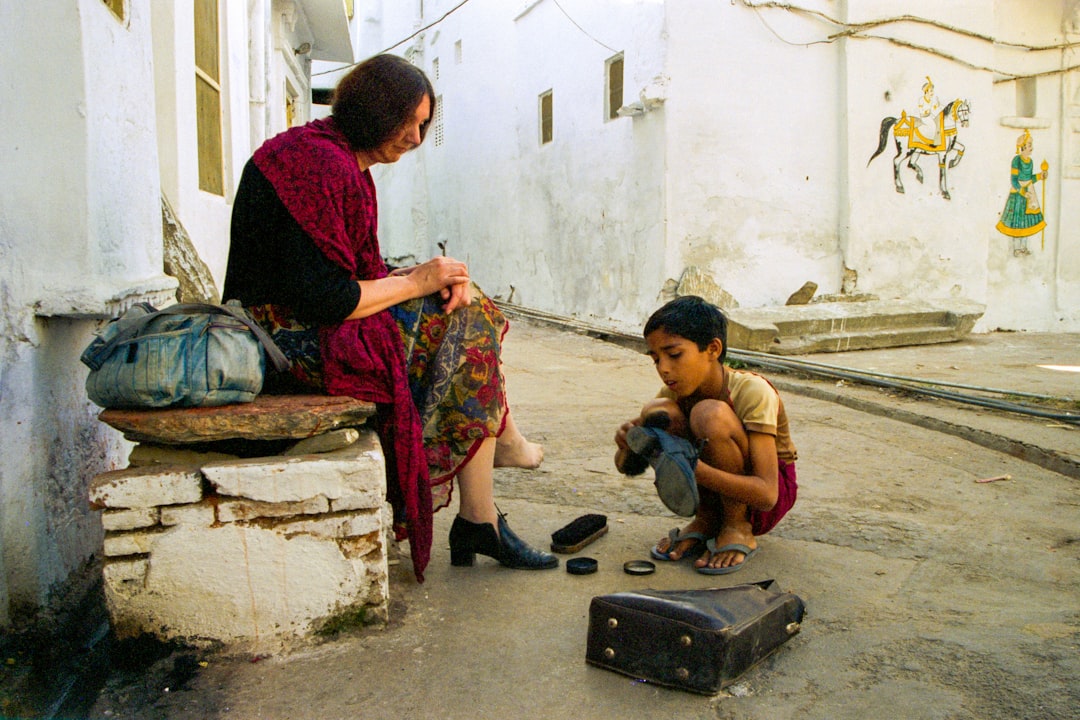
Photo by Wietse Jongsma on Unsplash
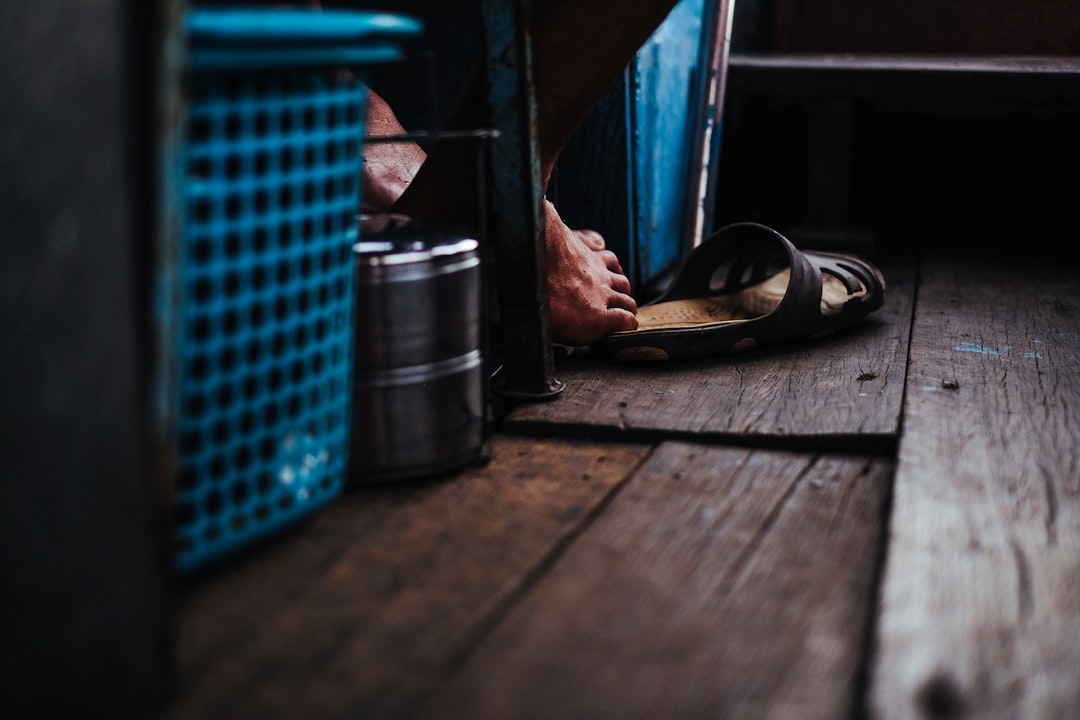
Front doors are cultural borders. A hallway lined with shoes, a tray of slippers, the smell of soup drifting from the kitchen, a little pause before anyone sits down: this is where local customs abroad become vivid. Homes often carry stricter etiquette than hotels or restaurants because they are personal territory, not public stage sets for visitors.
Across Japan, South Korea, parts of Scandinavia, Turkey, and many households in South and Southeast Asia, removing shoes is ordinary courtesy. Sometimes there is a clear entry step or mat that signals the switch from street to interior. Miss that cue and you bring the outside in, literally. In the Middle East and North Africa, hospitality can be generous, layered, and ceremonial. Tea, coffee, dates, fruit, or sweets may appear quickly. Refusing everything too firmly can sound like rejecting the welcome itself.
Respectful travel customs in homes often come down to following the host's tempo. Wait to be shown where to sit. If you are offered food twice, do not assume the first offer was merely symbolic. If gifts are involved, presentation matters. In East Asia, both hands suggest care. In parts of China, gifts may not be opened immediately. In Morocco or Jordan, pastries or quality sweets travel well as guest gifts, while alcohol may not.
If you are invited into a home, keep these local customs abroad in mind:
- Look for shoes at the entrance and ask if you should remove yours.
- Bring a small gift such as sweets, fruit, or something from your home region.
- Offer and receive gifts with both hands in Japan, Korea, and China.
- Avoid clocks as gifts in China and avoid anything obviously taboo for the host's religion.
- Accept at least a little tea, coffee, or snack unless you have a clear reason not to.
- Do not sit until invited, especially in formal or family homes.
- Keep your feet off furniture and avoid pointing the soles of your feet at people.
Good house etiquette is not flashy. It is a quiet readiness to let the host define the room.
Temple dress code and sacred-space etiquette
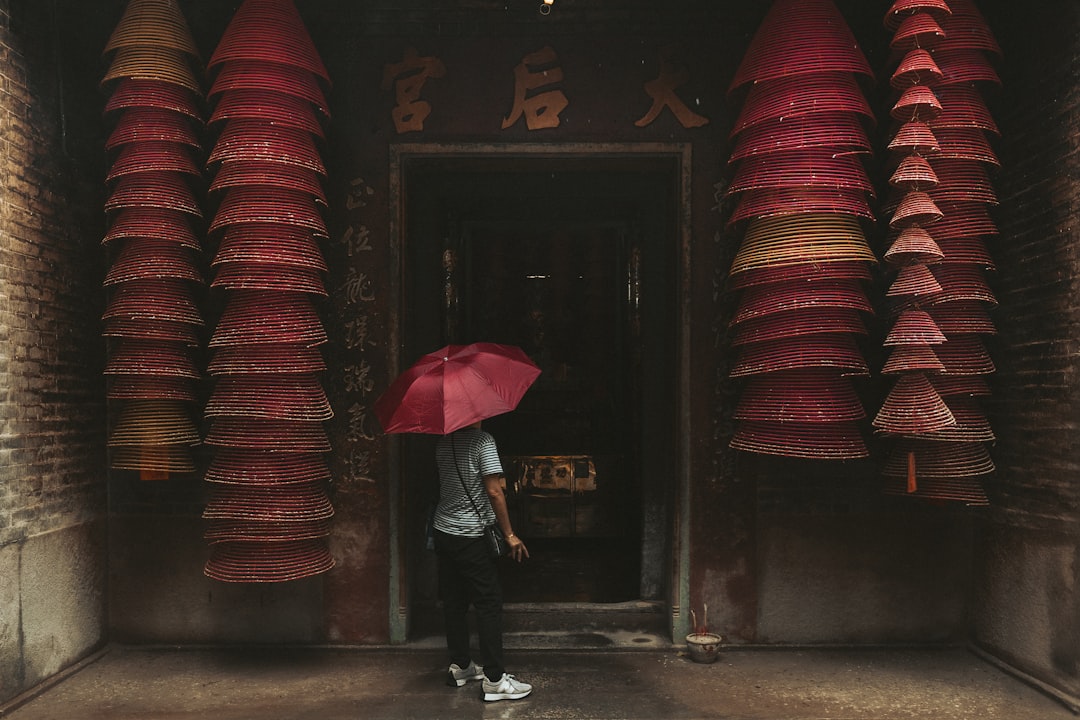
Sacred places have their own temperature. Even before you step inside, the mood changes: incense hangs in the heat, bells or recitation ripple through the air, candlelight glows against stone, and everyone seems to move half a beat slower. A traveler who understands temple dress code and sacred-space behavior does not just avoid trouble; they enter more fully into the atmosphere of the place.
Temple dress code is one of the most common pressure points because travelers often misread heat as permission to bare more skin. In much of Asia and the Middle East, covering shoulders and knees is the baseline for religious visits. In Sikh gurdwaras, your head should be covered. In many mosques, women need a headscarf and loose clothing, and men should avoid shorts. In Buddhist temples across Thailand and Cambodia, shoulders, chest, and knees should be covered, shoes come off before entering temple buildings, and your body language matters as much as your outfit.
The subtler rules are even more revealing. In Thailand, do not point your feet at Buddha images, and women should not touch monks or hand objects directly to them. In Nepal, walk clockwise around stupas. In Hindu temples, shoes stay outside and modest clothing is expected even when the day is sweltering. In churches across Italy or Spain, very short shorts and bare shoulders can still attract disapproval in active places of worship. These cultural etiquette tips are not about old-fashioned gatekeeping. They reflect the fact that sacred spaces are living places for believers, not theatrical backdrops.
Use this temple dress code checklist before you go in:
- Cover shoulders and knees as the minimum standard.
- Carry a lightweight scarf or sarong for sudden temple dress code needs.
- Remove shoes where required and watch what locals do at the threshold.
- Lower your voice and silence your phone.
- Avoid turning your back theatrically to altars or statues for selfies.
- Ask before photographing interiors, ceremonies, monks, nuns, or worshippers.
- Sit or stand in a way that does not point feet toward sacred figures.
- In gurdwaras, cover your head and respect the communal kitchen and prayer hall rules.
A few destination-specific notes help:
- Thailand: temple dress code is strict at major sites like Wat Pho and the Grand Palace.
- Japan: shrines and temples often permit photography outdoors but not inside halls.
- UAE: mosque visits usually require modest dress and women may need hair covering.
- India: many temples, mosques, and gurdwaras require shoes off; some prohibit leather items.
- Morocco: not all mosques are open to non-Muslim visitors, so check ahead rather than assuming access.
The reward for getting sacred-space etiquette right is more than access. It is the feeling of having entered the place on its own terms.
Dining etiquette abroad at tables, markets, and family meals
Meals are where many travelers most clearly feel the texture of another culture. Dining etiquette abroad lives in tiny gestures: who starts first, who pours the tea, where bread rests, whether the bowl is lifted, whether slurping is rude or appreciated, whether the check arrives automatically or only when requested. These are the moments that turn an ordinary lunch into a lesson in how a society organizes comfort, hierarchy, and pleasure.
One of the biggest mistakes travelers make is importing home rules as if they were neutral. They are not. In Japan, quiet noodle slurping signals enjoyment rather than bad manners. In South Korea, elders begin first and drink-pouring is relational, not purely practical. In India, eating with the right hand is natural in many settings, while the left hand is kept away from shared food. In China, a host may order generously, and leaving a little food behind can suggest that the table offered abundance. In France, the pace is deliberate and the server may leave you alone until you ask for the bill. In Italy, lingering is normal and a cappuccino after lunch still marks you instantly as a visitor.
Dining etiquette abroad also changes dramatically between street stalls, casual lunch spots, and family homes. A hawker center in Singapore runs on speed, tray-return discipline, and practical seating etiquette. A couscous lunch in Marrakech may begin with handwashing and shared dishes. A dinner in Delhi can involve repeated offers from a generous host. Paying attention to these patterns is one of the easiest ways to practice respectful travel customs without forcing anything.
These dining etiquette abroad rules are worth memorizing:
- Japan: do not stick chopsticks upright in rice and do not pass food chopstick to chopstick.
- Japan and Korea: pour drinks for others before topping up your own.
- India, Morocco, Jordan, and many Muslim contexts: use your right hand for eating or passing food when applicable.
- South Korea: wait for the eldest at the table to begin first.
- China: accept a toast gracefully, and do not be surprised by generous ordering.
- France: ask for the bill when you want it; it may not come on its own.
- Italy: espresso after meals is standard; cappuccino belongs to breakfast hours.
- Japan: tipping is generally not expected and can create confusion.
- US and parts of Canada: tipping is built into service expectations.
- Singapore hawker centers: clear your tray and return it where required.
If you are unsure how dining etiquette abroad works in a new place, do this instead of guessing:
- Watch the first five minutes before touching anything.
- Follow the oldest person or host.
- Use serving utensils whenever they appear.
- Ask simple questions without embarrassment.
- Eat at the pace of the table, not the pace of your itinerary.
There is also a sensory reward here. When you slow down enough to notice etiquette, food gets bigger in memory. You notice the cold metal spoon against a bowl of rice porridge in Bangkok, the steam lifting off ramen in Kyoto, the amber sweetness of mint tea in Marrakech, the soft tearing of naan in Delhi, the clink of tiny coffee cups in Dubai. Dining etiquette abroad is not a chore attached to the meal. It is part of the flavor.
Public behavior: lines, trains, volume, touch, and space
Some of the clearest local customs abroad are not ceremonial at all. They live in stations, elevators, escalators, sidewalks, buses, beach promenades, and shopping streets. Public etiquette tells you what a society protects: quiet, speed, personal space, gender boundaries, or smooth movement through shared areas.
Japan and Singapore are famous for order, but the texture is different. In Tokyo, silence on trains can feel almost velvet-soft, with only station chimes and the rustle of bags. In Singapore, rules around cleanliness and public order are explicit, and people tend to follow them because the system works. In the UK, queues are a social institution. In Dubai, public displays of affection are limited. Across much of the Middle East and Asia, overly loud behavior in public can read as careless rather than lively.
Respectful travel customs in public are mostly easy to master because they involve reducing, not adding: less volume, less touching, less blocking, less rushing into someone else's personal zone. If you can stand aside, lower your voice, wait your turn, and keep your phone from becoming the room's soundtrack, you are already ahead.
Quick rules for public-space manners:
- Queue where a queue exists, even if nobody tells you to.
- Keep train and bus conversations low in Japan and on many urban systems worldwide.
- Avoid eating on transit where signs or local practice discourage it.
- Do not block sidewalks, shrine gates, escalators, or metro doors for photos.
- Be careful with public affection in the Gulf and other conservative regions.
- Ask before touching children, pets, religious objects, or market goods.
- Keep shoulders and knees covered in conservative neighborhoods even if tourist zones are looser.
These cultural etiquette tips sound modest, but they protect the shared rhythm of a place.
Photos, bargaining, tipping, and gifts without awkwardness
Cameras and cash reveal values quickly. The way you photograph, negotiate, tip, and give gifts shows whether you are treating a destination as a backdrop or a relationship. This is where respectful travel customs become visible not only to hosts, but to everyone watching you interact.
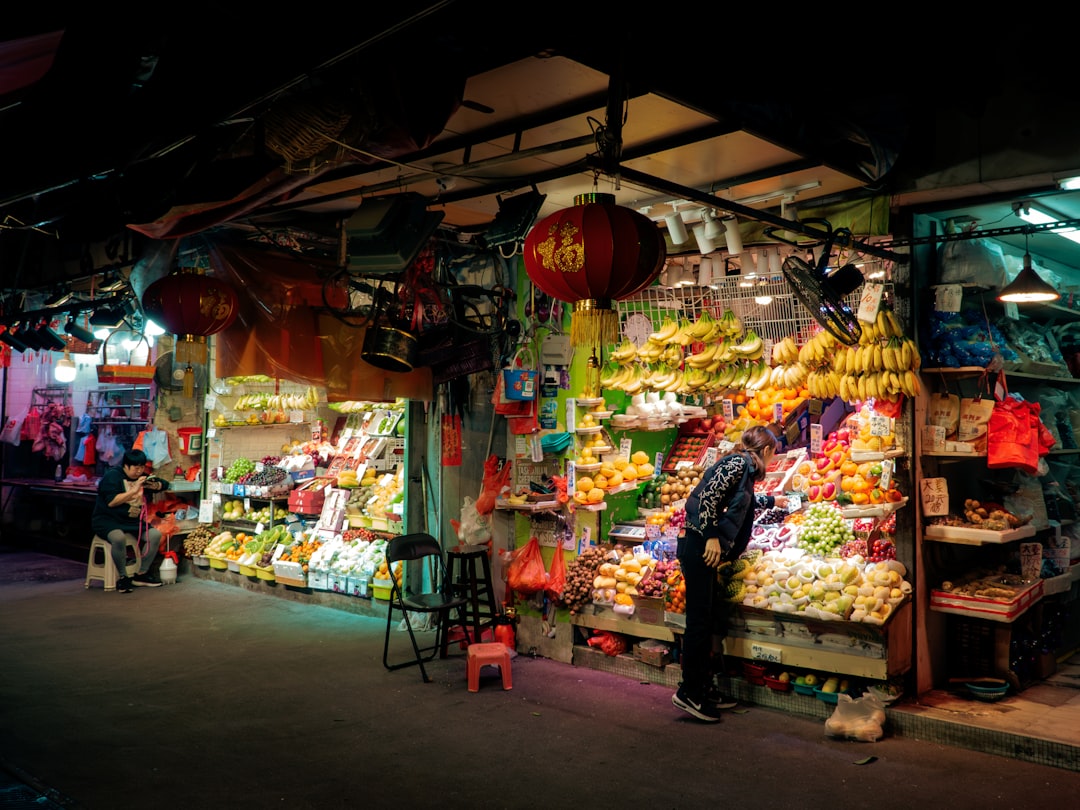
Photography is the first test. A person in a market is not part of the street furniture. A prayer ceremony is not a performance staged for your reel. Ask before photographing people, especially elders, women, children, and anyone in a sacred or private setting. In some places you will get a delighted yes; in others, a polite no. Both deserve respect. Even where photos are allowed, flash, tripods, or aggressive framing can shift the mood from visitor to intruder in seconds.
Bargaining requires emotional tone as much as price sense. In souks across Morocco or markets in parts of Southeast Asia, negotiation can be playful and expected. In fixed-price boutiques, pharmacies, chain stores, or many food businesses, it is not. Start with a smile, not a challenge. Know your limit, keep humor in the exchange, and be ready to walk away politely. If you are traveling through busy markets, Travel Fraud Prevention Tips 2026: A Scam-Proof Trip Plan is useful background because politeness and caution often need to travel together.
Tipping and gift-giving can be equally loaded. In Japan, tipping is generally unnecessary. In the US, it is expected. In Morocco, Egypt, Jordan, and parts of South Asia, small tips for guides, porters, and service workers may be standard or warmly appreciated. Gifts should fit the setting. Think quality sweets, tea, fruit, or a modest item from your home city rather than something expensive that creates pressure.
Keep this checklist handy:
- Ask before photographing people or religious activity.
- Learn whether a market is fixed-price before bargaining.
- Negotiate lightly, never angrily.
- Tip according to local norms, not your personal theory of service.
- Give gifts thoughtfully, and avoid culturally sensitive items.
- Present gifts neatly and with both hands where that is customary.
- Do not expect gifts to be opened immediately in every culture.
How to get there
Respectful travel customs become much easier to absorb when you pair them with real places. The six gateway cities below are some of the most useful entry points for etiquette-rich travel because they place you close to homes, markets, temples, mosques, old neighborhoods, and public spaces where social rules are easy to observe. If Japan is part of your route, the city notes in Kyoto Solo Travel Guide 2026: Safe, Social, Smart City are especially helpful for understanding quiet public behavior and shrine etiquette.
Flight prices change constantly, but the transfer details below are stable enough to plan around. I have included typical city-center connections and one easy onward leg from each gateway so you can extend the trip into places where respectful travel customs become second nature rather than theory.
| Gateway city | Main airports | City transfer | Typical cost | Easy onward route |
|---|---|---|---|---|
| Tokyo | HND, NRT | HND to central Tokyo by Tokyo Monorail plus JR in 30 to 40 min; NRT by Narita Express in 55 to 65 min | JPY 500 to 700 from HND; about JPY 3,070 from NRT | Tokyo to Kyoto by Shinkansen, about 2 hr 15 min, from about JPY 14,170 |
| Bangkok | BKK, DMK | BKK Airport Rail Link to Phaya Thai in about 30 min; DMK Red Line to Bang Sue in about 20 min | THB 45 from BKK; THB 33 from DMK | Bangkok to Ayutthaya by train, 1.5 to 2 hr, from about THB 20 to 300 |
| Marrakech | RAK | Taxi to Medina or Gueliz in 15 to 20 min | MAD 100 to 150 by official taxi | Casablanca to Marrakech by ONCF train, about 2 hr 40 min |
| Dubai | DXB | Metro to Bur Dubai, Deira, or Dubai Mall area in 20 to 30 min | AED 5 to 8.50 with Nol card | Dubai to Abu Dhabi by bus or car, about 1 hr 30 min |
| Delhi | DEL | Airport Express Metro to New Delhi in about 20 min | INR 60 | Delhi to Agra by Gatimaan Express, about 1 hr 40 min |
| Rome | FCO | Leonardo Express to Roma Termini in 32 min | EUR 14 | Rome to Florence by Frecciarossa, about 1 hr 36 min |
Useful official planning links:
- Japan travel information: https://www.japan.travel/en/
- Dubai Airports: https://www.dubaiairports.ae/
- Delhi Airport: https://www.newdelhiairport.in/
- Morocco tourism: https://www.visitmorocco.com/en
- Thailand tourism: https://www.tourismthailand.org/
- Trenitalia: https://www.trenitalia.com/en.html
Things to do
Etiquette is easiest to learn in motion. Spend an hour in the right temple courtyard or market lane and you will understand more than you could from a week of abstract advice. Watch how people queue, where shoes line up, how cash is passed, which tables are loud, and which remain almost meditative even when full. These are not just attractions. They are living classrooms in respectful travel customs.
The best experiences are the ones that ask something of you: lower your voice, cover your shoulders, wait to be seated, rinse your hands, carry your tray back, or greet the room before making a request. Those small demands are part of why the memory sticks. You are not just looking at a place; you are adjusting to it.
Here are seven excellent places to practice cultural etiquette tips in context:
- Senso-ji, Asakusa, Tokyo
- Fushimi Inari Taisha, Kyoto
- Wat Pho, Bangkok
- Sheikh Mohammed Centre for Cultural Understanding, Al Fahidi, Dubai
- Ben Youssef Madrasa and Rahba Kedima, Marrakech
- Gurudwara Bangla Sahib, New Delhi
- Maxwell Food Centre, Singapore
Where to stay
Where you sleep changes how much etiquette you absorb. Stay near historic districts, temple neighborhoods, or market quarters and you will notice local rhythms early in the morning and late at night: shutters rising, incense drifting, trash sorted carefully, quiet departures for prayer, or the nightly folding away of street stalls. A glossy business district can be comfortable, but it often insulates you from the local customs abroad you came to understand.
For a trip centered on respectful travel customs, I like properties that place you close to daily life without trapping you in loud nightlife. Hostels and riads are often great for this because staff naturally brief you on neighborhood norms, dress expectations, and the little invisible rules that make a stay smoother.
| Budget tier | Stay | Area | Typical price |
|---|---|---|---|
| Budget | Piece Hostel Kyoto | Near Kyoto Station | USD 35 to 70 |
| Budget | Lub d Bangkok Siam | Siam, Bangkok | USD 28 to 55 |
| Budget | Rodamon Riad Marrakech | Medina, Marrakech | USD 45 to 85 |
| Mid-range | Nohga Hotel Ueno Tokyo | Ueno, Tokyo | USD 140 to 220 |
| Mid-range | XVA Art Hotel | Al Fahidi, Dubai | USD 140 to 230 |
| Mid-range | Riad BE Marrakech | Medina, Marrakech | USD 110 to 180 |
| Luxury | Aman Tokyo | Otemachi, Tokyo | USD 900 and up |
| Luxury | Mandarin Oriental Bangkok | Charoenkrung, Bangkok | USD 450 and up |
| Luxury | The Oberoi Marrakech | Outside Medina | USD 500 and up |
Booking early matters most in cherry blossom season in Japan, winter in Dubai, and spring or autumn in Morocco.
Where to eat
If you want to understand a place quickly, sit down hungry and pay attention. Restaurants reveal hierarchy, tempo, generosity, and the local tolerance for noise faster than museums ever will. The best tables for etiquette learning are not always the fanciest ones. They are the ones where customs are still alive enough to surprise you.
That might mean a noodle shop in Kyoto where slurping sounds almost musical, a Bangkok institution where the room moves fast but never chaotically, or a Delhi dining room where sharing, repetition, and hospitality define the meal. Dining etiquette abroad becomes much clearer when you eat somewhere with a strong local audience rather than a purely tourist one.
Try these places and dishes:
- Tsukiji Outer Market, Tokyo: fresh sushi, tamagoyaki, grilled seafood. Eat where you buy, avoid blocking lanes, and do not wander while eating.
- Menya Inoichi Hanare, Kyoto: ramen with delicate broth and precise service. A great place to feel how dining etiquette abroad in Japan can be both quiet and relaxed.
- Thip Samai, Bangkok: famous pad thai near the old city. Expect queues, efficient service, and a room that moves quickly but politely.
- Krua Apsorn, Bangkok: crab omelet and classic Thai dishes. Good for observing spoon-and-fork table habits and shared ordering.
- Nomad, Marrakech: modern Moroccan cooking near Rahba Kedima. Try zaalouk, lamb, or Friday couscous if available, and notice how leisurely the meal can feel.
- Al Fanar Restaurant, Dubai: Emirati dishes such as machboos and luqaimat in a setting that makes Gulf hospitality easier to read.
- Karim's, near Jama Masjid, Delhi: kebabs, curries, and old-school dining in the middle of sensory overload. Go with time and patience.
- Maxwell Food Centre, Singapore: chicken rice, fish soup, or satay. Return your tray and watch how efficiently shared space can work.
Practical tips
The smartest way to prepare for respectful travel customs is not to memorize a hundred rules. It is to know which settings demand the most care, which seasons make modest clothing easier or harder, and what tools help when language gets thin. Heat, humidity, religious calendars, and festival periods all affect how etiquette feels on the ground.
A long linen layer in Marrakech in May feels elegant. The same outfit in Bangkok in August can feel like a sauna. Ramadan changes meal timing and public behavior in Muslim-majority places. Peak foliage in Kyoto means bigger crowds and more pressure to move thoughtfully in narrow lanes. This is where planning helps: the right month makes good manners easier to practice because you are not fighting the climate.
Best months for etiquette-focused travel
| City | Best months | Why it works |
|---|---|---|
| Tokyo and Kyoto | March to May, October to November | Mild weather makes temple dress code easier; walking-heavy days feel comfortable |
| Bangkok | November to February | Lower heat and humidity make covered clothing more manageable |
| Marrakech | March to May, September to November | Warm days, cooler evenings, easier medina walking |
| Dubai | November to March | Best weather for modest city clothing and outdoor cultural sites |
| Delhi | October to March | Cooler, clearer, and far easier for long heritage days |
| Singapore | February to April | Slightly drier feel, though year-round planning works |
What to pack for local customs abroad
- A lightweight scarf or sarong for sudden temple dress code needs.
- Loose trousers or a midi skirt for religious sites.
- Socks for shoe-off spaces if you dislike bare floors.
- Small hand sanitizer for market meals and shared dining.
- Cash in small denominations for tips, donations, or market purchases.
- A compact tote so you can remove shoes and carry them neatly when needed.
- An eSIM or local SIM for translation, maps, and transit apps.
Money, connectivity, and planning
- Keep some local currency even in card-friendly cities because donations, lockers, taxis, and market snacks often run on cash.
- Download offline maps and a translation app before landing. The roundup in Best Travel Apps 2026: Essential Downloads for Every Trip is a practical starting point.
- Check official religious-site pages for current dress rules and opening hours because temple dress code enforcement can tighten during festivals or prayer periods.
- Save key phrases in your notes app: hello, thank you, excuse me, may I take a photo, and should I remove my shoes.
- During Ramadan in Muslim-majority countries, be more discreet with daytime eating and drinking in public and confirm revised opening hours.
Safety and social awareness
Politeness is not the same as passivity. Respectful travel customs help you move well, but you still need boundaries. Declining a pushy salesperson can be calm and firm. Saying no to a photo fee you did not agree to is reasonable. Walking away from an uncomfortable situation is always allowed. The goal is not to perform obedience; it is to practice awareness with self-respect.
FAQ
What are the most important respectful travel customs to learn first?
Start with greeting customs, temple dress code, shoe-removal rules, dining etiquette abroad, and photo permission. Those five categories solve most common mistakes faster than anything else.
How do I avoid offending people if I do not know the local rules?
Watch before acting, speak a little more softly, dress a little more modestly, and ask simple questions. Most cultural etiquette tips become obvious once you slow down enough to observe the room.
Is tipping part of respectful travel customs everywhere?
No. Tipping is highly local. It is standard in some countries, appreciated but flexible in others, and unnecessary in places like Japan. Always check the destination instead of assuming your home rule applies.
What should women travelers know about local customs abroad?
Research dress expectations, public-affection norms, and greeting customs in advance. In conservative settings, covered shoulders and knees can make interactions easier, and waiting for the other person to initiate a handshake is often wise.
Why does temple dress code vary so much?
Because sacred spaces reflect living religious communities, not a global tourist standard. Temple dress code differs by faith, country, and even individual site, so check ahead and carry one flexible layer.
The real reward of getting it right
The payoff for learning respectful travel customs is not simply avoiding embarrassment. It is being allowed closer to the emotional life of a place. Doors open more gently. Conversations relax. A host pours one more cup of tea. A vendor becomes less guarded. A temple visit feels calmer because you are not worrying whether your outfit is wrong. You stop moving through destinations like a moving camera and start moving through them like a considerate human being.
That is the version of travel worth keeping: not perfect, not performative, but attentive. The world does not ask you to know everything before arrival. It asks you to notice, to adjust, and to remember that every journey begins in someone else's home.