Kyoto can feel surprisingly gentle for a city that receives millions of visitors a year. Step out early, and you hear bicycle bells, temple gongs, station announcements, and the hiss of coffee machines from convenience stores opening for the day. That rhythm is why a Kyoto solo travel guide is less about fear and more about building smart habits. If you want to travel alone safely in 2026, this is one of the easiest places in Asia to practice confidence without needing to fake it.
Traveling alone here does not mean being isolated. Kyoto has a rare combination of structure and softness: clear train signage, reliable convenience stores, polite service culture, good lighting in central districts, and plenty of solo-friendly dining. You can spend an entire day moving between shrines, river paths, noodle counters, and old wooden lanes without once feeling out of place for being on your own.
That said, safe solo travel is never just about picking a low-stress destination. It is about routines. In this Kyoto solo travel guide, I will walk through the habits that matter most: where to stay, how to get around, when to slow down, what to eat, and how to make the city feel readable from your very first hour. If you like seeing routes, hotel pins, and backup options in one place, sketching your first day in TravelDeck before you land can make the city feel even simpler.
Why Kyoto works so well for safe solo travel
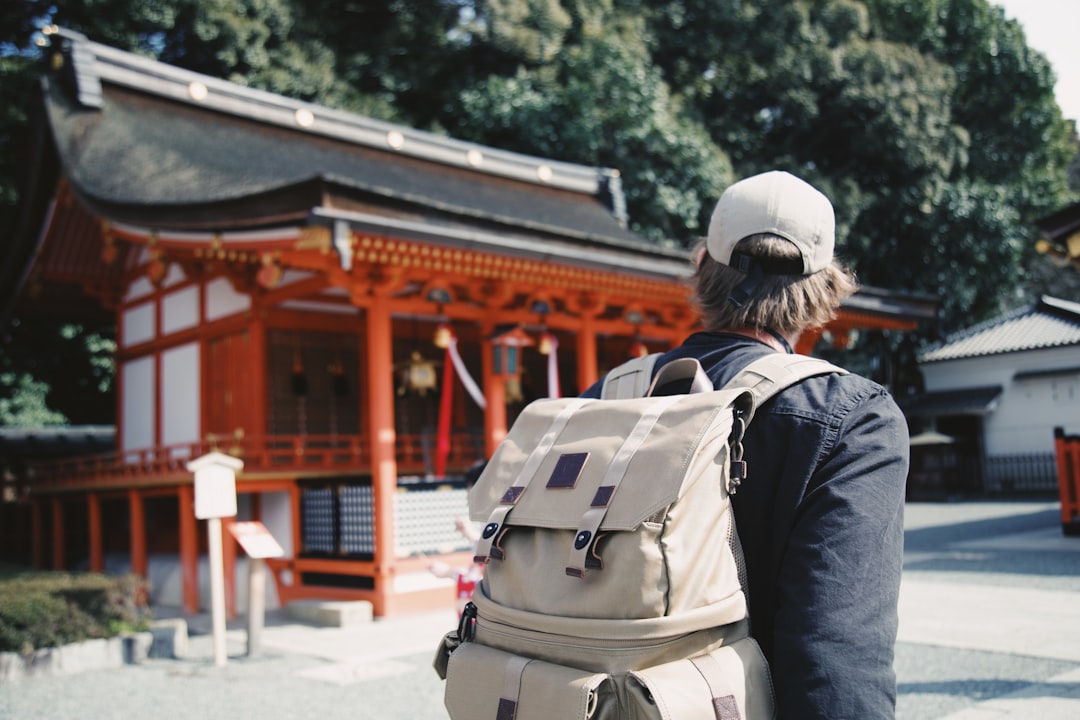
Photo by bobby hendry on Unsplash
A good solo destination is not only beautiful. It is legible. Kyoto excels at that. Major areas such as Kyoto Station, Shijo-Kawaramachi, Sanjo, Gion, and Higashiyama all have distinct personalities, but they connect in a way that feels intuitive after a day or two. Streets are numbered less clearly than in some cities, yet landmarks do a lot of the work for you: a river, a temple gate, an arcade, a subway exit, a canal, a hill. Even when you are slightly lost, you often feel calmly lost rather than exposed.
This matters more than many first-time solo travelers expect. The real stress of traveling alone is usually not danger in the dramatic sense. It is small uncertainty stacking up: Which exit should I use, is this district too quiet, am I too far from my hotel, will I find dinner if I arrive late, can I get back without overthinking it? Kyoto lowers that background noise. Convenience stores are everywhere. Train stations are well signed. Staff are used to visitors. Solo diners are normal. The city quietly supports independence.
A Kyoto solo travel guide also needs to be honest about what the city is not. It is not a place where nightlife naturally spills into every block. It is not especially cheap in peak seasons. And it is not tiny; buses can be crowded and temple districts can empty out at night faster than expected. The safest experience usually comes from choosing the right base and keeping your day structured around daylight, walkable neighborhoods, and clear return routes.
Here is why Kyoto keeps working for solo travelers who want calm rather than chaos:
- Street crime is low by big-city standards, especially in the central districts most travelers use.
- Solo dining is deeply normal, from ramen counters to kaiseki lunches to quick breakfasts at station cafes.
- Public transport is reliable, with JR lines, subways, private railways, and buses covering most visitor routes.
- English support is decent in hotels, major stations, museums, and tourist-heavy neighborhoods.
- Convenience stores such as 7-Eleven, FamilyMart, and Lawson double as safe, bright reset points if you need directions, water, cash, or a quick pause.
- Many of the best experiences happen in the morning, which naturally suits safer solo pacing.
Kyoto solo travel guide: build a safety system before you land
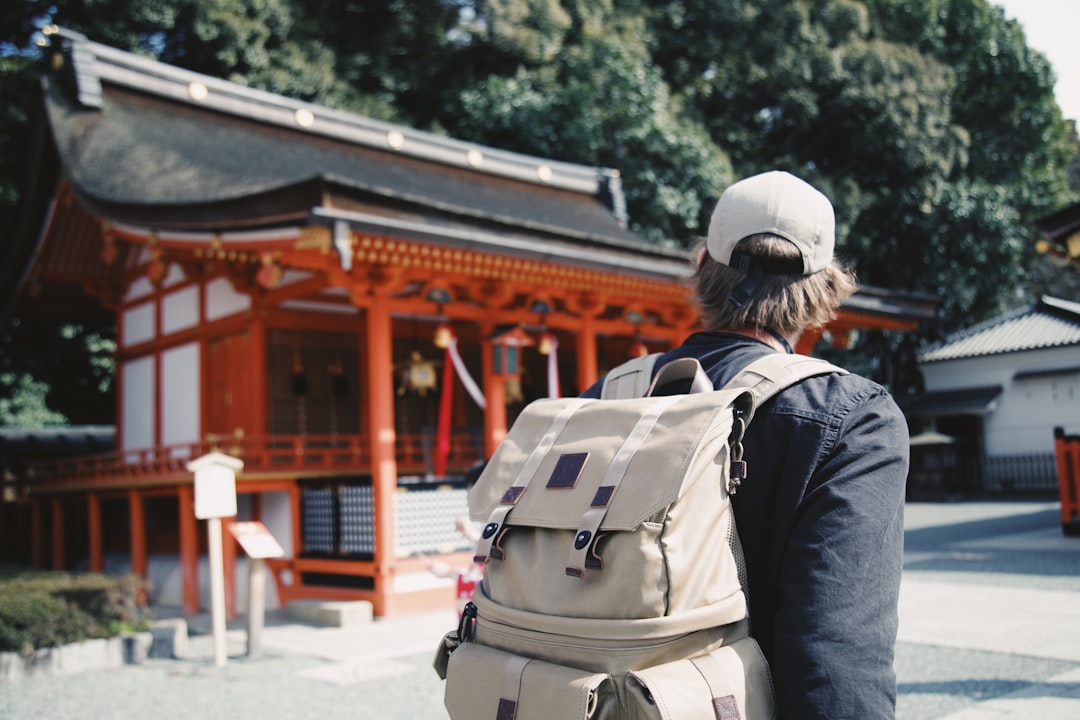
Photo by bobby hendry on Unsplash
The most useful Kyoto solo travel guide starts before the flight. Kyoto is easy once you understand its geography, but arrival day can still feel foggy. If you land at Kansai International Airport after a long haul, transfer to a train, drag luggage into Kyoto Station, and then try to decode buses while tired, even a safe destination can feel harder than it is. Your goal is not perfect planning. It is reducing the number of decisions you need to make when jet-lagged.
I like to think in layers. Layer one is logistics: airport transfer, hotel check-in, data connection, and one reliable dinner option near the hotel. Layer two is safety: shared itinerary, cloud copies of passport and insurance, one backup card stored separately, and screenshots of the hotel address in both English and Japanese. Layer three is recovery: enough sleep, an early start the next day, and zero pressure to do anything complicated on night one.
Kyoto rewards light packing, because you will encounter station staircases, narrow hotel lifts, and buses with limited space. If you want to streamline luggage before Japan, Pack Everything in a Carry-On in 2026 Without Outfit Panic is worth a read. For navigation, translation, offline maps, and transit tools, Best Travel Apps 2026: Essential Downloads for Every Trip can help you build a tighter phone setup. And because losing one card when you are alone can derail a whole day, the habits in Travel Fraud Prevention Tips 2026: A Scam-Proof Trip Plan are genuinely useful here.
Before departure, set up this solo-safe Kyoto system:
- Share your flight, hotel name, and a rough first three days with one trusted person.
- Save the hotel address in your notes app in English and Japanese.
- Keep digital copies of passport, insurance, and cards in a secure cloud folder.
- Carry two payment cards from different networks and split them between wallet and bag.
- Keep ¥10,000 to ¥20,000 in cash for day one, plus a small emergency stash separate from your main wallet.
- Buy an eSIM or pocket Wi-Fi plan before arrival, or know exactly where to get one at the airport.
- Learn a few practical phrases, especially for help, station, exit, hospital, and I am lost.
- Book your first two nights in a central neighborhood, even if you plan to move later.
- Save local emergency numbers and your embassy details offline.
- Decide your arrival rule now: if you feel too tired to navigate buses, take a taxi from Kyoto Station rather than forcing a cheap option.
Safe areas to stay in Kyoto for solo travelers
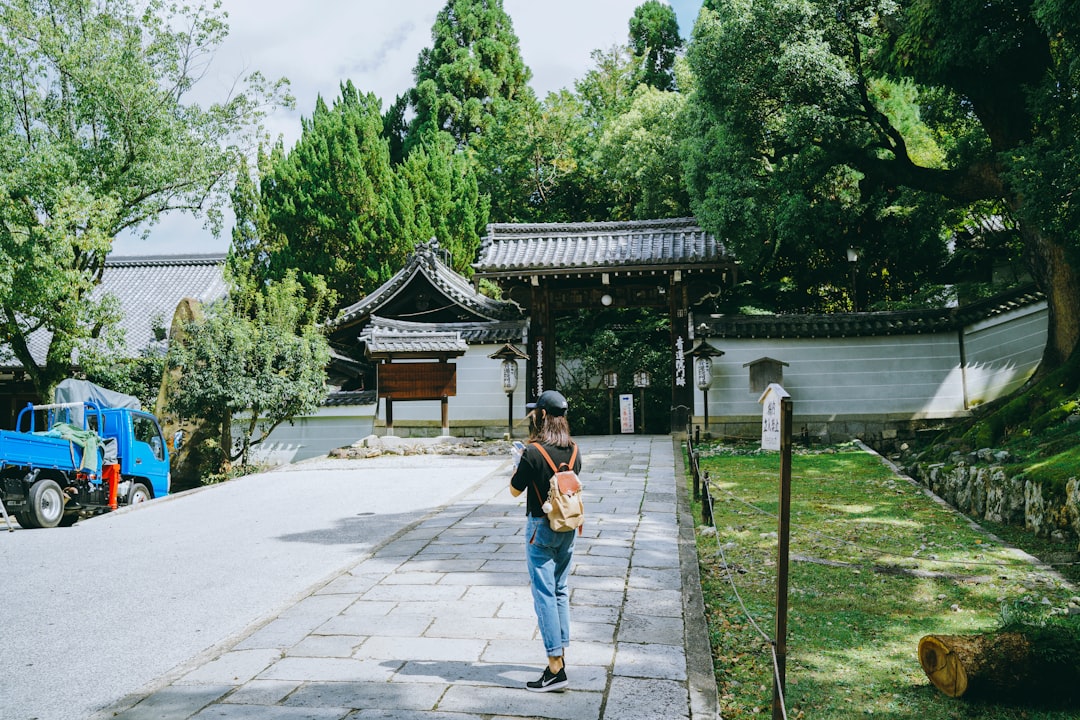
Photo by channnngma on Unsplash
Where you stay will shape your whole trip more than which temples you choose. Kyoto is compact compared with Tokyo, but it is spread out enough that the wrong base can leave you on dark side streets or dependent on slow buses at the end of the day. The safest solo approach is simple: stay central, stay near a station, and stay in an area where there are still people around after dinner.
For most first-timers, the safe areas to stay in Kyoto are Kyoto Station, Shijo-Kawaramachi, Sanjo, and the quieter edges of Higashiyama near major roads. These neighborhoods give you easy transport, late food options, and enough foot traffic to keep evenings comfortable. They also make it easier to take a short taxi home if rain, fatigue, or crowds hit. Staying deep inside a beautiful but quiet lane in southern Higashiyama can sound romantic, but if you are returning alone after dark, you may prefer beauty with a brighter main street nearby.
The best solo base also depends on your travel style. If you are catching trains to Nara, Osaka, or Tokyo, Kyoto Station is practical and efficient. If you want cafes, shops, river walks, and easy restaurant-hopping, Shijo-Kawaramachi and Sanjo feel more alive. If your priority is sunrise walks to temple districts before the crowds, eastern Kyoto can be magical, but choose lodging near a bus route or taxi-friendly road rather than up a silent slope.
| Area | Why it works solo | Night feel | Typical room price |
|---|---|---|---|
| Kyoto Station | Best for arrival ease, day trips, airport transfers, and late food | Bright, busy, practical | Budget ¥4,500-8,000; mid-range ¥12,000-22,000 |
| Shijo-Kawaramachi | Best mix of shopping, restaurants, transit, and walkability | Lively but manageable | Budget ¥5,000-9,000; mid-range ¥14,000-28,000 |
| Sanjo and Karasuma Oike | Stylish, central, calmer than Kawaramachi, good subway access | Relaxed and polished | Mid-range ¥15,000-30,000 |
| Higashiyama near Gojo or Kiyomizu-Gojo | Atmospheric, good for early temple visits, quieter stay | Peaceful, can empty early | Mid-range ¥14,000-26,000 |
| Gion proper | Beautiful and iconic, but often expensive and quiet late | Elegant, low-key, not nightlife-heavy | Mid-range to luxury ¥20,000-60,000+ |
A few neighborhood rules make a big difference:
- Stay within a 5 to 10 minute walk of a train, subway, or major bus corridor.
- Check recent reviews for comments on lighting, noise, and ease of returning at night.
- Prefer properties with 24-hour reception or clear late check-in instructions.
- If you are anxious about sleeping alone in a new city, pick a larger hotel for the first night and move to a machiya or ryokan later.
- For Kyoto female solo travel, women-only dorms or women-only floors can be a very comfortable middle ground between hostel sociability and privacy.
How to get around Kyoto alone without feeling lost
The charm of Kyoto is that it often invites walking, but the trap is assuming everything is close together. A shrine that looks nearby on the map may involve a river crossing, a hill, and two crowded bus lines. The best answer to how to get around Kyoto alone is not one mode of transport. It is a layered strategy: trains for long hops, walking for old districts, buses only when they save real time, and taxis when your energy is lower than your ambition.
Kyoto buses are useful, especially to temple-heavy eastern and western districts, but they are also where many solo travelers feel most overwhelmed. They can be packed, luggage is awkward, and route planning is less intuitive than rail. Subways are easier to read but do not cover every sightseeing area. JR and private rail lines are excellent for reaching Fushimi Inari, Arashiyama, Uji, Osaka, and Nara. That is why how to get around Kyoto alone often comes down to minimizing transfers rather than chasing the theoretically cheapest route.
A rechargeable IC card such as ICOCA makes the city much smoother. You tap on trains, subways, and most buses, and you can use the same card at convenience stores and many vending machines. Taxis are clean, safe, and dependable, though not cheap. If you finish dinner in Gion at 9:30 pm and your hotel is 12 minutes away by taxi, that short ride can be the smartest money you spend all day.
Use these habits to make how to get around Kyoto alone much easier:
- Start each day with a tight geographic plan. Do not cross the city three times because a list on your phone looks efficient.
- Visit high-demand places early. The safest, calmest Kyoto is often the Kyoto you see before 8:30 am.
- Use trains for Fushimi Inari, Arashiyama, Uji, Osaka, and Nara whenever possible.
- Use buses selectively for Kiyomizu-dera, Ginkaku-ji, and temple corridors with weaker rail access.
- Screenshot your hotel route before leaving, especially the nearest station exit.
- Keep one low-effort return option in mind, usually a taxi from the nearest main road.
- If you need to reorient, step into a convenience store or cafe rather than stopping in the middle of a narrow pavement with your phone out.
Kyoto female solo travel and after-dark routines
Most safety advice applies to everyone, but Kyoto female solo travel benefits from a few extra layers of intention. The city is generally comfortable for women traveling alone, and it is common to see solo women dining, shopping, photographing shrines, or riding transit. Still, the goal is not to treat a safe city casually. The best solo nights in Kyoto are usually the ones that feel quietly deliberate rather than improvised at midnight.
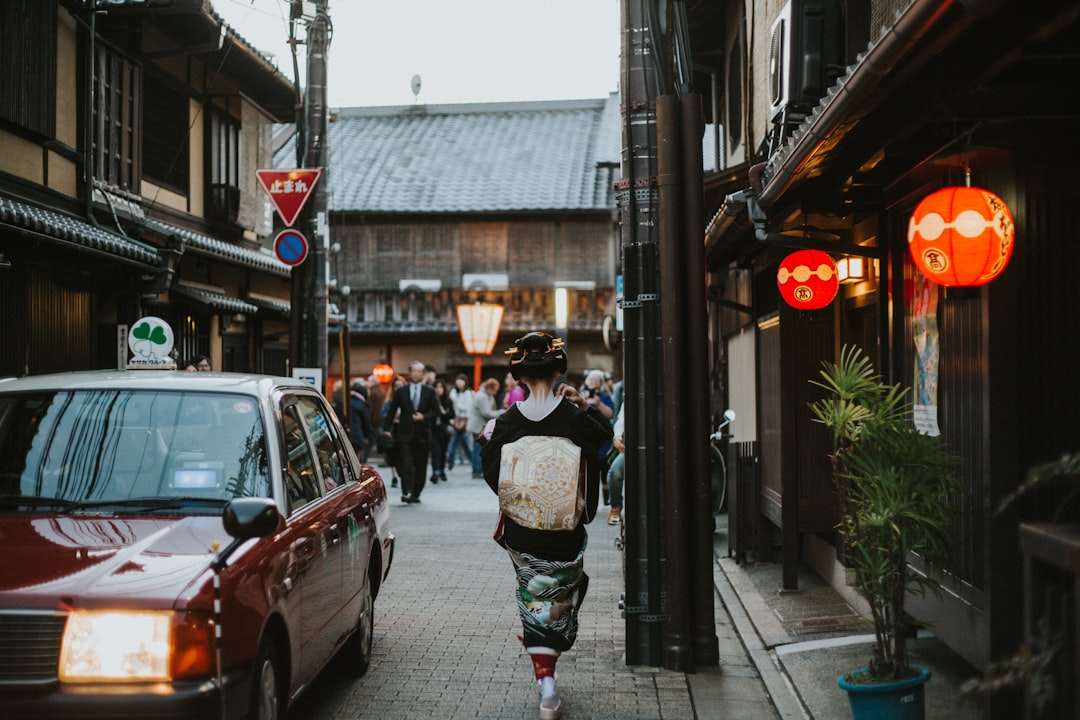
Night in Kyoto can be beautiful in a restrained way. Lanterns glow in Gion. Pontocho Alley feels cinematic. Rain turns stone lanes glossy and reflective. But some of the most atmospheric areas are also less practical once the last dinner crowd thins. That is why Kyoto female solo travel is often at its best when you enjoy historic districts in the early evening, then shift toward brighter central streets, station areas, or a direct ride back to the hotel before the city fully settles.
Bars and izakaya can be wonderful solo experiences, especially if you like conversation at the counter. The smart move is choosing places with a settled local feel rather than aggressive street invitations. Japan has very little of the hard-sell chaos found in other nightlife destinations, but you still do not need to follow strangers, overshare your hotel location, or push your drinking beyond your comfort zone just because the city feels safe.
For Kyoto female solo travel, these routines help:
- Choose restaurants with visible counters, open fronts, or clear review histories if dining alone at night.
- Keep your accommodation name private when chatting with new people.
- Avoid very quiet shortcut lanes after dark if a brighter road is only a few minutes longer.
- If wearing a kimono rental, plan your route before sunset so you are not managing footwear and layers when tired.
- Use women-only dorms or female-focused floors if hostels are part of your trip.
- Carry a small portable charger so you never negotiate late transport on low battery.
- In taxis, have the hotel name or map pin ready rather than explaining a full address from memory.
- If a situation feels off, step into a hotel lobby, convenience store, or station and reset.
How to get there
A Kyoto solo travel guide only works if arrival feels simple. Kyoto does not have its own major international airport, so most travelers enter through Kansai International Airport in Osaka Bay or, less often, Osaka Itami for domestic flights. From there, Kyoto is straightforward by train, limousine bus, or taxi. The smartest option depends on one question: how much patience will you have after landing?
For most international arrivals, the JR Haruka limited express from Kansai International Airport to Kyoto Station is the cleanest route. You step from airport to train, avoid traffic, and arrive in roughly 75 to 80 minutes. If you are landing at Itami, limousine buses are often the easiest. From Tokyo, the Tokaido Shinkansen is fast and comfortable. From Osaka city, local rail is so simple that Kyoto works well as the first stop on a wider Kansai itinerary.
| Starting point | Best option | Time | Typical 2026 cost | Notes |
|---|---|---|---|---|
| Kansai International Airport KIX | JR Haruka to Kyoto Station | 75-80 min | about ¥3,600 | Best for speed and ease |
| Kansai International Airport KIX | Airport limousine bus | 85-105 min | about ¥2,800-3,200 | Easier with bulky luggage, traffic varies |
| Osaka Itami Airport ITM | Limousine bus to Kyoto Station | 50-60 min | about ¥1,340 | Great for domestic arrivals |
| Tokyo Station | Tokaido Shinkansen Nozomi | 2 hr 10 min | about ¥14,000-14,500 | Frequent, reserved seat recommended |
| Shin-Osaka Station | JR Special Rapid | 24-30 min | about ¥580 | Cheapest and simple |
| Nara | JR Miyakoji Rapid or Kintetsu plus transfer | 45-60 min | about ¥720-1,200 | Easy day-trip connection |
| Osaka city by car | Drive via Meishin Expressway | 50-75 min | tolls plus parking | Not ideal for central Kyoto |
A few arrival tips make the first day easier:
- If you land after 7 pm, stay near Kyoto Station unless you already know the city.
- If you are bringing a larger suitcase, the airport bus or a taxi from Kyoto Station may save energy.
- Kyoto Station is enormous, so allow extra time to find the correct exit.
- If you will use rail a lot, consider loading an ICOCA card right away.
- Useful official links: Kansai Airport, JR West HARUKA, Kyoto City Transport Guide.
Things to do
The best things to do in Kyoto solo are not always the headline attractions at peak hours. Solo travel gives you something more valuable than a companion checklist: timing freedom. You can reach a shrine before tour buses, leave a market the moment it feels crowded, linger by a canal, or sit with tea and do absolutely nothing for half an hour. In Kyoto, that freedom feels luxurious.
The city also rewards slow layering. Instead of collecting temple stamps like trophies, pair one major sight with one neighborhood walk, one meal, and one quiet pause. That rhythm keeps days safe and satisfying. You are less rushed, less tired, and much less likely to be navigating dim streets hungry and overstimulated at the end of the day. That is why the best things to do in Kyoto solo often combine famous places with calm transitions.
Here are seven of the best things to do in Kyoto solo, with practical notes for timing and safety:
- Fushimi Inari Taisha, Fushimi Ward
- Early walk through Higashiyama, Kiyomizu-dera, and Yasaka Pagoda
- Nishiki Market and the Teramachi-Shinkyogoku arcades, Nakagyo Ward
- Philosopher's Path to Ginkaku-ji, Sakyo Ward
- Arashiyama at first light, western Kyoto
- Kamo River walk from Sanjo to Demachiyanagi
- A tea, incense, or craft workshop in central Kyoto
If you want to keep your days safer and smoother, group attractions geographically like this:
- East Kyoto morning: Kiyomizu-dera, Sannenzaka, Yasaka Shrine, Maruyama Park, Gion.
- North-east day: Nanzen-ji, Philosopher's Path, Ginkaku-ji.
- Central day: Nishiki Market, Teramachi, Kyoto International Manga Museum, Kamo River.
- West Kyoto day: Arashiyama, Tenryu-ji, riverside walk.
- South Kyoto morning: Fushimi Inari, sake tasting in Fushimi if you want a second stop.
Where to stay
A Kyoto solo travel guide should make hotel choice feel strategic, not overwhelming. The right property gives you more than a bed. It gives you a softer landing after a full day, a reliable front desk, a nearby convenience store, and the emotional ease of knowing you can get home quickly. When you are alone, that kind of calm has real value.
Think less about chasing the prettiest possible room photo and more about your nightly routine. Will you return by train or taxi? Do you want a social common area or absolute quiet? Are you comfortable removing shoes and sleeping on futons in a traditional inn after long walking days? There is no universal best answer, but there is a best answer for your energy level.
Budget stays
Budget travelers do very well in Kyoto, especially if they are comfortable with compact rooms or stylish hostels. The safe areas to stay in Kyoto at this level are still the same: near Kyoto Station, Kawaramachi, or Sanjo.
- Piece Hostel Kyoto, near Kyoto Station — Dorms often from ¥4,500-7,500, private rooms from about ¥10,000-16,000. Clean, design-forward, social without being wild, and very easy on arrival day.
- The Millennials Kyoto, Kawaramachi — Smart capsule-style units usually around ¥5,500-9,000. Excellent location for dining and evening walks, good for travelers who want privacy but not isolation.
- Len Kyoto Kawaramachi — Dorms around ¥4,000-7,000, private rooms often ¥10,000-15,000. Cafe-bar atmosphere downstairs, central position, and a good option if you want to meet people naturally.
Mid-range stays
This is the sweet spot for many solo travelers in Kyoto. You get stronger soundproofing, private bathrooms, better reception coverage, and central locations without luxury-level prices.
- Cross Hotel Kyoto, Sanjo-Kawaramachi area — Usually ¥16,000-28,000. Big rooms by Japanese standards, excellent walkability, and one of the easiest bases for a first trip.
- Nohga Hotel Kiyomizu Kyoto, Higashiyama side — Usually ¥18,000-30,000. Stylish, calm, and good if you want atmosphere without being stranded in an isolated lane.
- Hotel Musse Kyoto Shijo Kawaramachi Meitetsu — Usually ¥12,000-22,000. Practical, comfortable, and strong value in a central district.
Luxury stays
Luxury in Kyoto often means not only comfort but also privacy, service, and a deeper sense of place. For solo travelers, the best luxury stays are the ones that still keep transport simple.
- Ace Hotel Kyoto, Karasuma Oike — Often ¥45,000-80,000+. Design-heavy, central, and very easy for solo dining and subway access.
- Four Seasons Hotel Kyoto, eastern Kyoto — Often ¥120,000+. Exceptional service and gardens, best if you want a retreat-like trip and are happy using taxis more often.
- Hoshinoya Kyoto, Arashiyama — Often ¥110,000+. Stunning and serene, but better for a slower itinerary than a temple marathon.
Quick booking checks before you confirm:
- Read the newest reviews first, not the highest-rated old ones.
- Check walking time from the nearest station at night, not only during the day.
- Look for elevators if you are traveling with luggage.
- Confirm reception hours and late check-in rules.
- If you are anxious about first-night logistics, book near Kyoto Station and relocate later if you want a different vibe.
Where to eat
One reason Kyoto works so well alone is that eating solo barely registers as unusual. Counter seats are common, lunch sets are efficient, and even elegant meals often have a quiet respect for personal space. You do not need a travel companion to enjoy this city. In fact, some of Kyoto's pleasures feel sharper when you are by yourself: the steam off a noodle bowl, the ritual of tea, the soft scrape of chopsticks on lacquer, the pause before your first sip of dashi.
A safe dining strategy in Kyoto is simple. Eat your bigger meal at lunch when possible, keep one easy dinner backup near your hotel, and do not underestimate department store basements, station food floors, and convenience stores for polished, reliable options. The city can close earlier than travelers expect, especially outside the busiest central strips.
Here are reliable places and food styles to anchor your solo meals:
- Nishiki Market, Nakagyo Ward — Ideal for grazing rather than one fixed meal. Try tamagoyaki, tsukemono pickles, soy milk doughnuts, grilled skewers, and sesame treats. Go earlier in the day for a calmer feel. Budget from ¥800 to ¥2,500 depending on how many stops you make.
- Honke Owariya Main Branch, central Kyoto — Famous old soba house with a serene atmosphere. Great for a solo lunch when you want something distinctly Kyoto. Expect roughly ¥1,400-3,500.
- Omen Ginkaku-ji, near Ginkaku-ji — Thick udon with vegetables and dipping broth, ideal after the Philosopher's Path. Usually around ¥1,300-2,500.
- Men-ya Inoichi Hanare, Shimogyo area — Refined ramen, often with a queue, but very solo-friendly once seated. About ¥1,200-1,800.
- Musashi Sushi Sanjo Honten, Sanjo — Accessible conveyor-belt sushi and easy for one diner. Plates from about ¥150 upward.
- Pontocho and Kiyamachi corridors — Best for atmosphere rather than a specific one-stop pick. Good if you want yakitori, izakaya plates, and river-adjacent evening energy. Check menus first and choose somewhere with visible counter seating.
- Kyoto Station Isetan food hall and station restaurants — Perfect for arrival night, rainy evenings, or no-decision dinners. Prices range from convenience-level snacks to polished meals.
What to eat in Kyoto beyond the obvious:
- Yudofu in temple districts, especially around Nanzen-ji, for a lighter, soothing meal.
- Obanzai for a small-plates style meal rooted in Kyoto home cooking.
- Matcha sweets in Uji-style tea shops and central dessert cafes.
- Saba sushi and seasonal pickles for a more local flavor profile.
- Kaiseki lunch sets if you want a refined experience at a lower price than dinner.
A practical solo rule: if you know you want a popular dinner spot, go early. Being alone often helps with seating, but Kyoto's most atmospheric restaurants are still small.
Practical tips
Every strong Kyoto solo travel guide eventually becomes a guide to rhythm. The city changes dramatically by season, and your safest, happiest trip will depend on working with that rhythm rather than against it. Summer is humid and draining, autumn is gorgeous but crowded, winter is crisp and under-rated, and spring is beautiful enough to justify early alarms. Your energy management matters as much as your itinerary.
Kyoto also rewards respect. This is a city of residential lanes, places of worship, quiet queues, and subtle rules. Even if you are confident, move gently. Keep voices low in shrines and on public transport. Do not block lanes for photos. Carry out your trash if bins are scarce. That kind of attentiveness does not only make you a better visitor; it makes you less conspicuous and more at ease.
Here is a quick month-by-month view for planning:
| Months | Weather feel | Crowd level | What it means for solo travelers |
|---|---|---|---|
| March to May | Mild to warm, spring flowers, some rain | High to very high | Lovely walking weather, book early, start days very early |
| June | Humid, rainy season begins | Moderate | Bring light waterproof layers and quick-dry shoes |
| July to August | Hot, humid, festival energy | High | Plan temple visits at dawn, rest midday, hydrate constantly |
| September to November | Warm to cool, best autumn color | Very high | Excellent for solo walks, but reserve hotels far ahead |
| December to February | Cold, sometimes crisp and clear | Low to moderate | Great value, calm temples, bring layers and warm socks |
Other practical tips that matter on the ground:
- Currency: Japan still appreciates cash. Cards are widely accepted in hotels, chain stores, and many restaurants, but smaller spots may prefer cash.
- Connectivity: eSIMs work well if your phone is compatible; pocket Wi-Fi is still a good option for heavy mapping days.
- Packing: Comfortable walking shoes matter more than extra outfits. Kyoto pavements, temple steps, and station transfers punish bad footwear.
- Etiquette: Queue neatly, speak softly on transport, and avoid eating while walking in crowded historic lanes.
- Safety: Pickpocket anxiety is lower here than in many major tourist cities, but keep your phone secured in crowded buses and markets.
- Late nights: Last trains are earlier than many travelers assume, often around midnight depending on the line. Know your return before your second drink.
- Weather: Summers can feel brutally humid. In July and August, a hand towel, water, sunscreen, and electrolyte drinks are not optional.
- Health: Convenience stores are excellent for water, simple meals, and emergency basics. Pharmacies in central Kyoto are easy to find.
Useful planning links:
- Kyoto City Official Travel Guide
- Japan National Tourism Organization
- Kyoto City Transportation Bureau
- JR Central
- JNTO Emergency Information
FAQ
The questions people ask before a solo trip to Kyoto are usually very practical, and that is a good sign. Safe travel rarely comes down to one heroic instinct. It comes from the tiny decisions that make a day smoother: the right base, the right return route, the right time to start, the right time to call a taxi instead of squeezing one more sight into the evening.
If you are still deciding whether this city suits your style, these are the questions that matter most.
Is Kyoto safe for solo travelers in 2026?
Yes, Kyoto is one of the easier major cities in the world for solo travelers who want a calm, structured trip. The safest experience comes from staying central, starting days early, and avoiding the temptation to over-schedule distant neighborhoods in one day.
How many days do I need for a good Kyoto solo travel guide itinerary?
Four full days is a strong minimum. That gives you east Kyoto, west Kyoto, central Kyoto, and one flexible day for Fushimi Inari, Uji, Nara, or simply slowing down. Three days works, but only if you avoid cross-city zigzagging.
What is the best area for Kyoto female solo travel?
Kyoto Station, Shijo-Kawaramachi, and Sanjo are the easiest all-round bases because they combine transport, lighting, restaurant choice, and late-evening practicality. Atmospheric eastern districts are wonderful, but choose them carefully and stay near a main road or reliable transit.
What is a realistic Kyoto solo travel budget?
A comfortable mid-range Kyoto solo travel budget is around ¥16,000-30,000 per day excluding long-distance transport, depending on season. Budget travelers can do ¥9,000-15,000 with hostels and simple meals, while luxury trips scale up quickly in peak cherry blossom and autumn periods.
Do I need to speak Japanese to travel alone in Kyoto?
No. Basic English support exists in major visitor areas, and signs are often bilingual in transport hubs. Still, learning a few polite phrases and keeping your hotel name in Japanese makes the whole trip feel smoother.
Kyoto teaches a useful lesson about traveling alone: safety does not have to feel like tension. Sometimes it feels like hot tea after rain, a station exit you recognize immediately, a short taxi ride instead of a long second-guessing walk, or a quiet breakfast before the city wakes. Follow that instinct toward simplicity, and Kyoto will usually meet you there.