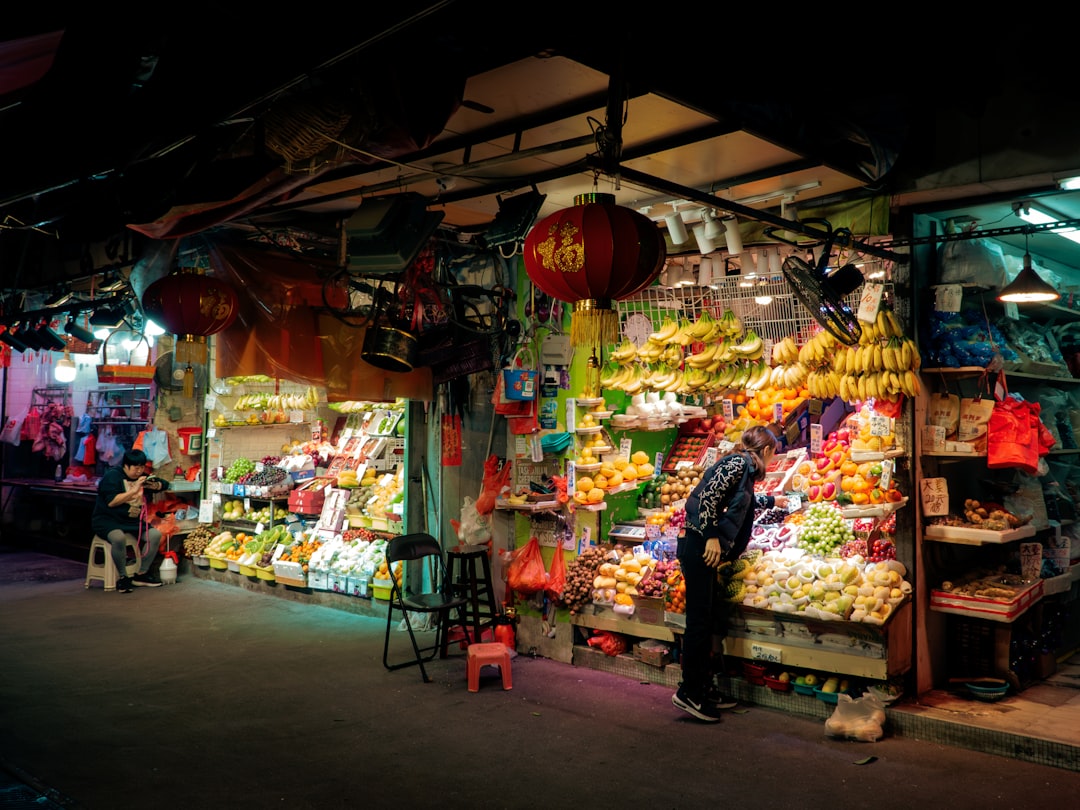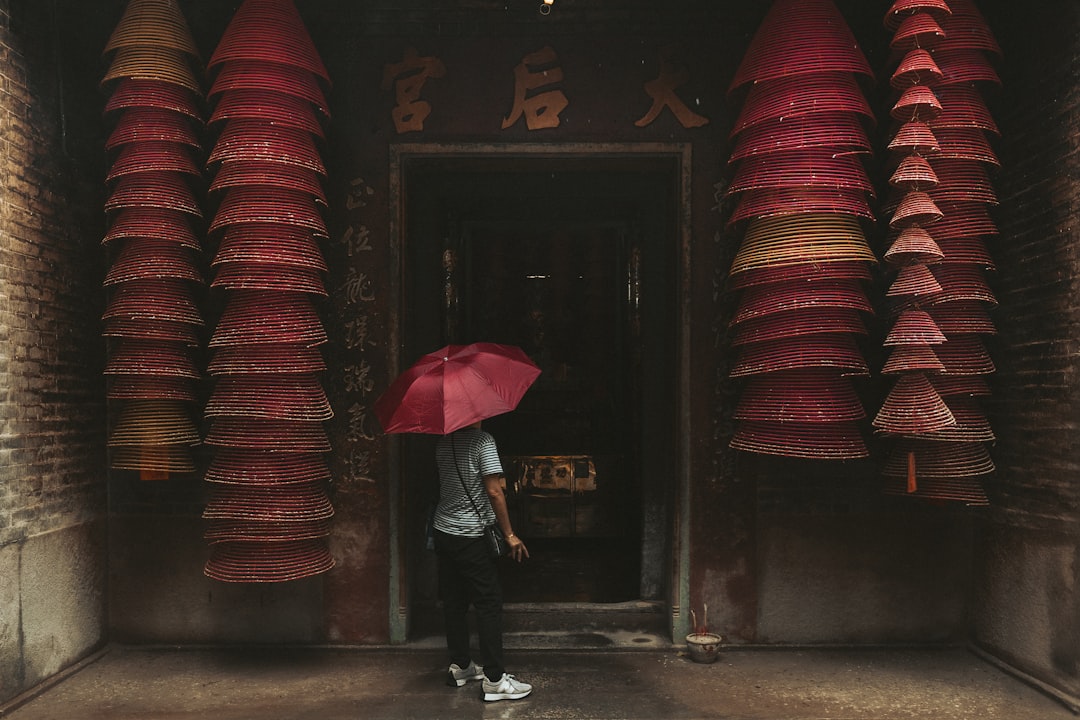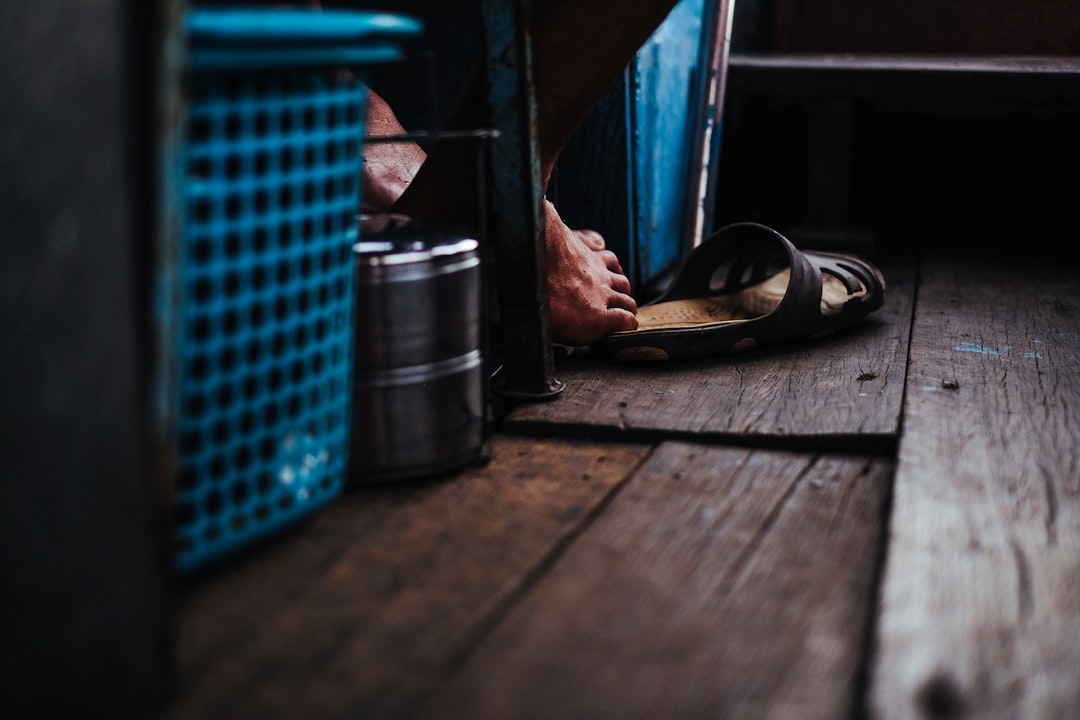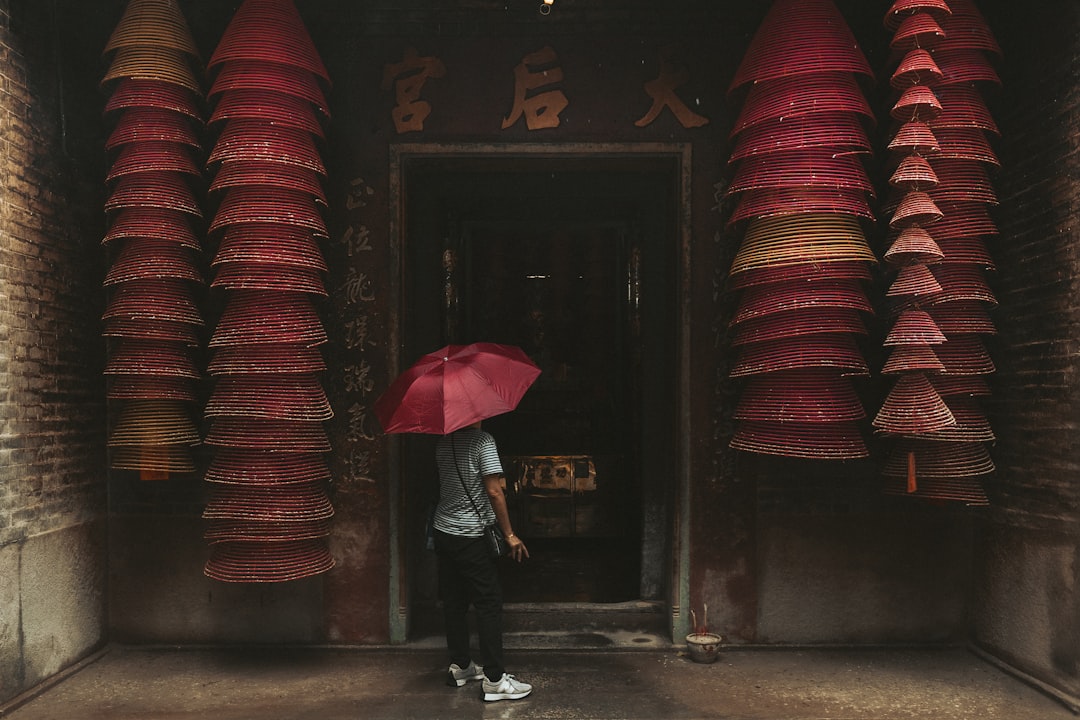
The mistake most travelers remember is rarely loud or dramatic. It is the tiny moment when a hand reaches out too quickly, shoes stay on at the doorway, or a camera rises at the wrong time. Unspoken travel rules abroad are often so ordinary to locals that nobody thinks to explain them until you break them. That is why the difference between a tourist and a welcome guest usually comes down to quiet details: how you greet a shopkeeper, where you place your feet, when you lower your voice, and whether you notice the room before acting.
This guide takes a different route through cultural etiquette. Instead of tossing out a generic list of dos and do nots, it follows the everyday rituals that shape a day in six very different cities: Tokyo, Bangkok, Istanbul, Marrakech, Copenhagen, and Mexico City. The goal is not perfection. The goal is pattern recognition. Once you understand the rhythm behind local customs abroad, you stop performing politeness and start moving through a place with more ease, more curiosity, and much better instincts.
Why etiquette feels invisible until it does not
Photo by Daniel Lee on Unsplash
Every destination has public rules and private rules. Public rules are easy to spot: no smoking signs, ticket barriers, museum hours, security lines. Private rules are more interesting. They live in tone of voice, distance between bodies, how long a greeting should last, whether you sit before being invited, and what kind of silence is comfortable. These are the rules that can make a breakfast counter in Tokyo feel serene, a market lane in Marrakech feel theatrical, or a family lunch in Mexico City stretch into half the afternoon.
The challenge is that etiquette is emotional before it is logical. You can know that removing shoes matters in some homes, but the deeper lesson is that thresholds matter. You can memorize that modest dress is expected at certain religious sites, but the real point is how to respect local culture without turning sacred places into backdrops for your photos. If you want unspoken travel rules abroad to make sense, pay attention to what locals protect: quiet, hospitality, modesty, punctuality, space, elders, prayer, or shared meals. What a society protects tells you how it wants to be approached.
One more thing helps: slow down your first hour in any new place. The best travel etiquette tips are usually observational, not theatrical. Watch how people stand in line, how they greet a cashier, whether they speak before sitting, and how fast they move through a station or market. Etiquette is often just choreography you have not learned yet.
- Pause before entering a home, prayer space, small shop, or private courtyard.
- Notice whether locals greet before asking for help or placing an order.
- Keep your voice lower than feels natural until you understand the social volume.
- Let the oldest person, host, or staff member set the pace when unsure.
- Treat doors, shoes, and shared tables as cultural signals, not minor details.
Greetings around the world: first impressions that matter

Photo by Priscilla Du Preez 🇨🇦 on Unsplash
Nothing reveals a culture faster than the first ten seconds. Greetings around the world are not just social decoration; they tell you how a place balances warmth, hierarchy, gender, time, and personal space. In Tokyo, the atmosphere of a greeting is often clean and precise, like the brushed lines of a calligraphy stroke. In Bangkok, it can feel gentle and light, shaped by soft voices and graceful hands. In Istanbul and Marrakech, greetings often breathe more deeply, with an extra phrase, an extra beat, sometimes a hand over the heart. In Copenhagen, the exchange is simpler, more direct, but still attentive. In Mexico City, warmth arrives quickly, and ignoring it can seem colder than you intended.
This is why unspoken travel rules abroad often begin before you even ask a question. A traveler who rushes straight to the transaction may seem efficient at home and abrupt elsewhere. A traveler who greets first, uses a respectful title, and waits for the other person to define the physical distance is almost always read more kindly. Local customs abroad are especially visible in small businesses, hotel desks, family-run restaurants, taxis, and markets, where the interaction is personal rather than anonymous.
Tokyo is a masterclass in measured respect. A small bow is safer than an enthusiastic handshake, especially in formal settings. If someone offers a business card or receipt with both hands, receive it neatly rather than grabbing it one-handed. Bangkok works differently: a wai, with palms together and a small nod, is appreciated, but visitors do not need to force it in every casual interaction. In Istanbul, a handshake is common, but so is warmth in the voice. In Marrakech, saying salam alaikum or at least beginning with a polite greeting softens everything. Copenhagen values straightforwardness, while Mexico City rewards simple verbal courtesy such as buenos dias before any request.
Greeting cues by city
- Tokyo: A light bow is enough in most travel situations. Avoid back slaps, surprise hugs, or overly prolonged eye contact in formal moments.
- Bangkok: Smile, lower your volume, and return a wai if it is offered to you. Do not turn the gesture into a joke or an exaggerated performance.
- Istanbul: Handshakes are normal. In more traditional settings, let the other person initiate physical contact, especially across genders.
- Marrakech: Start with a greeting before bargaining or asking for directions. Using the right hand to give or receive money is a good instinct.
- Copenhagen: Handshakes are neat and brief. First names come quickly, but that does not mean the interaction is casual in tone.
- Mexico City: Greet people when entering small shops, elevators, or reception areas. Silence can read as aloofness.
Easy wins for better first impressions
- Learn three phrases before arrival: hello, thank you, excuse me.
- Mirror the energy, not the exact gesture, if you are unsure.
- Let locals decide whether the interaction is formal or warm.
- Never assume friendliness equals informality.
- When in doubt, smile, greet first, and keep your hands calm.
If you want a useful companion piece focused on sacred spaces and shared tables, Respectful Travel Customs 2026: Homes, Temples, Tables pairs well with these greetings around the world because it shows how courtesy changes once you step indoors.
Dining etiquette abroad: tables tell you everything
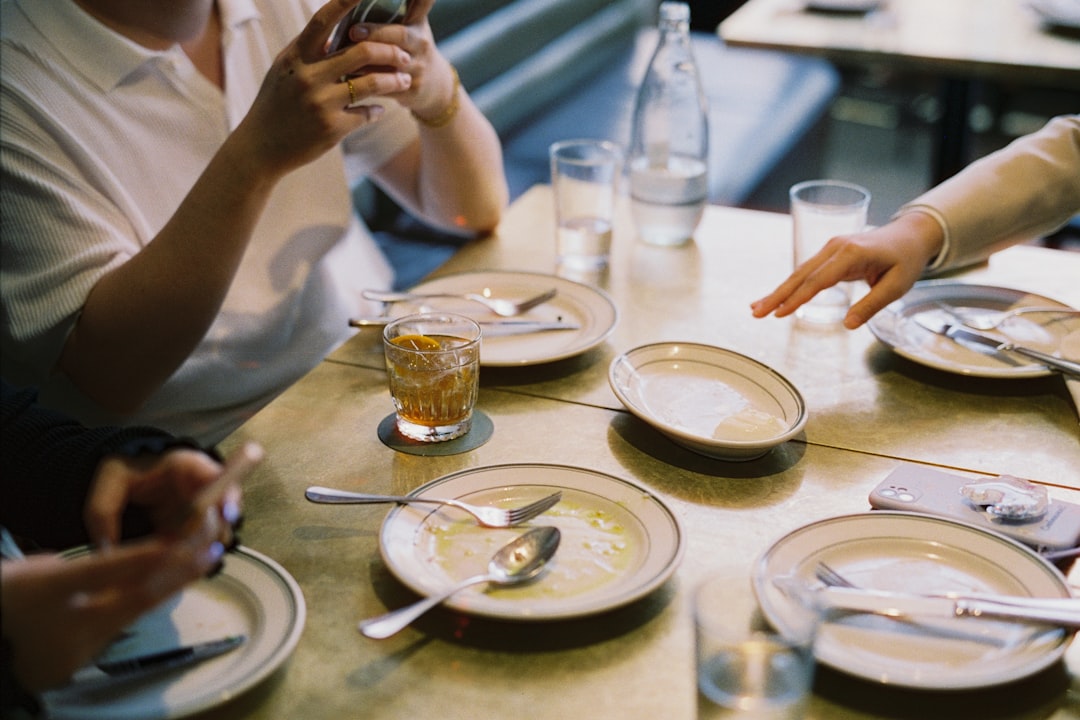
Photo by Piyathath Patiparnprasert on Unsplash
You can learn more about a culture in one long meal than in three museums. Dining etiquette abroad is where hierarchy, generosity, cleanliness, timing, and comfort all meet. The table is rarely just about food. It is about who starts, who serves, who pours, whether silence is pleasant, and how much of yourself you are expected to bring into the moment. In Tokyo, the meal can feel beautifully self-contained, each gesture neat and intentional. In Istanbul and Marrakech, the table may feel expansive, with conversation flowing as steadily as tea. In Mexico City, lunches can stretch, while in Copenhagen, the rhythm tends to be tidier and more punctual.
The biggest dining mistake travelers make is assuming good manners are universal. They are not. Slurping noodles may sound rude to one person and appreciative to another. Asking for substitutions can feel normal in one city and disruptive in another. In some places, leaving a little food signals satisfaction; elsewhere, finishing everything shows appreciation. Dining etiquette abroad becomes easier when you stop asking what is correct in general and start asking what makes the host or the room comfortable.
Tokyo offers some of the clearest examples. Slurping noodles is fine, but sticking chopsticks upright in rice is not. Passing food chopstick to chopstick is also associated with funeral rituals, so avoid it. In Bangkok, rice dishes are often eaten with a spoon and fork, with the fork guiding food onto the spoon rather than going to the mouth. In Istanbul, sharing plates and bread is common, and lingering is part of the pleasure. In Marrakech, tea and hospitality carry real weight; refusing every offer too quickly can feel brusque. In Mexico City, greeting before ordering matters, and in Copenhagen, showing up on time for a reservation matters just as much.
These unspoken travel rules abroad become especially important in markets and street-food settings, where pace is faster and decisions are public. The respectful traveler does not perform fearlessness by eating anywhere. Instead, they combine manners with judgment. If you want the practical side of choosing safer stalls and reading turnover, pair what you learn here with Avoid Food Poisoning Abroad in 2026: A Smart Food Plan.
Dining habits worth knowing
- Tokyo: Queue patiently, do not hover, and keep bags compact. At ramen counters, finish and move on rather than lingering over the seat.
- Bangkok: Use the serving spoon for shared dishes. Keep feet tucked in modestly if seated low.
- Istanbul: Tea may arrive as part of the social rhythm, not a sales tactic. Accept graciously when you can.
- Marrakech: Eat and pass food with the right hand when dining in traditional settings. Tear bread rather than waving it around or treating it casually.
- Copenhagen: Reservations are valued. Ask before assuming split bills at smaller places.
- Mexico City: Tip around 10 to 15 percent in sit-down restaurants unless service is included. Lunch is often the main event.
Table mistakes to avoid almost everywhere
- Do not start photographing every plate before others begin eating.
- Do not season food immediately before tasting it.
- Do not wave staff over with snapping fingers.
- Do not put phones on the table in intimate or family-run places.
- Do not assume loud enthusiasm reads as appreciation.
Dress codes, sacred spaces, and shoes
Fabric is a language, and travelers ignore that language at their own risk. Dress tells locals whether you understand where you are standing. A linen shirt in Copenhagen can feel understated and fitting; the same shirt unbuttoned too low inside a mosque complex can feel careless. Shorts that seem harmless on a humid afternoon in Bangkok may suddenly feel wrong on the steps of Wat Pho. A sleeveless top that passes unnoticed in Roma Norte can draw the wrong attention in a conservative quarter of Marrakech. This is one of the clearest areas where unspoken travel rules abroad can either protect your experience or undermine it.
The key is not to dress like a local costume version of yourself. The key is to remove visual friction. How to respect local culture often starts with not forcing a place to adapt to your comfort. In Tokyo, quiet colors and clean lines help you blend in. In Bangkok, temple visits call for shoulders and knees covered. In Istanbul, mosques require modest clothing and head coverings for women in certain areas, often available to borrow but easier to bring yourself. In Marrakech, loose layers are cooler and more respectful than the skimpy outfits some travelers regret within an hour.
Shoes matter too. Across Japan, parts of Turkey, Scandinavia, and many private homes elsewhere, the doorway is a decision point. A polished travel habit is to wear shoes that slip on and off easily and socks you would not mind anyone seeing. That sounds trivial until you are standing at the entrance to a ryokan, a home, or a carpeted sitting room and realize your footwear is arguing with the entire room.
If your trip includes North Africa, Morocco Packing List 2026: Cities, Desert, Coast, Mountains is especially useful for getting the balance right between heat, modesty, and practicality.
What to pack when etiquette matters
- A light scarf or shawl for shoulders, head covering, sun, or sudden temple visits.
- Long, breathable trousers or a midi skirt that works in both cities and sacred sites.
- Slip-on shoes plus clean socks for homes and shoe-off spaces.
- One smarter outfit for nicer dinners, cultural performances, or invitations.
- A crossbody bag that keeps hands free in crowded markets and transit.
Site-specific dress reminders
- Wat Pho, Bangkok: Cover shoulders and knees. Avoid transparent fabrics even in high heat.
- Suleymaniye Mosque, Istanbul: Modest clothing required; remove shoes before entering prayer areas.
- Medina visits in Marrakech: Not legally strict in most tourist areas, but modest dress lowers friction and attention.
- Traditional inns and homes in Japan: Follow shoe rules carefully and switch to indoor slippers if provided.
Body language, photos, queues, and quiet
Some of the strongest signals in travel never involve words. Body language can make you appear open, arrogant, shy, threatening, funny, or rude without you realizing any of it. How to respect local culture often comes down to small physical decisions: where you point your feet, how close you stand, whether you touch a shoulder, whether your voice fills the tram. These details matter because they shape the emotional texture of public life.
Bangkok teaches this quickly. The head is treated with special respect, so touching another person on the head, even affectionately, is a bad idea. Feet are considered low, so pointing them at people or sacred images is impolite. Tokyo teaches a different lesson: public quiet is a form of kindness. Loud phone calls on trains, sprawling bags, and blocking doors disturb the shared flow. Copenhagen adds another layer: bike lanes are not decorative stripes on the pavement but active traffic space, and drifting into one while daydreaming can feel more offensive than jaywalking elsewhere.
Photography is where many travelers get careless. In Marrakech, performers, snake handlers, and some market vendors may expect payment if you take photos. In Istanbul, prayer moments inside mosques are not your cinematic opportunity. In Mexico City, photographing crafts, children, or close-up portraits in markets without permission can feel extractive. Unspoken travel rules abroad are often really rules about dignity. If a scene is intimate, devotional, or economically sensitive, ask first.
Better photo etiquette in busy places
- Ask before photographing people, especially elders, artisans, children, and worshippers.
- Agree on price first if a performer or guide clearly expects payment.
- Put the camera away during prayer, mourning, or visibly private moments.
- Do not block pathways or queue lines for a shot.
- In museums and temples, follow signs instead of assuming silence means yes.
Public-space habits locals notice
- Tokyo: Queue exactly where marked and keep train conversations soft.
- Bangkok: Sit with feet tucked away from shrines and people when possible.
- Istanbul: Let worshippers move first around prayer times near major mosques.
- Marrakech: Bargain with humor, not aggression.
- Copenhagen: Stay out of bike lanes unless you are actually cycling.
- Mexico City: Greet vendors before asking for prices or photos.
The small rituals locals notice most
The most revealing customs are rarely the famous ones. They are the ones locals barely think about because they are stitched into everyday life. Taking off shoes. Bringing a small gift. Waiting to be shown a seat. Not opening a present immediately. Messaging if you are late. These are the moments that make local customs abroad feel less like a list and more like a texture. Once you notice them, cities begin to feel less anonymous.
Punctuality is a good example. In Tokyo and Copenhagen, five minutes early is polite. In Istanbul, timing can be flexible socially but still exact for flights, museums, and reservations. In Mexico City, dinner with friends may begin later than the stated hour, while business and transport operate on a firmer schedule. Marrakech has its own elastic rhythm in the medina, where movement bends around prayer, conversation, and heat. If you want unspoken travel rules abroad to click, stop treating time as neutral. Time is cultural too.
Gift-giving and reciprocity also matter. If invited into a home, small sweets, fruit, pastries, or something from your country usually work better than expensive gifts. In Japan, presentation counts almost as much as the gift itself. In conservative households in Istanbul or Marrakech, alcohol is not a safe default. How to respect local culture in these moments is simple: be modest, clean, and thoughtful rather than flashy.
Tiny habits that travel well
- Carry one packable pair of socks that look presentable for shoe-off spaces.
- Keep a small reserve of cash for market purchases, tips, and places that prefer cash.
- Bring a simple host gift such as chocolate, tea, or pastries when invited over.
- Message if you are running late, especially in Japan and Denmark.
- Hand over money, tickets, and small items neatly, not crumpled.
When you make a mistake
- Apologize briefly and sincerely.
- Do not over-explain or make the moment about your embarrassment.
- Correct the action immediately if possible.
- Thank the person who guided you.
- Remember that grace is usually offered to visitors who are clearly trying.
How to get there
If you want to practice these ideas in real life, these six cities are excellent classrooms. Each one teaches a different piece of the puzzle: Tokyo for quiet precision, Bangkok for graceful restraint, Istanbul for hospitality and sacred-space awareness, Marrakech for greetings and market etiquette, Copenhagen for public-space discipline, and Mexico City for warmth and social rhythm. On a multi-city trip like this, I keep prayer hours, dress notes, and airport transfer details organized in TravelDeck so I do not end up improvising basic courtesy after a red-eye flight.
Most travelers will arrive by air, then add short overland hops where they make sense. A smart route from Europe might pair Copenhagen, Istanbul, and Marrakech. From Asia-Pacific, Tokyo and Bangkok connect easily. From North America, Mexico City is the easiest gateway on this list, with Tokyo as the major long-haul leap. Unspoken travel rules abroad are much easier to absorb when you do not arrive rushed, hungry, and confused, so the airport transfer deserves more attention than people give it.
| City | Main gateway | City transfer | Useful overland add-on |
|---|---|---|---|
| Tokyo | HND or NRT | HND to Hamamatsucho by Tokyo Monorail in about 13 min from around ¥500; NRT Express to Tokyo Station in 55 to 60 min from about ¥3,250 | Kyoto to Tokyo by Nozomi Shinkansen in about 2 hr 15 min from around ¥14,000 |
| Bangkok | BKK or DMK | Airport Rail Link from BKK to Phaya Thai in about 30 min for about THB 45; taxi 30 to 60 min from about THB 300 to 500 plus tolls | Ayutthaya by train in 1 hr 20 min to 2 hr from about THB 20 to 300 |
| Istanbul | IST or SAW | Metro and bus links now make IST easier; expect 45 to 70 min into central districts, from about TRY 27 by public transport or TRY 500 to 900 by taxi depending on traffic | Ankara to Istanbul by high-speed train in about 4 hr 30 min to 5 hr |
| Marrakech | RAK | Taxi to the medina or Gueliz in 15 to 25 min for about MAD 100 to 150; airport bus is cheaper but slower | Casablanca to Marrakech by ONCF train in about 2 hr 40 min to 3 hr from about MAD 150 |
| Copenhagen | CPH | Metro to Kongens Nytorv in about 13 min for about DKK 30 to 36 | Hamburg to Copenhagen by train in about 4 hr 40 min, often from €35 to €70 if booked early |
| Mexico City | MEX | Metrobus Line 4 to central areas in roughly 45 to 60 min for about MXN 30; authorized taxi or rideshare often MXN 250 to 350 depending on zone | Puebla to Mexico City by bus in about 2 hr from around MXN 240 |
Useful official trip-planning links:
- Tokyo: https://www.gotokyo.org/en/
- Thailand: https://www.tourismthailand.org/
- Istanbul: https://visit.istanbul/
- Morocco: https://www.visitmorocco.com/en
- Copenhagen: https://www.visitcopenhagen.com/
- Mexico City: https://mexicocity.cdmx.gob.mx/
Things to do
The best cultural lessons do not happen in classrooms. They happen while rinsing your hands at a temple basin, joining a line that forms without a word, or realizing that a market conversation starts with a greeting before it starts with a price. For that reason, the most rewarding activities in this guide are places where etiquette is visible in motion rather than explained on a sign.
Treat these visits as observation labs. Arrive early, stand still for a minute, and watch what locals do before you do it. That single minute will teach you more than a rushed checklist. Unspoken travel rules abroad become much easier to understand when you attach them to real places, sounds, and rituals.
- Senso-ji, Asakusa, Tokyo
- Isetan Shinjuku depachika, Tokyo
- Wat Pho, Bangkok
- Suleymaniye Mosque and surrounding courtyards, Istanbul
- Jemaa el-Fnaa at dusk, Marrakech
- Bahia Palace, Marrakech
- TorvehallerneKBH, Copenhagen
- Mercado de Coyoacan, Mexico City
Where to stay
Accommodation shapes your etiquette experience more than people expect. A small hotel in a lived-in neighborhood teaches different habits from an airport chain, because you begin the day inside someone else’s rhythm: trash collection, bakery queues, school runs, prayer calls, and the first greetings of the morning. If you want local customs abroad to feel legible, choose walkable neighborhoods where you can observe ordinary life.
These picks are not just about comfort. They are well-placed bases for seeing how cities behave early and late, when etiquette is most visible. Prices shift by season and major events, but the ranges below are realistic starting points for 2026.
Budget
- Wise Owl Hostels Shibuya, Tokyo: from about ¥4,500 to ¥8,500 for a dorm bed. Good if you want an organized, quiet base near transport.
- Rodin Hostel, Sultanahmet, Istanbul: from about €22 to €45. Walkable to major mosques, with the old city right outside.
- Riad Dia, Marrakech Medina: from about MAD 140 to MAD 350. Social, central, and ideal for learning medina rhythms.
Mid-range
- Nohga Hotel Ueno Tokyo: from about ¥22,000 to ¥35,000. Stylish, calm, and excellent for Ueno museums and everyday neighborhood life.
- Hotel Ibrahim Pasha, Istanbul: from about €110 to €180. Warm service, rooftop views, and good access to Sultanahmet.
- Riad BE Marrakech: from about MAD 950 to MAD 1,400. A peaceful medina stay with polished hospitality.
Luxury
- Aman Tokyo: from about ¥180,000 and up. Deeply refined service that turns precision into an art form.
- The Peninsula Bangkok: from about THB 9,500 to THB 16,000. Riverside calm, excellent service, and easy river access.
- Nimb Hotel, Copenhagen: from about DKK 5,500 and up. Elegant, central, and perfect if you want polished Scandinavian hospitality.
Where to eat
If you want to understand a city, reserve at least one meal where you slow down and let the house set the pace. Restaurants are one of the best places to absorb travel etiquette tips because the rules reveal themselves in sequence: greeting, seating, ordering, sharing, paying, lingering, leaving. Dining etiquette abroad feels abstract until a server places tea on the table or a ramen chef nods you toward the seat that just opened.
The places below are not random famous names. Each one helps you see a local social rhythm in action, from quiet concentration to communal generosity. Reserve where needed, greet when you arrive, and pay attention to how others move through the room.
- Asakusa Imahan Honten, Tokyo: Classic sukiyaki in a setting that rewards calm attention. Expect set meals from about ¥7,000 upward. Address: 3-1-12 Asakusa.
- Tsukiji Outer Market, Tokyo: Better for observing line etiquette and fast counter dining than for a long meal. Go early; snack prices often range from ¥300 to ¥2,000.
- Krua Apsorn, Bangkok: A good place to try crab omelet, stir-fries, and the spoon-and-fork rhythm of Thai dining. Many mains run THB 150 to THB 450.
- Karakoy Lokantasi, Istanbul: A polished lokanta where meze, fish, and Turkish hospitality come together beautifully. Expect roughly TRY 700 to TRY 1,200 per person depending on what you order.
- Nomad, Marrakech: A rooftop favorite near the spice square with polished Moroccan dishes and a useful view over medina life. Mains often range from MAD 90 to MAD 160.
- Restaurant Schonnemann, Copenhagen: One of the best places to understand classic smorrebrod etiquette and reservation culture. Open-face sandwiches often cost DKK 160 to DKK 220 each.
- Azul Historico, Mexico City: A beautiful courtyard setting for regional Mexican dishes, with mains often around MXN 250 to MXN 450. Address: Isabel la Catolica 30.
- Contramar, Mexico City: Lively, social, and excellent for seafood. Reservations matter. Tuna tostadas and fish dishes make it a favorite in Roma Norte.
Practical tips
The most useful etiquette advice is the advice that survives a delayed flight, a heat wave, and a confusing train platform. That means pairing cultural awareness with practical planning: the right season, the right shoes, the right amount of cash, and enough mobile data to check opening hours before you reach a closed gate. Unspoken travel rules abroad are easier to follow when you are physically comfortable and not scrambling.
This is also where good intentions become habits. Travel etiquette tips sound noble in theory, but in practice they usually look like simple preparation: packing a scarf, checking prayer times, learning how locals pay for transit, and knowing whether your destination rewards punctuality or patience. If you are serious about how to respect local culture, plan for the everyday details that allow you to act gracefully.
| City | Best months | Typical daytime feel | Comfortable daily budget |
|---|---|---|---|
| Tokyo | Mar to May, Oct to Nov | Cool to mild, often 13 to 24 C | ¥14,000 to ¥35,000+ |
| Bangkok | Nov to Feb | Warm to hot, often 29 to 33 C | THB 2,000 to THB 6,000+ |
| Istanbul | Apr to Jun, Sep to Oct | Mild to warm, often 15 to 28 C | €55 to €180+ |
| Marrakech | Mar to May, Oct to Nov | Warm days, cool nights, often 18 to 32 C | MAD 500 to MAD 2,500+ |
| Copenhagen | May to Sep | Fresh to mild, often 12 to 22 C | DKK 900 to DKK 4,000+ |
| Mexico City | Feb to Apr, Oct to Nov | Mild at altitude, often 20 to 26 C | MXN 1,300 to MXN 5,000+ |
Packing and planning checklist
- Bring layers. Sacred sites, mountain evenings, and strong air-conditioning can all show up on the same trip.
- Pack clothing that covers shoulders and knees without feeling heavy in heat.
- Keep small cash in local currency for markets, tips, and taxis.
- Download offline maps and one reliable translation tool before arrival.
- Save the address of your stay in the local language where possible.
- Use an eSIM or local SIM in cities where rideshares and messaging apps are part of everyday logistics.
Customs, money, safety, and connectivity
- Currency: JPY in Japan, THB in Thailand, TRY in Turkey, MAD in Morocco, DKK in Denmark, MXN in Mexico.
- Cards vs cash: Tokyo and Copenhagen are increasingly card-friendly, but cash still smooths smaller purchases in markets and older shops. Marrakech especially rewards carrying small notes.
- Safety: Watch your phone in crowded squares, use official taxis or trusted apps, and avoid photographing security personnel, checkpoints, or sensitive government areas.
- Connectivity: Japan, Denmark, and Mexico City generally offer strong urban connectivity. In medinas and old-city districts, downloaded maps help when signals bounce between stone walls.
- Cultural prep: Read the dress rules of major temples and mosques before you go, not at the entrance.
Best mindset for each city
- Tokyo: Lower the volume and sharpen your awareness.
- Bangkok: Be gentle in tone and careful with body language.
- Istanbul: Balance warmth with respect for religious space.
- Marrakech: Greet first, negotiate calmly, and protect your attention.
- Copenhagen: Respect personal space, bike space, and time.
- Mexico City: Lead with courtesy and do not rush the social moment.
If your trip starts with a long-haul arrival and you want to land more humanely before tackling these social details, Eastbound Jet Lag Tips 2026: London Arrival by Body Clock is worth reading before a red-eye.
FAQ
What are the most important unspoken travel rules abroad?
Start with five: greet before you ask, dress for the setting, keep your voice lower than usual, ask before photographing people, and follow the local pace around queues, shoes, and shared meals. These cover a surprising amount of ground.
Do I need to learn local greetings before every trip?
Yes, at least the basics. Greetings around the world are one of the fastest ways to show effort. Even a simple hello and thank you can shift an interaction from transactional to warm.
What should I do if I accidentally break a custom?
Apologize simply, correct yourself, and move on. Most people are generous when they see genuine effort. The worst response is defensiveness or turning the moment into a performance.
Is dining etiquette abroad really that different from country to country?
Very often, yes. Dining etiquette abroad can change in chopstick use, tipping, how to share dishes, whether to linger, and how to signal that you are done. Watch the room before you act.
How can I figure out how to respect local culture if nobody explains it?
Observe first. Notice volume, spacing, shoes, line behavior, and how locals approach staff, elders, and sacred objects. That observational habit is more reliable than memorizing hundreds of isolated rules.
The beauty of travel is not collecting places. It is learning to enter them with enough humility that they reveal themselves properly. Unspoken travel rules abroad are not traps set for visitors. They are invitations to notice what a community values: quiet, generosity, dignity, timing, reverence, ease.
If you travel with that mindset, the world stops feeling like a series of attractions and starts feeling like a series of conversations. And the best conversations, like the best journeys, begin with paying attention.