Most travelers assume jet lag is just bad sleep with a passport stamp. It is not. Cross five to eight time zones east, and your body can feel as if breakfast is happening in the middle of the night, your digestion is late to the party, and your reaction time is duller than you realize. That is why smart eastbound jet lag tips matter most on routes like New York to London, Toronto to London, or Chicago to London, where the overnight flight looks short on paper but can steal the first two days of a trip.
You feel it the moment the cabin doors open: the dry airplane skin, the strange mix of coffee and jet fuel, the weak London morning light beyond the glass, the temptation to nap in the first dark corner you find. But the fastest reset is rarely sleep at random. It is timing. The best eastbound jet lag tips use biology in your favor: light when your brain needs it, food when your gut can handle it, movement when your circulation is sluggish, and only careful sleep aids when they truly fit.
This guide is built around a real scenario: arriving in London after an overnight transatlantic flight. London is perfect for this because it is one of the most common eastbound routes, it gives you easy outdoor walking for morning light exposure, and it rewards a gentle first day. If you want a useful plan rather than vague advice, this is the one to keep open before takeoff.
Why eastbound jet lag feels harsher than westbound travel
Eastbound travel usually feels worse because your body is being asked to fall asleep earlier than it wants to. A westbound trip lets you stay awake later, which many travelers can fake for a day or two. Flying east does the opposite. Your internal clock, which runs on a roughly 24-hour cycle shaped by light, temperature, hormones, and food timing, suddenly has to advance. That means local bedtime arrives while your brain still thinks it is afternoon or early evening back home.
This is where circadian rhythm travel becomes more than a wellness buzzword. Your circadian system regulates melatonin release, cortisol spikes, core body temperature, hunger, alertness, and even bowel movements. When you land in London at 7 am after leaving North America the night before, your body may still be parked in yesterday. Local sunlight says wake up. Your hormone schedule says not yet. That mismatch is the engine of jet lag.
The strongest lever you have is light. Morning light exposure tells the brain to move the body clock earlier, which is exactly what eastbound travelers need. Food timing helps too, though less powerfully. Movement supports long haul flight recovery by improving circulation, reducing stiffness, and helping you stay awake until a reasonable bedtime. Alcohol, heavy meals, and random naps usually push you the wrong way.
Jet lag is not only annoying; it can also become a safety issue. Fatigue reduces attention, patience, balance, and judgment. If you land at Heathrow after a red-eye and rent a car immediately, you are driving on the left with a tired brain and slowed reactions. That is a bad combination. For many travelers, the smartest precaution is simple: do not schedule complex decisions, long drives, or critical meetings in the first hours after landing.
Here is what eastbound travel tends to disrupt most:
- Sleep onset: you feel sleepy at the wrong time, then fully awake at 2 or 3 am.
- Appetite: you may be starving at midnight local time and uninterested in breakfast.
- Digestion: bloating, constipation, or nausea are common after overnight flights.
- Mood: irritability rises quickly when sleep pressure and dehydration combine.
- Performance: memory, reaction time, and word finding can all dip.
- Immunity: several nights of poor sleep can make crowded airports feel even harsher.
Travelers who usually struggle most include:
- Adults over 40, who often adjust more slowly than younger travelers.
- People who already sleep poorly at home.
- Business travelers trying to work immediately after landing.
- Anyone crossing more than five time zones eastbound.
- Travelers using alcohol as a sleep shortcut on the plane.
Seek medical advice rather than self-experimenting if you have sleep apnea, seizure disorders, bipolar disorder, are pregnant, take blood thinners, or use medications that already affect sleep timing. Melatonin for jet lag can be useful, but it is not something to layer casually on top of prescription sedatives.
Eastbound jet lag tips before you fly

EXjets Private Jet Charter
The biggest mistake travelers make is treating jet lag as something to solve after arrival. In reality, the easiest gains happen before you leave. Good eastbound jet lag tips begin three to four days before departure, when small shifts feel manageable. Go to bed 30 to 60 minutes earlier each night, wake earlier, and get outside soon after waking. Even a cool, ordinary morning walk around your home neighborhood starts nudging your clock toward Europe.
A strong circadian rhythm travel plan also moves meals earlier. If you normally eat dinner at 8:30 pm in Boston and you are flying to London, try pulling dinner toward 7 pm, then 6:30 pm. Your gut has its own clocks, and they lag too. Travelers who shift sleep but keep eating late often feel as though their brain is in one time zone and their stomach in another.
The days before departure should feel slightly boring, and that is a compliment. Protect sleep. Hydrate well. Reduce alcohol. Do not stack late-night social plans on top of a dawn airport transfer. I like to map my hotel, airport route, and one easy breakfast stop in TravelDeck before departure so the first foggy decisions are already made. For flight timing apps and schedule nudges, Best Travel Apps 2026: Essential Downloads for Every Trip is useful background reading.
If you want eastbound jet lag tips that actually hold up in real life, think in systems instead of hacks. You are not trying to sleep perfectly on command. You are trying to arrive with less damage.
A simple 4-day pre-flight reset
| Days before flight | Sleep target | Morning action | Evening action | Why it helps |
|---|---|---|---|---|
| 4 days out | Bed 30 min earlier | 20-30 min outdoor light within 1 hour of waking | Dim lights 2 hours before bed | Starts advancing the clock gently |
| 3 days out | Bed 45-60 min earlier | Light walk outside, protein-rich breakfast | Skip alcohol, finish dinner earlier | Reinforces earlier wake and meal timing |
| 2 days out | Hold earlier bedtime | Get bright daylight, keep caffeine to morning | Pack calmly, avoid screens late | Reduces pre-trip stress and bedtime drift |
| 1 day out | Protect a full night of sleep | Hydrate well and eat normally | No heroic late packing | Better baseline for long haul flight recovery |
A few specific adjustments make a noticeable difference:
- Move caffeine earlier. If you usually drink coffee at 4 pm, stop that habit at least two days before an eastbound flight.
- Get actual outdoor light, not just window light. Morning light exposure is more effective when you step outside.
- Train your first London bedtime in advance. Even one earlier night helps.
- Keep workouts earlier in the day. Hard evening exercise can delay sleep.
- Eat a lighter dinner the night before departure to reduce bloating on the plane.
What about melatonin for jet lag?
Melatonin for jet lag works best when timing is precise and dose is modest. More is not automatically better. Many travelers do well with a low dose, often around 0.5 to 1 mg, taken 30 to 60 minutes before the target bedtime at the destination. Some use up to 3 mg, but higher doses can increase grogginess or vivid dreams without improving results.
Used correctly, melatonin for jet lag is a clock-shifting tool, not a knockout pill. That distinction matters. If you take it at the wrong time, you can move your body clock the wrong way or feel heavily sedated when you still need to function. It also does not replace basic sleep hygiene. If you take melatonin and then scroll your phone in a bright hotel room until midnight, the light is fighting the signal you just gave your brain.
Use extra caution or check with a clinician before trying melatonin for jet lag if you are pregnant, breastfeeding, managing epilepsy, taking anticoagulants, or have a chronic medical condition that affects sleep or hormone timing. Never test a new supplement for the first time in the air.
Eastbound jet lag tips on the plane
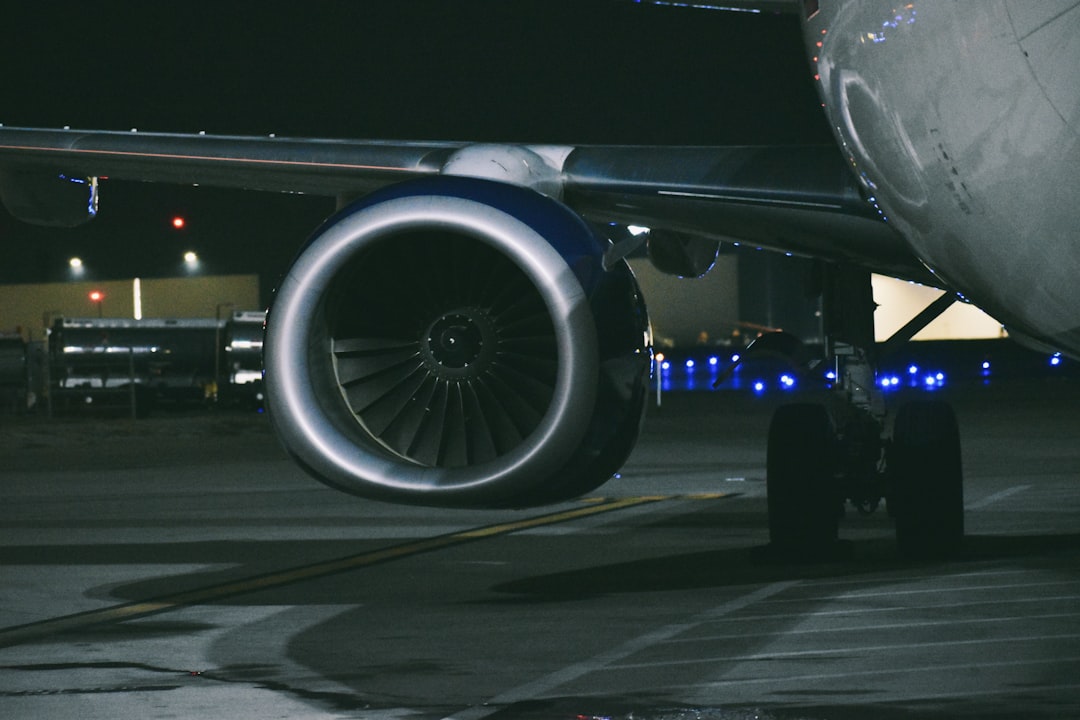
Photo by Jacob Hamm on Unsplash
The cabin is where good intentions usually fall apart. Dinner arrives too late, the seat belt sign pings all night, and a second glass of wine feels like a reasonable negotiation with reality. But the best eastbound jet lag tips on the plane are surprisingly unglamorous: set your watch to London when you board, eat lightly, sleep in one defined block if you can, and avoid turning the entire flight into a snack-and-screen marathon.
A good in-flight routine starts with your seat and your kit. On overnight flights to London, a window seat is useful because it lets you control the shade and lean away from aisle traffic. Pack your eye mask, earplugs, lip balm, toothbrush, compression socks, and a small layer in one pouch you can reach without unpacking half your bag. If you need help building that pouch efficiently, Carry On Packing Tips 2026: Capsule Kits for Real Trips has a smart framework.
Hydration matters, but so does simplicity. Aircraft cabins are dry, and even mild dehydration makes fatigue feel heavier. Long haul flight recovery starts before landing, not after. Aim for regular water throughout the flight, add one electrolyte packet on very long routes, and treat alcohol as the luxury it is: nice in theory, often unhelpful in practice. If you land in the morning, caffeine is better saved for the destination than used endlessly at 35,000 feet.
The other neglected piece of long haul flight recovery is circulation. When you sleep in a cramped seat for hours, you wake up feeling as if your muscles have been shrink-wrapped. Stand, stretch, and walk every two to three hours when safe to do so. Compression socks in the 15-20 mmHg range are a sensible precaution for many travelers, especially on longer routes or if you are prone to leg swelling.
A realistic transatlantic flight routine
| Flight phase | What to do | What to avoid |
|---|---|---|
| Before takeoff | Set devices to London time, fill water bottle after security | Starting the trip on home time mentally |
| First 1-2 hours | Eat lightly, brush teeth, use eye mask and earplugs early | Heavy dessert, too much alcohol, endless scrolling |
| Middle of flight | Try for one main sleep block, keep shade down if appropriate | Waking repeatedly to snack |
| 90 min before landing | Wake gently, drink water, stretch, wash face | Large caffeine hit if you are anxious or dehydrated |
| Final descent | Review arrival route and first activity | Booking complicated plans on the spot |
Use these eastbound jet lag tips in the air:
- Set your phone and watch to local destination time as soon as you board.
- Choose one sleep window instead of dozing all night in fragments.
- Keep caffeine to the beginning of the flight only if it will not interfere with planned sleep.
- Drink about a cup of water every hour or two while awake rather than chugging all at once.
- Wear layers. Cabin temperatures swing more than people expect.
- Brush your teeth before your planned sleep block. It sounds minor, but it tells your brain the day is over.
- Avoid first-time sleeping pills on a flight. Unexpected grogginess, agitation, or poor coordination in a cramped cabin is not worth it.
Morning light exposure and the first day in London
If there is one non-negotiable move after an eastbound overnight flight, it is this: get outside. Morning light exposure is the sharpest tool for advancing your body clock, and London gives you plenty of ways to do it without turning your first day into a forced march. Even on a gray day, outdoor light is much brighter than hotel-room light.
The ideal first day in London is gentle, bright, and deliberately underbooked. You do not need to conquer the city on five hours of broken airplane sleep. You need to stay awake, anchor your circadian rhythm travel plan, and avoid a crash nap that wrecks the night ahead. Think riverside walks, park loops, a museum bench, a decent breakfast, and one or two fixed points in the day. That is enough.
For many travelers, the first day in London goes wrong in the same way: they reach the hotel at 10 am, pull the curtains, and promise themselves a 30-minute nap that becomes three hours of confused sleep. When they wake, the room is dim, the body clock is still in North America, and bedtime drifts toward midnight. Morning light exposure, plus movement and regular meals, prevents that spiral better than almost anything else.
Long haul flight recovery also depends on managing the afternoon dip. Expect it. Around 1 to 4 pm local time, your alertness can collapse. If you truly cannot function, take a short nap of 20 to 30 minutes and set two alarms. Keep it before 3 pm. Longer naps make the first night harder.
Your best first-day rhythm after landing
- Land in London and clear arrivals.
- Get outside within the first hour if possible for 30 to 60 minutes of morning light exposure.
- Eat a normal local-time meal, ideally with protein and some complex carbs.
- Walk, do not sprint. A few relaxed miles beat one hard workout.
- Keep caffeine strategic: one coffee late morning is usually better than three by noon.
- If needed, nap 20 to 30 minutes max, before 3 pm.
- Eat dinner at a normal local hour, even if appetite feels odd.
- Aim for bed around 9:30 to 10:30 pm on the first night.
A very workable first day in London looks like this: land at Heathrow at 7:30 am, reach your hotel or luggage drop by 10 am, walk in Hyde Park by 11, have lunch around 12:30 or 1, spend the afternoon at a museum or on the South Bank, eat an early dinner, and sleep before you start bargaining with your own tired brain. These eastbound jet lag tips are boring in the best possible way.
How to get there
For North American travelers, London is usually the easiest big European gateway for an eastbound schedule test. Nonstop options are abundant, and there are several airport choices depending on your airline, budget, and final neighborhood. If you are trying to protect sleep and reduce transit friction, Heathrow is usually the smoothest first choice because it has the strongest rail links into central London.
The smartest airport plan is often the one that minimizes decisions after landing. That means choosing an arrival airport with a simple train into your hotel area, booking that hotel before departure, and reading up on airport transfers before you board. For broader queue and security planning, Airport Hacks to Save Money and Time in 2026 That Work fits well with these eastbound jet lag tips.
Typical nonstop routes to London
| Origin city | Flight time to London | Main arrival airports | Typical return fare in shoulder season |
|---|---|---|---|
| New York JFK/EWR | 6h 45m-7h 15m | LHR, LGW | $450-$850 |
| Boston BOS | 6h 15m-6h 45m | LHR | $420-$780 |
| Toronto YYZ | 6h 50m-7h 20m | LHR, LGW | CA$650-CA$1,100 |
| Chicago ORD | 7h 40m-8h 15m | LHR | $500-$900 |
| Washington IAD | 7h 00m-7h 30m | LHR | $480-$850 |
| Los Angeles LAX | 10h 20m-10h 55m | LHR | $650-$1,200 |
Airport transfer comparison
| Airport | Best rail option | Time to central London | Typical adult cost | Notes |
|---|---|---|---|---|
| Heathrow LHR | Heathrow Express | 15 min to Paddington | from about £25 advance, higher walk-up | Fastest, expensive |
| Heathrow LHR | Elizabeth line | 30-45 min depending on stop | about £13.30 to Zone 1 | Best value for many travelers |
| Heathrow LHR | Piccadilly line | 50-60 min | from about £5.60 with contactless | Cheapest, slower |
| Gatwick LGW | Gatwick Express | about 30 min to Victoria | around £21.50 | Fast, frequent |
| Gatwick LGW | Thameslink | 35-50 min | often £13-£16 | Great for Blackfriars, Farringdon, St Pancras |
| London City LCY | DLR plus Underground/Elizabeth line | 25-40 min | around £5-£8 | Excellent for Canary Wharf or the City |
| Stansted STN | Stansted Express | 47-55 min to Liverpool Street | around £23.90 | Common with low-cost carriers |
Useful official links:
If you can avoid it, do not drive yourself into central London on arrival day. These eastbound jet lag tips are partly about sleep, but they are also about safety and sensible effort.
Things to do
The best London activities for jet-lagged travelers share three traits: they get you outside, they keep you moving at an easy pace, and they do not punish you for low attention span. On the first day in London, choose places where you can sit, wander, snack, and leave without feeling you wasted a big-ticket reservation. The city is excellent at this. It gives you parks, river walks, museum courtyards, and markets where your brain can come back online gradually.
This matters because long haul flight recovery is not just a medical problem; it is a pacing problem. You want enough sensory stimulation to stay awake, but not so much pressure that you start making tired choices. The smell of roasted coffee by Borough Market, the damp grass in Hyde Park, the gulls over the Thames, the red buses easing around corners, the church bells that seem to come from nowhere: all of it helps you feel present without needing to perform.
Use these eastbound jet lag tips when planning your first day in London activities:
- Walk Hyde Park and Kensington Gardens
- Do the South Bank on foot
- Eat lunch at Borough Market
- Take the DLR or river boat to Greenwich
- Visit the Victoria and Albert Museum
- Climb Primrose Hill late afternoon
- Take a calm canal walk from Little Venice
- Use a museum or church as a reset stop, not a challenge
Where to stay
Where you sleep matters almost as much as when you sleep. For an eastbound arrival, prioritize quiet streets, blackout curtains, decent climate control, and an easy route from the airport. Areas that work especially well include South Bank, Covent Garden, Bloomsbury, King's Cross, and Marylebone. They balance transport links with walkability, which makes a first day in London much easier.
If you arrive early, ask your hotel in advance about luggage storage, early check-in fees, and room orientation. A room above a loud pub terrace can undo even the best eastbound jet lag tips. Likewise, a room with no air conditioning during a warm spell can make the first night needlessly hard.
London stays that suit a jet-lag recovery plan
| Budget tier | Stay | Area | Typical nightly price | Why it works |
|---|---|---|---|---|
| Budget | YHA London St Pancras | King's Cross | £35-£55 dorm, £110-£150 private | Easy rail access, practical for short stays |
| Budget | Point A Hotel King's Cross | King's Cross | £110-£170 | Compact rooms, simple base near transport |
| Budget | Premier Inn London County Hall | South Bank | £130-£220 | Reliable sleep basics, walkable first-day area |
| Mid-range | The Resident Covent Garden | Covent Garden | £220-£320 | Quiet comfort in a central area |
| Mid-range | Native Bankside | Bankside | £200-£310 | Apartment style, useful if you want a fridge and more space |
| Mid-range | The Hoxton Southwark | Southwark | £210-£330 | Good beds, strong location for river walks |
| Luxury | The Langham | Marylebone | £520-£780 | Excellent service, polished rooms, classic comfort |
| Luxury | The Londoner | Leicester Square | £480-£750 | Central but well insulated, multiple dining options |
| Luxury | Shangri-La The Shard | London Bridge | £650-£1,000+ | Deep comfort, dramatic views, easy rail links |
When booking, look for these sleep-supporting features:
- Blackout curtains or heavy drapes.
- Air conditioning or strong ventilation in warmer months.
- Breakfast available early.
- Luggage storage for morning arrivals.
- Walking access to a park, river, or easy cafe.
- Rooms not facing major nightlife streets.
For travelers testing eastbound jet lag tips for the first time, simple usually beats stylish. The best room is the one that lets you sleep deeply, not the one with the flashiest lobby.
Where to eat
Jet lag scrambles appetite. Some travelers land ravenous and then feel sick halfway through breakfast. Others cannot face food until noon and then overcorrect with a huge lunch that makes the afternoon slump worse. A better first-day in London eating strategy is steady and moderate: protein early, regular fluids, fruit or vegetables somewhere in the middle, and an early dinner that does not feel like a dare.
London is very good at feeding tired people because it offers every speed of meal. You can do eggs and toast in a bright cafe, a salad box in a market, or a comforting bowl of dal without committing to a three-hour dinner. This is another place where circadian rhythm travel becomes practical. Eating on local time helps send a small but useful signal to the body that the day has moved on.
Here are reliable options for a jet-lagged arrival:
- Caravan King's Cross
- Dishoom King's Cross or Kensington
- Borough Market
- Ottolenghi Notting Hill or Spitalfields
- The Wolseley, Piccadilly
- Mildreds Soho or King's Cross
A few eating rules support long haul flight recovery better than trendy hacks:
- Do not save all your calories for a huge late dinner.
- Keep alcohol modest on the first night.
- If you are using melatonin for jet lag, pair it with a dim, calm evening rather than a loud bar crawl.
- Choose real meals over constant pastries and airport snacks.
- Carry a banana, nuts, or crackers so extreme hunger does not ambush you.
Practical tips
The best months for an easier London reset are usually April, May, June, September, and early October. You get longer daylight, more comfortable walking weather, and enough morning brightness to make morning light exposure easy. Deep winter is still doable, but the late sunrise and early darkness mean you have to be more deliberate. Summer offers abundant light, though very early dawn can wake sensitive sleepers sooner than planned.
Packing for eastbound jet lag tips is not about volume; it is about friction. Bring the things that help you create the same sleep cues in different places: an eye mask, earplugs, a light layer for cabin chill, compression socks, lip balm, a refillable bottle, and one familiar bedtime item if you are a poor sleeper at home. On the street, London weather rewards layers more than dramatic gear. A light waterproof shell is more useful than an umbrella in crowded zones.
Customs, money, and safety are straightforward, but fatigue makes simple systems important. Contactless card payments are standard. Type G plugs are used in the UK. Tap water is safe to drink. Tipping in restaurants is often around 12.5 percent and may already be included. The biggest practical risk on arrival day is not crime; it is tired decision-making, especially near roads, escalators, train platforms, and when crossing streets in a city where traffic approaches from the opposite direction.
London weather and daylight for jet-lag planning
| Month | Avg high | Daylight feel | Jet-lag note |
|---|---|---|---|
| Jan | 8C | Short, gray | Harder for morning light exposure |
| Feb | 9C | Slightly brighter | Better than January, still dim |
| Mar | 12C | Noticeably longer | Good reset month if weather cooperates |
| Apr | 15C | Bright spring light | Excellent for eastbound arrivals |
| May | 18C | Long, mild days | One of the best months overall |
| Jun | 21C | Very long daylight | Easy to stay awake, use curtains well |
| Jul | 23C | Long and lively | Great light, busier city |
| Aug | 22C | Long but humid spells possible | Good for park walks |
| Sep | 19C | Balanced daylight | Ideal for many travelers |
| Oct | 15C | Shortening days | Still strong shoulder season choice |
| Nov | 11C | Darker, damper | Requires more deliberate timing |
| Dec | 8C | Very short days | Protect bedtime and morning routine |
Practical details that help more than people expect
- Connectivity: eSIMs are often easiest for short stays, or use your home carrier's roaming pass if cost is reasonable.
- Transport payments: Contactless bank cards and mobile wallets work across most TfL services. See TfL fares.
- Weather checks: Use the official Met Office forecast rather than guessing from the sky.
- Entry rules: Confirm current requirements via the official UK government ETA page.
- Health support: For urgent but non-emergency medical advice in England, NHS 111 is the standard service. Info: NHS 111.
Precautions worth taking seriously
- Do not combine alcohol, prescription sedatives, and melatonin for jet lag unless a clinician has explicitly advised you to do so.
- If one leg becomes swollen, painful, red, or hot after a long flight, seek medical care promptly.
- If you have chest pain, shortness of breath, or fainting after travel, treat it as urgent.
- Skip hard interval training on arrival day. Save your heroic workout for when your coordination returns.
- Protect the second night too. Many travelers sleep decently the first night from sheer exhaustion and then wake very early on night two.
These eastbound jet lag tips work best when repeated, not improvised. A good circadian rhythm travel routine feels almost plain, but plain is often what gets you to day three feeling human.
FAQ
How long does eastbound jet lag usually last?
A common rule of thumb is about one day per time zone crossed, but that is only a rough guide. With good eastbound jet lag tips, many travelers feel significantly better within 48 to 72 hours on North America to London routes. Without a plan, the first two nights can stretch the problem longer.
Is melatonin for jet lag actually worth trying?
For some travelers, yes, especially on eastbound routes. Melatonin for jet lag is most useful when you take a low dose at the correct local bedtime and combine it with dim evening light and strong morning light exposure. It is less helpful when used casually or in very high doses.
Should I nap after landing in London?
Only if you truly need to, and keep it short. A 20 to 30 minute nap before 3 pm can take the edge off without wrecking the first night. On the first day in London, a long hotel-room nap is usually the fastest route to a 3 am wake-up.
Is morning or evening light better after an eastbound flight?
Morning light is usually better for eastbound travel because it helps advance the body clock earlier. That is why morning light exposure is one of the most reliable tools in this guide. Save dimmer light for the evening and reduce bright screens close to bedtime.
Can I work or sightsee hard on arrival day?
You can, but it is rarely wise. Keep the first day in London light if possible. Build in walking, simple meals, and flexible plans. Long haul flight recovery is faster when the day feels structured but not punishing.
London rewards travelers who arrive gently. The city does not need to be conquered at full speed to be felt deeply. Sometimes the smartest arrival is just a riverside walk, a hot cup of coffee, a park bench in pale light, and an early bedtime behind thick curtains. Follow these eastbound jet lag tips and the city starts to sound different by the second morning: sharper footsteps on wet pavement, clearer bells over the traffic, and your own thoughts finally back on local time.