Most travelers drag far more than they use. By day three of a trip, the extra shoes are dead weight, the backup outfit is untouched, and the overstuffed toiletry bag is suddenly very hard to justify on a station staircase. That is why the best carry on packing tips are not really about squeezing harder. They are about deciding better.
If you want to know how to pack everything in a carry-on bag, start with a simple truth: space is rarely the real problem. Friction is. Friction is the jacket you packed for a forecast that changed, the shampoo bottle that steals half your liquids allowance, the second pair of jeans that never gets worn because the first pair works with everything. Good carry on packing tips remove friction before you zip the bag.
The reward is immediate and physical. You move faster through airports, slide onto trains without wrestling a suitcase into the rack, and walk cobblestone lanes without hearing those desperate plastic wheels stutter behind you. More importantly, you stop thinking like a panicked packer and start thinking like an editor. The bag becomes a short, sharp version of your trip.
In this guide, I will show you a realistic system for carry-on only travel, a flexible carry-on packing list, and scenario-based strategies for four common trips: a city break, a beach week, a work trip, and a cool-weather escape. I will also ground those ideas in real routes, hotels, restaurants, and transport options, because the smartest carry on packing tips always start in the real world, not in a perfectly lit packing video.
Cabin luggage rules that decide your whole packing plan
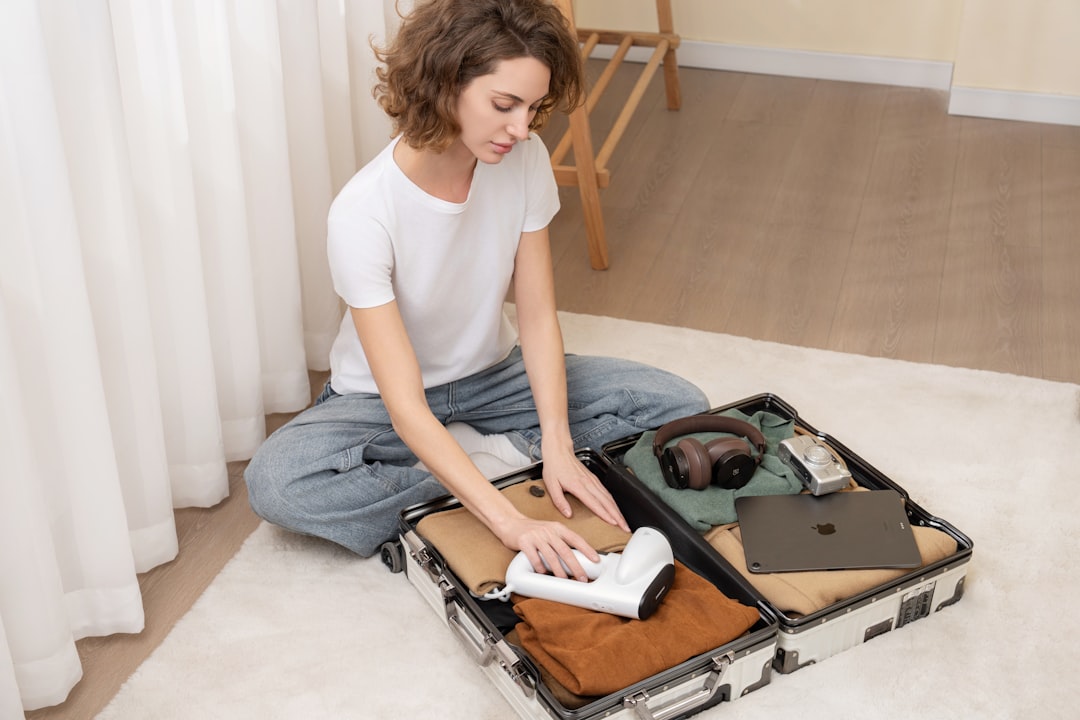
Photo by Neakasa on Unsplash
A carry-on bag is not just a bag. It is a legal limit, a scale reading, a metal sizer at the gate, and sometimes an airline agent having a very serious morning. Before you think about clothes, think about dimensions. The gap between a relaxed full-service airline and a strict low-cost carrier is the gap between traveling calmly and repacking on the airport floor.
The smartest carry on packing tips begin with the airline you fly most often, not the trip you dream about. If your year includes budget flights around Europe or Asia, pack to the strictest rule you are likely to face. If you mostly fly long-haul on full-service carriers, you may have a little more freedom in shape and weight, but liquids and convenience still matter. Cabin luggage rules should shape your bag choice once, so you are not relearning the same lesson at every departure gate.
A soft-sided 35 to 40 liter backpack or compact cabin roller usually hits the sweet spot. Add one disciplined under-seat bag and you have a complete system. The backpack wins on stairs, uneven streets, ferry ramps, and train changes. The roller wins on business corridors, smooth terminals, and trips with minimal walking between transport and hotel. Neither is better in absolute terms. Better is whatever lets you move without resentment.
| Airline | Typical carry-on allowance | Weight guide | Why it matters |
|---|---|---|---|
| Ryanair Priority | 55 x 40 x 20 cm plus small bag | 10 kg | Very common budget benchmark in Europe |
| easyJet Large Cabin Bag | 56 x 45 x 25 cm | No fixed weight listed, but you must lift it yourself | Good for paid cabin upgrades |
| Delta | 22 x 14 x 9 in plus personal item | Usually no stated domestic carry-on weight limit | Space is generous, but overhead bins fill fast |
| Emirates Economy | 55 x 38 x 22 cm | 7 kg | Weight matters more than volume |
| AirAsia | 56 x 36 x 23 cm total with personal item | 7 kg combined | One of the stricter Asian benchmarks |
Before every trip, check the current policy on the official pages for Ryanair, easyJet, Delta, Emirates, and AirAsia. For liquids, use the current TSA liquids rule as your baseline if you are flying through the United States.
A few bag rules matter more than people think:
- Choose a bag lighter than 1.5 to 2.5 kg if your airline has a 7 kg cap.
- Keep your bag slightly underfilled so it compresses into strict sizers.
- Put dense items near your back if using a backpack; it carries better and feels lighter.
- Wear your heaviest layers on the plane, especially jeans, boots, blazers, and knitwear.
- Assume the overhead bin may fill up and pack valuables so they can move quickly into your personal item.
For airport flow after you land, these carry on packing tips pair well with Airport Hacks to Save Money and Time in 2026 That Work, especially if your trip includes strict low-cost terminals and early-morning departures.
A carry-on packing list that works for most trips
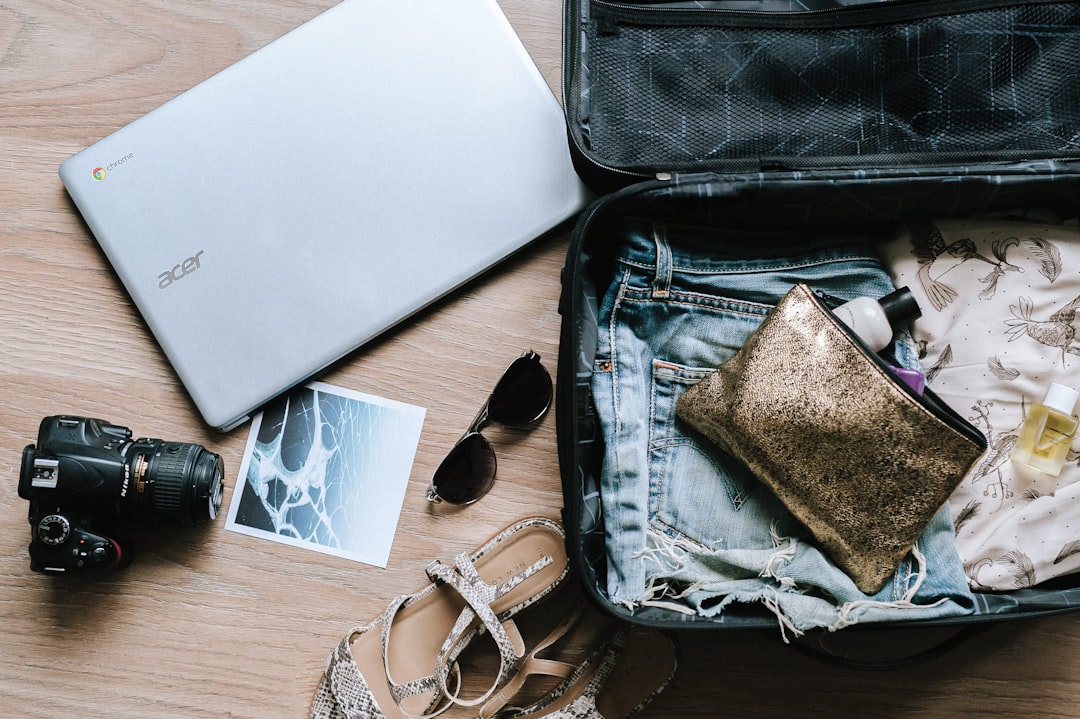
Photo by Anete Lūsiņa on Unsplash
The most reliable carry-on packing list is not a huge checklist. It is a ratio. When your bag is limited, every item must do at least two jobs: a shirt should work for day and night, a layer should handle both plane air-conditioning and a cool evening, and a shoe should survive both a museum floor and a station platform. This is where good carry on packing tips stop being restrictive and start becoming strangely elegant.
I like a three-zone formula: wear, pack, and buy. Wear the bulkiest pieces, pack the repeat performers, and plan to buy anything cheap and easy at the destination if needed. Sunscreen in a beach town, detergent sheets on a longer trip, and a compact umbrella in a rainy city are usually easier to find than space inside a full cabin bag. When I plan a trip, I sketch the forecast, dress code, and laundry chances in one simple grid on TravelDeck, then I build the bag around that, not around wishful thinking.
A universal carry-on packing list for 5 to 10 days looks like this when the climate is mild to warm:
- 4 tops
- 2 bottoms
- 1 dressier top or shirt
- 1 mid-layer
- 1 packable outer layer
- 5 underwear
- 4 socks
- 1 sleep set or multipurpose tee and shorts
- 1 walking shoe worn in transit
- 1 secondary shoe if truly needed
- 1 swimsuit if there is any pool, spa, or beach chance
Toiletries should stay lean and practical:
- Toothbrush and small toothpaste
- Solid deodorant
- Shampoo bar or decanted shampoo
- Travel-size cleanser or moisturizer
- Sunscreen under 100 ml for arrival day
- Prescription medication
- Minimal makeup or grooming kit
- Small razor if needed
- Lip balm
- Tiny laundry soap strip or detergent sheet
Tech and document essentials:
- Phone and charging cable
- Universal adapter
- Small power bank under airline battery limits
- Earbuds or headphones
- Passport
- Payment cards from two networks
- Offline boarding passes and hotel confirmations
- Backup digital copies of key documents
- Pen
This carry-on packing list works because it assumes laundry, repetition, and common sense. You are not packing for a fresh outfit every day. You are packing for a closed loop of dependable combinations. Once you understand that, carry on packing tips feel less like rules and more like freedom.
Capsule wardrobe travel for real trips, not fantasy ones
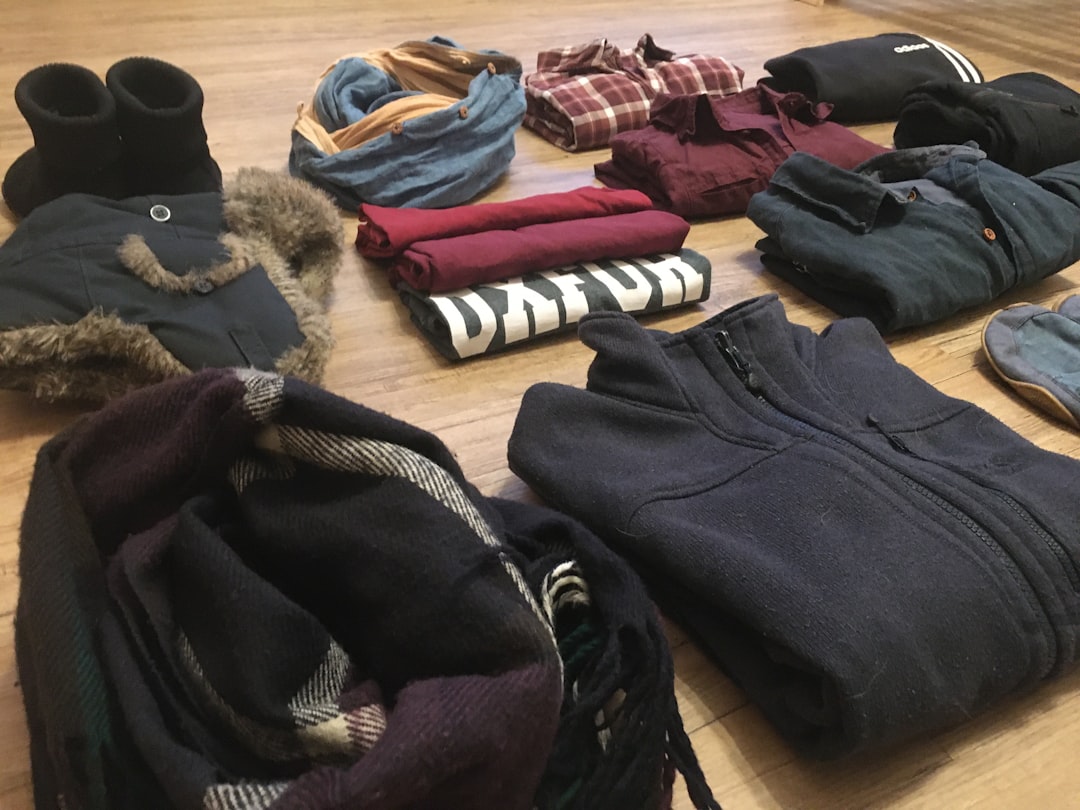
Photo by Deborah Altenbeck on Unsplash
Capsule wardrobe travel sounds glamorous until people overcomplicate it. In practice, it is just color discipline plus fabric discipline. The easiest palette is two neutrals, one accent, and one shoe story. Think navy, black, stone, and olive. Or cream, chocolate, denim, and rust. If every top works with every bottom, your bag gets lighter and your mornings get quieter.
Fabric matters even more than color. Cotton can feel lovely, but it dries slowly and bulks up when you need to wash it in a hotel sink. Merino, technical blends, light poplin, and fine knits travel better. They roll smaller, air out faster, and handle repeat wear without feeling tired. These carry on packing tips matter most when the trip is longer than your clothing count. At that point, laundry is not a failure. Laundry is the business model.
The real trick in capsule wardrobe travel is avoiding aspirational packing. Do not pack for the person who might suddenly become fond of linen trousers, bodycon dresses, or stiff loafers on vacation. Pack for the version of you that already exists and walks comfortably for ten thousand steps.
A useful formula for capsule wardrobe travel:
- 2 tops that feel casual and easy
- 1 top that looks sharper at night
- 1 long-sleeve layer for plane cabins, museums, or windy evenings
- 2 bottoms in different weights or vibes, such as tailored trousers and relaxed pants
- 1 outer layer that works with all outfits
- 1 shoe you can walk all day in
- 1 optional second shoe only if the trip clearly demands it
Color planning shortcuts that save space:
- Choose one metal tone for accessories
- Keep belts and shoes in the same color family
- Skip statement pieces that only work once
- Let scarves or lipstick provide variety instead of extra clothing
- Use a striped tee, printed shirt, or textured knit as your visual break, not a whole extra outfit
If you want better digital planning for weather, maps, and checklists, Best Travel Apps 2026: Essential Downloads for Every Trip is a helpful companion, especially when you want offline backups and laundry-friendly trip organization.
Personal item packing that saves the flight day
The under-seat bag is not an afterthought. Personal item packing is what protects your trip when the overhead bin closes early or your carry-on gets gate-checked. It is also what determines whether a long travel day feels streamlined or irritating. A brilliant cabin bag with a chaotic personal item still feels messy.
Think of the personal item as your mobile cockpit. Everything you need in motion should live there: documents, medicine, charger, water bottle, layers, and the small comforts that prevent airport fatigue from turning you into a person who buys a bad sandwich and regrets everything. These carry on packing tips work best when the personal item is small enough to slide under any seat but structured enough that you can find things by touch.
My personal item packing list stays almost identical across trips:
- Passport and wallet in one fixed pocket
- Phone cable and power bank in a slim pouch
- Refillable water bottle, empty through security
- Light scarf or thin sweater
- Medication and one blister plaster
- Lip balm and hand cream
- E-reader or compact book
- Pen
- Earbuds or headphones
- Sunglasses
- Snacks that do not melt
- A fold-flat tote for groceries, beach gear, or laundry
A few personal item packing rules make a big difference:
- Never bury passports under electronics.
- Keep liquids accessible if the airport still uses separate screening trays.
- Reserve one zip pocket for the first hour after landing: transit card, local cash, hotel address, and charger.
- If you wear a coat, make sure its pockets can temporarily hold your phone and passport during security.
Good personal item packing is also part of travel safety. Keep a backup card separate from your main wallet, store a digital copy of your passport offline, and split your payment methods. For that side of the equation, Travel Fraud Prevention Tips 2026: A Scam-Proof Trip Plan is worth reading before departure.
Carry on packing tips for a city break
A city break is where most people overpack and underthink. They imagine day outfits, night outfits, museum outfits, café outfits, and one mysterious outfit for the possibility of becoming the most stylish person on a side street in Paris. In reality, urban travel rewards repetition. You need layers for changing temperatures, a shoe that survives polished floors and slick pavements, and pieces that feel right from breakfast to a late glass of wine.
Picture a spring weekend in Paris. The morning is blue-gray and cool along Canal Saint-Martin, the Metro platforms are warm, and by afternoon the sun glints off zinc rooftops near Le Marais. Then the evening drops again, and suddenly the jacket you nearly left at home becomes the hero. Carry on packing tips for cities must respect microclimates, public transport, and the fact that you will probably walk far more than planned.
For a 3 to 5 day city break, use this carry-on packing list:
- 3 tops that layer easily
- 2 bottoms, ideally one darker and one lighter
- 1 knit or overshirt
- 1 weatherproof outer layer
- 1 versatile shoe worn in transit, such as leather sneakers or cushioned trainers
- 1 compact evening option only if the itinerary truly needs it
- 1 crossbody or secure day bag
City break packing strategy:
- Wear your heaviest trousers and main shoe on travel day.
- Keep the color palette tight so every photo-ready outfit comes from the same few pieces.
- Bring a very thin foldable umbrella or buy one on arrival.
- Skip bulky beauty tools; most city hotels have hairdryers and good mirrors.
- Plan one mid-trip sink wash if the stay runs past four nights.
The city version of capsule wardrobe travel should feel polished but invisible. You do not need separate personalities for morning coffee, a museum line, a bistro dinner, and a riverside walk. One smart bag, one steady shoe, one good jacket, and the city opens up.
Carry on packing tips for a beach week
Beach trips deceive people because swimwear is small. The trouble is everything around it: sandals, cover-ups, beauty products, hats, beach towels, and the powerful fantasy that this will be the trip when six outfits per day somehow make sense. Salt air and bright sun encourage excess because life feels slower and more cinematic by the water.
Now picture Palma in early June. The air smells of sunscreen and orange blossom near the old town walls, scooters hum through narrow lanes, and Cala Major flashes white and turquoise under a hard Mediterranean light. You spend the day moving between pavement and sand, café chair and sea ladder, shaded market hall and blinding marina. Carry on packing tips for beach trips work best when every non-swim piece can go from beach to town with a quick rinse and a new pair of earrings.
For a 5 to 7 day beach escape, use this carry-on packing list:
- 3 lightweight tops or shirts
- 2 bottoms, such as linen shorts and loose trousers
- 2 swimsuits or swim shorts so one can dry while the other is worn
- 1 airy layer for evening breeze or air-conditioning
- 1 sandal that can handle water and walking
- 1 nicer flat shoe only if evenings justify it
- 1 foldable tote or beach bag
- 1 hat that either packs flat or clips to your bag
Beach packing strategy:
- Buy larger sunscreen at the destination after your arrival day.
- Use a sarong or oversized shirt as cover-up, picnic cloth, and emergency towel.
- Keep fabrics quick-drying; humid cotton can feel heavy and smell stale fast.
- Skip thick books; sand and salt are kinder to an e-reader in a sleeve.
- Pack one dry bag or large zip pouch for wet swimwear and boat days.
Beach trips are where carry on packing tips save the most money. Low-cost island routes love charging for checked bags, and ferries, buses, and old guesthouse staircases feel very different when your luggage is light enough to lift with one hand.
Carry on packing tips for a work trip
Work travel has its own panic. People pack backups for every meeting because the stakes feel higher. Suddenly there are extra shirts, an emergency blazer, too many cables, and shoes that are good for conference carpets but terrible on the walk back to the hotel. A work trip needs precision, not volume.
Imagine Berlin on a two-night business schedule. The light is silver over the Spree, trams hiss past glass offices, and by evening you are moving from a meeting near Potsdamer Platz to dinner in Mitte without time to reset. Carry on packing tips for work trips must account for wrinkles, devices, and the fact that your bag may go from airport floor to boardroom corner in a single day.
For a 2 to 4 day work trip, use this carry-on packing list:
- 2 meeting-ready tops or shirts
- 1 travel-friendly blazer or structured layer worn in transit
- 2 bottoms, with at least one that can pass in a formal setting
- 1 off-duty top for dinner or downtime
- 1 polished walking shoe worn on the plane
- 1 sleep or lounge set
- Laptop, charger, adapter, presentation backup, and compact mouse if needed
Work trip strategy:
- Choose wrinkle-resistant fabrics and darker colors that forgive repeat wear.
- Use one shoe that can pass in both work and smart-casual settings.
- Roll soft garments, but fold blazers and shirts with shape.
- Keep tech in one pouch and cords banded by length.
- Pack one tiny laundry bag so worn pieces never mix with clean ones.
This is where capsule wardrobe travel feels least like fashion and most like engineering. Every item should earn its square inch. Smart carry on packing tips for work travel reduce decision fatigue, which is worth more than the bag fee you save.
Carry on packing tips for a cool-weather trip
Cold destinations scare people into checked luggage because bulk looks intimidating. But cold-weather packing is not about bringing more. It is about building a better layer stack. Once you stop packing separate warm outfits and start packing compatible layers, the whole thing gets smaller and more sensible.
Think of a long weekend in Reykjavik in October. The wind smells faintly of sea salt, steam lifts from geothermal pools into cold air, and the sky turns from pewter to sudden pink around the harbor. Indoors, cafés are warm and woolly. Outdoors, weather shifts fast enough to make you grateful for every zip, cuff, and hood. Carry on packing tips for cool-weather trips depend on thin, high-performance layers instead of one dramatic bulky coat.
For a 3 to 5 day cool-weather escape, use this carry-on packing list:
- 2 base layers, ideally merino or technical fabric
- 2 tops for indoor use
- 1 warm mid-layer, such as fleece or fine knit
- 1 waterproof outer shell
- 1 dark trouser and 1 travel legging or jogger
- 1 waterproof walking shoe or boot worn in transit
- Hat, scarf, and gloves if the forecast needs them
- Swimwear for hot springs or hotel spas
Cool-weather strategy:
- Wear the coat, not the coat plus extra backup knitwear in the bag.
- Choose one compact insulated layer instead of multiple heavy sweaters.
- Use the hotel radiator, towel rail, or heated bathroom floor for overnight drying.
- Pack extra socks, not extra outfits.
- Remember that restaurants, buses, and museums are often overheated compared with the street.
The secret here is confidence. Once you trust the layer system, pack light for travel becomes easier even in cold climates. Bulk is emotional. Warmth is technical.
What never makes the cut
Every frequent traveler ends up with a private list of items that looked wise at home and ridiculous by the end of the trip. Mine includes a second handbag, three beauty products that did the same job, and a dress that only worked with shoes I hated. These mistakes are normal. They are also expensive in volume.
The sharpest carry on packing tips are really subtraction skills. If an item solves a highly unlikely problem, needs another item to function, or only matches one specific outfit, it is probably losing the audition. The goal is not minimalism as a personality trait. The goal is a bag that makes the trip easier.
Leave these out unless the itinerary clearly demands them:
- A third pair of shoes
- Full-size toiletries
- Heavy jeans plus multiple other heavy bottoms
- Thick cotton hoodies in warm climates
- Formalwear for hypothetical invitations
- Large cameras if your phone is enough
- Extra handbags
- Hardcover books
- Hair tools that duplicate hotel basics
- Souvenirs you plan to buy before you have actually left space for them
A simple edit test helps:
- Did I wear this on my last two trips?
- Does it work with at least two outfits?
- Can I buy or borrow it cheaply if needed?
- Does it make the journey itself easier?
If the answers are weak, the item goes. That is how you pack light for travel without feeling deprived.
How to get there
To show how these carry on packing tips play out in real life, here are four carry-on-friendly trip types with specific transport routes. These are not random examples. They are the kind of journeys where one small bag changes the whole rhythm of the trip: train platforms, island transfers, office districts, and windy northern arrivals.
The more connections a trip has, the more cabin luggage rules matter. A direct flight can forgive a slightly clumsy bag. A trip that mixes train, plane, bus, and hotel stairs will punish it immediately. That is why I use these sample routes as a packing stress test.
| Trip type | Best arrival route | Duration | Typical one-way cost | Useful links |
|---|---|---|---|---|
| Paris city break | London St Pancras to Paris Gare du Nord on Eurostar | 2h 18m | From €44 to €140 | Eurostar, Paris Airports |
| Palma beach week | Barcelona to Palma de Mallorca flight into PMI | 50m flight plus 20m airport bus | From €25 to €80 | Aena PMI |
| Palma by sea | Barcelona ferry to Palma | 7h 30m to 8h 30m | From €35 to €90 seat-only | Port de Palma |
| Berlin work trip | Amsterdam Schiphol to BER | 1h 20m flight plus 35m airport train | From €60 to €180 | BER Airport |
| Berlin by rail | Hamburg Hbf to Berlin Hbf on ICE | 1h 45m to 2h | From €18 to €70 | Deutsche Bahn |
| Reykjavik cool-weather trip | London to KEF | About 3h 10m flight plus 45m bus to Reykjavik | From €90 to €260 | Keflavik Airport, Flybus |
Drive times are equally revealing when you want to test whether your bag is truly manageable:
- Brussels to central Paris: about 3h 45m to 4h 15m depending on traffic.
- Palma Airport to Sóller by car: roughly 35 to 40 minutes.
- Prague to central Berlin: around 3h 45m to 4h 30m.
- Reykjavik to Thingvellir National Park: around 45 minutes to 1 hour.
If your luggage feels annoying in these transfer windows, it is too big.
Things to do
Packing makes the most sense when it is tied to actual days. A bag built for real movement is always better than a bag built for vague possibility. These activities are excellent examples because they show how different types of trips still reward the same core logic: flexible layers, one dependable shoe, and a disciplined personal item packing setup.
The beauty of carry-on travel is that it changes your behavior as much as your wardrobe. You say yes to the extra metro transfer, the last-minute viewpoint, the unplanned market stop, and the small lane that looks interesting because your body is not busy resenting a heavy suitcase.
Here are eight specific activities that match the trip types above:
- Walk the Canal Saint-Martin and continue into Le Marais, Paris. Flat route, stylish but casual, ideal for trainers, a knit, and a light jacket.
- Spend an afternoon at the Musée d'Orsay, Paris. Museums can run cool indoors, so a thin layer matters more than a second outfit.
- Swim at Cala Major, Palma. Bring a second swimsuit so one dries while you explore town.
- Browse Mercat de l'Olivar, Palma. A fold-flat tote pays for itself here with fruit, pastries, and local snacks.
- Hold meetings around Potsdamer Platz, Berlin. A single polished walking shoe is the hero on long business days.
- Take an evening drink at Monkey Bar, Berlin. This is where one sharper top or shirt earns its place.
- Soak at Sky Lagoon outside Reykjavik. Swimwear is not optional in Iceland, even on cold-weather trips.
- Wander the Old Harbour and Harpa area, Reykjavik. Windproof layers matter more than bulky fashion pieces.
Each of these activities proves the same point: good carry on packing tips are really activity filters. Pack for what you will actually do, not for a cinematic trailer of the trip.
Where to stay
Hotels shape packing more than people admit. A small lift, no lift, a quick laundry option, beach proximity, or easy airport transport can all change what belongs in your bag. When I choose a place for a carry-on trip, I want simple access first, style second. A beautiful hotel at the top of four steep staircases is less charming with a heavy case.
These properties work well for travelers using a carry-on packing list because they are well located, transit-friendly, and sensible for short stays. Prices vary by season, but the ranges below are realistic for 2026 bookings made in advance.
| Budget tier | Hotel | Area | Typical nightly price | Why it works for carry-on travelers |
|---|---|---|---|---|
| Budget | The People Paris Marais | Paris | €45 to €120 | Central enough for short stays, compact rooms, good metro links |
| Budget | Hostal Bonany | Palma | €70 to €115 | Simple base near the marina, easy for beach and town splits |
| Budget | KEX Hostel | Reykjavik | €55 to €145 | Social, central, and practical for bus pickups |
| Mid-range | Hotel des Arts Montmartre | Paris | €180 to €260 | Excellent neighborhood feel, easy walking, polished but not fussy |
| Mid-range | Hotel Basilica | Palma | €140 to €220 | Old-town location, smart for short city-and-beach combinations |
| Mid-range | Motel One Berlin-Alexanderplatz | Berlin | €110 to €170 | Efficient business stay with strong transit access |
| Luxury | Le Grand Mazarin | Paris | €450 to €650 | Splurge address in the heart of the city, ideal for short stylish stays |
| Luxury | Hotel Can Cera | Palma | €350 to €600 | Quiet old-town luxury with easy taxi access |
| Luxury | The Reykjavik EDITION | Reykjavik | €420 to €700 | Waterfront location, strong amenities, perfect for short premium trips |
If your stay is longer than four nights, prioritize a room layout that lets clothing air out and a property near a laundromat or with guest laundry options. Those details do more for a carry-on only trip than a giant wardrobe ever will.
Where to eat
Restaurants also tell you what kind of trip you are really taking. A bag for market lunches, tapas hopping, and bakery breakfasts looks different from a bag built around tasting menus and formal hotel bars. That does not mean you need separate luggage. It means you need one wardrobe flexible enough to cross those thresholds without drama.
A smart carry-on packing list always leaves a little room for food-related spontaneity: market purchases, a bakery stop, a bottle of olive oil padded in clothing on the way home. Travel feels richer when the bag is not so packed that there is no space for the life of the trip.
These places are useful, real-world benchmarks:
| City | Place | What to order | Typical spend |
|---|---|---|---|
| Paris | Bouillon Pigalle | Steak-frites, onion soup, chocolate mousse | €15 to €30 |
| Paris | Breizh Café, Le Marais | Savory galettes and cider | €18 to €35 |
| Palma | Mercat de l'Olivar | Seafood plates, jamón, ensaïmada nearby | €10 to €25 |
| Palma | Ca'n Joan de S'Aigo | Ensaimada and thick hot chocolate | €8 to €18 |
| Berlin | Mustafa's Gemüse Kebap | Famous kebab worth timing carefully | €7 to €12 |
| Berlin | Lokal | Seasonal German plates in Mitte | €20 to €40 |
| Reykjavik | Bæjarins Beztu Pylsur | Classic Icelandic hot dog | €4 to €8 |
| Reykjavik | Seabaron | Lobster soup near the harbor | €18 to €35 |
Eat a few meals like this and your clothing needs become clear. Most trips do not need special restaurant outfits. They need neat, clean, repeatable clothes that can handle a market in the morning and dinner at night.
Practical tips
The final layer of carry-on success is not what you fold but what you anticipate. Best months, local currency, weather swings, and how connected you will be on arrival all affect the bag. Carry on packing tips work best when they absorb reality instead of fighting it.
For the four sample trip types above, this is the practical framework I would use in 2026.
| Trip | Best months | Weather feel | Currency | Safety and customs | Connectivity and packing note |
|---|---|---|---|---|---|
| Paris city break | April to June, September to October | Mild days, cool mornings, occasional rain | Euro | Pickpocket awareness on transit; dress codes are usually casual-smart, not formal | eSIM works well; pack a light rain layer and one polished everyday outfit |
| Palma beach week | May to June, September | Warm sun, breezy evenings, intense UV | Euro | Standard Mediterranean caution; beachwear belongs on the beach, not in churches or formal town settings | Strong mobile coverage; buy full-size sunscreen locally and carry a wet bag |
| Berlin work trip | March to June, September to November | Changeable, urban, cooler after dark | Euro | Efficient city, casual business culture in many sectors but meetings can still lean smart | Great public transport apps; wrinkle-resistant layers and one strong shoe matter most |
| Reykjavik cool-weather trip | May to September for milder weather, October to March for aurora and harsher conditions | Windy, fast-changing, colder than photos suggest | Icelandic króna | Very safe overall; weather is the main risk, not city crime | Reliable data; waterproof shell, swimsuit, and extra socks beat a huge coat |
A few universal practical tips always help:
- Check the exact forecast 48 hours before departure, then edit the bag once more.
- Weigh the packed bag at home with a digital luggage scale.
- Keep one liter-bag liquids ready even if your departure airport is more relaxed.
- Download maps and boarding passes offline before leaving for the airport.
- Assume you will rewear at least half your tops and at least one bottom.
- Leave 10 to 15 percent of bag space free for food, laundry separation, or a small souvenir.
These carry on packing tips get easier every trip. After two or three carry-on only journeys, you stop missing the extra stuff because you start trusting the system.
FAQ
How do I pack everything for a week in one carry-on?
Use a carry-on packing list built around repetition, not daily outfit changes. Four tops, two bottoms, one layer, one jacket, and one main shoe is enough for most mild-weather weeks if you plan one sink wash or hotel laundry stop. The best carry on packing tips focus on outfit combinations, not item counts.
What is the 3-3-3 rule for carry-on packing?
Travelers use different versions, but the most practical 3-3-3 rule means three tops, three bottoms, and three pairs of shoes at most. I think that shoe count is usually too generous. For most trips, carry on packing tips work better with two shoes maximum and often just one main pair plus sandals.
How strict are cabin luggage rules in 2026?
Cabin luggage rules are still one of the biggest variables in carry-on travel. Budget airlines remain stricter on both size and weight, while full-service carriers are often more forgiving on size but can still enforce weight on some routes. Always check your airline before packing and build your bag to the strictest carrier in your itinerary.
What should go in a personal item instead of the main bag?
Personal item packing should cover everything you need if your main bag is temporarily separated from you. Put passport, wallet, medication, chargers, one layer, valuables, and anything needed for the first few hours after landing under the seat. That way, even a forced gate check does not disrupt the trip.
Is carry-on only realistic for cold-weather trips?
Yes, if you build layers instead of packing bulk. Merino base layers, a compact mid-layer, waterproof shell, and one good pair of boots can handle a lot more than a giant coat plus random sweaters. That is why so many carry on packing tips for winter are really layering lessons in disguise.
You do not learn how to pack everything in a carry-on bag by folding tighter. You learn it by getting honest. Honest about your habits, your itinerary, your weather, and the difference between need and anxiety. Once you see that clearly, the bag almost packs itself.
The pleasant surprise is not just the lighter luggage. It is the lighter feeling that comes with it: walking out of the terminal without a baggage-claim detour, lifting your bag into a train rack in one smooth motion, and discovering that pack light for travel is not a compromise at all. Done well, it feels like editing a trip down to its sharpest, most memorable form.