Jet lag can steal two or three of the best days of a trip, and on a fast city break that is a brutal tax. A smart jet lag recovery plan is not about toughing it out with airport coffee and blind optimism. It is about teaching your body, as quickly as possible, that dawn is dawn, dinner is dinner, and bed is bed in a new place. If you land in Singapore after a long-haul flight from Europe, North America, or the Middle East, that reset matters immediately.
Singapore is a surprisingly good classroom for learning how to beat jet lag. The air that hits you outside Changi is warm and damp, the city runs on reliable meal hours, sidewalks are easy to navigate, parks open early, and hotel infrastructure is built for tired international arrivals. You can step from the polished hush of the airport into bright tropical light, eat a gentle breakfast, walk under banyan shade, and be asleep behind blackout curtains at the right local hour. That sequence is more powerful than most travelers realize.
This jet lag recovery plan uses Singapore as a real-world arrival strategy, but the science applies almost anywhere. You will learn what to do before departure, what to do on the plane, the best time to sleep after flight, how to use sunlight without frying yourself in equatorial heat, where to stay for quiet nights, what to eat when your stomach still thinks it is yesterday, and which gentle activities help your body clock catch up. The goal is simple: land, recover, and still enjoy the city instead of floating through it in a fog.
Why a jet lag recovery plan works better than winging it
Marzia Duarte
The miserable part of jet lag is that it feels like pure sleepiness, but it is really a scheduling problem. Your internal clock, or circadian rhythm, is still running on the old time zone. Hormones that control alertness, body temperature, digestion, and sleep are arriving on yesterday's timetable. That is why you can feel ravenous at 3 am, flat at noon, and wide awake when every sensible person in Singapore has already gone to bed.
A good jet lag recovery plan works because it stops treating fatigue as the only enemy. Instead, it uses the strongest timing signals your body responds to: light, darkness, meals, movement, caffeine, and sleep pressure. Light is usually the loudest signal. Food comes next. Activity helps. Random naps, heavy airport meals, and late-day caffeine muddy the message.
Singapore makes those signals easier to control than many first-stop cities. Changi Airport is efficient, immigration is usually smooth, taxis and trains are obvious, and safe outdoor spaces are everywhere. You do not need to burn brainpower decoding a chaotic arrival. That saved mental energy is not trivial. When people ask how to beat jet lag, they often focus on supplements first, but simplicity matters just as much. A low-stress arrival lowers the odds that you will compensate with too much caffeine, too much alcohol, or a four-hour panic nap.
Watch for the classic signs that your body clock is misaligned:
- Sleepiness at the wrong local hour
- Early-morning waking with no chance of falling back asleep
- Brain fog and clumsy decision-making
- Headaches made worse by cabin dehydration
- Constipation, bloating, or hunger at odd times
- Irritability that makes a warm, beautiful city feel strangely hostile
If your trip is short, a jet lag recovery plan is not a wellness extra. It is part of basic trip design, right alongside immigration documents, transfer plans, and where you will sleep the first night.
Circadian rhythm travel rules for eastbound and westbound trips
Not all time-zone changes feel the same. Eastbound travel is usually harder because you are asking your body to sleep earlier than it wants to. Flying from London to Singapore, for example, means your evening suddenly arrives many hours ahead of schedule. Westbound trips tend to be easier because staying awake later is more natural for many people than forcing an early bedtime.
That is why circadian rhythm travel advice must be directional. Morning light can be helpful or unhelpful depending on which way you flew. The same goes for caffeine and naps. Travelers who ignore this often feel like the advice failed, when the problem was timing rather than the method.
Use this simple framework the moment you know your route:
| Travel direction | What your body needs | Best light strategy | Best caffeine strategy | Biggest mistake |
|---|---|---|---|---|
| Eastbound to Singapore | Shift earlier | Get bright morning light, reduce late-night screens | Use caffeine early only | Long late-afternoon naps |
| Westbound from Australia or Japan to Europe via Singapore | Shift later, then stabilize | Seek later-day light if still adjusting | Delay caffeine until true local morning | Going to bed too early |
| Multi-stop route with overnight layover | Protect a single bedtime | Match meals and sleep to final stop if layover is short | Keep dose small and early | Treating every airport clock as a new reality |
For most visitors arriving in Singapore from Europe or the Americas, the city is the eastern jump that hurts. The best time to sleep after flight is usually not when you first crave it. It is at a reasonable local bedtime after enough daylight, food, and movement have built sleep pressure. That can feel counterintuitive, but it is the center of this jet lag recovery plan.
How to beat jet lag before you fly
Photo by Fabio Sasso on Unsplash
The battle starts before the airport. If you wait until landing to think about your body clock, you are already late. The most effective pre-trip changes are boring, small, and cumulative: a slightly earlier bedtime, a little less evening screen glare, more morning light, less alcohol the night before departure, and realistic expectations about what your first day can hold.
If you are flying east to Singapore, begin shifting your schedule 3 to 5 days before departure. Move bedtime and wake time 30 to 60 minutes earlier each day if your work and family schedule allow it. Eat dinner a bit earlier too. The body responds better when light, sleep, and meals all move together. If you only shift sleep but keep midnight snacking and late scrolling, the signal gets messy.
This is also where practical travel choices matter. A too-tight connection, a 2 am packing session, or a last-minute sprint through security can undo the calm you are trying to create. I like to build a jet lag recovery plan into the itinerary itself: choose a first hotel with blackout curtains, pick a neighborhood that allows a gentle walk instead of a taxi-dependent maze, and schedule very little for day one. When I sketch a landing day in TravelDeck, I block morning light exposure, a simple lunch, and an early dinner before I ever think about museums or rooftop bars.
A few days before departure, focus on these pre-flight moves:
- Shift bedtime earlier by 30 to 60 minutes each night if heading east
- Get outdoor light soon after waking at home, even 15 to 20 minutes helps
- Reduce heavy dinners and alcohol for 48 hours before the flight
- Hydrate well the day before travel rather than trying to rescue yourself mid-flight
- Choose an arrival time that supports your plan, ideally morning or midday if you want a same-night reset
- Pack a sleep kit with eye mask, earplugs, lip balm, refillable bottle, electrolytes, and a light layer
If you need help building a comfortable in-flight setup, Long-Haul Flight Routine 2026: Sleep Better in Economy is worth reading before you go. And if you want to keep your carry-on light enough that you are not wrestling with luggage in a humid arrivals hall, One Bag Packing System 2026: Fit Real Trips in Cabin Luggage pairs perfectly with this jet lag recovery plan.
A note on melatonin, medication, and supplements
Melatonin can help some travelers, especially for eastbound trips, but timing matters more than enthusiasm. A small dose, often 0.5 mg to 3 mg, taken 30 to 60 minutes before your target bedtime in Singapore can be useful for the first two or three nights. More is not automatically better. Too much can leave you groggy or wakeful at strange hours.
If you take regular medication, especially anything sedating or stimulating, do not improvise because a flight made you desperate. Travelers carrying controlled medicines into Singapore should check official rules before departure at HSA Singapore. The best jet lag recovery plan is safe, not experimental.
On the plane: the small choices that decide your first 24 hours
Once boarding begins, most people slip into survival mode. They eat what appears, watch whatever glows, and sleep whenever their eyelids collapse. That is understandable, but it gives away your best leverage. The flight is where you begin speaking local time.
Set your phone and watch to Singapore time after takeoff. It sounds gimmicky, yet it changes behavior. Suddenly you are not eating a random second dinner because the trolley came by; you are deciding whether that meal belongs at breakfast, lunch, or not at all in the city you are flying to. That mental switch is a quiet cornerstone of how to beat jet lag.
Cabin air is dry enough to make your skin feel papery and your sinuses thick. Dehydration does not cause jet lag, but it intensifies the headache, fatigue, and cotton-wool feeling that make jet lag miserable. Drink water regularly. Keep alcohol minimal. If you drink coffee, use it like a tool, not a reflex. A small coffee timed to the future morning in Singapore is useful; a parade of coffees every three hours is sabotage.
On the plane, build your jet lag recovery plan around these rules:
- Eat lightly if the meal timing does not match Singapore time
- Prioritize protein, fruit, yogurt, or rice over heavy salty meals if options exist
- Walk the aisle every 90 minutes to 2 hours when safe to do so
- Stretch calves, ankles, and hips in your seat to reduce stiffness and help circulation
- Use a sleep mask and neck support if you are trying to sleep at a strategic time
- Avoid doom-scrolling and bright screens when you want melatonin to rise naturally
- Save caffeine for the part of the flight that corresponds to morning or early afternoon in Singapore
If you land in the morning and could not sleep much on the plane, the temptation is to promise yourself a heroic day and then collapse by noon. A better jet lag recovery plan accepts that you will be tired and gives that tiredness a script. You are not trying to feel amazing. You are trying to stay functional until a sane local bedtime.
Best time to sleep after flight: your first night in Singapore
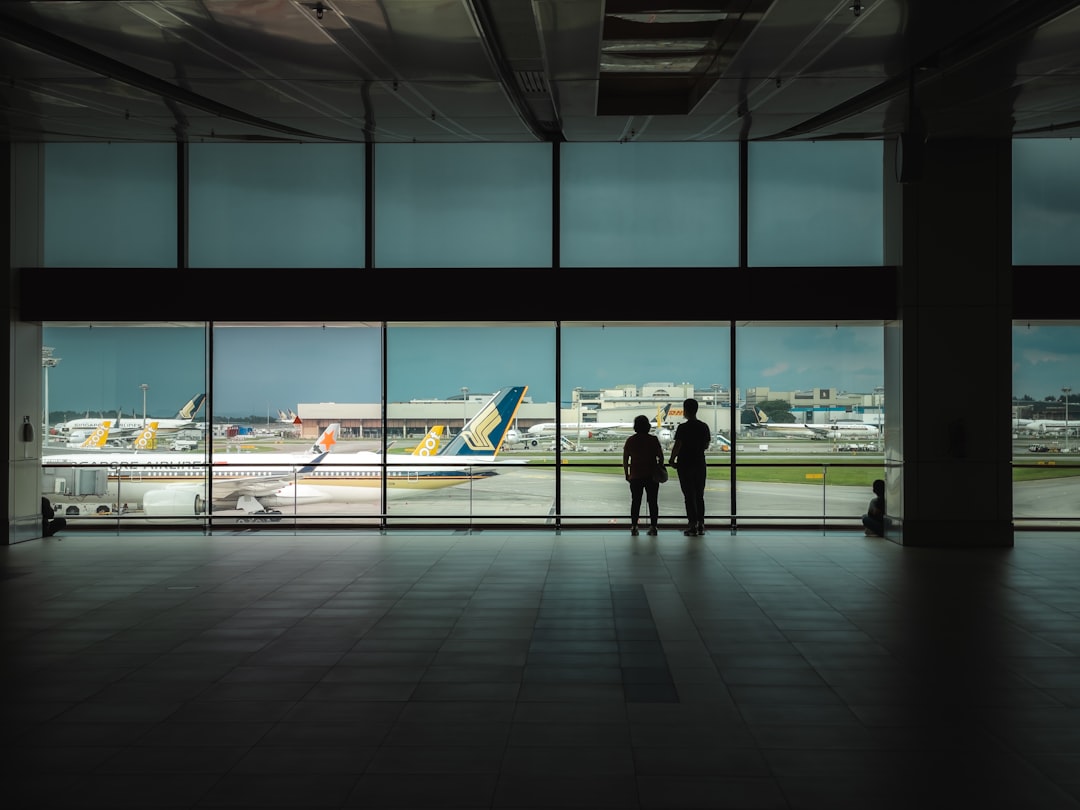
This is where most trips are won or lost. You land at Changi, the carpets are soft, the orchids are immaculate, the terminal air smells faintly of coffee and air-conditioning, and your body is asking for something dramatic: a bed right now, a burger right now, three espressos right now, or all of the above. Resist extremes. The first day should feel calm, bright, fed, and a little bit active.
If you land in the morning or around midday, do not go straight to bed unless you are genuinely unwell. Drop bags, shower, get outside, and let Singapore daylight hit your eyes. It does not need to be a workout. A walk through Jewel, the MRT ride into town, a shaded lap around Marina Bay, or a slow wander through the Singapore Botanic Gardens is enough. The point is not sightseeing intensity. The point is to tell your brain: this is daytime.
Heat matters here. Singapore sunlight is excellent for a circadian reset, but equatorial humidity can drain you if you misjudge it. Think early morning light, short bursts of midday exposure, and air-conditioned breaks. That balance is one reason a Singapore stopover guide can be such a practical model for circadian rhythm travel. The city lets you move between green space and cool interiors without much friction.
A realistic first-day schedule for a morning arrival
This sample jet lag recovery plan assumes you land between 7 am and noon.
| Local time | What to do | Why it helps |
|---|---|---|
| Arrival to 1 hour after landing | Immigration, water, light snack, no alcohol | Rehydrate and avoid a blood-sugar crash |
| 1 to 3 hours after landing | Hotel check-in or bag drop, shower, 20 to 30 minutes outdoors | Light exposure begins the reset |
| Lunch | Eat a normal local lunch, moderate portion | Meal timing anchors the body clock |
| Early afternoon | Gentle walk, museum, gardens, or riverside stroll | Movement reduces fog without overtaxing you |
| If desperate | One nap only, 20 minutes max before 3 pm | Takes the edge off without stealing night sleep |
| Late afternoon | Hydrate, no more caffeine after about 2 pm to 3 pm | Protects the first night |
| Evening | Early dinner, dim screens, light stretching | Signals wind-down |
| Bedtime | Aim for 9:30 pm to 10:30 pm local time | Early enough to shift, late enough to sleep solidly |
If you land in the evening, the best time to sleep after flight is simpler: eat lightly, keep lights low, avoid a big welcome dinner, and go to bed close to your usual local bedtime, ideally within an hour of arrival if it is already late. The biggest mistake is stretching the night with drinks because you think you should enjoy being on holiday. Holiday you will be much happier tomorrow.
What if you absolutely cannot stay awake?
Sometimes the flight was brutal, the baby cried, the connection broke you, or your seatmate lived on a different planet. If you need sleep badly, keep it short and strategic. A 20-minute nap is usually safe. Ninety minutes can work for some people because it is closer to a full sleep cycle, but in practice most tired travelers overshoot. Set an alarm, put the phone across the room, and nap before mid-afternoon only.
This is the moment travelers ask again how to beat jet lag fast. The honest answer is that fast still means structured. You cannot fully outsmart biology, but you can stop making it harder. The best time to sleep after flight is the earliest bedtime that still lets you build enough daytime exposure and sleep pressure. In Singapore, that usually means staying awake until at least 8:30 pm if you arrived in the morning.
How to get there
For this jet lag recovery plan, Singapore works best when you can arrive with minimal confusion. Most travelers fly into Singapore Changi Airport, code SIN, one of the easiest long-haul gateways in Asia. From Europe, non-stop flights commonly take around 12 to 14 hours from London, Paris, Frankfurt, Amsterdam, and Zurich. From New York, expect roughly 18 to 19 hours with a stop, unless schedules change and a limited nonstop returns. From Sydney, it is about 8 hours. From Dubai, around 7.5 hours.
The airport itself is part of the recovery advantage. Terminals are well signed, immigration is efficient by global standards, and onward transport is straightforward. If you want minimal decision fatigue, take a taxi or Grab. If you want the cheapest route into the city, the MRT is reliable and air-conditioned.
Useful official links:
Airport to city options
| Route | Duration | Typical cost | Best for |
|---|---|---|---|
| Taxi from SIN to Marina Bay, Bugis, Orchard | 20 to 30 minutes | SGD 25 to 40, more at peak hours | Tired arrivals with luggage |
| Grab ride-hailing | 20 to 35 minutes | SGD 22 to 38 depending on demand | Flexible door-to-door travel |
| MRT from Changi Airport station | 35 to 50 minutes | About SGD 2 to 2.50 | Budget travelers with light bags |
| Bus 36 to city areas | 50 to 75 minutes | Around SGD 2 to 2.50 | Cheapest option if you are not exhausted |
Other ways in
Singapore is not only an air hub. If you are already in the region, you can also arrive by land or sea:
- From Johor Bahru, Malaysia: driving or bus via Woodlands Checkpoint can take 45 minutes to 2 hours depending on border traffic
- From Kuala Lumpur: long-distance buses usually take 5 to 6.5 hours and often cost SGD 30 to 50
- From Batam Center, Indonesia: ferries to Singapore generally take about 1 hour, with fares often starting around SGD 38 to 60 one way
- From Bintan, Indonesia: ferries typically take 60 to 70 minutes, with fares varying by season and operator
If your only goal is recovery, choose the simplest route even if it costs a little more. A taxi to a quiet hotel is often a better health decision than saving SGD 20 while hauling bags through a sticky afternoon.
Things to do
The first 48 hours in Singapore should not look like a greatest-hits sprint. You do not need to tick off every skyline platform and every Michelin-starred table to feel that you have arrived. In fact, the most effective version of this jet lag recovery plan uses activities that are beautiful, low-friction, and timed to help your body clock. Think morning greenery, mid-afternoon shade, gentle motion, and early-evening views rather than packed nightlife.
The city rewards that softer tempo. You can hear mynah birds bickering in the Botanic Gardens, smell frangipani after a short rain, follow the glassy edge of Marina Reservoir in the late light, or sit at a hawker center where ceiling fans chop the heat into something manageable. The point is not laziness; it is calibration. A Singapore stopover guide becomes much more useful when you realize sightseeing can double as recovery treatment.
These are the best first-day and second-day activities:
- Singapore Botanic Gardens, Tanglin - Free for the gardens, early morning is ideal. Wide shaded paths, benches, and slow movement make this one of the best circadian rhythm travel resets in the city. National Orchid Garden admission is extra, usually about SGD 15.
- Gardens by the Bay, Marina Bay - The outdoor gardens are excellent in the morning or close to sunset. The cooled conservatories are a good mid-afternoon refuge. Check hours and ticket bundles at Gardens by the Bay.
- East Coast Park - Rent a bike, feel the sea breeze, and move your body without much cognitive effort. Bike rental usually starts around SGD 8 to 12 per hour depending on the vendor and type.
- Marina Bay waterfront loop - Walk from Merlion Park toward Marina Barrage or the Helix Bridge. Flat, scenic, and easy to shorten if fatigue hits.
- National Gallery Singapore - If the heat is flattening you, this air-conditioned museum gives you a few quiet hours without demanding athletic energy. Standard admission for tourists is often around SGD 20 to 25.
- Tiong Bahru - Good for a slow breakfast, a coffee before noon, and a neighborhood walk among low-rise blocks and independent shops. Better on day one than a giant mall if you want sunlight and a sense of place.
- Joo Chiat and Katong - Colorful shophouses, easy food stops, and a more relaxed pace than the city center. Great for a second-day wander when your appetite is back.
What to skip on your first day if possible:
- Heavy drinking sessions
- Theme-park style marathon sightseeing
- Night activities that keep you out past 10 pm unless you arrived late and have already adjusted
A good jet lag recovery plan gives you the pleasure of place without stealing the first proper night of sleep.
Where to stay
Where you sleep matters more than which infinity pool is trending this month. On a recovery-first arrival, the right hotel is dark, quiet, easy to reach from SIN, and close to a park, waterfront, or neighborhood where you can walk without too much planning. Orchard is convenient and polished, Bugis is practical, Marina Bay is smooth and scenic, and Tiong Bahru offers a calmer local rhythm.
Look for blackout curtains, strong air-conditioning, decent soundproofing, and breakfast options that do not force a huge decision tree at 7 am. If you are arriving sleep-frayed, a tiny design flaw can feel enormous. Thin curtains, hallway noise, or a room facing a busy road can sink the first night and weaken the whole jet lag recovery plan.
| Budget tier | Hotel | Area | Typical nightly price | Why it works for recovery |
|---|---|---|---|---|
| Budget | The Pod at Beach Road | Bugis | SGD 55 to 95 | Clean, central, easy transit, good for solo travelers who sleep well in pods |
| Budget | ibis budget Singapore Bugis | Bugis | SGD 95 to 145 | Simple private rooms, dependable location, practical for early nights |
| Budget | Hotel 81 Bugis | Bugis | SGD 85 to 130 | Basic but central, useful if you prioritize price and access |
| Mid-range | lyf Funan Singapore | Civic District | SGD 180 to 260 | Walkable area, modern rooms, easy access to river and parks |
| Mid-range | YOTEL Singapore Orchard Road | Orchard | SGD 220 to 320 | Comfortable beds, reliable blackout potential, easy food access |
| Mid-range | Hotel Indigo Singapore Katong | Katong | SGD 260 to 360 | Neighborhood character, good dining nearby, calmer feel |
| Luxury | PARKROYAL COLLECTION Pickering | Chinatown | SGD 420 to 650 | Quiet rooms, greenery, strong wellness feel, good for light walks |
| Luxury | The Capitol Kempinski Hotel Singapore | City Hall | SGD 500 to 800 | Excellent bedding, central, polished service for rough arrival days |
| Luxury | The Fullerton Bay Hotel | Marina Bay | SGD 850 to 1200 | Waterfront serenity, superb curtains and sound insulation, ideal for a short splurge |
If you are torn between saving money and protecting sleep, spend a bit more for the first two nights, then move if needed. That is often the highest-return part of a jet lag recovery plan.
Where to eat
Jet lag loves to scramble appetite. You might feel starving at 5 am, indifferent at lunch, and bizarrely ready for noodles at midnight. Singapore makes meal timing easier because good food is everywhere, but your first 48 hours should lean gentle, consistent, and locally timed rather than extravagant. Eat like a settled person in the city, not like someone trying to compensate for the flight.
Breakfast is your friend here. Kaya toast, eggs, fruit, congee, yogurt, rice porridge, or a lighter bakery breakfast all work well if your stomach is uncertain. Lunch is the ideal moment for a fuller local meal because you are awake, moving, and better able to digest. Dinner should be satisfying but not so heavy that you spend half the night thirsty and overheated.
A Singapore stopover guide is rarely honest about this, but the best first-day dinner is often the least glamorous one: a bowl of soup, rice, fish, or chicken close to your hotel, eaten early, followed by sleep. Save the bigger feast for night two.
Good places and dishes for a recovery-minded arrival:
- Ya Kun Kaya Toast - Multiple branches. Great for an easy local breakfast of kaya toast, soft eggs, and coffee if it is still morning for your jet lag recovery plan.
- Tiong Bahru Bakery - Tiong Bahru and other branches. Good for a lighter breakfast or early lunch with pastries, eggs, and decent coffee before noon.
- Maxwell Food Centre, Chinatown - Hainanese chicken rice, fish soup, congee, and sugarcane juice. Budget roughly SGD 5 to 10 per dish.
- Lau Pa Sat, Downtown Core - Atmospheric and central, though busier. Better for lunch or an early dinner than a late satay session on the first night.
- Tekka Centre, Little India - Excellent dosas, fish curry, prata, and rice dishes. Go at lunch if spices sit well with you; maybe not your first exhausted midnight meal.
- The Coconut Club, Beach Road - A more polished nasi lemak option if you want one standout meal. Expect about SGD 20 to 35 per main.
- Boon Tong Kee - Reliable chicken rice in a restaurant setting if you want comfort and air-conditioning without hawker-center noise.
- Joo Chiat eateries - Ideal on day two, when your appetite is back and you want laksa, Peranakan flavors, or kopi in a colorful neighborhood.
Simple eating rules for the first 48 hours:
- Eat breakfast at local morning time even if you are not very hungry
- Keep your first-day lunch normal in size, not huge
- Avoid using alcohol as a sleep aid
- Stop caffeine by early afternoon if you are aiming for an early bedtime
- Choose hydration-rich foods such as soups, fruit, and rice dishes if the flight left you dry
Practical tips
A jet lag recovery plan works best when basic logistics are boring. You know the weather, you pack for the climate, you understand how to pay for things, and you avoid small mistakes that become huge when you are tired. Singapore rewards prepared travelers because the city is orderly, but it also punishes lazy assumptions. Heat, humidity, tropical rain, and strict rules all matter more when your brain is still lagging behind.
The climate is warm year-round, with daytime highs often around 30 C to 32 C and plenty of humidity. Showers can arrive hard and fast, then disappear. Dress lightly, but remember that malls, trains, museums, and some restaurants can feel chilly after time outside. This is where many travelers undermine their own recovery: they roast themselves in the sun at noon, then freeze indoors in damp clothes.
Month-by-month weather snapshot
| Month | Typical conditions | Recovery note |
|---|---|---|
| January | Warm, humid, frequent showers | Good for indoor-outdoor balance, pack a light rain layer |
| February | Slightly drier, still hot | One of the easier months for morning walking |
| March | Hotter afternoons, humidity builds | Prioritize early light exposure |
| April | Warm, thunderstorms possible | Plan museum breaks and shaded walks |
| May | Hot and sticky | Hydration matters more than ever |
| June | Warm with school-holiday crowds | Book hotels early if staying central |
| July | Warm, moderate rain | Good month for Botanic Gardens mornings |
| August | Similar heat, busy around National Day | Expect higher demand in prime zones |
| September | Humid, showers and sun in quick rotation | Carry a compact umbrella |
| October | Wetter spells can intensify | Great for conservatories and galleries |
| November | Often among the wetter months | Keep spare dry socks in your bag |
| December | Festive, humid, frequent rain | Good city energy, but sleep-friendly hotels book fast |
Check current conditions at Singapore weather.
What to pack for a recovery-first trip
- Breathable shirts and quick-dry underwear
- One thin long-sleeve layer for over-air-conditioned interiors
- Sleep mask and earplugs
- Electrolyte tablets or packets
- Refillable water bottle
- Compact umbrella or light rain shell
- Comfortable walking shoes that handle sudden rain
- Sunglasses for morning light exposure without squinting misery
Safety, money, customs, and connectivity
Singapore is one of the easiest cities in Asia for first-time visitors, but tired travelers still make careless mistakes. Tap water is safe to drink. Cards are widely accepted, though carrying a little cash for hawker centers is still useful. The local currency is the Singapore dollar, abbreviated SGD. A typical hawker meal might cost SGD 5 to 10, a coffee SGD 2 to 6 depending on where you buy it, and a short taxi ride across central areas around SGD 10 to 18.
The city is very safe by big-city standards, but do not let fatigue turn into sloppiness. Keep your passport secure, use licensed transport, and be careful crossing roads if you are staring at maps in a sleep-deprived haze. If you are arriving alone, the routines in First Solo Trip Guide 2026: Safe Routines for Going Abroad pair well with this jet lag recovery plan.
A few practical reminders:
- Buy an eSIM or local SIM early if your roaming is expensive
- Smoking is restricted to designated areas only
- Chewing gum sales are limited, so do not expect the usual airport-stock-up routine
- Tipping is not a major expectation because service charges are often included
- Many malls and public places have clean restrooms, which makes longer recovery walks easier
FAQ
How long does jet lag last in Singapore?
For many travelers crossing 6 to 12 time zones, the worst symptoms last 1 to 3 days, with milder sleep disruption lingering longer. A disciplined jet lag recovery plan can shorten the roughest phase, especially if you use light well and avoid long daytime sleep.
What is the best time to sleep after flight if I land in Singapore in the morning?
If you land in the morning, the best time to sleep after flight is usually local bedtime, roughly 9:30 pm to 10:30 pm for most leisure travelers. If you truly cannot cope, take one short nap before 3 pm and keep it to about 20 minutes.
Is melatonin worth trying?
It can be, particularly for eastbound trips, but it is not magic. In a careful jet lag recovery plan, melatonin is a small helper, not the main event. Light timing, meal timing, and sleep timing do the heavy lifting.
Is Singapore a good place for a stopover to reset my body clock?
Yes. As a Singapore stopover guide for tired long-haul travelers, the city is unusually strong: efficient airport, safe transport, abundant daylight, reliable food, excellent parks, and hotels that understand international arrival patterns.
How can I beat jet lag without medication?
If you want to know how to beat jet lag without supplements, focus on morning light, hydration, early local meals, limited caffeine after lunch, gentle movement, and avoiding long naps. That combination is the backbone of circadian rhythm travel and works for many people.
Should I exercise hard on arrival day?
Usually no. On day one, think walk, stretch, or an easy cycle along East Coast Park rather than a maximal gym session. Too much intensity can make you feel more wired and more dehydrated, which weakens the first night of your jet lag recovery plan.
Singapore is a city of clean lines, wet heat, swift trains, banyan shade, hawker steam, and glittering water. It can feel futuristic, but the way it helps you recover is beautifully primitive: sunlight in your eyes, food at the right hour, movement in your legs, darkness at night, and enough calm to let your body trust the new clock. That is ultimately how to beat jet lag. Not by hacking yourself into perfection, but by giving your brain a clear, consistent story about where you are now. Do that well, and the city stops feeling like a brightly lit waiting room and starts feeling like the beginning of a trip.