India is less one trip than five different countries stitched together by trains, spice markets, mountain roads, and wildly different weather. That is why choosing the best places in India 2026 is not about making a giant bucket list; it is about matching one region to your season, budget, and pace. Get that right, and India feels thrilling. Get it wrong, and you lose half your holiday to heat, rain, or exhausting transfers.
How to choose the right region in India
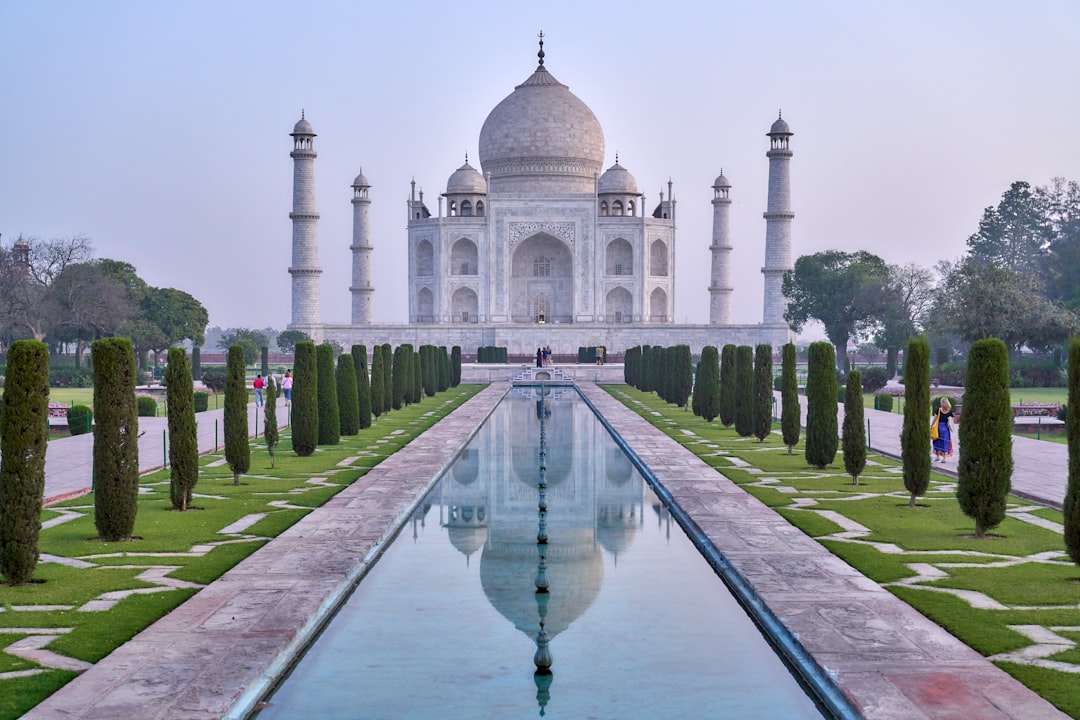
Photo by Julian Yu on Unsplash
The smartest India plans start with subtraction. A first trip should not try to mix Rajasthan forts, Kerala backwaters, Ladakh passes, and Goa beaches in one sweep. Distances are huge, weather flips fast, and even a short domestic hop often eats half a day once you add airport transfers and traffic.
Think about the trip you actually want to have at 4 pm on day three. Do you want palace courtyards glowing gold in dry winter light, tea hills wrapped in mist, temple bells on the Ganges, or cold mountain air above 3,000 meters? That answer is more useful than a top-10 list.
Use this decision filter before you book anything:
- Want classic first-time sights, easy rail links, and big history: choose Delhi, Agra, Jaipur, and optionally Varanasi.
- Want romance, heritage hotels, and striking desert cities: choose Rajasthan.
- Want greenery, food, houseboats, and a slower rhythm: choose Kerala.
- Want beaches plus nightlife and cafes: choose Goa, ideally paired with one nearby inland stop rather than half the country.
- Want mountains and dramatic roads: choose Himachal, Uttarakhand, or Ladakh, depending on season.
- Want one trip that is easier with children: stick to two bases and read Stress-Free Travel With Kids in 2026: Parent-Tested Tips for pacing ideas that work anywhere.
One practical rule matters more than any hack: in 7 to 10 days, stay within one region. India rewards depth, not mileage.
Best places in India for first-time travelers
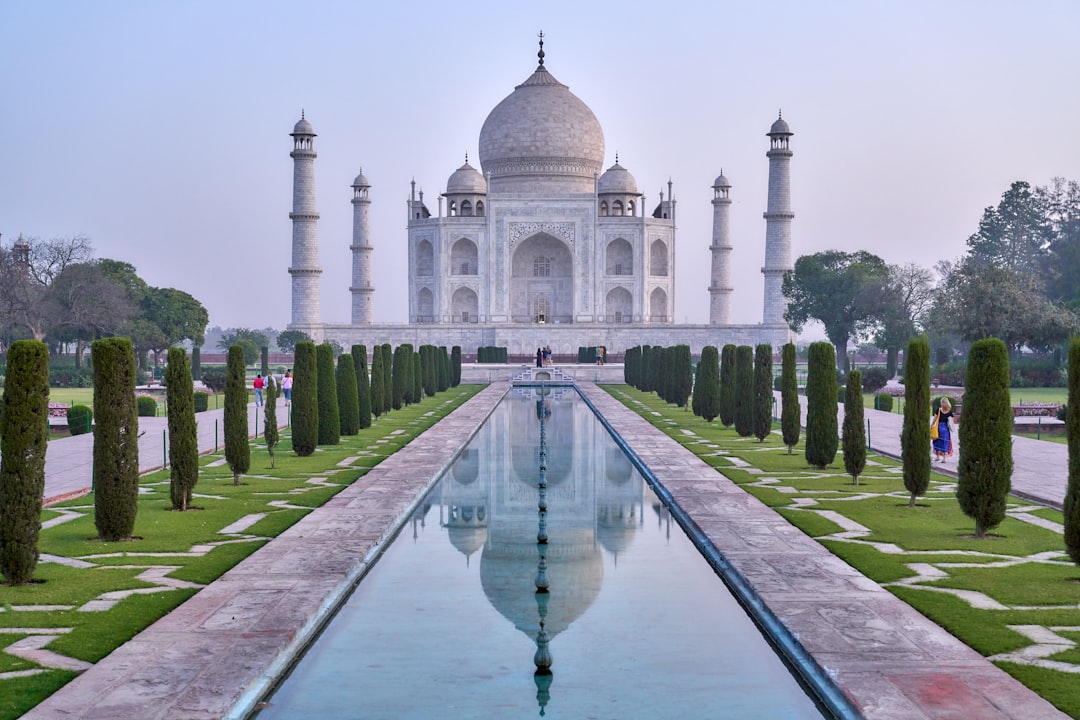
Photo by Julian Yu on Unsplash
The best places in India are not all best for the same person. A palace lover, a food traveler, and a trekker should not copy each other's route. Below are five first-trip picks that are beautiful, logistically workable, and easy to turn into a real plan.
The light in Rajasthan is dusty and cinematic; by late afternoon, old walls in Jaipur and Jodhpur seem to hold the sun. Kerala feels completely different: coconut palms, cardamom-scented air in Munnar, and the soft slap of water against a houseboat in Alleppey. Varanasi is denser and more intense, full of smoke, chanting, and riverfront life from dawn to midnight. Choose the mood before the map.
| Route | Best for | Best months | Ideal length | Typical daily budget |
|---|---|---|---|---|
| Delhi, Agra, Jaipur | First timers, landmarks, short trips | Oct to Mar | 7 to 8 days | 4500 to 9000 INR |
| Add Varanasi to the Golden Triangle | Culture, rituals, photography | Oct to Mar | 9 to 11 days | 5000 to 10000 INR |
| Jaipur, Jodhpur, Udaipur | Forts, romance, boutique stays | Oct to Feb | 8 to 10 days | 5000 to 12000 INR |
| Kochi, Munnar, Alleppey | Green landscapes, food, slower travel | Nov to Mar, Jun to Sep for monsoon lovers | 7 to 9 days | 4500 to 10000 INR |
| Goa and Hampi | Beaches plus heritage ruins | Nov to Feb | 6 to 8 days | 4000 to 9000 INR |
| Leh, Nubra, Pangong | High-altitude adventure | Jun to Sep | 7 to 9 days | 7000 to 14000 INR |
If you want a first trip with the fewest planning headaches, start with either Rajasthan or Kerala. If you want India at its most iconic, do Delhi, Agra, and Jaipur. If you want a stronger emotional jolt, add Varanasi and give it at least two nights.
For a broad official overview of regions, festivals, and state guides, the Incredible India portal is a useful planning checkpoint.
Best time to visit India by season
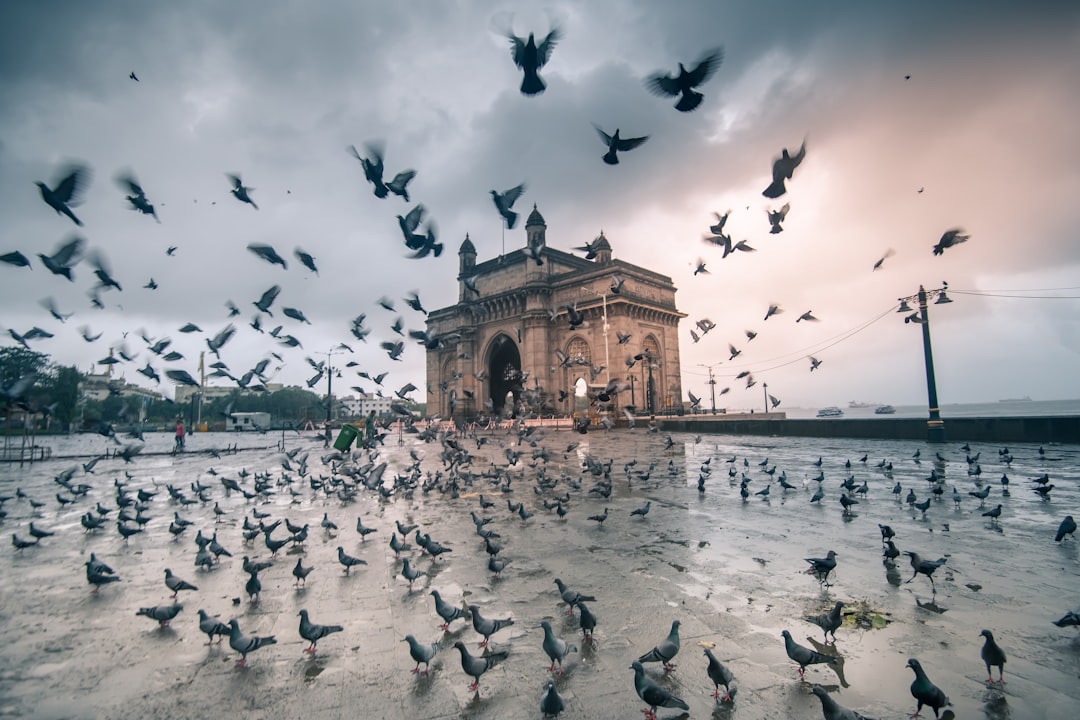
Photo by Avijeet Si on Unsplash
This is where many itineraries break. People search for the best places in India 2026 as if there is one perfect month for the whole country. There is not. In January, Rajasthan is crisp and comfortable while Himalayan roads can be icy. In July, the Western Ghats are luminous green while parts of the north turn sticky and flood-prone.
Plan by region first, month second. If your dates are fixed, let weather choose the destination for you.
| Season | Where to go | Why it works | Watch out for |
|---|---|---|---|
| Dec to Feb | Rajasthan, Delhi, Agra, Varanasi, Goa, Kerala | Cool to warm days, best sightseeing weather | Christmas and New Year price spikes |
| Mar to Apr | Rajasthan early, Kerala hills, Hampi, parts of Uttarakhand | Good shoulder season, fewer crowds in some areas | Rising heat in plains by late April |
| May to Jun | Himachal, Uttarakhand, Ladakh from mid-June | Mountain escape from the heat | School holiday crowds, landslide risk in hills |
| Jul to Sep | Kerala, Coorg, Goa if you love rain, Valley of Flowers in season | Lush scenery, lower hotel rates | Heavy rain, transport delays |
| Oct to Nov | Rajasthan, Golden Triangle, Kerala, Goa, Madhya Pradesh parks | Post-monsoon freshness and festival atmosphere | Diwali week sells out fast |
If you are comparing spring travel windows more broadly, Where to Go in April 2026: Best Holidays and How to Plan is a helpful seasonal companion. If you are chasing shoulder-season value, the same logic behind September Holiday Destinations: 6 Smart Trips for 2026 applies well to India too: less crowd can mean a better trip.
How to plan an India itinerary that does not waste days
A good India itinerary is built around bases, not pins on a map. Pick two or three places, then check transfer times door to door, not just the flight or train duration. A four-hour train can still become a seven-hour travel block once you add station access, early arrival, and hotel check-in.
The best places in India feel richer when you slow down enough to catch their rhythm: sunrise on the ghats in Varanasi, an unhurried lunch in Udaipur, an evening kathakali performance in Kochi, or mist lifting off tea slopes in Munnar. Those moments disappear when every second day is a packing day.
Use these route-building rules:
- In 7 days, choose 2 bases and 1 transit stop at most.
- In 10 days, choose 3 bases and keep only one long transfer over 6 hours.
- Add a buffer night before an international flight home.
- Avoid overnight trains on your first night in India; land, sleep, then move.
- If one place needs altitude adjustment, such as Leh, do not squeeze it into a mixed-region trip.
- If you like seeing hotel clusters and transfer logic visually, sketching your route in TravelDeck before paying deposits can reveal when two nights should really be three.
Three easy templates:
- 7 days: Delhi, Agra, Jaipur.
- 8 days: Kochi, Munnar, Alleppey.
- 10 days: Jaipur, Jodhpur, Udaipur.
- 11 days: Delhi, Agra, Jaipur, Varanasi.
A common mistake is adding Mumbai or Goa just because flights are available. Only add an extra city if it gives you at least two full nights on the ground.
India travel budget and booking tips
India can be cheap, but a smooth trip is not always the absolute cheapest trip. The biggest cost swings come from season, room standards, and how often you change cities. A budget traveler can move through India on less than many Western city breaks, while a comfort trip with heritage hotels and internal flights climbs quickly.
These figures are realistic for 2026 planning, per person, based on twin-share rooms:
| Style | Stay | Food | Local transport | Intercity average | Total per day |
|---|---|---|---|---|---|
| Budget | 1200 to 2200 INR | 700 to 1200 INR | 300 to 700 INR | 500 to 1200 INR | 2700 to 5300 INR |
| Midrange | 3000 to 6500 INR | 1200 to 2200 INR | 500 to 1200 INR | 900 to 2500 INR | 5600 to 12400 INR |
| Comfort | 8000 to 18000 INR | 2200 to 4000 INR | 1200 to 2500 INR | 2000 to 6000 INR | 13400 to 30500 INR |
Book with these lead times if you want the best places in India without last-minute panic:
- Trains: 30 to 60 days ahead on IRCTC, especially on popular routes like Delhi to Agra or Jaipur.
- Domestic flights: 4 to 8 weeks ahead for the best value; 10 to 12 weeks for holiday weeks.
- National park safaris and standout heritage stays: 60 to 90 days ahead.
- Christmas, New Year, and Diwali periods: 3 to 4 months ahead in Goa, Rajasthan, and Kerala.
- Visa: check the official India e-Visa portal before you book non-refundable tickets.
If you tend to underestimate what transport and small daily spending do to a budget, Cheap Holidays 2026: What 2018 Budget Advice Still Gets Right has a useful framework for pricing real trips, not fantasy ones.
Smart India travel tips that save time and stress
The best travel advice for India is usually about friction, not landmarks. The country is easier when you plan for small moments: arriving hungry, needing cash for a driver, losing half an hour at a station platform, or discovering your supposedly short road transfer is now crawling behind trucks and cows.
On the ground, India is sensory and fast-moving. Horns stack in the air. Incense drifts from temple gates. Street snacks hiss in oil. The goal is not to control the chaos, but to leave enough margin that it stays exciting rather than draining.
Keep these rules in your trip plan:
- Carry 3000 to 5000 INR in small notes, even if you mostly pay by card or digital payment.
- Keep one toilet kit and one change of clothes in your day bag for long rail or road days.
- Add 20 to 30 percent extra time to any road transfer shown online.
- In hot months, do outdoor sightseeing early, rest from 1 pm to 4 pm, then go out again.
- Dress modestly at temples, mosques, and rural areas: shoulders and knees covered is the safe default.
- Drink sealed bottled water or filtered water from reputable hotels and cafes.
- Choose one food splurge a day and keep the other meals simple; your stomach will thank you.
- For state-specific planning, use official tourism boards such as Kerala Tourism and Rajasthan Tourism.
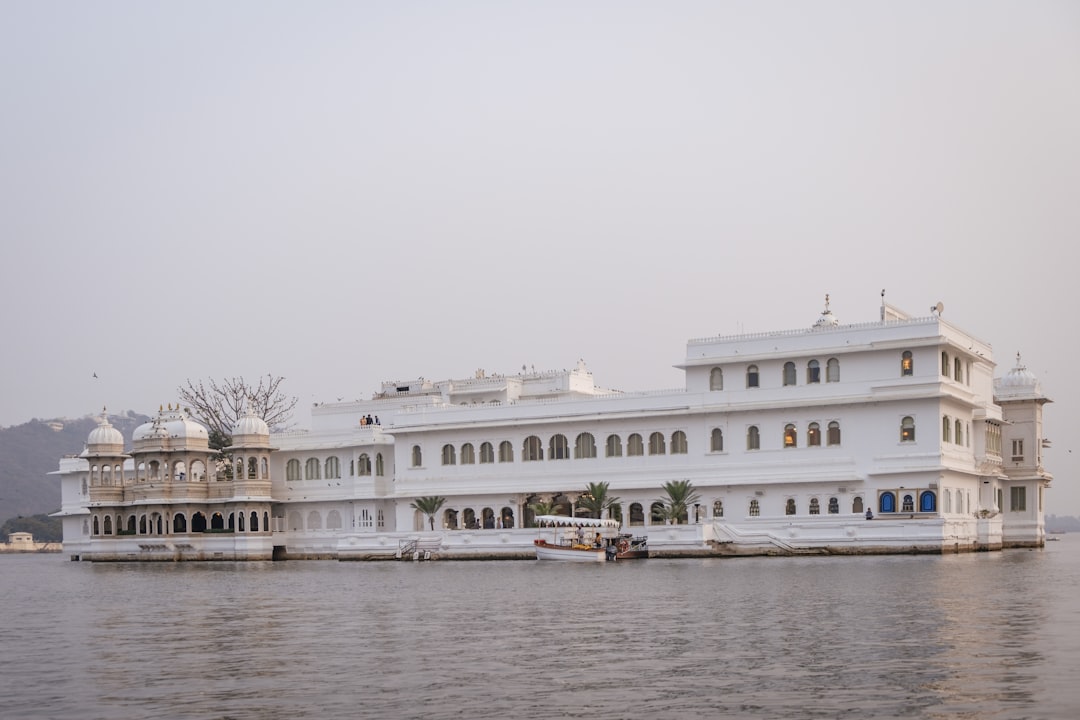
The places most people regret skipping are usually the slow hours: an early boat on Lake Pichola, sunset at Mehrangarh Fort, the first tea in Fort Kochi, or a dawn walk by the Ganges. Build those into the plan first.
FAQ
Is 7 days enough for India?
Yes, if you stay in one region. Seven days works well for Delhi, Agra, and Jaipur; or for Kochi, Munnar, and Alleppey; or for Goa and Hampi. It is not enough for a north-and-south combo unless you are willing to spend too much time in transit.
Which part of India is best for first-time travelers?
For the easiest first trip, choose the Golden Triangle or Rajasthan. You get strong cultural landmarks, frequent transport, and a wide range of hotel styles. Kerala is the gentlest first trip if you prefer scenery, food, and a slower pace over monument-heavy sightseeing.
What is the cheapest way to travel between cities in India?
Usually trains, especially on classic routes in North India, but not always once comfort and time are included. For longer jumps such as Varanasi to Kochi or Delhi to Goa, a domestic flight can save a full day and sometimes costs only 3500 to 8000 INR if booked early.
When should I avoid certain regions?
Avoid peak summer heat in Rajasthan and much of the north plains from late April into June unless you are heat-tolerant. Be cautious with monsoon road trips from June to September in the Western Ghats and Himalayan foothills, where delays and landslides can disrupt tight schedules.
Is India expensive in 2026?
It can be one of the best-value long-haul trips if you keep your route tight. Budget travelers can stay near 3000 to 5000 INR a day, while midrange travelers often land between 6000 and 12000 INR a day depending on flights and hotel style.
India gets easier the moment you stop trying to see all of it. Pick one mood, one region, and one season that fit each other. Do that, and the best places in India stop feeling overwhelming and start feeling unforgettable.