The hardest part of family travel is usually not the flight, the train, or the line at passport control. It is trying to move at your old, pre-kid pace. Stress-free travel with kids starts when you accept one simple truth: a smoother trip comes from fewer transitions, easier access to essentials, and a daily rhythm your children can actually handle.
A child does not care that the museum is famous or the rooftop view is once in a lifetime if they are hungry, sweaty, and three transport changes deep into the day. Build around that, and family travel tips stop sounding generic and start working in real life.
Family travel planning: cut the itinerary in half
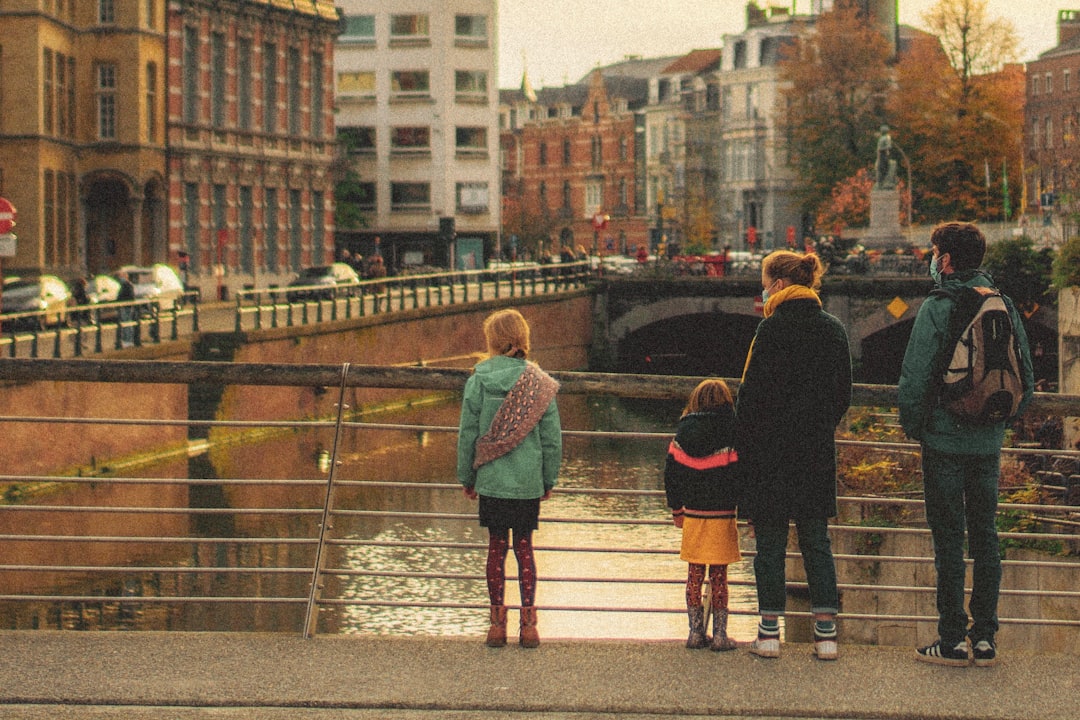
Photo by Christian Lue on Unsplash
Parents often overpack the schedule because a trip feels expensive, and expensive trips create pressure to see more. In practice, the opposite works better. In Rome, a family that sees the Colosseum and Villa Borghese usually has a better day than a family that adds the Pantheon, Trastevere, two churches, and a late dinner on top. In Tokyo, one neighborhood plus one park beats four train transfers and a meltdown at 4 p.m.
My simplest rule for stress-free travel with kids is two anchors per day. One main activity in the morning, one flexible activity later, and everything else is optional. That pace still lets you experience a place properly: the smell of warm pastry near a bakery at 8 a.m., the relief of shade in a city garden after lunch, the sound of a tram or ferry becoming part of the day instead of a race against it.
If you are planning a big-city break, cluster sights by neighborhood the way a practical city plan such as 5 Days in New York in 2026 does. Fewer cross-city moves means fewer decision points.
Before you book, do this:
- Cap travel time on moving days at 5-6 hours door to door for toddlers, 7-8 hours for school-age kids if there is a proper break.
- Limit yourself to one hotel change on a one-week trip.
- Choose lodgings within a 10-minute walk of food, a small grocery store, and public transport.
- Build every day around one reset point: the hotel, a playground, a pool, or a shaded park.
- Put the day plan in one shared view on TravelDeck so both adults can see nap windows, ticket times, and backup stops without constant re-explaining.
Useful official planning links:
- TSA guidance for traveling with children
- CDC travel advice for children
- EU air passenger rights
- U.S. State Department country information pages
Kids travel checklist: pack for access, not weight
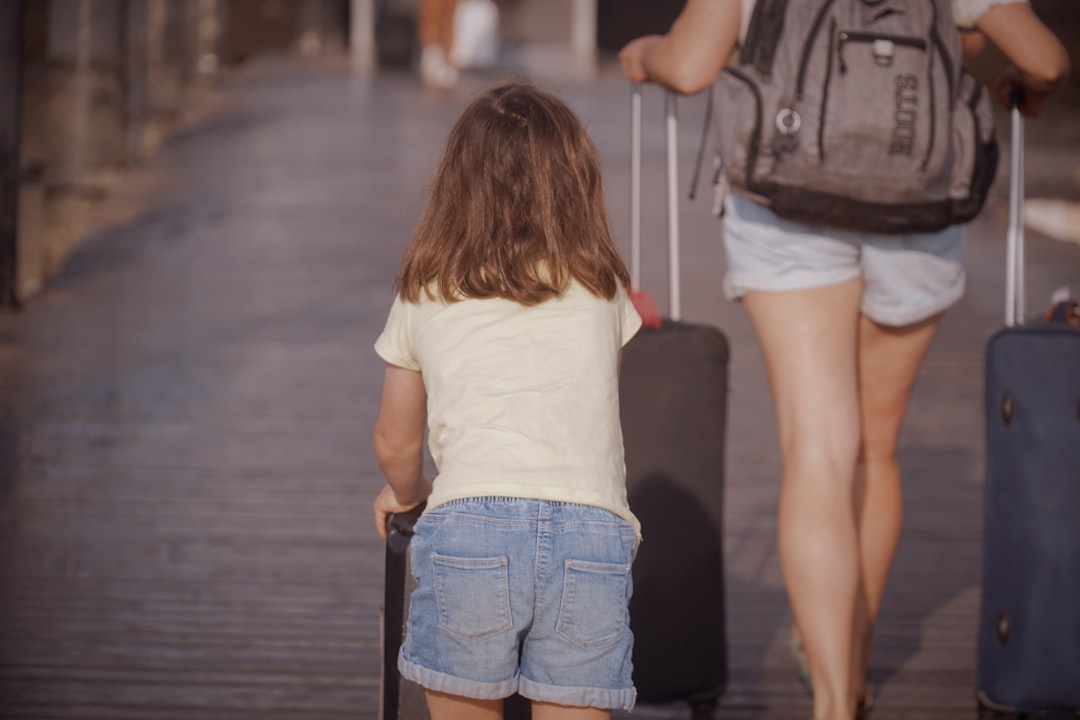
Photo by Zero on Unsplash
Most family luggage problems are really access problems. The issue is not that you packed too little. It is that the wipes are under the sweaters, the snacks are in the overhead bin, and the spare shorts are in the checked case that will arrive in 40 minutes. A good kids travel checklist is built around what you can reach in 10 seconds.
Think in layers, not suitcases. One bag stays with the adult in charge of documents and medicine. One bag holds food and entertainment. One tiny bag belongs to each child old enough to carry a light load. The total can still be compact, but the day feels calmer because every small crisis has a fast answer.
Use this access-first setup:
| Item | Keep it where | Typical cost | Why it saves the day |
|---|---|---|---|
| Wipes and tissues | Outer pocket | $2-$4 | Solves sticky hands, spills, toilets, and tray tables fast |
| One full spare outfit per young child | Top of carry-on | $0 if packed from home | Delays, motion sickness, and surprise puddles happen |
| Refillable water bottle | Side pocket | $10-$20 | Cuts airport drink costs and avoids thirsty queues |
| Snack pouch with protein + carbs | Easy-reach zip bag | $8-$15 per airport restock | Hunger looks like bad behavior surprisingly often |
| Small comfort item | Child backpack | $0-$15 | A familiar toy or blanket lowers stress in new spaces |
| Basic medicine kit | Adult personal item | $10-$25 | Pain relief, plasters, fever reducer, and saline matter most |
| Wet bag or zip pouch | Any quick-access pocket | $5-$10 | Holds dirty clothes, leaks, or swimsuits without drama |
A parent-tested kids travel checklist also follows a simple clothing rule:
- Pack 4 tops and 3 bottoms per child for a one-week warm-weather trip if you will do one laundry run.
- Add 2 extra tops for toddlers under 4.
- Put pajamas, tomorrow's outfit, and toothbrushes in the same cube so mornings begin quickly.
- Carry one empty tote for snacks, jackets, or supermarket stops.
Laundry is usually cheaper than overpacking. In many European cities, a self-service wash and dry costs about €8-€15. That is often a better trade than dragging an extra suitcase over cobblestones, stairs, and station platforms.
Flying with kids: airport and station routines that prevent meltdowns
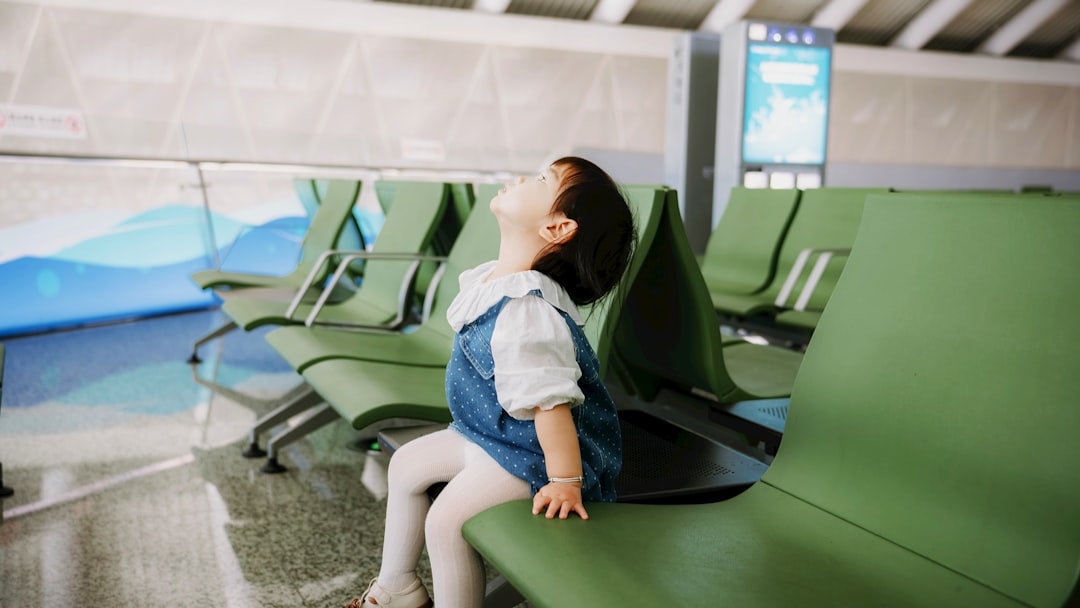
Photo by wang binghua on Unsplash
Flying with kids feels chaotic when the adults improvise. It feels manageable when the sequence is boring and predictable. Children relax when the order never changes: bathroom, water, snack, movement, then board. That rhythm works at airports, train stations, and ferry terminals from Lisbon to Singapore.
For international flights, aim to arrive 3 hours early with kids. For domestic, 2 to 2.5 hours is usually enough. The point is not to spend more time in the terminal. It is to remove the tension of rushing, because children react to parental stress faster than they react to toys.
Use this transport-day order every time:
- Feed the adults before security or boarding if possible.
- Refill water bottles after security.
- Let kids move for 15-20 minutes before sitting down.
- Change diapers or do a toilet stop right before boarding starts.
- Offer something to suck, chew, or sip during takeoff and landing to ease ear pressure.
- Save one new activity for the slowest part of the trip, not the gate.
A few family travel tips matter more than the gadget list:
- Book seats together early; the peace of mind is usually worth the fee.
- For long flights, aisle access is gold if you expect bathroom trips or laps with a baby.
- Avoid tight connections with checked baggage; 90 minutes is a minimum I would trust, 2 hours is better.
- On arrival, use your calmest adult brain. Tired families are easier targets for overcharging taxis and confusion, which is why the arrival advice in Travel Scam Checklist for 2026: From Booking to Taxi is worth reviewing before you land.
Traveling with toddlers and big kids: time the day around sleep and snacks
Children do not melt down at random. Usually they are overtired, overheated, underfed, or over-transitioned. The most useful rule when traveling with toddlers is to protect the first half of the day. That is when energy is highest and patience is longest. Use it for museums, old towns, boat rides, or wildlife parks. Keep the afternoon lighter.
School-age kids can handle more, but they still benefit from the same architecture: active morning, quiet midday, playful late afternoon. In Barcelona that might mean market browsing and a major sight before lunch, a rest at the hotel, then beach time. In Kyoto it could mean one temple area, noodles, a break, and one garden or train ride later.
Age-by-age rules that work surprisingly well:
- Babies 0-2: keep the day stroller-friendly, protect naps, and stay close to your lodging. Direct transport beats scenic detours.
- Toddlers 2-5: plan one headline activity before lunch and one outdoor stop after rest time. Two paid attractions in one day is usually too much.
- Kids 6-12: give each child one job such as tickets, snack count, or spotting the next stop. Responsibility reduces boredom.
- Teens: build in autonomy, Wi-Fi breaks, and one activity they genuinely chose.
Snack timing matters almost as much as sleep:
- Offer something small every 2-3 hours on transit days.
- Pair sugar with protein when possible: fruit plus cheese, crackers plus nut butter, yogurt plus granola.
- Eat lunch early in hot weather. In cities like Seville, Athens, or Marrakech, the stretch from 1 p.m. to 4 p.m. can be the hardest part of the day for small children.
When parents say they want stress-free travel with kids, they often mean this: fewer low-blood-sugar disasters in public places.
Family vacation budget: buy calm, not clutter
A cheaper trip can become an expensive one if you keep paying to fix preventable problems. The most useful family vacation planning trick is to reserve a comfort budget before you leave. That money is not for souvenirs. It is for the things that keep the trip moving when energy drops: a taxi instead of two buses, seat selection on a long flight, laundry halfway through the week, or a room with a small fridge.
These purchases rarely look glamorous in photos, but they are exactly what make stress-free travel with kids possible in practice.
Here is a realistic comfort budget for a one-week family city break for 2 adults and 2 children:
| Comfort item | Typical cost | When it is worth paying |
|---|---|---|
| Seat selection on flights | $15-$45 per seat each way | Any flight over 3 hours or if children must sit with both adults |
| Airport-to-hotel taxi or official transfer | €25-€60 | Late arrival, jet-lagged kids, bulky gear, or rain |
| Mid-trip laundry | €8-€15 self-service or €20-$40 hotel | Trips longer than 5 days |
| Room upgrade with kitchenette/fridge | €20-€50 per night extra | Babies, picky eaters, early dinners, or medicine storage |
| Skip-the-line timed entry | €5-€20 per person extra | Major attractions where waiting means losing the whole morning |
| Emergency pharmacy buffer | $25-$40 | Fever, motion sickness, blisters, sunscreen, insect bites |
| One backup meal delivery or takeaway night | $20-$50 | Arrival day or after a hard excursion |
The cheapest family travel tips are often the ones that prevent you from panic-spending later. If a better-located hotel saves two extra transit legs every day, it can be better value than a cheaper room far out on the edge of town.
Stress-free travel with kids: a daily template you can reuse anywhere
Every good family trip has a rhythm. You can feel it in the body: an easy breakfast, one clear plan, a patch of shade after noon, children running instead of being dragged, then a quieter evening before everyone is brittle. You do not need a color-coded masterpiece. You need a repeatable structure.
Use this daily template whether you are on a beach break in the Algarve, a museum-heavy weekend in Paris, or a rail trip through Japan.
Morning anchor
Do the most important thing first, ideally between 9 a.m. and noon. That could be a castle, a market, a boat trip, a wildlife park, or one major museum.
Midday reset
Stop for lunch early, then return to the hotel, pool, park, or stroller nap zone. Protect 60-120 minutes of lower stimulation.
Late afternoon flex
Pick one easy win: playground, gelato walk, beach, carousel, aquarium, neighborhood square, or supermarket snack run. This is not the time for your hardest reservation.
Early dinner rule
Feed children before they look exhausted. In many destinations, a simple grocery picnic at 5:30 or 6 p.m. beats a restaurant battle at 8:30.
Tomorrow setup
Before bed, lay out one outfit per child, restock the snack pouch, charge devices, and confirm the first transport time. Ten calm minutes at night saves 45 frantic ones in the morning.
This is the version of family vacation planning that actually lasts beyond day two. It gives children predictability and gives adults fewer decisions when they are already tired.
FAQ
What is the best age to travel with kids?
There is no perfect age, only different kinds of logistics. Babies are portable but gear-heavy. Toddlers are energetic and timing-sensitive. Many parents find ages 6-12 the easiest for sightseeing because children can walk, listen, and still find small things magical.
How many activities should I plan each day with children?
For most trips, plan one major activity and one optional smaller one. If you can do both without rushing, great. If the second one disappears because the kids found a fountain, a beach, or a city park they love, that is usually not a failure.
What should always stay in my carry-on when flying with kids?
Keep passports, medicine, wipes, one spare outfit per young child, a snack pouch, a refillable bottle, and one comfort item within easy reach. If losing checked baggage for 24 hours would ruin the day, it belongs in the carry-on.
Are overnight flights better for children?
Sometimes, but not automatically. Overnight flights can work well for babies and school-age kids if you preserve the bedtime routine and avoid brutal layovers. For some toddlers, an evening departure means they get overtired and wired instead of sleepy.
How do I stop kids from getting lost in busy places?
Dress younger children in bright, easy-to-spot colors, take a phone photo of them each morning, and teach one meeting rule: stop moving and find a uniformed staff member or a parent with children. In stations, markets, and festivals, decide the stop point before you enter.
The best family trips rarely look efficient from the outside. They look slower, softer, and more forgiving. That is exactly why they work. Children remember the boat ride, the pigeons in the square, the bakery smell at breakfast, and the silly five-minute train song far more than the number of sights you squeezed in.
If you plan for energy instead of ambition, stress-free travel with kids stops being a fantasy and starts becoming the way your family moves through the world.