
One wrong rabies date, one carrier that is an inch too tall, or one hotel policy you never opened can unravel a trip before your pet even leaves the driveway. Good pet friendly trip planning is less about cute gear and more about sequence: vet timing, route choice, rest breaks, and a backup plan if anything shifts.
The aim is simple: make the trip feel boring for your dog or cat. When travel feels ordinary, pets eat, sleep, and settle better, and you stop spending the whole day firefighting.
Decide if your pet should travel at all
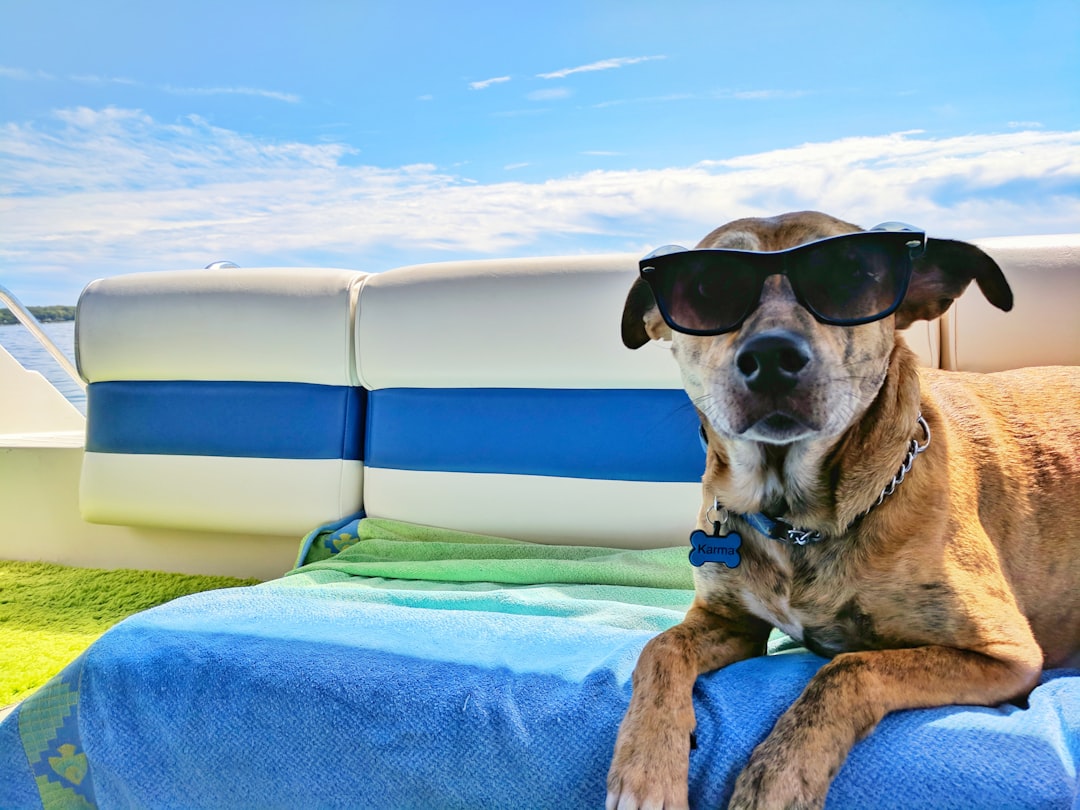
Photo by Josh Rakower on Unsplash
The hardest decision is often the kindest one. Some pets light up at new smells, ferry decks, and piney trailheads. Others would rather stay home with their own bowl, their own window, and the same nap spot they trust every afternoon.
Start with temperament, not destination. A confident adult dog who already rides well in the car is a very different traveler from a senior cat with kidney medication, a rescue dog that startles in elevators, or a flat-faced breed that struggles in heat. If you are still picking the destination itself, Best Places to Visit USA in 2026: Plan the Right Trip can help you filter for drivable, lower-stress bases.
Use this quick filter before you book anything:
- Bring your pet if they already tolerate a carrier, strangers, and a changed routine reasonably well.
- Reconsider if they have uncontrolled anxiety, motion sickness you have never managed, recent illness, escape behavior, or aggression around other animals.
- Be extra cautious with puppies, kittens, senior pets, and heat-sensitive breeds.
- Treat service-animal rules and pet rules as different systems. Never assume they are interchangeable.
- Do one 30-minute trial this week: carrier time, car ride, bathroom break, then back inside. If that short loop is chaotic, a full trip will not improve by magic.
A boarded pet or trusted house sitter is not a failure. For many animals, staying home is the more humane choice.
Pet travel documents and the 6-month timeline
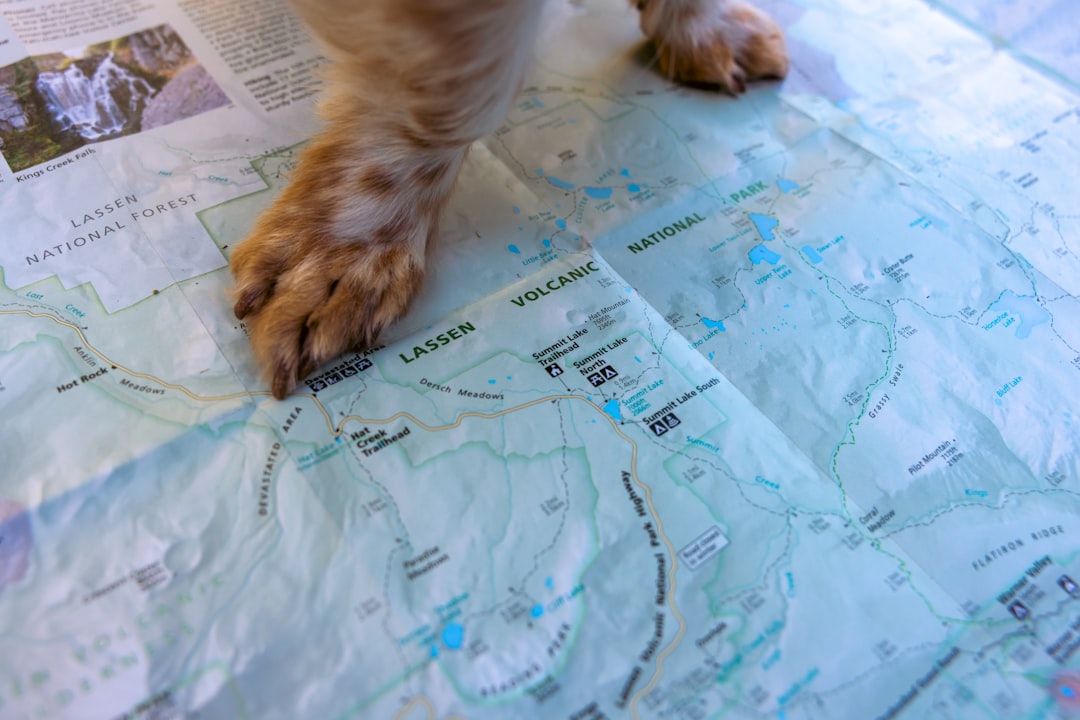
Photo by Royce Fonseca on Unsplash
This is where most pet trips are won or lost. Pet travel documents are not just papers you print the night before. They are a timeline with deadlines, waiting periods, and name matching that has to be exact. If the microchip number on one form differs from the vaccine record by even one digit, you can be denied boarding or delayed at arrival.
Domestic trips are usually lighter on paperwork, but international pet travel can take months. Some countries require the microchip to be in place before the rabies vaccine for the vaccine to count. Some need a rabies titer blood test. Some require a vet certificate inside a very narrow window before arrival.
| Time before trip | What to do | Typical cost |
|---|---|---|
| 6 months | Check destination rules, confirm microchip registration, review breed limits | $0-$50 |
| 3-6 months | Rabies booster if needed, rabies titer if required, import permit research | $120-$300+ |
| 30 days | Book pet space on transport, start carrier training, confirm hotel policy in writing | $0-$200 |
| 10 days | Vet exam and health certificate if your route requires it | $50-$150 domestic; $150-$400 international |
| 48 hours | Recheck names, microchip number, feeding plan, and backup contacts | $0 |
Keep three copies of everything:
- Printed in a folder
- PDF on your phone
- Cloud backup you can open offline
For official rules, use government pages rather than generic summaries:
- USDA APHIS pet travel
- Your Europe pet movement rules
- GOV.UK pet travel rules
- Japan animal import procedures
- Australia biosecurity rules for cats and dogs
If you like keeping vaccine dates, carrier measurements, pet fees, and backup vet numbers in one place, TravelDeck is useful for storing trip notes that are easy to check on the move.
Flying with pets vs road trips: choose the calmer route
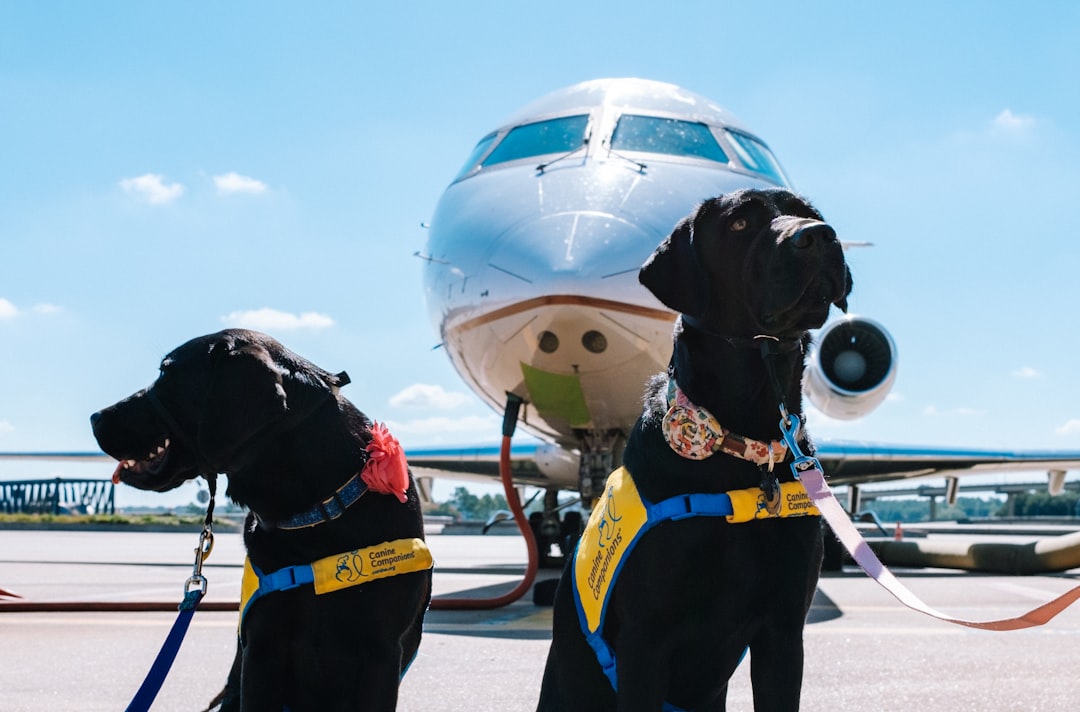
Photo by Jeswin Thomas on Unsplash
Most people ask how to fly with pets, but the smarter question is whether you should. The fastest route for you is not always the safest or calmest route for the animal under your care. A three-hour flight can turn into seven hours of airport noise, security lines, fluorescent waiting areas, and delayed boarding. A road trip with dog travelers is often slower on paper and far easier in practice.
For small pets, in-cabin flying with pets is usually the least stressful air option. Expect one-way fees around $95 to $150 on many major U.S. airlines, with a combined pet-and-carrier limit often near 20 pounds. For larger animals that would need the hold, pause and think hard, especially in summer, with flat-faced breeds, or with nervous pets. For rail in the U.S., Amtrak's pet policy is a useful benchmark for route limits and fees.
| Transport mode | Best for | Main rule | Typical 2026 cost |
|---|---|---|---|
| Car | Most dogs, some well-trained cats | Use a crash-tested harness or secured crate | Fuel only, plus stops |
| Train | Small pets on shorter routes | Carrier and route-time limits apply | About $39 pet fee on some U.S. routes |
| In-cabin flight | Small calm dogs and cats | Carrier must fit under seat | $95-$150 one way |
| Ferry | Mixed road trips and island routes | Check kennel/deck/vehicle rules | Often low fee or included |
| Cargo/hold | Large pets only when no better option exists | Crate, temperature, and breed restrictions | Varies widely |
Rules that genuinely reduce stress:
- Never let a pet roam loose in the car. In a crash, an unrestrained animal becomes a projectile.
- Stop every 2 to 3 hours on a road trip with dog travelers; many cats can go longer, but still need a calm reset.
- Offer small drinks often instead of one huge water break.
- Feed lightly before departure unless your vet gives a different plan.
- Avoid sedation unless your veterinarian specifically prescribes it for travel.
- Arrive at the airport early. Flying with pets adds time at every stage.
Pet-friendly hotels: what to ask before you pay
The phrase pet-friendly hotels can mean almost anything. One property offers a grass relief area, washable bowls, and ground-floor rooms near the exit. Another means yes, pets are allowed, but only under 20 pounds, never left alone, and charged $100 per night. Read the policy line by line before payment, not after check-in.
Location matters as much as the room. A pretty city-center hotel above a loud avenue may be miserable for a dog that startles at scooters all night. A quieter motel near a park can be the better choice. For a simple drivable city break, San Diego Weekend Trip 2026: Smart 2-Day Plan + Costs is the kind of short route that often works better for first-time pet travel than a flight-heavy weekend.
Ask these questions before booking pet-friendly hotels:
- Is the fee per night or per stay? Typical ranges are $25 to $150 per night or $75 to $250 per stay.
- How many pets are allowed?
- Are there breed or weight limits such as 20, 40, or 75 pounds?
- Can the pet be left alone in the room, even for breakfast?
- Is there outdoor space within a 5-minute walk?
- Are ground-floor rooms available?
- Is there a refundable damage deposit?
- What is the nearest 24-hour veterinary clinic?
Summer adds another filter: pavement temperature. If you are planning a warm-weather trip, compare destination heat before you lock anything in. Where to Go in July 2026: Pick the Right Holiday Fast is helpful for avoiding places that feel brutal on paws by noon.
Pet packing list and safety kit
The best pet bag is not the cutest one. It is the one that stops small problems becoming expensive emergencies at 10:30 p.m. in a town you do not know. Pack for three realities: transport, routine, and mess.
Pets settle faster when familiar smells travel with them. A blanket that already smells like home can matter more than a new toy. Traveling with cats especially gets easier when the carrier, towel, and litter setup are as familiar as possible.
The non-negotiables
- Rabies certificate and vaccine record
- Microchip details and ID tag with your mobile number
- Health certificate if your route requires one
- Three extra days of food beyond the planned trip
- Collapsible bowls and bottled water for sensitive stomachs
- Leash, backup leash, harness, and waste bags
- Medications with dosage instructions
- Absorbent pads, paper towels, and pet-safe cleaner
- Recent photo of your pet in case of escape
- First-aid basics: gauze, saline, tick remover, bandage wrap, tweezers
Comfort items worth the space
- A worn T-shirt or blanket from home
- One chew or toy with a calming routine attached
- Portable litter tray for cats
- Cooling mat for summer or fleece throw for cold drives
- Small towel for muddy paws and rainy check-ins
Two habits matter more than any item:
- Practice carrier time at home for 2 to 4 weeks before travel.
- Keep meal times and walk times close to normal, even on vacation days.
Pet travel budget for a 5-day trip
Traveling with a pet is often cheaper than a long boarding stay, but only if you price the whole picture. The trap is focusing on the room rate and ignoring fees, equipment, and the emergency cushion. Build the budget before you get attached to the trip.
Here is a realistic 5-day domestic estimate for one dog or cat on a mid-range trip in 2026:
| Item | Low estimate | Mid estimate | Notes |
|---|---|---|---|
| Pet hotel fee | $75 | $250 | Per stay or nightly total |
| Transport fee | $0 | $300 | Car vs in-cabin round-trip flight |
| Carrier or crate | $40 | $150 | Reusable for future trips |
| Vet visit/certificate | $0 | $120 | Depends on route requirements |
| Food, pads, extras | $25 | $70 | Includes waste bags and bottled water |
| Emergency vet cushion | $200 | $500 | Do not skip this line |
| Backup sitter/contact | $0 | $50 | For delayed returns or emergencies |
| Total | $340 | $1,440 | Realistic planning range |
The number to remember is not the total. It is the cushion. A travel-related vet visit can easily run $200 to $500 for something minor, and much more if imaging or overnight observation is involved.
FAQ
How early should I start international pet travel planning?
For uncomplicated domestic trips, 2 to 4 weeks is often enough. For international pet friendly trip planning, start 4 to 6 months ahead, and earlier if the country requires a rabies titer test, import permit, or a very specific vaccine timeline.
Is flying with pets safe?
Usually, yes, for healthy small pets that qualify for the cabin and are already comfortable in the carrier. It becomes riskier when the animal is medically fragile, very anxious, heat-sensitive, or too large for the cabin and would need the hold.
Are cats harder to travel with than dogs?
Not always, but traveling with cats usually demands more routine and more patience in training. Many cats do better on quiet car trips or apartment stays than on noisy, multi-stop itineraries with frequent room changes.
What documents do I need for a domestic trip?
A current rabies certificate, ID tags, microchip details, and vaccination records cover most domestic situations. Some airlines and some state or island routes may also require a recent health certificate, so check the exact rule for your carrier and destination.
Should I sedate my pet for travel?
Do not do it casually. Sedation can affect breathing, balance, and temperature regulation, especially during air travel. If your pet has serious anxiety, speak to your vet well before the trip and test any prescribed option at home first.
The smoothest pet trips are the ones that look almost uneventful from the outside: a quiet check-in, a normal meal, a familiar blanket, a calm walk at sunset. That kind of ease is built in advance, one practical decision at a time.