
The UK is small enough to tempt people into absurd plans. In one excited evening, it is easy to imagine Edinburgh, the Lake District, Cornwall and Bath all fitting into a single week. In reality, the best UK holiday destinations only feel good when the route is realistic, the base is right, and you are not burning half the trip on trains, car parks or wet platform changes.
If you are wondering where to go on holiday in the UK, start with one simple rule: choose one region for every 3 to 4 nights. That one decision will shape your budget, your energy level and how much of the trip you actually enjoy instead of merely reaching.
Best UK holiday destinations by trip style
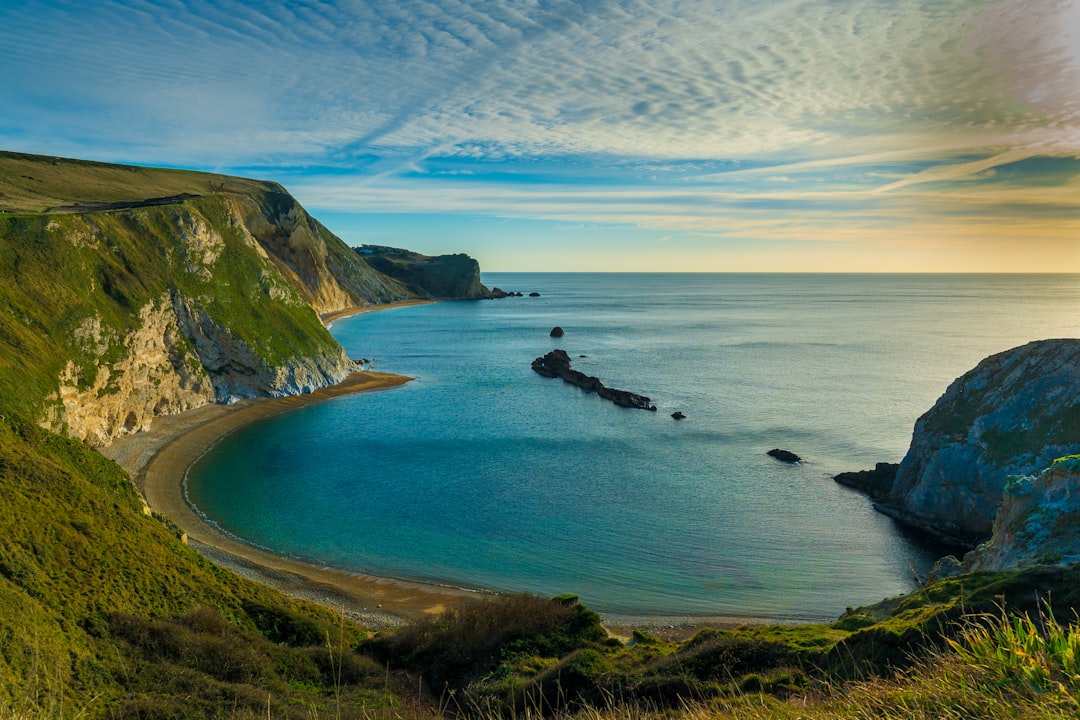
Photo by Nick Fewings on Unsplash
The smartest way to choose from the best UK holiday destinations is not by making a giant wish list. It is by matching the place to the kind of holiday you actually want: city museums and evening pubs, cliff walks and salty air, or long hiking days with a cosy inn at the end.
Think in terms of bases, not attractions. A good UK base should give you easy arrival, enough to do in bad weather, and at least one memorable day that does not require heroic logistics.
| Base | Best for | Ideal length | Need a car? | Mid-range budget | Best months |
|---|---|---|---|---|---|
| Bath + Bristol | First-timers, food, architecture, easy rail trip | 3 to 4 nights | No | GBP 95 to 145 per person/day | May, June, September |
| Edinburgh | Strongest all-round city break, history, views, winter lights | 4 nights | No | GBP 110 to 170 per person/day | April to June, September, December |
| Northumberland Coast + Alnwick | Wide beaches, castles, fewer crowds | 4 to 5 nights | Yes, ideally | GBP 90 to 140 per person/day | May to September |
| Pembrokeshire | Harbour towns, coastal walks, family beach days | 5 nights | Very useful | GBP 95 to 150 per person/day | May, June, September |
| Lake District | Walking-led trip, scenic drives, pub evenings | 5 to 7 nights | Useful | GBP 100 to 160 per person/day | May, June, September |
| Belfast + Causeway Coast | City plus dramatic scenery, great value | 4 to 5 nights | Yes beyond Belfast | GBP 95 to 150 per person/day | May to September |
Use this as a quick decision tool:
- Choose Bath + Bristol if you want the easiest short break with almost no planning friction.
- Choose Edinburgh if you want one base that can carry an entire trip on its own.
- Choose Northumberland if you want castles and beaches without southern England prices.
- Choose Pembrokeshire if your ideal day ends with fish and chips by a harbour after a cliff walk.
- Choose the Lake District if walking is the point of the trip, not a side activity.
- Choose Belfast + Causeway Coast if you want one urban day and one cinematic road day.
The best UK holiday destinations are rarely the places with the most famous names. They are the ones that fit your pace.
Where to go on holiday in the UK if you do not want a car
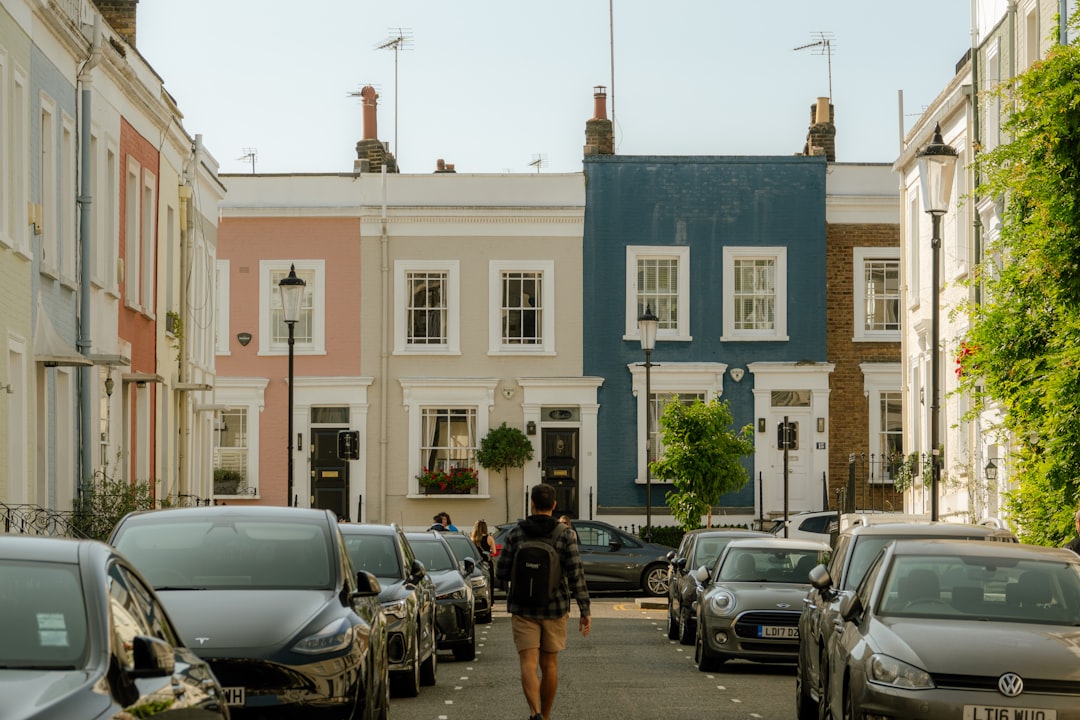
Photo by Joylynn Goh on Unsplash
A no-car UK holiday can feel gloriously easy, but only if you are strict at the planning stage. Pretty villages and dramatic coves are lovely on social media; they are less lovely when reaching them means two buses, a taxi and a soaked wait in the wind.
Use this test before booking: can you arrive directly, walk to your hotel or take one short local transfer, and fill two full days without renting anything? If yes, the base works. If not, it is probably better as a driving trip.
The easiest no-car choices are:
- Edinburgh: airport tram into the centre, walkable Old Town and New Town, Arthur's Seat, Leith buses, and enough museums, pubs and viewpoints for 4 full nights.
- Bath + Bristol: London to Bath takes about 1 hour 20 minutes by train, and Bath to Bristol is roughly 15 minutes. You get Georgian streets, the Roman Baths, Clifton views and excellent food with very little friction.
- York: one of the easiest railway city breaks in England, with the Minster, medieval lanes and compact streets all close together.
- Central Belfast: good for a short city-first break, especially if you keep the Causeway Coast as a separate day with transport planned in advance.
For rail planning, live delays and engineering works, check National Rail. If your trip begins in a busy city station or airport, the same small habits from How to Avoid Tourist Scams in 2026: ATM, Taxi and Cafe Rules still help: use official taxi ranks, avoid last-minute cash pressure, and do not assume the first option in front of you is the best one.
How to plan a UK holiday route that actually works
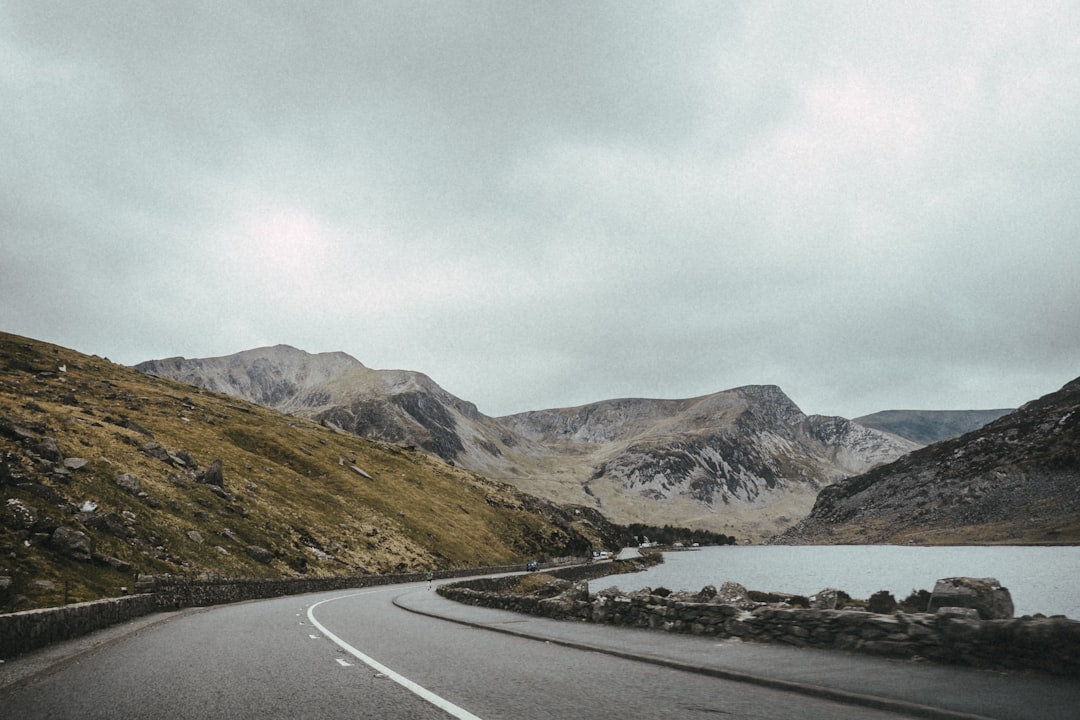
Photo by Mitchell Orr on Unsplash
The biggest UK planning mistake is not picking the wrong destination. It is building the trip in the wrong order. People often save twenty places first and only later discover the train arrives too late, the ferry is infrequent, the national park bus is seasonal, or the nicest inn is nowhere near where they want to walk.
Plan in this order instead:
- Count full days, not travel days. A Friday night arrival and Monday morning departure is not a 4-day trip.
- Pick one trip mood. City, coast, or walking should lead. You can season the trip with the others, but do not let all three compete equally.
- Check pressure dates before you fall in love with a place. August in Edinburgh and bank holiday weekends across the UK can change prices completely.
- Price transport before hotels. A cheap room 45 minutes from the station or beach often stops being cheap once taxis, parking or lost time are added.
- Lock the first and last night early. In the UK, arrival-night convenience is worth paying for.
- Build one wet-weather backup for every day. If the cliff walk fails, what is plan B: a museum, spa, market town, distillery, cathedral or long pub lunch?
A few planning numbers are worth remembering:
- One base for 3 to 4 nights is ideal.
- Two bases for 7 nights is usually the sweet spot.
- More than 3 hours of mid-trip travel should buy you a genuinely different experience, not just another pretty street.
If friends are involved, decide budget ceilings, wake-up time and car-sharing rules before money gets spent. Plan a Group Trip in 2026 With Less Stress and Fewer Fights is useful for the people side of it, and Group Trip Agreement Template 2026: Plan Without Meltdowns helps if the trip already sounds diplomatically complex.
For weather, trust the Met Office, not one hopeful screenshot. If you are coming from abroad, check ETA rules on gov.uk. I keep train times, hotel notes and rain backups in one board at TravelDeck, because UK trips become much calmer when all the practical details live in one place.
UK holiday budget for 3, 5 and 7 days
The best UK holiday destinations can be good value, but timing matters more than many travellers expect. The same room that looks reasonable in mid-June can jump sharply for August school holidays, a bank holiday weekend or a major festival. This is especially true in Edinburgh, the Lake District and popular seaside towns.
Budget by total trip cost, not nightly room rate. A lower room rate far from where you want to be often hides transport costs, parking charges and the quiet misery of spending your holiday commuting.
| Trip type | Typical total budget per person | What that usually covers |
|---|---|---|
| 3-night city break | GBP 280 to 480 | Return train, 3-star hotel split double, local transport, one paid sight, casual meals |
| 5-night coast or countryside trip | GBP 450 to 850 | Transport or car share, guesthouse or small hotel, parking, one or two paid sights, pub meals |
| 7-night two-base trip | GBP 700 to 1,200 | Train or car, mid-range stays, fuel or rail extras, a few tickets, some nicer dinners |
Four budget moves make a visible difference:
- Travel Sunday to Thursday if you can. Friday and Saturday nights are often the most expensive.
- Do not keep a rental car for city days in Bath, Edinburgh or central Belfast.
- In small towns, breakfast included can save GBP 10 to 15 per person each morning.
- Shoulder season is your friend. Late May, mid-June and mid-September usually give you the best balance of daylight, value and manageable crowds.
If you want a cheap-feeling holiday without choosing the absolute cheapest place, Northumberland and Belfast often stretch a budget further than headline southern hotspots.
Best time to visit the UK and what to pack
The best time for most UK trips is not peak summer. It is the shoulder season, when the country still feels open and green but prices have not fully sprinted away. May, June and September usually give you long daylight, decent walking weather and fewer school-holiday crowds.
July and August are best if your dream is classic British beach energy: bright deckchairs, busy harbours, ice cream queues and children jumping over rock pools. December works better for cities than rural scenery, with Christmas lights, markets and dark-afternoon pub stops making places like Edinburgh, Bath and York especially atmospheric.
Best months by trip type
- City breaks: April, May, September, December
- Coast breaks: June and September for value, July and August for peak beach mood
- Hiking trips: May, June and September for the most comfortable balance of daylight and cooler temperatures
- Northern lights attempts in far north Scotland: late autumn to early spring, but build the whole trip around dark skies rather than certainty
UK packing list that actually helps
The UK rarely rewards packing for one perfect forecast. Pack for range instead: sudden wind on a headland, warm sun in a city square, drizzle ten minutes later, then a clear golden evening.
Bring these every time:
- Lightweight waterproof jacket with a hood
- One warm mid-layer such as a fleece or light knit
- Walking shoes with grip
- Compact umbrella for city trips only
- Crossbody bag or small backpack
- Power bank and charging cable
- Reusable water bottle
- One outfit that works for a nicer dinner or theatre night
One final timing hack: in coastal and hiking regions, put your prettiest walk on the clearest forecast day, not automatically day one. In the UK, flexibility is not a luxury; it is part of the plan.
FAQ
What is the best place for a first holiday in the UK?
Edinburgh is the strongest first-timer choice because it has drama, history, food, easy airport access and enough attractions close together to fill 4 nights without a car. Bath + Bristol is the smoother southern alternative if you want shorter rail times and a gentler pace.
Is it cheaper to holiday in the UK without a car?
Usually yes for city breaks, not always for rural trips. In Edinburgh, Bath or York, a car mostly adds cost through parking and rental fees. In Northumberland, Pembrokeshire and the Lake District, a car can save enough time to justify its price.
How many days do I need for a good UK break?
Three to 4 nights is enough for one walkable city. Five nights suits one coast or countryside region. Seven nights is when a two-base trip starts to feel relaxed rather than rushed.
What is the best month to visit the UK?
For most travellers, June or September is the easiest answer. You usually get long days, milder weather and lower prices than August, without the short daylight of winter.
Do I need an ETA to visit the UK in 2026?
Many travellers from visa-exempt countries do need to check UK ETA rules in 2026. Requirements depend on nationality and travel status, so confirm the details on the official government page before paying for non-refundable transport.
The best UK holiday destinations do not win because they are famous. They win because the weather, transport and pace line up just enough for the trip to feel easy. Pick a base that fits your real days, leave room for rain, and the UK becomes far more generous than its complicated forecast suggests.