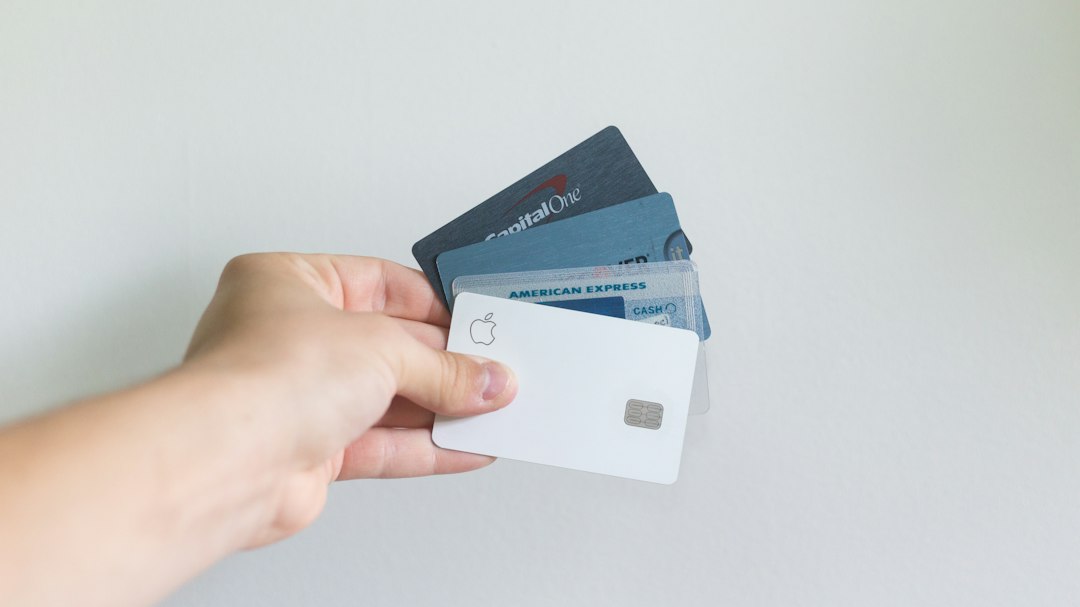
A single welcome bonus can be worth more than a sale fare to Europe, three hotel nights, and a week of airport coffees combined. That is why the best travel credit cards are not really about luxury first. They are about leverage. Used well, they turn everyday spending into airline miles, hotel points, and lower out-of-pocket trip costs. Used badly, they become expensive metal souvenirs that drain your budget with annual fees and poor redemptions.
The trick is not collecting the most points. It is learning how to use points before you apply. Most travelers lose value in the same places: redeeming for statement credits, transferring too early, chasing lounge access they rarely use, or ignoring taxes and surcharges on award flights. If you want your card to fund a real trip instead of a fantasy spreadsheet, you need a strategy that matches your habits, your destinations, and your cash flow.
I have seen the same scene play out in airports from Lisbon to New York: one traveler pays full fare for a flight they could have cut in half with flexible rewards, while another books a better schedule for almost nothing beyond taxes because they understood transfer partners and timing. The difference is rarely income. It is usually knowledge.
This guide breaks down the best travel credit cards for different kinds of travelers, the smartest ways to redeem points, the cost math behind annual fees, and a concrete example of how a points-funded trip can look on the ground. If you want the overview of trip planning math to sit beside this article, Create a Travel Budget in 2026: A Realistic Guide pairs especially well with the card strategy below.
Why the best travel credit cards can beat cash back for travel
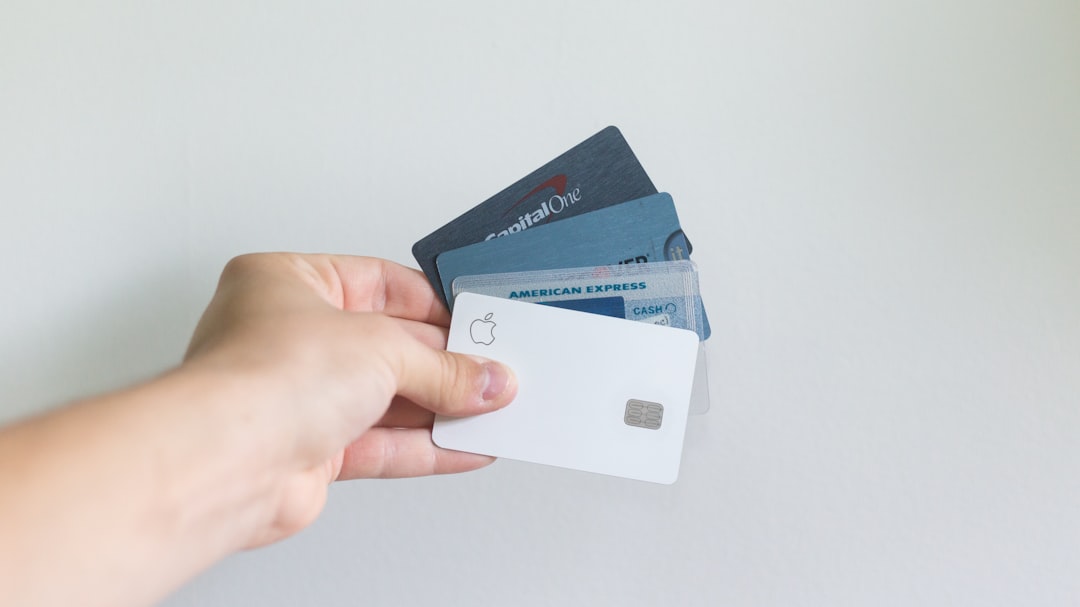
Photo by Avery Evans on Unsplash
Open a generic cash-back card and the value is simple, clean, and predictable. Open one of the best travel credit cards and the value is messier at first glance, but often far richer once you know where the doors are hidden. A flexible rewards point is not just a discount. It is a kind of travel currency that can move between programs, unlock better flight routings, reduce the pain of peak-season hotel rates, and sometimes bring travel protections that are worth more than a headline earning rate.
Think of the moment a trip starts to feel real: the soft clatter of suitcase wheels in an airport corridor, the blue glow of departure boards, the smell of coffee and jet fuel mixing just beyond security. Travel costs pile up before you even board. Flights, hotels, transit, baggage fees, trip interruption risks, foreign transaction fees, even the sandwich you buy because the connection was longer than planned. The best travel credit cards can attack several of those costs at once, but only if you use the right card for the right job.
There is also a less glamorous truth that matters more than lounge photos. Rewards cards only win if you pay in full every month. Interest charges erase the value of airline miles faster than any redemption can replace it. So the real starting line is discipline, not a sign-up bonus.
A travel card is usually worth considering if you want some combination of the following:
- Flexible points that can become airline miles or hotel points
- No foreign transaction fees on overseas purchases
- Trip delay, baggage, or rental car protection
- A welcome bonus large enough to fund a meaningful trip
- Category bonuses on travel, dining, or everyday spending
- Lounge access or annual credits that you will actually use
- Transfer partners that serve the places you want to visit
If that list sounds attractive, the next question is not which card is the flashiest. It is which of the best travel credit cards fits the way you already spend.
A side-by-side guide to the best travel credit cards, airline miles, and hotel points
Walk through any terminal and you can almost guess the card type from the traveler. The road warrior in line for a lounge wants comfort and time back. The city-break traveler wants cheap award flights and easy dining rewards. The loyalist who always checks into the same hotel chain wants free night certificates and status. The beginner wants one simple card that does not require a second hobby in loyalty math.
That is why the best travel credit cards split into two broad families. First, there are flexible points cards that let you move rewards to several transfer partners. These are usually the strongest place to start because they leave room to adapt. Second, there are co-branded airline or hotel cards that work best when you already know where you fly or sleep most often.
Because issuers change welcome offers, credits, and partner lists, think of the details below as a practical 2026 snapshot and always confirm current terms before applying.
| Card | Annual fee | Best for | Standout strengths | Sweet spot | Watch-out |
|---|---|---|---|---|---|
| Chase Sapphire Preferred® | $95 | Beginners and frequent city-break travelers | Strong dining and travel earning, flexible points, solid travel protections | Low-fee entry into transfer partners and award flights | Fewer premium perks than pricier cards |
| Chase Sapphire Reserve® | $795 | Frequent travelers who use premium perks heavily | $300 annual travel credit, strong lounge access, high travel and dining earnings | Travelers who can use credits and value comfort | High fee, and you need to track benefits carefully |
| The Platinum Card® from American Express | $895 | Frequent flyers who care about lounge access and flight earning | 5x on eligible flights, broad lounge network, many statement credits | Travelers who spend heavily on flights and can maximize credits | Weak everyday earning and too many credits for some people |
| Capital One Venture X Rewards | $395 | Travelers who want simpler premium math | 2x miles on everyday spending, lounge access, annual travel credit and anniversary miles | People who want premium benefits without category micromanagement | Some value depends on portal use |
| Capital One Venture Rewards | $95 | Simple earners who hate bonus-category homework | 2x miles on most purchases, straightforward redemption options | Travelers who want easy airline miles without complexity | Fewer travel protections and premium perks |
| Marriott Bonvoy Boundless® | $95 | Marriott loyalists | Hotel points earning, annual free night certificate, chain-specific perks | Travelers who regularly book Marriott stays | Less flexible than bank points cards |
The best travel credit cards in this table do not all solve the same problem. Flexible points cards usually give you the strongest long-term value because transfer partners let you compare multiple programs before moving rewards. That flexibility matters when one airline wants 60,000 miles and another wants 42,000 for a near-identical route. It matters again when cash hotel rates spike for a festival weekend and hotel points suddenly look cheap by comparison.
Here is the practical personality of each option.
- Chase Sapphire Preferred®: If you want one of the best travel credit cards without a bruising annual fee, this is often where the conversation starts. It is especially useful for travelers who dine out, book a few trips a year, and want flexible points they can later send to transfer partners.
- Chase Sapphire Reserve®: This is one of the best travel credit cards for people who live in airports and can turn lounge visits, travel credits, and strong protections into real annual value. If you travel occasionally, the fee can feel like a heavy suitcase.
- The Platinum Card® from American Express: The card shines when flights are your biggest expense and you will use the lounge network. It can be excellent for airline miles, but less compelling as an everyday spender because many other purchases earn at a slower pace.
- Capital One Venture X Rewards: A strong middle path. You get a premium feel with simpler everyday earning, which is attractive if category tracking makes your eyes glaze over.
- Capital One Venture Rewards: Less glamorous, often easier to live with. This is not always the most exciting option among the best travel credit cards, but simplicity has real value.
- Marriott Bonvoy Boundless®: A good reminder that hotel points can be powerful when you are truly loyal to one chain. If you float among boutique hotels, apartments, and hostels, flexible bank points may still beat it.
A common beginner mistake is choosing a card because the welcome bonus looks largest in absolute numbers. But 175,000 points in a system you do not understand can be less useful than 75,000 points in a program with transfer partners you will actually use. Size matters less than fit.
How to choose the best travel credit cards for your spending style
The smartest card setup usually begins with your calendar, not with the card issuer. Do you take two long-haul trips a year and spend heavily on restaurants? Do you book cheap cash fares and care more about free hotel nights? Are you a family traveler paying for school-holiday flights when fares are highest? Or are you the sort of traveler who can spot the glint of a metro line map and is happy in a compact room above a bakery if the location is perfect?
The answers matter because the best travel credit cards are really tools for directing your existing spending toward the kind of trip you actually want. A premium airport card is wasted on someone who never arrives early enough to use a lounge. A hotel card is wasted on someone who prefers guesthouses and short-term rentals. A flexible points card can save the day when plans shift, because it gives you options across several transfer partners.
When I am juggling welcome bonus deadlines, comparing award flights against cash fares, and deciding whether a hotel booking should be paid with cash or hotel points, I like to map everything in TravelDeck before transferring a single reward. That prevents the most painful mistake in points travel: moving rewards first and discovering later that the route, hotel, or date you wanted is no longer available.
Use this quick filter before you apply:
- If you are a beginner: Start with one flexible points card with a modest annual fee. You will learn how to use points without the pressure of chasing ten different credits.
- If you fly often for work or family reasons: A premium card with lounge access, trip protections, and a strong travel credit may be worth it, especially if delays and airport time are regular parts of your life.
- If you spend heavily on dining and city breaks: Look for one of the best travel credit cards that rewards restaurants and direct travel spending well. These are often the easiest points to earn naturally.
- If you want simple math: A flat-earning card can be ideal. Earning 2x on nearly everything is less sexy than category optimization, but easier to maintain over years.
- If you always stay with one chain: A hotel card can make sense as a companion card, especially if it includes a free night certificate or status perks.
- If you travel rarely: Do not force it. One of the best travel credit cards may still work for its welcome bonus and no foreign transaction fees, but a no-fee cash-back card could be the cleaner answer.
A good setup for many travelers is not a wallet full of annual fees. It is one flexible points card plus, maybe, one co-branded hotel or airline card that fills a very specific gap. Complexity is overrated. Consistency is where points grow.
How to use points without burning value
Here is the part most people skip. Learning how to use points is more important than learning how to earn them. Earning is usually easy. Buy groceries, pay for dinner, hit the welcome bonus requirement, wait. Redemption is where the real value hides, and it is where the biggest mistakes happen.
Picture two travelers headed to the same place. One redeems 50,000 points for a $350 statement credit because it feels simple. The other uses 50,000 transferable points for award flights that would have cost $700 in cash, then pays a small amount of tax. Same number of points, radically different value. The first traveler bought convenience. The second bought flexibility and timing.
The best travel credit cards are strongest when you use them through one of three lanes: transfer to airline miles for award flights, transfer to hotel points for expensive nights, or redeem through a travel portal when cash fares are already low and simplicity matters more than squeezing out every cent. The correct lane changes by trip.
A simple redemption hierarchy
| Redemption option | Typical value | Best when | Usually weak when |
|---|---|---|---|
| Statement credit or cash-out | Low | You need absolute simplicity and do not travel often | You want maximum value from the best travel credit cards |
| Bank travel portal booking | Medium and predictable | Cash fares are cheap, boutique hotels are not bookable with hotel points, or you want to earn miles on the ticket | Transfer partners offer a much lower mileage price |
| Transfer to airline miles | Often high | You find saver space, off-peak routes, or strong partner awards | You transfer speculatively and space disappears |
| Transfer to hotel points | Medium to high | Cash rates are inflated or you need a fifth-night style benefit | Low-end hotels are already cheap in cash |
The phrase transfer partners sounds technical, but the idea is simple. Your bank points can move into an airline or hotel loyalty program. Once transferred, they cannot usually come back. That is why transfer partners are both the secret sauce and the trap. They unlock great value, but only when you search first and transfer last.
Here is how to use points with less waste and more confidence.
- Compare cash and points every single time
Do not assume award flights are the better deal. Short flights in Europe or Southeast Asia are often so cheap in cash that airline miles are better saved for longer or peak-season routes. The same is true for hotel points. A charming guesthouse in shoulder season may cost less in cash than a chain hotel booked with points.
- Search award space before you transfer
This is the rule that saves budgets. Find the exact flight or room first. Check taxes, fees, cancellation rules, and whether the award is actually available to book. Only then move points to transfer partners.
- Use airline miles where cash fares hurt most
Airline miles tend to shine on long-haul flights, last-minute domestic trips, or travel during expensive school holiday periods. If a route is already on sale, your points may work harder elsewhere.
- Use hotel points where rates spike
Hotel points are often strongest during events, weekends, and high-demand dates when nightly cash prices surge. A room in Lisbon, Tokyo, or New York that looks painfully expensive in cash can suddenly become reasonable in points.
- Watch taxes and surcharges on award flights
Not all award flights are equal. Some look cheap in miles but add hefty cash surcharges. A lower mileage price is not always the cheaper trip once taxes are included.
- Protect flexibility
Flexible points are valuable because they can move to different transfer partners. If you burn them on a poor redemption today, you lose options tomorrow.
- Do not ignore travel protections
One overlooked reason the best travel credit cards can beat a debit card is insurance. Trip delay coverage, lost luggage protection, and primary rental car coverage are invisible until something goes wrong. Then they matter a lot.
A practical way to think about redemptions is to divide points into three jobs:
- Stretch job: Use points to slash the cost of a trip you would otherwise take in cash
- Shield job: Use points when prices surge and protect your budget from ugly peak-season fares
- Upgrade job: Use points for a nicer seat or hotel when the cash difference feels unreasonable
Budget travelers should prioritize the first two. The goal is not to cosplay wealth. It is to travel farther, more often, or with less financial stress.
The portal versus transfer partners question
This is the crossroads that defines how to use points well. Portals are easy. You see the cash price, apply your points, and book. That simplicity can be brilliant for train tickets, low-cost city flights, or independent hotels that are not part of a major loyalty program. But transfer partners often unlock bigger wins, especially for award flights on long-haul routes.
Say you find a Lisbon round trip from New York for $430. Depending on your card and portal rate, using your points directly through the portal might be perfectly sensible. Now imagine the same route during Easter or late June at $760. Suddenly a transfer to airline miles may offer stronger value, even after taxes. The best travel credit cards are powerful because they let you choose.
For hotel points, the same logic applies. A design hotel in the center of town that costs $180 a night might be a cash booking if your points are scarce. The same hotel at $340 during a festival weekend could become a clear points stay. Flexibility is not just comfort. It is price protection.
Cost breakdowns: what a welcome bonus can actually buy
Numbers make points feel real. A welcome bonus sounds abstract until you turn it into flights, nights, and street-level spending. The smell of grilled fish in Alfama or a late-night train into a European city does not care whether you paid in dollars or points, but your bank balance absolutely does.
Below are sample ways a solid welcome bonus or a year of everyday spending can translate into actual travel. These are not guarantees, because award space and prices change, but they are realistic planning ranges in 2026.
| Trip idea | Typical cash price | Possible points strategy | Estimated out-of-pocket | Why it works |
|---|---|---|---|---|
| US domestic weekend for one | $250 to $450 flight + $180 hotel | 20,000 to 35,000 airline miles for the flight, cash for hotel | $40 to $220 | Airline miles absorb the expensive part first |
| East Coast US to Lisbon shoulder season | $450 to $750 flight + $600 to $1,000 hotel | 45,000 to 60,000 points for award flights, hotel points or a free night certificate for part of the stay | $120 to $550 | Flexible points cut both airfare and lodging |
| Five nights in a mid-range city hotel | $700 to $1,300 | 40,000 to 80,000 hotel points depending on brand and season | $0 to $150 plus city tax | Hotel points shine when nightly rates spike |
| School holiday family trip within Europe | $700 to $1,400 for short-haul flights for three | Mix of portal booking and airline miles for whichever tickets price badly | $120 to $500 | Split strategy protects cash flow |
| One premium long-haul seat on a special trip | $1,500 to $3,500 | 50,000 to 90,000 points via transfer partners, depending on route and cabin | $100 to $400 | Best used selectively, not as your default style |
The biggest budgeting lesson from the table is this: the best travel credit cards create the most value when you deploy points against the priciest part of a trip, not necessarily every part of a trip. Sometimes that means flights. Sometimes it means hotel points during a sold-out weekend. Sometimes it means keeping your flexible points untouched because the cash fare is already cheap.
You also need to account for annual fee break-even. A $95 fee is easy to justify if a welcome bonus funds one round trip or if travel protections save you once during a delay. A $395 or $795 fee demands more honest math.
Use this annual fee test:
- Add up the credits you will realistically use, not the ones you admire on paper
- Estimate how many lounge visits you will actually take this year
- Include one probable redemption where the card’s transfer partners or protections will matter
- Subtract any benefit that requires awkward timing or spending you would not normally do
If the number still works, keep the card. If it does not, downgrade, cancel at the right time, or choose a simpler setup. The best travel credit cards are supposed to support your trips, not become a second utility bill.
A real points example: a 5-night Lisbon trip funded smarter
To make all this less theoretical, let us build a concrete trip. Lisbon is a good test city because it sits at the intersection of value and atmosphere. The light is honey-colored, the pavements shine after a quick Atlantic drizzle, and the city hums with tram bells, espresso cups, ferry horns, and the low ache of fado slipping out of old taverns. It is also a place where points can meaningfully reduce costs without forcing you into sterile travel habits.
A five-night shoulder-season Lisbon trip from the US Northeast often works beautifully with the best travel credit cards because you can attack the flight with airline miles, use hotel points selectively, and still keep daily spending low once you land. Food can be modest or memorable without becoming absurdly expensive, public transport is cheap, and neighborhoods feel walkable in the best possible way.
How to get there with award flights to Lisbon
Lisbon’s main airport is Humberto Delgado Airport, code LIS, only a short ride from the center. That matters more than it first seems. When you step out into the city without a punishing transfer cost, the value of your points stretches further. A route that lands you near the action is often better than a slightly cheaper fare that leaves you wrestling with a distant airport bus and an hour of extra logistics.
For transatlantic travelers, Lisbon is one of the more approachable European capitals in both flying time and price, especially from the US East Coast. For travelers already in Europe, cash fares can be cheap enough that award flights are not always the right answer. This is exactly where knowing how to use points pays off: save your airline miles for routes where they beat cash, not for the ones that merely feel satisfying to book with rewards.
| Route or access point | Typical duration | Typical cash price | Typical points price | Notes |
|---|---|---|---|---|
| New York JFK or EWR to LIS | 6h 45m to 7h 15m | $450 to $750 round trip | 45,000 to 60,000 airline miles + taxes | Often a strong use of flexible points in shoulder season |
| Boston BOS to LIS | 6h to 6h 30m | $400 to $700 round trip | 40,000 to 55,000 airline miles + taxes | Good nonstop options when booked early |
| London LHR or LGW to LIS | 2h 40m to 3h | $60 to $180 one way | 9,000 to 18,000 points + taxes | Cash is often better than points on sale fares |
| Porto OPO to Lisbon by train | 2h 50m to 3h 15m | €25 to €45 | Not usually a points target | Scenic, comfortable, and often the smartest option inside Portugal |
| Seville to Lisbon by bus | 6h 30m to 7h 30m | €18 to €45 | Not usually a points target | Good budget move if you are overlanding Iberia |
| Faro to Lisbon by car | 2h 45m to 3h | Fuel + tolls | Not usually a points target | Useful if Algarve is part of the same trip |
Once you arrive at LIS, getting into town is refreshingly painless:
- Metro red line from the airport to central interchanges: around 20 to 30 minutes, about €1.80 plus the rechargeable Navegante card
- Aerobus or public buses: usually €2 to €5 depending on service and luggage needs
- Taxi or ride-share to Baixa, Chiado, or Alfama: usually €12 to €20 depending on traffic and timing
- Train connections for onward Portugal travel: use Oriente station for many long-distance services
Useful official transport links:
- Lisbon Airport: https://www.aeroportolisboa.pt/en/lis/home
- Comboios de Portugal trains: https://www.cp.pt/passageiros/en
- Metro Lisboa: https://www.metrolisboa.pt/en/
- Rede Expressos buses: https://rede-expressos.pt/en
Things to do in Lisbon once your points trip begins
Lisbon is a city that rewards wandering, but it helps to know where to aim your shoes. Morning light washes the hills in pale gold, laundry flickers between tiled facades, and each climb opens to another miradouro where the river looks like brushed silver. You do not need a high-spend itinerary here. Some of the best hours are nearly free.
The city also suits budget-minded travelers because expensive experiences are not the only memorable ones. A tram rattling through Graça, the first bite of a still-warm pastel de nata, the smell of sardines drifting through a June evening, and the sensation of standing above the red roofs at sunset all feel richer than their ticket prices suggest.
Start with these:
- Ride Tram 28 from Martim Moniz through Graça and Alfama: The old yellow carriage groans and squeals around corners like a moving postcard. A regular transit ticket covers it, though early mornings are best to avoid crowds.
- Explore Alfama on foot: Wander from Sé Cathedral up to Miradouro de Santa Luzia and Portas do Sol. White stone, terracotta roofs, and blue river views do most of the work.
- Visit Castelo de São Jorge: Entry is usually around €15 to €20. Go late afternoon for softer light and cooler air.
- Spend half a day in Belém: Jerónimos Monastery, Belém Tower, and the riverfront all cluster nicely. Add a pastry stop at Pastéis de Belém.
- Browse Feira da Ladra: Lisbon’s flea market, held on Tuesdays and Saturdays near Campo de Santa Clara, is ideal for ceramics, odd books, and people-watching.
- Walk the waterfront around Cais do Sodré and Ribeira das Naus: Best in the evening when the river breeze cuts the heat and the city glows peach and amber.
- Visit LX Factory in Alcântara: A former industrial complex turned creative hub with bookstores, cafés, design shops, and weekend energy.
- Take a day trip to Sintra: Even if your main trip is Lisbon, Sintra’s palaces and misty hills make a strong contrast. Trains from Rossio usually take around 40 minutes.
If you want a quieter rhythm, pair Lisbon with ideas from Shoulder Season Travel Tips for 2026: Save More, See More. The city is especially pleasant when the weather is soft and the queues are not trying to test your faith in humanity.
Where to stay in Lisbon with cash or hotel points
Lisbon’s neighborhoods change the feel of your trip more than the city’s size suggests. Stay in Baixa or Chiado and you are at the center of the postcard version: broad plazas, polished facades, easy transport. Stay in Alfama and your mornings begin with church bells, stone steps, and a neighborhood rhythm that feels older and more intimate. Stay in Príncipe Real and the mood turns leafy, stylish, and slightly more local.
For a points trip, this is where hotel points need a little skepticism. Chain hotels can be convenient, but some of Lisbon’s best-value stays are independents, guesthouses, or hostels where cash prices remain sensible. The best travel credit cards help here because flexible points can cover your flight, leaving cash available for a charming hotel that is not part of a big loyalty ecosystem.
| Budget tier | Suggested stays | Typical 2026 price range | Best for |
|---|---|---|---|
| Budget | Home Lisbon Hostel in Baixa, Goodmorning Solo Traveller Hostel near Restauradores, WOT New Lisbon in Príncipe Real | Dorms €28 to €60, private rooms €95 to €150 | Solo travelers, short stays, social atmosphere |
| Mid-range | My Story Hotel Augusta in Baixa, LX Boutique Hotel in Cais do Sodré, Lisboa Pessoa Hotel in Chiado | €140 to €260 per night | Couples, first-timers, walkable central bases |
| Luxury | Memmo Alfama, Santiago de Alfama, Bairro Alto Hotel | €280 to €700 per night | Splurge stays, rooftop views, design lovers |
A few booking notes:
- Budget travelers often get better value paying cash in Lisbon rather than using hotel points, especially outside summer peaks.
- Mid-range travelers should compare chain hotels bookable with hotel points against independent properties in Baixa and Chiado. The winner changes week to week.
- Luxury travelers can get very good value from hotel points when cash rates surge, but boutique luxury often remains cash-only.
- Location beats breakfast in Lisbon. The hills are real. A central base saves time, taxi fares, and shoe leather.
If you want to stretch hotel points, target busy dates such as festivals, holidays, and weekends when nightly rates jump. That is usually when hotel points outperform cash most clearly.
Where to eat in Lisbon for flavor, not sticker shock
Lisbon is kind to hungry travelers. Even now, when prices are no longer the secret they once were, you can still eat extremely well without detonating your budget. The air around lunchtime smells of grilling fish, garlic, olive oil, espresso, and pastry cream. In the evening, tiled bars fill with the sound of plates clinking, chairs scraping old pavement, and someone always ordering one more small beer.
This is also where a points-funded trip feels grounded. Flights may be paid with airline miles, and a room may be softened by hotel points, but the city itself arrives through lunch counters, market stools, bakeries, and late dinners in narrow streets. Lisbon rewards curiosity more than splurging.
Good places to start:
- Manteigaria: For one of the city’s best pastéis de nata. Expect around €1.50 to €2 each. Eat it warm.
- Pastéis de Belém: The classic stop in Belém. Worth the queue if you are already in the area.
- Cervejaria Ramiro: Seafood institution. Plan around €25 to €45 per person depending on appetite and shellfish choices.
- O Velho Eurico: A beloved modern tavern atmosphere with Portuguese comfort food. Usually around €18 to €30 per person.
- Zé da Mouraria: Reliable traditional cooking, often good for bacalhau dishes and generous portions. Budget around €15 to €25 per person.
- Time Out Market Lisboa: Not the cheapest option in town, but useful for variety. Small plates and snacks usually run €6 to €15.
- Ponto Final in Almada: Cross the river for one of Lisbon’s most cinematic meal settings. Ferry plus dinner makes a lovely evening. Expect €25 to €40 per person.
- Neighborhood tascas in Alfama and Mouraria: Order bacalhau à brás, grilled sardines in season, caldo verde, or a bifana and keep the budget gentle.
A realistic daily food budget in Lisbon looks like this:
- Frugal and delicious: €20 to €35 per day
- Comfortable with pastries, coffee, sit-down lunch, and one nicer dinner: €40 to €70 per day
- Seafood-heavy or wine-forward days: €75 and up
If you are redeeming points to travel more cheaply, this is the right place to keep your cash spending joyful rather than pinched. Save on the big fixed costs first, then eat well.
Practical tips for booking smarter, packing lighter, and using points well
Lisbon is forgiving, but your points strategy should not be casual. The city’s best value shows up when you pair shoulder-season dates with flexible flight searches and a willingness to compare cash against rewards every time. Sunny weather can make you feel invincible here, right up until you realize the hills are steeper than they looked and your apartment is on the fifth floor with no lift.
One more practical truth: the best travel credit cards are only part of the equation. You still need sensible timing, a realistic footwear plan, and a rough sense of how much of the trip should be paid in points versus cash. I would rather use airline miles for a costly transatlantic flight and pay cash for a terrific local guesthouse than force every part of the trip into a loyalty framework that does not fit.
Lisbon weather and value by season
| Months | Weather feel | Crowds | Value for points and cash |
|---|---|---|---|
| Jan to Feb | Cool, damp, some bright clear days, around 8 to 16°C | Low | Good hotel deals, fewer crowds |
| Mar to Apr | Mild, greener parks, 11 to 20°C | Moderate | Strong balance for award flights and hotels |
| May to Jun | Warm, lively, longer evenings, 15 to 27°C | Rising | Great atmosphere, but prices climb fast |
| Jul to Aug | Hot, sunny, 18 to 32°C | High | Use points selectively because cash prices can surge |
| Sep to Oct | Warm sea light, gentler heat, 16 to 27°C | Moderate | Excellent for both hotel points and cash value |
| Nov to Dec | Cooler, quieter, 10 to 18°C | Low to moderate | Solid value outside holiday peaks |
More practical notes:
- Best months: March to May and September to October for the sweet spot between weather and price
- Currency: Euro
- Cards: Widely accepted, but keep some cash for small cafés or markets
- Safety: Generally good, but watch pickpockets on trams, in crowded viewpoints, and around major tourist corridors
- Connectivity: eSIMs are easy to arrange, and free Wi-Fi is common in cafés and hotels
- Packing: Comfortable shoes matter more than one extra outfit; Lisbon’s cobbles are beautiful and slippery. For a lighter setup, How to Pack a Carry-On in 2026 Without Leaving Anything Out is a useful companion.
- Customs: Meal times run later than in many northern European cities, and a slow dinner is part of the pleasure
- Transit: Buy a Navegante card early and keep coins or a contactless card for simple day-to-day movement
Useful official planning links:
- Visit Lisboa: https://www.visitlisboa.com/en
- Sintra tourism information: https://www.sintraportugaltourism.com/
- Flying Blue: https://www.flyingblue.com/en/home
- British Airways Club: https://www.britishairways.com/travel/executive-club/public/en_gb
- World of Hyatt: https://world.hyatt.com
- Marriott Bonvoy: https://www.marriott.com/loyalty.mi
FAQ
Are the best travel credit cards worth it if I only travel once or twice a year?
Yes, sometimes. If one of the best travel credit cards gives you a strong welcome bonus, no foreign transaction fees, and travel protections you will use, it can still be worthwhile for a light traveler. But the card should match your real habits. If you will not use lounge access, monthly credits, or transfer partners, a lower-fee card is usually better.
What is the smartest way to use points for beginners?
Start by learning how to use points in the simplest high-value way: compare a cash fare with a portal booking and then compare both against one or two transfer partners. That teaches you the basic math without forcing you to memorize every loyalty rule. Beginners should focus on flexible points, not a dozen niche airline miles programs.
When should I transfer points to airline miles?
Transfer only when you have already found the seat you want and checked the full cost, including taxes and surcharges. Airline miles are powerful, but speculative transfers are how people trap value in the wrong program.
Are hotel points better than airline miles?
Neither is always better. Airline miles often win when flights are expensive, especially on long-haul routes or during school holidays. Hotel points often win when city hotel rates surge for weekends, events, or peak travel dates. The best travel credit cards give you enough flexibility to choose case by case.
Should I keep a premium travel card after the first year?
Only if the math still works. Add up the credits you really use, the lounge visits you truly take, the value of transfer partners for your trips, and any insurance benefits that matter. If the fee still feels heavy after honest math, downgrade or switch. The best travel credit cards are not trophies.
A good travel card should make the world feel a little closer, not your budget a little tighter. The beauty of points is not that they let you pretend money does not matter. It is that they let you spend your money more intentionally: airline miles where flights sting most, hotel points when rates go wild, cash where a market lunch or a small local stay is already good value. Get that balance right, and your next trip starts to feel lighter long before you reach the airport.