The fastest way to feel like a seasoned traveler is to learn how to pack a carry-on so well that you never stand at a baggage carousel again. One small bag changes the whole rhythm of a trip. You move faster through stations, slip into taxis without rearranging your life in the trunk, and walk straight over old cobblestones without that rattling, frantic soundtrack of overpacking.
The surprise is that most travelers do not need less stuff. They need fewer duplicates, better fabrics, and a sharper plan. Once you understand how to pack a carry-on, you stop packing for imaginary emergencies and start packing for real days: the humid arrival afternoon, the chilly museum morning, the dinner that needs one polished layer, the laundry stop that resets your week.
When I sketch a route in TravelDeck, the first thing I check is not the restaurant shortlist but the weather swing between landing day and departure morning. That one habit shapes every good carry-on decision. If you can dress for the temperature, repeat outfits intelligently, and give every item two jobs, one bag is not a compromise. It is freedom with a zipper.
Why carry-on only travel feels so different
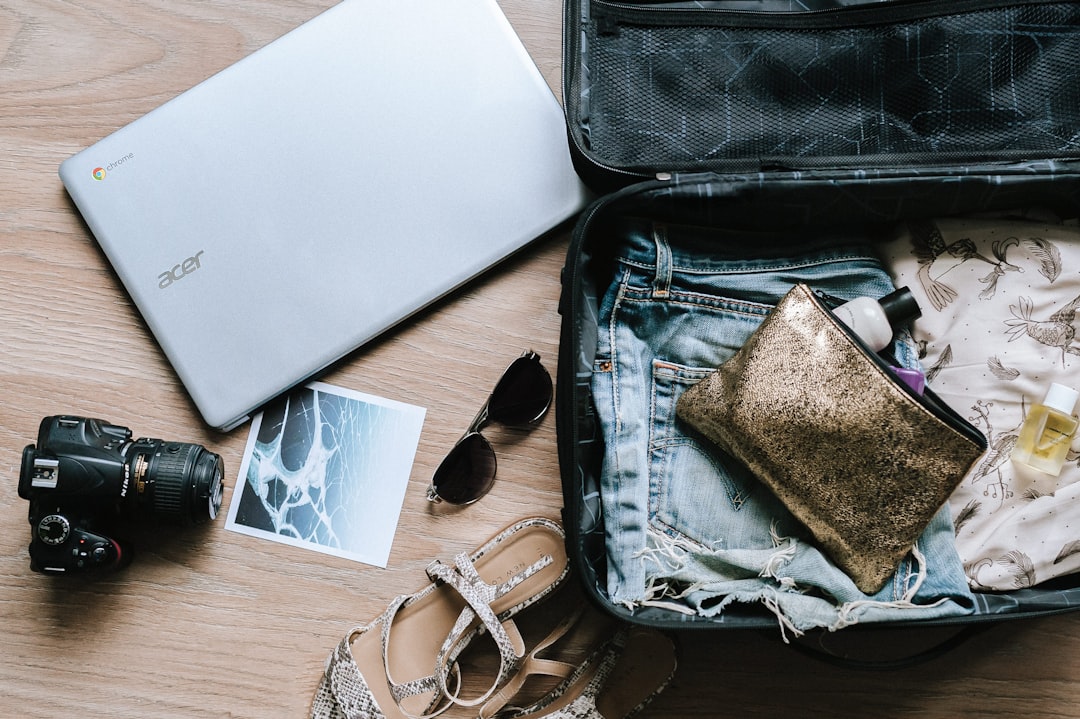
Photo by Anete Lūsiņa on Unsplash
A carry-on bag changes your body language before it changes your packing. Airports feel quieter when you are not dragging a heavy case behind you. Staircases stop being obstacles. A quick train transfer becomes easy instead of stressful. In old cities, where streets smell like espresso, rain, and warm stone, being able to step around puddles and slide into a crowded tram matters more than most travelers expect.
There is also a psychological shift. You stop seeing travel as a parade of outfit options and start treating it like a well-edited capsule. That makes you more decisive on the road. You can change hotels without dread, catch an earlier train, or say yes to a last-minute detour because your whole trip is literally in your hands. If baggage fees keep wrecking the math, Create a Travel Budget in 2026: A Realistic Guide is useful for seeing how luggage costs quietly inflate a trip.
Here is what carry-on only travel usually gives you right away:
- No checked bag fees on most airlines
- No waiting at baggage claim after landing
- Less risk of lost or delayed luggage
- Faster airport exits and easier train connections
- Lighter movement on stairs, ferries, and rough streets
- Simpler hotel changes on multi-city trips
- A more disciplined, more useful carry-on packing list
Choose the right bag before you choose the clothes
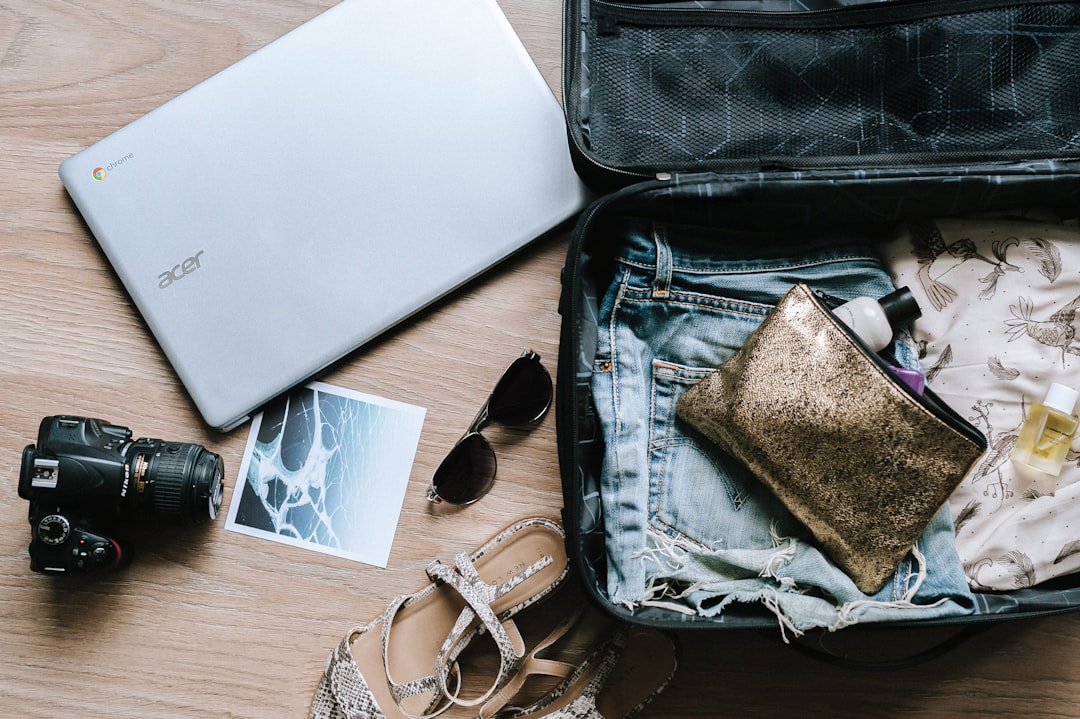
Photo by Anete Lūsiņa on Unsplash
Most packing mistakes begin with the wrong suitcase. If the bag is too large, you will fill it. If it opens awkwardly, you will pile things in instead of layering them. If it is heavy before you even start, you lose precious kilos to zippers and hard shells. Learning how to pack a carry-on starts with choosing a bag that matches the trip, not the fantasy version of the trip.
For city breaks and mixed transport, a clamshell travel backpack is usually the most forgiving choice. It opens flat, fits into train luggage racks more easily, and handles stairs, curbs, and slick metro platforms without drama. For airport-heavy business travel, a compact four-wheel cabin roller can be perfect, especially if you mostly move between smooth terminals, taxis, and hotels. The bag should feel like infrastructure, not a personality test.
| Bag type | Best for | Typical size | Main advantage | Main drawback |
|---|---|---|---|---|
| Clamshell backpack | Multi-city trips, stairs, mixed transport | 35 to 42 L | Easy to carry, flexible in tight spaces | Can tempt you to overstuff |
| Cabin roller | Business travel, smooth urban trips | 35 to 40 L | Easy to wheel, keeps clothes structured | Bad on cobbles and stairs |
| Soft duffel with strap | Road trips, short breaks | 30 to 40 L | Light and compressible | Less organized, harder on shoulders |
Look for these features before you buy:
- Cabin-friendly dimensions around 55 x 40 x 20 cm, but always check your airline first
- Lightweight build, ideally under 3 kg empty for rollers and much less for backpacks
- Clamshell opening for easier packing and unpacking
- Compression straps that actually hold clothes in place
- A quick-access pocket for passport, phone, and boarding pass
- Lockable zippers for crowded transit days
- A separate space for shoes or laundry
- A comfortable personal item such as a tote, sling, or small backpack that fits under the seat
A smart personal item is your overflow valve. It should hold the things you need in transit, not random extras: charger, water bottle, medication, a layer, snacks, and documents. If your cabin bag is the wardrobe, your personal item is the cockpit.
Build a capsule wardrobe that works across climates
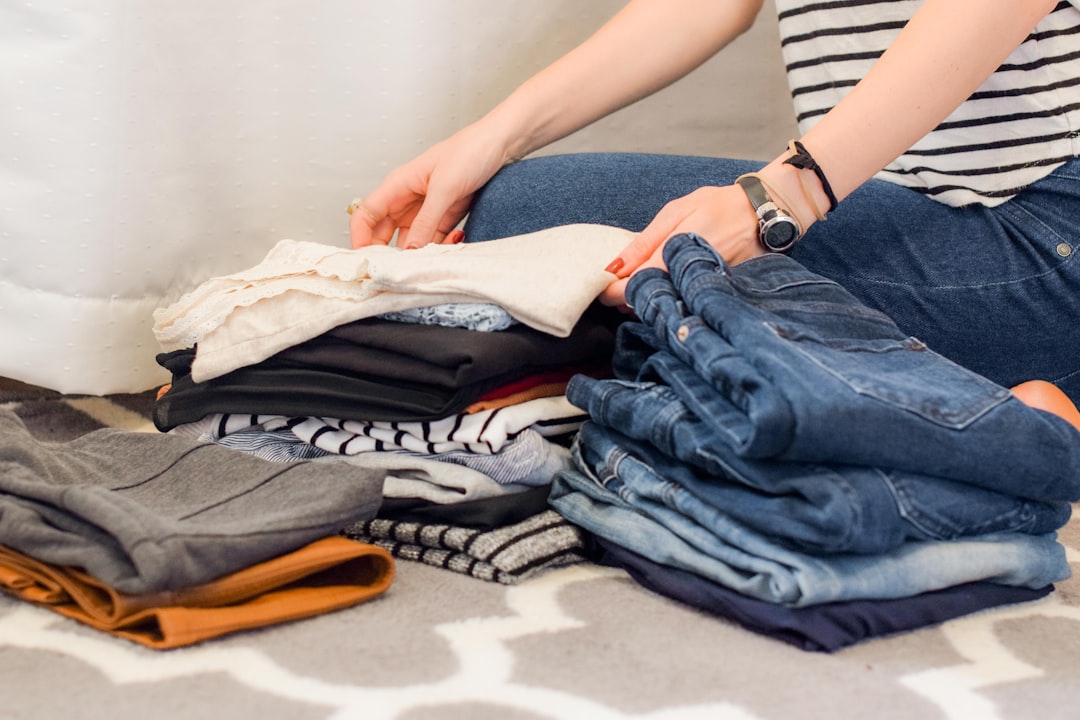
Photo by Sarah Brown on Unsplash
The travelers who always seem polished in one bag are not packing more cleverly than everyone else. They are dressing more coherently. A real capsule wardrobe feels boring on the bed and brilliant on the road. Colors talk to each other. Fabrics dry fast. One shirt works at breakfast, on a train, and at dinner with a different layer. The beauty is not variety. It is flexibility.
Start with a base palette that hides wear and pairs easily: black, navy, olive, cream, grey, denim. Then add one accent color if you want personality. The goal is for every top to match every bottom. When you can create nine or ten combinations from a handful of pieces, your carry-on packing list shrinks fast without looking repetitive in photos.
The most useful carry-on clothes are rarely the most fashionable in the store. They are the pieces that resist wrinkles, layer without bulk, and dry overnight near a hotel window. Quick-dry synthetics, merino wool, and light woven fabrics beat heavy cotton on most trips. Once you understand how to pack a carry-on, you stop asking whether an item looks good alone and start asking whether it earns three wears in three different settings.
A simple clothing baseline for one to two weeks looks like this:
- 5 pairs of underwear
- 5 pairs of socks
- 4 tops
- 3 bottoms
- 2 pairs of shoes
- 1 jacket or outer layer
- 1 sleep set that can double as loungewear
- 1 swimsuit if water or spa time is possible
Then adjust by trip type:
| Trip type | Add | Remove | Key fabric move |
|---|---|---|---|
| City break | One smarter top, compact crossbody | Extra shoes | Wrinkle-resistant layers |
| Beach trip | Second swimsuit, sandals, sun shirt | Heavy trousers | Linen blend and quick-dry fabrics |
| Business trip | Blazer, polished shoes, dress shirt | Bulky casual pieces | Structured knitwear |
| Cold weather | Merino base layer, gloves, beanie | Spare jeans | Thin layers instead of one giant sweater |
| Hiking-heavy trip | Technical tee, trail socks, shell | Delicate fabrics | Fast-drying synthetics |
Pack for one week, not for the whole trip
This is the quiet secret behind nearly every traveler who seems to know how to pack a carry-on for ten days, two weeks, or even longer. They are not carrying two weeks of clothing. They are carrying five to seven days of clothing plus a laundry plan. Once you accept that reality, the whole puzzle becomes easier.
Laundry on the road is rarely difficult now. City hotels often have same-day service. Apartment rentals usually have washing machines. Hostels often have paid machines or clear guidance to the nearest laundromat. Even a sink wash with travel detergent can refresh underwear, a tee, or a lightweight shirt overnight. The trick is to travel light with fabrics that cooperate.
There is also a sensory advantage here. When you travel light, your room stays calmer. You are not living out of a textile avalanche. Clean clothes smell clean. Worn clothes are isolated in a small laundry cube. You can repack in ten minutes before sunrise and still have time for coffee. If your trip also involves trails or mountain huts, First Multi-Day Hiking Trip 2026: Beginner Planning Guide has a useful mindset for choosing versatile gear instead of backup clutter.
Use these trip-specific strategies:
- Weekend city break: 2 tops, 1 spare bottom, 1 dinner-ready layer, 2 pairs of socks, 3 underwear, 1 shoe on feet, 1 lightweight packed shoe if needed
- One-week summer trip: 4 tops, 2 bottoms, 1 overshirt, sandals, swimwear, laundry once if necessary
- Five-day business trip: 2 shirts, 2 trousers or skirts, 1 blazer, 1 knit, 5 underwear, 1 polished shoe, wrinkle-release spray
- Winter city trip: 2 base layers, 2 mid-layers, 1 waterproof shell, 1 trouser, 1 thermal legging, boots worn in transit
- Family trip: pack fewer adult clothes, more snacks, wipes, and one full change for each child in the adult bag
If you are traveling in the shoulder months, when mornings can feel cool and afternoons suddenly warm, the best strategy is layers, not bulk. Shoulder Season Travel Tips for 2026: Save More, See More is a good companion piece for thinking through those in-between temperatures.
A complete carry-on packing list for different kinds of trips
A strong carry-on packing list should feel realistic enough that you could use it tonight. It is not a fantasy spreadsheet packed with gadgets and backups. It is a short, hard-working lineup that covers real movement: walking to the station in drizzle, sitting under cold air-conditioning, wandering through a market at noon, dressing up a little for dinner, and sleeping comfortably without carrying a second life on your back.
Think in layers of priority. First come documents, medication, money, and electronics. Then clothing. Then toiletries. Then comfort items. Anything that does not clearly improve safety, hygiene, or daily function needs a very good reason to stay. This is the heart of how to pack a carry-on: every item should solve a problem you are actually likely to have.
Clothing
- 4 tops total, with at least one nicer option
- 2 to 3 bottoms depending on climate
- 1 mid-layer such as a cardigan, fleece, or fine knit
- 1 outer layer such as a packable rain shell or light jacket
- 5 underwear
- 5 socks
- Sleepwear or a tee and shorts that double as sleepwear
- 1 swimsuit if relevant
- 2 pairs of shoes maximum, with the bulkiest pair worn in transit
Toiletries
- Toothbrush and small toothpaste
- Solid deodorant
- Sunscreen in a small container
- Moisturizer and lip balm
- Razor if you use one
- Minimal makeup or grooming kit
- Shampoo bar or travel-size liquid shampoo
- Prescription medication and one small health pouch with pain relief, blister care, and rehydration salts
Tech and documents
- Passport and any required visas
- Two bank cards from different networks
- Phone and charger
- Compact power bank approved for air travel
- Plug adapter if needed
- Earbuds or headphones
- E-reader instead of paper books if space matters
- Offline copies of bookings and IDs
Useful extras
- Refillable water bottle carried empty through security
- Small laundry bag or zip pouch for dirty clothes
- Pen for arrival cards
- Sleep mask and earplugs
- 2 or 3 packing cubes
- A flat tote tucked inside your personal item
Packing techniques that create space instead of chaos
There is a moment before departure when a bed full of clothing looks impossible to compress. Then you begin grouping, rolling, nesting, and editing, and the whole mess starts to click into place. This is where how to pack a carry-on stops being theory and becomes a practical choreography.
Soft items like tees, knitwear, and casual dresses do well rolled. Structured items like shirts, blazers, and trousers usually travel better folded or lightly bundled. Shoes should be filled with socks or chargers, not air. Dead space is the enemy. Corners matter. The inside of a shoe matters. The outer edge of a cube matters. A well-packed bag looks calm because it is organized by access, not by category alone.
Packing cubes help because they turn a floppy bag into stable layers. One cube for tops, one for bottoms, one for underwear and socks, and one slim pouch for sleepwear or gym gear is usually enough. Good packing cubes also help you unpack without scattering everything across a room. For longer trips, compression packing cubes can save surprising space, but only if you avoid stuffing them until they become bricks.
Use this order when packing:
- Put rarely needed items at the bottom or back of the bag
- Add shoe bag and heavier clothing near the wheels or close to your spine if using a backpack
- Stack packing cubes in flat layers
- Place liquids in an easy-to-reach top section for security
- Keep chargers, documents, and medication in your personal item
- Wear the bulkiest shoes, coat, and jeans on the plane
- Leave 10 to 15 percent of space free for food, a souvenir, or temperature changes
A simple pre-pack test works wonders:
- Lay out everything you plan to bring
- Remove at least one top, one bottom, and one random just-in-case item
- Zip the bag and carry it for ten minutes
- Weigh it before you leave home
- Reopen and cut anything you did not miss while walking around with it
Liquids, security, and airline rules in 2026
Even experienced travelers get tripped up by tiny details: a sunscreen tube that is too large, an overlooked aerosol, a budget airline with a stricter cabin allowance than the long-haul carrier before it. Security rules do not ruin good trips, but ignoring them can make a smooth travel day suddenly expensive.
If you are learning how to pack a carry-on, think of liquids as scarce real estate. Creams, gels, and aerosols should be minimized or replaced with solids wherever possible. Shampoo bars, solid deodorant, powder cleansers, and compact balms free up far more space than most travelers realize. Cabin rules vary by country and airline, but the safest habit is always the same: keep liquids tiny, visible, and easy to remove.
Use these official references before every trip:
- TSA liquids rule for current U.S. guidance
- UK hand luggage restrictions for current UK rules
- Ryanair baggage policy if you are flying a strict European budget airline
- easyJet cabin bag rules for updated cabin allowances
- Eurostar luggage information if rail is part of your trip
A few smart 2026 reminders:
- Most airlines still require liquid containers of 100 ml or less in carry-on luggage
- A solid deodorant does not eat into your liquid allowance
- Power banks usually belong in the cabin, not checked luggage
- Low-cost airlines often police both size and boarding-zone rules more aggressively than legacy carriers
- Your personal item can save the day, but only if it still complies with size limits
How to get there with one bag
The reason carry-on only travel feels so good often appears after landing, not before takeoff. You step out of arrivals and suddenly every transfer looks easier. A train platform with no elevator is manageable. A crowded airport bus is survivable. A ferry gangway in the wind is no longer a balancing act with two giant cases and a backpack that keeps sliding off one shoulder.
Knowing how to pack a carry-on matters because the first hour of a trip is often the most awkward: you are tired, dehydrated, and trying to decode signs in a new language while dragging your whole itinerary behind you. A smaller load makes better decisions possible. Below are typical airport and transit links where one bag is a genuine advantage.
| Gateway | Best transfer | Duration | Typical cost | Why one bag helps |
|---|---|---|---|---|
| London Heathrow, LHR | Heathrow Express to Paddington | 15 min | about GBP 25 | Fast platform changes and easy Tube connection afterward |
| Paris Charles de Gaulle, CDG | RER B to Gare du Nord | 35 to 40 min | about EUR 11.80 | Simpler through station gates and metro stairs |
| Rome Fiumicino, FCO | Leonardo Express to Termini | 32 min | EUR 14 | Easy rail transfer into central Rome |
| Tokyo Haneda, HND | Tokyo Monorail to Hamamatsucho | 13 min | about JPY 500 | Brilliant for quick urban arrivals |
| New York JFK, JFK | AirTrain plus LIRR to Penn Station | 35 to 45 min | about USD 13 to 18 depending on time | Easier escalators and subway links |
| Athens Airport, ATH | X96 bus to Piraeus ferry port | 60 to 90 min | about EUR 5.50 | Much easier if you are catching a ferry onward to the islands |
If you are renting a car instead, remember that a cabin-sized bag fits more easily into compact trunks, especially in Europe and Japan where rental cars often run smaller than North American drivers expect. On ferries, trains, and airport buses, one compact roller or backpack also means you can keep your luggage close instead of hunting for distant storage.
Things to do before you zip the bag
The last evening before a trip has its own smell and mood: laundry heat, phone charging cables, a weather app refreshed one more time, the low rustle of fabric being folded on a bed. That final half hour is where good packing becomes calm travel. Most mistakes do not happen because people own the wrong bag. They happen because they rush.
A traveler who knows how to pack a carry-on also knows how to do a slow final check. It is not glamorous, but it is the difference between an airport coffee and an airport panic. Before you zip up, make sure the bag is organized for transit, not just for storage.
Run through this short pre-departure sequence:
- Check the forecast for your exact dates, not just the destination average
- Put your passport, wallet, medication, and charger in the same place every time
- Make sure your liquids pouch can be removed in seconds
- Wear your heaviest shoes and outer layer on travel day
- Leave one easy outfit at the top of the bag for the first night or morning
- Download boarding passes, maps, and hotel details for offline use
- Take one final item out, almost always a spare top or backup shoe
One more practical trick: photograph the contents of your packed bag. If airport staff ask you what is inside, or if you need to repack in a tight corner, that quick image makes the process faster and less messy.
Where to stay when you plan to wash and re-wear
Accommodation choice quietly affects every carry-on strategy. A tiny room without hooks, shelves, or any place to dry a shirt can make even a neat capsule wardrobe feel annoying. A practical room with laundry access, a kettle, strong air-conditioning, or a heated bathroom rail can make one bag feel almost luxurious.
If you truly want to travel light, choose places that support the system. Near train stations and airports, business hotels are often better than charming apartments for short trips because they are designed for quick turnover, efficient storage, and reliable basics. For week-long stays, apartments with washing machines often beat luxury services if you want your carry-on packing list to stretch farther.
Here are reliable hotel styles and brands to look for, with typical 2026 nightly ranges that vary by city and season:
| Tier | Good options | Typical price range | Why they work for carry-on travel |
|---|---|---|---|
| Budget | Premier Inn, ibis Budget, Motel One | USD 70 to 140 | Efficient rooms, easy transit locations, predictable storage |
| Mid-range | citizenM, Hyatt Place, Hampton by Hilton | USD 140 to 260 | Good desks, strong showers, useful for business or multi-night stays |
| Luxury | Grand Hyatt, Sofitel, Marriott Marquis | USD 280 to 550 plus | Strong laundry services, excellent wardrobes, polished workspaces |
What matters more than stars:
- On-site laundry or same-day pressing
- Enough hangers for sink-washed items to dry
- A luggage bench or open floor area for easy repacking
- Location near rail stations or airport links
- Breakfast included, especially on early departure days
Where to eat when you land with only a cabin bag
One of the best side effects of carry-on travel is that you can say yes to food immediately. You are not burdened by luggage, so it is easy to stop at a market before check-in, slip into a station food hall, or walk straight from the airport train to lunch. That freedom turns arrival day from a logistics slog into part of the trip.
There is something deeply satisfying about rolling a small bag over polished station floors, stepping into a warm market, and smelling fresh bread, broth, grilled meat, citrus peel, or roasted coffee instead of inhaling only recycled airport air. When you travel light, spontaneous eating becomes easier because your body is less tired and your hands are free.
These places are especially good first stops if you arrive hungry and mobile:
- Mercado de San Miguel, Madrid: central tapas, croquetas, vermouth, and excellent standing snacks near Plaza Mayor. Expect about EUR 4 to 8 per tapa.
- Borough Market, London: ideal for a post-train wander with sausage rolls, cheese toasties, doughnuts, and excellent coffee. Most quick bites cost GBP 6 to 14.
- Lau Pa Sat, Singapore: hawker-center classic for satay, noodle dishes, and late-night energy in the CBD. Many meals cost SGD 6 to 15.
- Mercato Centrale, Florence: fresh pasta, lampredotto, wine, and bakery stops under one roof, easy when you arrive by train. Many plates run EUR 8 to 18.
- Tokyo Ramen Street, Tokyo Station: practical, fast, and deeply comforting after a flight, with bowls often around JPY 900 to 1,500.
- Eataly Roma Termini, Rome: a useful arrival or departure meal for pizza al taglio, espresso, and pantry basics near the station. Snacks and meals span roughly EUR 5 to 20.
If your first day includes only one proper meal, make it local, salty, and restorative. Flights dry you out. A bowl of noodles, soup, grilled fish, or market food often resets the body far better than airport sandwiches and sugar.
Practical tips for packing everything in a carry-on bag
Once you really understand how to pack a carry-on, you start noticing how many travel decisions become simpler. Season matters. Laundry access matters. Shoe choice matters more than another shirt. And a good packing system is never static. It changes for a humid beach week, a museum-heavy city break, a ski weekend, or a work trip with one blazer and no room for mistakes.
The best months for carry-on travel are often spring and early autumn, when layers do more work than bulky outerwear. Winter can still be done beautifully with thin thermals and a shell, but it demands discipline. Summer is easy for clothing and harder for liquids because sunscreen suddenly becomes essential. In every season, the most reliable rule is this: pack for the weather you will actually meet, not the version of the destination in your imagination.
Keep these practical details in mind:
- Best months: April to June and September to October are often easiest for one-bag travel in Europe and much of North America because you can layer without packing heavy coats
- Weather strategy: check hourly forecasts for arrival and departure days, not just daily highs
- What to pack: prioritize one jacket, one versatile shoe on your feet, and a strong capsule wardrobe over extra outfit options
- Currency: carry a small arrival amount in local currency if you need a bus, train, or snack before finding an ATM
- Safety: keep passport, one card, and medication on your body or in your personal item, not in the overhead bin
- Connectivity: download offline maps and consider an eSIM before departure so you can navigate immediately after landing
- Customs and comfort: on long-haul routes, wear compression socks if you like them and keep a pen handy for paper arrival forms
- Family or group travel: if you are sharing space or supplies, coordinate before packing to avoid bringing three sunscreens and four phone chargers. For that kind of diplomacy, Group Trip Planning Tips 2026: How to Avoid Drama Fast is more useful than most people realize.
A final rule that never goes out of style: if you can buy it cheaply at the destination, leave it behind unless it is medically necessary or hard to replace. That single idea can transform how to pack a carry-on from stressful to obvious.
FAQ
Can I really pack for two weeks in one cabin bag?
Yes. The secret is not more compression, it is a tighter carry-on packing list, a small laundry plan, and a repeatable capsule wardrobe. If you know how to pack a carry-on, two weeks is usually just one week of clothes worn twice with one wash in the middle.
What is the biggest mistake people make when trying to travel light?
Packing for hypothetical situations. Extra shoes, backup outfits, and large toiletries fill a bag faster than essentials do. Travelers who master how to pack a carry-on pack for the trip they booked, not the imaginary emergencies they are unlikely to face.
Is a backpack better than a cabin roller?
For stairs, trains, ferries, and uneven streets, usually yes. For business travel or airport-to-taxi itineraries, a roller can be more comfortable and structured. The best choice depends on terrain, not trends.
How many shoes should I pack?
Usually two pairs maximum. Wear the bulkiest pair in transit and pack one lighter pair. Shoes are the biggest space thieves in most cabin bags.
Do I need packing cubes?
Not absolutely, but they help most travelers travel light with much less frustration. Good packing cubes make it easier to separate clean from worn clothing, compress soft items, and repack quickly between stops.
A full cabin bag should never feel like punishment. It should feel like an elegant edit of the trip ahead: enough for rain and sunshine, long walks and late dinners, early trains and quiet hotel nights. Once you have learned how to pack a carry-on, you stop measuring a journey by how much you brought and start noticing how much easier the world feels when you can move through it lightly.