Cairo punishes rushed planning. On a map, the Pyramids, museums, bazaars, and churches can look close enough to stack into two frantic days, but traffic, heat, and the scale of the sights say otherwise. If you are asking how many days in Cairo you need, the honest answer for a first trip is five: three for the headline icons, one for older pyramid fields, and one to enjoy the city without sprinting.
This guide gives you a rebuildable five-day route with precise stops, realistic timings, and price ranges that make sense on the ground. If you already like structured city breaks such as 4 Days in Amsterdam Itinerary 2026: What to See Daily or Munich itinerary 4 days: what to see day by day in 2026, expect Cairo to move differently: sights cluster in pockets, but cross-city jumps take longer than they look. Plotting these stops in TravelDeck helps because the city is far more spread out than most first-timers expect.
How many days do you need in Cairo?
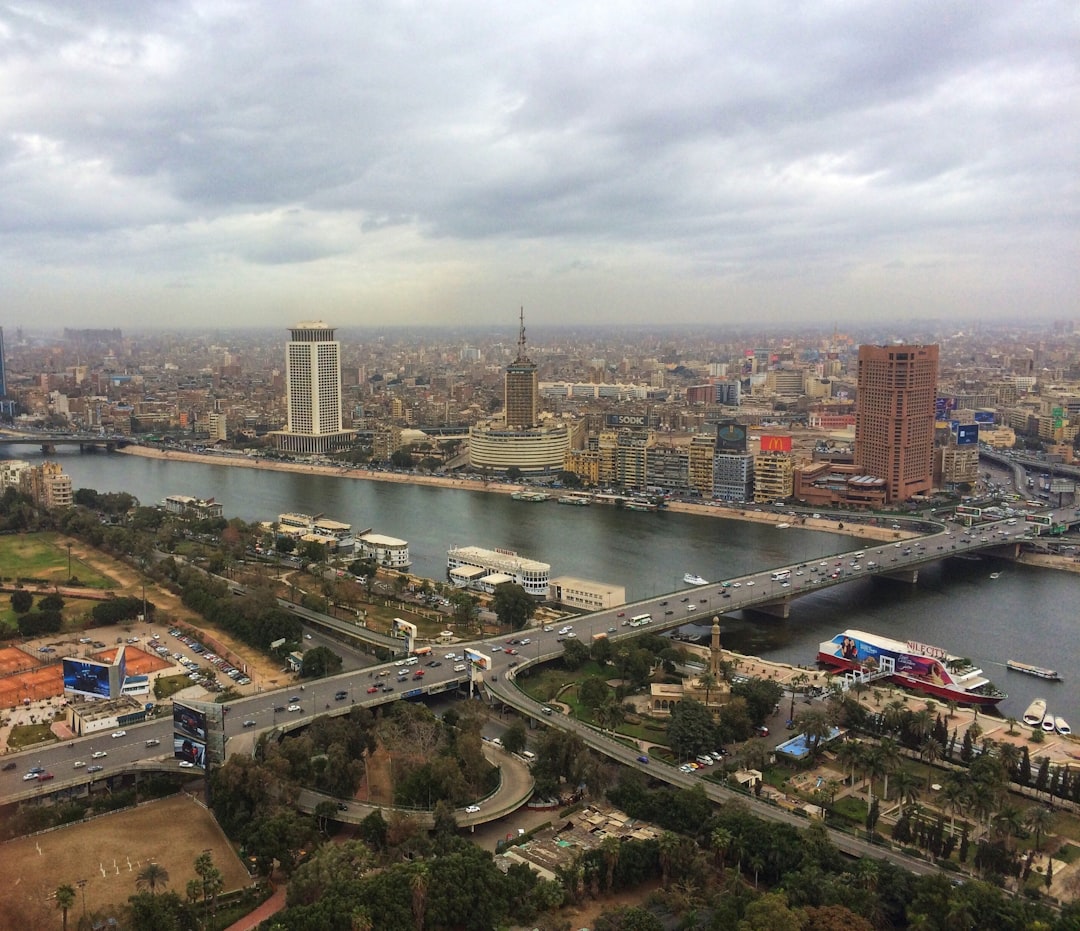
Photo by Ahmed Ezzat on Unsplash
The short answer to how many days in Cairo is this: three days is the minimum, five days is the sweet spot. In three days, you can do Giza, the Grand Egyptian Museum, Islamic Cairo, Coptic Cairo, and one Nile moment if everything runs smoothly. With five days, you gain breathing room for Saqqara and Dahshur, better meal stops, and the chance to see Cairo as a living city rather than a checklist.
Two days works only if Cairo is a fast add-on to a wider Egypt trip. One day is just enough for Giza and one museum. But if Cairo is the destination, five days gives you the version of the city that feels rich rather than exhausting.
Day 1: Downtown Cairo and a gentle Nile start
吳勝安(Famous)
Your first full day should not begin with a dawn march into the desert. Cairo is loud, layered, and intense, and the smartest opening move is to let the city introduce itself gradually. Downtown Cairo, around Tahrir Square, gives you belle epoque facades, old bookstores, busy pavements, and a direct line into the city’s modern story.
This is also the day to absorb scale. From the Egyptian Museum in Tahrir to the riverfront in Garden City or Zamalek, you start seeing how ancient Egypt and modern Cairo overlap rather than sit in separate boxes. Keep the pace easy, save your energy for Giza tomorrow, and use tonight to reset your body clock.
Morning
- 09:00 to 11:30: Visit the Egyptian Museum, Tahrir Square, Downtown Cairo. Allow 2 to 2.5 hours for the classic collection and monumental statuary. Entry is usually about EGP 550 to 700.
- 11:30 to 12:30: Walk through Talaat Harb Street and nearby Downtown lanes for architecture, old cafes, and people-watching.
Afternoon
- 13:00 to 14:30: Lunch at Felfela, Hoda Shaarawi Street, Downtown Cairo. Expect EGP 250 to 450 per person for mezze, grilled dishes, and fresh bread.
- 15:00 to 16:30: Cross to Garden City for a slow riverside walk along the Corniche, or head into Zamalek on Gezira Island for galleries and calmer streets.
Evening
- 17:30 to 18:30: Take a private felucca ride from the Garden City or Zamalek riverfront. A 45 to 60 minute boat costs about EGP 400 to 700 total depending on negotiation and sunset timing.
- 20:00: Dinner in Zamalek at Sequoia or a similar Nile-facing restaurant. Plan EGP 500 to 900 per person.
- Insider tip: Do not try to combine the Egyptian Museum and Khan el-Khalili on arrival day unless your flight landed the night before. Downtown traffic after lunch can erase your evening.
Day 2: Giza Pyramids and the Grand Egyptian Museum
This is the day most travelers picture first, and it deserves a full slot of its own. The Giza Plateau is not just a photo stop; it is a sprawling archaeological landscape where distances feel larger under the sun than they do on a screen. Arriving early changes the experience completely. The air is cooler, the stone glows softer, and the crowds are thinner.
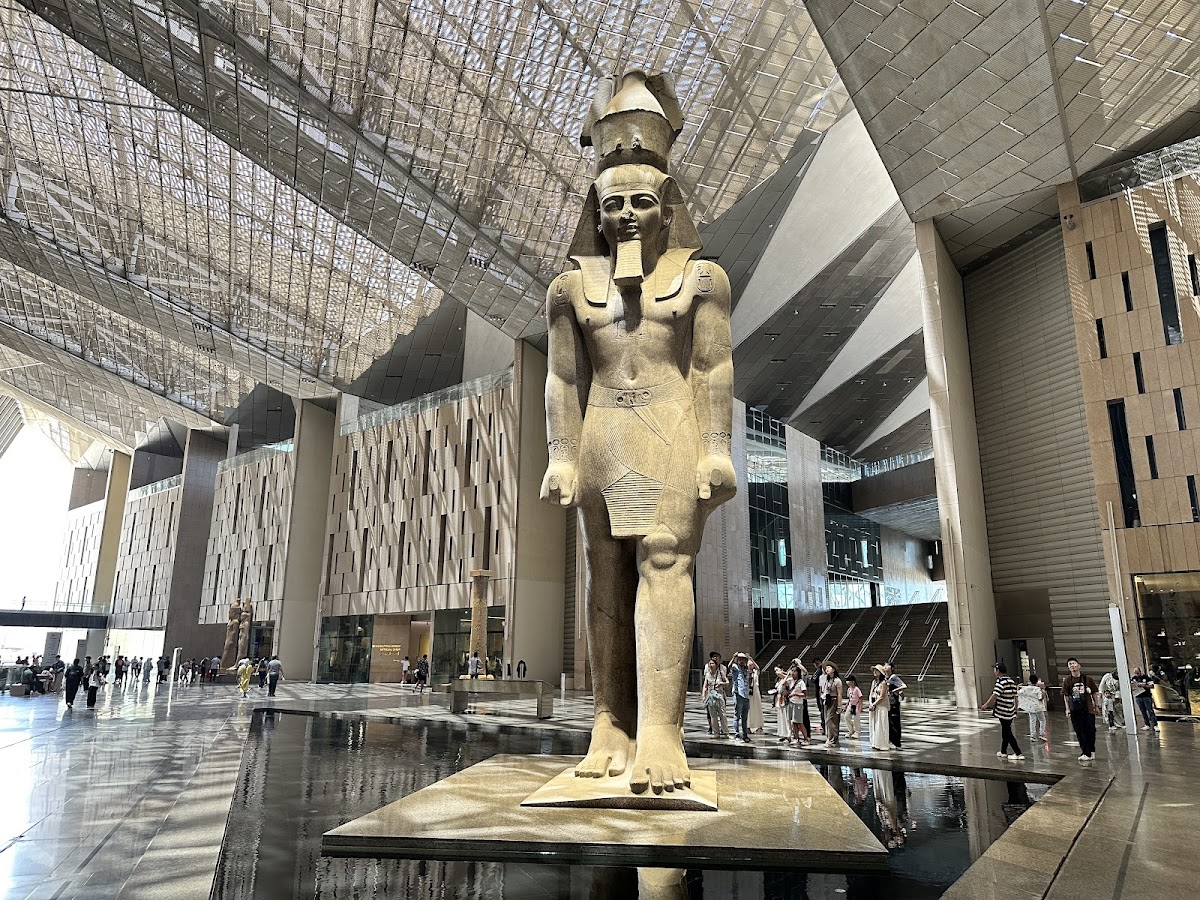
After lunch, move directly to the Grand Egyptian Museum near Giza. This is where old advice about how many days in Cairo often goes wrong in 2026: the GEM is now big enough and important enough to command half a day by itself. Treat Giza and the museum as one complete day, not as two quick stops squeezed around a bazaar.
Morning
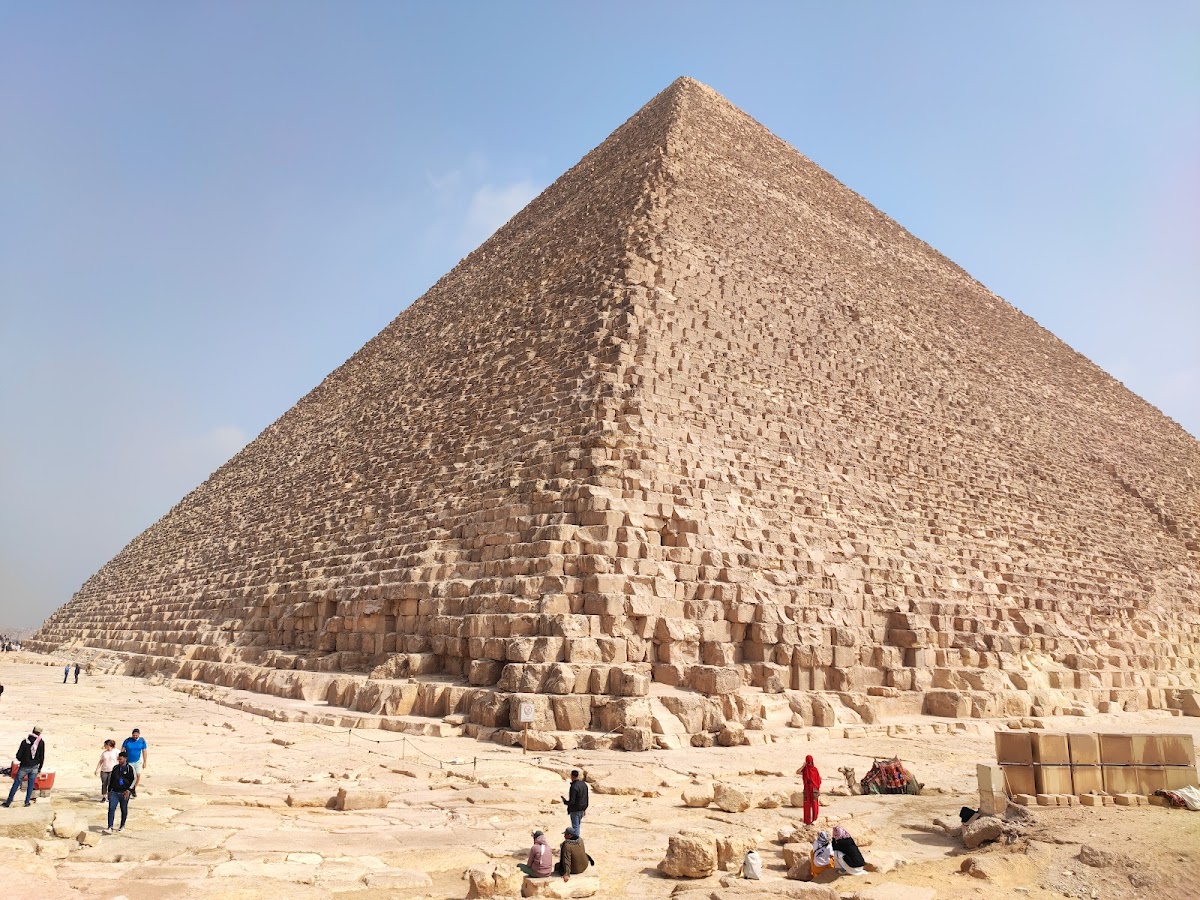
- 08:00 to 11:30: Enter the Giza Pyramids Complex, Al Haram, Giza. Focus on the Great Pyramid of Khufu, the Pyramid of Khafre, the Pyramid of Menkaure, the Panoramic Point, and the Great Sphinx. General entry is usually about EGP 700 to 900. Entry inside the Great Pyramid is extra and can add around EGP 1,500 or more.
- 11:30 to 12:00: Stop at the Valley Temple near the Sphinx for the best close-up sense of the site’s engineering.
Afternoon
- 12:30 to 14:00: Lunch at Khufu’s or 9 Pyramids Lounge, both on the Giza side with pyramid views. Expect EGP 500 to 900 per person.
- 14:30 to 18:00: Visit the Grand Egyptian Museum, Giza. Plan at least 3 hours for the Grand Staircase, main galleries, and Tutankhamun collection. Entry is typically around EGP 1,200 to 1,450 and should be checked in advance on the official site.
Evening
- 19:30: If you still have energy, have a relaxed dinner back at your hotel area rather than forcing another attraction.
- Optional: Sound and light at Giza can be atmospheric, but after a full museum afternoon most travelers enjoy a quiet meal more.
- Insider tip: Start at the main pyramid zone and save camel or horse photos for later only if you still want them. Agree every service and route in writing before getting on.
Day 3: Coptic Cairo, NMEC, and sunset on the Nile
After the drama of Giza, day three shifts from monumental scale to layered history. Old Cairo feels tighter, older, and more intimate. In the Coptic quarter, churches, courtyards, and Roman foundations sit close together, and the atmosphere is quieter than in Downtown or the Giza corridor.
This route also works logically. Coptic Cairo and the National Museum of Egyptian Civilization sit relatively near one another in southern Cairo, so you spend less time trapped in traffic. By late afternoon, a return to the Nile gives the day a soft landing, especially after the more contemplative mood of the museums and churches.
Morning
- 08:30 to 11:30: Explore Coptic Cairo in Misr Al Qadima. Prioritize the Hanging Church, Saints Sergius and Bacchus Church, Ben Ezra Synagogue area, and the Coptic Museum. Coptic Museum entry is usually around EGP 280 to 350.
- 11:30 to 12:00: Pause in the alleys around the Babylon Fortress remains for photos and a slower look at the quarter.
Afternoon
- 12:30 to 13:30: Lunch near Old Cairo or in Garden City on the way north. Budget EGP 200 to 450 per person.
- 14:00 to 16:30: Visit the National Museum of Egyptian Civilization, Fustat. The Royal Mummies Hall is the emotional center here and worth lingering over. Entry is typically around EGP 500 to 600.
Evening
- 17:30 to 18:30: Return to the Nile for another felucca or a riverside tea in Garden City if you skipped boating on day one.
- 20:00: Dinner at Abou El Sid in Zamalek or another traditional restaurant serving molokhia, kofta, and mahshi. Expect EGP 400 to 800 per person.
- Insider tip: Dress modestly for Coptic Cairo and carry a light layer that covers shoulders and knees. It saves time and avoids awkwardness at religious sites.
Day 4: Islamic Cairo, the Citadel, and Khan el-Khalili
If day three is reflective, day four is sensory. Islamic Cairo gives you domes, minarets, brass lamps, carved stone, incense, traffic, and tea glasses all in one sweep. The smartest way to do it is top down: begin with the Citadel for panoramic views, then work back into the denser medieval core as the day cools.
By late afternoon, Khan el-Khalili and Al-Muizz Street become less about monuments and more about atmosphere. This is when Cairo starts to feel cinematic: gold light on stone, shop shutters half open, the call to prayer rolling across the quarter, and cafe tables filling up with locals.
Morning
- 08:30 to 10:30: Visit the Citadel of Salah al-Din, El-Qalaa, Islamic Cairo. Enter the Mosque of Muhammad Ali and take in city views. Entry is usually around EGP 450 to 550.
- 10:45 to 11:45: Walk or drive to Sultan Hassan Mosque and Al-Rifa'i Mosque, Midan Salah al-Din. Combined admissions vary, but plan about EGP 200 to 300 total.
Afternoon
- 12:30 to 13:30: Lunch at Naguib Mahfouz Cafe or a nearby traditional restaurant in Khan el-Khalili. Budget EGP 300 to 550 per person.
- 14:00 to 16:30: Walk Al-Muizz li-Din Allah Street, El Gamaliya, and browse Khan el-Khalili Bazaar. Build in time for small detours into side lanes and historic gateways.
Evening
- 17:00 to 18:00: Stop for mint tea at El Fishawy in Khan el-Khalili, then wander toward Al-Hussein Mosque as the quarter shifts into evening.
- 19:30: Optional cultural add-on at Wekalet El Ghouri for the Tannoura show, depending on the schedule. Tickets are usually inexpensive, often around EGP 100 to 200.
- Insider tip: Buy souvenirs here only after you have walked the full bazaar loop once. Prices soften when you know the market and stop looking rushed.
Day 5: Saqqara, Dahshur, and Memphis
This is the day that turns a good Cairo trip into a memorable one. Giza is world-famous, but Saqqara and Dahshur explain how the pyramid idea evolved. You trade postcard familiarity for archaeological depth, open space, and far fewer crowds. The landscapes are quieter, the ruins feel closer, and the sense of discovery is stronger.
You need an early start and a driver for this day, but the reward is perspective. By the time you stand in front of the Step Pyramid at Saqqara and then inside the Red Pyramid at Dahshur, Giza stops feeling like a miracle that appeared out of nowhere and starts feeling like the climax of a much longer experiment.
Morning
- 08:00 to 10:30: Drive to Saqqara, then visit the Step Pyramid of Djoser, the Imhotep Museum, and if open and of interest, one of the decorated mastaba tombs such as Mereruka. Entry is usually around EGP 600 to 700.
- 10:45 to 11:30: Continue to Memphis open-air museum to see the colossal statue of Ramses II. Tickets are usually about EGP 200 to 250.
Afternoon
- 12:00 to 13:00: Lunch at a countryside restaurant on the Saqqara road. Budget EGP 250 to 500 per person.
- 13:30 to 16:00: Visit Dahshur for the Bent Pyramid and Red Pyramid. Entry is commonly around EGP 300 to 400. Climbing into the Red Pyramid is possible for many travelers, but it is steep and enclosed.
Evening
- 17:30 to 18:30: Return to Cairo and rest at your hotel.
- 20:00: Choose a farewell dinner either with pyramid views in Giza or a calmer final night in Zamalek.
- Insider tip: Wear grippy shoes, not sandals, for Dahshur. The descent inside pyramids can be dusty, steep, and surprisingly slippery.
Best time to visit Cairo for a 5-day itinerary
The best months for this five-day plan are October to April. Days are milder, walking through Islamic Cairo is more pleasant, and Giza is far easier early in the morning. March and April can bring dusty wind, but they are still workable with an early start.
May can be good if you are heat-tolerant and follow a strict morning-plus-evening rhythm. For shoulder-season ideas elsewhere, Best Holidays in May 2026: 6 Trips Worth Planning Now is useful reading, but Cairo in high summer is a different equation entirely. From June to August, the same sightseeing load feels heavier, and many travelers should either slow the itinerary or add one more day.
Estimated Cairo budget per person
Cairo can be done on very different budgets, but museum tickets now make the city less ultra-cheap than people expect. The main variable is not food; it is admissions and transport efficiency.
Use this as a realistic planning baseline for five full days, excluding international flights.
| Budget tier | Hotel per night | Food per day | Sightseeing total | Local transport total | 5-day total per person |
|---|---|---|---|---|---|
| Budget | EGP 1,200 to 2,200 | EGP 500 to 900 | EGP 4,200 to 5,500 | EGP 1,000 to 1,800 | EGP 11,700 to 19,200 |
| Mid-range | EGP 3,500 to 6,500 | EGP 1,000 to 1,800 | EGP 4,500 to 6,000 | EGP 1,500 to 3,000 | EGP 24,500 to 43,300 |
| Luxury | EGP 8,000+ | EGP 2,000+ | EGP 5,000 to 7,000 | EGP 3,000 to 6,000 | EGP 50,000+ |
Where to stay in Cairo
Where you sleep changes how this itinerary feels. For a first trip, the best bases are not the same for everyone. The right choice depends on whether you want walkable restaurants, pyramid views, or central access to multiple neighborhoods.
- Downtown Cairo or Garden City: Best for first-timers who want central positioning for museums, the Nile, and easier access to both north and south Cairo. Budget hotels start around EGP 1,200 to 2,000; strong mid-range options often sit around EGP 3,500 to 6,000.
- Zamalek: Best for a calmer, greener, more polished stay with good dining and evening walks. Expect mid-range to luxury pricing, often from EGP 4,500 upward.
- Giza Plateau side: Best if waking up to pyramid views matters most. It is romantic and photogenic, but daily transfers into central Cairo are longer. Guesthouses can start around EGP 1,500; classic luxury near the pyramids goes much higher.
If you only have three days in Cairo, stay central. If you are stretching beyond five or prioritizing Giza sunrise views, split nights between central Cairo and Giza only if changing hotels does not stress you out.
How to get there
Most travelers arrive via Cairo International Airport, CAI, in Heliopolis, about 45 to 75 minutes from central Cairo depending on traffic. Sphinx International Airport, SPX, west of the city, can be more convenient for Giza-side stays but has fewer connections. From Luxor, the flight is about 1 hour; from Aswan about 1 hour 25 minutes; from Hurghada about 1 hour.
From Alexandria, trains to Cairo usually take about 2.5 to 3 hours. If you are arriving from elsewhere in Egypt, domestic flights save time that overland travel quickly eats. Check flight options on EgyptAir and visa rules on the official Egypt eVisa portal.
How to get around Cairo
This is the part that shapes how many days in Cairo feel enough. Distances are not always huge, but traffic is. For Giza day, Saqqara day, and the Citadel day, a private driver or hotel-arranged car is usually the least stressful choice.
- Ride-hailing apps or hotel cars: Best for point-to-point travel and predictable pricing.
- Metro: Useful for some central trips, especially around Old Cairo and Downtown, but less useful for Giza and Saqqara.
- Walking: Excellent only within clusters such as Khan el-Khalili, Al-Muizz Street, Zamalek side streets, and Coptic Cairo.
- Private driver for the day: Often worth the extra cost on days 2 and 5 because it buys back sightseeing time.
Things to do in Cairo if you add a sixth day
Five days answers the question of how many days in Cairo most first-timers really need, but a sixth day is easy to fill if you want to go deeper. The city has enough texture to reward one more slow day.
- Ibn Tulun Mosque, Sayyida Zainab, for one of Cairo’s most beautiful and least crowded mosque interiors.
- Gayer-Anderson Museum, next to Ibn Tulun, for atmospheric historic rooms and collections.
- Al-Azhar Park, Darassa, for skyline views and a breather from traffic.
- Manial Palace, Rhoda Island, for ornate interiors and riverside gardens.
- Cairo Tower, Gezira, for a broad city panorama if haze is light.
- Wekalet El Ghouri, Islamic Cairo, for an evening Tannoura performance.
- A half-day food walk through Downtown for koshary, ta'ameya, pastries, and old cafes.
For current museum information, check the official Grand Egyptian Museum and National Museum of Egyptian Civilization websites before you go.
Where to eat on this itinerary
Cairo is easiest to enjoy when you match meals to neighborhoods instead of chasing one famous address across town. Eat near where you are sightseeing. The city rewards that habit with better pacing and fewer wasted taxi hours.
- Downtown Cairo: Abou Tarek for koshary, Felfela for classic Egyptian dishes, and old cafes for tea and pastries.
- Giza: Khufu’s or 9 Pyramids Lounge for atmosphere and views; prices are higher, but the setting earns it.
- Khan el-Khalili: Naguib Mahfouz Cafe for a comfortable sit-down lunch in the historic quarter.
- Zamalek: Strong evening dining, from traditional Egyptian menus to more modern Nile-facing restaurants.
- What to order: koshary, ta'ameya, molokhia, grilled kofta, mahshi, lentil soup, and Om Ali for dessert.
Practical tips for Cairo in 2026
Cairo runs better when you plan around friction instead of pretending it is a frictionless city. Early starts matter more here than in most capitals. So does having small cash, offline copies of bookings, and a realistic sense of how much one major museum can take out of your day.
- Carry a reusable bottle but drink only sealed bottled water.
- Wear breathable clothes, sun protection, and closed shoes for pyramid sites.
- Keep small notes for tips, toilets, and quick purchases.
- Book big-ticket museums ahead when possible, especially the GEM.
- Friday timing can shift the mood around some areas because of prayer traffic and heavier family outings later in the day.
- Connectivity is easy with local SIMs at the airport, and hotel Wi-Fi is common but variable.
- Solo travelers generally do best with planned transport after dark rather than improvising cross-city moves.
FAQ
Is 3 days enough for Cairo?
Three days is enough for the essentials if you move efficiently: Giza and the Grand Egyptian Museum on one day, Coptic Cairo and NMEC on another, then the Citadel and Khan el-Khalili on the third. It works, but you will feel the pace.
Is 5 days too much in Cairo?
No. Five days is the point where Cairo becomes enjoyable rather than compressed. It gives you time for Saqqara and Dahshur, which are some of the most rewarding sites in the wider Cairo area.
Should I stay in Giza or central Cairo?
For a first-time five-day trip, central Cairo usually works better because it balances museums, Old Cairo, dining, and the river. Stay in Giza only if pyramid views are your top priority.
Can I do Cairo without a guide?
Yes, but most travelers still benefit from a guide or driver on Giza day and Saqqara day. The city is manageable independently in compact areas like Zamalek, Downtown, Coptic Cairo, and Khan el-Khalili.
Is Cairo expensive in 2026?
Food can still be good value, but admissions to major museums and archaeological sites add up quickly. That is why a realistic answer to how many days in Cairo you can afford depends as much on sight costs as on hotels.
Give Cairo five days, cluster your neighborhoods carefully, and the city reveals itself in layers: pharaonic, medieval, colonial, and stubbornly modern, all in one trip that is finally easy to plan.
---