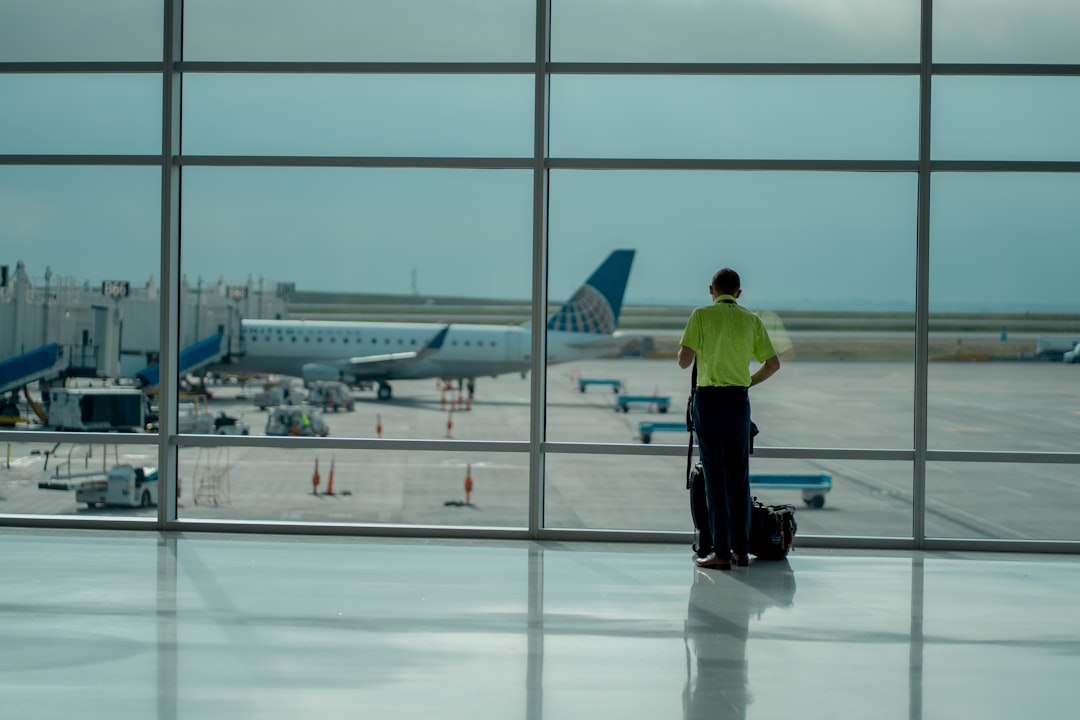
Traveling With Pets in 2026: The Low-Stress Trip Blueprint
The hardest part of traveling with pets is rarely the plane, the car, or the hotel lobby. It is the chain reaction of small mistakes that starts days earlier: the wrong carrier size, a missed vaccine date, a hotel that says pet-friendly but means one tiny dog only, or a route with no decent green space after landing. Get those details right, and traveling with pets can feel surprisingly smooth, even joyful.
A good pet trip has a particular rhythm. You hear the soft zip of the carrier at dawn, the click of a leash in a station hall, the hum of an airport moving walkway, the scratch of paws on a hotel room floor that still smells faintly of detergent and someone else’s suitcase. Your pet reads all of it long before you do. That is why the best trips are not built around speed. They are built around predictability.
This guide is for real-world travelers who want a calmer way of traveling with pets in 2026: fewer surprises, smarter booking choices, better pet travel documents, realistic feeding plans, safer transport, and hotels that actually work when you arrive tired and overstimulated. When I map a pet route, I like to see the airport, first park stop, grocery run, and backup vet in one place before booking, which is exactly the kind of practical planning view that works well on TravelDeck.
Why traveling with pets goes wrong before departure
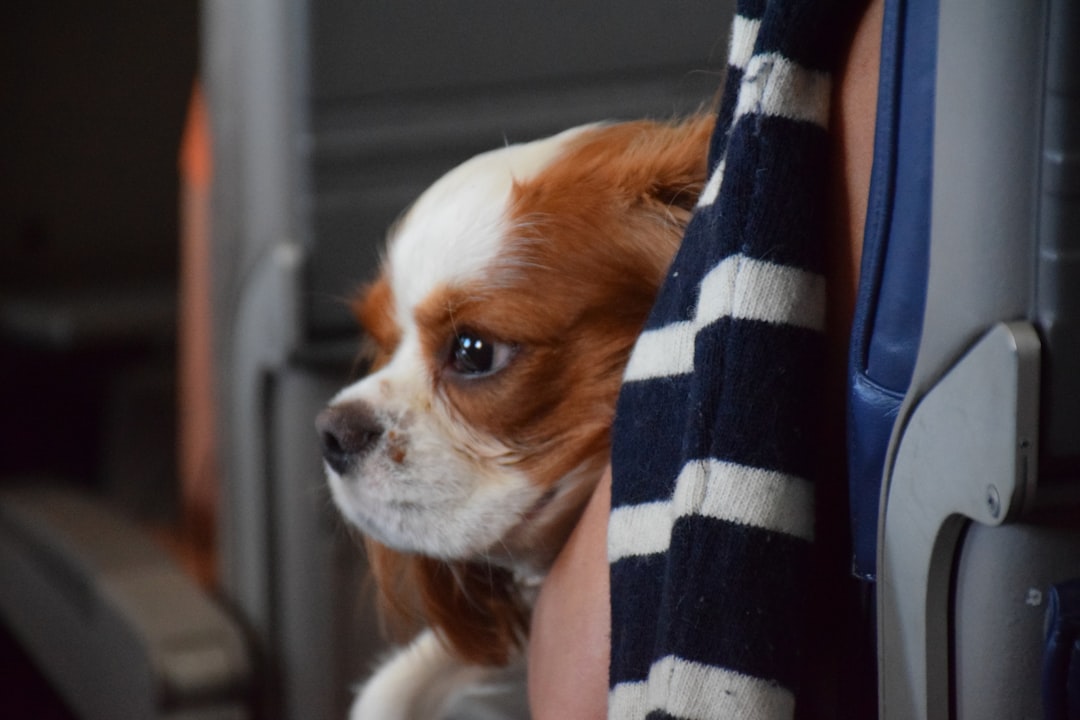
Photo by Yiheng Fang on Unsplash
Most bad pet journeys do not begin at the gate. They begin in the planning phase, when owners treat a pet as an add-on instead of a passenger with their own logistics. A cat that hates confinement, a senior dog that overheats easily, or a brachycephalic breed with breathing risk does not need optimism. They need a route built around their limits.
Another reason traveling with pets feels harder than it should is that the industry speaks in fragments. Airlines publish one set of rules, hotels another, rail operators another, and border authorities care only about whether your pet travel documents are perfect. Each piece looks manageable on its own. The stress comes from fitting them together without a gap.
The good news is that most pet travel problems are predictable. Once you know the pressure points, the whole trip becomes less emotional and more mechanical.
The usual failure points are:
- Booking your own ticket before confirming the pet space on the flight
- Assuming one airline pet policy applies to codeshare partners or regional legs
- Choosing a connection that is too tight for a pet relief break or a customs check
- Testing a new food, sedative, or calming product on travel day
- Skipping carrier training until the night before departure
- Trusting a listing that says pet-friendly without checking weight limits, fees, and unattended-pet rules
- Carrying photos of records instead of the original pet travel documents
- Planning a summer cargo route through a hot hub with temperature restrictions
- Forgetting that many countries distinguish sharply between assistance dogs and emotional support animals
That is why the smartest version of traveling with pets is not heroic. It is boring in the best possible way: steady, organized, and deliberately overprepared.
Your timeline for traveling with pets
Photo by Yiheng Fang on Unsplash
If you are taking a domestic road trip, two or three weeks of preparation can be enough. If you are flying, give yourself at least a month. If you are crossing borders internationally, start much earlier. For some destinations, especially with rabies rules, blood tests, import permits, or official endorsements, six months is not excessive. It is sensible.
The timeline matters because pet travel documents often sit on a chain of timing rules. Microchip first, then rabies vaccine, then waiting period, then health certificate, then entry window. Miss one order or one date and the whole trip wobbles.
A realistic planning timeline looks like this:
- 6 months out: Check destination entry rules, breed restrictions, quarantine risks, and whether your arrival airport or ferry port accepts pets from your origin country
- 8-12 weeks out: Confirm microchip details, vaccine status, carrier dimensions, and whether your vet can issue or coordinate required health paperwork
- 30 days out: Reserve the pet spot with the airline or rail operator, confirm pet-friendly hotels, and begin daily carrier practice
- 10-14 days out: Recheck the airline pet policy, weather embargoes, hotel rules, and local emergency vet options
- Within the required certificate window: Get the health certificate or endorsed paperwork if needed, then print and pack originals
- 48 hours out: Portion food, label medications, freeze a small water dish for crate travelers, and clean collar tags so your mobile number is readable
For flight planning, the fare is only one part of the cost. Pet fees, seat choice, and flexible timing can matter more than saving a few dollars on the base ticket, which is why some travelers pair their routing decisions with ideas from Airport Budget Travel Tips for 2026: Faster, Cheaper Flights.
How to get there
Photo by Yiheng Fang on Unsplash
Choosing transport for traveling with pets is not about what is cheapest on paper. It is about which option gives you the highest odds of a calm, safe arrival. A direct flight may cost more than a connecting itinerary, but if it cuts out a noisy terminal transfer and two hours of uncertainty, it can be the better bargain. A train may feel elegant, but only if the operator allows your pet size, route, and country combination.
Think in layers: total duration, temperature exposure, noise, handling, relief breaks, and what happens if there is a delay. Pets do not experience travel the way humans do. They do not care about lounge access or miles. They care about motion, smells, surfaces, and whether their familiar routine has collapsed.
For most travelers, the order of ease is simple: car first, then direct train or ferry, then a direct flight, then anything with multiple transfers. The more handoffs involved, the more careful your planning must be.
| Mode | Best for | Typical cost | Main advantages | Main risks |
|---|---|---|---|---|
| Car | Most dogs, confident cats, flexible trips | Fuel, tolls, hotels | Full control over stops and temperature | Motion sickness, unsafe restraint, hot cars |
| Train | Short to medium routes in pet-friendly rail networks | Often free to half-fare for pets, or a flat fee | Less handling, central arrival points | Peak-hour stress, muzzle rules, limited space |
| Ferry | Island routes, car-plus-pet trips | Variable, often extra for kennel or pet cabin | More movement space than air | Weather, barking kennels, embarkation delays |
| Plane in cabin | Small pets that fit under the seat | Often US$75-200 each way | You keep the pet with you | Limited spaces, size restrictions |
| Plane in hold or cargo | Larger pets when no better option exists | Often US$150-600+ | Long-distance reach | Handling stress, temperature limits, breed bans |
Air travel with pets
When flying is the only sensible option, simplify aggressively. Nonstop beats cheap. Morning beats late afternoon in hot weather. Big, experienced hubs often beat tiny regional airports because staff see pets more often and processes are clearer. Airports such as JFK, FRA, AMS, CDG, and DUB tend to be easier to navigate for international pet arrivals than obscure regional alternatives, though you must still verify pet entry rules for your exact route.
If you are flying with a dog or cat in cabin, book the pet space the same day you book your ticket. Most airlines cap the number of pets allowed per cabin. A soft-sided carrier usually has to fit under the seat in front of you, and combined weight limits commonly fall around 17 to 20 pounds including the carrier, though rules vary widely.
If your pet must travel in the hold, be stricter than the airline is. Avoid extreme heat or cold, avoid breeds with breathing risk, avoid frail seniors, and avoid itineraries with long transfers. Tell cabin crew politely that your pet is traveling below. It will not change policy, but it ensures the fact is registered.
A better flight setup for traveling with pets usually means:
- Choosing a nonstop or one-stop itinerary with a generous layover rather than a rushed connection
- Preferring departures before midday in summer
- Checking the airline pet policy for both operating and marketing carriers on codeshares
- Measuring the carrier after adding the bedding, not before
- Requesting an aisle-adjacent seat only if it does not conflict with under-seat space rules
- Packing one day of extra food and medication in your cabin bag
- Arriving early enough for document checks without turning the airport into a four-hour ordeal
Useful air travel links:
- USDA pet travel information: https://www.aphis.usda.gov/pet-travel
- European pet travel rules: https://europa.eu/youreurope/citizens/travel/carry/animal-plant/index_en.htm
- UK pet travel guidance: https://www.gov.uk/taking-your-pet-abroad
- Ireland pet travel portal: https://www.pettravel.gov.ie/
Train travel with pets
Train journeys can be glorious for traveling with pets when the operator is genuinely pet-aware. You roll out of the city center instead of a ring-road airport hotel. Platforms smell of coffee and brake dust instead of aviation fuel. There is less separation, less conveyor-belt handling, and usually less waiting around under fluorescent lights.
But train rules are deeply local. On many European lines, small pets in carriers travel free or for a low fee, while larger dogs may need a lead, a muzzle, and a child or half-price ticket. On some routes, the train is easier than the station, especially at rush hour when escalators, crowds, and tight vestibules can rattle a nervous animal.
Real examples to check before booking:
- Amtrak: many routes allow small cats and dogs under 20 pounds including carrier, with fees often around US$29. Rules vary by route and trip length. See https://www.amtrak.com/pets
- Deutsche Bahn: small dogs in carriers usually travel free; larger dogs generally need a ticket and may need a muzzle. See https://int.bahn.de/en/offers/additional-services/travelling-with-dog
- SNCF in France: small pets in carriers often pay a low flat fare, while larger dogs usually travel on leash and muzzle for a percentage of the second-class fare. See https://www.sncf-connect.com/en-en/help/travelling-with-your-pet
Road trip with a dog or cat
A road trip with a dog is still the easiest gateway into traveling with pets because you control the soundtrack, the climate, the detours, and the number of sniff breaks. Even many cats do better by car than by air once they learn the pattern. You stop, water, walk, reset, continue. The trip becomes legible to them.
The danger is overconfidence. Too many travelers let a dog roam loose, wedge a cat carrier between bags, or keep driving because the map says the next rest stop is only another hour away. Safe pet travel by road is wonderfully flexible, but only when the basics are non-negotiable.
For a safer road trip with a dog or cat:
- Use a crash-tested harness or a secured crate, never a loose seat passenger
- Stop every 2 to 3 hours for water, a potty break, and a movement reset
- Keep windows cracked only slightly; never let a dog ride with their head fully out
- Carry towels for wet paws, a spare lead, wipes, and paper towels within reach
- Feed lightly before departure if motion sickness is an issue
- Never leave a pet alone in a parked car, even for a short errand
Sample drive times for realistic pet trip planning:
- Los Angeles to Santa Barbara: about 2 hours, ideal as a first short road trip
- New York City to Portland, Maine: about 5 to 6 hours, better with one long park stop in Connecticut or coastal New Hampshire
- London to Cornwall: about 5 to 6 hours without traffic, but plan 7 to 8 with dog breaks
- Paris to Lyon: about 4.5 to 5 hours, easy with a halfway service stop
- Berlin to Hamburg: about 3 hours, a gentle first intercity drive with a dog
Ferries and island crossings
Ferries can be the hidden sweet spot of traveling with pets, especially if you are combining a car with an island trip. The air smells like salt and diesel, the deck is breezy, and the journey often feels less clinical than flying. Some ferry companies offer pet cabins, some kennel rooms, and some require pets to stay in your vehicle only on certain routes. Those differences matter hugely.
For routes to Ireland, the Scottish islands, the Greek islands, or Scandinavia, a ferry can turn a stressful transport day into a manageable one. But do not assume a kennel is a good choice for an anxious animal just because it is technically available.
Check before you sail:
- Whether pets can stay with you on deck or only in designated areas
- Whether pet cabins sell out earlier than regular cabins
- Whether the port check-in has grass, gravel, or no relief area at all
- Whether your destination requires advance notice for pet entry
- Whether rough weather is expected if your pet gets motion sick
Useful examples: https://www.dfds.com/en-gb/passenger-ferries/onboard/pet-friendly and https://www.stenaline.co.uk/travel-info/onboard/pets
Carrier training and calm routines
The carrier should not make its first dramatic appearance the night before departure. A good travel carrier becomes a piece of furniture weeks in advance: door open, blanket inside, treats scattered, maybe your worn T-shirt tucked along one edge. You want your pet to decide that this strange box smells like home.
This matters even more when flying with a dog or traveling with cats. Motion is only half the stress. Confinement is the other half. A pet that has practiced settling in the carrier through short drives, café stops, and elevator rides will read the big travel day as an extension of a known routine, not a complete rupture.
A calm-prep routine looks like this:
- Leave the carrier out for at least 1 to 2 weeks before the trip
- Feed treats or a meal near and then inside the carrier
- Practice short lifts, short drives, and 10 to 20 minute closed-door sessions
- Add a familiar blanket that smells like home, not a new plush bed
- Use any calming aid only after testing it at home first
- Keep departure morning quiet and ordinary instead of overexcited
For digital organization, offline maps, language tools, emergency vet searches, and document backups, it helps to keep your phone lean and purposeful, much like the approach in Must-Have Travel Apps for 2026: Build a Lean Phone Setup.
Pet travel documents, vaccines, and border rules
This is the least glamorous part of traveling with pets and the part that saves the trip. Border officials do not care how gentle your dog is or how expensive your flight was. They care whether the microchip matches the paperwork, the rabies record is valid, the treatment timing is correct, and the certificate falls within the allowed entry window.
Within parts of Europe, movement can be simple if your pet has the correct passport and vaccine record. From outside the EU or UK, or into stricter destinations, the process becomes more formal. Original documents matter. Timing matters. The order of events matters.
One of the most common problems with pet travel documents is not fraud or missing vaccines. It is tiny mismatch: a digit wrong in the chip number, a stamp missing, or a certificate issued outside the valid date range. That is why you should read every line slowly before leaving the clinic.
For many international routes, you may need some combination of:
- ISO-compatible microchip
- Rabies vaccination administered after microchipping, where required by the destination
- Waiting period after vaccination before travel
- Official or government-endorsed health certificate
- Tapeworm treatment for dogs entering certain countries or returning through certain routes
- Advance notice to the airport or port of entry
- Arrival through a designated point that processes pet entries
Key rules to remember in 2026:
- Some countries require your pet to arrive with you, or within a narrow time window around your own travel
- Emotional support animals are often treated as pets, not service animals
- More than five pets may trigger different commercial movement rules in some jurisdictions
- Some destinations require dogs to receive tapeworm treatment within a precise pre-arrival window
- Not every airport can process pets arriving from outside its region or customs bloc
Your pet travel documents folder should contain:
- Original rabies certificate
- Health certificate or pet passport
- Microchip registration details
- Vet records for current medications
- Printed hotel confirmations showing pet approval
- A photo of your pet from multiple angles in case of separation
- Emergency contacts at destination and back home
If you are unsure about customs around animals in public spaces, restaurant terraces, or shared buildings, the social side matters too. A pet that is legally allowed is not always socially welcome, so it is worth brushing up on local expectations with Respectful Travel Customs 2026: Homes, Temples, Tables.
Things to do when you arrive with your pet
The first hours after arrival shape the whole trip. Travelers often make the mistake of rushing straight into sightseeing, dinner reservations, or social plans. Your pet has just crossed a sensory storm of engines, luggage wheels, station announcements, elevator mirrors, strange pavement, and new smells. What they need first is decompression.
Think of the first day of traveling with pets as a soft landing, not a productivity test. Skip the museum line. Skip the ambitious walking itinerary. Give your pet a route that combines water, grass, predictability, and one easy meal. That first calm loop often determines whether the hotel room feels safe by evening.
Below are pet-friendly arrival ideas in cities that work well for first trips because they offer green space, central transit, and outdoor culture. Always verify current local rules, leash laws, and seasonal beach access.
- Take a reset walk in Vondelpark, Amsterdam
- Do a riverside stroll along Parc Rives de Seine, Paris
- Give your pet space in Phoenix Park, Dublin
- Walk the Hauptallee in Prater, Vienna
- Plan one dog-friendly beach stop at Platja de Llevant, Barcelona
- Choose one generous terrace meal, not an indoor dining gamble
- End the day with a practical neighborhood loop
Where to stay
The best pet-friendly hotels are not always the cutest ones online. They are the ones with ground-floor practicality, clear rules, nearby green space, and staff who do not act surprised when you arrive with an animal. A stylish room on the fifth floor without easy elevator access can be far harder than a simpler property near a park.
When evaluating pet-friendly hotels, ask three questions. How far is the nearest relief area? Can the pet be left alone in the room for any amount of time? And what exactly does the fee include? A cleaning fee is one thing. A strict weight cap, breed exclusion, or per-night surcharge is another.
If you are traveling with pets in cities, aparthotels can be especially useful because they give you more floor space, easier feeding routines, and sometimes less corridor noise than a classic hotel layout.
| Budget tier | Good options | Typical nightly range | Why they work |
|---|---|---|---|
| Budget | Motel 6 in many US cities, B&B HOTELS in France and Germany, selected ibis budget properties in Europe | US$60-140 / €70-130 | Simple rules, lower fees, practical parking, no-frills layouts |
| Mid-range | Kimpton properties, Locke aparthotels, Staypineapple hotels | US$170-300 / €160-280 | Strong pet reputation, more space, better neighborhoods |
| Luxury | Four Seasons selected city hotels, The Hoxton selected locations, higher-end Kimpton city properties | US$300-900+ / €280-800+ | Better service, smoother check-in, roomier common areas |
Reliable patterns by budget:
Budget
- Motel 6, US locations: often among the simplest choices for a road trip with a dog, commonly from US$60 to US$120 outside major events
- B&B HOTELS, Germany and France: useful near ring roads and transport hubs, often from €70 to €120
- ibis budget or ibis Styles selected properties: often practical for one-night stops, generally €75 to €140 depending on city
Mid-range
- Kimpton city hotels: widely known for flexible pet policies, often from €180 or US$200 upward
- Locke aparthotels: helpful for longer stays where a kitchenette stabilizes feeding and medication routines, often €160 to €280
- Staypineapple hotels: strong option in several US cities for travelers who want something warmer than a basic roadside stay, often US$170 to US$260
Luxury
- Four Seasons selected locations: high comfort, excellent service recovery if something goes wrong, often US$700+
- The Hoxton selected locations: stylish urban stays that can work well for shorter dog-friendly city breaks, often €280+
- Top-end Kimpton properties: a good bridge between boutique style and actually workable pet logistics, often €350+
Before booking any pet-friendly hotels, ask for these details in writing:
- Maximum number of pets per room
- Weight or breed restrictions
- Pet fee per stay versus per night
- Whether pets can be unattended
- Housekeeping procedure with animals in the room
- Nearest outdoor relief area
- Elevator access and room floor
Useful search tools: https://www.bringfido.com and https://www.booking.com with pet filters, followed by a direct call to the property.
Where to eat
Food is where human travel habits and pet needs often clash. You may want a long market lunch, late tapas, or a wine bar evening. Your pet needs meal timing, water, shade, and no dramatic menu experiments. The smoothest version of traveling with pets keeps your animal’s diet boring and your own meals opportunistic.
Bring the usual food. Bring a little extra. Bring a collapsible bowl. Feed after the stress spike, not in the middle of it. Many pets are too stimulated to eat normally right after a flight, then suddenly hungry two hours later in the hotel room. That pattern is normal.
For your own meals, outdoor culture matters more than Michelin stars. Terrace cities are easier than indoor-only dining cities. Markets with surrounding benches are easier than packed dining rooms. A dog that can lie under a shaded table while you eat something local is far happier than a dog tolerated indoors by an anxious host.
Easy food strategies that work on real trips:
- Keep your pet on their normal food for the travel days and first 48 hours
- Offer water often, but do not force huge amounts at once after transit
- Pack a few high-value treats only for stress points such as check-in or elevator rides
- Choose breakfast and lunch spots with outdoor space rather than risking a late, crowded dinner room
- Carry one absorbent feeding mat for hotel floors
Good pet-friendly eating areas and easy local bites:
- Paris: terrace culture makes life easier. Around Canal Saint-Martin or the edges of the 11th, you can eat roast chicken, omelets, tartines, and simple café plates without asking a tiny dining room to absorb your dog. La REcyclerie is a useful large-terrace option.
- Amsterdam: waterfront and park-adjacent cafés are your friend. Try bitterballen, fries, and apple pie in areas with breathing room rather than dense canal interiors. Pllek in Amsterdam Noord is a classic spacious terrace choice.
- Dublin: pubs with outdoor tables and cafés around Stoneybatter or near Phoenix Park can turn a stressful first day into an easy one. Go for soda bread, seafood chowder, or a hearty breakfast plate and keep the pet under the table with water ready.
- Vienna: coffeehouse culture is iconic, but not every indoor café wants pets. Terrace spots around Neubau or near the Prater edge make schnitzel, salad, and pastry stops much more relaxed.
- Barcelona: in warm weather, Poblenou and beach-adjacent areas are easier than dense Gothic Quarter interiors. Think grilled fish, pa amb tomàquet, and shady outdoor seating after sunset.
If you are combining pet travel with food exploration, remember that street snacks and market nibbles are fine for you, but not for your animal. A dropped sausage or rich pastry can ruin the next 24 hours. Keep your pet’s stomach dull and predictable.
Practical tips
Travel feels different through an animal body. Pavement heat matters more than your weather app implies. Fireworks matter more than the festival calendar suggests. A hotel hallway can be louder than a city square. The trick with traveling with pets is to think in sensory terms, not just itinerary terms.
The best months are usually mild months. Shoulder season is your ally because you dodge both extreme temperatures and the most chaotic crowds. Summer can look dreamy in photos and feel brutal on blacktop. Winter can be magical and still be a poor choice for a pet that hates wet paws, icy sidewalks, or repeated indoor-outdoor transitions.
Use the table below as a planning filter, not gospel.
| Season | Weather and crowds | Best for | Main pet concerns | Smart packing |
|---|---|---|---|---|
| Jan-Feb | Cold, wet, shorter daylight, winter disruptions | Short city breaks, low-crowd stays | Salted sidewalks, storm delays, fireworks in some regions | Paw balm, towel, insulating mat, reflective lead |
| Mar-May | Mild, greener parks, manageable crowds | First-time pet trips, road travel, city weekends | Spring allergies, rain bursts | Light rain layer, absorbent towel, extra wipes |
| Jun-Aug | Heat, school-holiday crowds, higher fares | Cool-coast road trips, early-morning hikes | Hot cars, hot pavement, cargo embargoes, dehydration | Cooling towel, sunshade, frozen water bowl, travel fan |
| Sep-Oct | Warm but gentler, beautiful light, shoulder season | Best all-round season for traveling with pets | Shorter daylight later in autumn | Layered bedding, portable bowl, backup rain shell |
| Nov-Dec | Wet, dark, festive crowds | Quiet countryside stays, short domestic trips | Holiday noise, fireworks, muddy walks | Microfiber towel, calming setup, paw cleaner |
What to pack for traveling with pets:
- Carrier or crate that your pet already knows
- Lead, harness, and backup collar
- ID tags with your mobile number and destination contact if possible
- Food for the whole trip plus 1 to 2 extra days
- Collapsible bowls
- Medications with written dosing instructions
- Towel, wipes, poop bags, and a small cleaning spray safe for fabrics
- Familiar blanket or mat
- Printed pet travel documents and digital copies
- A simple pet first-aid kit
Safety rules that are worth repeating:
- Never leave pets alone in parked cars
- Do not sedate for travel unless your vet specifically advises it
- Check for local hazards such as ticks, foxtails, toxic plants, heat, or icy salt
- Walk airport and station exits before assuming there is a relief area nearby
- Inspect the room on arrival for cords, mini-bar snacks, dropped medication, or balcony gaps
Money, connectivity, and local customs:
- Carry a little local cash for taxis, roadside stops, or a rural vet that may not love foreign cards
- Save one offline map of the neighborhood around your stay
- Screenshot your hotel’s pet policy and the nearest 24-hour clinic
- In some European cities, larger dogs may need muzzles on public transport even if they are calm
- Assistance dogs and emotional support animals are not treated the same way in many countries
For many travelers, the sweet spot is spring or early autumn. Mild air, longer walks, easier café terraces, fewer heat problems, and calmer transport days make traveling with pets feel less like damage control and more like a real holiday.
FAQ
Is flying with a dog safe?
Flying with a dog can be safe when the route, season, breed, and health profile all line up well. Small pets traveling in cabin generally face fewer risks than pets in the hold. Avoid unnecessary connections, temperature extremes, and any route that feels like a compromise from the start.
What pet travel documents do I need?
That depends on the route, but common pet travel documents include a rabies certificate, microchip record, health certificate or pet passport, and proof of required treatments. International trips may also require government endorsement, advance notice, or entry through a designated airport or port.
Can I leave my pet alone in a hotel room?
Usually you should assume no unless the property explicitly allows it. Many pet-friendly hotels forbid unattended pets because of barking, damage, and escape risk. Even where it is technically allowed, many animals are too stimulated in a new room to settle well alone.
How often should I stop on a road trip with a dog?
For most dogs, every 2 to 3 hours is a good rule. A road trip with a dog goes better when stops are predictable rather than delayed until your dog is frantic. Short, calm breaks beat one giant stop after five hours.
What is the best first trip for traveling with pets?
A short road trip with one night in a quiet hotel near a park is often the best starting point. It teaches you how your pet handles motion, elevators, new flooring, hallway noise, and sleeping away from home without piling on border checks or airline pet policy complications.
The quiet secret of good pet travel
The best moments of traveling with pets are rarely the photogenic ones. They are smaller: the first relaxed sigh under a café table, the tail wag at a familiar blanket in a strange room, the evening walk when the city finally smells less alarming and more interesting. A successful trip does not mean your pet loved every minute. It means you noticed what they needed before stress turned into panic.
That is the whole blueprint. Choose the gentlest route. Respect the paperwork. Keep food boring. Give the first day plenty of air and space. Book the room that works, not just the room that looks good. Do that, and traveling with pets starts to feel less like a logistical stunt and more like what it should be: a shared journey, paced for two species instead of one.