Ljubljana Sustainable City Break 2026: Fun-First Green Guide
A short flight can create more climate impact in a few hours than you will feel during an entire day of walking, biking, and eating your way through Slovenia’s capital. That is why a Ljubljana sustainable city break feels so refreshing: the greener choice is often the more enjoyable one. Instead of sacrificing comfort or fun, you trade airport lines for river walks, taxis for bikes, and generic chain dining for market lunches under chestnut trees.
What makes this angle so useful is that Ljubljana is not a city where sustainability feels like homework. The center is compact, the old streets are largely pedestrian, the river curls through café terraces and bridges designed for wandering, and local food is easy to find without performing a research thesis first. If you have been tempted by a greener trip but worry it means dull hotels, endless moralizing, or missing the best bits, this guide is the answer. Think of it as practical, fun-first, low-impact travel tips wrapped into a long weekend you will actually want to repeat.
If you usually gravitate toward quieter European capitals, this city has the same smart-detour energy as the places in Offbeat Europe Destinations 2026: 6 Smart Detours to Savor. But Ljubljana is even easier to navigate without a car, and that is exactly why it works so well for travelers who want a better balance between pleasure and footprint.
Why Ljubljana makes sustainable travel feel easy
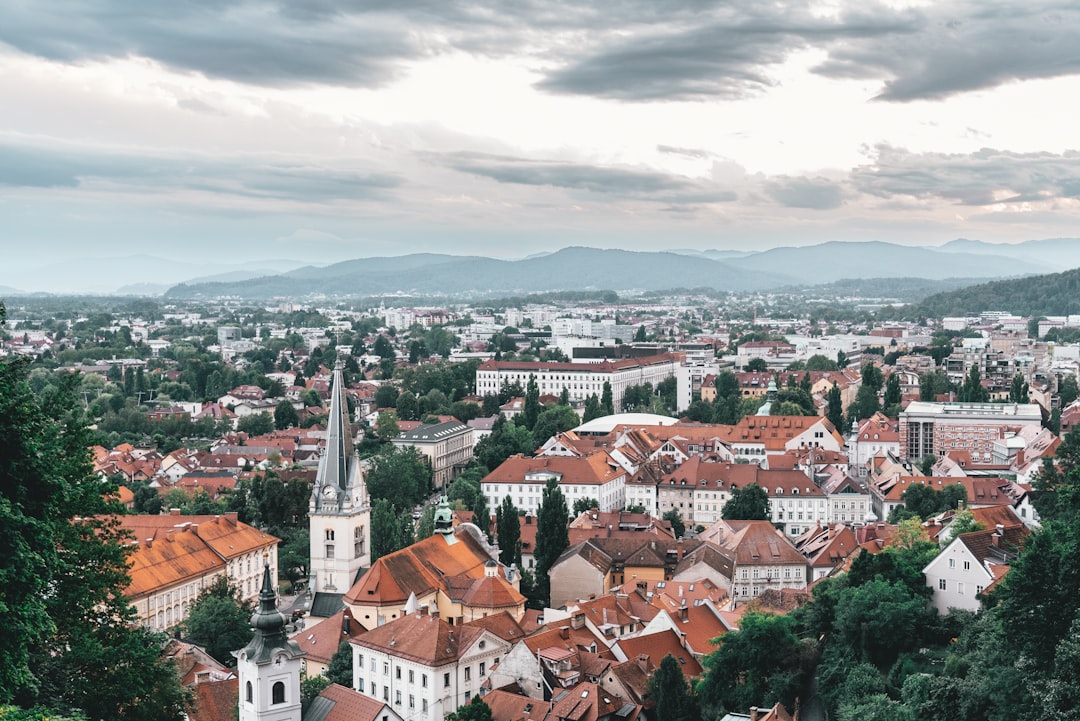
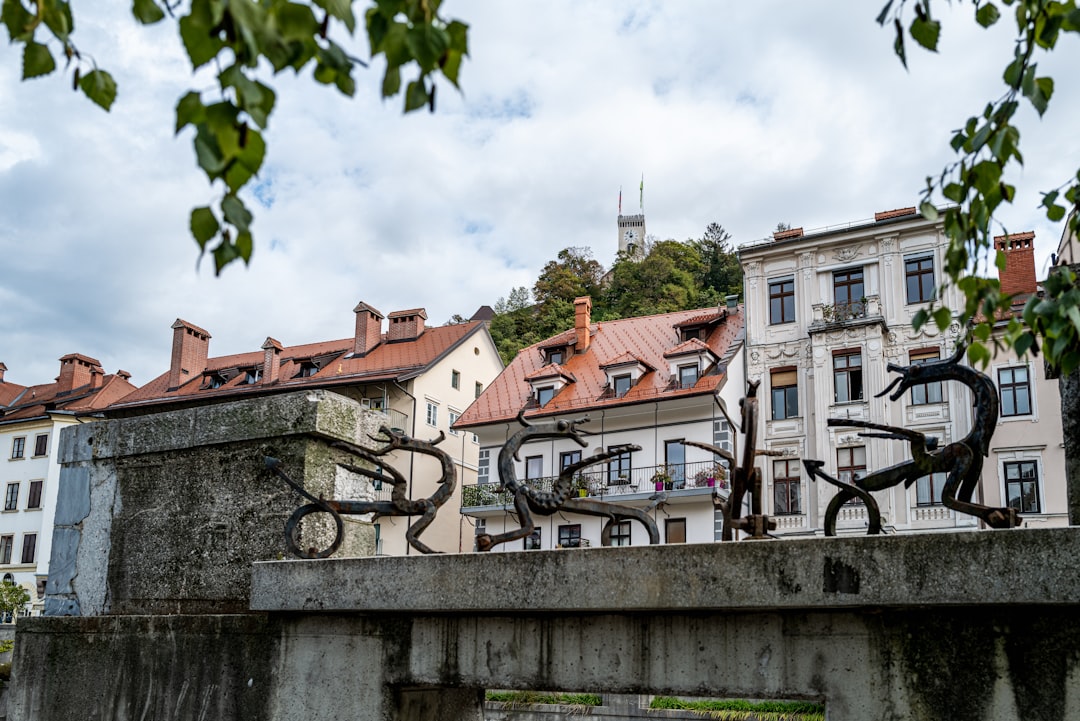
Photo by Nejc Soklič on Unsplash
The secret to a great Ljubljana sustainable city break is not perfection. It is friction reduction. When a place lets you arrive by rail or bus, sleep in the center, refill a water bottle from excellent tap water, walk to dinner, and reach parks or viewpoints without renting a car, your greener choices stop feeling like compromises. They simply become the smoothest version of the trip.
Ljubljana rewards slowness in a very immediate, sensory way. In the morning, the market smells like strawberries, warm burek, and fresh herbs. By late afternoon, bicycles hum past the Ljubljanica while the castle hill catches gold light. At night, you can move from wine bar to live music courtyard to contemporary art district without burning fuel or patience. A city like this teaches one of the best low-impact travel tips almost by accident: if the destination is designed for human pace, you notice more, spend more locally, and enjoy yourself more.
That is also why I like using Ljubljana as a model for sustainable fun rather than guilt. A good trip is not built around what you deny yourself. It is built around what you gain: better food, more spontaneous stops, fewer transfers, more street life, and less time sealed inside vehicles. When I sketch a greener Europe itinerary, the version that wins is usually the one with fewer hops and more immersion, and I often test that flow in TravelDeck before booking trains and hotels.
How to get there
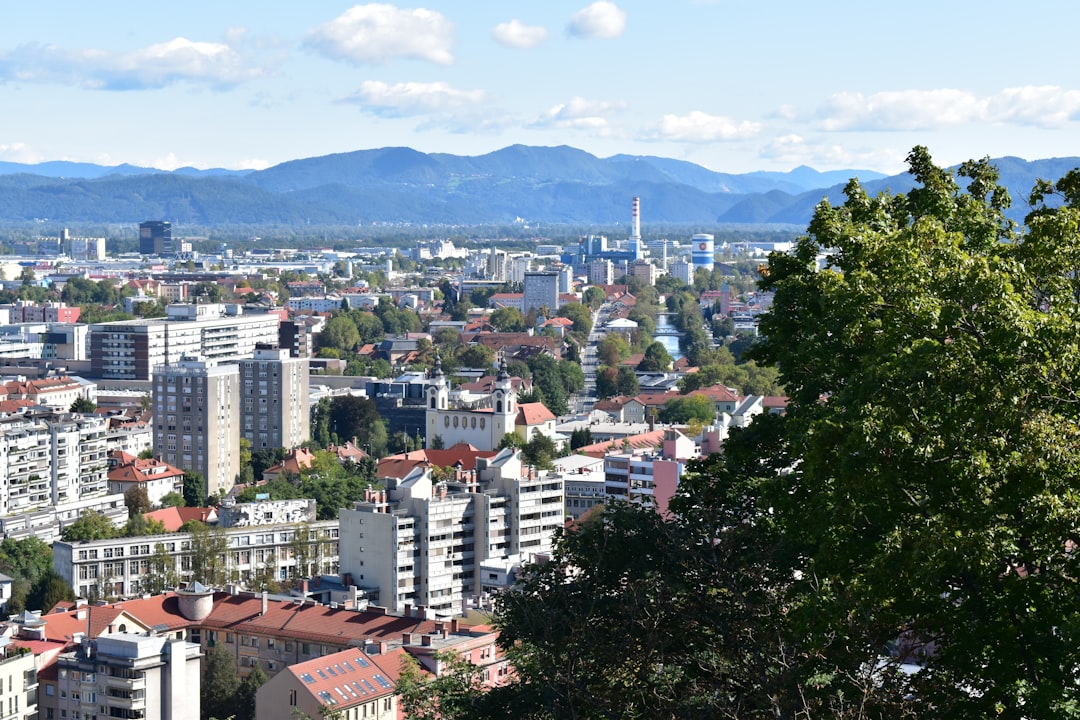
Photo by Amir Alsharif on Unsplash
One reason a Ljubljana sustainable city break works so well is that you have options. If you are already in Central Europe, the train to Ljubljana is often the smartest choice: you see the landscape, arrive closer to the center, and skip the hidden time cost of airports. If you are coming from farther away, you can still reduce impact by choosing nonstop flights, traveling in economy, and staying longer rather than turning the city into a rushed two-night add-on.
Ljubljana’s main airport is Jože Pučnik Airport, code LJU, about 26 km north of the center. The airport is small and fairly calm by European standards, so arrivals tend to be smoother than in giant hubs. From the terminal, public buses and airport shuttles connect to the central bus station beside the train station. If you arrive by rail or coach, you are even better placed: the station area sits about a 10 to 15 minute walk from Prešeren Square and the old town.
| Route or entry point | Typical duration | Typical one-way cost | Best for |
|---|---|---|---|
| LJU Airport to city center by public bus | 45 to 55 minutes | about €3.70 to €4.10 | Cheapest airport transfer |
| LJU Airport to city center by shuttle | 30 to 40 minutes | about €10 to €14 | Easy if carrying luggage |
| LJU Airport to center by taxi | 25 to 35 minutes | about €35 to €45 | Late arrivals or shared fare |
| Vienna to Ljubljana by train | 5 hours 45 minutes to 6 hours 20 minutes | about €29 to €79 booked ahead | Best classic rail route |
| Zagreb to Ljubljana by train | about 2 hours 20 minutes to 2 hours 45 minutes | about €9 to €25 | Quick regional hop |
| Trieste to Ljubljana by bus | 1 hour 35 minutes to 2 hours | about €8 to €18 | Great for Italy connections |
| Venice to Ljubljana by bus | 3 to 3.5 hours | about €18 to €35 | Good airport workaround |
| Munich to Ljubljana by train | 6 to 7 hours | about €39 to €89 | Scenic and comfortable |
| Bled to Ljubljana by bus | 1 hour 15 minutes to 1 hour 30 minutes | about €6 to €9 | Easy no-car add-on |
For many travelers, the train to Ljubljana is the sweet spot between comfort and conscience. From Vienna, it is relaxed and scenic. From Zagreb, it is almost absurdly easy. From Italy, buses are often faster than expected. If you are comparing modes, count the whole journey, not just the in-air time. A short-haul flight that looks faster on paper can easily become slower door to door once security, airport transfers, and early arrival are added back in.
Useful planning links:
- Ljubljana Airport
- Slovenian Railways passenger services
- Ljubljana Bus Station
- Visit Ljubljana official tourism site
If you want to keep every leg organized once you land, some of the route tools in Best Travel Apps 2026: Essential Downloads for Every Trip are genuinely handy for rail tickets, offline maps, and city transport.
Build the trip around fun, not deprivation
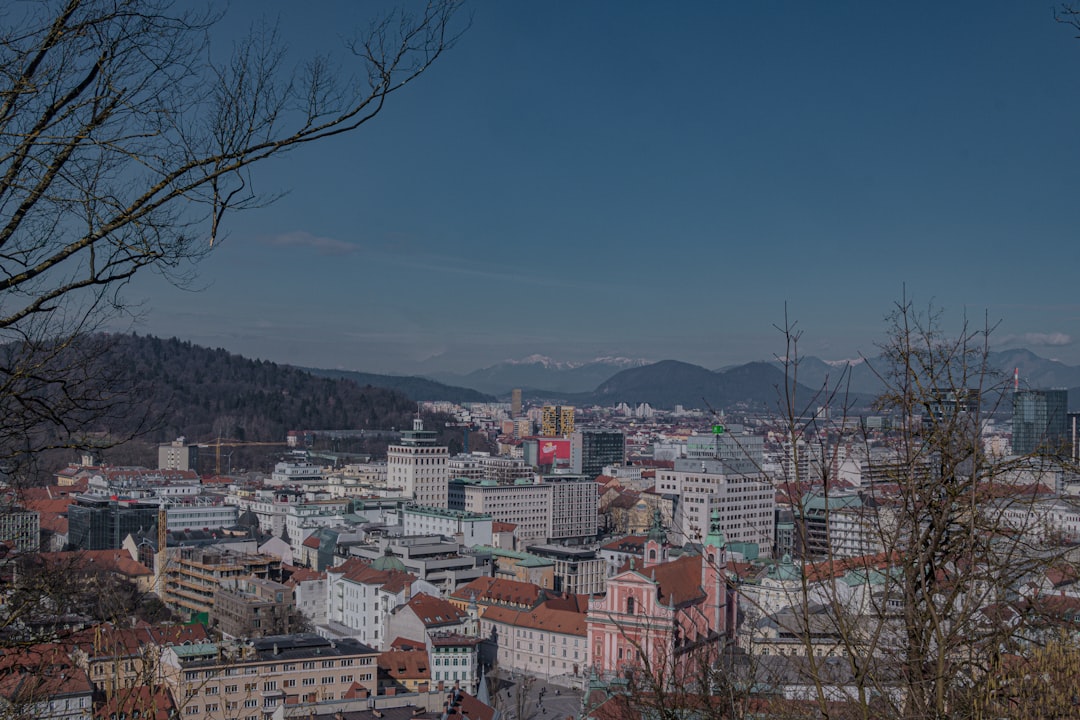
Photo by Bryan Dijkhuizen on Unsplash
The smartest way to plan a Ljubljana sustainable city break is to choose the city center, then let the center do the heavy lifting. Stay somewhere between the station, the river, and Tivoli Park, and you will spend most of your time on foot. That means less money on transport, fewer logistical decisions, and more room for those lovely travel moments that actually become memories: stumbling onto a jazz set, finding an outdoor produce stall still open at dusk, or spotting a hidden courtyard bar behind a heavy wooden door.
This is where low-impact travel tips stop sounding abstract and start changing the shape of your day. A central hotel means you can pop back to drop off a jacket instead of taking a taxi. A reusable bottle means one less plastic purchase each time the sun hits the stone embankments. Booking a longer weekend instead of a rushed overnight gives your journey a much better ratio of travel time to actual enjoyment. The greener move is often simply the less frantic move.
A good fun-first framework looks like this:
- Choose 3 or 4 anchors for the day, not 10.
- Pair active sightseeing with long meals or café breaks.
- Walk or bike across neighborhoods instead of bouncing between them by car.
- Spend money on local food, crafts, and guides rather than disposable convenience.
- Book one nature activity and one culture activity each day to keep the mood balanced.
- Leave white space in the itinerary. Slow travel only feels fun if it is not overscheduled.
A sample low-stress day might begin with coffee near Mestni trg, continue with the market and castle before noon, drift into a late lunch, then move into Tivoli Park or a river paddle in the softer afternoon light. Evening is for wine bars, live music, or dinner in Trnovo. No heroic planning. No rental car. No feeling that you chose the boring version of travel.
Things to do
A big reason travelers love this city is that the best things to do in Ljubljana are close together, varied, and atmospheric. You can go from medieval lanes to socialist-era alternative culture to leafy park paths in a single day, all without changing the energy of the trip from curious to rushed. For a Ljubljana sustainable city break, that density is gold. It keeps transport needs low while making the days feel full.
The city also understands pleasure. This is not a place where green travel means sitting in your hotel room admiring your ethics. One hour you are riding a funicular up to castle views; the next you are tasting local dumplings, then biking past willow trees, then watching the river glow under bridge lights. The best things to do in Ljubljana make sustainability feel almost invisible because the city is already built around pedestrians, public space, and local scale.
- Walk the old town from Prešeren Square to Cobbler’s Bridge
- Ride the funicular to Ljubljana Castle
- Browse Central Market and Plečnik’s colonnades
- Cycle with BicikeLJ or a rental bike
- Spend an afternoon in Tivoli Park and climb Rožnik Hill
- Explore Metelkova and the contemporary culture scene
- Kayak or paddleboard on the Ljubljanica
- Take an evening food and wine wander in Trnovo
Where to stay
The most important booking decision for a Ljubljana sustainable city break is not whether the lobby has a living wall. It is location. Sleep central and you immediately reduce the need for taxis, save time, and make the whole trip smoother. That matters more than many flashy green claims. After that, look for properties with practical signals: refill points, sensible linen policies, good insulation, breakfast built around local produce, and easy access to walking or cycling routes.
This is also the place to think realistically about comfort. Eco-friendly hotels Ljubljana travelers actually enjoy tend to be the ones that combine decent design, solid mattresses, and a good breakfast with simple sustainability measures rather than making a spectacle of them. In other words, look for competence, not sanctimony. The best eco-friendly hotels Ljubljana offers are the ones where you sleep well, walk everywhere, and hardly notice how much transport you are not using.
| Budget tier | Stay | Area | Typical 2026 rate | Why it works |
|---|---|---|---|---|
| Budget | Hostel Celica | Metelkova / station area | dorms from about €28 to €45, privates from €75 | Memorable art hostel in a former prison, walkable, social, low taxi need |
| Budget | ibis Styles Ljubljana Centre | Near station | about €80 to €130 | Central, practical, rooftop views, strong value for city-break stays |
| Budget | H2O Hostel | Old town edge | about €70 to €115 for private rooms | Close to river and market, easy walking base |
| Mid-range | B&B Hotel Ljubljana Park | Center | about €95 to €155 | One of the better-known eco-friendly hotels Ljubljana visitors book for location and green credentials |
| Mid-range | Urban Boutique Hotel Center | Center | about €130 to €210 | Stylish, easy old-town access, good breakfast, no-car friendly |
| Mid-range | Hotel Heritage | Old town | about €140 to €230 | Characterful building, excellent walkability, intimate feel |
| Luxury | Zlata Ladjica Boutique Hotel | Riverfront | about €280 to €450 | Beautiful small luxury, ideal for a car-free indulgent stay |
| Luxury | InterContinental Ljubljana | Near station | about €220 to €380 | Spa, views, easy arrival without taxi, good for rail travelers |
| Luxury | AS Boutique Hotel | Center | about €220 to €350 | Chic and polished with a superb central location |
If you are comparing options, ask yourself four questions before clicking book:
- Can I walk to Prešeren Square in 15 minutes or less?
- Can I reach the station on foot or with one quick bus?
- Is breakfast local enough that I will actually eat there rather than buy packaged snacks elsewhere?
- Does the property make it easy to refill water and decline daily linen changes?
For couples, riverside boutique stays are the sweet spot. For solo travelers, the station and old-town edge give the best balance between price and convenience. For groups, a central apartment can work well, but check for waste sorting, air-conditioning usage rules, and whether the host discourages late-night noise in residential buildings.
Where to eat
Food is where this city really proves that greener travel can taste better. On a typical Ljubljana sustainable city break, your meals naturally lean local and seasonal because so many of the best tables are tied to market produce, regional traditions, and walkable neighborhoods. The result is a trip with fewer disposable wrappers and better stories. You remember a plate of štruklji and a glass of Slovenian orange wine much longer than you remember the packaged sandwich you grabbed in transit.
The dining rhythm here also helps. You can breakfast slowly, nibble through the market, take a long lunch, and still find a beautiful evening meal without crossing half the city. That makes where to eat in Ljubljana less about ticking famous names and more about following mood, timing, and neighborhood. The old town is convenient, Trnovo feels softer and more local, while the market area is unbeatable for daytime grazing.
Here are the best starting points for where to eat in Ljubljana:
- Druga Violina, Stari trg 21
- Gostilna na Gradu, Ljubljana Castle
- Güjžina, Nazorjeva ulica 2
- Moji Štruklji Slovenije, Adamič-Lundrovo nabrežje 1
- TaBar, Ribji trg 6
- Julija, Stari trg 9
- Odprta Kuhna, Pogačarjev trg
- Central Market stalls
A few dishes worth seeking out:
- štruklji, both sweet and savory
- jota, a comforting stew with beans and sauerkraut
- kranjska klobasa, the classic Carniolan sausage
- ajdovi žganci, buckwheat spoonbread-style comfort food
- local cheeses, pumpkin seed oil, and honey
- Slovenian wines from Brda, Vipava Valley, and the Karst
If you love trying local specialties but want to avoid the usual traveler stomach drama, the common-sense habits in Safe Street Food Mexico City 2026: Taste More, Risk Less translate surprisingly well: watch turnover, favor busy stalls, and let freshness guide your choices.
Sustainable travel tips that actually improve the trip
This is the heart of the whole idea. A Ljubljana sustainable city break only works as inspiration if the greener choices make the trip feel richer, not smaller. Fortunately, that happens often here. Choosing a central base gives you spontaneous evenings. Eating in markets gives you more variety. Walking lets you notice architecture, river light, bakery smells, and neighborhood texture. These low-impact travel tips are not about being holier; they are about designing a better holiday.
Many travelers imagine sustainability as a stack of restrictions. In practice, it is closer to editing. You trim the parts of travel that are expensive, stressful, wasteful, or forgettable, and what remains is usually more vivid. That is why I keep returning to the same low-impact travel tips: fewer transit legs, more local spending, less packaging, longer stays, and daily choices that make a city legible at street level.
Here are the habits that matter most:
- Take fewer trips, stay longer
- Use the train or coach when the route is sensible
- Travel economy on flights
- Stay in walkable districts
- Carry a simple reusable kit
- Refuse automatic room servicing unless you need it
- Spend on local experiences, not disposable convenience
- Choose active fun
- Respect nature and urban calm
- Avoid over-ordering food
- Use public water, local produce, and refill stations
- Keep laundry to a minimum
A useful rule of thumb: if a choice brings you closer to the city, it is usually both greener and more fun. Walk to dinner. Eat what is in season. Chat with a bookseller or market vendor. Take the river at dusk instead of a ride-hailing car through traffic. That is not self-denial. That is texture.
Easy day trips that do not wreck the rhythm
Even on a Ljubljana sustainable city break, you may want one excursion beyond the capital. The key is to choose a day trip that fits the same low-friction philosophy as the city itself. If the outing requires a rental car, multiple transfers, and a rushed return, it often undermines the point. But Slovenia offers some excellent public-transport options that preserve the relaxed flow.
The best day trips are the ones that feel like a natural extension of the city: alpine scenery, historic towns, or lakeside air without a huge logistical footprint. Here, again, the train to Ljubljana becomes part of a broader car-free style of travel rather than a one-off decision.
- Lake Bled
- Škofja Loka
- Kamnik and Velika Planina access
- Postojna as a longer excursion
If your goal is ease, choose one day trip only. The city itself easily fills three days, and overloading the schedule is one of the fastest ways to make a greener trip feel oddly exhausting.
Practical tips
The most useful practical advice for a Ljubljana sustainable city break is surprisingly simple: come when the city invites you outside. The center shines in late spring and early autumn, when café terraces are lively, the market is colorful, and walking all day feels pleasant rather than punishing. Summer is energetic and festival-friendly but can be hot. Winter has charm, especially around Advent, though some travelers will find the short days less suited to a walk-heavy itinerary.
This is also a city where small habits matter. Pack comfortable shoes because pavement, bridges, and park paths will be your main transport network. Bring a light rain layer because showers can appear quickly. Carry a bottle because the tap water is excellent. And if you want to fit in smoothly, remember that Ljubljana is relaxed but considerate: people value tidy public space, reasonable noise levels, and polite behavior in residential areas. For a broader refresher on social awareness while traveling, Respectful Travel Customs 2026: Homes, Temples, Tables is a useful read.
Month-by-month weather and trip feel
| Month | Typical conditions | Daytime temperature | Trip feel |
|---|---|---|---|
| January | Cold, often gray, occasional snow | 1 to 5°C | Cozy cafés, winter walks, fewer crowds |
| February | Cold but slightly lighter | 4 to 8°C | Quiet and budget-friendly |
| March | Early spring, mixed rain and sun | 8 to 13°C | Good for museums and uncrowded city strolls |
| April | Fresh spring, greener parks | 13 to 18°C | Excellent shoulder season value |
| May | Mild, blooming, lively | 18 to 23°C | One of the best months overall |
| June | Warm, long evenings | 22 to 27°C | Fantastic for outdoor dining and biking |
| July | Warm to hot, more visitors | 26 to 31°C | Great energy, book ahead |
| August | Hot, some locals away | 27 to 32°C | River activities shine, afternoons can be sticky |
| September | Warm days, crisp evenings | 21 to 26°C | Near-perfect city-break weather |
| October | Cooler, golden trees | 14 to 19°C | Beautiful for walks and slower travel |
| November | Damp, quieter, moodier | 8 to 12°C | Better for calm weekends than busy sightseeing |
| December | Festive lights, cold nights | 2 to 7°C | Charming seasonal atmosphere |
Packing list for a greener, easier trip
You do not need much, but the right few items make a difference:
- comfortable walking shoes or sneakers
- lightweight layers for temperature swings
- compact rain jacket or umbrella
- reusable water bottle
- small tote bag for markets and bakery stops
- power bank and eSIM-ready phone
- swimsuit if your hotel has wellness facilities or you plan broader Slovenia add-ons
- one nicer outfit for a riverside dinner or castle meal
Money, safety, and daily logistics
- Currency: Euro.
- Cards: Widely accepted, though carrying €20 to €40 in cash is useful for markets and small kiosks.
- Tipping: Not obligatory, but rounding up or leaving around 5 to 10 percent for excellent service is appreciated.
- Safety: Ljubljana is generally very safe for travelers. Usual city awareness is enough, especially around nightlife zones and stations late at night.
- Connectivity: EU roaming rules help many visitors. For others, eSIMs work well if your phone supports them.
- Language: Slovene is the official language, but English is commonly spoken in hotels, restaurants, and tourism-facing businesses.
- Water: Tap water is excellent. Use it.
- Public transport: Much of the center is best covered on foot. Buses are useful for outer districts, but many visitors barely need them.
- Sunday rhythm: Some shops close or reduce hours, so buy picnic basics in advance if you plan a park lunch.
Budget expectations for 2026
A car-free, comfort-focused city break here can still be reasonable:
| Style | Typical daily budget per person | What it includes |
|---|---|---|
| Budget | €70 to €110 | Hostel or simple room, bakery breakfast, market lunch, one sit-down dinner, lots of walking |
| Mid-range | €140 to €220 | Good central hotel, café breaks, nice dinner, castle or activity tickets |
| Higher-end | €260 to €450+ | Boutique luxury stay, special dining, river activity, premium wine bars |
Where travelers overspend is usually not on core costs but on convenience purchases created by bad planning: airport taxis, random packaged snacks, and accommodation too far from the center. A little design upfront keeps both waste and budget under control.
FAQ
Is Ljubljana good for sustainable travel?
Yes. A Ljubljana sustainable city break is one of the easiest urban trips in Europe for travelers who want lower-impact choices without losing atmosphere. The center is walkable, public transport connections are solid, tap water is excellent, and many highlights sit close together. You spend less time moving and more time enjoying the city.
Can you visit Ljubljana without a car?
Absolutely. In fact, a Ljubljana sustainable city break works best without one. Most visitors can walk almost everywhere in the center, use the occasional bus, and rely on regional trains or coaches for day trips. Parking can be more hassle than help, while walking makes the city far more enjoyable.
Is the train to Ljubljana worth it?
For many regional routes, yes. The train to Ljubljana is especially worthwhile from Vienna, Zagreb, and some wider Central European connections if you book early. Even when buses are slightly faster on paper, rail or coach can still be less stressful overall than flying once you include airport time.
Are there genuinely eco-friendly hotels Ljubljana travelers can trust?
Yes, but judge them by practical behavior more than marketing language. The best eco-friendly hotels Ljubljana offers combine central location, sensible resource use, refill options, and a strong breakfast with a level of comfort you actually want on holiday. B&B Hotel Ljubljana Park is a widely cited example, but several central properties also support lower-impact stays simply by helping you stay car-free.
What are the best things to do in Ljubljana on a low-waste weekend?
Focus on the market, old town walks, Tivoli Park, the castle, cycling, riverside dining, and one water or cultural activity. The best things to do in Ljubljana for a low-waste trip are usually the ones that use the city itself as the experience rather than treating it as background scenery between taxi rides.
How many days do you need?
Three full days is ideal. That gives you time for the old town, Tivoli, the market, a river activity, one special dinner, and possibly a day trip. Shorter visits are possible, but the whole point of a Ljubljana sustainable city break is to slow down enough that the city can do its magic.
A final thought
The nicest surprise about a Ljubljana sustainable city break is that you rarely feel virtuous. You just feel present. You notice the smell of coffee drifting across a bridge, the scratch of bicycle tires on gravel in Tivoli, the soft chatter of dinner tables by the river, and the way the castle watches over everything like a lantern after dark. That is the real lesson here: traveling more sustainably does not have to mean asking less from a trip. Very often, it means finally getting more from it.