You do not need a car to have a good UK holiday. In fact, for many travelers, a UK holiday without a car is cheaper, calmer, and easier to plan than a drive-heavy break once you factor in parking, fuel, and the stress of narrow roads in busy summer towns.
This guide takes a different approach to the usual "where should I go" list: pick one well-connected base, keep day trips under 90 minutes each way, and build a holiday that feels roomy instead of rushed. If your main question is trip length rather than transport style, UK Holiday Planning Guide 2026: Where to Go by Trip Length is a useful companion.
Why a UK holiday without a car works so well
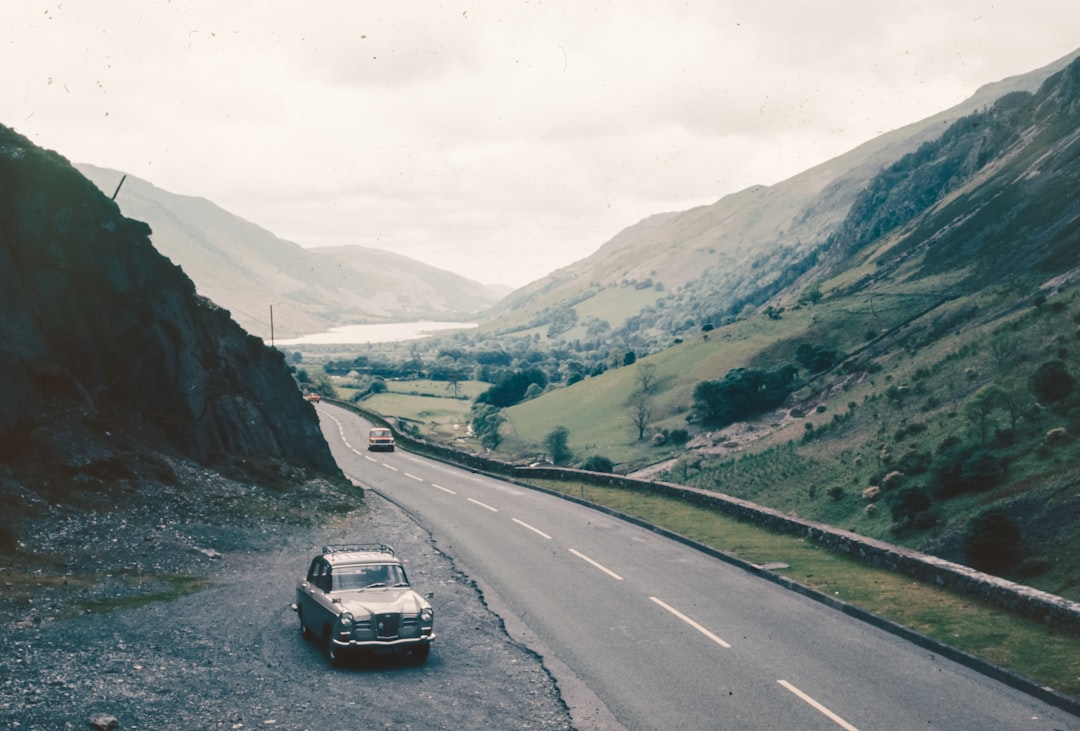
Photo by Annie Spratt on Unsplash
The UK is compact, but it punishes overambitious itineraries. A resort car park can cost £15 to £35 a day, fuel adds up fast, and summer traffic into coastal towns can swallow half a morning. By contrast, one rail-friendly base lets you arrive, drop your bag, and start the holiday immediately.
The rule that works best is simple: choose a town or city where you can do at least three of these things on foot or by short public transport rides:
- Reach your hotel from the station in 15 minutes or less
- Do one full sightseeing day without needing any transport at all
- Take two easy day trips in under 90 minutes each way
- Find dinner options within a 10-minute walk after 8pm
- Get back from the coast, a hike, or a museum without needing a taxi
That is why places like York and Bath outperform more remote beauty spots for a short break. They reduce friction. You spend less time coordinating and more time actually being somewhere: hearing gulls on a Brighton morning, walking York's stone lanes before breakfast, or watching rain move across Windermere from a warm pub window.
The best UK holiday bases without a car
Photo by Joylynn Goh on Unsplash
These six picks are not "the absolute best" in a vague magazine sense. They are the easiest places to book, reach, and enjoy if you want a UK holiday without a car.
| Base | Best for | Ideal stay | Typical rail time from London | Realistic daily budget per person |
|---|---|---|---|---|
| Brighton | Seaside, food, easy first-timers | 2-3 nights | 1 hr | £95-£170 |
| York | History, pubs, walkability | 2-4 nights | 2 hrs | £100-£180 |
| Bath | Architecture, spa, polished short break | 2-3 nights | 1 hr 20 min | £105-£190 |
| Edinburgh | Culture, views, longer weekend | 3-5 nights | 4 hr 30 min | £110-£200 |
| Windermere | Lakes, gentle hiking, slow pace | 3-4 nights | 3 hr 20 min | £100-£185 |
| Llandudno | Welsh coast, value, castle day trips | 3-4 nights | 3 hr 15 min | £85-£160 |
Those budget ranges assume a double room shared by two people, one paid attraction most days, café lunches, and a pub or casual restaurant dinner. August, bank holidays, and festival weekends can push prices well above the top end.
Which base should you actually book?
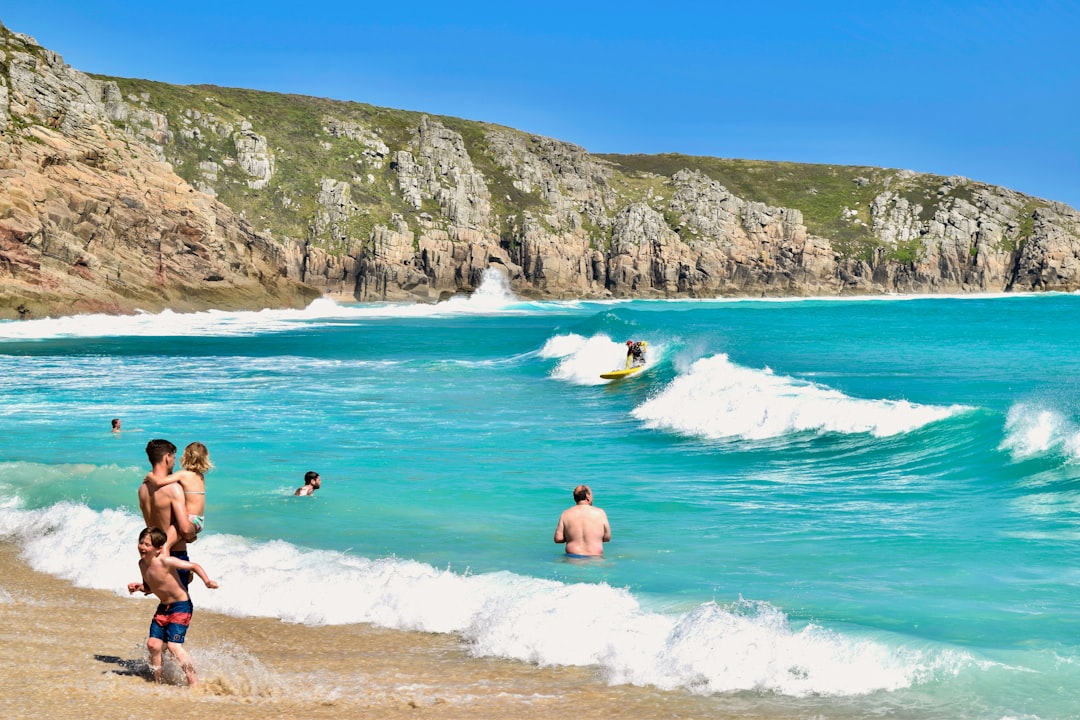
Photo by BEN ELLIOTT on Unsplash
Choosing the right base is less about ranking and more about matching mood, weather tolerance, and energy levels.
Brighton for the easiest seaside break
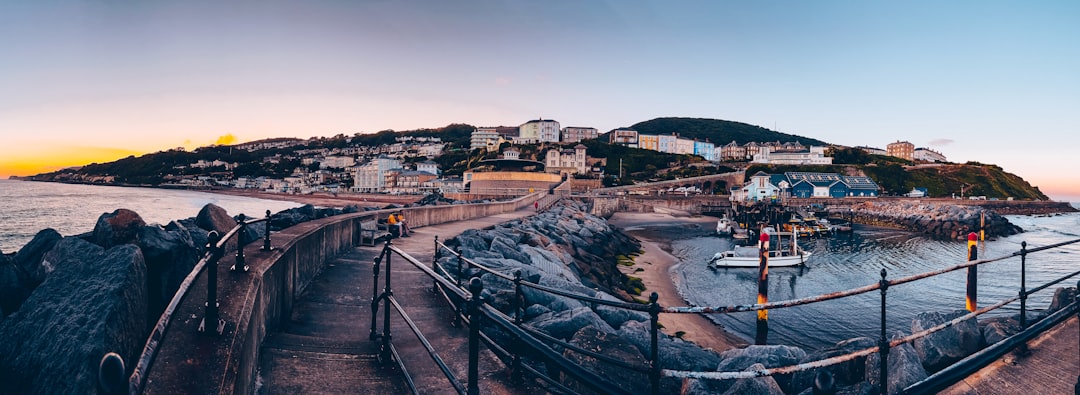
Brighton is the low-effort answer if you want sea air fast. The station is central, the seafront is walkable, and you can fill two days with the beach, the Lanes, the Royal Pavilion, and cafés without ever checking a timetable. It suits couples, friends, and solo travelers who want movement and atmosphere rather than silence.
Book Brighton if your dream holiday means fish and chips on the pebbles, vintage shops, and a late walk on the promenade. Skip it if you want sandy beaches, cheap summer rooms, or quiet evenings in July and August.
York for history without transport headaches
York feels made for a rail-first trip. You can walk from the station into the old city, climb the walls, tour the Minster, browse bookshops, then finish with a pub dinner without once needing a bus. The streets have texture: worn stone, crooked timber fronts, bells, roasting coffee, the occasional ghost-tour crowd drifting by after dark.
It is especially good for a 3-night break. One day for York itself, one for museums and river walks, and one easy day trip to Harrogate, Leeds, or the North York Moors by train and bus.
Bath for a compact, polished mini-break
Bath is small, handsome, and expensive in the way a good weekend city often is. The Roman Baths, Georgian crescents, the river, and the café scene all fit comfortably into a short stay. You can arrive late morning and still feel you have the city in hand by afternoon.
Choose Bath if you like architecture, independent food, and a tidy plan. It works best for 2 or 3 nights; longer stays usually need day trips to Bristol, Bradford-on-Avon, or the surrounding countryside.
Edinburgh for a fuller long weekend
Edinburgh gives you the biggest sense of occasion. Castle rock, steep closes, bagpipes in the distance, and a skyline that changes with every hill. It is still a viable UK holiday without a car because the core sights are walkable and the airport and rail links are straightforward.
Book it for 4 nights if you can. Three works, but four gives you time for Old Town, New Town, Arthur's Seat, and one day trip. If you are eyeing a winter break, you may also like Where to Travel in December 2026: Best Picks by Trip Style.
Windermere for nature with simple logistics
Many countryside breaks become hard work without a car. Windermere is the exception. Trains bring you straight into the Lake District edge, local buses connect the main villages, and lake cruises help stitch the area together. It is the best pick here if you want the smell of wet earth, stone walls, and long views rather than urban sightseeing.
Plan 3 or 4 nights. Base yourself near Windermere or Bowness, use one day for Ambleside, one for a lake cruise and short hike, and leave buffer time for weather.
Llandudno for value and easy Wales scenery
Llandudno is one of the smartest overlooked choices for a cheap UK holiday without a car. The Victorian seafront is broad and calm, the Great Orme adds big coastal views, and Conwy Castle is a very easy day trip. Prices are often friendlier than the south coast or Edinburgh.
This is the base to choose if you want Wales without difficult transport planning. It is particularly good for travelers who want sea, walks, and old-fashioned promenade energy without paying peak-resort prices.
How to plan transport, hotels, and daily costs
The booking order matters. Start with transport, then lock in accommodation near the station, then add attractions. Doing it the other way round is how people end up paying extra for awkward routes.
Use this planning sequence:
- Pick your base and dates.
- Check rail times and engineering works on National Rail.
- Choose a hotel or guesthouse within a 15-minute walk of the station.
- Add one anchor activity per day, not three.
- Leave one half-day open for weather, rest, or spontaneous wandering.
A good budgeting rule for a 3-night UK break is:
- 40% accommodation
- 20% long-distance transport
- 20% food and drink
- 10% local transport and admissions
- 10% buffer for weather changes, taxis, or a nicer dinner
For research, stick to official sources. Destination pages on VisitBritain, VisitScotland, and Visit Wales are useful for opening hours, seasonal events, and transport pointers. If you are planning a beach break, check bathing-water updates on the government's bathing water portal, especially after heavy rain.
Smart timing and packing tips for UK breaks
The best months for a train-friendly UK holiday are usually May, June, and September. You get longer daylight, milder weather, and better room availability than peak August. Early December can also work beautifully for cities, though daylight is short and prices rise around Christmas markets.
Weather is the UK's great trickster. A bright breakfast can turn into side-swept rain by lunch, then clear into a golden evening. Pack for change, not extremes.
Bring this instead of overpacking:
- Waterproof jacket with a hood
- One warm mid-layer even in summer
- Comfortable shoes that can handle wet pavements or light trails
- Compact umbrella for cities, not exposed coasts
- Refillable water bottle
- Small day bag for layers and snacks
- Swimsuit only if you have a pool, spa, or brave-cold-water plans
Two more practical points matter. First, Sunday rail service can be slower and more disrupted, so avoid building a tight arrival plan around it. Second, festivals distort prices. Edinburgh in August, Brighton on hot summer weekends, and Bath on December Saturdays all book up earlier than many travelers expect.
A 4-step plan you can copy into your trip notes
If you want a repeatable system, use this every time you plan a UK holiday without a car. I like sketching the sequence in TravelDeck first so the shape of the trip is clear before I start paying for anything.
Step 1: Choose your base by one non-negotiable
Decide the trip's main purpose first: sea, history, hikes, food, or atmosphere. If you cannot name the priority in one word, the itinerary will sprawl.
Step 2: Cap the stay to the base
- Brighton or Bath: 2-3 nights
- York: 3 nights
- Edinburgh, Windermere, Llandudno: 3-4 nights
Shorter than that feels rushed; longer can be great, but only if you have clear day trips.
Step 3: Add one big thing and one small thing per day
A big thing might be a castle, museum, long walk, or boat trip. A small thing might be a market, tea room, beach hour, or viewpoint. That mix keeps the day full without making it brittle.
Step 4: Build a weather backup
For every outdoor plan, name an indoor alternative before you leave. In Windermere, that might be a lakeside café and local museum. In Brighton, an arcade or the Pavilion. In York, the railway museum or Minster. The UK rewards travelers who plan for a pivot.
FAQ
Where is the best place in the UK for a holiday without a car?
For pure ease, Brighton and York are the strongest choices. Brighton is best for a 2-night seaside break; York is better for a 3-night city break with history and easy day trips. If you want nature rather than city streets, Windermere is the easiest countryside base.
Is a UK holiday without a car cheaper?
Usually, yes, especially for 2 to 4 nights. Once you remove fuel, parking, and the temptation to book multiple stops, the numbers often improve. Rail can be expensive at the last minute, but early booking and one fixed base usually beat a driving holiday on total cost.
What is the best UK seaside town by train?
Brighton is the easiest all-rounder because it is fast from London and highly walkable. Llandudno is often better value and calmer. If swimming quality matters to you, always check official bathing-water information before you go.
How far in advance should I book a UK break?
For summer weekends and school holidays, book 8 to 12 weeks ahead if possible. For shoulder season midweek breaks, 4 to 8 weeks is often fine. Edinburgh in August and popular December weekends deserve even earlier planning.
Should I stay near the station or in the prettiest area?
Near the station wins more often than people think. A beautiful hotel on a hill or outside town looks tempting until you are dragging a bag through rain or trying to get home after dinner. In the UK, convenience is part of the holiday.
The best UK holidays are not always the wildest or the furthest. Sometimes the smartest choice is a place you can reach easily, understand quickly, and enjoy deeply on foot: a seafront, a medieval lane, a hill path, a pub fire, and enough breathing room to feel like you are properly away.