A headline can make a place feel urgent, but urgency is not the same as a good trip. The smartest way to use travel news today is to ignore the buzzwords and ask a simpler question: does this update actually make a destination easier, richer, or more time-sensitive to visit in 2026?
Right now, the strongest opportunities come from places with a real trigger to plan around: a major opening, a new transport link, a short seasonal window, or a cultural moment that changes the feel of a trip. Below, you will find four destinations worth booking around now, plus a practical system to turn travel news into dates, budgets, and reservations you can actually use.
How to use travel news today without chasing hype

Photo by Precondo CA on Unsplash
Most travelers make one of two mistakes. They either book too early on a flashy announcement that is still vague, or they wait so long that the only rooms left are overpriced and badly located. The sweet spot is to filter travel news today through three tests before you open your wallet.
A useful update should change one of three things: what you can see, how easily you can get there, or why this year is better than next year. If a headline does not do one of those jobs, it is entertainment, not planning material.
Use this filter:
- New opening with a public date: a museum, trail, lodge, or cultural center that gives the trip a real anchor.
- Access improvement: a rail link, direct route, airport upgrade, or easier transfer that cuts friction.
- Limited-time window: migration season, a reopening year, a final festival run, or climate-friendly timing.
- Clear on-the-ground payoff: more to do within the same neighborhood, fewer wasted transfer hours, or better shoulder-season value.
Ignore these red flags:
- Announcements with no confirmed date.
- Generic claims that a destination is having a moment.
- Trips that require three separate moving parts to open on time.
- Places where the weather window clashes with the headline.
That simple filter will save you from booking a dream that still exists only on a press release.
Where to go in 2026: Brussels for art, design, and a low-friction weekend
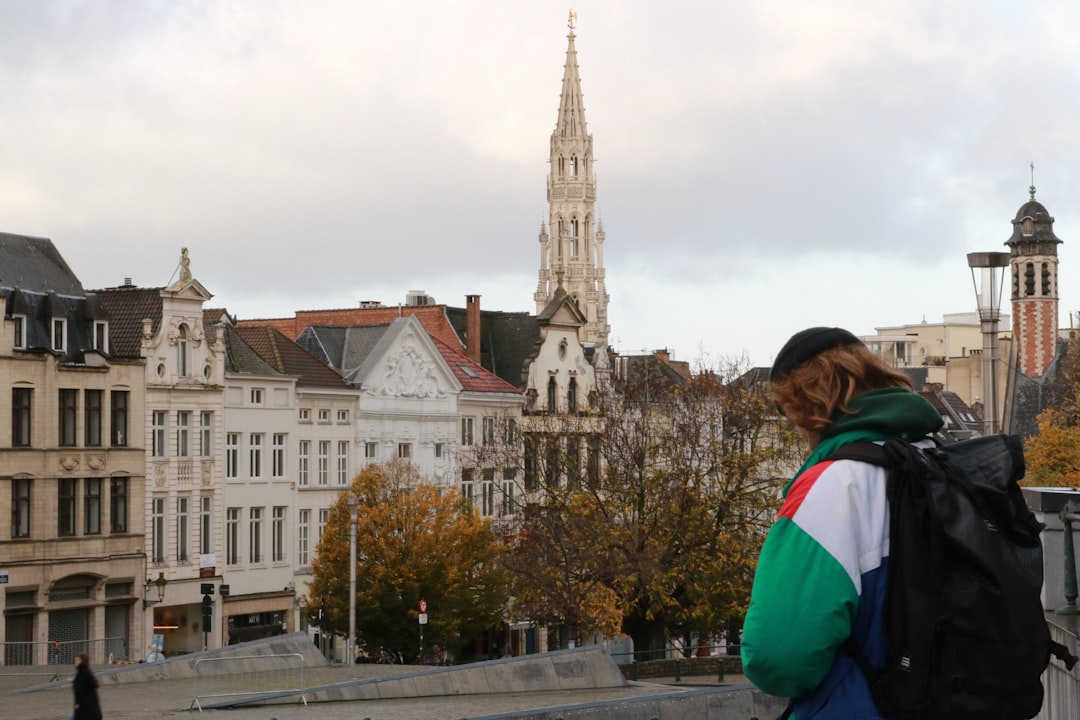
Photo by Aleksandra on Unsplash
Brussels is one of the easiest examples of news becoming a genuinely better trip. In November 2026, Kanal-Centre Pompidou is set to open in a vast former industrial space near the canal, giving the city a major new cultural anchor. Add the creative energy around Gare Maritime, the design-forward hotel scene, and improving airport-to-city connections, and Brussels stops feeling like a transit city and starts feeling like the main event.
This is a place of wet cobblestones, warm waffle scent, comic-book murals, and late-evening bars around Sainte-Catherine where a quick weekend can still feel layered. Spring is especially strong if you want fairs, galleries, and lighter weather for walking. Autumn works well for museum-heavy days and fewer crowds.
How to plan it:
- Ideal trip length: 2 to 3 nights.
- Best timing: April to June or September to November.
- Book first: train or flight, then a central hotel near Sainte-Catherine, Dansaert, or the canal district.
- Smart budget: from about €59 each way by rail if booked early from London, plus €140 to €220 per night for a solid midrange hotel.
- Best trip style: couples, solo travelers, friends, and anyone who wants a culture-first city break without needing a car.
Useful official links:
- Brussels tourism: https://www.visit.brussels/en
- Eurostar: https://www.eurostar.com
A good Brussels rule is one major reservation per day. Book the headline exhibition or museum slot, then leave the rest for neighborhoods, food, and weather.
Where to go in 2026: Arusha for safari access and conservation travel
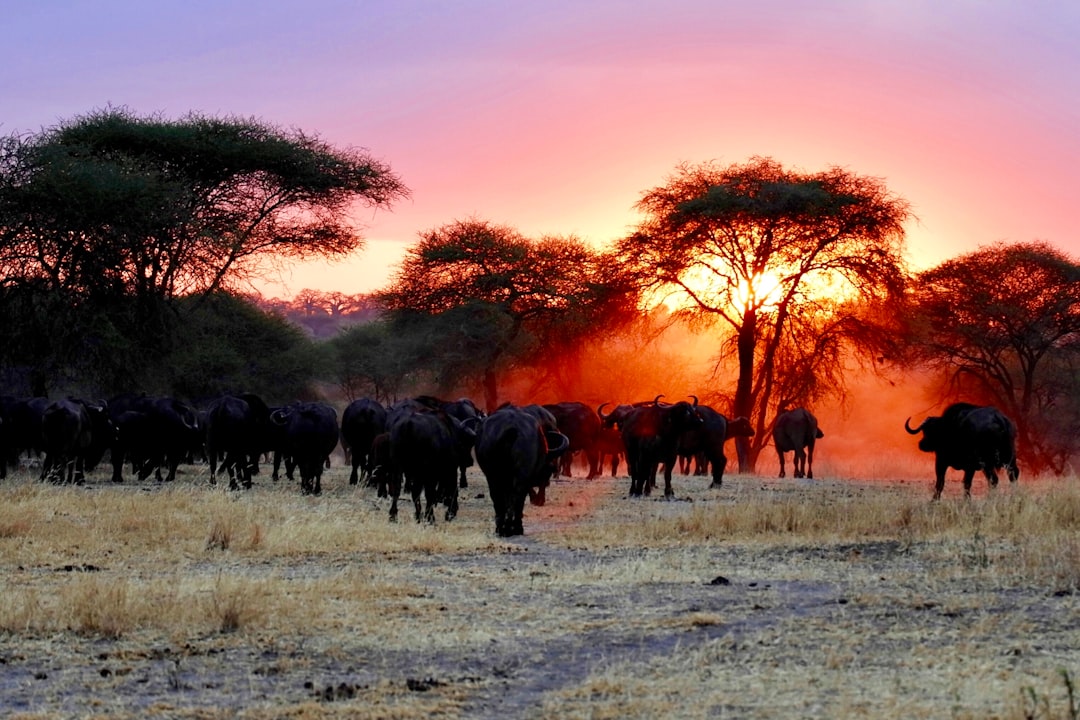
Photo by ray rui on Unsplash
Arusha has long been a gateway city, but in 2026 it feels more like a destination in its own right. The late-October opening of Dr. Jane's Dream: The Goodall Centre for Hope adds a meaningful cultural stop in town, while new forest-focused stays near Arusha National Park make it easier to build a shorter safari trip without racing straight to the more famous circuits.
The mood here is different from glossy safari fantasy. You notice red dust on the roadside, jacaranda color after rain, the outline of Mount Meru, and the mix of bus stations, craft shops, and coffee gardens that make arrival feel grounded rather than staged. Kilimanjaro International Airport is roughly one hour by road from central Arusha, so the first planning win is simple: sleep in town on arrival instead of pushing on immediately.
How to plan it:
- Ideal trip length: 4 to 5 nights.
- Best timing: June to October for drier conditions; avoid March to May if your plan depends on forest access and clear wildlife days.
- Split that works: 2 nights in Arusha, 2 to 3 nights near Arusha National Park or a forest camp.
- Smart budget: $80 to $160 for a comfortable city hotel; around $220 to $400 per person for a guided Arusha National Park day, depending on transport, park fees, and guide setup.
- Book first: park guiding and safari transfers, then accommodation.
Useful official links:
- Tanzania tourism: https://www.tanzaniatourism.go.tz/
- Arusha National Park: https://www.tanzaniaparks.go.tz/national_parks/arusha
If Arusha is your pick from travel news today, protect your first 24 hours. Long flights distort judgment, and safari departures rarely reward improvisation. The Long Haul Flight Comfort Checklist 2026: Sleep, Water, Seat is worth using before you land tired and overbooked.
Best places to travel now: Chiriqui for whales, water, and a quieter Panama
If you want a trip that still feels fresh rather than over-exposed, Chiriqui Province is one of the most interesting answers to where to go in 2026. The Gulf of Chiriqui brings together marine park waters, island stays, jungle-backed coast, and a short but valuable season for migrating humpback whales from July to October. At the same time, newer high-end stays are nudging the region beyond backpacker territory without stripping away its wild edges.
This is a Pacific landscape of mangrove channels, humid green hills, boat engines at dawn, and islands that look almost unfinished from the water. It suits travelers who want snorkeling, boat days, and nature without committing to a highly structured expedition. The key planning point is that easier future rail headlines are interesting, but they are not your trip yet. Plan around current access through Enrique Malek International Airport in David.
How to plan it:
- Ideal trip length: 4 nights.
- Best timing: July to October for whales; January to March for drier weather and easier sea conditions.
- Smart route: fly into David, overnight nearby, then continue to the coast or island stay.
- Smart budget: $70 to $140 for a simple mainland room, $250 to $600 for an eco-lodge or island-focused stay, and $80 to $150 for a shared boat or marine excursion.
- Book first: boat-based wildlife day or island stay, because those are the real capacity bottlenecks.
Useful official links:
- Panama tourism: https://www.visitpanama.com/
- Enrique Malek International Airport information: https://www.ana.gob.pa/
For travelers who like splitting one trip between water and culture, Chiriqui works best when you keep the coast as the headline and resist adding too many inland moves.
New cultural travel in 2026: Uluru for a trip with meaning, not just scenery
Some travel news is not about novelty but about context. Uluru stands out in 2026 because purpose-driven experiences around Aṉangu culture and the 40th anniversary of the hand-back period give travelers a stronger reason to go beyond the classic sunset photo. Longer guided walking experiences and story-led interpretation are shifting the trip from checklist tourism to something slower and more respectful.
The landscape does the obvious work first: rust-red earth, a sky that seems too large, spinifex gold in late light. But the better plan is not to cram Uluru into a single overnight. The region rewards early starts, quiet mid-afternoons, and time to understand where you are.
How to plan it:
- Ideal trip length: 3 nights.
- Best timing: May to September for more comfortable daytime temperatures.
- Smart budget: the Uluru-Kata Tjuta National Park pass is about A$38 for three days; midrange resort stays often start around A$260 per night, with higher rates in peak months.
- Book first: resort room in Yulara, then cultural tours and any guided long-walk experience.
- Non-negotiable rule: do not build midday outdoor plans in the hotter months.
Useful official links:
- Parks Australia: https://parksaustralia.gov.au/uluru/
- Ayers Rock Resort: https://www.ayersrockresort.com.au/
Because this is a place where behavior matters as much as booking, it is smart to read Local Customs Checklist 2026: 12 Things Before You Fly before you arrive.
How to plan a trip from the headlines in five steps
Once you have found a destination worth the effort, the planning sequence matters more than the inspiration. Most people lose time and money by choosing restaurants, outfit ideas, or extra stops before they have tested whether the headline actually fits their budget, season, and energy.
Use this five-step workflow whenever travel news today pushes a place onto your shortlist.
- Define the news hook in one line.
Write a single sentence: Brussels for the canal-area art opening, Arusha for the new conservation stop plus a short safari, Chiriqui for whale season, Uluru for cultural travel in a milestone year. If you cannot name the hook clearly, the trip is still too vague.
- Check friction before excitement.
Look at weather, transfer time from airport to bed, visa rules if relevant, and whether the main attraction is truly open on your dates. Newsy trips fail most often on logistics, not desire.
- Book the anchors first.
That means transport, accommodation, and one major experience per day. Leave meals and minor stops flexible. When I am pressure-testing a route, I like dropping the anchors into TravelDeck to see whether the trip is smooth on paper before any non-refundable booking happens.
- Price the middle, not the minimum.
Do not plan with the cheapest possible room and no transfers. Use the likely version of the trip: a central bed, an arrival taxi or transfer, one paid activity, and realistic food costs.
- Leave a buffer around the headline.
If you are traveling for a major opening or seasonal wildlife window, add breathing room. One half-day buffer per three to four travel days is a strong rule of thumb. It protects you from delays, weather, and the simple fact that the best moments often are not bookable.
This is also why how to plan a trip well is mostly about subtraction. One strong reason to go beats five weak ones every time.
Travel planning tips: booking windows, budgets, and what to reserve first
Travel news becomes useful only when it turns into dates and numbers. A trip with a clear budget is easier to compare, easier to scale up or down, and far less likely to die in your notes app.
Use the table below as a starting frame. These are midrange planning figures per person per day, excluding major long-haul airfare unless noted otherwise.
| Destination | Best months | Ideal nights | Midrange daily spend | Reserve first | Official planning link |
|---|---|---|---|---|---|
| Brussels | Apr-Jun, Sep-Nov | 2-3 | €120-€190 | Central hotel or rail fare | visit.brussels |
| Arusha | Jun-Oct | 4-5 | $180-$350 | Guided park days and transfers | Tanzania Tourism |
| Chiriqui | Jul-Oct for whales; Jan-Mar for dry weather | 4 | $140-$280 | Boat day or island stay | Visit Panama |
| Uluru | May-Sep | 3 | A$180-A$320 | Yulara accommodation and cultural tours | Parks Australia |
A few timing rules make these trips easier to secure:
- City breaks tied to a cultural opening: start looking 8 to 10 weeks out.
- Safari-adjacent trips and remote lodges: 4 to 6 months is safer.
- Whale-season trips: reserve 3 to 5 months ahead if you want specific dates.
- Remote desert trips in peak cool season: book as soon as your leave is approved.
If you are deciding between trip styles, use this shortcut:
- Choose Brussels if you want a low-risk, low-friction weekend with maximum walkability.
- Choose Arusha if you want one meaningful city addition wrapped around wildlife.
- Choose Chiriqui if you want nature and water without a rigid schedule.
- Choose Uluru if you want fewer moving parts and a deeper sense of place.
FAQ
How do I know if travel news today is actually worth booking around?
A travel headline is worth using only if it changes the trip in a practical way. Look for a confirmed opening date, easier access, or a clear seasonal reason to go now rather than later. If it only sounds exciting but does not change what you can do, skip it.
Should I travel right when a big attraction opens?
Usually, no. Opening week often brings inflated rates, media crowds, and small operational glitches. A better target is two to six weeks after launch, when the attraction is live but the first rush has eased.
How far ahead should I book a news-driven trip?
For Europe city breaks, 2 to 3 months is often enough unless your dates hit a major fair or school holiday. For safari, island, or remote-desert trips, 4 to 6 months is safer because room supply is tighter and transfers matter more.
What if the headline event is delayed?
Build the trip so it still works without that one news hook. In Brussels, the neighborhoods, food, and older museums still carry a weekend. In Arusha, the park and coffee-country rhythm still make a strong trip. Never let one ribbon-cutting be the entire reason you go.
What is the biggest planning mistake people make with new travel trends?
They confuse inspiration with itinerary. The fix is simple: choose one reason to go, one base unless the destination truly demands two, and one anchor experience per day. That is how travel news today becomes a usable plan instead of an expensive impulse.
The best trips inspired by the news still feel calm once you arrive. Pick the place where the update genuinely improves the experience, book the anchor pieces in the right order, and leave enough room for the destination to surprise you after the headlines have faded.