The UK is small enough to cross in a day, but varied enough to make one bad choice feel very long. If you are wondering where to go in the UK, the smartest move is not starting with a famous name; it is starting with the kind of trip you actually want to have. A windy coast weekend, a car-free city break, and a hiking-heavy national park all need different planning.
This guide is built to help you choose fast, then turn that choice into a real booking plan. You will find destinations that work for different trip styles, when a car helps, what a realistic 2026 budget looks like, and the small decisions that stop a UK holiday from becoming a wet, expensive scramble.
How to choose where to go in the UK
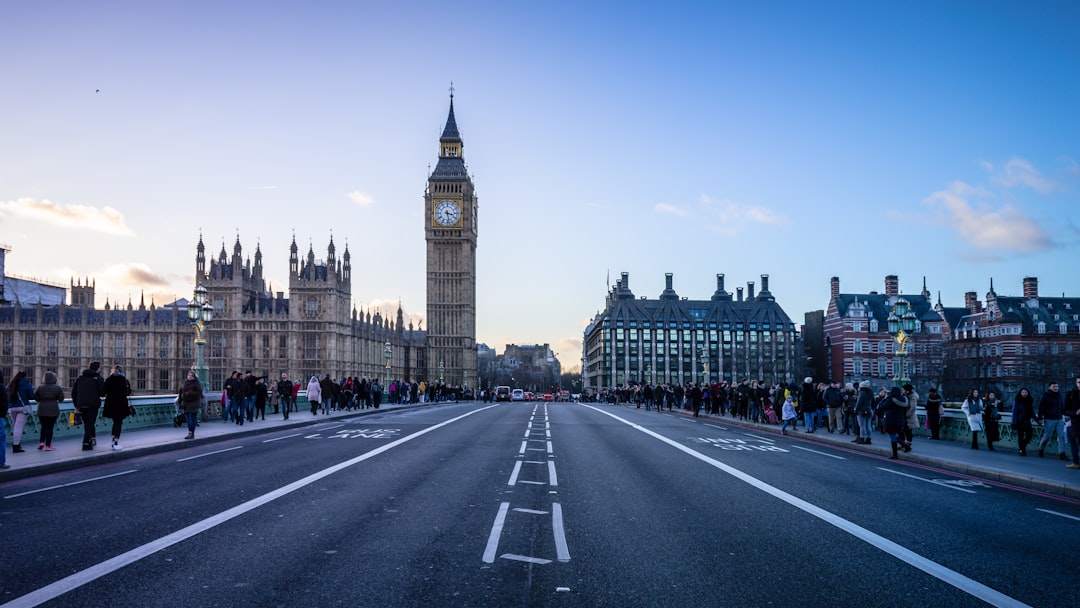
Photo by Chris Karidis on Unsplash
The easiest mistake is picking a place first and only later noticing that it needs a car, a longer budget, or better weather than your dates can offer. A better rule: choose by trip length, transport style, and your weather tolerance. The UK rewards this approach because places can feel completely different even when they are only a few hours apart.
If you only have two or three nights, stay somewhere compact and walkable. If you have five to seven nights, you can justify slower places where the roads, trails, and coastline are part of the experience. And if you hate driving narrow rural lanes in the rain, rule out some countryside routes immediately; that alone can save your holiday.
Before booking anything, answer these four questions:
- How many full days do you really have after travel?
- Do you want a no-car trip, or are you happy driving 2-3 hours a day?
- Is your priority food, scenery, history, beaches, or hiking?
- If it rains for a day, will the destination still work?
A quick rule of thumb helps:
- 2-3 nights: pick one city or one compact seaside town.
- 4-5 nights: combine a city with nearby countryside.
- 6-7 nights: choose a region, not a checklist of towns.
Best UK holiday destinations by trip type
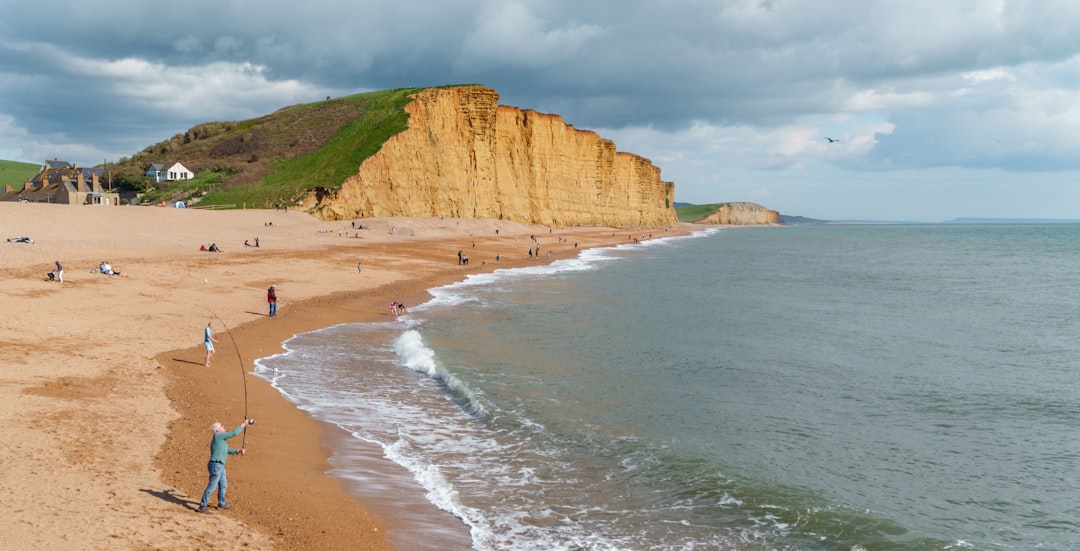
Photo by Ed Wingate on Unsplash
The best UK breaks are not necessarily the most famous ones. They are the ones that match your pace. Edinburgh feels rich and complete in three nights. The Lake District needs room for weather changes and slow mornings. Northumberland is glorious if you like space, sea air, and castle stops, but frustrating if you expect late-night city energy.
Use this table as your first filter. Budgets are per person per day in 2026, assuming two people sharing a mid-range room.
| Destination | Best for | Ideal trip length | Typical daily budget | Car needed? |
|---|---|---|---|---|
| Edinburgh | First-time UK holiday, culture, walkable old streets | 3 nights | £140-£210 | No |
| Bath | Short no-car break, architecture, spas, easy planning | 2-3 nights | £145-£220 | No |
| Lake District | Hiking, lakes, cosy pubs, scenic drives | 4-6 nights | £130-£200 | Usually yes |
| Northumberland Coast | Castles, beaches, quiet escapes | 3-5 nights | £120-£185 | Yes |
| Pembrokeshire | Coastal walks, sea views, small towns | 4-6 nights | £125-£190 | Usually yes |
| Belfast + Causeway Coast | City plus dramatic scenery | 4-5 nights | £130-£195 | Helpful |
| Isle of Wight | Easy island feel, cliffs, family pace | 3-4 nights | £120-£180 | Helpful |
If you want the safest first pick, choose Edinburgh. Waverley Station drops you into the centre, the Old Town is made for walking, and even a damp afternoon still works with museums, whisky bars, and long pub lunches. If you want a slower, prettier, lower-effort break, Bath is a strong second choice: Georgian crescents, Roman history, and enough restaurants and independent shops to fill a long weekend without overplanning.
For big scenery, choose between the Lake District and Pembrokeshire. The Lake District gives you stone villages, mirror-like water, and fell walks from bases such as Keswick or Ambleside. Pembrokeshire feels wilder and saltier: harbours in Tenby and Solva, cliff paths, sea birds, and beaches that look better than most people expect from Britain.
If your budget is the first thing you want to decide, not the destination style, see UK Holiday Ideas 2026: Match Your Break to Budget and Style.
UK train holidays: the easiest no-car escapes
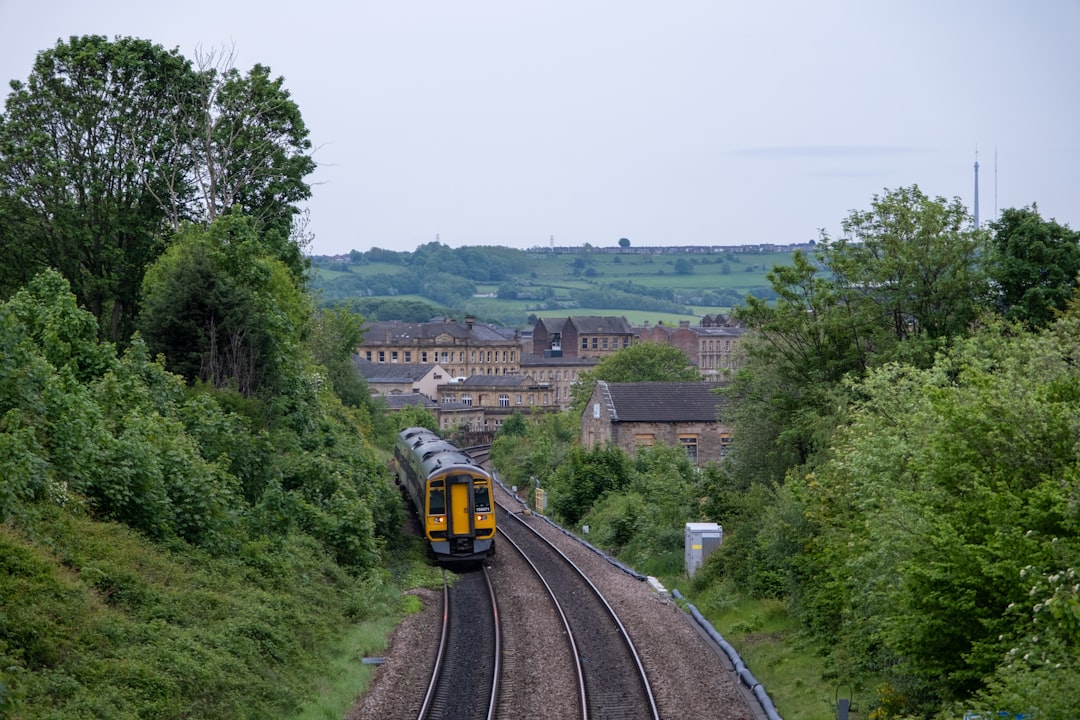
Photo by Umair Dingmar on Unsplash
A no-car UK holiday can be brilliant because it cuts three common headaches at once: parking fees, rural navigation, and the temptation to cram too much in. The best train-friendly destinations feel coherent on foot. You arrive, drop your bag, and the trip starts immediately.
Edinburgh is the gold standard. From the station, you can walk to the Royal Mile, Grassmarket, New Town restaurants, and Arthur's Seat. A three-night plan works well here: arrival and Old Town on day one, castle and museums on day two, then a hill walk or Leith waterfront on day three. In August, rooms can jump above £220 a night, so book at least three months ahead if you want decent value.
Bath is even easier. Bath Spa station is near the centre, and the city is compact enough to do almost everything on foot. A practical two-night version looks like this: Roman Baths and Abbey first day, Royal Crescent and Prior Park second day, then a final soak or a long breakfast before leaving. Expect mid-range rooms around £150-£230 a night on weekends.
York is the dark-horse choice if you want medieval atmosphere without complex planning. You can walk the walls, browse the Shambles early before the day crowds build, and use the city as a base for a single excursion if you want one. It also handles rain well, which matters more in Britain than glossy photos admit.
Make these three moves when planning a train-based break:
- Book rail tickets as soon as your dates are firm, especially for Friday departures and Sunday returns.
- Stay within a 15-minute walk of the station unless the taxi cost is clearly worth it.
- Build one indoor backup into each day: a museum, spa, market hall, distillery, or gallery.
Useful official trip-planning links:
- National Rail for timetables and engineering works
- ScotRail for Scotland services
- VisitBritain for destination overviews
UK road trip planning: where a car is worth it
Some of the UK's best holidays are awkward without a car, and pretending otherwise usually leads to expensive taxis and wasted time. The Lake District, Northumberland Coast, and much of Pembrokeshire are better by road because the good bits are spread out: a beach here, a castle there, a pub lunch ten miles inland, then a sunset walk somewhere with no station at all.
The trick is not driving more, but driving better. In Britain, narrow roads, sheep, and summer traffic can turn a short-looking route into a slow one. Cap scenic driving days at around three hours total behind the wheel. Anything more and the holiday starts feeling like a transfer.
Use a car when:
- You want to stay in a village rather than a city.
- You are planning two or more coastal or hiking stops in one trip.
- Your accommodation includes free parking and is outside a major centre.
Avoid a car when:
- Your whole trip is London, Edinburgh, Bath, York, or central Belfast.
- You will spend most of the time sightseeing in one compact place.
- You are nervous about city traffic, clean-air rules, or tight parking.
Practical road-trip rules that save money and stress:
- Pick up the car after your city stay, not before.
- Check whether your hotel charges £10-£25 a night for parking.
- In rural areas, keep your first and last day light; weather delays are normal.
- In London, do not drive unless you absolutely have to; the city's emissions and congestion charges can turn a cheap rental into a poor deal.
Northumberland is especially good if you want a low-crowd road trip. Base yourself near Alnwick or Bamburgh and you can reach beach walks, castle ruins, and Hadrian's Wall with relatively short hops. Pembrokeshire works best from Tenby, St Davids, or Newport, depending on whether you care more about restaurants, walking, or quiet evenings.
UK holiday budget for 2026
A UK holiday can be cheaper than a short-haul flight break, but only if you control the expensive bits early: accommodation, rail timing, parking, and peak-season weekends. Food and attraction costs are manageable; last-minute August rooms in popular places are not.
For a realistic mid-range 2026 plan, use these working numbers per day for two adults sharing:
- Room: £110-£180 outside peak season, £180-£280 in summer hotspots
- Breakfast and one casual lunch: £20-£35 per person
- Dinner with one drink: £25-£45 per person
- Major attraction: £18-£35 per person
- Local transport: £5-£15 per person
- Parking if driving: £8-£25 per day
The biggest swing factor is timing. Edinburgh in August, Cornwall in school holidays, and Lake District bank-holiday weekends all price differently from the same places in late September. If you can travel Sunday to Wednesday instead of Friday to Monday, you often cut room costs sharply.
Use this simple planning formula:
- 3-night city break: £450-£750 per person
- 5-night scenic regional trip: £700-£1,100 per person
- 7-night peak-summer classic UK holiday: £1,000-£1,600 per person
October can be an excellent sweet spot for value, especially for cities and coastal walks with a good pub-at-the-end payoff. If you are also weighing non-UK options for autumn, October Holiday Planner 2026: Where to Go by Budget and Style is a useful next read.
When to book and how to plan around UK weather
The UK's weather is less about season labels and more about exposure, daylight, and backup plans. A sunny April weekend in Northumberland can feel perfect; the same route in November can be all wind and early darkness. Planning well means matching the destination to the month, not just looking for the cheapest dates.
These timing rules work well in 2026:
- Book 3-5 months ahead for Edinburgh in August, Cornwall in school holidays, and popular national-park stays.
- Book 6-10 weeks ahead for spring and autumn city breaks.
- Recheck train engineering works 7-10 days before travel.
- For coastal paths, ferries, and boat trips, confirm operating times the week of travel.
Best seasonal matches:
- March to May: Bath, York, Edinburgh, Cotswolds edges, South Downs
- June to August: Pembrokeshire, Isle of Wight, Northumberland, Lake District
- September to early October: almost everywhere, especially walking regions
- November to February: city breaks over rural breaks unless you specifically want storms, fireside pubs, and long indoor lunches
For practical planning, keep these official sites handy:
- Met Office for weather trends and warnings
- GOV.UK ETA guidance if you are visiting from a country that now needs UK pre-travel approval; the ETA costs £16 in 2026
- Transport for Wales if you are planning Welsh rail routes
If you are juggling hotel options, rail timings, and wet-weather backups, a planner like TravelDeck is useful simply because it keeps the moving parts in one place.
FAQ
Where is the best place for a first UK holiday?
Edinburgh is the easiest all-round answer. It is dramatic, walkable, rich in history, and simple without a car. You can fill three days with the castle, Royal Mile, Arthur's Seat, Leith, and good food without needing complicated transfers.
Is it cheaper to holiday in the UK than going abroad in 2026?
Sometimes, but not automatically. A shoulder-season UK city break can cost less than a short-haul overseas weekend once you add airport transfers and baggage. A peak-summer week in Cornwall or the Lake District, however, can easily cost more than many European beach breaks.
Do I need a car for a UK holiday?
Only for certain styles of trip. City breaks in Edinburgh, Bath, York, and central Belfast work better without one. Coastal and national-park holidays usually improve with a car, especially if you want sunrise walks, small villages, or more than one base.
What is the best month for a UK holiday?
September is hard to beat. Sea temperatures are better than in early summer, school-holiday crowds have eased, and many walking areas still have long enough daylight to feel generous. May is another strong option for cities and gardens, though coastal weather is less reliable.
How many days do I need for a good UK break?
Three nights is enough for one strong city. Five nights is ideal for a region like Pembrokeshire or the Lake District. If you try to do London, Scotland, and rural Wales in one week, you will mostly remember the luggage movement.
The best UK holiday is rarely the one with the longest list of stops. It is the one that fits your dates, your energy, and the way you actually like to travel. Pick one place that matches your pace, leave space for weather, and Britain starts feeling less like a puzzle and more like a very good idea.