The hardest part of planning a UK break is not finding somewhere beautiful. It is choosing between a medieval city, a cliff walk, a lake ferry, and a pub-with-rooms weekend before prices rise and trains sell out. If you are searching for UK holiday ideas 2026, the smartest move is to pick the trip shape first, then the destination.
A good UK holiday plan needs four decisions up front: city or scenery, car or no car, shoulder season or school holidays, and your real nightly budget. Once those are clear, the country becomes much easier to narrow down, whether you start with VisitBritain's destination guide or sketch your own shortlist.
Start with the kind of UK holiday you actually want
Photo by Laura Lezman on Unsplash
Most people waste time comparing Cornwall with Edinburgh or the Lake District with Belfast, even though those trips solve completely different needs. A better method is to choose the feeling you want first: walkable city, classic countryside, coast, or big-sky hiking.
The second filter is friction. Do you want to drive narrow rural roads, or step off a train and start exploring? That single answer will eliminate half your options and save money on transport, parking, and one-night stops.
| Destination base | Best for | Ideal trip length | Need a car? | Typical daily budget per person | Best months |
|---|---|---|---|---|---|
| Edinburgh | Culture, food, easy city break | 2-3 nights | No | £110-£180 | May-Jun, Sep, Dec |
| Brighton | Seaside without a car | 2-3 nights | No | £100-£170 | May-Sep |
| Bath and nearby villages | History, spa feel, countryside | 2-4 nights | Optional | £120-£200 | Apr-Jun, Sep |
| Isle of Wight | Slow coast, walks, families | 3-4 nights | Helpful but not essential | £95-£160 | May-Sep |
| Conwy and Eryri | Castles, mountains, scenic drives | 3-4 nights | Helpful | £90-£160 | May-Jun, Sep-Oct |
| Keswick, Lake District | Walks, lake views, romantic breaks | 3-5 nights | Helpful | £95-£170 | May-Jun, Sep-Oct |
| Belfast and Causeway Coast | City plus coastal drama | 3-4 nights | Best for the coast | £95-£165 | May-Sep |
Quick rules of thumb:
- Under 3 nights: pick one base only.
- No car: choose Edinburgh, Brighton, Bath, or Belfast city only.
- First hiking trip: choose Keswick or Conwy rather than a remote Highland base.
- Tight budget: travel Sunday to Tuesday or Monday to Thursday.
- Best value months for UK holiday ideas 2026: May, early June, September, and early October.
Best places to visit in the UK without driving
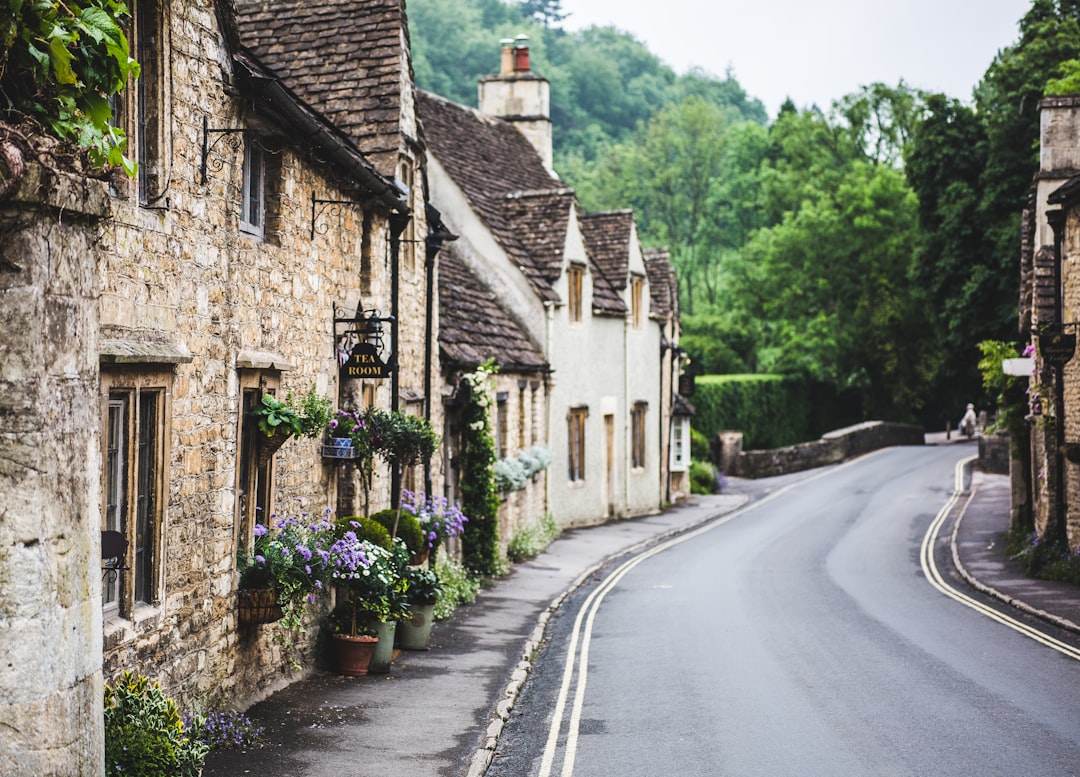
Photo by Jay Chen on Unsplash
If you want a low-effort break, Edinburgh is still one of the easiest wins in Britain. The Old Town rises in dark stone above the station, the Royal Mile gives you a full day of history on foot, and the city changes mood block by block, from bagpipes and closes to Georgian crescents and waterside seafood in Leith. It feels substantial even in 48 hours.
A smart first-time plan is to stay in the Old Town, New Town, or near Haymarket, book Edinburgh Castle in advance, then leave room for Arthur's Seat, Stockbridge, and one long dinner rather than overscheduling every museum. If you want a European-style city template to compare with, 4 Days in Amsterdam Itinerary 2026: What to See Daily shows how well a compact, walkable break can flow.
Brighton works differently. It is salt air, pebble beach, vintage shops, and late breakfasts rather than grand monuments. From London, the train ride is about an hour, so it is one of the easiest UK holiday ideas 2026 for travelers who want sea views without ferry logistics or a car hire bill.
Choose Edinburgh if you want:
- Big-ticket sights and easy walking
- A year-round city with strong winter atmosphere
- Museums, whisky bars, and a more structured itinerary
Choose Brighton if you want:
- A loose, social weekend with beach time
- Independent shopping in The Lanes and North Laine
- Easy access to the Royal Pavilion and a day walk toward the South Downs
Book these first for both cities:
- Rail tickets via National Rail
- One flagship attraction with timed entry
- A hotel close enough to walk back after dinner
Where to go on holiday in UK for coast and countryside
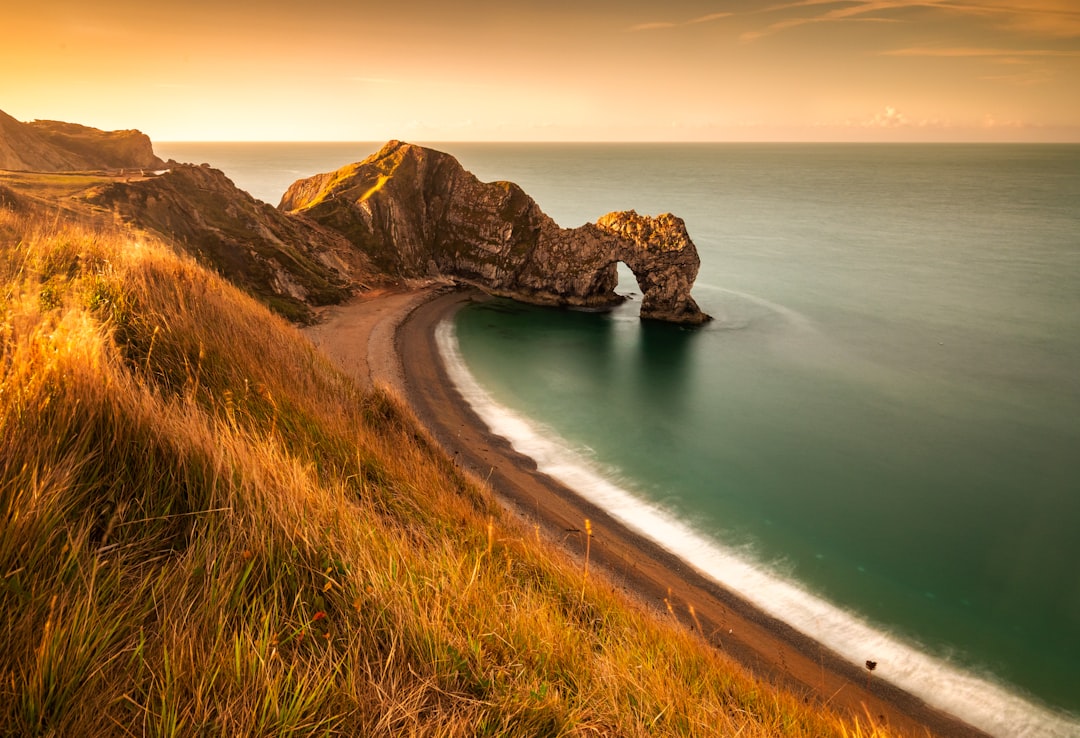
Photo by Chris Meads on Unsplash
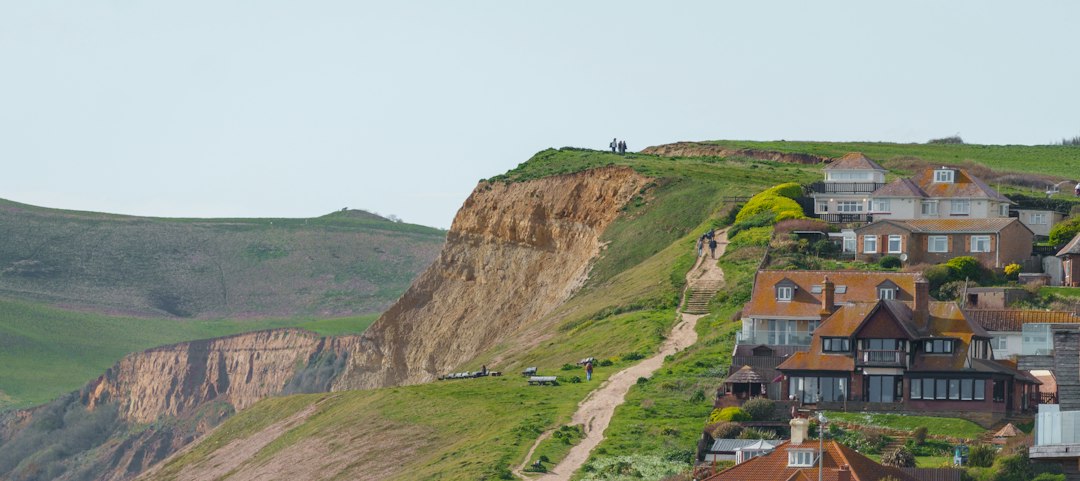
The Isle of Wight is a smart answer if you want a real holiday feeling without flying. You get chalk cliffs, beach towns, old-fashioned piers, and enough separation from the mainland to make three nights feel longer than they are. The island suits couples, young families, and walkers who want a gentle pace rather than a packed sightseeing list.
Base yourself in Ryde for easy arrivals, Shanklin for classic seaside energy, or Freshwater if coastal walks matter most. Plan one day for The Needles, one for Osborne, and one for beaches or a cliff walk. Ferry prices change sharply by time and day, but as a rough planning number, budget about £25-£45 return for a foot passenger and more if you bring a car through an operator such as Red Funnel.
Bath and its nearby villages are the opposite kind of escape: honey-colored stone, crescents, bookshops, and a countryside mood that starts minutes after the city ends. The streets around the Royal Crescent and Pulteney Bridge feel polished and cinematic, especially early in the morning before day-trippers arrive. It is one of the best UK holiday ideas 2026 for travelers who want history without the scale or cost of London.
A practical Bath plan:
- Day 1: Roman Baths, Abbey area, Georgian streets
- Day 2: Bus or taxi to Bradford-on-Avon or Castle Combe
- Day 3: Long lunch, river walk, train home
Useful planning links:
Best UK holiday destinations for mountains, walks, and big scenery
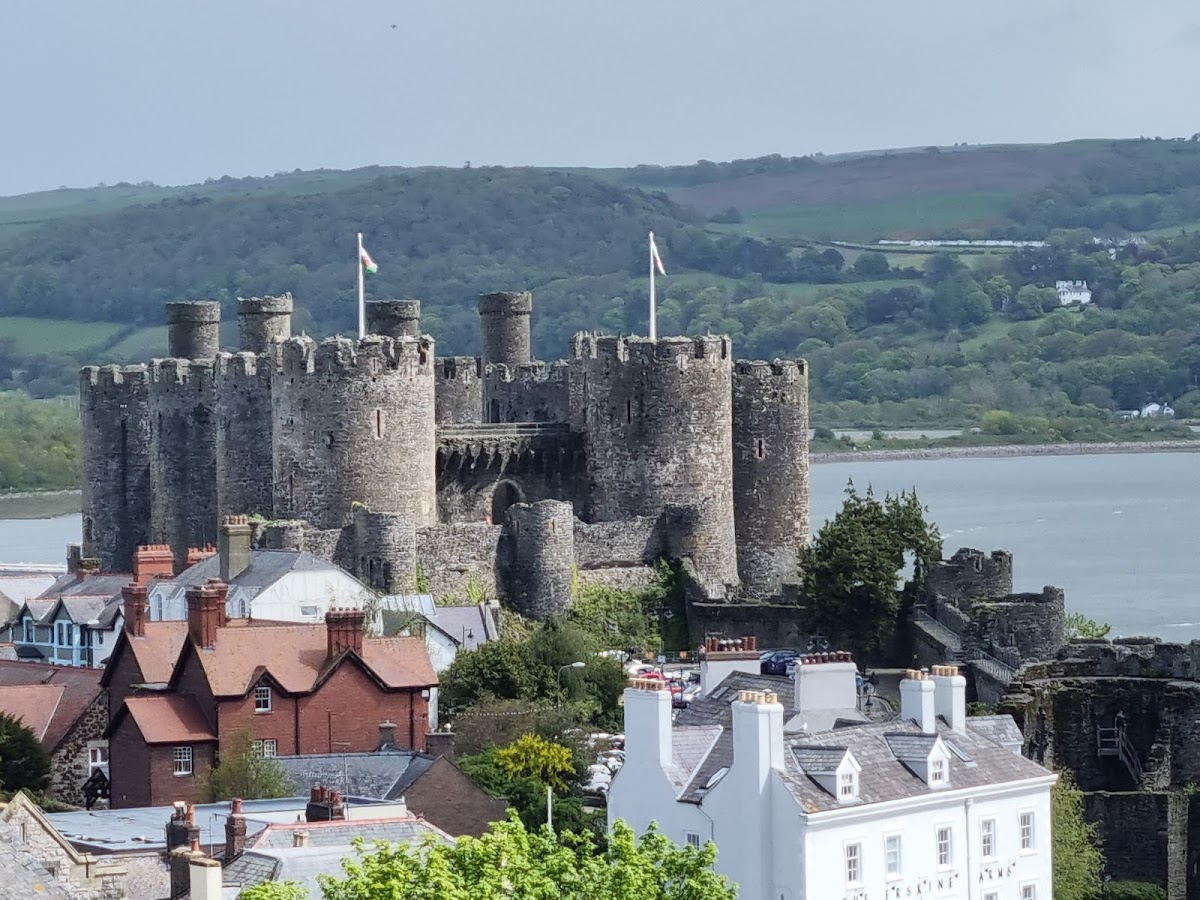
If you want a holiday that looks dramatic in every direction, Conwy and Eryri make an excellent first mountain trip. Conwy gives you walls, a spectacular waterfront, and one of Britain's great medieval castles; ten minutes later you are driving into valleys, lakes, and steep green slopes. It is a rare UK break where history and outdoor adventure sit side by side without long transfers.
A strong 3-night plan is to sleep in Conwy or Betws-y-Coed, visit Conwy Castle, spend one day on a moderate walk or scenic railway ride, and keep one weather-flex day for the coast. If you want summit views without a full mountain hike, the Snowdon Mountain Railway is the obvious splurge, but book early in summer.
The Lake District is softer and more romantic. Around Keswick, the landscape opens in layers: slate roofs, sheep fields, lake launches, and fell paths that look hard from below but often reward steady beginners. Catbells, Friar's Crag, Derwentwater, and Buttermere give you high visual return without needing technical hiking skills.
For first-timers, stay in Keswick rather than trying to cover the whole national park. The Lake District is much better when treated as one valley at a time, not a checklist. Parking in popular spots often runs around £6-£10 for the day, and accommodation jumps fast on sunny weekends, so reserve early if you are traveling from May to September. The official Lake District National Park site is useful for route conditions and seasonal travel notes.
Pick Conwy and Eryri if you want:
- Castles plus mountain scenery
- A shorter, more varied first outdoor break
- Good shoulder-season value
Pick Keswick if you want:
- Easier short walks with huge payoff
- Lake views, tearooms, and pub evenings
- A slower pace over 3-5 nights
How to plan your UK holiday budget, transport, and timing
The biggest planning mistake is booking the destination before the structure. Start with nights, then transport, then one anchor sight per day. I like sketching the route, spend caps, and rain backups in TravelDeck before paying for anything, because it forces the expensive decisions into view early.
For UK holiday ideas 2026, booking windows matter. City breaks in spring and autumn are often fine 6-10 weeks out. Summer coast, bank-holiday weekends, and national park stays are different: book 3-5 months ahead if you want central rooms, good train times, or family-sized accommodation.
Use this order:
- Choose one base for every 2-4 nights.
- Check total travel time door to door, not just train or ferry time.
- Reserve any attraction with timed entry before you build restaurant plans around it.
- Add one wet-weather option per day in Britain, even in July.
- Set a daily food number before you travel.
A realistic spend guide for a mid-range 3-night break:
- Hotel: £110-£180 per night for a good central double room in popular cities
- Train: £40-£140 return depending on route and booking window
- Ferry add-on for island trips: £25-£90 depending on passengers and vehicle
- Meals: £35-£60 per person per day if you mix cafés with one nicer dinner
- Local transport and parking: £10-£30 per day
- One paid sight: £18-£35 per adult
Money-saving hacks that actually work:
- Travel midweek for Bath, Brighton, Edinburgh, and York-style city breaks.
- Stay just outside the prime center if the town is walkable within 15 minutes.
- Book lunch as your main restaurant meal in expensive places.
- On scenic trips, spend on the room view or location, not on constant moving around.
If you are torn between a UK trip and an overseas shoulder-season break, Best November Destinations 2026: Where to Go and Plan is a helpful comparison point.
Smart UK travel tips that prevent annoying mistakes
Britain rewards flexible planners. A cloudy morning can turn into a perfect walking afternoon, and a small station delay can unravel a packed itinerary if every hour matters. The best UK holiday ideas 2026 leave breathing room.
What usually goes wrong is not weather alone. It is assuming a region works like a city. In the countryside, buses thin out, restaurants fill early, and scenic drives take longer than the map suggests because you stop constantly for photos, tea, or sheep in the road.
Avoid these common errors:
- Do not book two rural bases for a 3-night trip.
- Do not assume August means better value; it usually means the opposite.
- Do not plan major hikes on your arrival day.
- Do not skip dinner reservations in small coastal towns on Fridays and Saturdays.
- Do not rely on a last train if your day includes a long walk or ferry connection.
Small hacks that make a big difference:
- Carry one waterproof layer even in warm weather.
- Pack shoes that can handle wet pavements and muddy paths.
- Leave one half-day open for the place you unexpectedly like most.
- In group trips, agree the budget ceiling before choosing the destination. If your UK break is really a social catch-up first and a destination second, Weekend Girls Trip 2026: Smart Plan, Budget, Pack Right has a useful planning framework.
FAQ
Where is best for a first UK holiday?
Edinburgh is the easiest all-round first pick. It has strong public transport, major sights within walking distance, reliable year-round appeal, and enough atmosphere to feel like a full trip in just 2-3 nights.
What is the cheapest UK holiday destination without a car?
Brighton is usually one of the simplest value choices for a short break, especially midweek. You can arrive by train, walk most places, skip taxis, and still get beach time, nightlife, and a clear sense of place.
Do I need a car for the UK countryside?
Not always, but it helps once you move beyond one town. Bath, Edinburgh, and Brighton work well without driving; the Isle of Wight, Eryri, the Lake District, and the Causeway Coast become much easier with a car or very careful local transport planning.
What is the best month to holiday in the UK?
May, early June, and September are the sweet spot for many travelers. Days are long, landscapes look fresh, and prices are often better than peak school-holiday weeks.
How many days do I need for a good UK break?
For cities, 2-3 nights is enough if you keep to one base. For coast or countryside, 3-5 nights is better because travel takes longer and weather flexibility matters more.
The best UK holiday ideas 2026 are not necessarily the most famous ones. They are the trips that fit your energy, budget, and transport tolerance. Pick one base, give yourself weather flexibility, and let the place breathe a little; that is usually when the UK feels richest.