10 Day Spain Itinerary for 2026: Barcelona, Seville, Madrid
Spain can feel like three different countries in a single trip. In one week you go from Gaudí curves and salty Mediterranean air to orange-scented Andalusian lanes and then into the museum-heavy grandeur of the capital. That is exactly why a smart 10 day Spain itinerary matters so much: the route has to feel rich, not rushed.
This version is built for first-time visitors who want the classics without turning the trip into a blur of stations, suitcases, and check-in desks. You will start in Barcelona, dive south to Seville and Granada, then finish in Madrid with a day trip to Toledo. It is a Spain itinerary for first timers that gives you architecture, food, history, late dinners, and just enough breathing room to enjoy them. When I want to test whether train times and museum slots actually make sense on the page, I usually sketch the route on TravelDeck before I book anything.
The pace is full but realistic. You will move through Spain with a mix of flights, high-speed trains, and walkable city centers, so this also works well as a Spain by train itinerary with one smart short flight. Expect long lunches, late evenings, and some strategic early starts. That is the tradeoff that makes 10 days in Spain feel generous rather than cramped.
Day 1: Barcelona, Gothic Stone and First Tapas
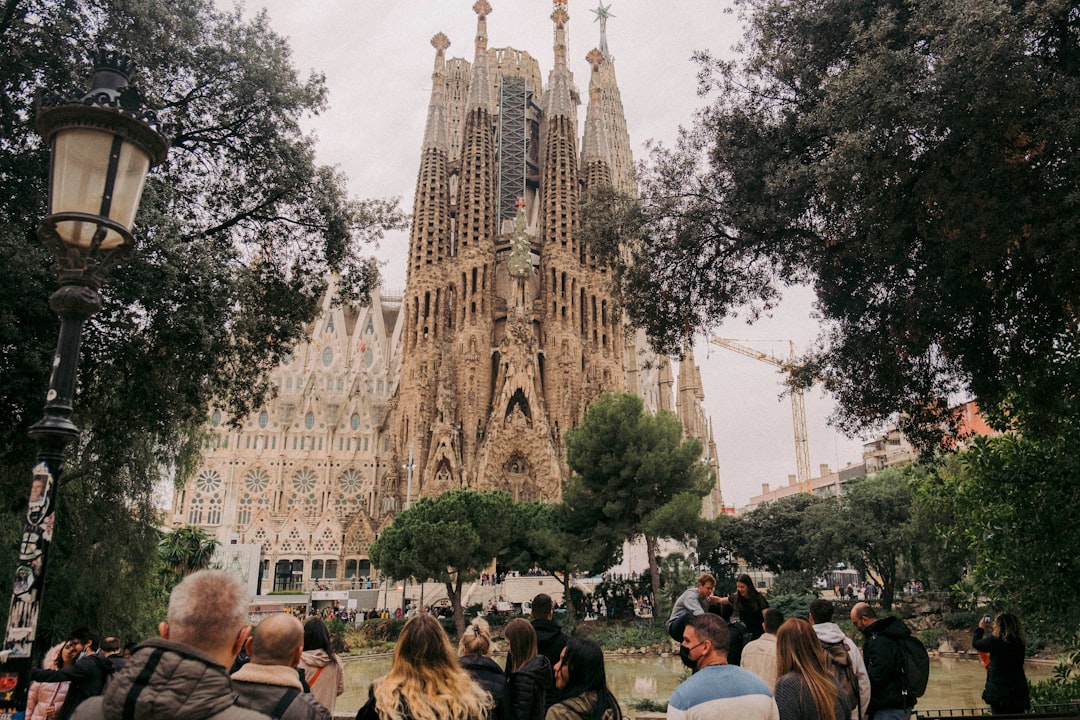
Photo by Colin + Meg on Unsplash
A good 10 day Spain itinerary should begin with a city that wakes you up fast, and Barcelona does that better than almost anywhere in Europe. Even if you land tired, the city has a way of pulling you outside: tiled facades glowing in the afternoon light, scooters humming past old stone walls, and the scent of coffee drifting from narrow lanes in El Born. Day one is not about doing everything. It is about arriving gently and letting Barcelona set the rhythm.
Keep your first afternoon compact. Base yourself in Eixample or El Born, drop your bags, and make your first walk an easy one through the Gothic Quarter. The streets are cool and shadowed, cathedral bells carry between buildings, and the scale feels intimate after a flight. End at a vermouth bar or classic tapas counter rather than forcing a big museum. This Spain itinerary 2026 works best when day one leaves you curious, not exhausted.
- Morning, 10:00-13:00: Arrive at Barcelona El Prat Airport, transfer into the city by Aerobús or metro. Budget around €6.75 for Aerobús or about €5.50 by metro. Check in and grab a simple lunch near your hotel, such as pan con tomate, jamón, and sparkling water for €12-18.
- Afternoon, 14:30-18:00: Walk the Gothic Quarter, Barcelona Cathedral area, Plaça Sant Jaume, and the lanes around Carrer del Bisbe. If you want one low-commitment sight, visit the cathedral cloister, around €14, or simply wander for free.
- Evening, 19:30-22:30: Head to El Born for tapas and cava. Expect €20-35 per person for a casual dinner with 3 to 4 plates and a drink. Good first-night areas include Passeig del Born and Carrer de Montcada.
- Insider tip: If jet lag hits hard, do not sit down too early. Push through with a slow walk until at least 21:00, then eat in Spanish time. Your body adjusts faster, and the city feels far more alive.
Day 2: Barcelona, Gaudí in Full Color
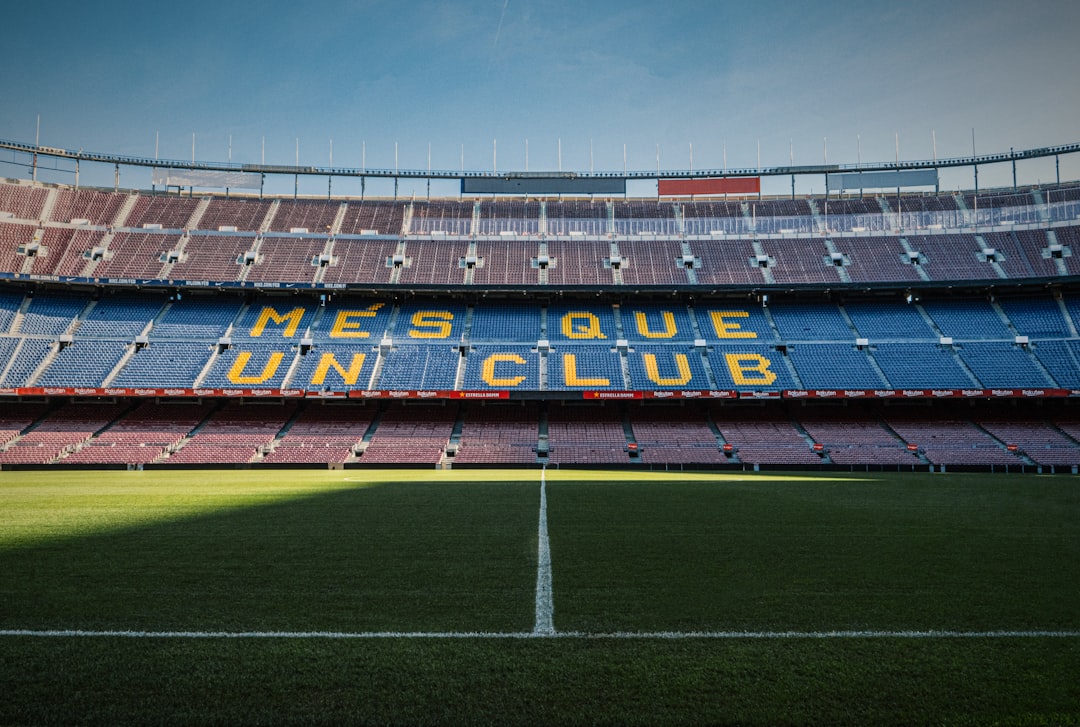
Photo by Tim Roosjen on Unsplash
Day two is where this 10 day Spain itinerary turns cinematic. Barcelona in the morning feels almost freshly painted: cream facades, green shutters, bakery counters stacked with ensaïmadas, and sunlight sliding over Modernist balconies. Today is your Gaudí day, and it deserves structure. These are not places to improvise in high season; timed entries matter here.
Start with Sagrada Família before tour groups thicken. Inside, the basilica is less a church than a forest of light, with stained glass shifting from cool blue to molten orange as the sun moves. Later, climb into Park Güell, where the city suddenly opens below you in roof tiles and sea haze. If you still have energy, Passeig de Gràcia gives you that polished Barcelona feeling: fashion houses below, dreamlike facades above, and people lingering over late coffee as if schedules were only a suggestion.
- Morning, 08:30-12:00: Visit Sagrada Família with a timed ticket. General entry is around €26; tower access raises it to roughly €36-40. Spend 90 minutes inside, then walk or take the metro toward Passeig de Gràcia.
- Afternoon, 13:00-17:30: Lunch in Eixample for €15-25, then visit Casa Batlló at about €29-35 or simply admire the exterior for free. Continue to Park Güell for a 16:00 slot; entry is around €18. Taxi or metro plus uphill walking takes 25 to 35 minutes.
- Evening, 19:00-22:30: Return to Gràcia or Eixample for dinner. A proper sit-down meal with wine runs about €25-45 per person. If you want a lighter evening, do a tapas crawl instead for €18-30.
- Insider tip: Book the first or second Sagrada Família slot of the day. The interior looks sharper in early light, and you protect the rest of the day if transport or queues go wrong.
Day 3: Barcelona, Markets, Montjuïc and Sea Air
By the third morning, Barcelona feels less like a postcard and more like a lived-in city. This is the day to step away from pure monument collecting and feel its layers: the market noise, the long hill views, the soft transition from dense streets to open water. A strong Spain itinerary for first timers needs at least one day in each city that blends big sights with ordinary local life, and this is Barcelona's version.
Start where the city eats. La Boqueria is touristy, yes, but early enough it still has a pulse that belongs to shopkeepers and regulars. Later, go up to Montjuïc for a change of scale. The city spreads in blocks, port cranes punctuate the horizon, and the air feels less hectic. Finish by the beach or the waterfront if you want contrast: hilltop stillness after a market morning, then evening salt air and a slower dinner by Barceloneta or the old port.
- Morning, 08:30-11:30: Breakfast at or near La Boqueria. A coffee and market breakfast costs around €8-15. Walk La Rambla briefly, then cut quickly into side streets and toward the Raval edge or the old quarter to avoid the slowest tourist traffic.
- Afternoon, 12:30-17:30: Head to Montjuïc by metro and funicular. Combined public transport is about €3-6 depending on your pass. Visit Montjuïc Castle for around €9, stroll the gardens, or add the MNAC terrace if you want one of the best city views.
- Evening, 18:30-22:30: Walk Barceloneta promenade or Port Vell. Dinner on seafood, rice, or grilled vegetables usually lands between €25-40 per person in a solid mid-range place. Keep a light jacket for the sea breeze outside peak summer.
- Insider tip: Around La Rambla and Barceloneta, keep phones zipped away when you are distracted by maps or menus. Barcelona is the only stop on this route where the advice in Travel Scam Red Flags for Your First 24 Hours Abroad in 2026 becomes especially relevant.
Day 4: Seville, Palaces, Bells and Orange Trees
By day four, this 10 day Spain itinerary changes mood completely. Leave behind Barcelona's elegant geometry and drop into Seville, where streets tighten, the light grows warmer, and everything seems to happen later. The city smells faintly of orange blossom in spring and hot stone in summer, and even the quiet corners feel theatrical.
The smartest move is a morning flight from Barcelona to Seville so you land with most of the day ahead of you. Check into Santa Cruz or El Arenal and go straight to the Real Alcázar if you have a prebooked slot. Seville rewards afternoon wandering, but it punishes poor planning on its headline monuments. The palace is a place of carved arches, tiled courtyards, and gardens that feel cooler than the rest of the city by several degrees. Afterward, the cathedral and Giralda give you the skyline, then dusk brings out the real Seville: slower footsteps, dressed-up locals, and terraces filling long after sunset.
- Morning, 07:30-11:30: Fly Barcelona to Seville. Low-cost fares often range from €30-90 with luggage extra. Airport bus EA into the center costs about €5; a taxi is usually €25-30. Drop bags and settle in.
- Afternoon, 12:30-17:30: Visit the Real Alcázar with a timed ticket, around €15.50-20 depending on booking channel and extras. Add Seville Cathedral and Giralda for about €12-15. Allow at least 3.5 hours for both without rushing.
- Evening, 19:00-23:00: Walk through Santa Cruz, pause at Plaza del Triunfo, and have dinner at a classic tapas bar. Expect €20-35 per person. If energy allows, cross toward the river for a golden-hour stroll.
- Insider tip: Wear your best shoes for polished stone. Santa Cruz looks flat on the map, but the hard paving and constant zigzagging through lanes can tire you faster than hillier cities.
Day 5: Seville, Triana Ceramics and Flamenco Night
Seville is not just monuments. Its pleasure lies in the in-between moments: shutters half closed against the heat, old men arguing over coffee, ceramic shop windows in Triana, and the faint sound of guitar carrying from somewhere you cannot quite place. Day five in this 10 day Spain itinerary gives you the city after the postcard shot, when Seville starts feeling textured rather than merely pretty.
Cross the river into Triana in the morning, when the neighborhood is still local and working rather than performative. It has a different energy from Santa Cruz: broader streets, a little more edge, less ornament. Later, return toward the center for Plaza de España and María Luisa Park, two places that can easily become crowded but still feel spectacular if you reach them late afternoon. Then keep the evening for flamenco. Not a giant dinner-show production, but a smaller venue where the room goes quiet enough for every heel strike to land in your chest.
- Morning, 09:00-12:30: Explore Triana, including the market area and Centro Cerámica Triana. Museum entry is around €2-3. Coffee, toast, and fresh juice nearby usually cost €6-10.
- Afternoon, 14:00-18:30: Lunch on Triana or central tapas for €15-25, then walk or take a short bus ride to Plaza de España and María Luisa Park. The square itself is free. If the heat is high, bring water and schedule the park closer to 18:00.
- Evening, 20:00-23:30: Flamenco at a respected smaller venue typically costs €25-45 depending on the seat and whether a drink is included. Dinner afterward in El Arenal or Alfalfa runs about €18-30.
- Insider tip: Book flamenco for 20:00 or 20:30 and eat after. The performance lands harder when you are not checking the time for a dinner reservation halfway through.
Day 6: Granada, The Alhambra at the Right Pace
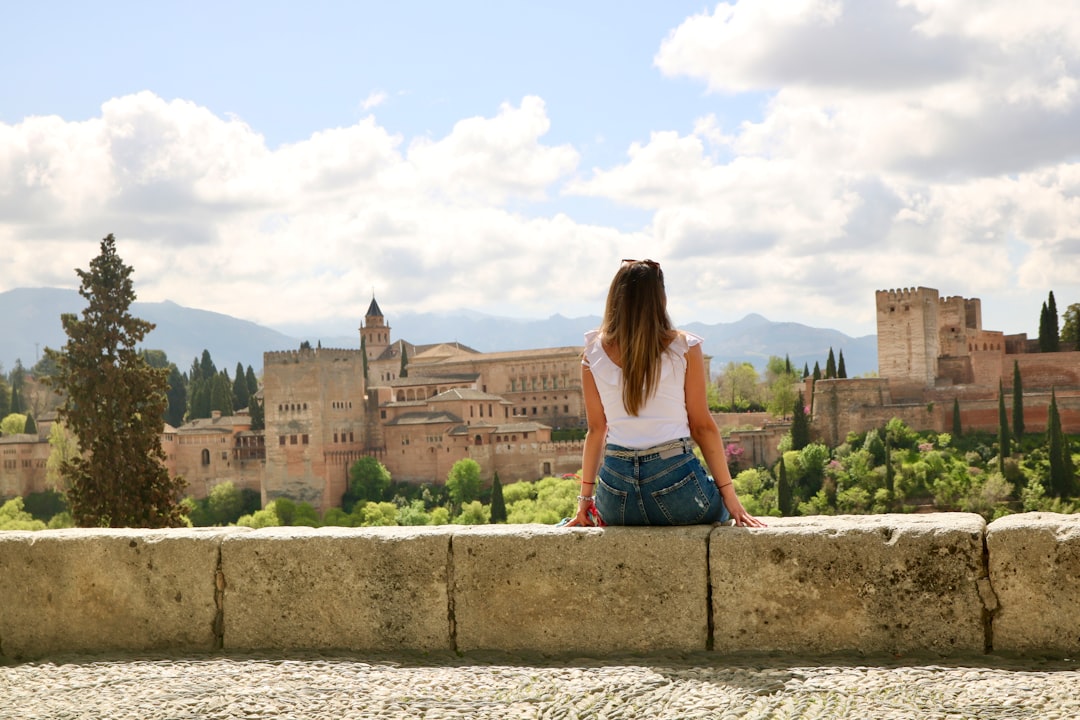
Granada is where this 10 day Spain itinerary reaches its emotional center. You arrive from Seville and suddenly the atmosphere changes again: the streets tilt upward, snow-touched mountains sometimes appear behind rooftops, and the city carries a mix of Moorish memory, student energy, and slightly untidy beauty. It feels less polished than Seville and all the better for it.
Today belongs to the Alhambra, and the Alhambra should not be squeezed. Give it the hours it deserves. The complex is not only the Nasrid Palaces; it is also fortifications, gardens, water channels, cypress shadows, and those moments when a window frame turns the whole of Granada into a painting. Afterward, let the city settle back into your body slowly with the Albaicín, where whitewashed walls, tea houses, and steep alleys make evening walking feel almost ceremonial.
- Morning, 08:00-11:00: Travel Seville to Granada by train or bus. Expect roughly 2.5 to 3 hours and about €25-50 depending on timing and class. Drop bags and head straight for your timed Alhambra entry.
- Afternoon, 11:30-16:30: Visit the Alhambra and Generalife. Tickets are generally around €19-25. Plan at least 4 hours with a snack or light lunch before or after. Wear sun protection; there is more exposure than many travelers expect.
- Evening, 18:00-22:30: Explore the Albaicín and continue to Mirador de San Nicolás for sunset. Dinner with tapas in Granada can be surprisingly good value, often €15-25 per person, especially if drinks include small tapas.
- Insider tip: For the Alhambra, the most important thing is not the day but the exact palace slot. Build the entire Granada day around that time, not the other way around.
Day 7: Granada, Albaicín Mornings and Madrid After Dark
A great 10 day Spain itinerary needs one day that feels slower before the final stretch, and this is it. Granada invites that softness. Morning light here catches on white walls and geranium pots, and the city feels almost suspended before the day warms up. Start high and quiet, while the Albaicín is still more neighborhood than landmark.
Use the afternoon for the cathedral quarter, a long lunch, or even a hammam if you want to reset your legs. Then, in the early evening, make the transfer to Madrid. It sounds ambitious on paper, but a late-afternoon or evening train works beautifully because it turns travel time into a clean boundary between Andalusia and the capital. By the time you roll into Atocha, the trip enters its final act.
- Morning, 09:00-12:00: Walk the lower and upper Albaicín, visit a tea house, or step into the Royal Chapel and Granada Cathedral. Combined entries are usually around €7-12 depending on what you include. Breakfast and coffee: €6-10.
- Afternoon, 13:00-17:00: Long lunch in the center for €15-30, then choose one easy add-on such as Calle Calderería Nueva, a hammam session from about €35-60, or a rest block before travel.
- Evening, 17:30-22:30: AVE or fast train Granada to Madrid. Expect around 3 hours 20 minutes to 3 hours 45 minutes and fares from €30-80 depending on advance booking. Check into Atocha, Las Letras, or Sol.
- Insider tip: Buy snacks before boarding. Spanish station food is hit and miss, and arriving in Madrid at 21:30 with no dinner plan is much less charming than it sounds.
Day 8: Madrid, Prado Masterpieces and Retiro Light
Madrid enters this 10 day Spain itinerary like a change of tempo. After the intimacy of Granada, the capital feels broad, stately, and more deliberately urban. The avenues are wider, the museums more monumental, and the pace in the center somehow both brisker and more relaxed. People move fast, but dinner still waits until late.
Start with the Prado, because Madrid's museum district is one of the finest urban cultural clusters in Europe and it deserves your freshest attention. Goya, Velázquez, El Greco: these are not works to squeeze between lunch and shopping. After the density of the museum, let the afternoon expand into Retiro Park. Rowboats drift on the pond, children chase pigeons near the monument, and the city suddenly softens. This balance of seriousness and ease is what makes Madrid such a satisfying final base for 10 days in Spain.
- Morning, 09:30-12:30: Visit the Prado Museum. General entry is about €15. Prebook if your dates are fixed, especially on weekends. If art fatigue is real, focus on one wing plus the major masterpieces.
- Afternoon, 13:00-17:30: Lunch in Las Letras or near Atocha for €15-30, then walk through Retiro Park, the Crystal Palace area, and Puerta de Alcalá. Park access is free.
- Evening, 19:30-23:00: Drinks and dinner in La Latina, Las Letras, or Conde Duque. Budget €20-40 for tapas and wine, or €35-55 for a more polished dinner.
- Insider tip: If you care more about the Prado than ticking off multiple museums, do not combine Prado and Reina Sofía in the same day. The quantity of art is enormous, and your attention will flatten out by mid-afternoon.
Day 9: Madrid, Royal Madrid and Late-Night Streets
Madrid's great talent is that it can feel ceremonial and casual in the same block. One minute you are in front of grand facades and formal squares, the next you are standing at a bar with a tiny plate of tortilla and a dozen people talking over each other. Day nine lets you enjoy both halves. This Spain itinerary for first timers needs one classic central Madrid day, and this is where you take it.
Move through the old core on foot: Plaza Mayor, Puerta del Sol, the Royal Palace, and the streets radiating around them. Yes, these are famous spots, but Madrid wears fame lightly. Even around the most visited landmarks, you can slip into side lanes with old taverns, literary history, and that slightly rough-edged elegance the city does so well. End the night in Malasaña or Chueca if you want a livelier finish, or stay near La Latina if you want to keep it traditional and food-led.
- Morning, 09:30-12:30: Walk Plaza Mayor, Mercado de San Miguel from the outside or for a snack, Puerta del Sol, and continue to the Royal Palace. Palace entry is usually around €14.
- Afternoon, 13:00-17:30: Lunch in the Opera or La Latina area for €15-30. Afterward, choose between the Almudena Cathedral, rooftop views near Gran Vía, or a siesta break before the evening.
- Evening, 20:00-00:00: Tapas crawl in La Latina, Chueca, or Malasaña. Expect €25-45 if you sample several bars. Cocktail bars or rooftop drinks push the total higher.
- Insider tip: At Mercado de San Miguel, treat it like a tasting stop, not your main lunch. It is atmospheric and convenient, but prices are noticeably higher than nearby local bars.
Day 10: Toledo, Stone Alleys and a Strong Finale
The last day of this 10 day Spain itinerary should not feel like filler, and Toledo absolutely does not. One short train ride from Madrid and Spain tightens into something medieval, layered, and almost theatrical. Church towers, synagogue traces, convent walls, and old swords-in-shop-windows energy all collide on a hill above the Tagus. It is touristy, yes, but it is also undeniably atmospheric.
Go early and stay focused. Toledo is compact but intensely textured, and half the pleasure is in getting slightly lost between viewpoints, doorways, and sudden stone staircases. After several big-city days, the scale feels refreshing. Return to Madrid in the evening for a final dinner or a calm early night before departure. As a closing note to 10 days in Spain, Toledo adds weight and depth rather than just one more checklist stop.
- Morning, 08:45-12:30: High-speed train Madrid to Toledo takes about 35 minutes. Round-trip fares often land between €20-30 if booked ahead. Walk or take the escalators/taxi into the old center. Visit Toledo Cathedral for around €12.
- Afternoon, 13:00-17:00: Lunch in Toledo for €15-28, then explore the Jewish Quarter, Monastery of San Juan de los Reyes, and Mirador del Valle if you want the classic panoramic view. Some monuments cost €4-6 each, while walking the old town is free.
- Evening, 18:00-22:30: Return to Madrid for your final dinner, around €20-45 depending on style. If you have an early flight next day, stay near Atocha or the airport train connection.
- Insider tip: Toledo is full of steep, polished stone. Save your most supportive shoes for this day, not Barcelona. You will feel the difference by mid-afternoon.
Best time to go for a 10 day Spain itinerary
The best months for this 10 day Spain itinerary are April to early June and mid-September to late October. Those windows give you pleasant walking weather in Barcelona and Madrid while keeping Seville and Granada manageable. Spring adds jacaranda bloom, patio flowers, and long evenings. Autumn brings warm light, fewer school-holiday crowds, and more breathable afternoons in Andalusia.
July and August can still work, but only if you build the day around heat. In Seville, temperatures above 38C are not rare, and the city becomes a place of early starts, shaded lunches, air-conditioned pauses, and late dinners. Winter is a surprisingly good budget alternative for this Spain itinerary 2026 if you care more about museums and food than beach weather, though Barcelona can feel gray and evenings across the route turn chilly.
- Best overall: April, May, late September, October
- Good value with fewer crowds: March and November
- Most challenging months: July and August, especially for Seville and Granada afternoons
- Festival periods to note: Semana Santa and Feria season in Seville can be magical but also expensive and crowded
- What to pack: Comfortable walking shoes, a light jacket, sun protection, refillable water bottle, and one smarter outfit for late dinners or flamenco
Estimated budget per person for 10 days in Spain
The real cost of a 10 day Spain itinerary depends less on food and more on how early you book transport and timed-entry sights. Spain is still one of the better-value big trips in Western Europe, but Barcelona and Madrid can rise quickly if you leave hotels late or book premium monument slots at the last minute. Andalusia usually helps rebalance the budget with cheaper tapas and better-value stays.
For planning, think in daily averages plus a few fixed costs: one internal flight, two or three long-distance trains, and headline entries such as Sagrada Família, Alcázar, Alhambra, Prado, and Toledo Cathedral. If you want a more detailed way to break these costs down before booking, Travel Budget Categories List for 2026: Stop Underpricing Trips is genuinely useful.
| Budget tier | Hotels | Transport | Food | Sights | Total for 10 days |
|---|---|---|---|---|---|
| Budget | Hostels, simple guesthouses | Early-booked flight and trains | Bakery breakfasts, menu del día, casual tapas | Selective paid entries | €950-1,250 |
| Mid-range | Central 3-star hotels or stylish pensions | Standard fares, occasional taxi | Mix of tapas bars and sit-down dinners | Most major sights included | €1,450-2,050 |
| Higher-end | 4-star boutique hotels | Flexible train times, more taxis, upgraded flight | Longer dinners, rooftops, wine | All major sights plus extras | €2,400-3,800 |
Typical individual costs on this route:
- Barcelona airport transfer: €5.50-6.75
- Barcelona to Seville flight: €30-90 plus baggage if booked early
- Seville to Granada: €25-50
- Granada to Madrid: €30-80
- Madrid to Toledo return: €20-30
- Major sight bundle total: about €120-170 depending on choices
- Average casual meal: €12-20 lunch, €20-40 dinner
Where to stay on this Spain itinerary for first timers
Where you sleep makes or breaks a multi-city route. On a 10 day Spain itinerary, saving €20 a night by staying far out often costs you much more in energy, taxi fares, and wasted morning time. The best neighborhoods are the ones that let you walk for coffee, return easily in the afternoon, and head back out at night without thinking twice.
Choose central districts that feel right for how you travel. If you love atmospheric wandering, stay inside or right beside the old center. If you care more about easy station access and calmer nights, pick smarter edges rather than the busiest postcard blocks.
Barcelona
- Eixample: Best all-round base for first-time visitors. Elegant, safe-feeling, great food, and easy access to Sagrada Família and Passeig de Gràcia.
- El Born: Best for atmosphere, evening walks, and quick access to the Gothic Quarter.
- Gràcia: Better for return visitors or travelers who want a more residential feel with strong dining.
Seville
- Santa Cruz: Most atmospheric and closest to the main monuments, though prices can be higher.
- El Arenal: Excellent balance of walkability, restaurants, and river access.
- Alfalfa: Lively, central, and good for food-focused travelers.
Granada
- Centro: Best practical choice for most people, especially with luggage.
- Albaicín edge: Stunning atmosphere, but only if you are comfortable with hills and uneven streets.
- Realejo: A good mix of local feel and central access.
Madrid
- Las Letras: Best balance of charm, food, and walkability to museums.
- Atocha: Ideal if you want easy train logistics for arrival and the Toledo day trip.
- La Latina: Great for nightlife and tapas, though quieter sleepers may prefer nearby rather than right inside it.
How to get around on a 10 day Spain itinerary
Transport is what turns this 10 day Spain itinerary from a fantasy into a smooth trip. The route works best as an open-jaw plan: fly into Barcelona and out of Madrid. That avoids backtracking, protects your time, and keeps the longest overland sections sensible. It is not purely rail-based, but it still feels like a very good Spain by train itinerary once you are on the ground.
Barcelona, Seville, Granada, Madrid, and Toledo are all manageable without a rental car. In fact, a car would mostly create stress with parking, historic centers, and station-free zones. The only segment where flying makes strong sense is Barcelona to Seville, because it saves a large daytime transfer. After that, trains do the heavy lifting beautifully.
- International arrival: Barcelona El Prat Airport, code BCN
- Departure airport: Madrid Barajas Airport, code MAD
- Best internal flight: Barcelona to Seville, 1 hour 40 minutes in the air, roughly 3.5 to 4.5 hours door to door
- Best train legs:
- Granada to Madrid: around 3 hours 20 minutes to 3 hours 45 minutes
- Madrid to Toledo: around 35 minutes each way
- City transport:
- Seville: walking, occasional bus or taxi
- Granada: walking, minibuses for uphill areas, taxis for convenience
- Madrid: metro, walking, commuter connections if needed
- Smart booking rule: Lock Alhambra first, then Sagrada Família, then Alcázar, then long-distance trains
- Baggage rule: Travel with one carry-on sized case if you can. This route rewards mobility more than packing ambition
FAQ
Is this 10 day Spain itinerary good for first-time visitors?
Yes. This 10 day Spain itinerary is designed specifically as a Spain itinerary for first timers because it mixes the country's most iconic urban experiences without trying to cover too many regions. You get Catalonia, Andalusia, Castile, and the capital in one route, but the hotel changes stay manageable.
Is 10 days in Spain enough?
Yes, if you accept that Spain is too big to do fully in one trip. 10 days in Spain is enough for Barcelona, Seville, Granada, Madrid, and a Toledo day trip if you book transport and timed entries in advance. It is not enough for beaches, Basque Country, Valencia, and the islands on top of that.
Can I swap Toledo for another day in Madrid?
Absolutely. If you are more interested in neighborhoods, shopping, or museums, keep day 10 in Madrid and add Reina Sofía, the Royal Palace interior, or a long La Latina lunch. But for many travelers, Toledo gives this Spain itinerary 2026 a stronger historical finish.
Is this route doable with kids or older travelers?
Yes, with a few adjustments. Remove the Granada to Madrid evening transfer and travel the next morning instead, choose taxis more often in Granada and Seville, and keep only one major timed monument per day. The route is still strong, but gentler pacing helps a lot.
What should I book first?
Book the Alhambra first, then Sagrada Família, then the Real Alcázar in Seville, then long-distance trains or your Barcelona to Seville flight. Those are the pieces most likely to distort a 10 day Spain itinerary if left too late.
Any etiquette or safety notes worth knowing?
Spain is easygoing, but meal times are later than many travelers expect, and dinner before 20:30 can feel oddly early in Madrid and Seville. A little awareness around church dress, greetings, and restaurant rhythm goes a long way, which is why International Travel Etiquette Tips for 2026 That Matter is worth reading before you go.
Spain never really resolves into one single mood, and that is exactly why this route works so well. Barcelona gives you design and sea light, Seville gives you heat and drama, Granada gives you memory and mountain air, and Madrid closes the trip with confidence and appetite. Book the trains, lock in the Alhambra, and this 10 day Spain itinerary starts feeling less like research and more like a departure board with your name on it.
---