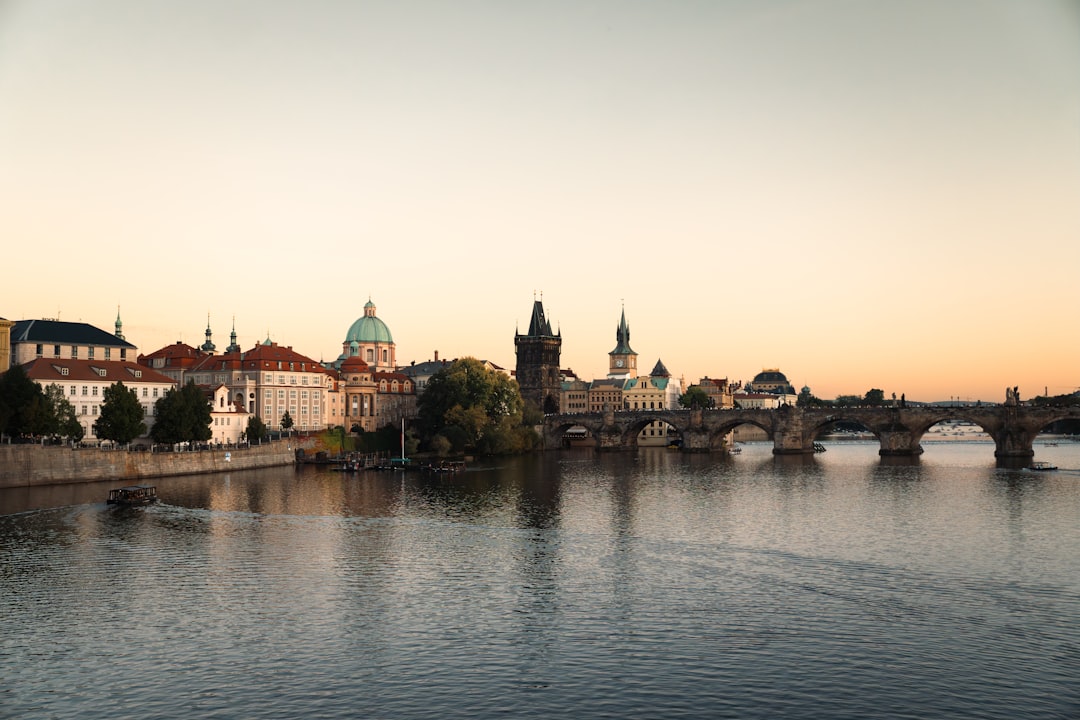
In most European capitals, four days feels generous. In Prague, it is the sweet spot. This 4 days in Prague itinerary gives you enough time to see the headline sights properly, wander beyond the postcard center, and still leave room for slow lunches, tram rides, and a sunset over terracotta roofs.
Three full days is the minimum if you want Prague Castle, Charles Bridge, Old Town Square, and Josefov without sprinting. The fourth day is what makes the city click. Instead of treating Prague like a checklist, you begin to feel its rhythm: church bells over the Vltava, quiet lanes behind the castle, and evenings when the crowds thin and the façades start glowing.
I have built this route so you can recreate it stop by stop, with real neighborhoods, practical timings, and realistic costs in Czech koruna. If you like laying out each day visually, TravelDeck is a neat way to keep the route clear without overcomplicating the trip.
Day 1: Old Town, Charles Bridge, and Malá Strana
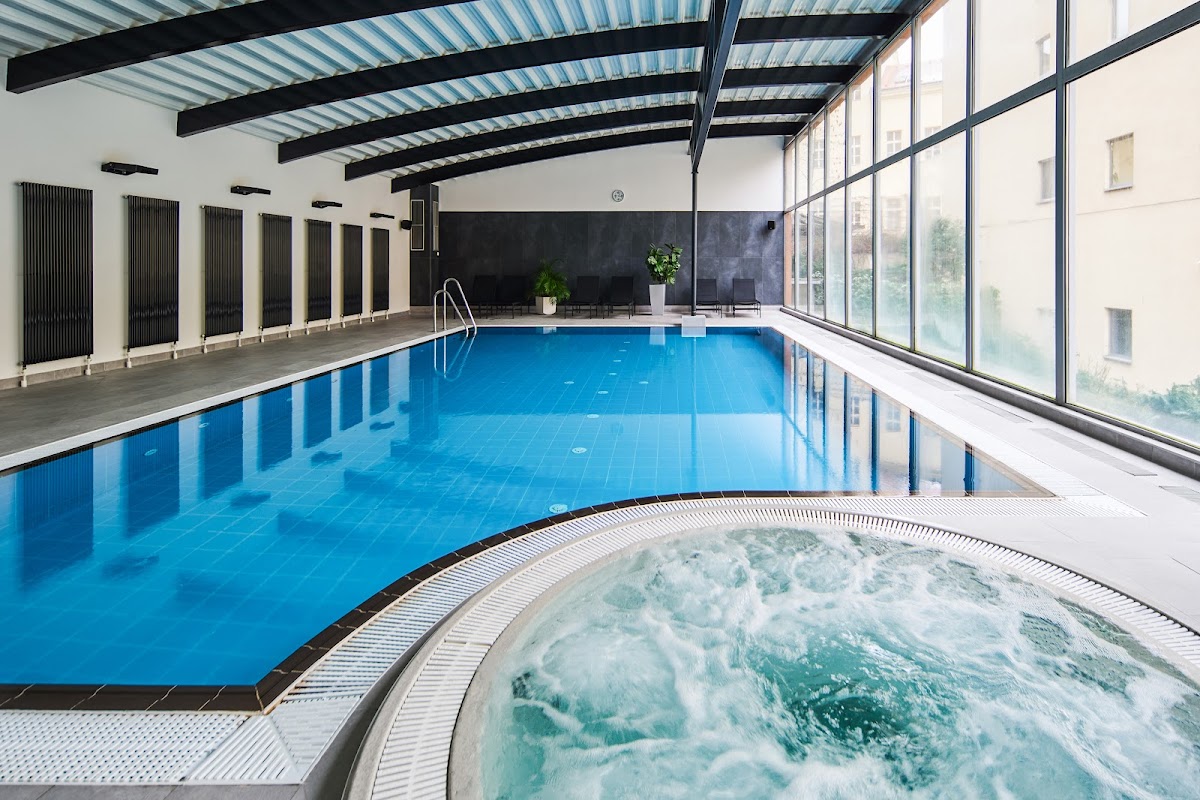
Novotel Praha Wenceslas Square
Your first day should give you Prague at its most cinematic. Start in Staré Město, the Old Town, before the big tour groups flood the square. Early in the morning the Astronomical Clock feels less like a photo stop and more like part of the city itself, with delivery carts rattling over cobblestones and café staff setting out chairs under Gothic facades.
From there, let the city pull you west. The lanes between Old Town Square and Charles Bridge are not filler; they are the texture of Prague itself, lined with house signs, hidden courtyards, and Baroque doorways. Crossing the bridge into Malá Strana, the mood softens. The noise drops, the streets narrow, and the city begins to feel more residential and intimate.
This is an easy walking day with no major transport required, which makes it perfect after arrival. Keep your museum ambitions modest and focus on orientation, atmosphere, and the best first views.
Morning
- 08:00-09:00: Breakfast at Café Ebel on Týnská Street in Old Town. Expect coffee and pastry for CZK 140-220.
- 09:00-10:00: Walk Old Town Square, including the Astronomical Clock, Church of Our Lady before Týn, and the Jan Hus Memorial. The square is free.
- 10:00-10:45: Go up the Old Town Hall Tower for your first panoramic view over Staré Město. Entry is about CZK 300.
- 10:45-11:30: Wander through Ungelt and Týn Courtyard, then continue via Karlova Street toward the Klementinum area.
Afternoon
- 12:00-13:00: Lunch at Lokál Dlouhááá on Dlouhá Street, right on the edge of Old Town and New Town. Count on CZK 250-420 for a main and drink.
- 13:15-14:30: Walk to Charles Bridge from the Old Town Bridge Tower. The bridge itself is free; the tower is an optional paid extra if you want another viewpoint.
- 14:30-15:30: Explore Kampa Island in Malá Strana, including the river channel by Čertovka. Free.
- 15:30-16:00: Stop at the John Lennon Wall near Velkopřevorské náměstí. Free.
- 16:00-17:30: Stroll Mostecká Street and the lanes around Malostranské náměstí, then pause for coffee near St. Nicholas Church.
Evening
- 18:00-19:30: Dinner at Lokál U Bílé kuželky in Malá Strana. Typical cost: CZK 300-500.
- 19:30-20:30: Walk back toward Charles Bridge after sunset for the best atmosphere and softer crowds.
- 20:30 onward: If you still have energy, take a slow riverside walk along Smetanovo nábřeží on the Old Town side.
- Insider tip: Cross Charles Bridge before 09:00 or after 21:00 if you want photos without shoulder-to-shoulder traffic.
Day 2: Prague Castle, Hradčany, and Strahov
Day 2 is Prague at full imperial scale. The castle district rises above the river like a stage set, but it works best if you arrive early and move with intention. Instead of hiking uphill from the center, take a tram up and save your legs for the castle courtyards, cathedral interiors, and the quieter streets behind them.
The contrast on this day is what makes it memorable. Inside Prague Castle, you get the grandeur: vaults, stained glass, ceremonial halls, and the narrow houses of Golden Lane. Step a few blocks away into Nový Svět and Hradčany, and the city suddenly goes quiet, almost village-like, with pastel houses and fewer cameras.
Leave space for views. Prague is one of those cities that rewards you every time you gain a little height, and the western ridge around Strahov delivers some of the best of the trip.
Morning
- 08:00: Take tram 22 to Pražský hrad or Pohořelec. Use a regular public transport ticket.
- 08:30-09:00: Quick breakfast near Hradčany Square. Budget CZK 120-200.
- 09:00-12:00: Visit Prague Castle Circuit B, including St. Vitus Cathedral, the Old Royal Palace, St. George's Basilica, and Golden Lane. Adult ticket is about CZK 450. Official visitor details are on Prague Castle.
- 12:00-12:30: Walk the outer courtyards and pause at the viewing terraces over Malá Strana.
Afternoon
- 12:45-14:00: Lunch at Kuchyň on Hradčanské náměstí, known for classic Czech dishes with a view. Expect CZK 350-600.
- 14:00-15:00: Explore Nový Svět, the tiny historic quarter west of the castle. Free.
- 15:00-15:45: Walk past Loreta in Hradčany. Exterior is free; interior entry is usually around CZK 230 if you want to go in.
- 16:00-17:30: Continue to Strahov Monastery and its courtyard views. The grounds are free; exhibitions and galleries are extra.
Evening
- 18:00-19:00: Walk downhill through Petřín Park or take a tram back toward Malá Strana, depending on energy and weather.
- 19:30-21:00: Dinner at Café Savoy on the Malá Strana and Smíchov edge. Mains usually run CZK 300-520.
- 21:00 onward: If the sky is clear, finish with a night view from the castle steps or the river embankment.
- Insider tip: Start with St. Vitus Cathedral as soon as the castle complex opens; later in the morning, the lines build fast.
Day 3: Josefov, New Town, and Wenceslas Square
Prague's prettiest streets also carry some of its heaviest history, and day 3 is where the trip deepens. Josefov, the Jewish Quarter, is compact but emotionally dense. Do not rush it. The synagogues, memorial halls, and cemetery all deserve slower attention than the average city-break pace allows.
After the gravity of Josefov, New Town changes the tone. The boulevards widen, Art Nouveau architecture takes over, and the city feels less medieval and more metropolitan. This is where Prague shows its café culture, department-store grandeur, and evening energy.
Plan this day carefully around opening times. If you visit on a Saturday or a Jewish holiday, several Josefov sites will be closed, so swap this day with another.
Morning
- 08:30-09:00: Breakfast at Bakeshop Praha on Kozí Street near Josefov. Budget CZK 140-220.
- 09:00-12:30: Visit the Jewish Museum sites in Josefov, including Maisel Synagogue, Pinkas Synagogue, Old Jewish Cemetery, Klausen Synagogue, and the Spanish Synagogue. Combined admission is roughly CZK 600.
- 12:30-13:00: Walk Pařížská Street and pass the Old-New Synagogue area before leaving Josefov.
Afternoon
- 13:15-14:30: Lunch at Café Imperial on Na Poříčí in Nové Město. Count on CZK 320-550.
- 14:30-15:00: See the Municipal House exterior and the Powder Tower at Náměstí Republiky. Powder Tower entry is usually around CZK 220 if you want the climb.
- 15:15-16:30: Walk down Wenceslas Square toward the National Museum. The square is free; the museum has separate admission, generally around CZK 300.
- 16:30-17:00: Detour into Lucerna Passage to see David Černý's hanging horse sculpture.
Evening
- 18:30-20:00: Dinner at Kantýna in New Town if you want a lively Czech meat-focused spot, or return to Lokál if you prefer something simpler. Budget CZK 300-600.
- 20:00-21:30: Walk around Národní třída or have a drink in the streets between New Town and Old Town.
- 21:30 onward: If you are traveling solo, Prague is generally straightforward, but it is worth keeping the common-sense routines from Solo Travel Safety Guide 2026: Room, Route, Routine in mind for late evenings.
- Insider tip: Schedule Josefov for a weekday morning. It is the calmest time to move through the cemetery and synagogue circuit without long pauses at each entrance.
Day 4: Vyšehrad, Náplavka, and Letná Views
A fourth day in Prague should not feel like leftovers. It should feel like the moment the city becomes personal. Vyšehrad, south of the center, is where you trade dense sightseeing for space: fortress walls, big river views, quieter paths, and one of the most atmospheric cemeteries in the city.
From there, follow the Vltava back into town. Náplavka gives you everyday Prague: joggers, boats, coffee windows, market stalls on Saturdays, and locals sitting by the embankment with a drink. End in Letná, where the city opens out again into one final wide-angle panorama.
This day has more breathing room than the first three. Use it to slow down, repeat a favorite neighborhood, or linger over lunch instead of racing the clock.
Morning
- 08:30: Take Metro Line C to Vyšehrad.
- 09:00-10:30: Explore Vyšehrad grounds, including the Basilica of St. Peter and St. Paul, the cemetery, and the riverside viewpoints. The grounds are free.
- 10:30-11:15: Visit the Vyšehrad Casemates and Gorlice Hall. Entry is around CZK 160.
- 11:15-12:00: Slow walk through the park before heading downhill.
Afternoon
- 12:15-13:30: Lunch at U Kroka, just below Vyšehrad in New Town. Expect CZK 280-480 for a main.
- 13:45-15:00: Walk to Náplavka along the riverfront. Free.
- 15:00-16:00: Stop at the Dancing House on Jiráskovo náměstí. The exterior is free; rooftop or gallery access is a paid add-on, usually from about CZK 300.
- 16:00-17:00: Cross toward Střelecký Island or continue by tram to Letná Park, depending on your pace.
- 17:00-18:00: Arrive at the Letná Metronome viewpoint for one of the best final panoramas in Prague. Free.
Evening
- 18:00-19:00: Sunset drink at Letná Beer Garden in season. Beer is usually CZK 60-80.
- 19:30-21:00: Dinner at Lokál Nad Stromovkou on the Letná and Bubeneč side. Typical cost: CZK 300-500.
- 21:00 onward: One last tram ride back through the lit-up center is a fitting end to the trip.
- Insider tip: If day 4 is a Saturday, time Náplavka for the farmers' market before mid-afternoon, then head to Letná for sunset.
How many days do you need in Prague?
If this is your first visit, three full days is the minimum that still feels satisfying. You can cover Prague Castle, Charles Bridge, Old Town Square, Josefov, and one extra neighborhood, but the pace will be brisk and you will make more trade-offs.
Four days is the best balance for most travelers. It lets you see the essentials, spend time inside the major sights rather than only outside them, and still have one day that feels local instead of touristic. If you travel slowly, love museums, or want a day trip to Kutná Hora or Karlštejn, go for five or more.
How to get to Prague
Prague is easy to reach by air and even easier to combine with other Central European cities by train. If you are arriving internationally, you will likely land at Václav Havel Airport Prague, code PRG, which sits west of the center.
For a short city trip, train arrivals are especially convenient because you step almost straight into the city. Long-distance routes from Vienna, Berlin, Dresden, Budapest, and Brno are frequent and usually painless compared with driving and parking in the center.
- From Václav Havel Airport Prague: take trolleybus 59 to Nádraží Veleslavín, then Metro A into the center. Travel time is about 45-60 minutes and a standard 90-minute public transport ticket costs around CZK 40. Airport details: Prague Airport.
- Airport taxi or private transfer: usually 35-45 minutes to central Prague depending on traffic, roughly CZK 700-1,000.
- From Vienna by train: about 4 hours, often from EUR 20-45 booked ahead.
- From Berlin by train: around 4.5-5 hours, often from EUR 25-60.
- From Dresden by train: roughly 2.5 hours.
- From Budapest by train: around 6.5-7 hours.
- From Brno by train: about 2.5 hours.
- Main rail operator: Czech Railways.
- Driving: possible, but central parking is expensive and unnecessary for this itinerary. Expect CZK 600-1,000 per day for central parking.
Best time to visit Prague for 4 days
The nicest months for this 4 days in Prague itinerary are late April to early June and September to mid-October. You get comfortable walking weather, longer daylight, and enough café-terrace life to make the city feel open and lively.
Summer is beautiful but busier, especially around Charles Bridge, Old Town Square, and Prague Castle. December is magical for atmosphere and Christmas markets, but it is colder, darker, and pricier around the holiday peak.
- Best overall: May, early June, September, early October.
- Warmest and busiest: July and August.
- Most atmospheric winter period: early December.
- If you hate crowds: avoid Saturday midday in Old Town and aim for shoulder season weekdays.
Estimated budget per person for 4 days in Prague
Prague still offers strong value compared with many Western European capitals, but the center is no longer the bargain it once was. You can keep costs low with trams, lunch specials, and a few strategic paid sights, or spend comfortably on boutique hotels and higher-end dining without reaching Paris or London prices.
The table below assumes one person for four days, excluding flights or long-distance rail into Prague.
| Tier | Stay | Food | Transport + sights | Total for 4 days |
|---|---|---|---|---|
| Budget | Hostel or simple room | CZK 300-700 per day | CZK 1,500-2,500 total | CZK 6,500-9,500 |
| Mid-range | Good 3-4 star hotel | CZK 700-1,300 per day | CZK 2,000-3,500 total | CZK 12,000-18,500 |
| Comfort | Boutique or luxury hotel | CZK 1,300-2,200 per day | CZK 2,500-4,500 total | CZK 21,000-35,000 |
A realistic mid-range trip with a central hotel, sit-down meals, public transport, and the main ticketed sights usually lands around CZK 14,000-17,000 per person.
Where to stay in Prague for 4 days
For a first trip, location matters more than squeezing out the absolute lowest room rate. Prague looks compact on a map, but hills, cobblestones, and bridge crossings can make a badly chosen base feel farther away than it appears.
The best neighborhoods for a 4 days in Prague itinerary are the ones that keep mornings efficient and evenings pleasant. You want to be close enough to walk home after dinner, but not stuck directly in the loudest tourist strip.
- Old Town and New Town border, around Náměstí Republiky or the eastern side of Prague 1: best for first-time visitors, easy access to Old Town, Josefov, and metro lines. Budget rooms from about CZK 1,500; mid-range CZK 2,500-4,500; upscale CZK 5,500+.
- Malá Strana: ideal if you want postcard beauty, quieter evenings, and quick castle access. Budget options are fewer; expect roughly CZK 2,000-3,000 for simpler stays, mid-range CZK 3,500-5,500, luxury CZK 6,500+.
- Vinohrady or Karlín: best for cafés, restaurants, and a more local feel while staying well connected by tram and metro. Budget stays start around CZK 1,400-2,200; mid-range CZK 2,500-4,000; design-forward options from CZK 4,500 upward.
If nightlife noise matters to you, avoid rooms right on Old Town Square or directly off Karlova Street. The most convenient base is not always the most restful one.
How to get around Prague
Prague is one of Europe's easiest capitals to navigate without a car. For this itinerary, walking does most of the work, while trams and the metro handle hills and longer hops. The network is reliable, legible, and cheap enough that you should use it freely rather than trying to save a few koruna.
For four days, the simplest value play is usually a 72-hour pass plus one 24-hour pass, unless you plan to walk almost everywhere. Current fares can change, but the common benchmarks are about CZK 30 for 30 minutes, CZK 40 for 90 minutes, CZK 120 for 24 hours, and CZK 330 for 72 hours. Official transport information: PID Prague Integrated Transport.
- Best tram for sightseeing: tram 22 for Prague Castle and Hradčany.
- Best river-side tram line: tram 17 for stretches along the Vltava.
- Metro lines: A, B, and C cover most central connections quickly.
- Validate paper tickets when required and keep them until the ride ends.
- Cards are widely accepted on transport and in cafés, but carry a small amount of cash for toilets, kiosks, or older bars.
Prague is generally straightforward, but exchange-office traps and overpriced taxis still catch tired arrivals. Before you travel, it is worth skimming Travel Scam Checklist for 2026: From Booking to Taxi.
Where to eat in Prague
Prague food is richer and more varied than many first-time visitors expect. Yes, there is roast meat, dumplings, and beer, but there is also elegant café culture, strong baking, and a newer wave of restaurants updating Czech ingredients without losing the local character.
The smartest approach is to mix one or two classic tavern meals with lighter lunches and good bakery stops. That keeps your energy up for walking and saves the heavier dishes for dinner.
- For classic Czech food: Lokál Dlouhááá in Old Town edge, U Kroka near Vyšehrad, and Havelská Koruna near Havelský trh for a budget-friendly cafeteria style meal.
- For elegant historic settings: Café Imperial in New Town and Café Savoy near the Malá Strana side of the river.
- For a castle-area meal with a view: Kuchyň in Hradčany.
- For modern Prague dining: Eska in Karlín if you have extra time beyond the core route.
- Dishes worth ordering: svíčková, roast duck with red cabbage, kulajda soup, chlebíčky, koláče, and věneček pastries.
- Tourist trap to skip: overhyped trdelník stands. It is not the essential Prague bite people think it is.
A normal café breakfast is often CZK 140-250, a casual lunch CZK 200-350, and a solid sit-down dinner CZK 300-600 without going wild.
Things to do in Prague if you swap a day or add a fifth
Not every traveler wants exactly the same Prague. If you are returning to the city, visiting with kids, or simply want to swap one museum-heavy stretch for something greener or more contemporary, Prague gives you plenty of room to personalize the plan.
These are the best additions if you have extra time or want a different emphasis without wrecking the logic of the itinerary.
- Petřín Lookout Tower and Petřín Gardens: hilltop park and city views on the west side, with tower admission usually around CZK 220.
- National Museum at the top of Wenceslas Square: good if you want one major museum interior, roughly CZK 300.
- Prague Zoo in Troja: especially strong for families, about CZK 330 adult admission plus transport.
- Klementinum Baroque Library and Astronomical Tower: central and atmospheric, ticketed guided access.
- DOX Centre for Contemporary Art in Holešovice: best for modern art lovers.
- Day trip to Kutná Hora: easy by train, good if you extend to five days.
- Day trip to Karlštejn Castle: one of the simplest castle excursions from Prague.
If you are comparing Prague with other classic city-break rhythms, the pacing is closer to an easy long weekend than a sprawling capital week. That is exactly why four days works so well.
Practical tips for Prague in 2026
A little practical prep makes Prague much smoother. The city center is compact, but the combination of cobbles, slopes, old stairways, and constant stopping means your feet will work harder than the map suggests.
The other big tip is money handling. The Czech Republic uses the Czech koruna, not the euro as everyday local currency, and Prague's tourist core still has a few poor-value exchange spots.
- Currency: Czech koruna, abbreviated CZK. Card payments are common, but carry small cash.
- Pack: comfortable walking shoes, light rain layer, one smarter evening outfit, and a thin extra layer even in summer for castle heights and river breezes.
- Safety: Prague is generally safe, but watch for pickpockets around Old Town Square, Charles Bridge, tram stops, and crowded trams.
- Museums: double-check Monday closures and holiday hours before locking the order of your days.
- Toilets: many public toilets charge around CZK 20-30, so keep coins handy.
- Connectivity: eSIMs and local SIMs are easy, but many cafés and hotels have solid Wi-Fi.
FAQ
Is 4 days enough for Prague?
Yes. For most first-time visitors, 4 days in Prague is the ideal length. You can cover Prague Castle, Old Town, Charles Bridge, Josefov, Vyšehrad, and a few local neighborhoods without feeling rushed.
Is Prague expensive in 2026?
Prague is no longer ultra-cheap, but it remains good value compared with many Western European capitals. A careful traveler can do four days well on a moderate budget, especially by using trams, lunch menus, and centrally located mid-range stays.
Do I need a car in Prague?
No. For this itinerary, a car is more hassle than help. The historic center is best on foot, public transport is excellent, and parking in central districts is expensive.
Should I go inside Prague Castle or just see it from outside?
Go inside if this is your first trip and you have four days. The cathedral, Old Royal Palace, and Golden Lane give important context to the city and are worth the ticket.
What if I only have 3 days in Prague?
Cut day 4 and keep the first three days intact. If you still want a taste of Vyšehrad or Letná, trim time from Wenceslas Square or skip one paid museum interior.
Four days gives Prague enough time to stop posing and start feeling like a real city: trams climbing the hill, bells moving across the river, and one last gold-lit skyline from Letná before the evening fades.
---