The riskiest hour of many solo trips is not midnight in a crowded bar. It is 6:20 p.m. after landing: your phone is on 14%, you have not found a SIM yet, and your hotel sits three turns down a street you cannot picture. A strong solo travel safety guide fixes that moment before it happens, so traveling alone safely feels less like luck and more like design.
Traveling solo still gives you the best part of travel: the delicious freedom of changing course because a bakery smells too good to ignore or a side street glows in late sun. The trick is to protect that freedom with a system. Mine is simple: room, route, routine.
The room: choose safe places to stay solo before you compare prices
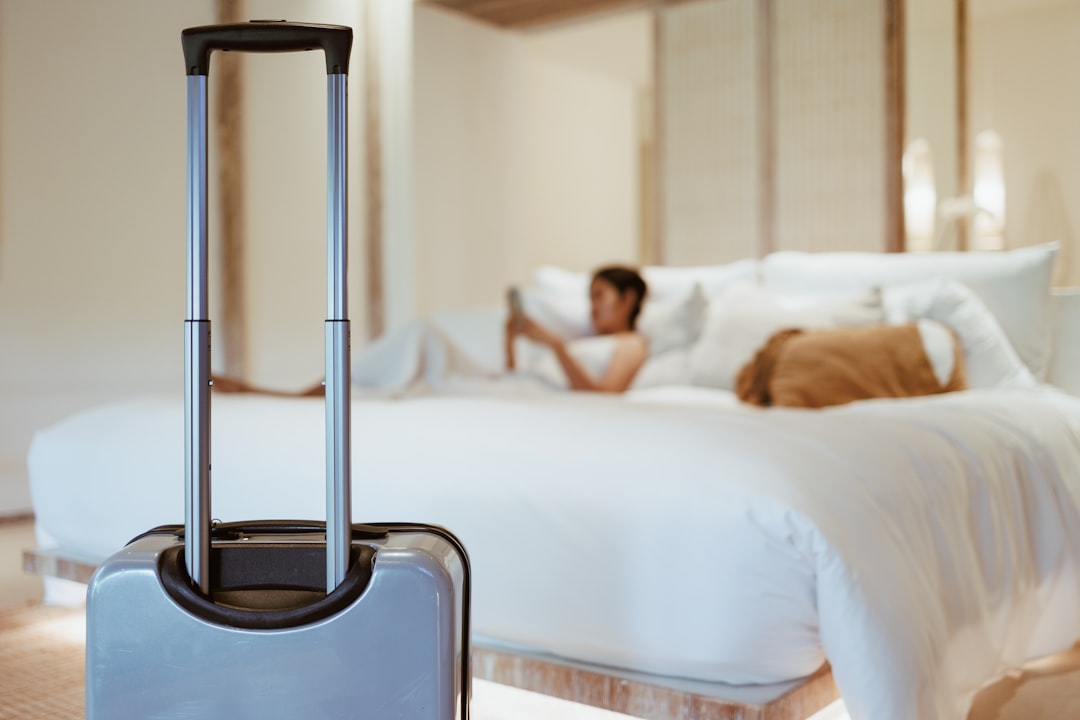
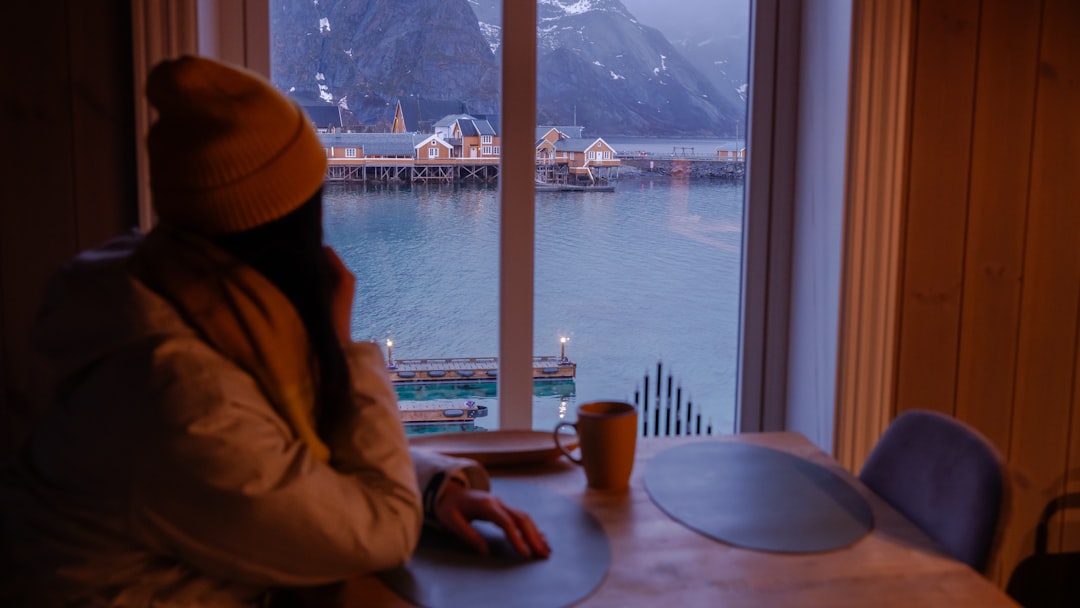
Photo by Supattra Khorasri on Unsplash
A cheap room can become an expensive mistake if it leaves you arriving in a dead zone after dark. Think about the feeling you want on your first night: lights on, reception open, a pharmacy nearby, a café still serving soup, and a short, obvious walk from a transport stop. That feeling starts when you book, not when you arrive.
If you are choosing between a beautiful apartment with self-check-in on a silent side street and a slightly plainer hotel with a 24-hour desk 300 meters from a main avenue, the safer solo choice is usually the second one. In cities like Lisbon, Tokyo, or Mexico City, a well-lit main street near transit often matters more than the extra 12 square meters of the room.
Use these filters before you book:
- Review score: aim for 8.5+ with at least 100 recent reviews, not just a high score from years ago.
- Solo-friendly signals: reviewers mention staff helpfulness, late check-in, lockers, secure entry, and neighborhood safety.
- Distance from transit: ideally within 300 to 700 meters of a major station or bus stop.
- Arrival logistics: avoid places that require an unmarked gate, coded courtyard, or multiple transfers after 9 p.m.
- Reception hours: for your first night, 24-hour reception is worth paying for.
- Room placement: ask for a room above ground level but not so high that an emergency exit feels confusing.
- Backup option nearby: identify one late-opening café, convenience store, or hotel within a 5-minute walk.
A few prices worth expecting in 2026:
- Hostel bed in a central, well-reviewed European city: €28 to €55.
- Budget hotel room near transit: €85 to €140.
- Female-only dorm upgrade: often €4 to €12 more than a mixed dorm.
- Small door wedge alarm or portable lock: $10 to $25.
For a city example of how smart location changes the feel of a trip, Porto Solo Travel Guide 2026: Safe Stays, Walks, and Nights shows why neighborhood choice matters as much as the room itself.
The route: build your first-night arrival plan before the plane lands
Photo by Mehdi Mirzaie on Unsplash
Most solo travelers do plenty of destination research and then somehow improvise the part between baggage claim and bed. That is the section most likely to go wrong. Fatigue, darkness, airport touts, dead batteries, and bad directions all stack up there.
Your first route should be boring. Boring is excellent. Pre-decide exactly how you will get from the airport or station to your accommodation, what it should cost, and what you will do if step one fails.
Build this arrival card in your notes app before departure:
- Accommodation name, address, and local-language version if needed.
- Check-in window and property phone number.
- Primary transfer plan: airport train, official bus, or app-based ride.
- Backup transfer plan if you land late or miss the last train.
- Expected cost range in local currency.
- Walking distance from final stop to hotel entrance.
- One backup place to wait safely if you arrive too early.
A good rule of thumb for traveling alone safely: if arrival is after 8 p.m., spend more to reduce complexity. A €22 official taxi to a known entrance is often smarter than saving €11 through two bus changes and a 12-minute walk on unknown streets.
Keep these first-night rules:
- Download offline maps before takeoff.
- Buy data fast: an airport eSIM or local SIM often costs $8 to $25 for 10 to 20 GB.
- Screenshot the route, hotel entrance, and booking confirmation.
- Do not stop in the middle of a sidewalk to study directions. Step into a shop, lobby, or café first.
- If a driver says the meter is broken or your hotel is closed, leave and use the official queue or app instead.
For scam-proofing this exact stretch of a trip, Travel Scam Checklist for 2026: From Booking to Taxi pairs well with a solid arrival plan.
I like pinning the hotel, airport station, and a backup late-night stop in TravelDeck so the first evening is one clean sequence instead of five open tabs.
The routine: daily habits that make traveling alone safely feel automatic
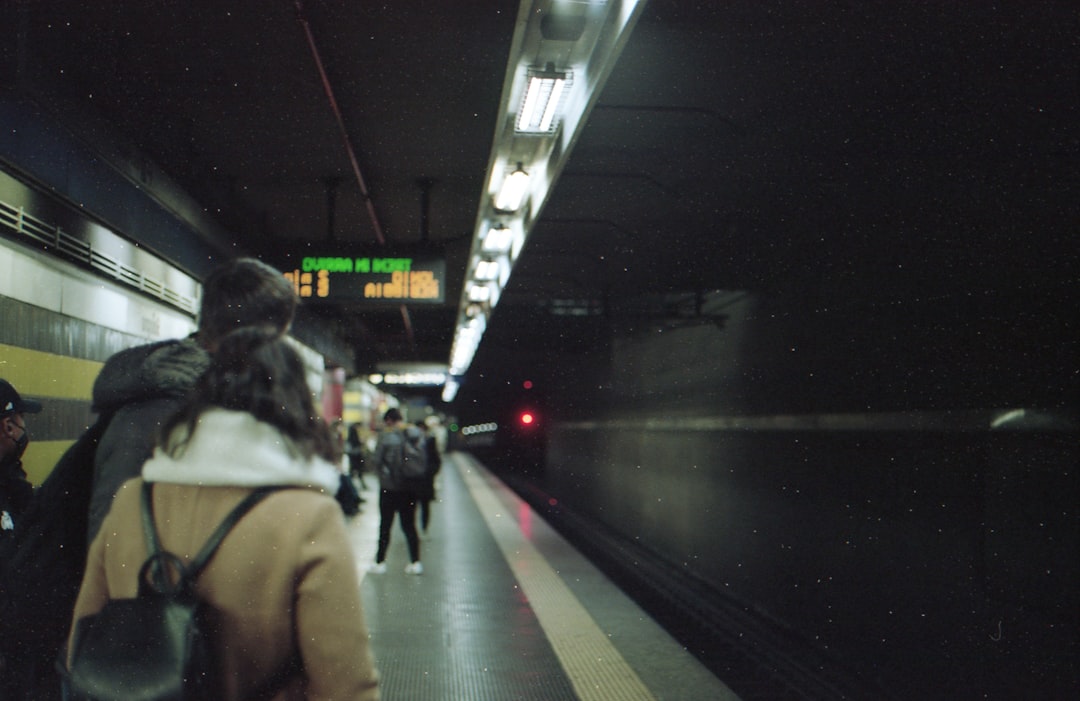
Photo by Ivana Cajina on Unsplash
Once you are in motion, safety is less about dramatic emergencies and more about tiny repeated choices. Where is your phone when you pay? Which pocket holds your transit card? How much cash do you carry today? The best routine is the one you can repeat when tired, hungry, or distracted by a cathedral bell and the smell of grilled sardines.
Think of your daily setup as layers. One layer can fail. Three layers usually hold.
Use this everyday routine:
- Phone: keep battery above 40% before sunset. Carry a 5,000 to 10,000 mAh power bank.
- Money: split resources into three places. Main wallet, backup card, and emergency cash.
- Cards: carry at least two cards on different networks, ideally Visa and Mastercard.
- Cash: keep $50 to $100 equivalent separate from your main wallet.
- Bag: use a zippered crossbody or daypack you can keep in front of you on transit.
- Documents: leave passport secured in your accommodation unless required that day; carry a digital copy.
- Social posting: post locations later, not in real time.
- Night rule: after dark, choose the route with more people and brighter storefronts, even if it is 7 minutes longer.
Here is the simplest money-and-device split that works in most places:
| Item | Where to keep it | Typical amount |
|---|---|---|
| Main spending card | Wallet | Daily use |
| Backup card | Separate pocket or hidden pouch | Unused unless needed |
| Emergency cash | Hidden in luggage or money belt | $50 to $100 |
| Transit card or small cash | Easy-access pocket | One day of transport |
| Passport copy | Phone and cloud storage | Full scan |
If you want a broader companion piece on habit-building, Safe Solo Travel Habits for 2026: Build a Backup System is useful alongside this solo travel safety guide.
Solo female travel safety: extra filters that are worth using
Most solo safety rules apply to everyone, but solo female travel safety does need a few additional filters. The goal is not to shrink your trip. It is to reduce avoidable exposure so your energy goes to the city, not to constant scanning.
Some destinations feel easy from the first hour. Others are more work: extra staring, more street chatter, more judgment when you are out alone at night. In those places, details that seem small on paper can massively change comfort on the ground.
Practical upgrades that are often worth the cost:
- Female-only dorms when hostel reviews mention noise, partying, or weak security.
- Accommodation with 24-hour reception rather than remote self-check-in.
- Rideshare or official taxi after dark, especially on your first two nights.
- A small personal alarm, usually $15 to $30.
- Clothing that blends with local norms when you want less attention, especially around religious sites or conservative districts.
Boundaries matter as much as gear. Do not tell a new acquaintance your room number, exact hotel name, or that you are changing cities tomorrow alone. If someone pushes for details, stay vague. One line works well: I am meeting friends later and still deciding my plan.
Solo female travel safety also improves when you choose daytime reconnaissance. On the first afternoon, walk the block around your stay. Notice the pharmacy, late shop, bank, metro entrance, and which side streets feel lively versus empty. That 20-minute lap will calm you more than another hour of scrolling reviews.
How to meet people while traveling alone without giving away your safety margin
One of the quiet paradoxes of solo travel is that being alone can make you more social. You sit at the bar counter instead of a private table. You join the walking tour. You say yes to the cooking class. The city opens because you are visible to it.
But meeting people safely means staying warm without becoming porous. You want connection, not overexposure.
Use this ladder when meeting people:
- Start in public, structured spaces: walking tours, food tours, hostel common rooms, museum events, group hikes.
- Move to low-stakes plans: coffee, market lunch, sunset viewpoint.
- Delay private settings: apartments, isolated beaches, long drives, or last-minute overnight trips.
Keep these habits in place:
- Meet first in a busy place with easy exits.
- Keep your own transport options and enough battery to leave independently.
- Limit alcohol when you do not know the area or the people well.
- Share live location with one trusted contact during dates or night outings.
- If plans drift somewhere that feels wrong, leave early and without apology.
If you are wondering how much independence to keep while still being social, the answer is simple: never let a new connection become your only way home.
Your solo travel emergency plan: five items and four numbers
An emergency plan sounds dramatic until you actually need one. Then it feels like oxygen. You do not need a thick binder. You need one compact system you can access even when stressed.
Create a note titled Emergency that works offline. Put it at the top of your notes app and email a copy to yourself. This is one of the most useful steps in any solo travel safety guide because it removes decision fatigue when your brain is tired or frightened.
Pack or save these five items:
- Passport scan and visa copy.
- Insurance policy number and emergency assistance line.
- List of medications, allergies, and blood type if relevant.
- Two emergency contacts with country code.
- Local address of your current accommodation.
And save these four numbers or categories:
- Local emergency number. In much of Europe it is 112, in the U.S. and Canada 911, in the U.K. 999 or 112.
- Your bank fraud line.
- Your embassy or consulate.
- Your accommodation front desk or host.
Useful official pages to bookmark before you go:
- U.S. travel advisories: travel.state.gov
- U.K. foreign travel advice: gov.uk/foreign-travel-advice
- CDC traveler health notices: wwwnc.cdc.gov/travel
- Europe-wide emergency info: 112.eu
Fast decision table: safer choice vs cheaper choice
| Situation | Cheaper choice | Safer solo choice | Typical difference |
|---|---|---|---|
| Late airport arrival | Public bus plus walk | Official taxi or app ride to the door | $10 to $25 |
| First-night stay | Remote bargain apartment | Central hotel or hostel with 24-hour desk | $20 to $50 |
| Phone data | Hunt for Wi-Fi in town | Airport eSIM or local SIM immediately | $8 to $25 |
| Carrying money | One wallet only | Split cards and emergency cash | No extra cost |
| New social plans | Go wherever the group drifts | Meet in public and keep your own exit | No extra cost |
FAQ
Is solo travel safe in 2026?
Yes, for most travelers in most destinations, solo travel is manageable and often very safe when your planning is sharp. The biggest real-world risks are usually petty theft, transport confusion, scams, and poor late-night decisions rather than dramatic worst-case scenarios. A solo travel safety guide helps because it focuses on preventing those ordinary problems.
What is the safest way to arrive in a new city alone at night?
Book the first night in a central place with staffed reception, save the exact route before landing, and use the simplest transfer option available. If arrival is after 8 p.m., paying $15 to $30 more for a direct official taxi or app ride is often worth it. The goal is not the cheapest arrival; it is the least complicated one.
How much emergency cash should a solo traveler carry?
A good baseline is $50 to $100 equivalent, split away from your main wallet. That should cover a ride, a meal, and a small emergency if your card fails. Carry more only if you are heading somewhere with poor card acceptance or long rural transport days.
Are hostels or hotels safer for solo travelers?
Either can be safe. Hostels often work well for meeting people and getting local advice, while hotels usually offer more privacy and steadier reception coverage. For your first night in an unfamiliar city, choose the property with the better location, clearer arrival instructions, and stronger recent safety reviews rather than focusing only on category.
What should I do if I feel uncomfortable with a person or place?
Leave early, go somewhere public, and do not negotiate with your own instincts. Walk into a hotel lobby, pharmacy, café, or convenience store. If needed, order a ride from there. When traveling alone safely, awkwardness is cheaper than risk.
Solo travel feels biggest in the moments when a place is unfamiliar and you still know exactly what your next three moves are. That is the real reward of preparation: not fear, not rigidity, but a wider kind of freedom. When the room is right, the route is clear, and the routine is yours, traveling alone becomes what it should be: alert, open, and thrilling in all the best ways.