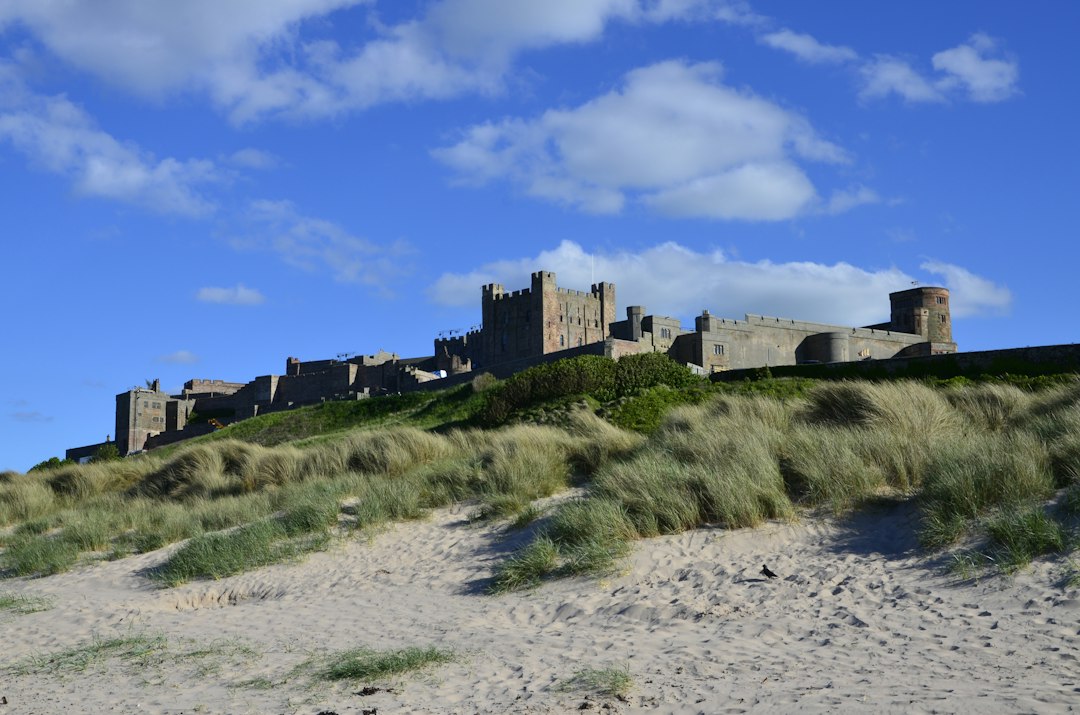
A tropical beach can look perfect in a photograph and be surprisingly inconvenient in real life: the sea might be rough, the island boat may not run, or the resort transfer could cost more than expected. The best tropical destinations match your travel dates and appetite for adventure as well as your idea of paradise.
Use these six coastal bases to choose a trip, estimate a working budget and book the connections that make your beach days possible.
Best tropical destinations at a glance
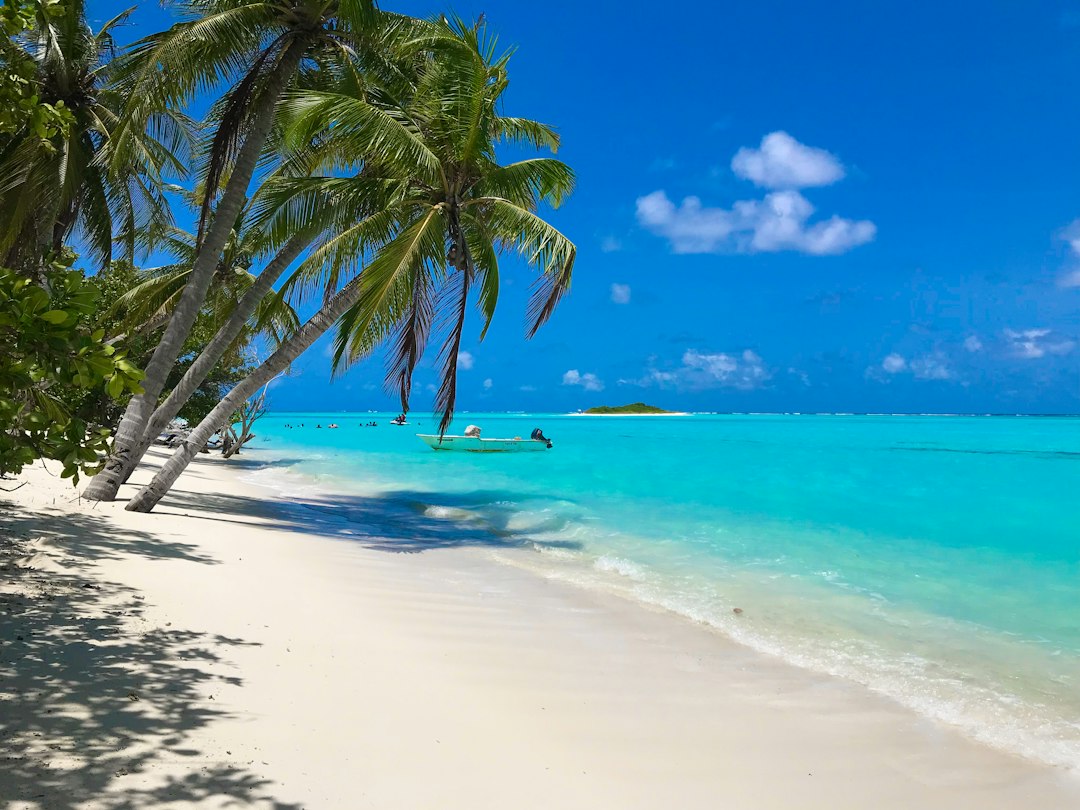
Photo by Ittemaldiviano 🇲🇻 on Unsplash
Picture palm shade over pale sand, then ask what you want to do beyond it. Belize makes a compelling case for snorkeling; Costa Rica adds rainforest wildlife; Mauritius rewards travelers who want beaches and mountain scenery without changing islands.
The figures below are planning estimates per person per day in US dollars, based on two people sharing a midrange room. They cover accommodation, casual meals, modest local transport and a small allowance for activities. International flights, travel insurance and major excursions are extra; holiday periods and remote resorts can cost considerably more.
| Destination and base | Good fit | Often favorable months | Planning estimate |
|---|---|---|---|
| Costa Rica: Manuel Antonio | Wildlife and rainforest beaches | December–April | $110–$180 |
| Belize: Caye Caulker | Snorkeling and car-free days | February–May | $90–$150 |
| Martinique: Les Anses-d’Arlet | Beach villages and food | January–April | $110–$180 |
| Thailand: Krabi coast | Limestone scenery and boat trips | December–March | $60–$110 |
| Malaysia: Perhentian Islands | Clear-water snorkeling | April–September | $60–$110 |
| Mauritius: west coast | Beaches, hiking and driving | October–December | $90–$160 |
These are useful starting windows, not weather guarantees. Before choosing among the best tropical destinations, compare flight routes from your home airport and check whether your preferred boat transfer operates on your actual dates. A cheaper room is less appealing if reaching it requires an unplanned overnight stop.
Best tropical destinations in the Americas
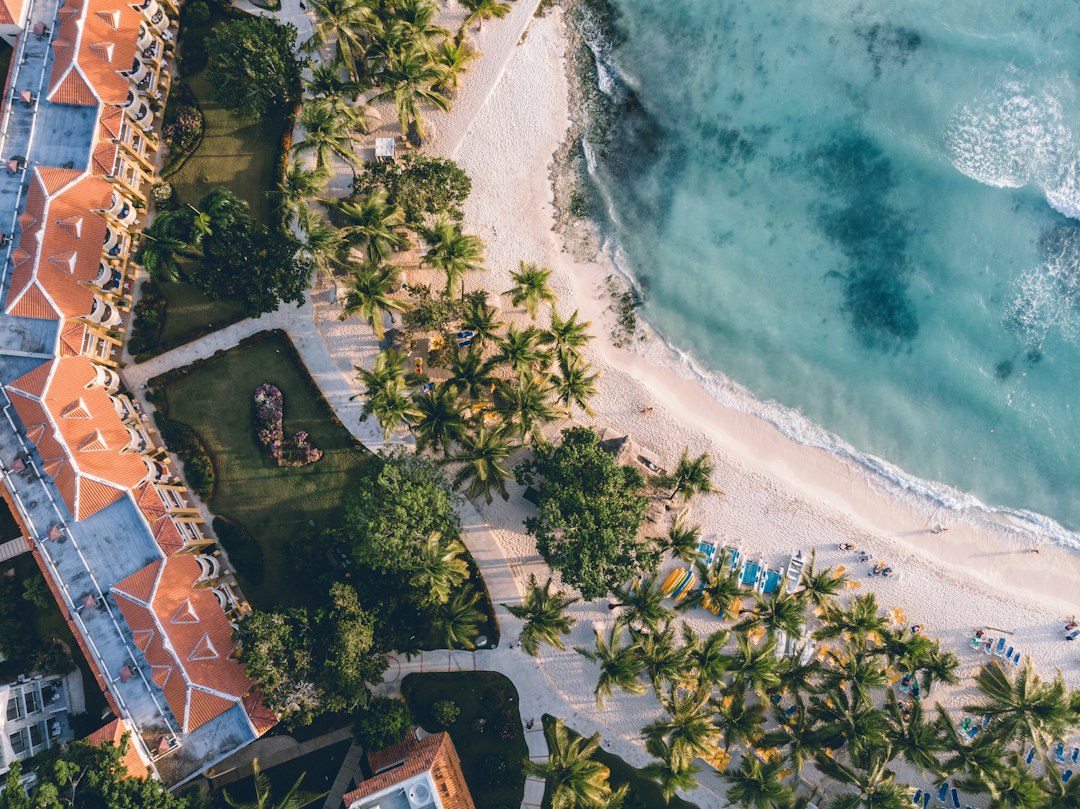
Photo by Michelangelo Azzariti on Unsplash
In Manuel Antonio, the forest can be louder than the beach: listen for monkeys in the trees as you walk toward the Pacific. Stay near the road between Quepos and the national park for easier access to restaurants, buses and beach days. The December–April dry season is popular; May–November generally brings more rain, particularly later in the day.
Plan at least four nights if you want a park visit, a beach day and a slower day around Quepos. Reserve national park entry ahead through the official Costa Rica parks system, check opening days before arranging a guide, and follow park rules on food and wildlife. Allow time for the journey from San José rather than treating it as a quick airport transfer.
Caye Caulker, Belize, feels different: sandy lanes, bicycles and the smell of grilled seafood set the pace. Its main draw is the nearby barrier reef, so choose it for boat-based snorkeling rather than expecting a long resort beach. February–May is often a useful starting point for the best time to visit; conditions still change with wind and weather.
For a four-night stay, arrange the international arrival first, then compare the onward water taxi or small-plane connection. Ask a snorkeling operator what equipment, marine-park fees and cancellation rules are included. Check seasonal information with Belize’s official tourism board.
Martinique’s Les Anses-d’Arlet suits travelers who want small bays, colorful waterfront houses and French Caribbean cooking. A rental car makes it easier to combine the village with neighboring beaches and inland scenery; budget for parking and fuel, too. January–April is generally drier, while the wetter Caribbean season overlaps the Atlantic hurricane season from June through November.
For any Caribbean booking in that period, check storm forecasts close to departure and read accommodation, flight and insurance cancellation terms before paying. A tropical beach vacation can still be enjoyable outside the drier months, but it needs a flexible plan.
Best tropical destinations in Asia for beach and boat days
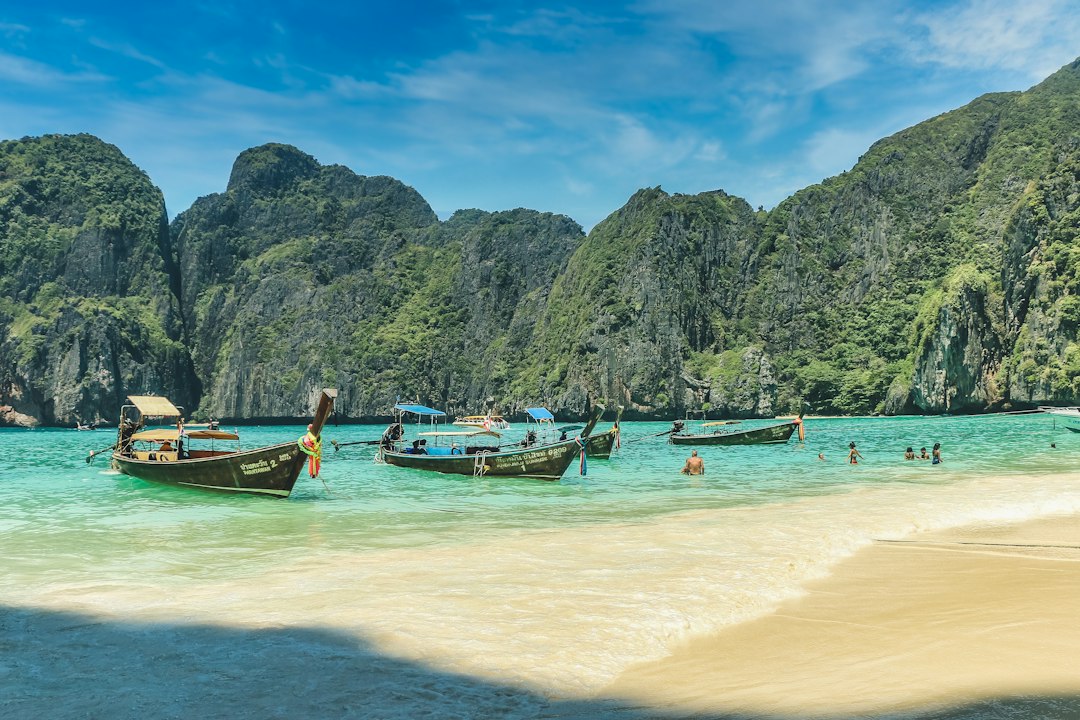
Photo by M o e on Unsplash
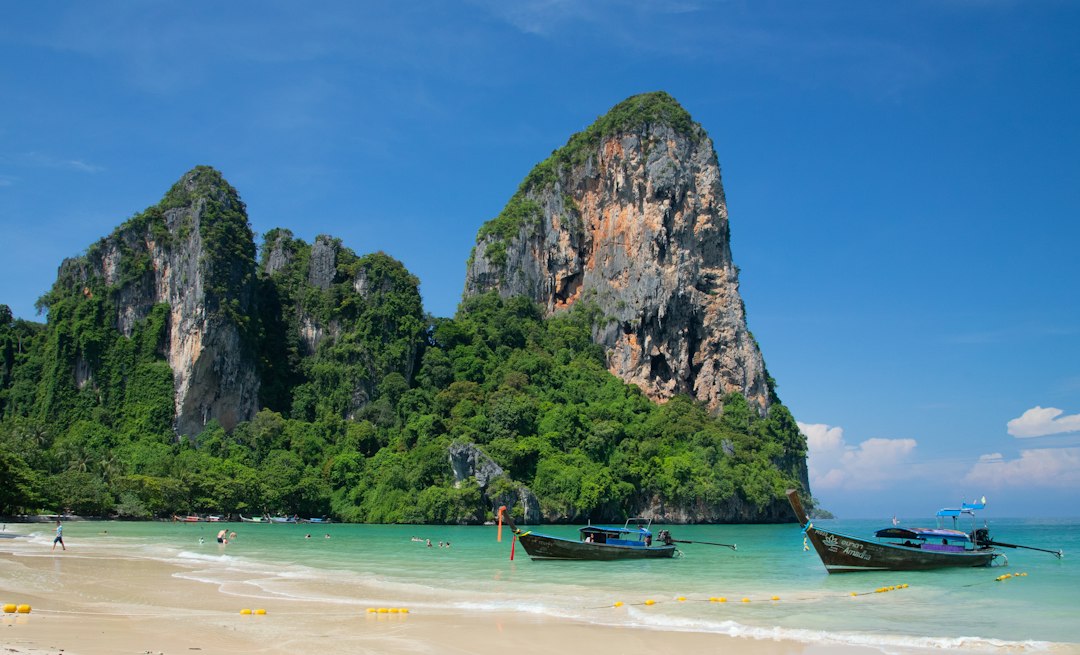
Krabi’s limestone cliffs rise abruptly over green water, with long-tail boats gathering along the shore. Ao Nang is a practical base for restaurants and boat departures; Railay is more atmospheric if you want to stay among the cliffs, but it is reached by boat and has less flexibility for onward road travel.
December–March is often the best time to visit for more settled Andaman coast conditions. During roughly May–October, the rainy season can bring rougher seas and disrupted boat trips. Book a refundable room when possible, and leave a spare day if an island excursion is your main reason for visiting.
A workable five-night Krabi plan is two beach or boat days, one inland day around Krabi town or a walking trail, and one uncommitted weather day. Ask operators about life jackets, pickup points and whether park fees are included before comparing prices. Don’t assume a dramatic-looking boat journey will run in every sea condition.
Malaysia’s Perhentian Islands offer a quieter version of the tropical beach vacation: shallow turquoise bays, forested hills and snorkeling close to shore in some locations. The islands are usually more practical from April–September; during the northeast monsoon, roughly November–February, many accommodations and boat services reduce operations or close.
Reach the islands by boat from Kuala Besut, allowing for the journey from the mainland airport or your previous stop. Confirm your hotel’s boat arrangement and last departure before buying a flight; if the connection is tight, spend a night on the mainland. Bring enough cash for smaller purchases and check whether your room has reliable electricity, air conditioning and drinking-water access.
In either destination, protect the reef by keeping your distance from coral and marine life, never standing on coral, and choosing an operator that explains responsible snorkeling. A rash guard adds sun protection without relying on frequent sunscreen reapplication in the water.
Mauritius: a tropical island with room to roam
On Mauritius’s west coast, the dark outline of Le Morne rises behind a bright lagoon. Stay around Flic en Flac for a long public beach and restaurants, or look farther south near Le Morne for mountain-and-water scenery. The island works particularly well for travelers who want to alternate swimming with market visits and hikes rather than move between islands.
October–December can be a useful window for a west-coast stay, before the peak of the warmer, wetter cyclone season. January–March carries greater tropical cyclone risk; forecasts matter more than averages when departure is close. The west and east coasts also experience different wind and rain patterns, so check conditions for your specific beach.
Give Mauritius at least five nights if you want a little variety. With a rental car or arranged driver, combine a beach morning with a separate trip to Black River Gorges National Park; leave a full day for the south if you plan several stops. Driving is on the left, and short-looking distances can take longer than expected on local roads.
Check the official Mauritius tourism site for destination information, and confirm hiking conditions locally before setting out. For a water-focused trip, ask your hotel where swimming is appropriate on your dates: lagoons, currents and boat traffic vary by beach.
How to plan a tropical trip budget and book transfers
A tropical trip budget often goes wrong between the airport and the beach. A low nightly room rate can hide an expensive boat, mandatory transfer, park fee or meal plan. Price the whole stay before deciding which of the best tropical destinations is cheapest for you.
For a seven-night trip with two people sharing, use this copyable estimate as a starting point. The example assumes $120 per person per day on the ground, plus a return flight of $700 per person; replace both figures with quotes for your dates.
| Cost | Example per person |
|---|---|
| Seven days on the ground at $120 | $840 |
| Return international flight | $700 |
| One major boat or wildlife excursion | $100 |
| Insurance and entry or transfer extras | $110 |
| Subtotal | $1,750 |
| Contingency, roughly 10% of subtotal | $175 |
| Working total | $1,925 |
The ground allowance already includes small activities, so the $100 excursion is for one additional major outing. Insurance, entry and transfer costs vary widely; get your own quotes rather than treating $110 as a fixed price. For another approach to comparing packaged trips, read Beach Package Holiday Costs 2026: Book Smarter, Spend Less.
Before committing, work through these steps:
- Check entry and health requirements. Use your destination’s official immigration guidance and the CDC Travelers’ Health pages for your itinerary. Passport, visa and vaccination requirements depend on nationality and route.
- Price the final connection. Note the airport, pier, departure time and luggage allowance. If the last boat leaves before you can reliably reach it, add a mainland night.
- Read weather-related terms. Check whether accommodation, tours and transport offer refunds, changes or credits when a storm interrupts service. Insurance coverage depends on the policy and purchase timing.
- Choose one weather-sensitive priority. Put your must-do snorkel trip or park visit early in the stay, leaving another day open for a change of plans.
- Keep the arrival simple. Arrange a legitimate transfer or identify an official taxi option before landing; the airport arrival rules explain what to check.
A trip plan in TravelDeck can keep the accommodation address, transfer timing and alternate excursion day together. Pack a dry bag, insect repellent, sun protection, any required medication and a light rain layer; add water shoes only if your chosen beach or operator recommends them.
FAQ
Which tropical destination is best for first-time visitors?
Krabi is a strong choice if you want a developed coastal base, varied accommodation and easy access to boat trips. Mauritius is appealing if you prefer a single island with beach and inland options. Choose between them by comparing flight connections and the best time to visit for your dates, not just hotel prices.
What is the cheapest tropical destination on this list?
Krabi and the Perhentian Islands have the lowest estimated daily ranges here, at $60–$110 per person for two sharing. They are not necessarily the cheapest overall: a long-haul flight or extra mainland night can change the result. Calculate your tropical trip budget door to door before booking.
Is it worth visiting during the rainy season?
Sometimes. Rain can mean greener scenery and lower accommodation rates, but it can also bring rough seas, closed properties or canceled boats. Krabi and the Perhentians have different seasonal patterns, so check the exact coast and confirm that the activities you want will operate.
How many days should I spend on a tropical beach vacation?
Allow at least four nights in one base for a relaxed short stay, or five to seven if you want several excursions and a weather buffer. Add travel days separately when reaching the coast involves a long drive, a boat or an overnight connection.
The right tropical coast is the one you can reach comfortably, afford completely and enjoy even if one boat trip moves to tomorrow.