Most solo trips do not go wrong because a country is inherently unsafe. They go wrong because one small decision stacks onto another: a late landing, a dead phone, a cheap room on a silent street, a ride you did not verify. If you want to know how to travel alone safely in 2026, think less about fear and more about systems.
The good news is that solo travel has never been easier to organize well. Mobile data is cheaper, public transport is better mapped, and travelers can build a clean plan before wheels even touch the runway. The aim of this guide is simple: give you a solo travel safety routine you can copy into your next trip, whether you are landing in Tokyo at 9:30 p.m., arriving in Lisbon with a carry-on, or taking a weekend train to Prague after work.
Plan the first 24 hours of solo travel safely
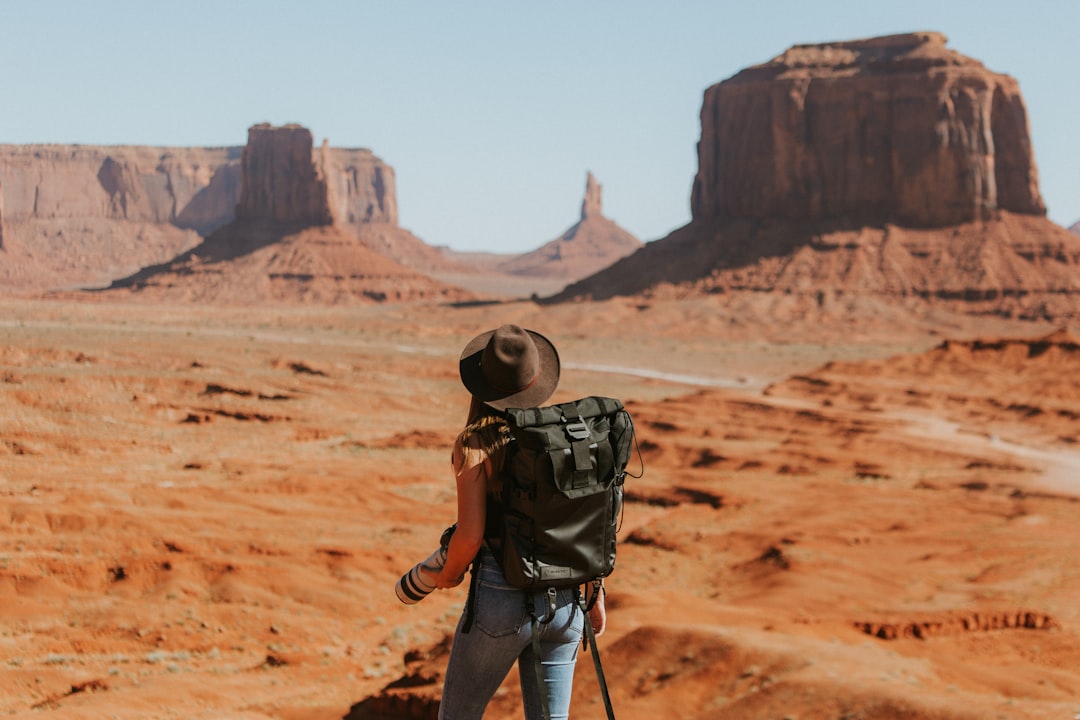
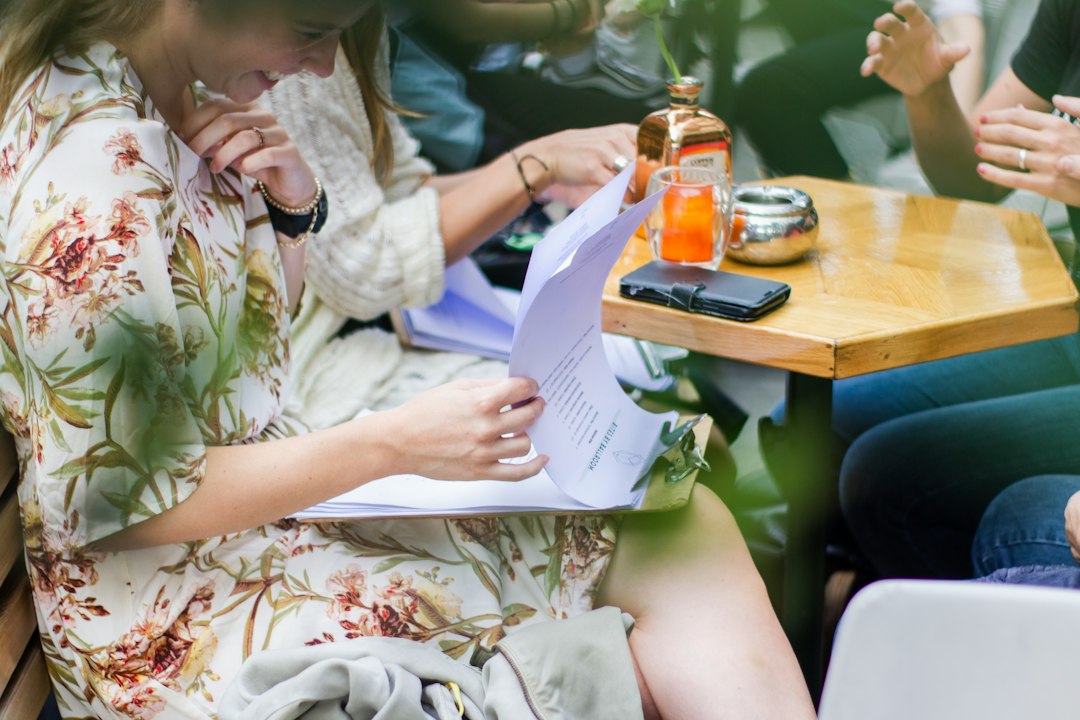
Photo by Ivana Cajina on Unsplash
Your first day sets the tone for the whole trip. The airport air feels dry, your shoulders are tight, and every sign looks slightly more confusing after a flight. That is when people make their weakest choices: taking the first unofficial taxi, wandering for dinner in an unfamiliar district, or trying to save €18 by arriving after midnight.
If you are serious about how to travel alone safely, design your arrival around clarity, not maximum savings. An afternoon landing is usually worth a slightly higher fare. In practical terms, paying €35 more for a flight that gets you into Porto at 3 p.m. instead of 11:40 p.m. often buys you better transit options, daylight check-in, and the mental space to notice what is around you. If you are arriving long-haul, pair this with a softer landing plan from Recover From Jet Lag in 2026: A Smarter First 48 Hours.
Here is a first-day framework you can copy:
| Task | Target | Time | Typical cost |
|---|---|---|---|
| Land | Before 4 p.m. local time | Before booking | Often €20-€60 more than the latest flight |
| Transfer | Pre-check 2 ways into town | 10 minutes | Airport train €2-€15, official taxi €20-€50 |
| Sleep | Book first 2 nights in a central area | Before departure | Sometimes 10-15% more than the cheapest edge-of-city option |
| Data | Activate eSIM or airport SIM on arrival | 5-15 minutes | $15-$35 for 10-20GB in many major destinations |
| Check-in | Send one live message to a trusted contact | 1 minute | Free |
A strong first 24-hour solo trip checklist looks like this:
- Book your first two nights before you fly, even if the rest of the trip stays flexible.
- Save your hotel name, address, and nearest transit stop offline.
- Screenshot the route from airport to hotel in case the signal drops.
- Keep one small food fallback in your bag: nuts, crackers, or a protein bar.
- Share your arrival window and accommodation details with one trusted person.
- Put your first-night plan into one shared note or itinerary tool such as TravelDeck, so someone else can see where you are meant to be.
If you want one extra layer of protection, read through Travel Scam Checklist for 2026: From Booking to Taxi before departure. Most first-night mistakes are not dramatic crimes; they are tired, rushed decisions.
Choose accommodation that makes solo travel easier
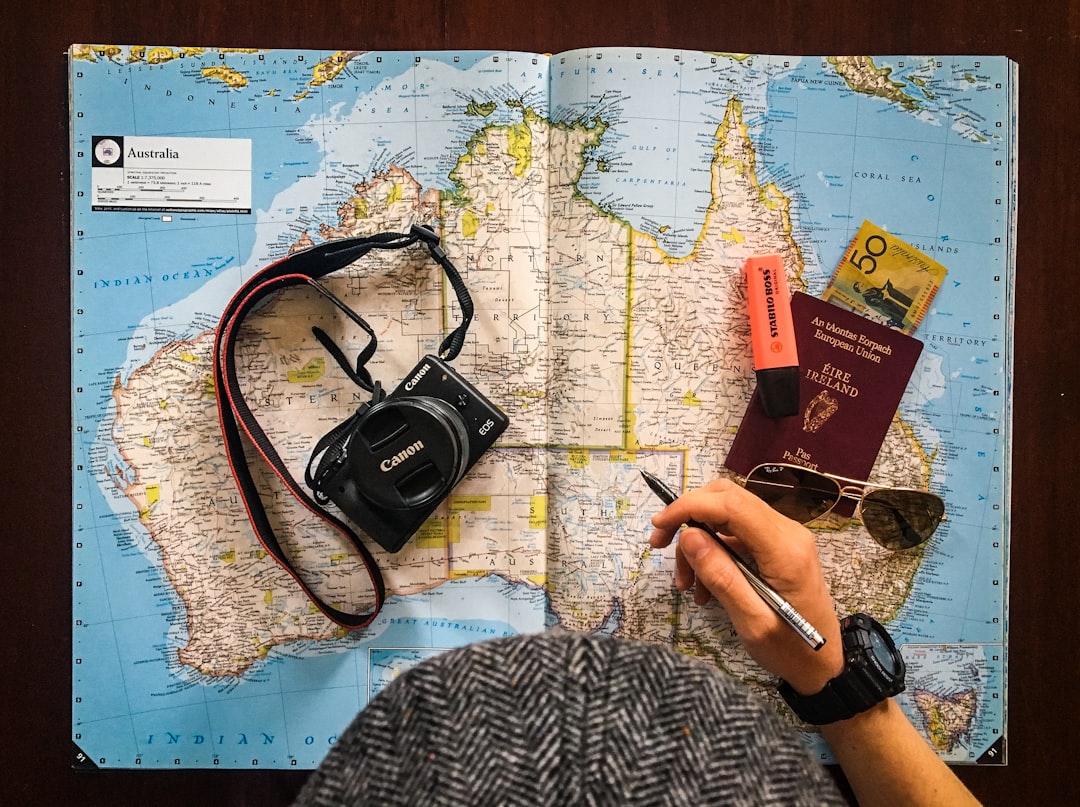
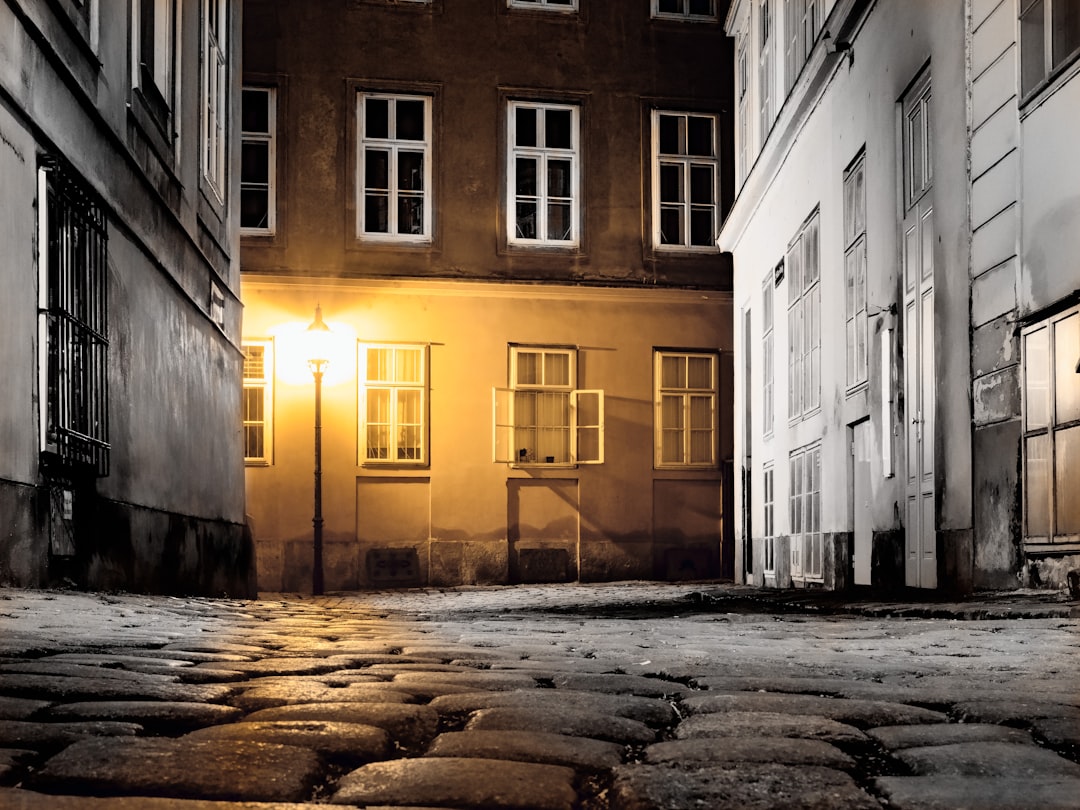
Photo by Tom Cleary on Unsplash
A beautiful room is not always a smart room. A stylish apartment down a silent alley may look romantic in photos, but it feels different when you are dragging a bag over cobblestones at 10:50 p.m. with 8% battery left. Safe accommodation for solo travelers is less about luxury and more about friction: how many things have to go right before you reach your bed?
Think in layers. The property itself matters, but so does the area, the walk from transit, the lighting outside, and what happens if you arrive late or feel uneasy. In Porto, for example, staying near central, active areas can make evenings far simpler than choosing a bargain farther out; Porto Solo Travel Guide 2026: Safe Stays, Walks, and Nights shows exactly how neighborhood choice changes the feel of a solo stay.
When booking, use these filters first:
- Review score of 8.5+ with at least 20 recent reviews.
- Comments that mention staff helpfulness, neighborhood safety, and late check-in.
- A location within a 10-minute walk of a major bus, metro, or tram stop.
- Food, pharmacy, and convenience options within 300-500 meters.
- Reception or contact support that is easy to reach after dark.
Then use this room rule of thumb:
- Pick floors 2 through 6 when possible, rather than ground floor rooms.
- At hostels, choose dorms with full-size lockers and bring a small combination lock.
- In apartments, look for self-check-in instructions that include photos of the entrance, keypad, and building number.
- Save the address in the local language script if you are traveling in Japan, Thailand, or Greece.
These are small details, but this is where real solo travel safety tips live. When you check in, ask the front desk or host three direct questions: Which street should I avoid late at night? What is the easiest official way back after 10 p.m.? Where is the nearest 24-hour place for water or food? Staff answer these faster and more honestly than most guidebooks.
Use smarter transport and street habits when traveling alone
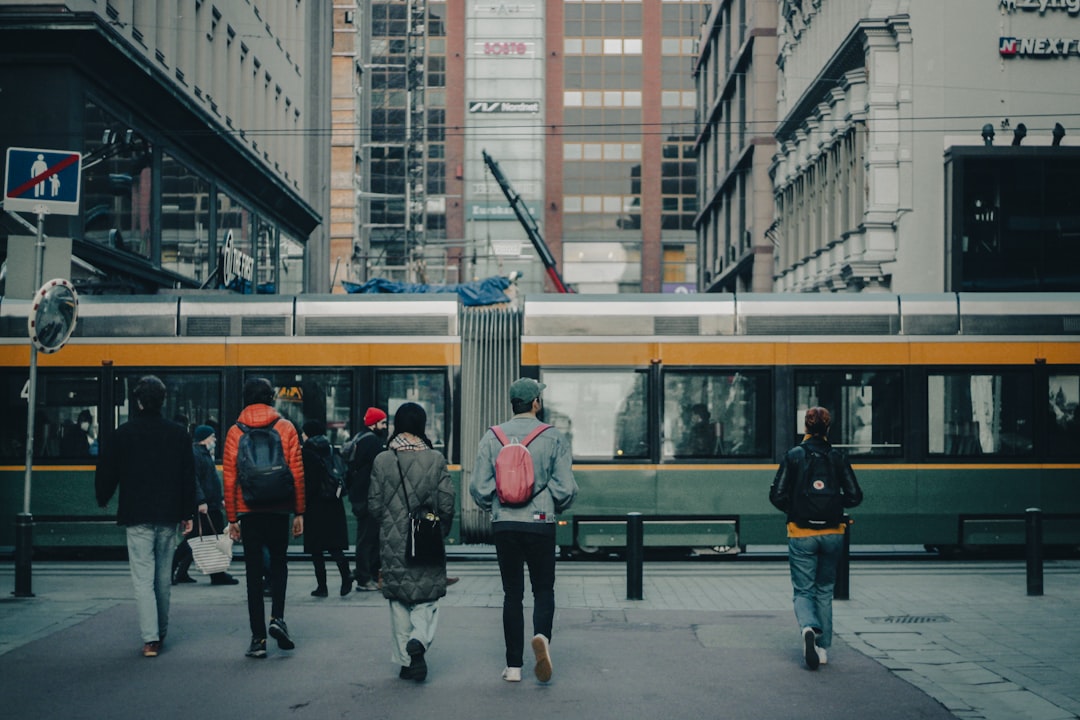
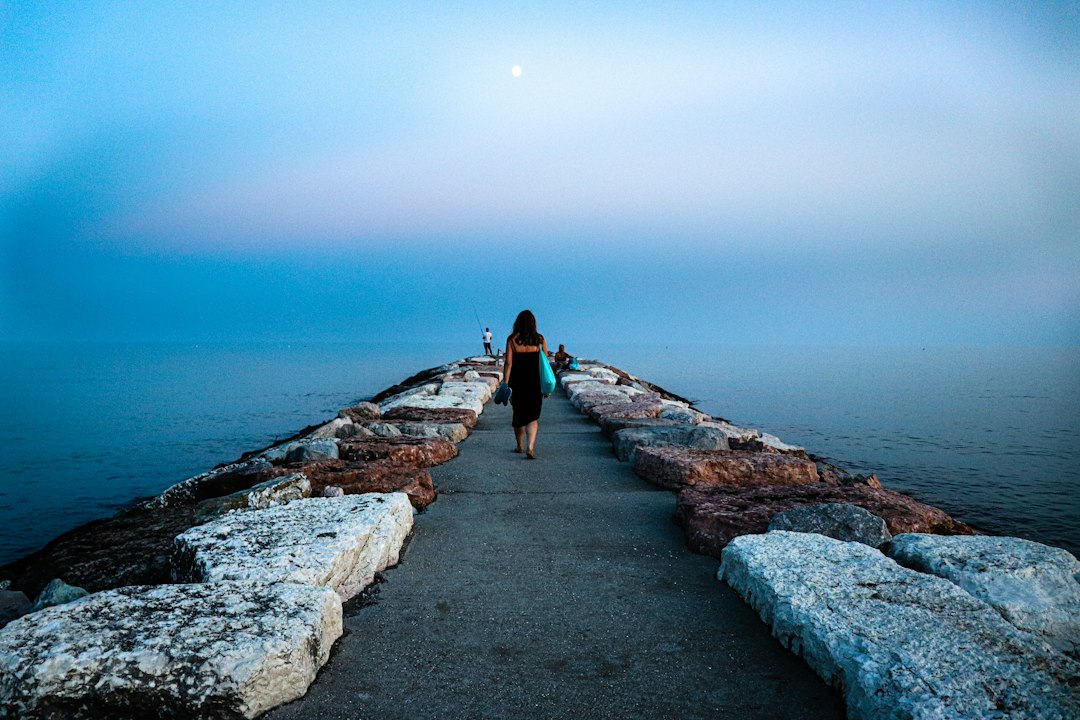
Photo by Jason Mendes on Unsplash
The street can feel louder when you are alone: scooter engines in Hanoi, tram bells in Lisbon, the hiss of bus doors in Berlin, a suitcase wheel rattling over old paving stones. That sensory overload is exactly why travelers stop in the middle of the sidewalk and stare at their phone. It is also why they look lost.
Traveling alone safely is often about rhythm, not toughness. Move with purpose, then pause on purpose. Step into a bakery, hotel lobby, or pharmacy to recheck directions. Keep your bag zipped before you leave the room, not halfway down the block. If a route feels wrong, you do not need to prove anything by continuing.
Use these transport habits everywhere:
- For airport arrivals, use official taxi lines, licensed rideshare pickup points, or direct rail links.
- Before entering any car, match the plate, driver name, and vehicle model to the app.
- Sit in the rear seat, ideally behind the passenger seat, so you can exit on either side.
- Share the live ride link with one contact when traveling late.
- On trains and buses, loop a backpack strap around your leg or arm if you are drowsy.
- Avoid your first overnight bus or sleeper train on day one, when you are tired and disoriented.
One useful money-saving rule: if the safe ride home costs less than one cocktail in a major capital, just take it. In London or Copenhagen that might mean £15-£25 for a late taxi; in Krakow or Budapest it might be €6-€12. That is cheap insurance compared with getting turned around after midnight.
This is also where how to travel alone safely becomes practical rather than abstract. You do not need to avoid nightlife, wandering markets, or evening river walks. You need a return plan. Decide before you leave dinner how you are getting back, from which corner, and with which backup if your first option fails.
Protect your money, phone, and documents abroad
Losing your wallet when traveling with friends is annoying. Losing it alone can stall an entire trip by lunchtime. The fix is not carrying less; it is splitting risk so one mistake does not become a full emergency. Think of your valuables like a ship with watertight compartments.
Your phone is now map, camera, boarding pass, bank, translator, and emergency line. That makes it more important than your shoes and, on some days, almost as important as your passport. Good solo travel safety tips therefore include digital habits as much as street habits.
Copy this setup:
| Item | Keep on you | Keep in room safe or hidden pouch | Keep online |
|---|---|---|---|
| Main card | Yes | No | Photo only |
| Backup card from different network | No | Yes | Bank app access |
| Day cash | Yes, small amount | No | No |
| Emergency cash | No | Yes, separate from wallet | No |
| Passport | Only on travel days if required | Yes | Scan in secure cloud folder |
| Insurance details | Yes, photo on phone | Optional paper copy | Full PDF |
A solid solo setup usually includes:
- Two bank cards on different networks, such as Visa and Mastercard.
- Emergency cash of $50-$100 or €50-€100 hidden separately from your wallet.
- Offline maps downloaded before you leave the airport.
- Phone tracking and remote wipe enabled.
- Photos and scans of passport, visa, insurance, and prescriptions.
- ATM use inside a bank branch or shopping center during daylight whenever possible.
For many trips, this is the difference between a ruined day and a 30-minute inconvenience. If your card gets blocked in Buenos Aires or your phone vanishes on a night bus in Rome, you still have another payment method, your key documents, and a way to access bookings. That is the backbone of how to travel alone safely in the real world.
Meet people safely on a solo trip without losing your boundaries
One of the sweetest parts of solo travel is how quickly a day can change. Breakfast alone turns into a walking tour, a walking tour becomes lunch in a market hall, and by evening you are sharing stories with people from three countries on a rooftop terrace. The social magic is real. So is the need for limits.
The safest solo travelers are not the coldest ones. They are the clearest ones. They know the difference between being open and being overly available. If you are traveling alone safely, you should be able to enjoy company without handing strangers your full schedule, room number, or tomorrow's hiking route.
Better ways to meet people:
- Choose social hostels over party hostels if connection matters more than chaos.
- Book a walking tour on your first full day; in many European cities, tip-based tours still work out around €10-€20.
- Join a cooking class, market tour, or day trip in the $25-$60 range rather than an all-night bar crawl.
- Use coworking day passes, often $10-$25, if you want calmer social energy.
- Sit at counter seating, communal tables, or cafe bars where short conversation happens naturally.
Boundary rules worth keeping:
- Never tell a new acquaintance your room number.
- Do not share that you are going somewhere remote alone the next day.
- Buy your own drinks and keep them in sight.
- Have one clean exit line ready, such as: early train tomorrow, I am heading back now.
- For first meetups, stay within a 15-minute ride or walk from your accommodation.
This matters for everyone, and especially for women traveling solo. Dressing to blend in, choosing female-only dorms when that helps, or carrying a small personal alarm is not paranoia. It is practical trip design. Safe solo travel is not about shrinking your world; it is about widening it without becoming easy to corner.
Create an emergency plan before you leave home
The most calming solo travel habit is knowing exactly what you will do if something goes sideways at 11:15 p.m. Not vaguely. Exactly. Lost passport in Madrid. Twisted ankle in Queenstown. Dead phone in Bangkok. Missed last train in Amsterdam. When there is a script, panic stays smaller.
A good emergency plan fits on one phone note and one paper card. That card should live in a day bag or wallet, not in the bottom of your suitcase. If you are wondering how to travel alone safely without becoming obsessive, this is the answer: prepare once, then stop spinning worst-case stories in your head.
Your emergency card should include:
- Local emergency number. In much of Europe it is 112.
- Accommodation name, address, and phone number.
- Insurance emergency assistance number.
- One emergency contact at home.
- Nearest embassy or consulate address.
- Any allergy, medication, or blood type note you need.
- Two local phrases: I need help, and I need a doctor.
Useful official links to save before departure:
- U.S. Smart Traveler Enrollment Program
- UK foreign travel advice
- CDC travel health notices
- EU emergency information for travelers
One final rule for traveling alone safely: decide in advance what counts as a stop signal. Maybe it is two bad feelings in a row. Maybe it is being too tired to navigate cleanly. Maybe it is reaching your second drink when you still need to get back alone. When your stop signals are pre-decided, you do not negotiate with yourself when you are tired.
FAQ
Is solo travel safe for beginners in 2026?
Yes, especially if you choose destinations with strong public transport, central accommodation, and easy mobile data. For a first trip, a city with clear transit, English-friendly services, and walkable neighborhoods is usually safer than an over-ambitious multi-country route. A three-night stay in one city often teaches you more about how to travel alone safely than a rushed ten-stop itinerary.
Is it safer to stay in a hostel or a hotel when traveling alone?
It depends on the property, not the category. A well-reviewed hostel with lockers, 24-hour staff, and an active common area can feel safer than an apartment in an empty district. A mid-range hotel near a station may be better than a bargain private rental 6 kilometers out with no late transport.
How much emergency cash should a solo traveler carry?
A practical amount is $50-$100 or €50-€100, split away from your main wallet. That usually covers food, a local taxi, or one unexpected transfer if a card fails. Carrying more than that every day is often unnecessary and increases the sting of a loss.
Is it safe to go out alone at night on a solo trip?
Often yes, if you control the setup. Stay in busy areas, know your route back, keep enough battery for navigation, and use verified transport if the walk home feels uncertain. The key to traveling alone safely at night is not avoiding evenings altogether; it is refusing vague plans.
Solo travel gets easier the moment you stop treating safety as a mood and start treating it as a system. A well-lit bed for the first two nights, a verified ride, a backup card, an exit line, an emergency note: none of these kill spontaneity. They protect it.
That is the real reward of going alone. When the basics are handled, the city opens up. You notice the smell of espresso at dawn, tram cables singing overhead, the gold light on old stone, and the quiet pride of realizing you can take care of yourself almost anywhere.