Early August in Iceland can give you more than 17 hours of daylight, which means a full waterfall day can still end with a harbor dinner in clear evening light. That is exactly why this Iceland in August itinerary works so well for first-timers: you can cover Reykjavík, the Golden Circle, the South Coast, glacier lagoons, and the Snæfellsnes Peninsula without turning the week into a blur.
This route is built for 7 days in Iceland with a rental car, realistic stop lengths, and enough slack for the one thing Iceland always adds to the schedule: weather. It keeps the driving ambitious but not punishing, uses August light to your advantage, and avoids the classic mistake of trying to cram the full Ring Road into a single week.
If you like seeing distances and overnights on one visual map before you book, TravelDeck is handy for laying out this loop day by day.
| Day | Route | Overnight |
|---|---|---|
| 1 | Keflavík, Blue Lagoon, Reykjavík | Reykjavík |
| 2 | Golden Circle, Secret Lagoon | Hella or Hvolsvöllur |
| 3 | South Coast waterfalls, Vík | Vík |
| 4 | Skaftafell, Jökulsárlón, Diamond Beach | Kirkjubæjarklaustur or Hof |
| 5 | Canyon stops, Hveragerði, Reykjavík | Reykjavík |
| 6 | Snæfellsnes Peninsula day trip | Reykjavík |
| 7 | Reykjavík and departure | — |
Day 1: Lava, Steam, and a First Reykjavík Evening
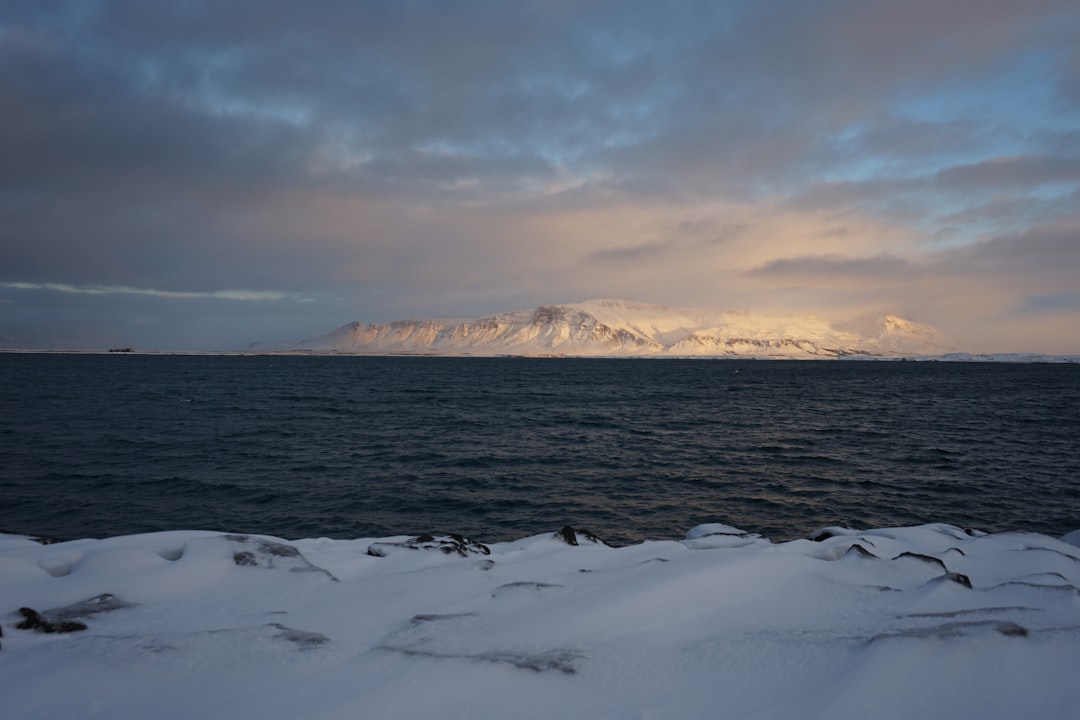
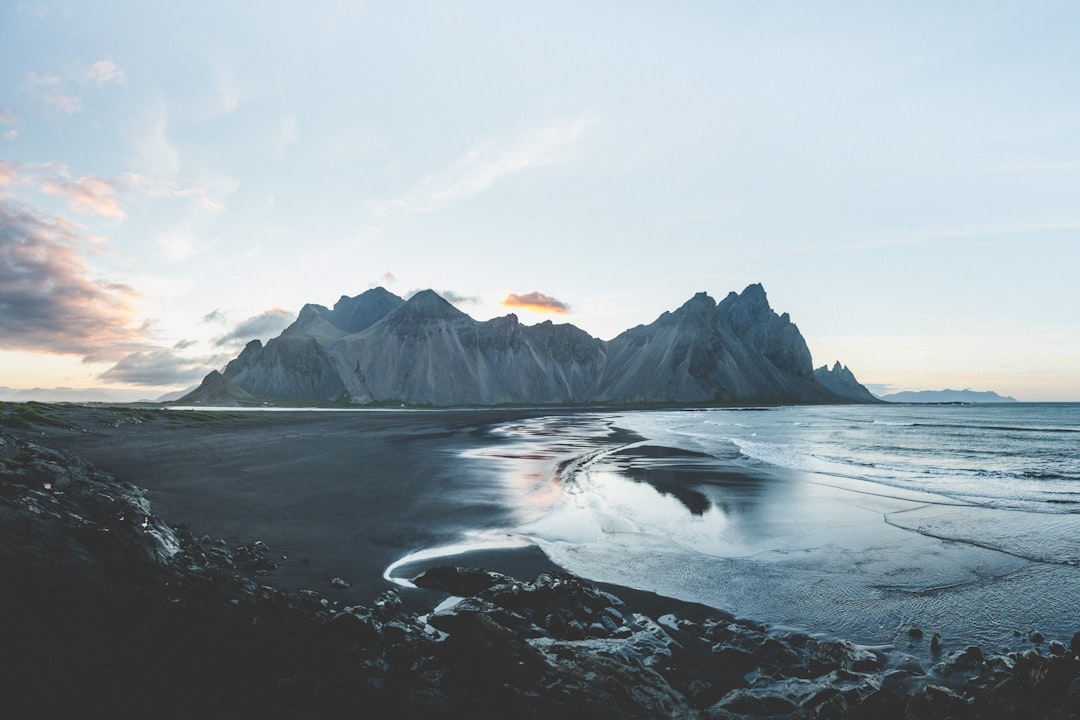
Photo by ludwig friborg on Unsplash
For an Iceland in August itinerary, arrival day is more useful than it looks. Even if you land slightly foggy from an overnight flight, the brightness outside pulls you awake fast. The drive out of Keflavík is all low lava fields, silver moss, and open sky, and within minutes Iceland starts looking bigger, emptier, and more elemental than most people expect.
The smartest move on day one is not to chase too much distance. A geothermal soak gives you a soft landing, and the contrast is unforgettable: milky blue water, black lava, cold air on your face, and steam blurring the horizon. If you prefer to skip a long city morning with luggage, this is the moment to do it. The Blue Lagoon still feels dramatic because it looks almost artificial until you step in and realize the surrounding lava makes it feel prehistoric rather than polished.
By late afternoon, Reykjavík is the perfect reset. It is compact, walkable, and bright in August, with colorful tin-roof houses, crisp sea air, and cafés that feel half Nordic design showroom, half storm shelter. Walk from Hallgrímskirkja down Skólavörðustígur to the old harbor, then let the first evening stay simple: fish soup, a harbor stroll, and an early night before the real driving begins.
- Morning, 06:00-11:30: Land at Keflavík Airport, pick up your rental car, and drive 20 minutes to the Blue Lagoon. Stay about 2 to 2.5 hours. Blue Lagoon Comfort entry usually starts around ISK 13,000-15,000 in August.
- Afternoon, 12:30-17:00: Drive 50 minutes to Reykjavík, check in, then walk Hallgrímskirkja, the church tower, Sun Voyager, and Harpa. Hallgrímskirkja tower ticket is about ISK 1,400.
- Evening, 18:00-21:30: Dinner near the Old Harbor or Laugavegur. Expect ISK 4,500-7,500 for a main and drink at a mid-range restaurant. Overnight in Reykjavík.
- Insider tip: Book the earliest Blue Lagoon slot you can actually make after landing. If your flight arrives later or you hate the idea of a timed stop on arrival day, swap it for Sky Lagoon on Day 7 and go straight into the city.
Day 2: Golden Circle Drama and a Quiet Lagoon Night
Photo by Aarón Blanco Tejedor on Unsplash
The reason an Iceland in August itinerary should include the Golden Circle early is simple: it introduces the country in layers. First you stand inside a rift valley at Þingvellir, where North America and Eurasia are literally pulling apart. Then you watch the geothermal field at Geysir breathe and spit. Then you reach Gullfoss and understand, very quickly, that Icelandic waterfalls do not perform for photos so much as overwhelm the entire landscape.
What makes this day feel better in August is the color. The moss is bright, the riverbanks are green, and the long light softens even the busiest stops if you arrive early. You also have enough daylight to avoid rushing lunch, and that matters here. A greenhouse lunch at Friðheimar or a slower meal around Flúðir breaks up the most touristed part of the route and makes the Golden Circle feel less like a conveyor belt.
Finish the day in warm water again, but on a smaller scale. The Secret Lagoon is not grand or glossy; it is exactly why many people fall for Iceland. You sit in naturally heated water, steam drifts over the pool, little bubbling vents hiss nearby, and the countryside goes quiet in every direction. After that, sleeping in Hella or Hvolsvöllur sets you up perfectly for the South Coast Iceland stretch.
- Morning, 08:00-12:30: Reykjavík to Þingvellir, then Geysir, then Gullfoss. Drive time between stops is short, but allow 3.5 to 4.5 hours with walks. Þingvellir parking is about ISK 1,000; Geysir and Gullfoss are free.
- Afternoon, 13:00-17:30: Lunch at Friðheimar or in Flúðir, then optional stop at Kerið crater and a soak at Secret Lagoon. Kerið entry is about ISK 600; Secret Lagoon entry is around ISK 4,800.
- Evening, 18:30-21:00: Check into Hella or Hvolsvöllur. Dinner usually runs ISK 4,000-7,000 per person in a casual restaurant.
- Insider tip: Start early and do Þingvellir first. The Golden Circle is much more atmospheric before the big bus wave arrives, especially at Gullfoss and the Strokkur geyser area.
Day 3: South Coast Iceland Waterfalls and Black Sand
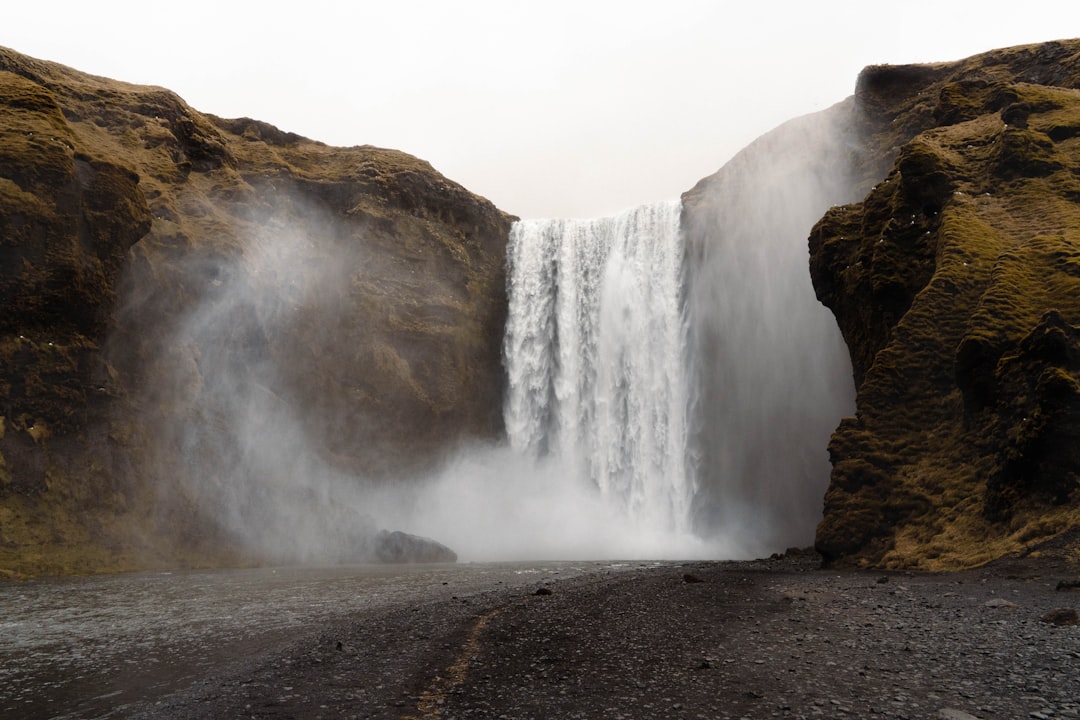
Photo by Yvon Hoogers on Unsplash
No Iceland in August itinerary feels complete without the South Coast Iceland reveal. This is the day where the scenery gets cinematic: green fields under glacier-topped mountains, horses standing still against the wind, and waterfalls appearing beside the road as if they were roadside decorations rather than full natural monuments. Seljalandsfoss is elegant and airy; Skógafoss is pure force. You feel the spray on your face long before you get close.
August is ideal because the roads are straightforward, the trail behind Seljalandsfoss is usually open, and you have time for one of the best small detours on the route: Kvernufoss. It sits in a narrow gorge behind the Skógar area and is often much quieter than its famous neighbor. The walk is short, the approach feels hidden, and the waterfall itself has the same theatrical beauty people chase at the larger stops.
By late afternoon, the coast turns darker and wilder. Dyrhólaey gives you huge sea views, arching cliffs, and often the last good puffin chances early in the month. Reynisfjara is moodier: basalt columns, booming surf, black sand, and the very real need to respect sneaker waves. End the day in Vík, where the village feels tiny against the cliffs and ocean, especially when the light lingers well into the evening.
- Morning, 08:00-12:30: Drive from Hella or Hvolsvöllur to Seljalandsfoss, Gljúfrabúi, Skógafoss, and Kvernufoss. Parking at Seljalandsfoss and Skógafoss is usually about ISK 1,000 per site. Kvernufoss is free.
- Afternoon, 13:00-17:30: Continue to Dyrhólaey and Reynisfjara, then check into Vík. Allow time for short walks and weather changes. Most viewpoints are free.
- Evening, 18:00-21:30: Dinner in Vík. Soup, fish, or lamb at a mid-range restaurant typically costs ISK 4,500-7,500. Overnight in Vík.
- Insider tip: At Reynisfjara, never turn your back to the sea and stay well away from the shoreline. The beach is famous for a reason, but the waves are not a photo prop.
Day 4: Glaciers, Basalt Trails, and Jökulsárlón
This is the day that turns an Iceland in August itinerary into something unforgettable. East of Vík, the landscape opens into immense lava fields, braided rivers, and glacier tongues that seem to slide down from another world. The drive is longer, but it never feels empty. Every bend looks like a place where a film crew would stop and decide it no longer needed a set.
Skaftafell gives you a different Icelandic texture: black earth, low birch, glacier views, and a walking trail that rises gently toward Svartifoss. The waterfall itself is famous for the dark basalt columns behind it, but what lingers is the full walk there and back, where the air feels cooler and thinner and the glacier edges appear in the distance. In August, the trail is usually in good condition, and the extra daylight means you can walk without constantly checking the clock.
Then comes Jökulsárlón. The lagoon rarely matches the first photo people see of it because it tends to exceed it. Icebergs drift in muted blue, white, and ash-grey tones, seals occasionally surface between them, and the whole place feels strangely silent for something in constant motion. A few minutes away, Diamond Beach scatters chunks of ice across black sand like broken glass lit from within. Sleep nearby rather than racing back west; this is the most rewarding long day of the trip and deserves a proper finish.
- Morning, 08:00-12:30: Drive from Vík to Skaftafell with an optional coffee stop around Kirkjubæjarklaustur. Hike to Svartifoss and back in about 1.5 to 2 hours. Skaftafell parking is around ISK 1,000.
- Afternoon, 13:30-18:30: Continue to Jökulsárlón and Diamond Beach. Lagoon viewpoints are free. Boat tours typically cost about ISK 8,500-19,000, depending on amphibian or zodiac format.
- Evening, 19:00-21:30: Overnight around Hof or Kirkjubæjarklaustur if you want a shorter drive tomorrow. Guesthouse dinners usually run ISK 4,500-8,000.
- Insider tip: If wind is fierce at Jökulsárlón or a boat tour is full, stop at nearby Fjallsárlón on the way back west. It is often quieter and feels more intimate.
Day 5: Canyon Detours, Steam Towns, and Back to Reykjavík
A smart Iceland in August itinerary leaves room for the return drive to be a travel day with personality rather than a retreat. Going west is not a repeat of what you saw on the way out; the light changes, the glaciers shift behind clouds, and stops that felt impossible to squeeze in suddenly fit. Morning is a good time for Fjaðrárgljúfur, a serpentine canyon cut into green walls that looks almost too stylized to be real.
The pull of the South Coast Iceland route is that the landscape never becomes ordinary, even when you are covering distance. A short walk here, a village lunch there, a weather break under a gas-station roof while locals chat by the coffee machine: the day feels less scenic-highlight driven and more lived-in. That is one reason a week works so well. You have time to notice the rhythm between the famous places.
By afternoon, geothermal energy returns in a different form around Hveragerði, where steam rises from the ground and greenhouses and bakeries make the town feel unexpectedly domestic after so much wilderness. If you still have energy, the Reykjadalur hot river hike is worth it, but after several road days many travelers prefer an easier museum stop at Lava Centre or a long dinner once back in Reykjavík. Both choices work.
- Morning, 08:00-11:30: Depart your east-side stay and stop at Fjaðrárgljúfur canyon. The short walk from the parking area takes about 20 to 30 minutes each way. Parking fees vary but are usually around ISK 1,000.
- Afternoon, 12:30-17:30: Lunch in Vík, then continue west. Optional stop at Lava Centre in Hvolsvöllur. Entry is around ISK 4,900.
- Evening, 18:30-22:00: Arrive in Reykjavík. If you skipped the Blue Lagoon on Day 1, this is a good night for Sky Lagoon, from about ISK 10,000-12,000. Otherwise, plan on ISK 4,500-8,000 for dinner in town.
- Insider tip: If the weather is wet or you are tired, do not force Reykjadalur. A classic Reykjavík swimming pool such as Sundhöllin gives you the same local end-of-day satisfaction for far less money.
Day 6: Snæfellsnes Peninsula, the Mini Iceland Day
Adding Snæfellsnes is what gives this Iceland in August itinerary a fuller sense of the country. People often call it Iceland in miniature, and that label is deserved rather than lazy. In one long loop you get seal beaches, lava fields, church-black beaches, fishing towns, crater views, cliffs alive with seabirds, and the silhouette of Kirkjufell rising almost absurdly neatly over the road.
The Snæfellsnes Peninsula also works brilliantly in August because the day is long enough to absorb the drive from Reykjavík without panic. The west coast has a slightly different mood from the South Coast Iceland stretches you have already seen. It feels broader and more windswept, less waterfall-packed and more about headlands, sea cliffs, and the kind of roads where you keep slowing down because the horizon changes shape every ten minutes.
If there is one mistake people make here, it is trying to do every named stop. You do not need to. A few places done well are better than a frantic checklist. Ytri Tunga for seals, Búðir for the black church and golden grass, Arnarstapi for the cliff walk, Djúpalónssandur for volcanic drama, and Kirkjufell for the iconic finale already make a complete day. Return to Reykjavík late, tired, and very satisfied.
- Morning, 07:30-12:30: Drive from Reykjavík to Ytri Tunga, then Búðir and Arnarstapi. Most stops are free; parking is usually free or low-cost.
- Afternoon, 13:00-18:00: Continue to Djúpalónssandur, optional Vatnshellir cave tour, then Kirkjufell and Kirkjufellsfoss. Vatnshellir tours are around ISK 5,500-6,500.
- Evening, 18:00-21:30: Dinner in Grundarfjörður or back in Reykjavík, depending on energy. Expect ISK 4,000-7,500 for a casual meal.
- Insider tip: Reach Kirkjufell later in the day if possible. Tour buses thin out toward evening, and August light often makes the mountain look softer and more dimensional.
Day 7: Reykjavík Slow Morning and Departure
The last day of an Iceland in August itinerary should not feel like dead time. Reykjavík is small enough to enjoy in half a day, and after several road-trip mornings it feels almost luxurious to move slowly. Climb Hallgrímskirkja if you skipped it, browse design shops along Skólavörðustígur, stop for coffee and a pastry, and let the city show its quieter side. The neat façades, harbor breeze, and easy walking pace make a gentle contrast to the raw scale of the previous days.
If your flight is late, you can fit in a museum or a whale-watching tour from the old harbor. If it is earlier, keep the plan minimal and use the time for one last walk around Harpa and the waterfront. This part matters more than people expect. After six days of lava, glaciers, and surf, Reykjavík gives the whole trip shape and scale. It reminds you that Iceland is not only a landscape but also a lived place.
The drive back to Keflavík is usually around 45 to 50 minutes, but August traffic around the airport and rental-car returns can stretch that. Give yourself margin. Returning a muddy car, topping up fuel, and repacking damp jackets is not the moment to discover you were planning with city-break timing instead of road-trip timing.
- Morning, 08:30-12:00: Walk Hallgrímskirkja, Rainbow Street, Harpa, and the Old Harbor. A coffee and pastry usually costs ISK 1,500-2,500.
- Afternoon, 12:00-16:00: Optional museums, whale watching, or one last local lunch. Whale watching from Reykjavík generally starts around ISK 15,000-18,000.
- Evening, allow 3 hours before departure: Drive to Keflavík, refuel, return the car, and check in. Fuel for a final top-up might be ISK 8,000-15,000, depending on your vehicle and tank size.
- Insider tip: Fill the tank in Njarðvík or Reykjanesbær rather than at the last airport-adjacent station, where prices can be slightly higher and lines longer.
Best Time to Go for an Iceland in August Itinerary
This Iceland in August itinerary is designed for the month because August hits a rare sweet spot. Roads are open, hiking trails are usually accessible, puffins can still be seen early in the month, and the weather is milder than most visitors expect. Daytime temperatures often sit around 10°C to 15°C, with warmer spells possible, but wind matters more than the number on the forecast.
The biggest decision is not whether August works, but which part of August suits you best. Early August gives you the longest days and the strongest summer feel. Late August brings slightly darker nights, fewer crowds than the school-holiday peak, and the faint possibility of an early northern lights sighting if the sky is clear. For a first Iceland road trip, either window works, but your booking strategy should change: the earlier you travel, the earlier you need to reserve everything.
| Period | Daylight | Best for | Watch out for |
|---|---|---|---|
| Early August | Up to about 17 hours | Maximum sightseeing time, puffin season, long scenic evenings | Highest prices and busiest sights |
| Mid August | About 16 hours | Balanced light, full activity availability, easy road conditions | Popular accommodations sell out fast |
| Late August | About 15 hours | Slightly fewer crowds, darker skies, more atmospheric evenings | Cooler nights and more changeable weather |
A final note: an Iceland in August itinerary still needs waterproof gear. Summer here does not mean stable Mediterranean weather; it means you can do almost everything without snow blocking the plan.
Estimated Budget per Person for 7 Days
Budgeting is where many travelers misread Iceland. The flights may look manageable, then parking, fuel, soups, coffee stops, and hot pools quietly push the total higher. This Iceland in August itinerary is easiest on the wallet when two to four people share a car and at least some guesthouse rooms. Solo travelers can absolutely do it, but the road-trip math changes fast.
For a realistic breakdown, assume high-season pricing in 2026 and remember that convenience costs extra. Booking late is rarely rewarded in August. If you want help remembering hidden trip categories like fuel, parking, airport transfers, and card fees, Travel Budget Categories List for 2026: Stop Underpricing Trips is genuinely useful before you start comparing flights and hotels.
| Style | What it looks like | Estimated total per person |
|---|---|---|
| Budget | Hostel or simple guesthouse, shared small car, supermarket breakfasts, one paid lagoon, limited tours | EUR 1,450-1,950 |
| Mid-range | Private rooms, compact SUV shared by two, restaurant dinners most nights, one or two paid spas or boat tours | EUR 2,150-2,950 |
| Comfort | Better hotels, larger car or 4x4, flexible dining, premium lagoons, cave or lagoon tours | EUR 3,300-4,700 |
These estimates usually include return flights from mainland Europe, car rental, fuel, accommodation, food, parking, and a few activities. A rough daily guide for on-the-ground costs looks like this:
- Car rental: about EUR 95-180 per day for a standard vehicle in August
- Fuel: around EUR 280-420 total for this route, depending on car size and fuel prices
- Lunch: EUR 18-30
- Dinner: EUR 30-60
- Coffee and pastry stop: EUR 8-12
- Public pool: usually EUR 8-12
- Premium lagoon: EUR 70-110
Where to Stay on This Route
Where you sleep matters almost as much as what you see. A good Iceland in August itinerary is really a chain of smart overnight decisions, because summer traffic, full hotels, and long evening light can make every extra driving hour feel either liberating or exhausting. This route works best when you move forward each night instead of repeatedly backtracking to Reykjavík.
The three most useful bases are Reykjavík, the Hella or Hvolsvöllur area, and either Vík or the Kirkjubæjarklaustur side of the South Coast Iceland route. Reykjavík covers arrival, your westbound return, and the Snæfellsnes Peninsula day trip. Hella or Hvolsvöllur shortens the Golden Circle and sets up the South Coast beautifully. Vík or farther east lets you enjoy glaciers and black-sand scenery without forcing an impossible day.
- Reykjavík city centre or Vesturbær: Best for walkability, restaurants, harbor atmosphere, and your first and final nights. Budget beds often start around EUR 70-120, mid-range rooms around EUR 190-280, and better boutique stays can climb well above EUR 350 in August.
- Hella or Hvolsvöllur: Best for reducing Day 2 and Day 3 drive times. Expect practical road-trip hotels, cabins, and guesthouses. Budget options can be limited, with many private rooms in the EUR 150-240 range in summer.
- Vík or Kirkjubæjarklaustur: Best for South Coast Iceland access, early black-beach visits, and the Jökulsárlón day. Vík is livelier and more convenient for dinner; Kirkjubæjarklaustur can feel calmer and slightly more strategic for the eastward drive. Summer rooms often range from EUR 180-320, with premium stays going much higher.
Book all August stays as early as you can, especially for Vík and any east-side stop. This is not a destination where winging it in high season is charming for very long.
How to Get There and Get Around
The best entry point for this Iceland road trip is Keflavík International Airport, KEF, not Reykjavík domestic airport. KEF is about 50 minutes from central Reykjavík and is where most international flights arrive. Because this Iceland in August itinerary is built around scattered natural sights rather than city neighborhoods, a rental car is by far the best option. Buses can connect major towns, but they do not give you the freedom this route needs.
You do not need a 4x4 for this exact plan. In August, Route 1 and the roads to the main stops here are normally straightforward for a standard car, assuming normal weather and careful driving. What you do need is good judgment: wind can be fierce, sheep wander near roads, and weather shifts quickly even in summer. If you are doing this solo, Travel Alone With Confidence in 2026: Safer, Smarter Days is a useful mindset piece even though Iceland is generally a very comfortable country for solo travel.
- Airport to Reykjavík: 45 to 50 minutes by car. Flybus is usually around ISK 4,400-5,500 one way if you are not renting immediately. A taxi can cost ISK 22,000-30,000.
- Total driving distance for this route: roughly 1,300 to 1,450 km, depending on detours.
- Fuel: usually purchased at self-service stations with card payment. Budget generously.
- Useful official resources: road conditions at https://www.road.is, weather at https://www.vedur.is, and travel safety updates at https://www.safetravel.is.
- Parking: many major sites use paid parking in summer, often via the Parka app or on-site payment system.
- Driving rule worth remembering: open car doors carefully in the wind. In Iceland, strong gusts damage more rental cars than many travelers expect.
FAQ
A first-time Iceland road trip usually raises the same questions, especially when people are trying to decide whether August is worth the price and whether 7 days in Iceland is enough. For this route, the answer is reassuring: yes, if you focus on one strong slice of the country instead of chasing the entire island.
Is 7 days enough for Iceland in August?
Yes. For a first trip, 7 days in Iceland is enough to combine Reykjavík, the Golden Circle, the South Coast Iceland highlights, Jökulsárlón, and the Snæfellsnes Peninsula. It is not enough for a relaxed full Ring Road, but it is perfect for a concentrated week with varied scenery.
Can you see the northern lights in Iceland in August?
Usually not early in the month. Late August sometimes brings the first possible sightings when the nights get darker again, but this Iceland in August itinerary should be planned for landscapes, road-tripping, waterfalls, lagoons, and long daylight rather than aurora hunting.
Do I need a 4x4 for this itinerary?
Not for the route described here. A normal car is usually fine for Reykjavík, the Golden Circle, Route 1 on the South Coast, and the Snæfellsnes Peninsula in August. Choose a 4x4 only if you want more comfort in rough weather, extra luggage space, or you are adding F-roads and Highland detours.
Is the Blue Lagoon worth it if I only have one week?
If geothermal bathing is part of your Iceland dream, yes. It is expensive, but arrival or departure day is the right moment for it because it does not steal time from the biggest landscape days. If you prefer something more local-feeling, use a Reykjavík pool or choose Sky Lagoon instead.
What should I book in advance for August?
Book flights, car rental, every overnight stay, Blue Lagoon or Sky Lagoon, and any glacier-lagoon boat tour as early as possible. August is still peak season, and last-minute flexibility on this Iceland in August itinerary usually costs more rather than less.
Once you have the overnights pinned down and a little weather flexibility built in, Iceland in August stops looking complicated and starts feeling wonderfully inevitable.
---