Lisbon changes character block by block. One minute you are climbing a silent lane lined with blue-and-white tiles and drying laundry, hearing only a gull and the rattle of cutlery from a kitchen window. Ten minutes later you are in a square full of tram bells, suitcase wheels, espresso cups, and late sunlight bouncing off pale stone. That is exactly why a good Lisbon solo travel guide matters: this city is warm, walkable, and deeply rewarding alone, but it also rewards travelers who arrive with a rhythm, not just a wish list.
The safest solo trips are rarely about acting fearless. They are about building a simple system before you land: the right neighborhood, the right first-night plan, the right transport choices, and a short list of places where being alone feels easy rather than exposed. Lisbon is one of the best European cities for that kind of trip. Solo dining is normal, cafés spill into the street, and locals are usually direct without being pushy. If this is your first independent city break, you may also like First Solo Trip Guide 2026: Safe Cities and Smarter Habits.
What makes this Lisbon solo travel guide different is the angle: less fear, more routine. Instead of repeating generic warnings, it focuses on how to move through the city well. Think daylight arrivals, neighborhoods with easy night transport, miradouros that feel magical without feeling isolated, and restaurants where a table for one feels natural. Before I fly, I like to pin my first tram line, first meal, and first safe evening walk into TravelDeck, because a calm first three hours usually sets the tone for the whole trip.
Why Lisbon works for traveling alone safely
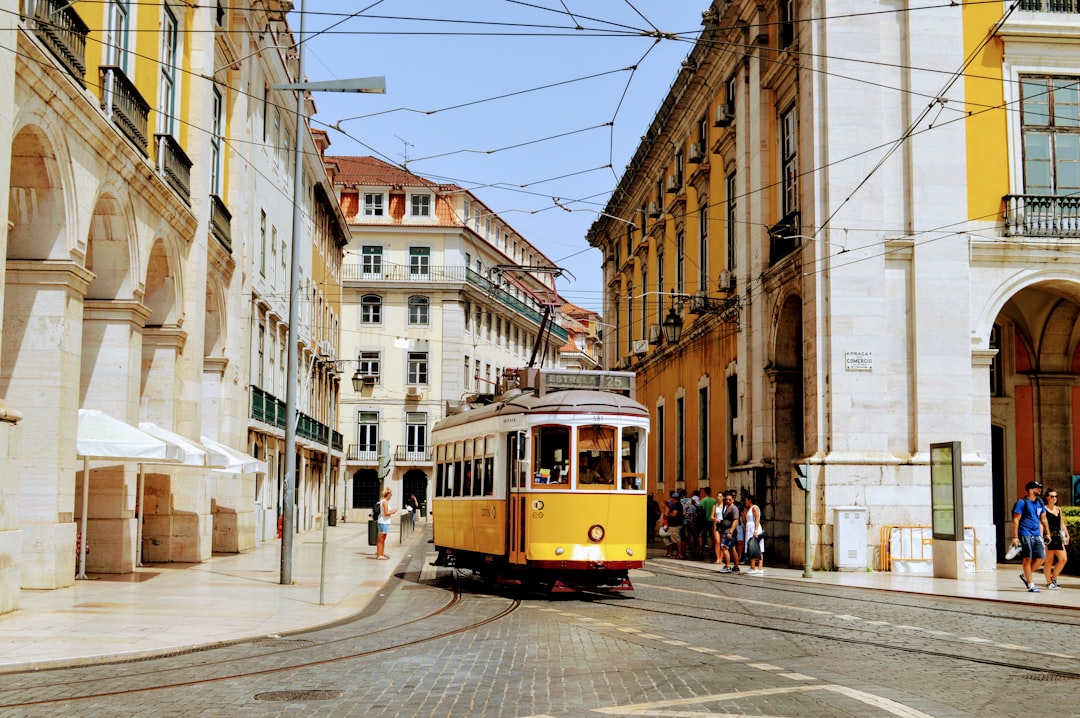
Photo by Aayush Gupta on Unsplash
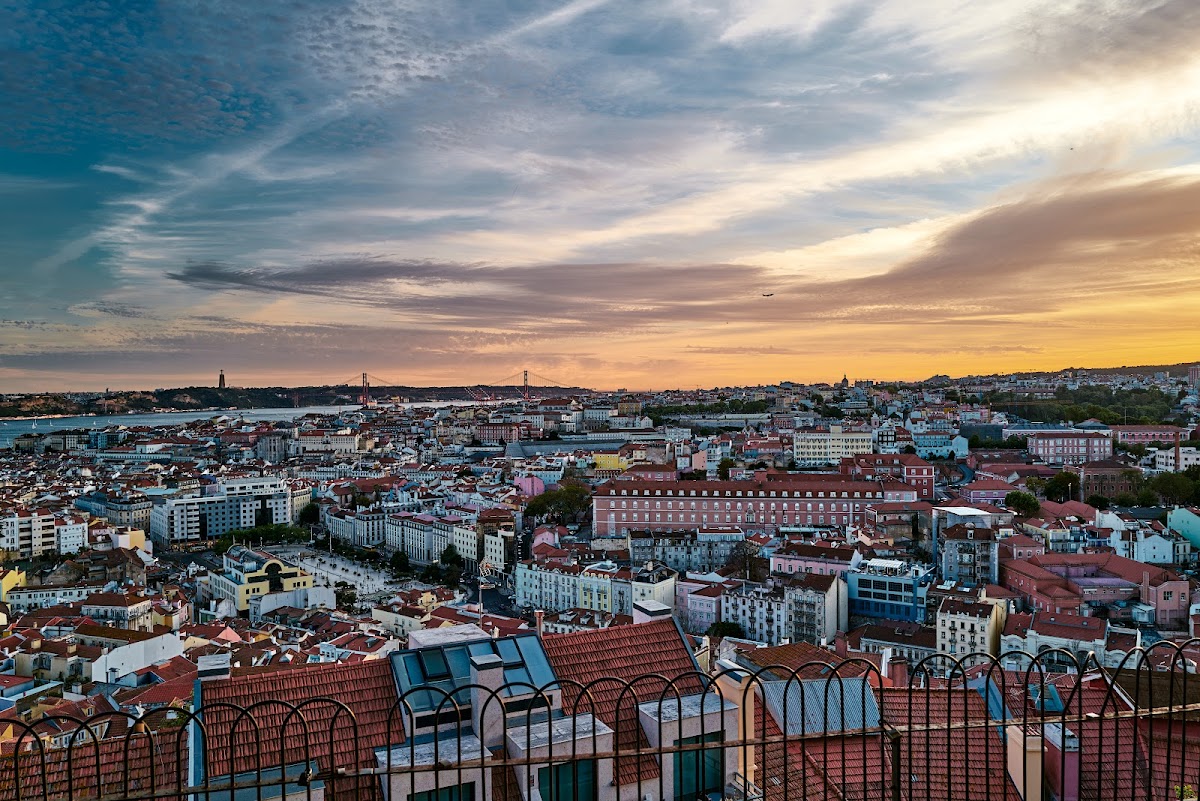
Lisbon is not flat, not polished, and not perfectly predictable. That is part of its appeal. The city rises in folds above the Tagus River, so each district feels like a small stage with its own lighting and soundtrack. Baixa is all symmetry and bright paving stones. Alfama curls into older streets where conversations echo against walls. Príncipe Real feels leafy and quietly stylish. Cais do Sodré turns up the volume after dark. For solo travelers, that variety matters because it gives you options: calm mornings, sociable afternoons, and lively evenings without needing to commit to one mood all day.
Traveling alone safely in Lisbon is easier than in many big capitals because the city is legible once you understand a few anchor points. Rossio, Baixa-Chiado, Restauradores, Avenida, and Cais do Sodré are not just names on a map; they are reset buttons. If you know where those hubs are, you can almost always recover from a wrong turn, a tired moment, or a late-night change of plan. English is widely spoken in tourism-heavy areas, card payments are normal, and the city center is compact enough that you can often solve small problems with a short walk and a coffee.
This Lisbon solo travel guide also works because Lisbon rewards slow observation. It is a city of stairways, viewpoints, kiosks, ferries, bookstores, tiled façades, and long golden evenings. You do not need to race through it to get value. In fact, solo travelers tend to do better here when they build in pauses. A rushed traveler with a dead phone at midnight in a nightlife district is stressed anywhere. A traveler who knows where to stand, what time to leave, and how to get home feels in control.
A few core habits make a visible difference from day one:
- Arrive in daylight if possible, especially if you are staying in Alfama, Bairro Alto, or anywhere with steep, narrow streets.
- Book at least your first three nights in one place. Constantly changing neighborhoods makes orientation harder.
- Keep your first-day radius small: hotel, café, pharmacy, metro, and one evening viewpoint is enough.
- Save the names of your nearest metro station, night bus stop, and backup rideshare pickup point.
- Carry only the cash you need for the day and keep one spare card separate from your main wallet.
- If you plan to drink, decide your route home before your first glass, not after.
- Share your accommodation details and a rough outline with one trusted person at home.
How to get there and use Lisbon public transport
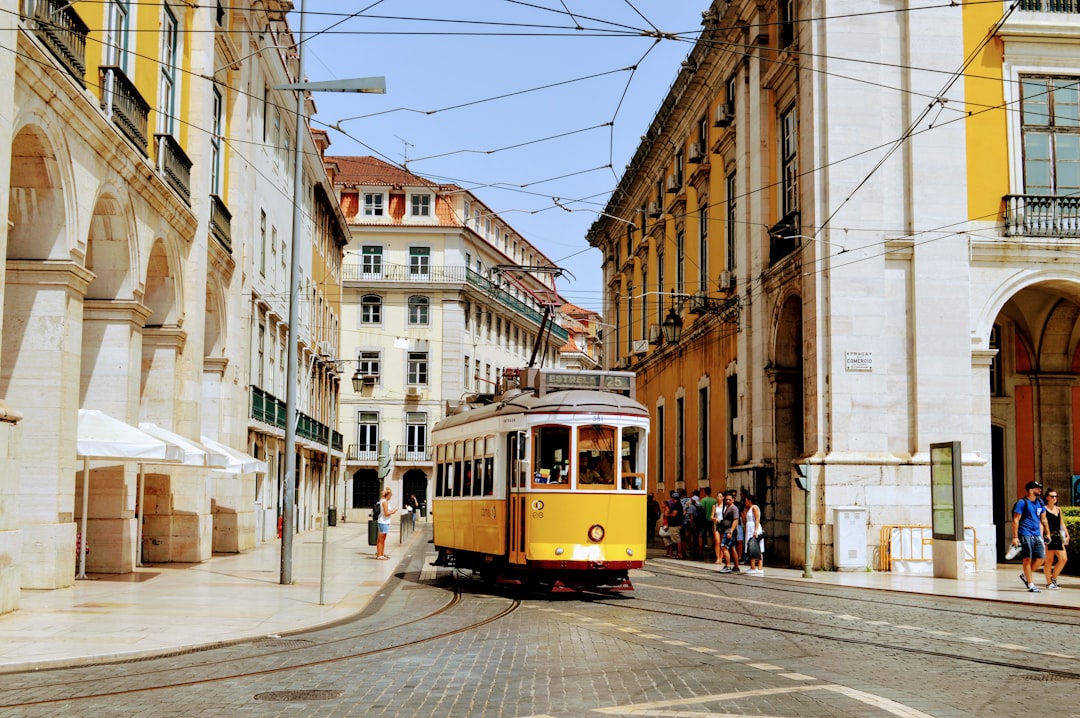
Photo by Aayush Gupta on Unsplash
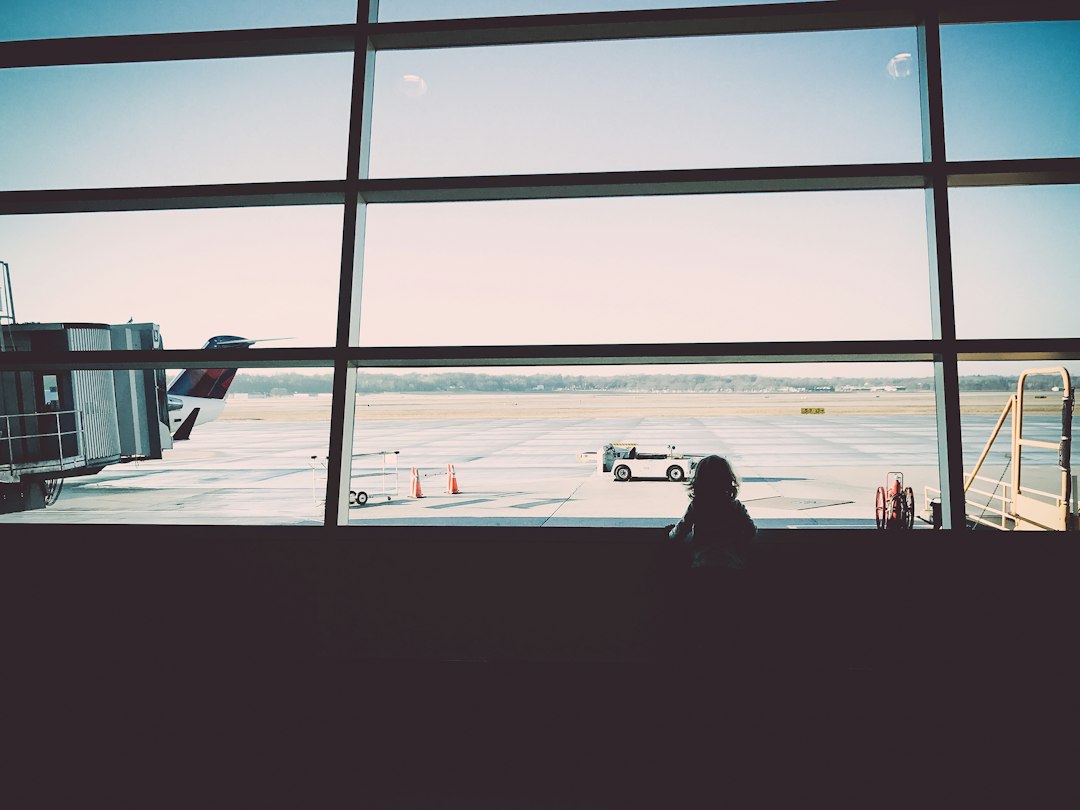
Any practical Lisbon solo travel guide should start with the arrival. Humberto Delgado Airport, code LIS, sits unusually close to the center, which is one of Lisbon's biggest advantages for solo travelers. You can land, clear the terminal, and be in Baixa or Saldanha in well under an hour if lines are light. That short transfer reduces the exhausted, disoriented feeling that often makes travelers vulnerable on day one. Official airport information is on ANA Aeroportos.
If you are flying from elsewhere in Europe, Lisbon is often one of the easier capitals to price well, especially from London, Paris, Madrid, Amsterdam, Milan, and Dublin. If you are coming from North America, nonstop options from cities like New York, Boston, Newark, Toronto, and Montreal can save a lot of energy on a short trip. And if you are trying to shave costs off a broader Europe itinerary, How to Use Travel Points in 2026 for a Cheaper Europe Trip is useful reading before you book.
For long-haul arrivals, the real challenge is not the airport itself but the false confidence of jet-lagged wandering. Lisbon's hills feel steeper when your body clock is scrambled, and cobbles are less charming with tired legs and a backpack. If you are landing from the Americas or Asia, read Best Jet Lag Remedies 2026 for Safer, Sharper Arrivals before you go. Sharpness matters more than ambition on day one.
Arrival options from Lisbon Airport
| Option | Typical time to Baixa or Chiado | Typical cost | Best for | Notes |
|---|---|---|---|---|
| Metro Red Line plus transfer | 30-40 min | around €1.80 plus reusable card | Budget travelers with light luggage | Use Metro Lisboa; not ideal with bulky bags on stairs |
| Carris bus | 35-50 min | around €1.80 | Travelers staying near a direct route | Check Carris for current lines |
| Uber or Bolt | 20-30 min | around €10-18 | Late arrivals, heavy bags, door-to-door ease | Fares rise in rain or peak hours |
| Official taxi rank | 20-30 min | around €15-22 with luggage | Travelers who prefer fixed queue convenience | Use the official rank only |
| Pre-booked hotel transfer | 20-35 min | around €25-45 | First-time visitors landing very late | Pricier, but low-stress |
Lisbon public transport is good enough that you do not need a car for the city, and often do not want one. The metro is clean, reasonably intuitive, and most useful for airport transfers plus links between major districts. Trams are scenic but not always efficient. Buses fill the gaps. Ferries across the Tagus add a refreshing change of pace on clear days. Trains connect you easily to Sintra, Cascais, Porto, Faro, and other Portuguese cities. The official national rail operator is CP, and coach services are strong through Rede Expressos.
Here is how to get to Lisbon from common gateways:
- From Porto by train: Alfa Pendular takes roughly 2 hours 50 minutes to 3 hours 15 minutes from Porto Campanhã to Lisboa Oriente or Santa Apolónia. Book early and you can often find fares from about €20-45.
- From Faro by train: Around 3 to 3.5 hours, usually €12-30 depending on service and booking window.
- From Madrid by bus: Usually 8-9 hours, commonly €25-60 if booked ahead. It is a budget option, but not the most comfortable after dark for a fresh arrival.
- From Cascais by train: Around 35-40 minutes into Cais do Sodré. Great for an easy coast day trip.
- From Sintra by train: Around 40 minutes from Rossio Station, usually around €5 return depending on card and fare structure.
- By car from Porto: Roughly 3 hours via the A1 without heavy traffic. Parking in central Lisbon is expensive and often more stressful than useful.
For getting around once you are in town, Lisbon public transport works best when you combine it with short, deliberate walks instead of trying to ride everything door to door. A smart solo pattern is metro for distance, tram for atmosphere, and rideshare after dark if your route home involves steep or empty streets. I would not rely on Tram 28 late in a crowded part of the day if you are carrying valuables in outer pockets. The tram is iconic, but it is also crowded and slow.
Transport safety in Lisbon is mostly about attention rather than fear. Stay alert around airport arrivals, tram queues, Santa Justa, Rossio, and packed sightseeing corridors. Pickpocketing is far more likely than violent crime. If you want a sharper read on distraction tactics and transport setups that work across many cities, Tourist Scam Warning Signs in 2026: Outsmart the Setup is worth a skim before you travel.
My simplest arrival advice is this: on the first night, pay for convenience. A €12 rideshare to the door is often better value than a cheaper, confusing transfer when you are tired, carrying luggage, and trying to decode hills in the dark.
Where to stay in Lisbon for safer nights
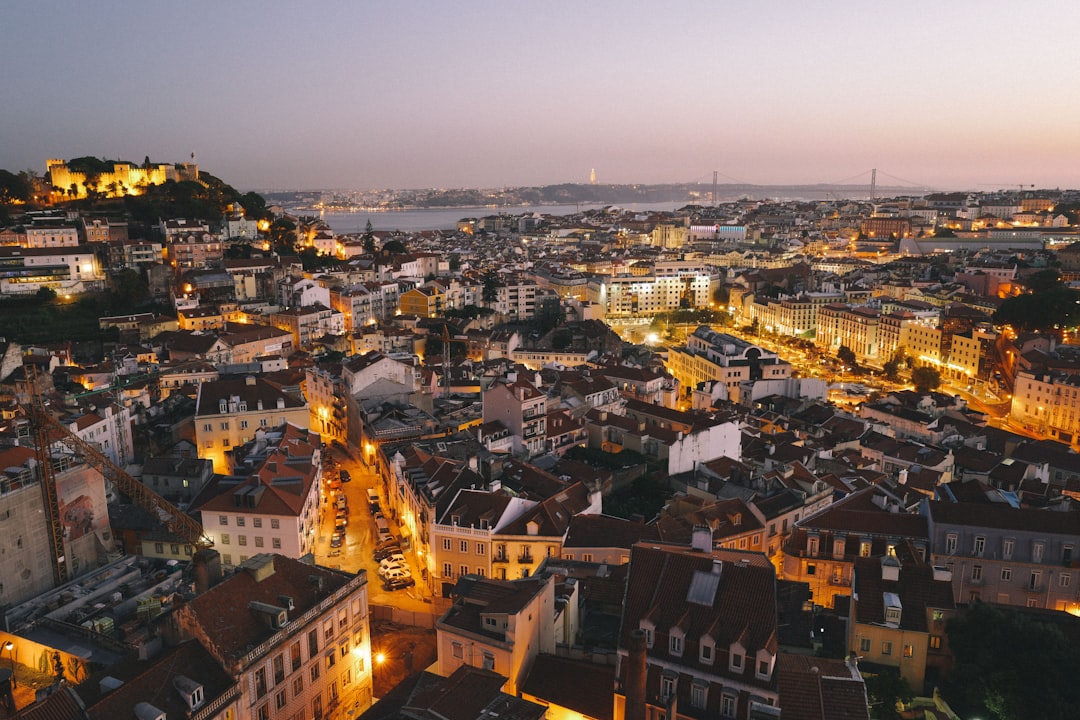
Photo by Andreas Brücker on Unsplash
Where to stay in Lisbon matters more than many first-time visitors realize. The city can look compact on a map, but a short line between two points may hide a punishing hill, a stairway, or a nightlife corridor that feels very different at 11 pm than at 11 am. A strong Lisbon solo travel guide always starts with the neighborhood, not just the hotel. Your ideal base is not simply central; it is central enough, connected enough, and calm enough for the version of Lisbon you want.
For most solo travelers, Baixa, Chiado, Avenida da Liberdade, Saldanha, and Príncipe Real strike the best balance. They give you cafés, shops, late transport, and enough foot traffic to feel comfortable without forcing you into nonstop noise. Alfama is romantic and unforgettable, but it can feel isolating if you are navigating luggage over stone steps or returning late after a long day. Bairro Alto is brilliant for nightlife and terrible for light sleepers. Cais do Sodré is fun and well-connected, but the atmosphere changes fast after midnight.
This Lisbon solo travel guide recommends choosing your first base by your evenings, not your mornings. Almost any neighborhood feels lovely in the morning light. The real question is how you will feel coming home after dinner, after a concert, or after a delayed train from Sintra. If the route involves a deserted uphill lane with weak lighting and no easy pickup point, it may be photogenic but not practical.
Best neighborhoods for solo travelers
| Neighborhood | Best for | Night feel | Typical mid-range rates | Solo note |
|---|---|---|---|---|
| Baixa | First-timers, walkability, easy orientation | Busy but predictable | around €140-220 | Excellent for first 2-3 nights |
| Chiado | Cafés, shopping, culture, central dining | Lively yet polished | around €170-260 | Great for solo dining and evening strolls |
| Príncipe Real | Stylish, calmer, leafy streets | Relaxed and upscale | around €180-300 | Good for travelers wanting quieter nights |
| Avenida and Marquês de Pombal | Strong transport links, business hotels | Practical, less atmospheric | around €150-240 | Very easy late return options |
| Alfama | Atmosphere, old Lisbon, viewpoints | Quiet in parts, maze-like | around €140-260 | Better once you know the city |
| Cais do Sodré | Bars, trains, river access | Very lively | around €150-250 | Great if nightlife is the point |
Budget stays
The budget end of Lisbon can be excellent for meeting people, but choose with care. Social hostels are not all the same. Look for recent reviews that mention staff, lockers, late-night noise, and whether common spaces feel friendly rather than chaotic.
- Goodmorning Solo Traveller Hostel, Restauradores: Dorm beds often run about €35-65, depending on season. The location is hard to beat for first-timers: central, social, and easy to reach from metro and airport routes.
- Home Lisbon Hostel, Baixa: Usually around €30-60 for a dorm bed. Known for a warm atmosphere, central location, and the kind of communal setup that makes solo travelers feel included quickly.
- Lost Inn Lisbon Hostel, near Chiado and Cais do Sodré: Often around €28-55 for dorms. A solid choice if you want to be near riverfront movement and nightlife without sleeping directly inside the loudest streets.
Mid-range stays
Mid-range is where Lisbon shines for solo travelers who want privacy without losing atmosphere. This is often the sweet spot for traveling alone safely because you gain a staffed front desk, private bathroom, and a calmer reset space at the end of the day.
- My Story Hotel Tejo, Baixa: Usually around €140-210. Good-value central base close to Rossio and Baixa-Chiado links.
- Lisboa Pessoa Hotel, Chiado: Often around €170-260. Quietly stylish, strong location, and ideal if you want to step into bookshops, cafés, and viewpoints between sightseeing windows.
- 1908 Lisboa Hotel, Intendente: Typically around €160-250. This area has become much more interesting and polished over the years, though you should still stay aware at night on quieter side streets.
Luxury stays
Luxury in Lisbon often means intimacy rather than giant chain anonymity: restored buildings, river views, terraces, and staff who can make your logistics feel effortless. For solo travelers, that service layer can be worth a lot.
- Bairro Alto Hotel, Chiado and Bairro Alto edge: Often around €420-700. Superb location if you want top dining and evening energy with an easy walk home.
- Santiago de Alfama, Alfama: Usually around €350-600. Beautiful and atmospheric, best for travelers comfortable with old-quarter geography and slopes.
- Memmo Príncipe Real, Príncipe Real: Often around €320-550. Calm, design-led, and excellent for travelers who want a safer-feeling, quieter return at night.
A few booking tips make where to stay in Lisbon far easier to get right:
- Prioritize a 24-hour reception or clear self-check-in instructions if arriving after 8 pm.
- Ask whether your room faces the street or an interior courtyard if sleep matters to you.
- Check whether rideshares can stop directly outside; some old-quarter streets do not allow easy pickup.
- Avoid basement rooms if you are a light sleeper or anxious about street noise.
- For hostels, choose female dorms or smaller dorm rooms if that helps you sleep and settle faster.
Things to do in Lisbon alone without feeling isolated
The best things to do in Lisbon alone are the ones that make solitude feel like freedom, not absence. Lisbon is a city of edges: terrace edges, river edges, old wall edges, tram window edges. Much of its beauty appears when you stop trying to optimize every hour and let the city reveal itself in layers. A solo morning here can feel cinematic: the smell of coffee and warm pastry drifting from a corner bakery, the sun turning tilework glossy, old men reading newspapers at kiosks, gulls floating above the river, and a tram grinding uphill like a metronome.
This Lisbon solo travel guide is built around experiences that are vivid, practical, and naturally solo-friendly. You do not need to join a group every hour to feel connected here. Lisbon gives solo travelers plenty of low-pressure social contact: market counters, food tours, tile workshops, ferry decks, neighborhood tascas, and communal viewpoints. Still, it helps to choose activities that match the time of day. Busy afternoons for transit-heavy sightseeing, early mornings for famous viewpoints, early evening for river light, and later nights only if you already know how you are getting home.
If you are wondering which things to do in Lisbon alone are worth the effort, start with these:
- Watch sunrise from Miradouro da Senhora do Monte in Graça
Go early, ideally just before dawn, when the city is still cool and the sky fades from ink blue to peach over the castle hill. The viewpoint gives you a broad sweep of rooftops, domes, and river light. It is one of the best ways to feel Lisbon's geography all at once. Go by rideshare or uphill bus if you do not want to tackle the climb in the dark, then walk down through Graça once the streets wake up.
- Walk Alfama slowly, then visit Castelo de São Jorge
Alfama is a district for wandering rather than conquering. Follow the lanes around Largo das Portas do Sol, listen for fragments of conversation and clinking dishes from hidden courtyards, then continue uphill to the castle. Tickets are usually around €15. The ramparts give you some of the finest city views, and peacocks wandering the grounds add a strange, memorable flourish. Go earlier in the day for softer light and fewer crowds.
- Ride Tram 28 early, or skip the queue and try Tram 12
The classic yellow tram is a rite of passage, but timing matters. Board early in the morning rather than midday. If the queue at Martim Moniz looks exhausting, Tram 12 can deliver much of the same old-city charm with less stress. Keep your phone zipped away and do not leave anything in a loose outer pocket. The ride is atmospheric, but not where you want to advertise distraction.
- Spend a half day in Belém
Belém works beautifully for solo travelers because everything flows along the river. Visit the Jerónimos Monastery, whose stonework seems almost lace-like in strong sun, then continue to the Belém Tower and MAAT. Admission prices vary, but expect around €15-20 for major monuments and around €9-11 for museum entry where applicable. Stop for a still-warm pastry at Pastéis de Belém. This is one of the most visitor-heavy zones in Lisbon, so keep your bag closed in queues.
- Take the ferry to Cacilhas for a different skyline
One of the easiest ways to reset from central-city intensity is to cross the river. The short ferry ride from Cais do Sodré to Cacilhas takes about 10-15 minutes and costs only a few euros. On clear days the light on the water is dazzling, and Lisbon appears almost theatrical from across the Tagus. Have lunch on the south bank, then return before late evening unless you have a clear plan.
- Browse LX Factory in Alcântara
The old industrial complex at Rua Rodrigues de Faria 103 is now full of shops, book displays, studios, cafés, and one of the city's most photogenic bookstores, Ler Devagar. It is easy to spend two or three relaxed hours here alone. This is one of those places where you can be solitary without seeming isolated, because everyone is browsing, reading, pausing, and taking their time.
- Do a day trip to Sintra, but keep the return simple
Rossio to Sintra is one of Europe's easiest day trips. Once there, choose one or two sights rather than chasing every palace. Pena Palace is spectacular but crowded; Quinta da Regaleira feels moodier and more intimate, with wells, gardens, and stone paths that seem made for stories. Budget around €15-20 per major site. Return before full dark if you are hiking between stops, and pre-check train times back to Lisbon.
- End the day at a miradouro, not necessarily a bar
Miradouro de Santa Catarina, Jardim do Torel, and Miradouro de São Pedro de Alcântara all make excellent solo evening anchors. The city softens, the river turns silver or orange depending on the hour, and you can watch groups form and dissolve without needing to force company. It is a good way to feel part of the city without committing to nightlife.
For travelers who want easy social contact without heavy drinking, these are especially strong picks:
- A small-group food tour in Baixa, Mouraria, or Alfama
- A tile painting workshop in central Lisbon
- A sunset sailing trip departing from the riverfront
- A hostel dinner or guesthouse communal meal, even if you are not staying in a party hostel
- A guided Sintra excursion if you do not want to navigate buses and palace timing alone
The smartest solo rhythm is not to pack every famous place into one long day. Choose one uphill district, one museum or monument, one good lunch, and one evening viewpoint. Lisbon rewards balance more than volume.
Where to eat when solo dining feels awkward
A useful Lisbon solo travel guide has to talk honestly about meals, because eating alone can still be the moment many travelers feel most self-conscious. Lisbon is kind to solo diners, but you need the right format. Small tables outside, counter seats, market halls, old-school tascas, and breakfast cafés work better than formal dining rooms at 8:30 pm if you are not in the mood to linger under bright lights. The city also eats late by northern European standards, so an early solo dinner can feel especially relaxed.
One of Lisbon's gifts is that a simple meal can feel complete. A pastry and bica at the bar. A plate of bacalhau with potatoes and onions. Grilled fish with olive oil and char. A bifana eaten standing up. A soup, bread, and glass of wine at a tiled neighborhood spot where nobody finds it strange that you brought a book. If you choose places with movement and rhythm, solo dining feels natural very quickly.
Strong solo-friendly places to eat
| Place | Area | Best for | Typical spend |
|---|---|---|---|
| Nicolau Lisboa | Baixa | Breakfast, brunch, easing into the day | around €10-18 |
| Dear Breakfast | Bica or Alfama area options | Calm morning solo meal | around €12-20 |
| Manteigaria | Chiado and other branches | Pastel de nata stop | around €2-4 |
| Pastéis de Belém | Belém | Famous pastry break after sightseeing | around €2-6 |
| O Trevo | Chiado | Quick bifana and local color | around €4-10 |
| Zé da Mouraria | Mouraria | Traditional lunch, good value | around €15-25 |
| Taberna da Rua das Flores | Chiado | Memorable dinner in a lively room | around €25-45 |
| Prado | Baixa | Modern Portuguese, solo splurge | around €35-60 |
| Cervejaria Ramiro | Intendente area | Seafood feast | around €35-60 |
| Time Out Market | Cais do Sodré | Variety and easy solo seating | around €15-30 |
If I had to build one perfect solo food day in Lisbon, it would look like this: coffee and breakfast in Baixa while the pavement is still being washed down, a mid-morning pastel de nata when the butter smell is strongest, a late lunch of cod or grilled fish in Mouraria or Alfama, a rest in the afternoon, then an early evening glass of wine and shared plates in Chiado before walking to a viewpoint. That sequence feels local enough to be memorable but simple enough to stay calm.
A few dishes and habits are especially worth seeking out:
- Pastel de nata: crisp shell, warm custard center, best with cinnamon if you like it.
- Bacalhau à Brás: salted cod with eggs, onions, and matchstick potatoes.
- Grilled sardines: especially in warmer months, smoky and rich.
- Bifana: marinated pork sandwich, fast and satisfying.
- Ginjinha: sweet cherry liqueur, usually a tiny pour rather than a long session.
- Soup and bread combo: one of the simplest, cheapest, and most comforting solo meals on a cool evening.
A few practical food tips help a lot when traveling alone safely:
- Book popular dinner spots for earlier seatings if you want a table without a long wait.
- Keep your bag strap around your leg or chair leg on outdoor terraces.
- Do not leave your phone on the table in crowded places, especially near transit hubs.
- If you want to read during dinner, choose a place with a casual hum rather than a white-tablecloth room.
- In busy zones, ask for the bill when you are ready; service is often relaxed rather than rushed.
Practical tips for solo female travel Lisbon and beyond
Every strong Lisbon solo travel guide eventually comes down to the same question: how do you actually move through the day in a way that feels confident, relaxed, and alert at the same time? The answer is rarely dramatic. It is usually a series of ordinary choices made well. The right shoes. The right return time. The right level of alcohol. The right amount of battery. The right neighborhood. These details do not make a trip smaller; they make it freer.
Solo female travel Lisbon questions tend to focus on nightlife, harassment, transport after dark, and whether the city still feels comfortable alone at restaurants or viewpoints. In practice, Lisbon is generally a good city for women traveling alone, especially in central districts with steady foot traffic. Street harassment exists but is usually less aggressive than in some other major cities. The bigger risks are the familiar urban ones: pickpocketing, overconfidence after drinks, and tired decision-making in nightlife areas.
Traveling alone safely in Lisbon means managing energy as much as risk. The city is hilly, often warm from late spring into early autumn, and full of visual temptation. It is easy to walk far more than you intended. Once fatigue sets in, you are more likely to miss a station, forget a bag, agree to a second drink you do not want, or take a poorly lit shortcut just to get back faster. The smartest solo travelers in Lisbon protect their energy like a resource.
Best months and weather at a glance
| Period | Typical daytime feel | Crowd level | Solo travel advantage | Main drawback |
|---|---|---|---|---|
| January to February | Cool, damp, occasional bright winter sun, around 8-16 C | Low | Lower prices, easier museum visits | Rain and shorter days |
| March to April | Mild, fresh, often around 12-20 C | Moderate | Great walking weather, less packed viewpoints | Spring showers |
| May to June | Warm, luminous, around 18-27 C | Moderate to high | Best balance of light, energy, and comfort | Rising prices |
| July to August | Hot, dry, busy, often 26-33 C | High | Late sunsets and festival atmosphere | Crowds, heat, pricier rooms |
| September to October | Warm, golden, around 18-28 C | Moderate | Excellent for solo city breaks and day trips | Popular shoulder season |
| November to December | Mild but wetter, around 10-18 C | Low to moderate | Cozy food season, calmer city center | Rain and fewer beach add-ons |
For most travelers, May, June, September, and early October are the sweet spot. Light lingers, terraces hum, and evenings stay pleasant without the hardest heat. In July and August, Lisbon can still be wonderful, but the city feels more effortful. Sun on the hills is intense, and even a short uphill walk at 3 pm can feel punishing.
What to pack for a safer, easier trip
The scent of warm stone, sunscreen, and grilled fish is part of Lisbon in summer, but so is sore-foot regret. Cobblestones are beautiful and unforgiving.
- Shoes with real grip and cushioning, not slick sandals alone
- A light layer for windy viewpoints and ferry rides
- A small crossbody bag that zips fully shut
- Portable charger and charging cable in your day bag
- Sunglasses, sunscreen, and a refillable water bottle
- A compact umbrella or light rain shell outside peak summer
- Blister patches if you plan full walking days
Money, cards, and connectivity
Portugal uses the euro, and cards are widely accepted in Lisbon, though carrying €20-40 in small notes is still useful for kiosks, smaller cafés, or backup. Keep one payment card separate from your main wallet. ATMs attached to banks are better than isolated machines aimed at tourists.
For connectivity, eSIMs are often the easiest option in 2026, but local SIMs from Vodafone, MEO, or NOS are straightforward if your phone is unlocked. A short-stay data package often costs around €15-25 depending on allowance. Reliable data matters for Lisbon public transport, rideshare pickups, and mapping your route before you step into a quiet street.
Night safety and social habits
Solo female travel Lisbon planning should be specific here. Lisbon nightlife is fun, but the city is layered vertically, and your route home can feel very different from the bar where you started. Bairro Alto in particular is more of a district-wide street party than a contained venue area. That can be exciting, but also tiring and disorienting if you stay out too long.
A better pattern is to treat nightlife in stages:
- Start with a sunset viewpoint or wine bar while you are still fresh.
- Move into dinner before the biggest crowds build.
- Decide by 10 pm whether you want a proper night out or a graceful exit.
- Use rideshare home if your return involves steep, quiet lanes or multiple transport changes.
- Never feel obliged to keep pace with a group you met an hour earlier.
If you are dating or meeting new people, keep first meetings in public places like Chiado cafés, riverfront bars, or busier restaurant streets. Do not share your hotel name or room details early. That advice applies to everyone, but it matters especially for solo female travel Lisbon trips where social spontaneity can otherwise blur boundaries.
Neighborhood-specific safety notes
Most central areas feel manageable by day. At night, context matters more:
- Baixa and Chiado: Usually fine with normal city awareness; busy and well lit in main sections.
- Príncipe Real: Generally comfortable and calmer, though some side streets quiet down early.
- Alfama: Atmospheric but can feel maze-like at night; avoid wandering without signal or battery.
- Bairro Alto: Fun but noisy and messy after midnight; watch your footing, drink levels, and route home.
- Cais do Sodré: Very convenient, but rowdier late; ideal if you want nightlife, less ideal if you want early sleep.
- Intendente and Mouraria: Interesting and increasingly polished, but street feel can vary block by block, especially late.
Health, emergencies, and backup planning
Traveling alone safely becomes much easier when you remove small avoidable crises. Save emergency number 112 in your phone. Screenshot your hotel address. Keep a copy of your passport in secure cloud storage. Note the nearest pharmacy on your first day. If you take prescription medicine, pack extra in original packaging.
For a city break, I like this simple solo backup system:
- One friend or family member knows my accommodation and flight details.
- One spare card is packed separately.
- One offline map is downloaded.
- One rideshare app is set up before arrival.
- One local meeting point is chosen in case my phone dies.
Local customs that make life smoother
Lisbon is easygoing, but small courtesies help. Greet staff when you enter a shop. Do not assume every church, tram, or residential lane is a photo set. Tip modestly rather than extravagantly; rounding up or leaving around 5-10 percent in restaurants is common if service was good, but not every situation requires a tip. Keep your voice down in quiet residential streets at night, especially in Alfama.
For current city information, events, and district overviews, Visit Lisboa is a good official planning resource.
The broad lesson of solo female travel Lisbon experiences is that the city rewards measured confidence. You do not need to look hard, suspicious, or closed off. You just need to look purposeful, know your next step, and leave before your energy or attention runs too low.
FAQ
Solo travel raises very practical questions, and this Lisbon solo travel guide works best when those questions are answered clearly rather than romantically.
Is Lisbon safe for solo travelers in 2026?
Yes, generally. Lisbon is one of the easier European capitals for solo travel thanks to its compact center, strong café culture, useful transit, and large number of visitors traveling independently. The main issues are usually pickpocketing, nightlife overconfidence, and navigation mistakes in hilly old districts rather than serious violence.
Is Lisbon safe at night when traveling alone safely is the priority?
In the main central neighborhoods, yes, with normal city precautions. Busy areas like Baixa, Chiado, and parts of Príncipe Real usually feel fine in the evening. Bairro Alto and Cais do Sodré are more chaotic late at night, so the question is less danger than whether you still have the focus and energy to get home smoothly. If not, take a rideshare.
Where to stay in Lisbon if I am traveling alone for the first time?
Where to stay in Lisbon depends on your style, but Baixa, Chiado, Avenida, and Príncipe Real are the easiest first-trip bases. They offer simple orientation, better transport, and a smoother return at night. Alfama is beautiful but better once you are comfortable with Lisbon's geography.
What are the best things to do in Lisbon alone on a short trip?
The best things to do in Lisbon alone on a 3- or 4-day trip are a sunrise miradouro, an Alfama walk with the castle, a Belém half day, one market meal, a ferry ride or Sintra day trip, and one unhurried evening in Chiado or Príncipe Real. That gives you history, views, food, and enough breathing room to enjoy them.
Is solo female travel Lisbon friendly?
Yes, overall. Solo female travel Lisbon trips are common, and many women find the city welcoming and manageable. The strongest strategy is the same one that works almost everywhere: stay central, limit late-night improvising, meet new people in public places first, and use rideshare when your route home stops feeling straightforward.
A final thought
The longer you spend alone in Lisbon, the more you realize the city is not asking you to be fearless. It is asking you to pay attention. To the slope under your shoes, to the hour on the church clock, to the station name before you miss it, to the way a neighborhood changes after dark, to the relief of a table for one with good bread and a cold glass of water. Follow that rhythm and Lisbon becomes generous very quickly. You stop moving through it like a tourist trying to keep up and start moving through it like someone who knows exactly when to climb, when to pause, and when to call it a night.