Moving to Lisbon With Pets in 2026: Flights, Fees, First Week
The hardest part of moving to Lisbon with pets is rarely the flight itself. It is the tiny, easy-to-miss detail that can unravel everything at check-in: a microchip number typed wrong, a rabies shot given in the wrong order, a soft carrier that fits your pet but not the airline seat. If you are moving to Lisbon with pets in 2026, the good news is that Portugal is one of the smoother European arrivals for prepared travelers. The bad news is that prepared really does mean prepared.
Lisbon rewards that effort fast. You land beside the Atlantic light, step into a city of tiled facades and jacaranda shade, and within half an hour you can be walking a riverside promenade instead of wrestling a rental car in an unknown suburb. For people moving to Lisbon with pets, that matters. A calm arrival lowers stress for your dog or cat, gives you room to solve small problems before they become expensive ones, and makes the first week feel like a beginning rather than an emergency. If you are planning a shorter trip rather than a full move, read How to Travel With Pets in 2026: Routes, Stays, Routines for a lighter framework.
Why Lisbon works so well for a first international move with a pet
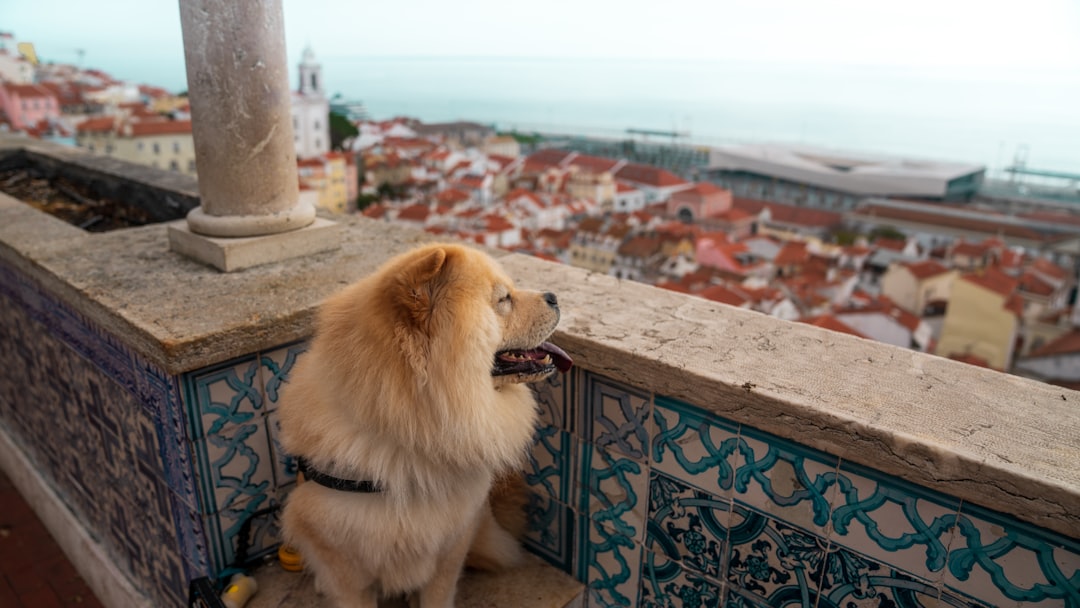
Photo by Alexander London on Unsplash
For many travelers, moving to Lisbon with pets makes sense for three simple reasons: direct flights, manageable size, and a lifestyle that is unusually good for daily walks. Lisbon is not a city of giant distances. Neighborhoods like Estrela, Campo de Ourique, Alcantara, and Avenidas Novas let you combine practical errands with parks, veterinary clinics, bakeries, and apartment-heavy streets where a nervous pet can settle into routine. The city smells of coffee, grilled fish, wet stone after morning washdowns, and salt from the river. It is busy, yes, but not relentlessly vertical in the places that matter most for day-to-day pet life.
Portugal also sits inside a travel ecosystem that becomes easier once your paperwork is right. The initial jump into Europe is the stressful part. After that, regional train journeys, car trips to the Alentejo, and future EU travel can feel much simpler. That is why moving to Lisbon with pets is often smarter than trying to land first in a smaller airport with fewer direct routes and fewer backup hotel options.
Another advantage is rhythm. Lisbon mornings begin gently. The first tram rattles, cafe chairs scrape stone, scooters whine uphill, and dog walkers appear before the heat. That calmer early window is ideal when your animal is adjusting to jet lag, new sounds, and different surfaces underfoot. A city that gives you quiet hours matters more than glossy pet branding.
Here is where Lisbon tends to shine for pet owners:
- Walkable neighborhoods with parks and shaded squares
- Good stock of furnished apartments for one- to three-month transitions
- Strong air connections through Humberto Delgado Airport, code LIS
- Easy onward rail travel to Porto, Coimbra, and the Algarve
- Outdoor cafe culture that makes breaks easier with dogs
- Mild winters compared with much of northern Europe
And here is where it can be tricky:
- Old-center streets are steep, slippery, and loud
- Summer pavement gets hot by late morning
- Indoor pet acceptance varies widely despite outdoor friendliness
- Some landlords accept small pets only, or add deposits after booking
- Beach access rules change by season and municipality
Pet travel documents for Portugal and the EU

Photo by Louis Droege on Unsplash
If you are moving to Lisbon with pets, your pet travel documents matter more than your suitcase. Clothes can be replaced on Avenida da Liberdade. A missing endorsement or mistimed rabies vaccine can mean denied boarding, expensive delays, or a pet stuck in a system that becomes much less friendly once paperwork fails. This is the part to get obsessively right.
For most non-EU travelers bringing a dog or cat into Portugal, the standard path is straightforward but time-sensitive. Your animal needs an ISO-compatible microchip. The rabies vaccine needs to be valid and, for a first vaccination, usually must be given after the microchip and at least 21 days before travel. Then you will normally need the relevant animal health certificate issued in the correct window before departure. If you already live in the EU and your pet is registered there, an EU pet passport is usually the central document instead.
What trips people up is not the rule itself. It is timing, sequence, and matching numbers. The microchip number must match every page. Dates must line up. Carrier labels should match the name on the certificate. And if you are planning onward travel to another country after Lisbon, extra requirements may apply. The EU pet passport becomes especially useful later, but it does not magically replace the entry process for a pet arriving from outside the EU. If you want a broader low-stress framework for routines, crates, and calmer departure days, Traveling With Pets in 2026: The Low-Stress Trip Blueprint pairs well with the administrative side of this guide.
What most travelers need before departure
- ISO 11784/11785 compliant microchip
- Valid rabies vaccination recorded against that microchip
- Official health certificate issued within the required pre-departure window
- Airline reservation confirmation for the pet, not just the human ticket
- Printed and digital copies of all pet travel documents
- Carrier or crate that meets the airline pet policy for your route
- Recent photo of your pet in case of separation or paperwork confusion
Typical timeline for moving to Lisbon with pets
| Timing | What to do | Why it matters | Ballpark cost |
|---|---|---|---|
| 3 to 6 months out | Check Portugal and EU rules, verify microchip, confirm rabies status | Fixing sequence problems can take weeks | EUR 0 to 80 |
| 6 to 8 weeks out | Book your flight and reserve the pet space | Many airlines cap pets per flight | EUR 70 to 400 pet fee depending on route |
| 30 days out | Final vet review and carrier practice | Catches paperwork errors and behavior issues | EUR 50 to 150 |
| 10 days out or airline window | Obtain official health certificate if required | This is where many travelers run late | EUR 80 to 250 |
| 48 hours out | Print backups, confirm pet booking, label carrier | Small mistakes become airport disasters | EUR 0 to 20 |
When people talk about pet travel documents, they usually mean the papers themselves. But in practice, pet travel documents are a system: papers, timing, crate, booking, and route. Treat them as one package. If one part fails, the rest may not matter.
A few Portugal and EU points are worth remembering:
- An EU pet passport is mainly for pets already documented inside the EU. It is incredibly useful once established, but it is not a shortcut for every arrival from abroad.
- Dogs traveling onward to countries such as Ireland, Malta, Finland, or Norway may need tapeworm treatment timed very precisely before entry.
- Border rules can change by origin country, so always check official government guidance close to departure.
- Originals still matter. Do not rely on screenshots alone.
Useful official links:
- EU guidance on traveling with pets: https://europa.eu/youreurope/citizens/travel/carry/animal-plant/index_en.htm
- Portugal veterinary authority information: https://www.dgav.pt
- Lisbon airport information: https://www.ana.pt/en/lis/home
Airline pet policy: cabin, hold, or a ferry-drive route

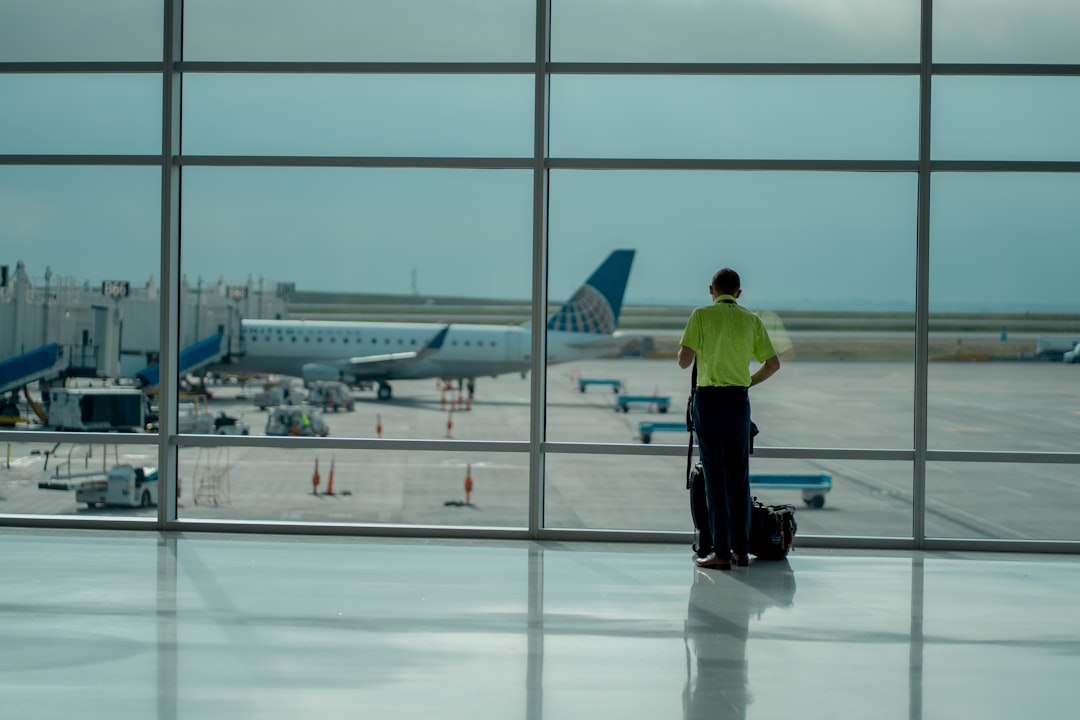
Photo by Glauco Zuccaccia on Unsplash
The airline pet policy is where budgets, animal temperament, and route logic collide. A tiny dog that can travel under the seat may turn an international move into a tiring but manageable day. A large dog that must travel in the hold changes everything: season, airline choice, airport transfer time, even whether you should fly at all. When you are moving to Lisbon with pets, the right airline pet policy is not the cheapest one. It is the one that matches your animal's size, age, breathing profile, and stress threshold.
For small dogs and cats, cabin travel is usually the least stressful option if your airline allows it. That means a soft-sided carrier, strict dimensions, and a pet weight limit that often includes the bag. Many routes between North America and Lisbon or major European hubs charge roughly EUR 75 to EUR 200 each way for an in-cabin pet, though intercontinental routes often sit toward the higher end. Book early: some flights allow only a handful of pets in cabin.
For bigger dogs, hold travel can still be safe when conditions are right, but it is a more serious operation. Avoid peak heat if possible. Avoid very tight transfers. Be extra cautious with brachycephalic breeds. Read the airline pet policy line by line, then call. What is written online and what the airport staff enforce are not always identical. If a ferry-plus-drive route is realistic for your origin, it can be worth considering, especially from the UK or western France into northern Spain and then onward by car.
Cabin vs hold vs ferry-drive
| Option | Best for | Typical pet cost | Main advantage | Main drawback |
|---|---|---|---|---|
| In-cabin flight | Small dogs and cats | EUR 75 to 200 each way | You stay with your pet | Tight size and weight limits |
| Checked hold or cargo | Medium to large dogs | EUR 200 to 600 or more | Fastest for long distances | More stress, stricter crate rules |
| Ferry plus drive | UK and parts of western Europe | Ferry cabin plus car costs vary widely | Fewer flight stressors | Much longer journey |
Airlines and routes travelers commonly compare
- TAP Air Portugal: strongest nonstop network into Lisbon, often the first carrier people check for moving to Lisbon with pets. Pet fees vary by route and weight. Info: https://www.flytap.com/en-pt/travelling-with-animals
- Lufthansa via Frankfurt, code FRA: good backup if nonstop Lisbon flights do not work, but confirm transfer procedures carefully.
- Air France via Paris Charles de Gaulle, code CDG: useful from many cities, though airport transfer stress can be higher than a nonstop.
- Iberia via Madrid, code MAD: often practical if you plan to continue into Portugal by air or road.
If your dog is large and you are coming from the UK, a route many relocation-minded travelers consider is Brittany Ferries from Portsmouth to Santander or Bilbao, then a long drive into Portugal. It is slower, but for some animals it is kinder than a cargo hold.
Before you book, check this against the airline pet policy:
- Total weight limit including carrier
- Exact carrier dimensions
- Breed exclusions or temperature restrictions
- Whether the pet fee is paid at booking or airport
- Whether your arrival airport can handle the route as booked
- Transfer minimums if you are connecting
The first 7 days after landing
When people imagine moving to Lisbon with pets, they picture the flight. In reality, the first week shapes the outcome more than the travel day. A calm, boring first week is a success. You want routine, not sightseeing marathons. Light, food, water, sleep, toilet breaks, and quiet corners matter more than famous viewpoints.
Lisbon can be stimulating even when it is beautiful. There are trams screeching into curves, polished calçada stones that feel strange under paws, mopeds, gulls, church bells, and neighborhoods where sound bounces off old walls. Your pet may arrive wired, thirsty, clingy, or strangely flat. That does not always mean something is wrong. It often means their world just turned inside out.
The best version of moving to Lisbon with pets starts with creating a tiny territory. One room if needed. One blanket that smells like home. One feeding routine you do not improvise. Let the city arrive slowly.
First-week reset list
- Keep the same food for at least several days after arrival
- Offer water often, especially after a long flight or summer arrival
- Do short, repetitive walks rather than big exploratory loops
- Avoid elevators, crowded trams, and steep old-town staircases on day one if your pet is already overloaded
- Locate one nearby pet shop and one veterinary clinic within 24 hours
- Photograph your pet at the apartment entrance and on the street outside in case they slip a leash
- Update tags with a Portuguese phone number as soon as you have one
For dogs, good settling neighborhoods include Estrela, Campo de Ourique, and quieter stretches of Avenidas Novas. For cats, choose buildings with good sound insulation, elevators if possible, and less nightlife. Baixa and Bairro Alto look romantic in photos, but they are not always restful on a Friday night.
How to get there
For most people, moving to Lisbon with pets begins at Humberto Delgado Airport, code LIS, about 7 km from the historic center. It is one of the easiest major-entry airports in southern Europe because you can land and reach a practical neighborhood fast. That matters when you have a tired animal, paperwork folder, and a crate that suddenly feels twice as heavy as it did at home.
Nonstop routes are the gold standard if your pet can get one. Every extra handoff, transfer desk, or terminal change adds stress. From North America, Lisbon is one of the more manageable first European arrivals because flight times are shorter than many deeper-European routes. From the UK and western Europe, you also have ferry-and-drive or short-haul options that can make moving to Lisbon with pets feel much less dramatic.
Typical routes into Lisbon
| Origin | Main route | Duration | Typical human fare | Typical pet notes |
|---|---|---|---|---|
| London, code LHR or LGW | Direct to LIS | 2 h 40 m to 3 h | EUR 80 to 250 one way | Usually easiest short-haul option |
| New York, code JFK or EWR | Direct to LIS | 6 h 45 m to 7 h 15 m | EUR 350 to 900 one way | Good nonstop choice for cabin pets |
| Toronto, code YYZ | Direct or one stop to LIS | 6 h 50 m direct, longer with stop | EUR 450 to 1,000 one way | Book early, limited pet spaces |
| Paris, code CDG | Direct to LIS | 2 h 30 m | EUR 70 to 220 one way | Useful if repositioning inside Europe |
| Madrid, code MAD | Direct to LIS | 1 h 20 m | EUR 40 to 150 one way | Easy air hop, no direct rail at present |
| Porto, code OPO or train | Train to Lisbon | 2 h 50 m to 3 h 15 m | EUR 25 to 60 | Good once already inside Portugal |
Getting from Lisbon airport into the city with a pet
- Taxi or ride-hailing: Usually the easiest choice after arrival. Expect roughly EUR 12 to 25 to central neighborhoods depending on time, luggage, and traffic. Confirm crate size before loading.
- Metro: Fast and cheap, around EUR 1.80 plus card cost, but only sensible if your animal is calm and in a manageable carrier.
- Private transfer: Around EUR 30 to 60. Worth it for large crates, late-night arrivals, or nervous pets.
- Rental car: Best only if you are continuing outside Lisbon immediately. City parking and one-way streets are not ideal on a tired first day.
Train, bus, ferry, and road notes
If you are already in Portugal, trains are excellent for onward movement. Lisbon Santa Apolonia and Oriente connect you north and south. Comboios de Portugal publishes pet rules here: https://www.cp.pt/passageiros/en. Small pets in carriers are usually easiest; larger dogs typically need leash and muzzle compliance.
Long-distance buses are less useful. Many operators either ban pets or limit carriage to service animals, so do not assume a cheap bus ticket solves a route.
For drivers, these are the practical drive times into Lisbon:
- Porto to Lisbon: about 3 hours on the A1 in light traffic
- Faro to Lisbon: about 2 hours 45 minutes on the A2
- Madrid to Lisbon: about 6 hours 30 minutes to 7 hours 30 minutes depending on stops and border-side traffic
- Seville to Lisbon: about 4 hours 30 minutes to 5 hours
When I plan moving to Lisbon with pets, I build one arrival board with flight times, pet booking references, apartment check-in rules, and nearby clinics on TravelDeck. It keeps the first 48 hours from turning into a tangle of screenshots.
Things to do
A pet move should not become a forced march through landmarks, but you also cannot stay indoors forever. One of the pleasures of moving to Lisbon with pets is that the city gives you gentle ways to explore while your animal settles. The river reflects white light even on tired mornings. Parks smell of damp earth and eucalyptus after mist. Kiosks open early enough for coffee before the crowds, and many of the best pet-friendly moments are simple: a shady bench, a quiet gravel path, a breeze coming off the Tagus.
This is where dog friendly Lisbon starts to feel real rather than theoretical. You stop measuring the city by visas and certificates and start measuring it by surfaces, shade, noise, and distance between water bowls. Cat owners will experience these places differently, of course, but even for indoor pets, your own comfort map matters. A calmer owner makes a calmer home.
1. Jardim da Estrela
A classic first-week park in Estrela, across from the basilica. There is shade, local dog walkers, kiosks, and enough room for decompression without the chaos of the riverfront. Go early. The light through the palms is soft, the benches are cool, and the pace feels neighborly rather than touristic.
2. Tapada das Necessidades
This wilder green space in the Estrela-Alcantara area feels almost hidden, with old trees, broken romantic landscaping, and fewer crowds. It is excellent for a dog that needs quiet sniffing time instead of stimulation. Surfaces are softer than the historic-center stone, which many newly arrived pets appreciate.
3. Monsanto Forest Park
Lisbon's largest green lung is ideal once your pet is over the first-day jitters. Trails, viewpoints, and broader spaces make it a smart weekend reset. If you are staying centrally, expect around 15 to 25 minutes by car depending on where you start. For many people moving to Lisbon with pets, Monsanto becomes the place where the city finally clicks.
4. The Belem riverside promenade
From the area near MAAT and the Monument to the Discoveries toward Belem, the path along the river gives you breeze and room. Avoid the hottest midday hours in summer. It is scenic, flat, and one of the easiest long walks in dog friendly Lisbon, especially on weekdays.
5. Parque das Nacoes
If the old center feels too steep or noisy, head east. The broad promenades by the water, modern sidewalks, and cleaner layout are excellent for routine walks. This district also works well if you need a practical base near the airport in your first nights.
6. Campo de Ourique streets and Jardim da Parada
Not every outing has to be an outing. Campo de Ourique is one of the most livable areas for everyday strolling, bakery stops, and predictable blocks. Jardim da Parada is small but useful. The neighborhood's flatter terrain makes it especially good for older dogs or humans carrying cat supplies home.
7. Costa da Caparica in the shoulder season
When your logistics finally settle, a beach day can be the emotional reward. Rules vary by beach and season, so always check local signage, but off-peak months are much easier. Morning air smells of salt and seaweed, and the open horizon is a gift after days of urban concentration.
8. LX Factory in Alcantara
Not because it is the quietest place, but because it lets you rejoin normal urban life. The outdoor spaces, coffee stops, and bookshop atmosphere make it a pleasant test of tolerance once your dog is more settled. Choose quieter hours.
Where to stay
The biggest accommodation mistake people make while moving to Lisbon with pets is booking for charm before booking for function. Alfama views are lovely until you are carrying litter upstairs or taking a jet-lagged dog down polished stone alleys at 6:30 a.m. For the first month, choose ease. Elevators, washable floors, nearby green space, and clear pet rules matter more than a postcard balcony.
This is also where many travelers discover that pet friendly hotels and pet-friendly apartments are not the same thing. A hotel may allow dogs but charge high cleaning fees, restrict unattended pets, or refuse larger animals. An apartment may be more flexible for cats, longer stays, and feeding routines, but landlords can be inconsistent. Always confirm in writing: pet type, size, fee, deposit, and whether the animal can stay alone briefly if you need a supermarket run.
Best neighborhoods for the first month
| Neighborhood | Best for | Trade-offs | Typical short-stay price |
|---|---|---|---|
| Estrela | Parks, calmer streets, central feel | Some hills | EUR 110 to 220 per night |
| Campo de Ourique | Everyday livability, flatter blocks | Less sightseeing drama | EUR 100 to 200 per night |
| Avenidas Novas | Practical apartments, clinics, metro | Less romantic atmosphere | EUR 95 to 210 per night |
| Alcantara | Riverside access, larger buildings | Some traffic and rail noise | EUR 90 to 200 per night |
| Parque das Nacoes | Near airport, modern layout | Feels less historic | EUR 100 to 230 per night |
Budget pet friendly hotels
- ibis Lisboa Jose Malhoa: often one of the simplest budget chain options for travelers with dogs or cats. Expect roughly EUR 80 to 120 per night in lower-demand periods.
- ibis Lisboa Centro Liberdade: practical for central access without diving into the noisiest old-town streets. Usually around EUR 90 to 130.
- B&B HOTEL Lisboa Aeroporto: useful for first or last night logistics, especially after a late flight. Often around EUR 85 to 125.
Mid-range pet friendly hotels
- Moxy Lisbon City: a convenient modern base with easier logistics than the medieval core. Often EUR 130 to 190.
- Upon Lisbon Prime Residences: helpful for longer stays thanks to apartment-style layouts. Often EUR 140 to 220.
- Locke de Santa Joana: good for travelers who want design but still need longer-stay practicality. Usually EUR 150 to 240 depending on season.
Luxury pet friendly hotels
- InterContinental Lisbon: near Parque Eduardo VII, good room sizes, and calmer access than tighter old-center streets. Often EUR 250 to 420.
- Corinthia Lisbon: strong for facilities and road access if you are arriving by car. Usually EUR 240 to 430.
- Hyatt Regency Lisbon: especially attractive if you want river access and apartment-style comfort nearby. Often EUR 260 to 450.
Policies shift constantly, so reconfirm before payment. The most reliable booking habit for moving to Lisbon with pets is emailing the property directly after reserving and asking for a written confirmation of the pet acceptance conditions.
Where to eat
One small joy of moving to Lisbon with pets is how easily meals can happen outdoors. You do not need every restaurant to be pet-friendly indoors if the city gives you terraces, kiosks, takeaway counters, and riverfront benches where lunch still feels like part of the trip. The smell of grilled dourada, garlic, and espresso carries through many neighborhoods, and once your first-week nerves settle, food becomes a way back into pleasure.
Dog friendly Lisbon is not perfect in restaurants, but it is workable if you think in terraces first. Book outdoor tables when possible, avoid peak crowds, and keep expectations flexible. Cats, of course, are usually back at the apartment by dinner, which is another reason choosing a stable temporary home matters.
Good food stops for newly arrived pet owners
- Mercado de Campo de Ourique: easier and calmer than the city's most famous market halls, with multiple counters and a neighborhood feel. Great for flexible lunches.
- Quiosque Jardim da Estrela: ideal for coffee, toasties, and a low-pressure pause after a park walk.
- Prado in Baixa: modern Portuguese cooking with seasonal ingredients; call ahead for terrace options.
- Ponto Final in Almada: seafood and river views worth the short ferry trip once your routine is stable. The open-air setting is the appeal.
- Manteigaria on Rua do Loreto or other branches: the quick pastel de nata stop that asks nothing of your schedule except a few minutes.
- A Cevicheria in Principe Real: lively, seafood-forward, and best approached off-peak.
What to eat in your first week
- Grilled sea bass or dourada when you want something clean and simple
- Caldo verde on cooler nights
- Prego sandwiches for fast lunches between admin errands
- Pastel de nata for the sugar hit you will absolutely deserve
- Fresh fruit and rotisserie chicken from neighborhood groceries when normal meals beat restaurant hunts
If you are dining in residential areas, being a considerate pet owner matters as much as finding a table. The social side of pet travel is subtle, and Unspoken Travel Rules Abroad in 2026: Be a Better Guest is useful reading before you assume every terrace welcomes every dog at every hour.
Practical tips
The practical side of moving to Lisbon with pets is where the city stops being dreamy and starts being livable. Weather, pavement temperature, neighborhood noise, pharmacy hours, SIM cards, emergency clinics, and landlord habits all matter. The good news is that Lisbon is very workable once you learn its tempo. The bad news is that it punishes improvisation in August heat and on steep cobbled streets.
This is also where pet travel documents and street reality meet. A perfect folder does not help if your dog refuses the elevator, your cat panics at church bells, or you booked a third-floor walk-up in a heat wave. Plan with the body in mind: paws on stone, carrier on shoulder, crate in taxi, queue at pharmacy, walk to the nearest patch of shade.
Best months for arrival
| Month | Weather feel | Pet comfort | Notes |
|---|---|---|---|
| January to February | Cool, damp, mild by European standards | Good for active dogs | Rainy spells, quieter housing market |
| March to May | Fresh, green, bright | Excellent | Best balance of comfort and city energy |
| June | Warm, lively | Good early and late in day | Crowds build around festivals |
| July to August | Hot, bright, busy | Harder | Pavement heat and tourism peak |
| September to October | Warm but softer | Excellent | Great month for moving to Lisbon with pets |
| November to December | Mild, mixed rain | Good | Lower crowds, easier resets |
What to pack beyond the obvious
- Three to five days of the food your pet already knows
- Collapsible bowls and one sturdier bowl for the apartment
- Extra pee pads even if your pet is house-trained
- A thin blanket or T-shirt that smells like home
- A slip-proof harness and backup leash
- Paper and digital copies of pet travel documents
- Medications in original packaging
- A small towel for wet paws on calçada after rain
Local reality checks
- Currency: Euro, card payments widely accepted
- Connectivity: easy prepaid SIM options from MEO, NOS, and Vodafone; get one quickly for taxi apps and clinic calls
- Safety: Lisbon is generally manageable, but watch for off-leash moments near roads, scooters, and tram lines
- Heat: in summer, walk before 9 a.m. and after sunset
- Noise: avoid Bairro Alto and Cais do Sodre for your first week if your pet startles easily
- Transit: public transport rules vary by operator and crowd level; small carriers are easiest
Veterinary and settling tips
- Identify one clinic near home and one 24-hour emergency option before night one
- Ask your temporary landlord where the nearest pharmacy and mini-market are
- Keep one day completely empty after arrival if possible
- If you will stay longer, ask a local vet about parasite prevention suited to Portugal's climate
- If you are continuing around Europe later, discuss how to convert or maintain the documentation you will need, including use of the EU pet passport where relevant
Useful official and practical links
- Portugal airport operator: https://www.ana.pt/en/lis/home
- TAP animal travel page: https://www.flytap.com/en-pt/travelling-with-animals
- EU pet movement rules: https://europa.eu/youreurope/citizens/travel/carry/animal-plant/index_en.htm
- Portuguese veterinary authority: https://www.dgav.pt
One final practical note: pet travel documents should live in two places on arrival day, one on your body and one in your carry-on. Never let the entire system sit in one backpack or one checked bag.
FAQ
Is moving to Lisbon with pets expensive?
It can be, but the price swing comes mostly from flight type and accommodation, not everyday life once you arrive. For a small in-cabin pet, many travelers spend around EUR 75 to 200 each way on the airline fee, plus vet paperwork and a compliant carrier. Large-dog moves can rise sharply if hold transport, oversized crates, or specialized routing are involved. Budget at least a few hundred euros beyond your own ticket.
What pet travel documents do I need for Portugal?
At minimum, expect to need a valid microchip, valid rabies vaccination, and the right official health paperwork for your origin country and route. If your pet is already registered inside the EU, the EU pet passport is usually the core travel document. Travelers arriving from outside the EU generally need entry paperwork rather than relying on the EU pet passport alone.
Is Lisbon a good city for dogs?
Yes, especially if you choose the right neighborhood. Dog friendly Lisbon is strongest in places with parks, flatter streets, and calmer residential blocks such as Estrela, Campo de Ourique, parts of Avenidas Novas, and Parque das Nacoes. It is weaker in steep nightlife-heavy districts where noise and access are harder.
Are there enough pet friendly hotels in Lisbon?
Yes, but the good ones fill fast in high season and policies vary by room category and pet size. Many pet friendly hotels are easiest for short stays or the first week, while apartments often work better after that. Always confirm fee, deposit, weight limit, and whether pets may be left unattended.
Should I fly direct or connect through another European city?
If your budget and route allow it, direct is usually best. The simpler the airline pet policy chain, the easier the day goes. Connections add handling, delay risk, and more sensory overload. The main exceptions are when a connecting carrier has much better pet rules or when a ferry-drive route reduces stress for a larger dog.
Moving to Lisbon with pets is not glamorous on paper. It is forms, labels, timings, floors you can mop, and streets you can manage half-asleep after a red-eye. But once the logistics fade, the reward is unusually tangible: early walks under plane trees, coffee beside a garden kiosk, river air at sunset, and the quiet realization that your animal has started to recognize this bright Atlantic city as home too.