
The costliest airline ticket in the terminal is often not the one in business class. It is the economy seat bought with the wrong card, then redeemed through a weak portal for half its value. That is why travel rewards cards for beginners matter so much in 2026: not because they promise glamour, but because they can turn the same groceries, train rides, and Friday takeout into a real flight, a better room, or a softer landing on a tight travel budget.
If you have ever stood under the cold blue glow of an airport departures board and wondered how other travelers seem to hop across the Atlantic for less, the answer is usually less mysterious than it looks. They are not necessarily spending more. Often, they are spending more deliberately. The smartest points users know that the best deal is rarely about the shiniest premium card. It is about matching one card to your habits, one bonus to a realistic goal, and one redemption to a trip you would actually take.
This guide is built for readers who want travel rewards cards for beginners explained in plain English, with real numbers, real trade-offs, and a grounded seven-night example in Madrid. Along the way, I will break down the best travel credit cards, the difference between flexible travel rewards and a single-airline approach, exactly how to use points without wasting them, and the kind of airline miles strategy that helps a budget trip feel unexpectedly polished.
Travel rewards cards for beginners start with habits, not hype
Photo by Christian Wiediger on Unsplash
There is a certain theater to travel rewards. Lounge doors slide open. Metal cards hit marble counters with a satisfying knock. Welcome bonuses arrive with headline-sized numbers that make an ordinary Tuesday grocery run feel like a miniature financial masterstroke. But behind the shine, travel rewards cards for beginners are really about discipline. The cards only work if the traveler works the system more carefully than the system works the traveler.
The first thing to understand is brutally simple: interest destroys points value. A 75,000-point welcome bonus can feel huge, but one month of carried balance at a high APR can burn through the value fast. The second truth is gentler. You do not need a wallet thick with cards, color-coded spreadsheets, and a hundred transfer partners on speed dial. Most people can do very well with one flexible card, one realistic bonus goal, and a short list of airline or hotel programs worth learning.
When I think about travel rewards cards for beginners, I think less about luxury and more about texture: the smell of coffee before dawn in Terminal 4, the relief of not paying a surprise foreign transaction fee in a small tapas bar, the quiet pleasure of choosing a nonstop flight because points made it affordable. Good cards buy options. Great strategies buy calm.
Before you apply for anything, keep these rules in view:
- Pay every statement in full. If you cannot do that consistently, skip rewards cards altogether.
- Start with one card that earns transferable points, not three cards at once.
- Pick a first redemption goal before you chase a bonus. Europe in shoulder season is clearer than more travel someday.
- Track annual fees, statement credits, and renewal dates in one place. I often sketch award dates and cash alternatives in TravelDeck before I transfer anything.
- Never move points to an airline or hotel until you have found the seat or room you want. Most transfers are one-way.
- Think in total trip cost, not only points spent. Taxes, baggage fees, airport transfers, and hotel rates still matter.
If you want the airport side of the budget equation sharper too, the practical savings in Save Money at Airports in 2026: Beat Queues, Skip Markups pair surprisingly well with a points strategy.
Best travel credit cards in 2026 for real-world travelers
Photo by Christian Wiediger on Unsplash
Walk through any airport and you can almost sort travelers by card type. The casual city-break couple wants simplicity. The weekly flier wants lounge access, strong insurance, and a clean way to erase friction. The home-airport loyalist cares about free checked bags and better award access. That is why there is no single winner in the best travel credit cards conversation. The right card depends on what your money already does.
For travel rewards cards for beginners, I look for four things first: a welcome bonus large enough to fund a meaningful trip, transfer partners that open real choices, bonus categories that match normal life, and an annual fee low enough that the card still makes sense in year two. A huge benefits sheet is useless if you never use the credits. A premium card can be terrific, but only if you are honest about your travel rhythm.
Here is a practical comparison of some of the best travel credit cards available in 2026, with an eye on value rather than marketing sparkle.
| Card | Best for | Annual fee | Core earning pattern | Why it stands out |
|---|---|---|---|---|
| Chase Sapphire Preferred | First serious travel card | $95 | 5x on portal travel, 3x dining, 2x other travel | Strong transfer partners, easy learning curve, solid protections |
| Chase Sapphire Reserve | Frequent traveler who will use premium perks | $795 | 8x on Chase Travel, 4x flights and hotels booked direct, 3x dining | Easy travel credit, lounge access, premium protections |
| Capital One Venture X | Simplicity with premium perks | $395 | 10x hotels and car rentals through portal, 5x flights through portal, 2x everywhere else | Easy catch-all earnings, useful annual travel credit, lounge access |
| Capital One Venture Rewards | Straightforward earner with lower fee | $95 | 5x select portal bookings, 2x everywhere else | Very simple for travelers who hate category tracking |
| American Express Gold | Food-heavy spender who travels a few times a year | $325 | 4x dining, 4x U.S. supermarkets, 3x flights | Excellent points engine if your household spends heavily on food |
| The Platinum Card from American Express | Lounge-first premium traveler | $895 | 5x flights booked direct or through Amex Travel, 5x prepaid hotels | Huge lounge network and credits, but value depends on active use |
| Citi Strata Premier | Low-fee flexible points option | $95 | 10x portal hotels and cars, 3x air, hotels, restaurants, supermarkets, gas, EV charging | Broad everyday categories with a modest fee |
| United Quest | United flyer based near a United hub | $350 | Extra value on United purchases plus travel and dining | Useful airline-specific perks like bags, credits, and better award access |
The Chase Sapphire Preferred remains one of the strongest answers in the best travel credit cards debate for people who want power without intimidation. The fee is modest, the earning structure is easy to understand, and the points can be used in more than one way. If you are the kind of traveler who books two or three trips a year, dines out regularly, and wants a card that can grow with you, it is still a standout.
Capital One Venture X is the card I point to when someone says they want premium benefits but hates complexity. Its flat 2x earning on most purchases creates a clean, low-friction system. You do not need to remember whether this week is better for groceries, gas, streaming, or transit. That simplicity matters. A card you understand beats a card you forget to optimize. In the best travel credit cards tier for travelers who actually want to keep using the card after the bonus posts, Venture X is hard to ignore.
American Express Gold is less glamorous at the gate and more powerful at the dinner table. If a household spends heavily on restaurants and U.S. supermarket purchases, it can generate points quickly. It is not the easiest single-card strategy for everyone, but it is a tremendous earning engine that can feed a larger airline miles strategy if you are willing to learn transfer partners.
Then there are airline cards like United Quest. These are not always the strongest pure points earners, but they can be excellent money savers for the right traveler. If you live near a carrier hub and repeatedly fly the same airline, free checked bags, better boarding, and award discounts can beat abstract flexibility. A good award flight redemption is not only about cents per point. It is also about having a smoother, cheaper trip every single time you fly.
Which profile fits you best
The easiest way to choose among the best travel credit cards is to match your spending style to a card profile:
- Choose Chase Sapphire Preferred if you want a first flexible card with low annual risk.
- Choose Venture X if you want a premium setup that is easy to use year-round.
- Choose Amex Gold if food spending is your strongest category and you will learn transfers.
- Choose Amex Platinum if lounge access and credits truly match your routine.
- Choose a card like United Quest if one airline dominates your home airport life.
- Choose Citi Strata Premier if you want broad bonus categories at a reasonable fee.
Flexible travel rewards vs airline miles strategy
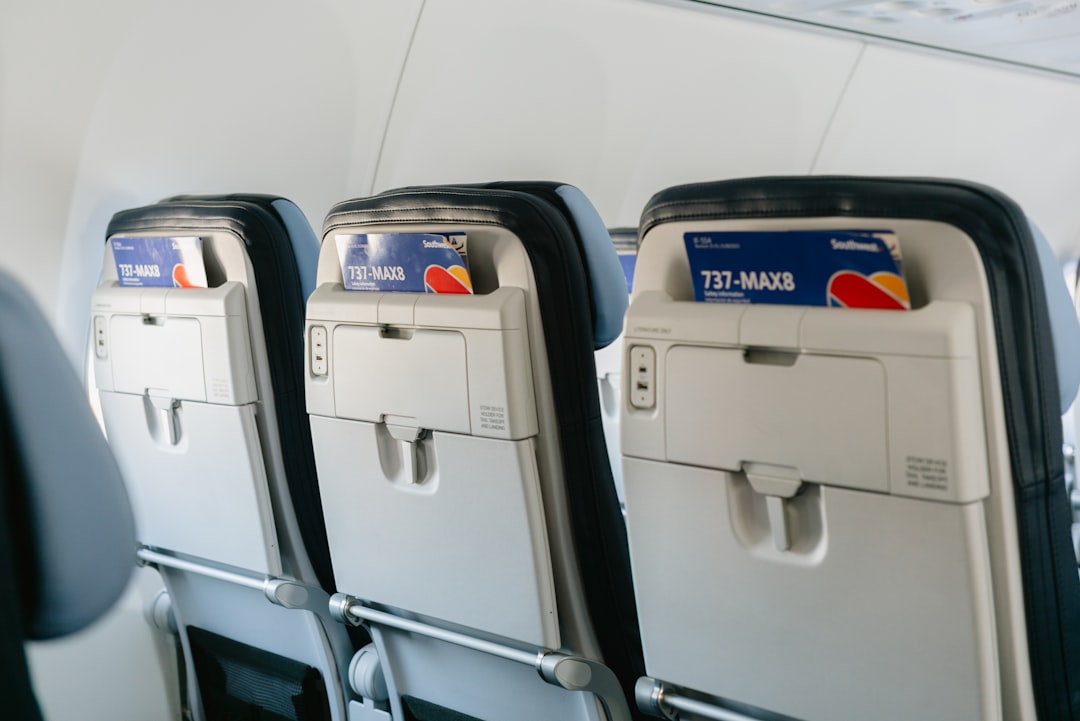
Photo by Fujiphilm on Unsplash
Think of flexible travel rewards as a travel wardrobe in neutral colors. They work with almost everything. Think of a single airline card as a tailored coat: perfect on the right day, limiting on the wrong one. For travel rewards cards for beginners, flexible points are usually the safer opening move because they preserve choice. You can redeem through a bank portal, transfer to airlines, transfer to hotels, or wait while you decide.
That optionality matters when travel prices change by season, route, and mood. A spring ticket to Madrid can look ordinary one week and eye-wateringly expensive the next. With flexible travel rewards, you can compare multiple programs before you commit. With an airline-only card, you may be stuck hoping your chosen program has seats at a price you can stomach.
Still, a focused airline miles strategy can outperform flexibility if your pattern is predictable. A traveler in Newark who flies United every few months may get more practical value from a United-specific setup than from endlessly hoarding transferable points they never redeem. The same logic applies to Delta, American, Alaska, or a hotel chain you use constantly.
Use this simple lens:
Flexible travel rewards usually win when
- You are new to points and want room to learn.
- You do not always fly the same airline.
- You value transfer partners for international trips.
- You want a backup redemption route through a travel portal.
- You prefer one main card rather than several brand-specific products.
An airline miles strategy usually wins when
- You live at or near a major airline hub.
- Free checked bags would save you real cash several times a year.
- You care about early boarding, better award inventory, or status progress.
- You mainly redeem on one airline and know its sweet spots.
- You travel with family, where bag fees and seat selection add up fast.
For most readers starting out, I suggest this order: begin with flexible travel rewards, learn one or two transfer partners, and only then add an airline card if your travel pattern clearly supports it. That approach keeps your first year efficient and your mistakes cheap.
How to use points without burning value
The harshest truth about points is that earning them is the easy part. The hard part is knowing how to use points once you have them. Award search tools make everything look tantalizing. Bright calendars flash. Route maps expand. Portals tempt you with one-click convenience. But convenience is not always value. Sometimes the worst redemption is the one that feels effortless.
A solid award flight redemption starts with one question: what would I actually pay in cash for this trip? If a round-trip flight costs $320 and the redemption asks for 32,000 points plus taxes, you are basically getting around 1 cent per point before any deeper math. That might be fine if you are cash-strapped and need the trip. It is weak if those same points could unlock a $700 flight or a better transfer opportunity.
Understanding how to use points is less about memorizing secret formulas and more about comparing options with a cool head. The goal is not to squeeze every last decimal point of value from every transfer. The goal is to avoid bad redemptions often enough that your good ones feel easy.
Here is the framework I use before any transfer or booking:
- Check cash price first. If the fare is cheap, save points for a more expensive trip.
- Check taxes and fees. Some airline programs look cheap in points but expensive in surcharges.
- Search award space before transferring. Transfers are often irreversible.
- Compare portal and partner options. The portal may be simpler; the transfer may be far better.
- Value the full trip, not the seat alone. A nonstop at a sensible hour can be worth more than a bargain connection.
- Use points for peak dates. Holidays, summer weekends, and school breaks often create the best value.
- Do not force hotel redemptions in cheap cities. In places with strong cash hotel value, points may be better spent on flights.
A quick value guide:
| Redemption type | Often smart | Usually middling | Usually poor |
|---|---|---|---|
| Flights | Long-haul economy on expensive dates, business class only if you genuinely value it, nonstop routes you would otherwise buy | Domestic economy on moderate cash fares | Cheap short flights when cash fares are under about $100 to $150 |
| Hotels | High-rate cities, luxury stays you would never pay cash for, last-minute spikes | Mid-range chain hotels on steady dates | Budget hotels in cheap cities where cash rates are already low |
| Portal bookings | Good when fares are reasonable and you want simplicity or elite credit may not matter | Fine for travelers who value easy checkout | Weak when transfer partners offer much better pricing |
This is where many beginners waste points: they learn only one redemption path. But how to use points well means staying open to more than one route. A bank portal can be useful for a cheap domestic fare, while a partner transfer may be far better for Europe. A hotel portal night might help on a late arrival before a cruise, while airline transfer sweet spots handle the big flight. Flexibility is not just theoretical. It is a hedge against average redemptions.
If you are piecing together a long overnight economy trip with points, the comfort tricks in Economy Flight Comfort Routine 2026: Feel Better at Landing are worth pairing with your booking choices, especially when you choose a cheaper redemption that involves awkward departure times.
A first-year setup and cost breakdown that actually makes sense
The smartest travel rewards cards for beginners strategy is often boring in the best possible way. It is not ten cards deep. It does not depend on mythical spending categories. It does not ask you to manufacture purchases or chase every limited-time offer. It uses one bonus, one spending plan, and one believable trip.
Imagine a traveler who spends roughly $1,200 a month across groceries, dining, transit, streaming, and everyday life, then books two flights and a few hotels a year. That traveler does not need a luxury-card identity crisis. They need a clean first-year plan that earns points without changing their personality.
Here are three practical setups, with rough first-year economics using typical 2026 public bonus levels and easy-to-use credits where relevant:
| Setup | Who it suits | Annual fees | First-year bonus target | Rough first-year value story |
|---|---|---|---|---|
| Starter flexible | Casual traveler, low-fee mindset | $95 | 60,000 to 75,000 transferable points | Enough for a Europe economy ticket on the right dates or several domestic trips |
| Simple premium | Traveler who wants lounge access and easy flat-rate earning | $395 | Around 75,000 miles plus travel credit | Good if you actually use the annual travel credit and 2x everywhere |
| Airline loyalist | Traveler at a hub who checks bags often | $350 | 90,000 or more miles in some public offers | Best when bag savings, credits, and airline perks reduce repeated cash costs |
Example monthly spending plan
A realistic spending plan for travel rewards cards for beginners might look like this:
- Rent or mortgage: not included unless you can pay fee-free, which is rare
- Groceries: $350
- Dining and takeout: $250
- Transit, gas, and rideshares: $150
- Streaming, phone, utilities, and small bills: $200
- Miscellaneous shopping: $250
That total alone can help hit a modest spending requirement over time, especially when paired with planned costs like annual insurance, train tickets, family birthdays, or a laptop you already intended to buy. The key is to move existing spending, not invent new spending.
This is also where how to use points connects directly to budget travel. If your first welcome bonus can cover the most expensive piece of a trip, usually the flight, then your cash budget can stretch to better timing, a better neighborhood, or a longer stay. You feel the savings most when points remove a big fixed cost.
Common mistakes that make good points feel cheap
Nothing flattens the thrill of a reward booking faster than realizing you spent a valuable stash on a mediocre deal. You can hear it in the quiet moment after purchase, when the confirmation email lands and the numbers no longer sparkle. That flat little feeling is usually the result of one of five avoidable mistakes.
The first is overvaluing lounge fantasies and undervaluing annual fees. Premium cards can be fantastic, but only when their credits and perks fit your actual routine. The second is underestimating hotel cash deals in affordable cities. Madrid, Porto, Budapest, and many parts of Southeast Asia often offer strong cash value, making points more useful on flights than on rooms. The third is transferring too early. Airline programs are full of one-way doors.
The fourth mistake is ignoring taxes and positioning costs. A supposedly cheap redemption from a different airport can become expensive once you add trains, bags, and a pre-flight hotel. The fifth is forgetting that points are there to be used. Hoarding them for a perfect theoretical redemption can be as wasteful as spending them badly, because programs devalue and pricing changes.
Avoid these traps:
- Do not keep a premium card only because it feels prestigious.
- Do not redeem through a weak portal just because it is easier.
- Do not book high-surcharge awards before checking total cash outlay.
- Do not use points for a $78 airport hotel if a better flight redemption is coming.
- Do not ignore cards with no foreign transaction fees if you travel abroad.
- Do not overlook the value of strong trip delay and baggage protections.
A good airline miles strategy is not a constant hunt for perfection. It is a habit of making fewer bad decisions.
A real seven-night Madrid trip built with points and cash
Abstract advice can feel slippery, so let us pin it to a city. Madrid is a strong example because it combines solid award access from North America, rich food culture, efficient transit, and good hotel cash value. That makes it ideal for showing how to use points in a way that lowers the total bill rather than blindly zeroing out one line item.
Picture the trip: a late spring arrival, the amber light on sandstone facades around Plaza Mayor, chestnut trees leafing out in Retiro, a small plate of tortilla still warm at the center and glossy with olive oil, a cold caña catching the late sun in La Latina. Madrid rewards walkers and night owls. It also rewards travelers who keep their points for the expensive pieces and pay cash where the city is already good value.
For this example, assume a solo traveler flying from New York in May for seven nights.
Sample cost breakdown: cash only vs points-smart booking
| Trip item | Cash-only estimate | Points-smart estimate |
|---|---|---|
| Round-trip flight JFK to MAD | $750 | 42,500 to 51,000 Avios plus about $180 to $230 taxes on good dates |
| Airport transport round trip | $10 to $66 | Same, because points rarely help here |
| 7 nights budget stay | $350 to $560 | Usually better paid in cash |
| 7 nights mid-range stay | $980 to $1,470 | Often still better in cash unless a hotel sweet spot appears |
| Food for 7 days | $210 to $420 | Cash |
| Museums and sights | $45 to $95 | Cash |
| Total budget-style trip | About $1,365 to $1,891 | Roughly $775 to $1,371 plus points |
That is the heart of travel rewards cards for beginners in practice. The flight is the lever. Madrid hotels, especially in shoulder season, are often reasonable enough that cash works fine. You keep points where they save the most money and keep cash where the city offers genuine value.
How to get there
There is something cinematic about arriving in Madrid. The landscape looks dry and wide from the window, almost parchment-colored in summer, then the city appears in blocks of ocher, white, and terracotta. Once you land, the practical beauty of the place becomes clear quickly: one major airport, good urban transport, strong rail links, and a city center that rewards staying connected rather than isolated.
For a points traveler, Madrid is also wonderfully straightforward. Adolfo Suárez Madrid-Barajas Airport, code MAD, is a major hub with nonstops from cities across Europe and North America. That means more ways to build an award flight redemption, whether through Avios, Flying Blue, Aeroplan, or a portal booking when fares dip. It is exactly the kind of city that makes travel rewards cards for beginners feel useful rather than abstract.
Here are the practical ways in:
- Main airport: Adolfo Suárez Madrid-Barajas Airport, MAD. Official airport information: Aena
- From New York: Nonstops usually take about 7 to 8 hours eastbound.
- From Boston, Washington, Miami, Chicago, or Los Angeles: Seasonal and year-round service varies, but Madrid remains one of the easier Spanish gateways from the U.S.
- Typical economy award ranges: On strong dates, East Coast to Madrid can price around 17,000 to 25,500 Avios one way in economy on Iberia-operated flights, with taxes added. Other programs often fall in the 20,000 to 35,000-point range one way when saver space exists.
- Airport to city by bus: The 24-hour Airport Express bus to central Madrid costs about €5 and usually takes around 30 to 40 minutes depending on traffic. Details: EMT Madrid Airport Express
- Airport to city by metro: Metro Line 8 connects the airport with Nuevos Ministerios. With the airport supplement, expect roughly €5 total for a single ride depending on your exact ticket.
- Taxi to central Madrid: Flat fare of about €33 to central areas, often worth it if two people share or you arrive very late.
- Train connections from other Spanish cities: High-speed trains make Madrid easy to reach if you fly into another city first. Barcelona to Madrid is around 2.5 to 3 hours, Seville about 2.5 to 3 hours, and Valencia around 2 hours. Check schedules and fares at Renfe.
Budget note: if your flight lands at Terminal 4 and you are traveling light, bus or metro keeps arrival costs low. Save the taxi for midnight landings, heavy luggage, or split-fare convenience.
Things to do
Madrid is a city that unfolds by time of day. Mornings are all crisp museum stone, espresso steam, and shoes on polished sidewalks. By late afternoon the city softens; parks glow green, plazas fill, and iron balconies cast long shadows across old walls. At night, the streets hum. Glasses clink, oil crackles, and entire neighborhoods seem to drift outdoors. You do not need an expensive itinerary here. You need a good pair of walking shoes and enough energy to stay out later than usual.
For budget-conscious travelers, Madrid is generous because many of its best pleasures are spatial rather than transactional: wandering elegant boulevards, crossing small squares in La Latina, watching sunset from a rooftop, or slipping through Retiro under rustling trees. Even the paid highlights are manageable by big-city standards, which means your airline miles strategy can cover the flight while your daily spend stays reasonable.
Start with these:
- Museo del Prado, Paseo del Prado
- Parque del Retiro
- Royal Palace of Madrid, Calle de Bailén
- Museo Reina Sofía, Atocha area
- La Latina and Cava Baja tapas walk
- Gran Vía to Malasaña walk
- Mercado de la Paz, Salamanca
- Day trip to Toledo
If you like planning days around utility as much as beauty, the workflow ideas in Travel Apps for Every Trip in 2026: The 7-Icon Rule are useful for stitching museum tickets, train times, and neighborhood pins into something you can actually use on the move.
Where to stay
Where you sleep in Madrid shapes the trip almost as much as the flight that gets you there. Stay too far out, and you trade a lower nightly rate for lost time and thinner evenings. Stay too central, and you risk paying a premium to be near streets that never quite sleep. The sweet spot is usually a well-connected neighborhood where you can walk home from dinner, duck into a metro station easily, and still feel the city under your feet.
For travel rewards cards for beginners, this is where restraint pays off. Madrid often has enough good cash deals that burning points on hotels is not always optimal. Unless you find a genuine sweet spot, your flexible travel rewards may go farther on flights while cash covers a comfortable room.
Here are good-value neighborhoods and sample stays:
| Budget tier | Area | Good options | Typical price range per night |
|---|---|---|---|
| Budget | Centro, Lavapiés, near Sol | The Hat Madrid, room007 Select Sol, Generator Madrid | €50 to €110 for dorms or basic private rooms, season dependent |
| Mid-range | Huertas, Chueca, Gran Vía edges | Hotel Regina, B&B HOTEL Madrid Centro Puerta del Sol, Catalonia Plaza Mayor | €140 to €230 |
| Higher-end | Salamanca, Centro, Las Letras | Only YOU Boutique Hotel, The Madrid EDITION, Hotel Orfila, Four Seasons Hotel Madrid | €300 to €900+ |
Neighborhood quick picks
- Sol and Centro: Most convenient, most touristy, best if it is your first visit and you want to walk everywhere.
- Huertas and Las Letras: Great for culture, bars, and a slightly more literary old-city feel.
- Malasaña: Better if you prefer independent cafés, nightlife, and a younger local atmosphere.
- Salamanca: Elegant, calmer, and polished, though usually pricier.
- Lavapiés: More mixed, more textured, often better value, and great for food diversity.
Budget tip: if your arrival is late and your departure is early, it can be worth paying slightly more for a central hotel near a direct airport bus or easy metro link. Saving €20 a night is not always worth extra transit friction on both ends.
Where to eat
Madrid is at its best when dinner stops pretending to be an event and starts feeling like a current you can step into. Garlic drifts out from open kitchen doors. Slices of jamón glow ruby red under bright market lights. Tiny beers arrive cold enough to bead instantly in the evening heat. The city rewards appetite, but not necessarily extravagance. Some of the most satisfying meals here are brief, standing-room experiences: a sandwich, a plate, a counter, and a full feeling for well under the price of a forgettable airport lunch.
This is another reason the city works so well with a points-first flight strategy. Once the airfare is controlled, Madrid lets you eat very well without financial drama. Menú del día lunches, market counters, vermouth bars, and old-school tapas spots keep the daily spend friendly even in central areas.
Look for these dishes and places:
- Tortilla española at Casa Dani, Mercado de la Paz
- Bocadillo de calamares near Plaza Mayor
- Churros and hot chocolate at Chocolatería San Ginés
- Tapas crawl in La Latina
- Casa Revuelta for bacalao frito
- Juana La Loca, Plaza Puerta de Moros
- Mercado de Maravillas
- Menú del día
What to order beyond tapas:
- Tortilla española
- Croquetas
- Patatas bravas
- Jamón ibérico
- Callos a la madrileña if you like hearty traditional food
- Vermouth on tap before lunch
Budget note: Mercado de San Miguel is fun and photogenic but often pricier than the city average. Go for atmosphere, not because it is the cheapest way to eat.
Practical tips
Madrid changes character sharply by season. In spring the city feels bright and buoyant, terraces full and parks green. In high summer it can turn furnace-hot in the middle of the day, with hard sunlight bouncing off stone and long evening energy replacing the lost afternoons. Autumn is golden and generous. Winter is cooler but still lively, with lower hotel rates on many dates and clear walking weather.
For travel rewards cards for beginners, seasonality matters twice: once for your experience, and once for your redemption value. The same points balance buys very different trips depending on school holidays, festival periods, and shoulder-season timing. If you want your first award flight redemption to feel like a win, aim for late April to early June or late September to early November.
Keep these practical notes handy:
- Best months: April to June and September to November for mild weather and strong city energy.
- Summer warning: July and August can be intensely hot, often above 35°C. Plan slower afternoons and later dinners.
- What to pack: Comfortable walking shoes, a light layer for evening in spring or autumn, sun protection, and a refillable water bottle.
- Currency: Euro.
- Cards and cash: Cards are widely accepted, but keep a little cash for small purchases or older bars.
- Foreign transaction fees: Avoid them. This alone can justify choosing one of the best travel credit cards with no foreign transaction fees.
- Connectivity: Spain has strong mobile coverage. eSIM options are easy for many travelers; free Wi-Fi is common in cafés and hotels.
- Transit: Madrid's metro is efficient and usually the cheapest way around for longer hops. Walking still covers much of the center.
- Safety: Madrid is generally safe, but watch for pickpockets around Sol, major transit nodes, and crowded attractions.
- Dining rhythm: Lunch is later than in the U.S. or northern Europe, and dinner often begins around 9 pm or later.
- Award booking window: Check flights as early as the program opens if you need specific dates, especially for summer or holiday travel.
- Point transfers: Always confirm availability before moving flexible travel rewards into an airline program.
For cultural smoothness, especially around dining times and everyday etiquette, Travel Customs by Country: 8 Etiquette Lessons for 2026 is a useful companion read.
FAQ
What is the best first card for travel rewards if I only take two trips a year?
For many people, the Chase Sapphire Preferred or a similarly low-fee flexible card is the strongest answer. In the travel rewards cards for beginners category, a low annual fee plus transferable points is usually better than an expensive premium card you only half use.
Is it better to book through a bank portal or transfer points to an airline?
It depends on the route and price. This is the core of learning how to use points. Portals are simple and sometimes perfectly fine. Transfers often win when saver award space exists, especially for international flights or peak dates. Always compare both before booking.
How many points do I need for a Europe trip in 2026?
A realistic target for economy can be anywhere from roughly 40,000 to 70,000 points round trip from North America, depending on route, dates, and program. East Coast to Madrid can be less on the right dates with Avios. Taxes and fees still apply in many programs.
Are premium cards worth it for budget travelers?
Sometimes, but only if the credits and benefits are easy for you to use naturally. A premium card is not automatically one of the best travel credit cards for a budget traveler. A $95 card used well often beats a $395 or $795 card used lazily.
Should I use points for hotels in Madrid?
Often not. Madrid usually has enough solid cash hotel value that points are better used for flights. This is one of the clearest examples of how to use points wisely: spend them where cash prices hurt most, not where you can already find good deals.
Do airline cards beat flexible cards for Spain trips?
Not usually for beginners. An airline miles strategy can be excellent if one carrier dominates your airport and your travel pattern is predictable. But for a first rewards setup, flexible travel rewards usually make Spain easier, because you can compare multiple partner programs.
The quiet power of a well-used point
The beauty of a good rewards strategy is that it does not feel flashy when it works. It feels calm. You book the flight without swallowing hard at the price. You choose the better arrival time. You sleep in a neighborhood that lets the city open around you instead of commuting into it. You order one more plate, stay for one more walk, and let the trip breathe.
That is the real promise behind travel rewards cards for beginners. Not status theater, not algorithmic obsession, not a wallet full of annual fees. Just a smarter way to turn ordinary spending into a trip with fewer compromises. Pick one of the best travel credit cards for your real habits, learn how to use points before you move them, and treat every redemption as part of a total travel budget. Do that, and points stop being a game. They become a very practical kind of freedom.