Travel Customs by Country: 8 Etiquette Lessons for 2026
A smile is universal, but the way you use your hands, your shoes, your voice, and even your silence is not. That is why learning travel customs by country matters long before you board a flight. In one place, slurping noodles is a compliment. In another, starting a conversation without a greeting can chill the room faster than bad weather. The smallest habits often shape your trip more than the biggest landmarks.
The good news is that cultural missteps rarely come from bad intentions. Most come from speed. We move through airports, hotel lobbies, temples, taxis, markets, and dinner tables on autopilot, carrying our own habits like invisible luggage. Good travelers do something different: they pause, watch, and adjust. That is the real heart of cultural etiquette.
This guide looks at travel customs by country through eight places where the details really matter: Japan, Thailand, India, Morocco, France, South Korea, Bali, and the United Arab Emirates. Rather than giving you a dry rulebook, it focuses on the moments travelers actually face: entering homes, greeting strangers, sitting down to eat, taking photos, stepping into sacred sites, and moving through public space without looking like they own it.
Before a long trip, I like to keep a one-page etiquette note beside my route plans, translations, and hotel confirmations. If you build trips digitally, TravelDeck is a clean place to keep those details in one view. And if you are planning to photograph people, ceremonies, or markets along the way, it is worth pairing this article with Best Travel Photography Kit in 2026 for Every Trip Style so your setup stays discreet instead of disruptive.
Why cultural etiquette is really about rhythm, not rules

Photo by Markus Winkler on Unsplash
The best way to understand travel customs by country is to stop thinking of etiquette as a list of traps. It is closer to rhythm. Every culture has a pace for greetings, a distance for conversation, a tone for public behavior, and a script for hospitality. When you catch that rhythm, everything gets easier. Shopkeepers soften. Taxi drivers chat. Hosts relax. You stop feeling like you are knocking on the glass of someone else's life.
This is especially true in places where social harmony matters more than blunt self-expression. In Japan, the room often matters more than the individual. In Morocco, warmth comes before the transaction. In France, the greeting opens the door to everything else. In India, the meal is not just food but relationship. These are not decorative traditions for tourists. They are living local customs, and travelers who notice them almost always have better days.
A few habits travel well everywhere:
- Learn the local greeting before you learn the local slang.
- Watch what people do before you copy what guidebooks say.
- Dress one step more conservatively than you think you need.
- Ask before photographing people, especially in homes, markets, and sacred sites.
- Keep your voice lower than usual on trains, in temples, and in queues.
- When in doubt, choose formality first and familiarity later.
- If you make a mistake, apologize simply and move on.
Japan: silence, shoes, and the art of not taking up too much space
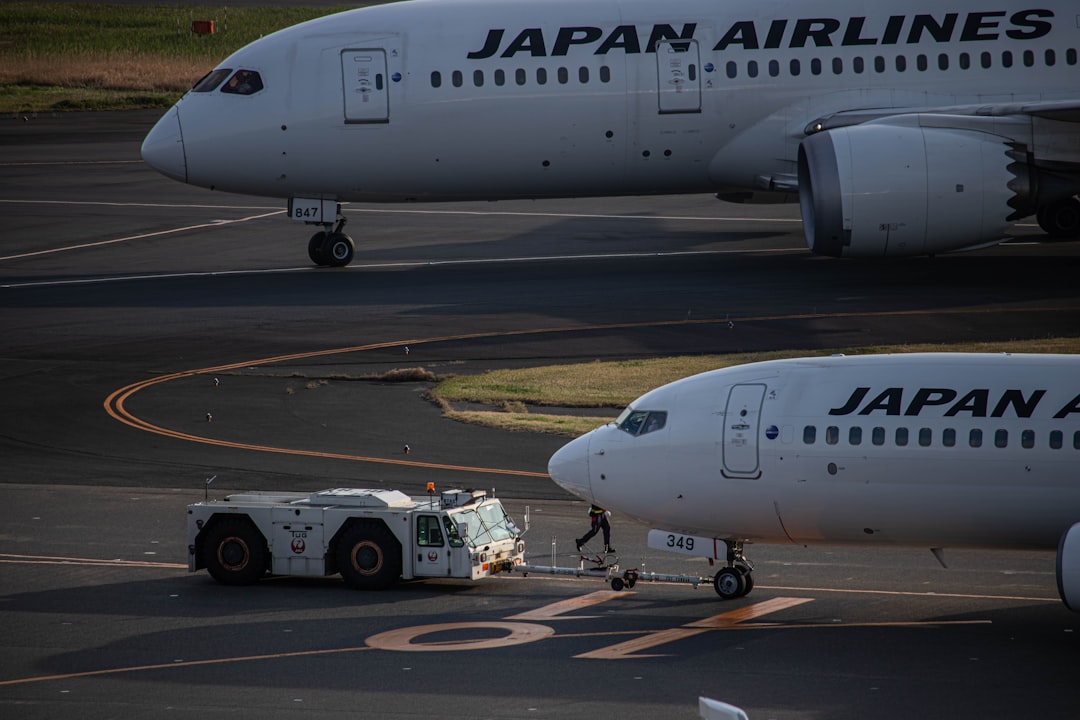
Photo by Ryuno on Unsplash
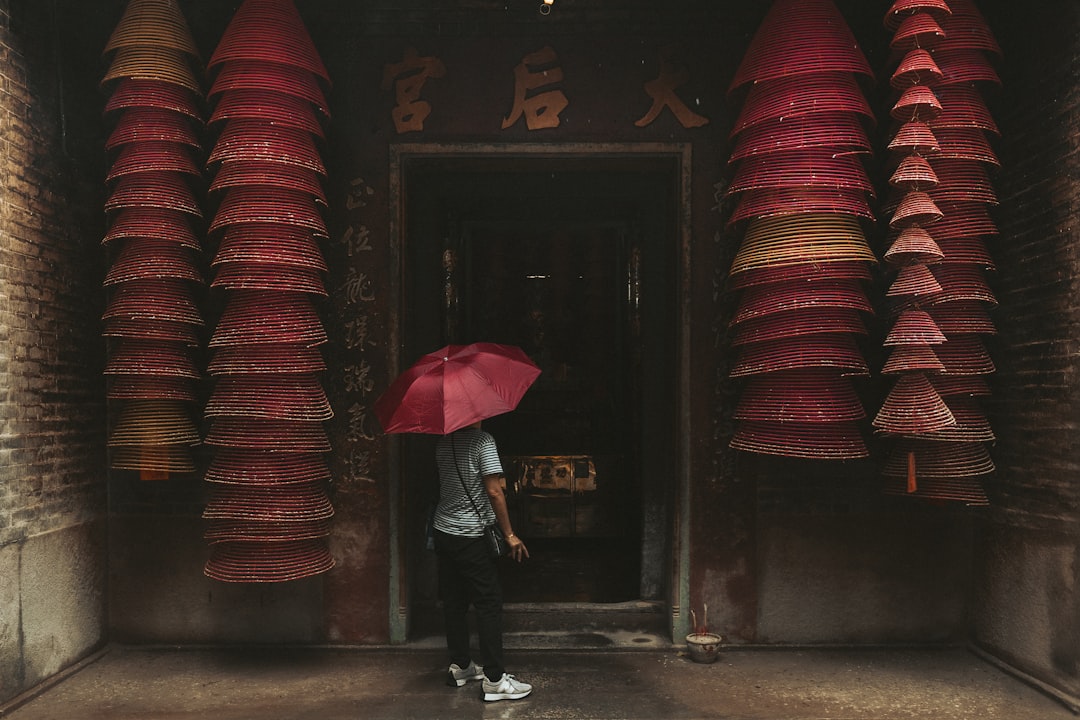
Japan is often the first place that comes to mind when people search travel customs by country, and for good reason. So much of Japanese cultural etiquette lives in the spaces between actions: how loudly you speak, where you stand, how carefully you receive something with both hands, how neatly you enter a room. Tokyo can feel electric with light and motion, yet trains are remarkably quiet. Kyoto can be full of visitors, yet shrines still carry a hush that people instinctively protect.
The sensation is not coldness. It is care. Public space in Japan often works because people try not to impose on one another. That is why phone calls on trains feel jarring, why queues stay tidy, and why the tiny ritual of removing shoes has such social weight. You are signaling that you understand the difference between outside and inside, public and private, busy street and calm floor.
Dining etiquette here can surprise first-time visitors. Slurping noodles is normal, tipping is not, and pouring your own drink in a group setting can look oddly self-contained. Even the way you handle chopsticks matters, especially around rice bowls and shared plates.
What to know in Japan:
- Remove shoes in homes, many ryokan, some traditional restaurants, temples, and any place with a raised entryway.
- Keep voices low on trains and buses. Silence is part of the social atmosphere.
- Do not stick chopsticks upright into rice or pass food chopstick to chopstick.
- In group meals, pour drinks for others before refilling your own.
- Tipping is generally unnecessary and can create confusion.
- At shrines and temples, follow posted signs and avoid blocking paths during prayer.
- Ask before photographing worshippers or private rituals at sacred sites.
Thailand: the body has etiquette too
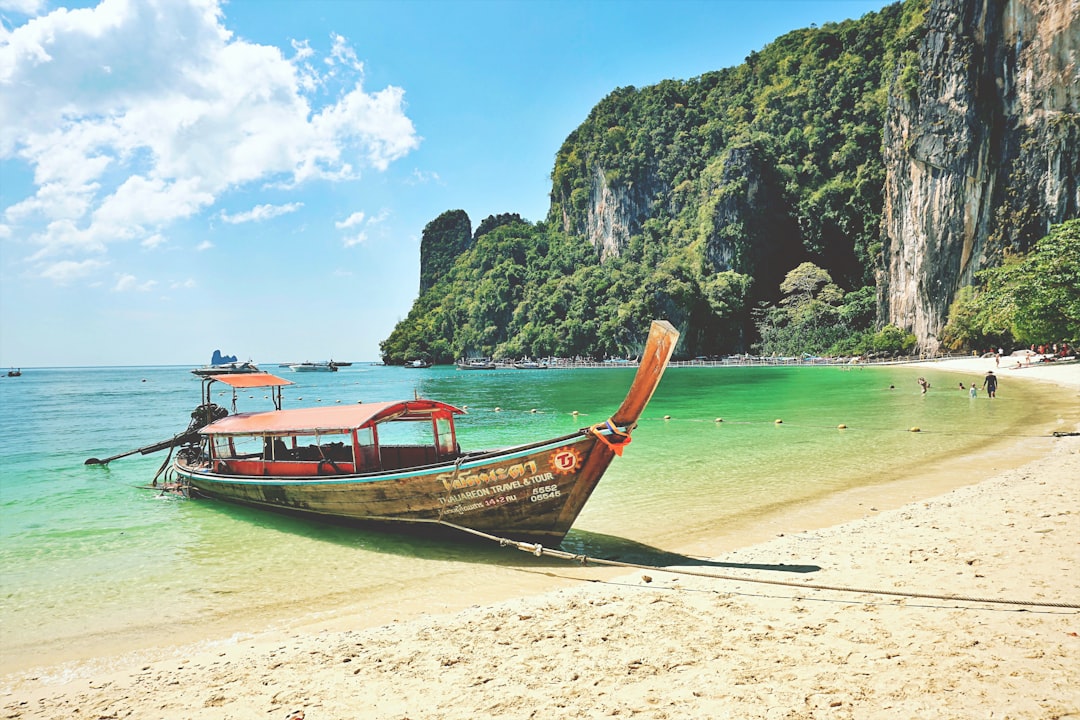
Photo by Tom Lorber on Unsplash
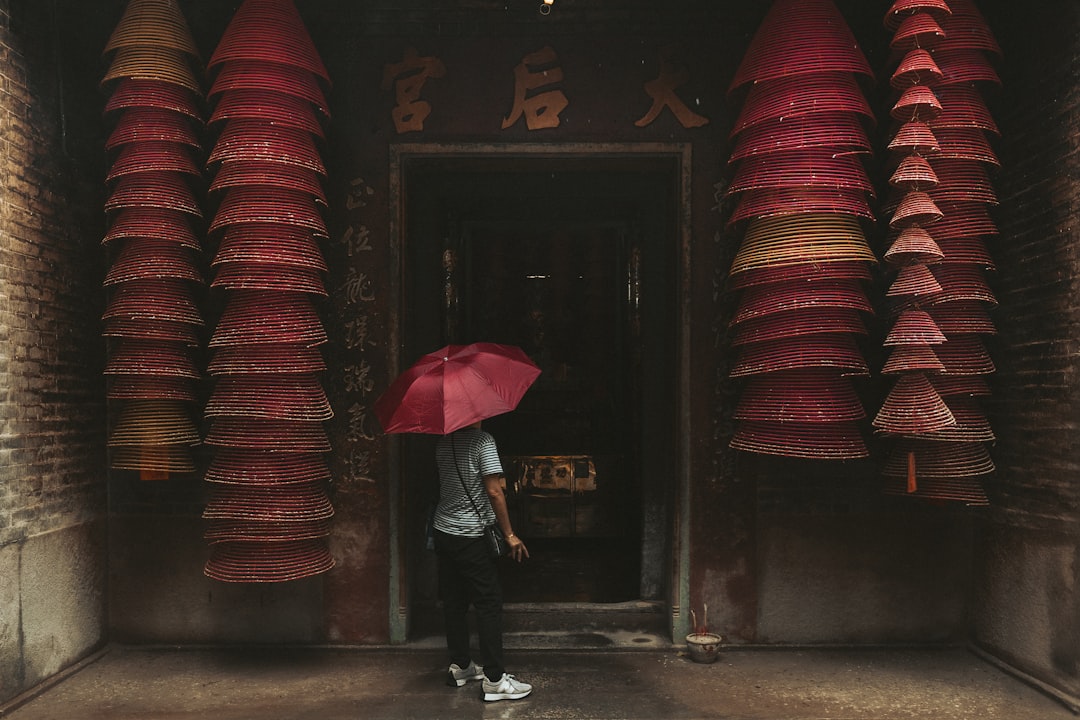
In Thailand, travel customs by country become very physical. Respect is expressed through posture, gesture, and the way you place your body in relation to others. The head is considered the highest part of the body; the feet, the lowest. That is why touching someone's head, even affectionately, can feel intrusive, while pointing your feet at people, Buddha images, or altars can come across as rude.
Temples add another layer of sensory contrast. Outside, there is traffic, incense, grilled pork, motorbikes, flower garlands, and humid air. Inside, gold surfaces glow softly and the tone shifts immediately. Dress codes matter here. Covered shoulders and knees are the minimum, and your body language should stay relaxed and low-key. It is not the place for sprawling poses or playful selfies.
The Thai wai, with palms pressed together and a slight bow, is beautiful because it is both greeting and acknowledgement. Visitors do not need to perform it perfectly every time, but returning it with sincerity goes much further than forcing a too-casual confidence. Cultural etiquette in Thailand is less about acting local and more about acting gentle.
What to know in Thailand:
- Cover shoulders and knees when visiting temples and other sacred sites.
- Remove shoes before entering temple buildings and many homes.
- Do not touch people's heads, including children's.
- Avoid pointing your feet at people, monks, or Buddha images.
- Return a wai if one is offered to you; a smile and small nod are fine in many casual interactions.
- Women should not touch monks or hand objects directly to them.
- Never speak casually or negatively about the monarchy.
India: hospitality, hands, and reading the room at the table
India can overwhelm the senses in minutes: temple bells, jasmine strands, cardamom steam, scooter horns, marigold orange, silver bowls, dust, prayer songs, diesel, rain. In that intensity, travelers often think survival first and etiquette second. But travel customs by country are especially important here because daily life is so relational. Meals are shared, invitations are generous, and even a brief home visit can carry more meaning than a whole afternoon of sightseeing.
One of the most practical local customs to understand is the role of the right hand. In many settings, food is eaten with the right hand and the left is avoided for passing food or touching shared dishes. This is not theater; it is deeply normal. If you are invited into a home, you may be urged to eat more than you planned, and refusing everything can feel colder than intended. Accepting a little, praising the meal, and noticing the host's rhythm matter far more than perfect technique.
Religious diversity also means shifting expectations. A temple, mosque, gurdwara, or church may each ask something slightly different, but modest dress and shoe removal are recurring themes. Sacred sites in India are active places of devotion, not just monuments with better lighting.
What to know in India:
- Use your right hand for eating, giving, and receiving whenever possible.
- Remove shoes before entering temples, mosques, gurdwaras, and many homes.
- Dress modestly at sacred sites: cover shoulders and knees at minimum.
- Ask before photographing people, especially women, prayer rituals, and priests.
- If invited to a home, bring sweets or fruit and accept at least a small amount of food or tea.
- In Sikh gurdwaras, cover your head and follow the flow of worshippers.
- Avoid public affection in conservative areas.
Morocco: greetings first, bargains second
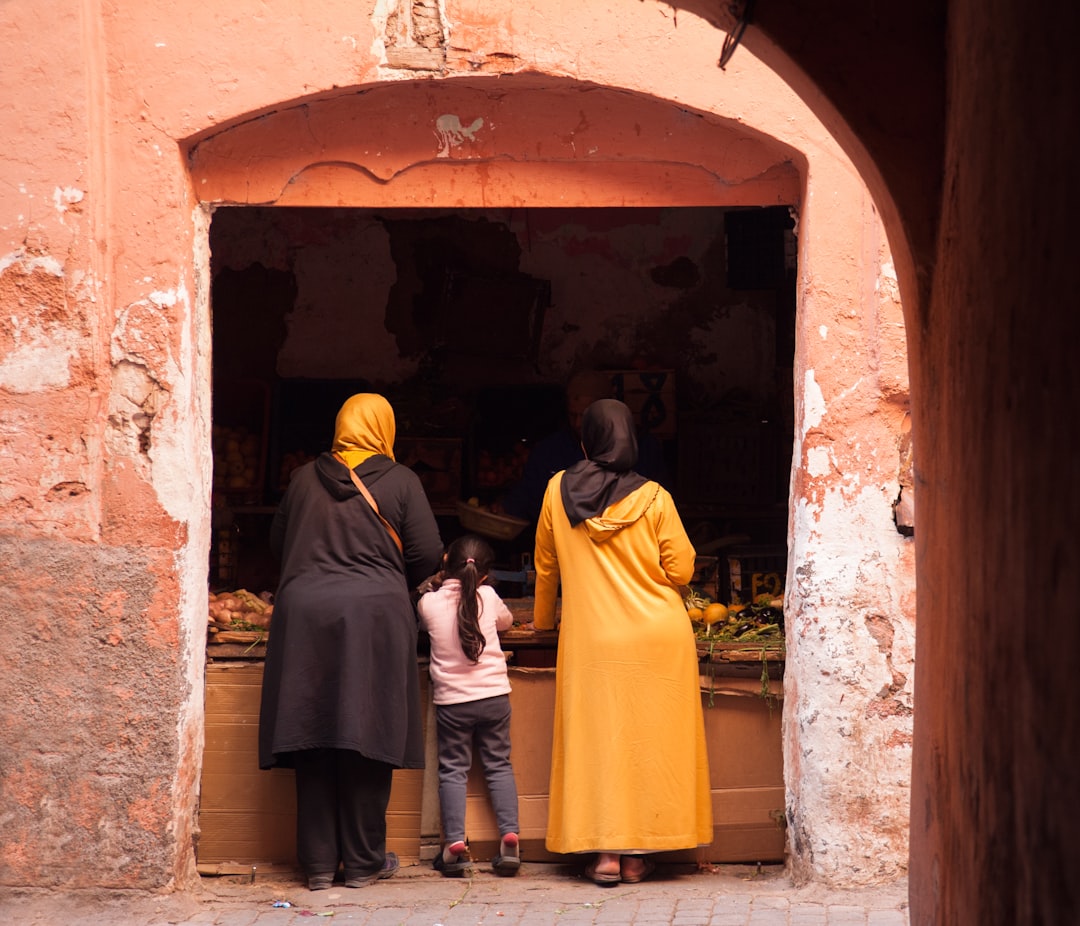
Morocco teaches one of the clearest lessons in travel customs by country: the transaction begins with the relationship. In Marrakech, Fez, or smaller medinas, the street feels alive with brass lamps, mint tea, leather, traffic, cats, frying oil, dust, and the echo of voices through old alleys. It can be tempting to move straight to price, direction, or purchase. But the social door usually opens with warmth first.
A proper greeting matters. A calm hello, a hand over the heart, a few words of French or Arabic, a short exchange before business begins: these are not wasted seconds. They are social glue. Bargaining, too, works best when it feels like conversation rather than combat. Humor helps. Patience helps more.
Dress codes are often more relaxed in tourist-heavy zones than many visitors expect, but local customs still reward modesty. In medinas and residential neighborhoods, covering shoulders and knees tends to feel more respectful and also attracts less attention. If you are invited into a home, tea is never just tea. It is hospitality, and saying yes changes the tone immediately.
What to know in Morocco:
- Greet people before asking questions or beginning a purchase.
- Bargain with patience and a smile in souks; it is expected in many markets.
- Dress modestly in medinas, religious areas, and rural towns.
- Follow the lead of women in mixed-gender greetings.
- Use your right hand for eating and receiving food when possible.
- Ask before taking portraits in markets or residential lanes.
- If offered mint tea, accept when you can; hospitality matters.
France: one word can change the whole interaction
France may seem familiar enough that travelers stop checking travel customs by country before they arrive. That is often where the friction starts. Paris, Lyon, Bordeaux, and smaller towns can feel easy to navigate physically, but socially they run on small formalities. The most famous is also the most useful: say bonjour when entering a shop, bakery, cafe, pharmacy, hotel desk, or boutique. Not afterward. First.
This tiny greeting is not ceremonial fluff. It signals that you recognize the other person as a person, not as a service terminal. Skip it, and even friendly staff can turn cool. Use it, and the whole exchange usually softens. The same pattern shows up at the table. Meals have pace. The bill does not fly onto the table the second your fork lands. Service often leaves space rather than performing constant attention.
Dining etiquette in France is more about tempo than precision. Sit down, breathe, greet, order thoughtfully, and resist the urge to rush everything because you have museum slots to hit. Cultural etiquette here rewards restraint and basic courtesy more than fluency.
What to know in France:
- Always say bonjour or bonsoir before asking for anything in shops and restaurants.
- Keep your voice moderate in cafes, trains, and apartment buildings.
- Do not expect fast table turnover or instant bills; ask for the check when ready.
- A handshake is standard in formal situations; follow local lead in social settings.
- Dress a little sharper than you would for the same outing at home.
- Respect queue order at bakeries, markets, and transport counters.
- Avoid loud phone calls in enclosed public spaces.
South Korea: age, hierarchy, and table manners you can feel
South Korea is one of the best examples of how travel customs by country shape everyday interactions far beyond tourist attractions. Seoul moves fast, neon-lit, caffeinated, and stylish, but social signals remain attentive to age and hierarchy. A small bow with a handshake, receiving items with both hands, and waiting for the eldest person to begin eating are not antique traditions. They are ordinary, visible local customs.
At the table, the atmosphere can feel lively, especially over barbecue, stews, and beer or soju. Yet even in that relaxed warmth, etiquette is doing quiet work. You may notice people pouring drinks for each other rather than for themselves, or turning slightly away from an older person when drinking alcohol. These gestures are subtle forms of respect, and once you see them, the entire meal becomes easier to read.
South Korean dining etiquette also differs from some neighboring countries in simple but memorable ways. Rice is often eaten with a spoon, not chopsticks alone, and blowing your nose at the table is frowned upon. None of this is hard to follow. You just need to notice the choreography.
What to know in South Korea:
- Offer and receive items with both hands when possible.
- Give a small bow in greetings, especially with older people.
- Wait for the eldest person to start eating before you begin.
- Do not pour your own drink first in group settings; pour for others.
- Use the spoon for rice and soup, chopsticks for side dishes.
- Remove shoes in homes and some traditional restaurants.
- Avoid writing names in red ink.
Bali: watch the ground, use your right hand, slow your step
Bali can look so visually lush that travelers forget how spiritually structured it is. Frangipani, wet stone, incense smoke, scooters, temple gates, gamelan music, green rice terraces, black volcanic sand: the island is cinematic, but its cultural etiquette often lives in humble, everyday details. The smallest offering on the pavement can be more important than the biggest beach club around the corner.
One of the most useful pieces of travel customs by country for Bali is simply this: look down. Those little woven offerings filled with flowers, rice, and incense are not decoration. They are part of daily devotion, placed outside homes, shops, and shrines. Stepping on them carelessly is one of the fastest ways to show you are present only for your own experience.
Dress codes also matter in temples, where a sarong and sash are often required. And as in other parts of Indonesia, the right hand is the safer hand for passing objects and eating. The island welcomes visitors warmly, but it still expects you to understand that sacred sites are not content studios first and holy places second.
What to know in Bali:
- Do not step on daily offerings placed on sidewalks and entrances.
- Wear a sarong and sash in temples if required.
- Use your right hand for giving, receiving, and eating.
- Cover shoulders and knees at sacred sites.
- Ask before photographing ceremonies, dancers, or worshippers.
- Keep voices and movement calm in temple compounds.
- Follow local guidance during major religious days and road closures.
United Arab Emirates: modesty, privacy, and public behavior still matter
Dubai and Abu Dhabi are polished, modern, and international enough to fool travelers into thinking all norms are globalized. But travel customs by country are crucial here because the social rules are often less visible than the skyline. Malls are glamorous, hotel bars are busy, beaches are lively, and yet modesty, privacy, and public conduct remain important in ways many visitors underestimate.
Dress codes shift by setting. Resorts are one thing; public malls, government areas, mosques, and residential neighborhoods are another. During Ramadan, the atmosphere changes further. Even when regulations are more flexible than in the past, it is still wise to keep eating, drinking, and smoking discreet in public during fasting hours, and to let the month shape your pace. Late evenings become more social, more fragrant, more communal.
Photography is another area where cultural etiquette matters. Do not photograph women without permission, and never treat official buildings or security-sensitive areas as casual backdrops. The UAE rewards travelers who understand the difference between private freedom and public restraint.
What to know in the UAE:
- Dress modestly in malls, mosques, old neighborhoods, and government areas.
- Keep swimwear to pools and beaches.
- Avoid public displays of affection.
- Be discreet during Ramadan and follow the tone of the setting.
- Do not photograph people, especially women, without permission.
- Avoid photographing military, police, airports, and government sites.
- Public intoxication is a serious bad idea, even where alcohol is legal.
How to get there
Because this article covers multiple destinations, the most useful way to plan travel customs by country is to think in gateways. Fly into a major hub, then slow down long enough to adapt before you rush into the social deep end. Long-haul arrival fog is real, and etiquette mistakes multiply when you are exhausted, dehydrated, and half-awake. If you are stringing together long sectors, Long Haul Flight Comfort Tips for 2026: Feel Better on Arrival is worth reading before you land anywhere with important social norms.
Below are practical entry points for the places featured in this guide. Prices are typical return economy ranges from Europe and can swing sharply by season, airline, and booking window.
| Destination | Main airport | From city center | Typical transfer | Flight time from London | Typical return fare |
|---|---|---|---|---|---|
| Tokyo, Japan | Haneda HND / Narita NRT | 15-70 km | Train or limousine bus, 20-75 min | 13-14 hrs | EUR 650-1100 |
| Bangkok, Thailand | Suvarnabhumi BKK | 30 km | Airport Rail Link or taxi, 30-60 min | 11.5-12 hrs | EUR 500-850 |
| Delhi, India | Indira Gandhi DEL | 16 km | Metro Airport Express or taxi, 20-45 min | 8.5-9.5 hrs | EUR 450-800 |
| Marrakech, Morocco | Menara RAK | 6 km | Taxi or bus, 15-25 min | 3.5-4 hrs | EUR 120-300 |
| Paris, France | CDG / ORY | 15-35 km | RER, bus, or taxi, 30-60 min | 1-1.5 hrs | EUR 60-180 |
| Seoul, South Korea | Incheon ICN | 50 km | AREX or bus, 45-70 min | 13-14 hrs | EUR 650-1100 |
| Denpasar, Bali | Ngurah Rai DPS | 13 km to Seminyak | Taxi or ride-hailing, 20-45 min | 16-18 hrs with stop | EUR 650-1200 |
| Dubai, UAE | DXB | 5-15 km | Metro or taxi, 15-35 min | 7 hrs | EUR 300-650 |
Useful official planning links:
- Japan National Tourism Organization: https://www.japan.travel/en/
- Tourism Authority of Thailand: https://www.tourismthailand.org
- Incredible India: https://www.incredibleindia.gov.in
- Visit Morocco: https://www.visitmorocco.com
- France.fr: https://www.france.fr/en
- Visit Korea: https://english.visitkorea.or.kr
- Indonesia Travel: https://www.indonesia.travel
- Visit Dubai: https://www.visitdubai.com
Things to do if you want culture, not just photos
The best way to understand travel customs by country is to put yourself in situations where etiquette is alive: markets at opening time, neighborhood cafes, temple courtyards, public baths, old tea houses, family-run guesthouses, and local festivals where visitors are welcome but not centered. These are the places that teach you how a society breathes.
The key is to choose experiences that ask for observation rather than performance. You do not need to master every custom in a day. You need to notice where shoes come off, where people lower their voices, where elders are served first, where cameras stay down, and where a greeting changes everything.
A strong culture-first shortlist:
- Tokyo and Kyoto: Visit Meiji Jingu early, then a neighborhood sento or tea house where quiet behavior and shoe etiquette are easy to observe.
- Bangkok: Explore Wat Pho in the morning, then cross to a local market and notice how temple dress codes differ from street life.
- Delhi or Jaipur: Visit a gurdwara kitchen, where hospitality, head coverings, and respectful service become tangible.
- Marrakech: Walk the souks at opening time before the crowds and practice greeting vendors before asking prices.
- Paris: Spend a morning moving between a bakery, a cafe, and a small boutique to feel how greetings structure each interaction.
- Seoul: Book a Korean barbecue dinner with locals or a cooking class and pay attention to age hierarchy and pouring rituals.
- Bali: Join a temple etiquette tour or village walk in Ubud to understand offerings, sarongs, and ceremonial space.
- Dubai: Visit Al Fahidi Historical Neighborhood and a mosque open to visitors to better understand modesty and social codes beyond the malls.
Where to stay
Accommodation shapes etiquette more than many travelers realize. A business hotel buffers you from local customs. A ryokan, riad, hanok, temple stay, or family-run guesthouse gently drops you inside them. For a trip built around cultural etiquette, choose at least part of your stay in a place where local customs are visible at breakfast, at the door, in the lobby, and in shared spaces.
Below are reliable examples across the featured destinations, grouped by budget level. Prices are typical nightly rates for 2026 shoulder season and can rise sharply during festivals and school holidays.
Budget
- Khaosan social hostels, Bangkok: EUR 12-30 for dorms, EUR 30-55 for privates. Easy base for temple visits, but keep dress codes in mind before heading out.
- Hotel Aloha, Paris 15th: around EUR 90-130. Simple and central enough for etiquette-focused city walks without luxury pricing.
- Puri Garden Hotel and Hostel, Ubud: around EUR 20-60. Good for travelers who want village access and calmer evenings.
Mid-range
- Mitsui Garden Hotel Kyoto Shijo, Kyoto: around EUR 120-220. Polished but approachable, with a good balance between comfort and Japanese public-space manners.
- Riad Dar Anika, Marrakech: around EUR 140-230. Staying in a riad helps you understand hospitality rhythms far better than a chain hotel outside the medina.
- Nine Tree Premier Myeongdong 2, Seoul: around EUR 110-180. Practical for first-timers navigating South Korean dining etiquette and transit.
Luxury
- The Oberoi, New Delhi: around EUR 260-420. Excellent base for travelers mixing comfort with visits to major sacred sites and cultural neighborhoods.
- Park Hyatt Tokyo: around EUR 450-750. Quiet, refined, and deeply in tune with the understated side of Japanese service culture.
- Al Maha, Dubai Desert Conservation Reserve: from EUR 900+. A splurge, but one that places local landscape and hospitality at the center rather than just skyline views.
Where to eat
Food is where travel customs by country turn from abstract advice into something you can taste, hear, and practice. A meal asks you to sit correctly, greet correctly, share correctly, order at the right pace, and notice how others use hands, spoons, chopsticks, bread, tea, and silence. Dining etiquette is rarely about perfection. It is about attention.
Whenever possible, choose places where locals actually linger. You will learn more from one careful meal in a neighborhood restaurant than from three rushed stops built only for tourists. If you are unsure how things work, watch the table next to you before diving in.
Good places to practice respectfully:
- Tokyo: small ramen shops in Shinjuku or Asakusa for noodle etiquette; izakaya alleys in Omoide Yokocho for group pouring culture.
- Bangkok: old-town restaurants near Tha Tien for temple-day meals, plus family-run curry shops where modest dress still feels appropriate after sightseeing.
- Delhi: Karim's in Old Delhi for Mughlai classics, or a vegetarian thali restaurant where eating with the right hand feels natural.
- Marrakech: Jemaa el-Fnaa stalls for atmosphere, but also traditional riad dinners where hospitality and pacing are easier to absorb.
- Paris: classic bistros in the 11th or 6th arrondissement, where greeting staff properly changes the entire experience.
- Seoul: Korean barbecue spots in Mapo or Hongdae, ideal for learning shared grilling, pouring, and seniority cues.
- Ubud: warungs serving nasi campur or babi guling, where temple visits and meal etiquette often sit in the same day.
- Dubai: Emirati restaurants in Al Fahidi or Jumeirah, where modest dress and calm public behavior fit naturally with the setting.
Dishes worth seeking out:
- Japan: ramen, soba, kaiseki, izakaya small plates
- Thailand: pad krapow, green curry, som tam, mango sticky rice
- India: thali, dosa, biryani, chole bhature
- Morocco: tagine, pastilla, harira, mint tea
- France: steak frites, onion soup, tartare, pastries and market cheese
- South Korea: samgyeopsal, bibimbap, kimchi jjigae, banchan spreads
- Bali: nasi campur, satay lilit, babi guling, lawar
- UAE: machboos, luqaimat, grilled meats, Arabic coffee
Practical tips for handling local customs with confidence
Reading about travel customs by country is useful. Practicing them under pressure is harder. Jet lag, hunger, heat, crowds, and translation gaps can make even simple decisions feel clumsy. The trick is to simplify. Pick a few anchor behaviors for every destination and keep them front of mind: greeting, shoes, dress, photo permission, table manners, and sacred sites.
Packing helps more than people think. A light scarf solves half the dress code questions you will face, especially in temples, mosques, churches, and chilly evenings. Slip-on shoes make constant removal less annoying. A small crossbody bag keeps hands free when you need to greet, pay, or receive items properly. Offline maps and translation tools reduce the temptation to wave your phone around in sacred sites or private spaces.
The best months for etiquette-heavy trips are often shoulder seasons, when you can slow down and observe instead of fighting weather extremes and peak-season crowds.
| Destination | Best months | Why it works |
|---|---|---|
| Japan | Mar-May, Oct-Nov | Mild weather, easier temple and city walking |
| Thailand | Nov-Feb | Cooler and drier for temple visits |
| India north | Oct-Mar | Better for city walks and sacred sites |
| Morocco | Mar-May, Sep-Nov | Comfortable medina exploration |
| France | Apr-Jun, Sep-Oct | Pleasant cafe and city pace |
| South Korea | Apr-Jun, Sep-Nov | Strong street life without peak heat |
| Bali | May-Sep | Drier temple and village travel |
| UAE | Nov-Mar | Best for walking older neighborhoods |
Other practical reminders:
- Currency: Keep small notes for markets, taxis, and tips where appropriate. Do not assume cash habits are the same everywhere.
- Connectivity: An eSIM or local SIM makes translation, navigation, and messaging easier, especially when you need to confirm dress codes or opening hours.
- Safety: Conservative dress can be both respectful and practical in crowded areas.
- Photos: Never assume a colorful market, prayer space, or family scene is public property because it looks beautiful.
- Shoes: Wear clean socks. You will remember this advice in Japan, Korea, India, and parts of Southeast Asia.
- Gifts: If visiting a home, bring something small and thoughtful rather than flashy.
- Noise: On trains and in queues, lower your volume first and match the room second.
If you like organizing these small details in one place, translation apps, offline maps, and itinerary tools help keep your cultural etiquette notes visible. Travel Apps for Every Trip in 2026: The 7-Icon Rule has a smart framework for building a lean travel setup without digital clutter.
FAQ
What are the most important travel customs by country to learn first?
Start with greetings, shoe removal, dress codes, dining etiquette, and photo permission. Those five areas shape most early interactions and help you avoid the most common mistakes.
How do I avoid offending people if I do not speak the language?
Use a greeting, smile, speak softly, and watch before acting. A respectful tone often matters more than grammar. A simple apology and willingness to adjust go a long way.
Which countries are strictest about sacred sites?
Japan, Thailand, India, Bali, and the UAE all expect extra care around sacred sites, though in different ways. Covered clothing, quiet behavior, and asking before taking photos are the safest defaults.
Is dining etiquette really that important when traveling?
Yes, because meals are where local customs become personal. Shared dishes, pouring drinks, hand use, table order, and pace can all carry meaning. Good dining etiquette makes invitations and restaurant interactions much smoother.
Should I change how I dress even in tourist areas?
Usually, yes. Tourist areas can feel permissive, but local customs do not disappear just because visitors are everywhere. A slightly more modest outfit is often the simplest way to show respect and avoid unnecessary friction.
Travel gets richer when you stop treating etiquette as a test and start treating it as a form of listening. Every country has its own social music: the pause before a greeting in France, the lowered voice on a Tokyo train, the careful hand at an Indian meal, the quiet shoes-off threshold in Seoul, the respectful glance downward for a Balinese offering, the slower, warmer opening exchange in Marrakech. Learn that music, and the world does not just become easier to navigate. It becomes far more human.