Traveling With Pets 2026: A Complete Stress-Free Guide
A missed vaccine date, one wrong microchip number, or a carrier that is one inch too tall can wreck a trip before you even reach security. That is why traveling with pets 2026 is less about luck and more about choreography: timing, paperwork, training, and a plan that still works when a flight is delayed or a hotel suddenly changes its policy.
The good news is that traveling with pets 2026 is absolutely doable, and often deeply rewarding. A dog padding beside you on a pine-scented trail, a cat settling into a familiar blanket in a quiet rental, a ferry crossing with your pet asleep at your feet: these are some of the sweetest travel memories people make. The hard part is not the journey itself. It is the preparation that makes the journey feel ordinary.
This guide is built for that preparation. It covers the real-world details travelers actually need: how to decide whether your pet should come at all, how to handle a pet travel checklist without panic, how flying with pets differs from road trips, how international pet travel rules can affect your route, and how to choose pet-friendly hotels that will not surprise you with hidden fees or impossible restrictions.
If you are still sorting your own bag as well as your pet's, How to Pack a Carry-On in 2026 Without Leaving Anything Out is a helpful companion read. For longer itineraries with lots of moving parts, I also like keeping routes, hotel notes, pet fees, and vet reminders together in TravelDeck.
Should your pet come on this trip?
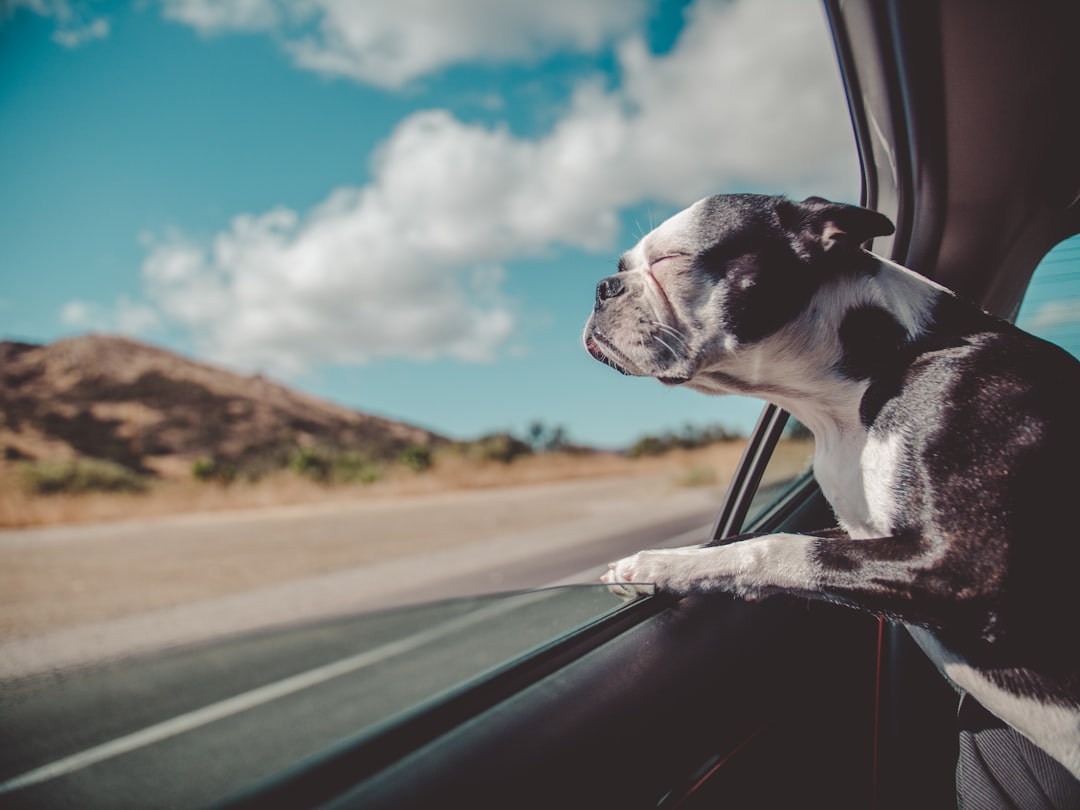
Photo by Avi Richards on Unsplash
Before you book a carrier or compare airline fees, pause and ask the only question that matters more than logistics: will your pet actually enjoy this? People sometimes assume a pet wants to go wherever they go, but many animals value routine more than novelty. The right answer for a laid-back Labrador may be very different from the right answer for an elderly cat, a reactive rescue dog, or a flat-faced breed with respiratory issues.
When I think about traveling with pets 2026, I start with temperament, not destination. Some dogs brighten at every new smell and seem to collect cities the way humans collect passport stamps. Others become overwhelmed by traffic noise, elevators, strange hallways, and the stop-start rhythm of airports. Cats are even more individual. One may adapt beautifully to a quiet apartment stay; another may spend the whole trip under the bed, refusing food and startling at every suitcase zipper.
A realistic decision now is kinder than a chaotic trip later. Pet sitters, boarding farms, house sitters, or having a friend stay in your home are not backup options. Sometimes they are the best option.
A quick reality check before you commit
- Bring your pet if they already tolerate carriers, new environments, and changes in routine reasonably well.
- Reconsider if your pet has uncontrolled anxiety, recent illness, a history of escaping harnesses, motion sickness that has never been managed, or aggression around strangers or other animals.
- Be extra cautious with very young, very old, or heat-sensitive pets.
- Avoid cargo for brachycephalic breeds such as bulldogs, pugs, Persian cats, and similar flat-faced animals unless a veterinarian and airline policy both clearly support the route.
- Remember that service animals and pets often follow different rules. Always verify which category applies to your trip.
The paperwork that makes or breaks pet travel
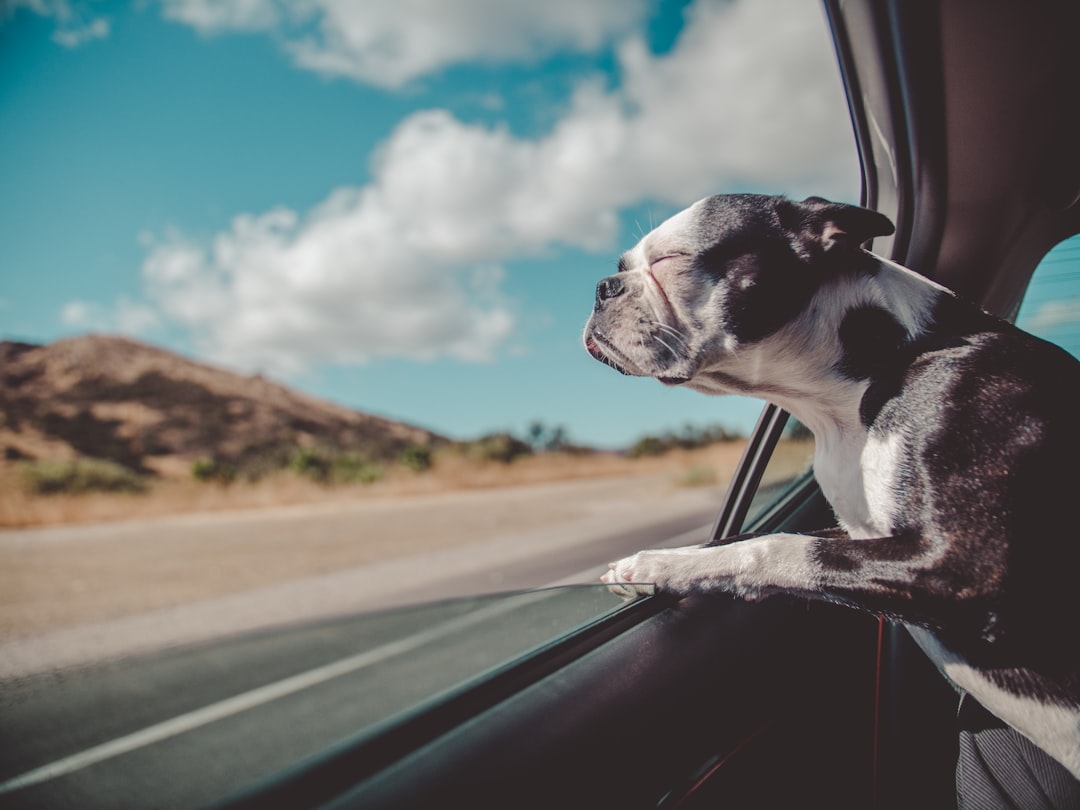
Photo by Avi Richards on Unsplash
Nothing feels glamorous about vaccine records, but this is where traveling with pets 2026 is won or lost. Border officers and airline staff do not grade on effort. They look for exact dates, exact names, exact chip numbers, exact entry windows. A healthy pet can still be denied boarding or held on arrival if one document is late, mismatched, or issued by the wrong authority.
For domestic travel, paperwork is usually lighter but still worth treating seriously. For international pet travel, you may need months of lead time. The order matters too. In many destinations, the microchip must be implanted before the rabies vaccination for that vaccine to count. Travelers often miss this, and it can reset the whole timeline.
The best pet travel checklist is not just a folder of papers. It is a timeline.
Core documents you may need
- ISO-compliant microchip, ideally scanned and verified by your vet before you travel
- Rabies vaccination certificate with dates and microchip number matching exactly
- General vaccination record
- Health certificate or certificate of veterinary inspection issued within the required window
- Import permit if the destination requires one
- Rabies titer test for certain rabies-controlled or rabies-free destinations
- Tapeworm treatment record for some dog entries, including parts of the UK and Northern Europe
- Recent pet photos in case a collar comes off or a crate label tears
- Copies stored three ways: printed, phone PDF, and cloud backup
Official places to verify rules
Never rely on a random summary when your pet is crossing a border. Start with the official portals:
- United States pet travel rules: USDA APHIS
- European Union pet movement rules: Your Europe
- Great Britain entry rules: GOV.UK pet travel
- Japan dog and cat import procedures: MAFF Japan
- Australia dog and cat import rules: Australian Department of Agriculture
A realistic international timeline
| Time before trip | What to do | Why it matters |
|---|---|---|
| 6 to 8 months | Check destination rules, confirm chip type, review breed restrictions | Some countries need long lead times and specific order of steps |
| 3 to 6 months | Rabies vaccine, titer testing if required, import permit research | Titer waiting periods can be long |
| 1 to 2 months | Book transport, confirm pet reservation, begin full crate training | Many airlines cap pets per flight |
| 10 days or less | Vet visit for health certificate if required | Many documents expire quickly |
| 48 hours | Recheck all papers against booking name, chip number, and destination rules | Small mismatches cause big problems |
If you are planning international pet travel, do not just call your vet and ask if your pet is fit to fly. Ask if they regularly prepare export paperwork. Those are not the same skill set.
Flying with pets 2026: cabin vs cargo vs changing the route
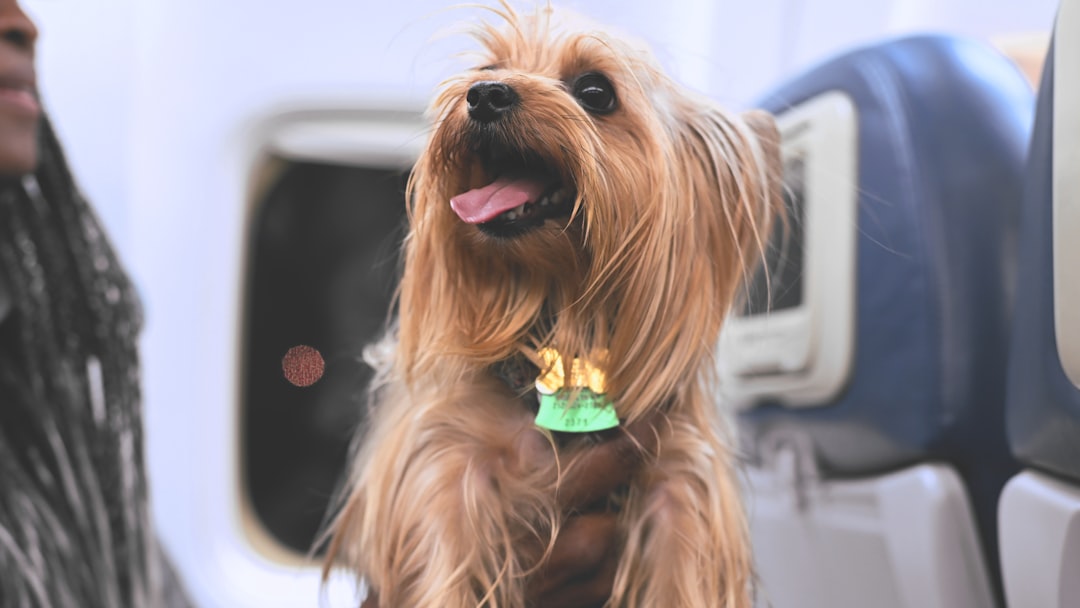
Photo by Kyle Larivee on Unsplash
Air travel is where the romance of traveling with pets 2026 meets the fluorescent reality of scales, gate agents, weight limits, and carrier dimensions. Flying with pets is often smooth when the pet is small, calm, and cabin-eligible. It gets more complicated with large dogs, long-haul routes, hot weather, or countries with strict arrival rules.
The first thing to understand is that airlines sell the dream of simplicity, but each carrier has its own fine print. One airline may allow a small cat in cabin on a domestic route and refuse the same cat on a transatlantic itinerary. One may accept soft-sided carriers of a certain size; another may be stricter. Some airlines also embargo pet travel during peak summer or winter conditions, especially for pets traveling in the hold.
If your pet can travel in cabin, that is usually the least stressful option for healthy, small animals who already tolerate confinement. Typical cabin limits are around 7 to 10 kg, or 17 to 20 lb, including the carrier, though exact rules vary. For larger pets, you may face checked hold or manifest cargo, and that requires a far more careful risk assessment.
Cabin or cargo?
- Cabin works best for small dogs and cats who can stand, turn, and lie down in an under-seat carrier.
- Cargo or hold may be the only option for medium or large pets, but should be avoided for heat-sensitive, brachycephalic, very anxious, or medically fragile animals.
- Alternative routing can be smarter than direct flying. Some travelers enter mainland Europe first, then continue by car, train, or ferry to avoid stricter arrival limitations elsewhere.
Typical 2026 air travel costs
| Item | Typical cost |
|---|---|
| In-cabin pet fee, one way | USD 75 to 200 |
| Domestic health certificate exam | USD 50 to 150 |
| International health certificate paperwork | USD 150 to 400+ |
| IATA-style hard crate | USD 80 to 250 |
| Soft-sided cabin carrier | USD 40 to 120 |
| Rabies titer test plus vet handling | USD 120 to 300+ |
Smart rules for flying with pets
- Book the pet spot the same day you book your own seat.
- Measure the carrier after inserting bedding, not before.
- Freeze a small water dish for longer flights if allowed by your airline's process.
- Line the carrier with absorbent pads under a familiar blanket.
- Skip sedation unless your veterinarian specifically directs otherwise. Sedation at altitude is a serious risk.
- Feed lightly before departure, then follow your vet's advice for timing.
- Arrive early. Flying with pets takes longer at every stage.
For longer flights, the human side of the experience matters too. Long Haul Flight Tips for 2026: Stay Comfortable in Economy is worth a read, especially if you are trying to stay calm and organized while also keeping your pet settled.
Road trips with dogs and cats: usually the easiest option
If you can choose the mode, a road trip is often the gentlest version of traveling with pets 2026. The air smells familiar. You control the temperature. You choose the stops. You can pull over when your dog starts pacing or when your cat finally relaxes enough to eat. The whole journey becomes adjustable instead of rigid.
That flexibility is why a road trip with dog companions is usually the first format I recommend for beginners. A highway rest area at dawn, cool air coming off wet grass, a quick sniff walk under streaks of pink sky, then back into the car before the asphalt heats up: that rhythm suits many dogs beautifully. Cats can also travel well by car, but they need more patient conditioning and more careful escape-proof handling at stops.
A road trip with dog or cat should still feel structured. Freedom is only useful when it is safe.
Safe road trip basics
- Use a crash-tested harness clipped to a seat belt system, or a secured crate in the back seat.
- Never let a pet ride in the front seat because airbags can cause severe injury.
- Stop roughly every 2 to 3 hours for water, a toilet break, and a calm reset.
- Keep food timing predictable to reduce stomach upset.
- Never leave your pet alone in a parked car, even for a short errand.
- Pack a spare leash, backup harness, and slip lead.
- Keep vaccination records and your vet's phone number in the glove box and on your phone.
Road trip comfort hacks that really work
- Clip a white-noise machine or use low-volume road noise playlists for anxious pets in rentals.
- Offer water little and often rather than one huge drink at each stop.
- Use a cooling mat in summer and a familiar blanket in cold weather.
- Bring bottled water if your pet has a sensitive stomach. Sudden changes in mineral content can cause diarrhea.
- Practice rest-stop drills at home: out of the crate, leash on, toilet break, back in. Repetition prevents chaos.
Trains, ferries, and buses: the overlooked middle ground
Not every trip needs wings or wheels. One of the quiet pleasures of traveling with pets 2026 is discovering how good rail and ferry journeys can be. Stations are often less frantic than airports. Ferries offer fresh air. Scenic trains can turn a transfer into part of the trip rather than dead time between destinations.
Policies vary wildly, though. Some networks welcome small pets in carriers for little or no fee. Others require a separate ticket, a muzzle for larger dogs, or strict weight limits. Buses tend to be the least flexible category unless the pet is a small animal in a carrier. Ferries range from wonderfully easy to surprisingly bureaucratic.
This is where a pet travel checklist earns its keep again: not just papers, but route-specific rules.
Useful official transport policy links
- Amtrak pets: Amtrak pet policy
- LeShuttle pet travel for the UK crossing: LeShuttle
- BC Ferries pet guidance: BC Ferries
What to expect by transport type
- Amtrak in the US: small cats and dogs up to 20 lb including carrier on many routes up to 7 hours; pet fee often around USD 39.
- European rail: small pets in carriers are often allowed; larger dogs may need a leash, muzzle, and separate fare.
- Ferries: pets may stay in vehicles, in kennels, on outside decks, or in dedicated cabins depending on operator.
- Long-distance buses: generally limited to assistance animals and small pets in carriers, if allowed at all.
How to get there
Choosing the route is not just a matter of price. With pets, the route itself can be the strategy. Sometimes the fastest trip is the worst trip. Sometimes the best trip is the one with an extra train leg, a ferry crossing, or a night in an airport hotel because it avoids cargo, avoids midday heat, or lands you in a country with easier onward travel.
When planning traveling with pets 2026, think in layers: border rules, airline rules, weather, and your pet's tolerance. A direct flight may look perfect on paper and still be the wrong answer. A mixed itinerary can be calmer, safer, and occasionally cheaper.
Specific route ideas travelers actually use
- New York to Washington by train
- Duration: about 2 hours 50 minutes to 3 hours 30 minutes
- Typical pet rule: small pets only, carrier included in the 20 lb limit
- Cost: pet fee commonly around USD 39 plus your own fare
- Best for: a first low-stress rail trip with a small dog or cat
- Seattle to Portland by car
- Drive time: about 3 to 3.5 hours without long stops
- Smart stop: Centralia or Vancouver, Washington for water and a short walk
- Best for: a short road trip with dog travelers who need minimal transition stress
- Vancouver to Victoria by ferry
- Crossing time: about 1 hour 35 minutes
- Cost: varies by sailing, but a standard car and driver often starts around CAD 70 to 90 before extra passengers
- Pet setup: pets may remain in the vehicle or use designated pet areas depending on current policy
- Best for: dogs who handle car travel well and enjoy cooler coastal climates
- Paris to London via Calais and LeShuttle
- Drive time: Paris to Calais about 3 hours; shuttle crossing around 35 minutes; Folkestone to central London around 1.5 to 2 hours depending on traffic
- Why travelers use it: for some pet owners, entering Great Britain this way is simpler than air cargo logistics
- Best for: dogs and cats already in mainland Europe with correct UK paperwork
- Los Angeles to San Francisco by car
- Drive time: about 6 to 8 hours depending on route and stops
- Better plan: break overnight in San Luis Obispo or Paso Robles if your pet is inexperienced
- Best for: turning one hard day into two easy days
- Chicago to Denver by air
- Flight time: about 2.5 hours
- Typical in-cabin fee: often USD 95 to 150 one way depending on airline
- Best for: small pets who are already comfortable in carriers and need a faster option than a multi-day drive
Quick transport comparison
| Route type | Best for | Watch out for |
|---|---|---|
| Short domestic flight | Small, calm pets in cabin | Carrier dimensions, limited pet spots |
| Road trip | Most dogs, many adaptable cats | Heat, car safety, overfeeding |
| Rail | Small pets and urban routes | Carrier weight limits and route time caps |
| Ferry | Coastal trips and mixed road itineraries | Boarding times and weather exposure |
| Multi-step international route | Complex entries such as the UK or island destinations | Paperwork timing and missed connections |
The pet go-bag: what to pack so nothing becomes an emergency
You can feel an unprepared trip before you can name it. The leash is somewhere in the back seat. The food scoop is missing. The medication bottle is in a checked bag. The comforting blanket is at home on the sofa. Then your pet senses your stress and adds their own. Packing well changes the mood of the whole journey.
A good pet travel checklist is not huge. It is just deliberate. Everything inside the bag should solve one of four problems: hunger, hygiene, health, or stress. That is it.
When I am planning traveling with pets 2026, I pack the pet bag as if the airline will delay me, the train will run late, and the hotel shop will not sell the right food. That mindset prevents most disasters.
The essential pet go-bag
- 3 to 5 days of regular food, portioned into bags or containers
- Collapsible food and water bowls
- Bottled water for the first day if your pet is sensitive
- Treats your pet already knows, not new ones
- Harness, regular leash, backup leash, and ID tags
- Absorbent pads for carriers and hotel accidents
- Waste bags, wipes, paper towels, and a small enzyme cleaner
- Medications in original packaging
- Basic first aid kit with gauze, antiseptic wipes, tick remover, and styptic powder if your pet is prone to nail breaks
- Blanket or shirt that smells like home
- Printed documents in a waterproof folder
- Recent photo of your pet on your phone and one printed copy
What belongs in your carry-on, not the trunk or checked bag
- Medication
- At least one full day's food
- Vaccination and health documents
- Harness and leash
- Cleanup supplies
- One calming item
If you want to tighten your own packing system at the same time, Create a Travel Budget in 2026: A Realistic Guide pairs well with a pet trip because animal fees, deposits, and vet paperwork add up quickly.
Pet training before departure: the part most people rush
The quiet secret of smooth traveling with pets 2026 is not the right bowl or the fanciest crate. It is training. A pet that sees the carrier as a safe den travels very differently from a pet who sees it as a trap.
Start by leaving the crate open in your living room. Feed meals near it, then in it. Toss treats inside. Close the door for one minute, then five, then fifteen. Carry the crate around the house. Take short practice drives. Play station announcements or airport noise softly during dinner. This is not overkill. It is how you turn novelty into routine.
A road trip with dog companions can also be trained in layers: engine on, no movement; short loop around the block; ten-minute drive; rest stop drill; one-hour ride. Cats benefit from the same gradual build, usually more slowly.
Training targets to hit before travel day
- Your pet can remain calm in the carrier for at least the length of a typical meal plus cleanup time.
- Your pet will drink from a travel bowl.
- Your pet accepts a harness without drama.
- Your pet can toilet on leash in unfamiliar places.
- Your pet has already tried any vet-approved calming aid at home.
Where to stay
Accommodation shapes the whole trip. A beautiful room means very little if the hotel only allows pets under 10 kg, charges a huge nonrefundable fee, or expects your dog never to be left alone even for breakfast downstairs. Pet-friendly hotels can be excellent, but the best ones feel welcoming in practical ways, not just marketing ways.
Look for easy outdoor access, solid flooring instead of fragile carpets, room for a crate, nearby green space, and a clear written policy. Call even if the booking site says pets are allowed. Listings are often outdated, and pet-friendly hotels can vary by individual property even within the same brand.
For traveling with pets 2026, I would choose a slightly less stylish room with ground-floor access over a gorgeous top-floor room beside a busy elevator every single time.
Budget stays
- Motel 6, US and Canada: often USD 65 to 120 per night; many locations are famously pet-tolerant, though policies vary by franchise.
- ibis budget, Europe: often EUR 60 to 110; practical for road trips and overnight stops near highways or airports.
- B&B Hotels, Europe: often EUR 70 to 130; simple rooms, dependable check-in hours, and many pet-accepting properties.
Mid-range stays
- La Quinta by Wyndham, North America: often USD 110 to 180; many road trippers like the easy parking and predictable layouts.
- Residence Inn by Marriott, North America: often USD 140 to 220; kitchenettes help if your pet's feeding routine is strict.
- Staycity Aparthotels, selected European cities: often EUR 120 to 220; apartment-style space is helpful for longer stays.
Luxury stays
- Kimpton Hotels, various cities: often USD 220 to 450; among the most consistently pet-welcoming upscale options.
- Loews Hotels, US cities: often USD 250 to 500; many locations offer thoughtful pet amenities.
- Selected Fairmont properties: often USD 280 to 550; check the exact property because rules vary.
Questions to ask before booking
- Is there a weight limit?
- Is the pet fee per stay or per night?
- Are cats accepted as well as dogs?
- Can pets be left alone in the room if crated?
- Is there nearby green space within a five-minute walk?
- Are there any breed restrictions?
Where to eat
Food can be the trickiest social part of pet travel. A dog curled under a breezy patio table while you eat grilled fish and hear glasses clink in the evening light feels idyllic. A nervous pet under a chair in a tight breakfast room while servers step over leashes feels miserable for everyone. The difference is choosing places built for the experience.
With pets, I look for wide outdoor seating, easy sidewalk access, shade, water bowls, and neighborhoods where diners are used to animals nearby. In many cities, the best answer is not the fanciest dining room but the terrace, beer garden, wine bar courtyard, or waterside cafe where no one minds a bowl beside the table.
If traveling with pets 2026 is on your calendar, build meals around calm outdoor spaces rather than forcing your pet into every dining plan.
Pet-friendly places worth knowing
- Tin Shed Garden Cafe, Portland, Oregon: Alberta Arts District. Known for a genuinely dog-friendly patio atmosphere. Good for brunch classics and a relaxed first morning in the city.
- Pllek, Amsterdam Noord: waterside terrace with plenty of space and easy post-meal walks along the IJ. Good for casual plates, fries, and a low-pressure stop after a ferry ride.
- The Spaniards Inn, Hampstead, London: classic pub garden near Hampstead Heath. A strong choice for a Sunday roast after a muddy dog walk.
- Tap and Barrel Olympic Village, Vancouver: seawall setting, broad patio, easy access to one of the city's best walking routes. Good for salmon, bowls, and local beer.
- Forge in the Forest, Carmel-by-the-Sea, California: one of the better-known dog-friendly patio spots in a town that takes canine hospitality seriously.
- Buvette, Paris: in South Pigalle, where sidewalk seating and neighborhood strolling make more sense with a calm small dog than a long formal dinner elsewhere.
Easy meal strategy on the road
- Choose lunch over dinner when temperatures are mild and patios are quieter.
- Avoid food halls unless you have already checked pet rules.
- Carry a compact bowl and offer water before you sit down.
- Feed your pet after, not before, a restaurant stop if excitement tends to upset their stomach.
Things to do
The best pet activities are rarely the loudest or most famous. Your dog does not care that a viewpoint is trending. Your cat does not need a packed market. What they notice is traction under their paws, the smell of wet leaves, wind off the water, the echo level of a hallway, and whether the world feels manageable.
That is why the smartest first-day plans are gentle ones: a long park loop, a beach at low tide, a canal-side walk, a trail with room to decompress. Give your pet a chance to understand the destination before you ask them to share it.
Here are specific places travelers return to because they work well with animals and still feel like real travel experiences.
- Stanley Park Seawall, Vancouver
Why it works: long waterfront path, sea air, easy pacing, and lots of space to adjust your walk to your dog's energy.
- Vondelpark, Amsterdam
Why it works: broad paths, water, shade, and an easy transition from city streets to green space after arrival.
- Hampstead Heath, London
Why it works: huge, varied terrain that feels almost rural despite being in London. Best for dogs who need a proper decompression walk.
- Carmel Beach, California
Why it works: open sand, salty air, and one of the most famously dog-welcoming small towns on the US coast.
- Tempelhofer Feld, Berlin
Why it works: massive open former airfield with room to breathe, walk, and reset after urban transit.
- Parc de la Tete d'Or, Lyon
Why it works: elegant paths, lakeside atmosphere, and enough space to escape traffic noise.
- The Seawall and Olympic Village loop, Vancouver
Why it works: easy urban walking with cafes, benches, and views, ideal for a gentle arrival day.
Costs: what traveling with pets really adds to a trip
One reason people underestimate traveling with pets 2026 is that no single fee looks outrageous. It is the stacking that gets you: the pet airline fee, the crate, the vet certificate, the hotel charge, the longer route because a direct one does not work, the taxi big enough for both you and a hard carrier.
This is where travelers get tripped up. They budget for flights and hotel nights, but not for the animal logistics wrapped around those basics. If you are planning an international pet travel itinerary, build the pet costs first and the nice-to-haves second.
Typical pet travel budget ranges
| Expense | Domestic trip | International trip |
|---|---|---|
| Carrier or crate | USD 40 to 250 | USD 40 to 250 |
| Vet certificate | USD 50 to 150 | USD 150 to 400+ |
| Vaccines or updates | USD 30 to 120 | USD 30 to 120 |
| Titer test | Not usually needed | USD 120 to 300+ |
| Transport fees | USD 39 to 200 each way | USD 75 to 1200+ depending on route and size |
| Hotel pet fees | USD 0 to 75 per night or per stay | Similar, often EUR 10 to 35 per night in Europe |
| Emergency buffer | USD 200 | USD 500+ |
A pet travel checklist should always include an emergency line in the budget. Delays happen. One extra hotel night with a pet in a city center can be expensive fast.
Practical tips
No two trips feel the same, but certain patterns show up again and again. Heat creates more problems than cold. Quiet shoulder periods are easier than peak holiday crushes. Morning departures are kinder than afternoon heat. Hotel corridors are hardest on reactive dogs. And tired pets usually do better than under-exercised pets, provided they are not exhausted.
For traveling with pets 2026, the best practical advice is simple: reduce variables. Choose mild weather, fewer transfers, familiar food, stable routines, and neighborhoods with green space. A glamorous schedule is rarely a good pet schedule.
Best months and travel conditions
| Season | What it feels like for pet travel | Verdict |
|---|---|---|
| January to February | Winter storms, de-icing delays, cold tarmac | Manageable for road trips, trickier for flights |
| March to May | Mild temperatures, easier walking, fewer heat risks | Excellent |
| June to August | Heat stress, blackout dates, packed roads and airports | Only if you can control temperature closely |
| September to October | Warm but not brutal, calmer than midsummer | Excellent |
| November to December | Holiday crowds, fireworks risk, winter disruptions | Good if you plan carefully |
Smart practical advice at a glance
- Pack one more meal than you think you need.
- Walk dogs before check-in, not after a long lobby wait.
- Use a harness at security and on platforms even if your pet normally wears only a collar.
- Ask your vet about destination parasites and preventives, especially for warmer regions.
- Learn local leash and muzzle rules before arrival.
- Save the address of a 24-hour emergency vet near your first night, not just your final destination.
- Keep your pet's name off external crate labels if theft is a concern; use your surname and contact details instead.
- If your pet is noise-sensitive, request hotel rooms away from ice machines, elevators, and street-facing bars.
Customs, safety, connectivity, and everyday travel sense
- In much of Europe, dogs are widely accepted in public, but leash rules can still be strict in stations and parks.
- In parts of the UK, pub gardens are easier with dogs than formal restaurants.
- In Japan and Singapore, paperwork and housing restrictions can make casual pet travel much harder than first-time visitors expect.
- Carry a local SIM or working roaming plan so you can call a vet, taxi, or hotel quickly. Connectivity becomes a safety tool when you are traveling with an animal.
The day-of-travel routine that keeps everyone calmer
Morning-of decisions should be boring. If you are still improvising on departure day, the trip is already harder than it needs to be. The most successful traveling with pets 2026 routines are almost dull in their predictability: walk, water, documents, carrier check, departure.
Think of the day in short blocks rather than one giant stressful event. Pets respond to sequence. So do humans.
A reliable departure-day timeline
- 3 to 4 hours before leaving for the airport or station
- 2 to 3 hours before departure from home
- Before loading the car or heading to the station
- At check-in or before boarding
- During the trip
- On arrival
FAQ
Is traveling with pets 2026 easier by car or plane?
For most dogs and many adaptable cats, car travel is easier because you control temperature, timing, and breaks. Flying with pets is best reserved for small animals who are already comfortable in carriers or for trips where driving is unrealistic.
What documents do I need for international pet travel?
Usually a microchip, rabies vaccination proof, a health certificate, and sometimes a titer test, import permit, or parasite treatment record. International pet travel rules vary by country, so always verify them on official government websites.
How early should I start a pet travel checklist?
For domestic travel, start at least a month ahead. For international pet travel, start 6 months ahead if there is any chance your destination needs a titer test, long waiting period, or government-endorsed paperwork.
Are pet-friendly hotels actually reliable?
Many are, but always call the property directly. Pet-friendly hotels often differ by location, and some accept pets while still restricting size, breed, number of animals, or whether pets can be left alone in the room.
Is a road trip with dog travel better for anxious pets?
Usually yes, because a road trip with dog companions allows predictable breaks, stable temperatures, and fewer abrupt transitions. The exception is a dog who becomes carsick or panics in moving vehicles, in which case training needs to come first.
Final thoughts
At its best, traveling with pets 2026 feels less like transport and more like shared routine in a new landscape. A dawn walk outside a roadside motel, a ferry deck smelling of salt and diesel, the soft thump of a tail against a hotel duvet after a long day: these are small moments, but they stay with you.
The real trick is not making your pet fit your trip. It is shaping the trip around the animal you actually have. Do that, and the journey usually gets quieter, kinder, and far more memorable for both of you.