A long-haul flight can feel less like transport and more like endurance sport. Cabin air often sits around 10 to 20 percent humidity, your body clock gets confused, and even a good seat can start to feel like a folding chair after hour six. That is why the best long haul flight tips are not about one miracle gadget. They are about stacking small, smart choices until the whole journey feels softer, calmer, and far more human.
I learned this the hard way on overnight crossings where dinner arrived when my body wanted breakfast and the cabin lights snapped on just as I had finally drifted off. The travelers who land looking unexpectedly fresh are rarely luckier than everyone else. They simply prepare differently. If you want to sleep better, reduce swelling, avoid that stale, overcaffeinated feeling, and walk off the aircraft like you still belong to yourself, these long haul flight tips will change the day before departure, the hours in the air, and the first morning after arrival.
Why long flights feel harder than they should
Photo by Ross Parmly on Unsplash
Most of us blame the seat. The seat matters, of course, but discomfort on a long flight is really a stack of tiny stresses: dry air, unfamiliar meal times, low movement, constant engine noise, odd temperatures, and the strange psychological effect of not being able to leave. By the time you are somewhere over the Arctic or the Indian Ocean, your back is tight, your eyes are scratchy, your skin feels papery, and time has become a very abstract concept.
Your body is also trying to decode mixed signals. Light says one thing. Food says another. Your watch says one time zone while your cabin crew is serving lunch for a different one. That confusion is why people step off a 12-hour flight feeling hungry, wired, sleepy, thirsty, and emotionally fragile all at once. The goal is not perfection. It is to remove enough friction that the flight stops draining you.
The most useful long haul flight tips work because they restore a little control. You decide when to eat, what to wear, how to sleep, when to move, and what stays within reach. Once you understand that, even economy starts to feel more manageable.
Long haul flight tips before you leave home
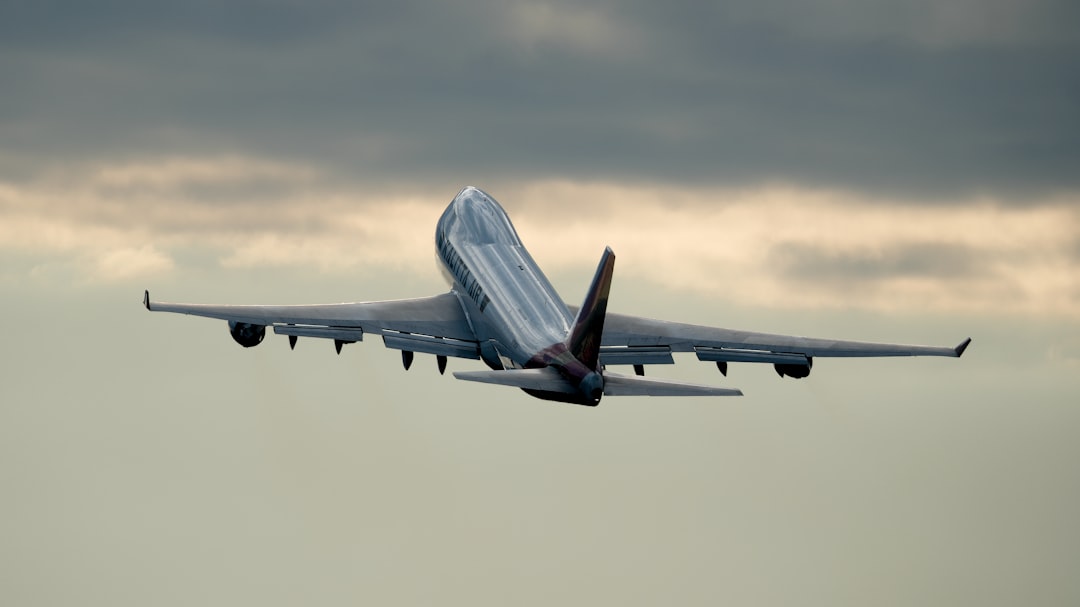
Photo by Sevcan Alkan on Unsplash
Comfort begins long before the gate screen starts flashing Boarding. The best flight days have a quiet, almost deliberate rhythm to them: a shower, a proper meal, a fully charged power bank, socks that do not squeeze, a bag packed so the one thing you need is not buried beneath seven other things. Chaos at home follows you into the cabin.
I always think of the hours before a long journey as the part where you create your landing mood in advance. If you rush to the airport dehydrated, underfed, overstimulated, and carrying three unresolved tasks in your head, your body boards in fight-or-flight mode. If you leave the house fed, watered, stretched, and slightly ahead of time, the whole aircraft feels less hostile.
When I map out a big travel day in TravelDeck, I leave more buffer around the airport than I think I need, because one delayed train or one long security line can turn a calm day into a sprint. That small margin is one of the simplest long haul flight tips to actually keep.
- Start adjusting to destination time 24 to 48 hours before departure if the time shift is big. Eat and sleep a little earlier for eastbound trips and a little later for westbound ones.
- Drink more water than usual the day before. It is far easier to stay hydrated in the air if you do not board already dry.
- Eat a balanced meal at home. Think rice, eggs, grilled chicken, soup, oats, yogurt, bananas, or toast rather than a salty fast-food blowout at the gate.
- Do a light workout or a brisk 30 to 45 minute walk before leaving. It helps circulation and makes sleep easier later.
- Put compression socks on before you head to the airport, not after you sit down at the gate.
- Download everything offline: boarding pass, entertainment, maps, hotel confirmation, and a note with emergency contacts.
- Pre-pack your in-seat kit in a slim pouch so you are not opening the overhead bin every hour.
- If you need help with the bag itself, How to Pack a Carry-On in 2026 Without Leaving Anything Out is a smart companion read.
Best seat for long flights: choose comfort before price tricks
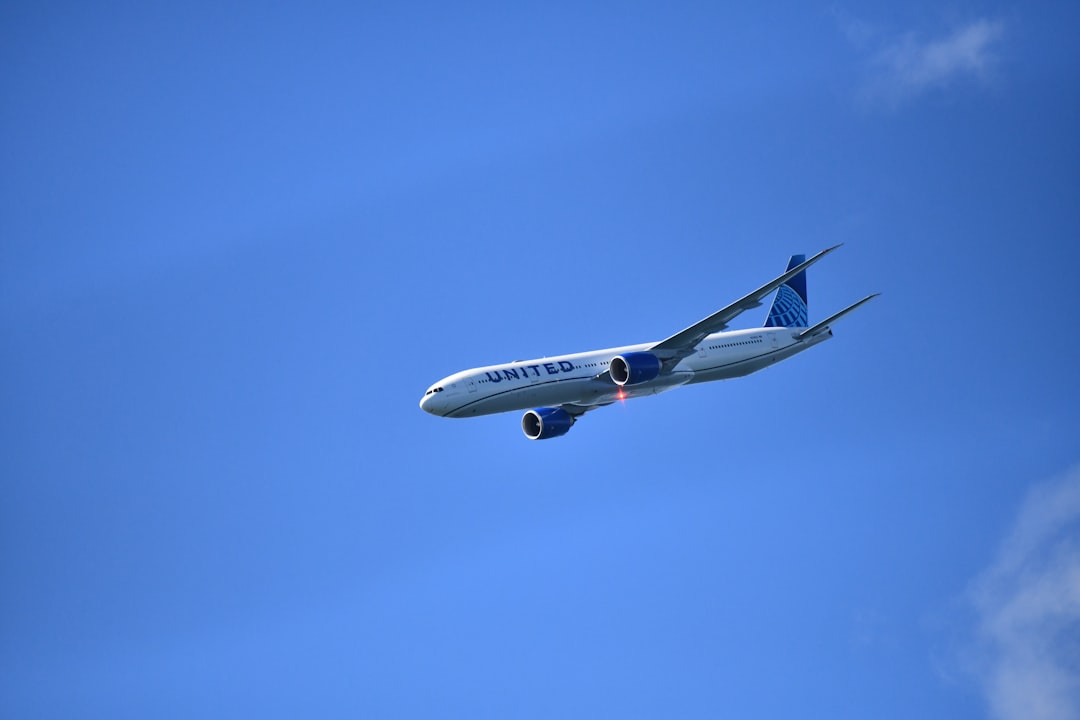
Photo by Rob Dean on Unsplash
Seat selection is where many travelers accidentally sabotage themselves. A cheap fare can turn expensive in energy if it leaves you trapped in a bad row beside a toilet queue with no recline and no under-seat space. The best seat for long flights is not universal. It depends on whether you prioritize sleep, legroom, easy bathroom access, or a smoother ride.
Window seats are wonderful if you are determined to sleep. You get a wall to lean on, control over the shade, and freedom from being climbed over. Aisle seats are better for circulation, stretching, and nervous flyers who feel calmer when they can stand up easily. Rows near the wings tend to feel the least motion in turbulence. Rows beside galleys and lavatories often sound like a tiny restaurant at midnight.
If there is one principle to remember from all long haul flight tips, it is this: comfort compounds. A slightly better seat gives you better sleep, less irritation, easier hydration, and less resentment by hour ten.
| Seat choice | Best for | Trade-off | Worth paying for? |
|---|---|---|---|
| Window seat near the wing | Sleep, quieter cabin feel, views | Harder bathroom access | Yes for overnight flights |
| Aisle near the wing | Easy movement, stretching, bathroom access | More bumps from carts and passengers | Yes for daytime flights |
| Bulkhead | Knee room, bassinet-free only on some airlines | Fixed armrests, screens in armrest, nearby families | Sometimes |
| Exit row | Legroom | Limited under-seat storage, rules apply | Often yes |
| Back of cabin | Easier last-minute seat selection | More noise, more movement, toilet traffic | Usually no |
A few rules help when you are hunting for the best seat for long flights:
- Check the exact aircraft, not just the airline. A 777 on one route may have a very different layout from a 777 on another.
- For overnight flights, prioritize a window away from toilets and bassinets if possible.
- For daytime sectors over 10 hours, aisle comfort can outweigh the romance of the window.
- If premium economy is within reach, compare the fare difference against the first-day value of arriving functional. For that calculation, Create a Travel Budget in 2026: A Realistic Guide is useful.
- If you are anxious in turbulence, pick a seat over or just behind the wing.
- Avoid the very last rows unless the plane is nearly full and you know the recline situation.
What to wear on a long flight and what to keep within reach
Cabin temperature is never loyal. One hour you are warm from boarding stress and overhead-bin wrestling; three hours later you are wrapped in a thin airline blanket wishing you had packed one more layer. Knowing what to wear on a long flight is less about looking polished and more about building a small climate system around your body.
Soft layers win every time. Think breathable T-shirt, zip hoodie or cardigan, relaxed trousers with stretch, and socks you actually want on your feet for twelve hours. Shoes matter more than people expect. Your feet can swell in the air, so rigid trainers or boots that feel fine at breakfast can become miserable by the Atlantic. Slip-on shoes or loose sneakers make security, cabin settling, and mid-flight comfort much easier.
The second part of comfort is reach. The item you need at hour eight should not live in the overhead bin behind three strangers and a roller bag. Your personal item is your little survival drawer. Good long haul flight tips always respect that.
If you are wondering what to wear on a long flight, keep it simple:
- Breathable base layer: merino, modal, or soft cotton blend.
- Middle layer: zip hoodie, quarter-zip, or cardigan.
- Lightweight scarf or oversized shawl that doubles as a blanket.
- Compression socks or at least soft, non-tight travel socks.
- Slip-on shoes or sneakers with room for swelling.
- Minimal jewelry and no belt if you want an easier security line.
And these carry-on essentials should stay under the seat, not overhead:
- Refillable water bottle filled after security.
- Lip balm, moisturizer, saline nasal spray, and preservative-free eye drops.
- Toothbrush, toothpaste tabs or mini tube, deodorant wipes.
- Earplugs or noise-canceling headphones.
- Eye mask.
- Phone charger and power bank.
- One pen for immigration forms.
- Medication in original packaging if possible.
- One spare T-shirt and underwear for very long itineraries or missed connections.
Those carry-on essentials sound basic until you need them at 3 a.m. over the Pacific and realize they are the difference between feeling trapped and feeling prepared. On almost every big trip, the travelers who swear they do not need much eventually discover that the right carry-on essentials are really about friction reduction.
What to eat and drink on a long haul flight
Airplane food has a bad reputation, but the bigger problem is timing. Long flights serve meals when the logistics work, not when your body does. Add dry air, boredom snacking, alcohol, and too much coffee, and you arrive feeling puffy, parched, and oddly hungry. Smart eating is one of the most underrated long haul flight tips because it changes how you sleep and how you recover after landing.
Your mouth also tastes differently at altitude. Salty, rich, heavy foods can feel comforting in the moment, then sit in your stomach for hours. Lighter meals travel better inside the body: rice bowls, noodles, soup, fruit, yogurt, oatmeal, grilled chicken, eggs, or a sandwich with real protein rather than just bread and cheese. This is not about being virtuous. It is about arriving without that foggy, overfed, undernourished feeling.
If your goal is to avoid jet lag, meal timing matters as much as meal content. Eating roughly on destination time sends your body a stronger signal than people realize. That is one reason long haul flight tips often sound repetitive: hydrate, pace caffeine, and stop treating the whole cabin like a floating snack bar.
A simple in-flight eating strategy looks like this:
- Eat one satisfying meal before boarding rather than relying on airport fast food.
- Use airline meals selectively. If a tray arrives at what will be 2 a.m. at your destination and you hope to sleep, skip most of it.
- Go easy on alcohol. One glass of wine may feel festive; three can make sleep shallower and dehydration worse.
- Use caffeine strategically. Coffee is most helpful in the last third of the flight if you are landing in morning or early afternoon.
- Bring your own snacks: unsalted nuts, oat bars, dried fruit, rice crackers, dark chocolate, or a banana bought after security.
- Add electrolytes to one bottle of water, especially on flights over 8 hours.
- If you have a sensitive stomach, avoid very spicy, greasy, or extra-salty airport meals.
A useful rhythm for many routes:
- Overnight eastbound flight: eat lightly before takeoff, drink water, sleep early, then eat closer to destination breakfast.
- Daytime westbound flight: eat a proper pre-flight meal, snack lightly, use caffeine earlier, and do not force sleep too soon.
- Ultra-long-haul flight over 14 hours: think in blocks, not in endless grazing. Two real meals and one planned snack feel better than random nibbling for half a day.
If you want to avoid jet lag, remember that water is not a cure but dehydration absolutely makes jet lag feel worse. Sip regularly, ask for extra water when the crew passes, and refill your bottle whenever you can during a connection. Travelers trying to avoid jet lag often focus only on melatonin and forget the less glamorous basics that matter just as much.
How to sleep on a plane without waking up wrecked
Everyone wants the same thing on an overnight flight: to fall asleep quickly, stay asleep long enough to matter, and wake up without a cricked neck and a face that feels like parchment. Learning how to sleep on a plane is partly about equipment, but mostly about sequence. Sleep does not begin when you close your eyes. It begins with what you did in the three hours before that moment.
The cabin will not give you ideal sleep conditions, so you have to build them. That means less screen glare, less sugar, less noise, less muscle tension, and fewer interruptions. It also means accepting that plane sleep is not home sleep. The goal is not eight perfect hours. It is enough good rest that your arrival day still belongs to you.
This is where the best long haul flight tips become almost ritualistic. Seat belt visible over the blanket. Water finished but not chugged. Shoes loosened. Hoodie on. Screen off. Eye mask down. Neck supported before your head starts dropping forward like a wilted sunflower.
If you want to know how to sleep on a plane, this routine works remarkably well:
- Set your watch and phone to destination time after boarding.
- Decide immediately whether this flight is a sleep flight or a stay-awake flight. Ambivalence leads to bad naps and worse jet lag.
- Use an eye mask even if the cabin is dim. Tiny light leaks matter.
- Wear earplugs under over-ear headphones if the flight is especially noisy.
- Recline as soon as allowed if you are on an overnight route.
- Put a small pillow, folded hoodie, or travel pillow behind your lower back first, then support your neck.
- Skip doom-scrolling. Blue light and mental stimulation make it harder to drop into real rest.
- Try a simple breathing pattern: inhale for four, hold for a beat, exhale longer than the inhale.
A few gear choices help if you are serious about how to sleep on a plane:
- A supportive neck pillow that keeps your head from snapping sideways.
- A contoured eye mask that does not press on your eyelids.
- Soft socks so you can loosen shoes or take them off without becoming the person nobody wants beside them.
- A lightweight blanket scarf if you run cold and do not trust the airline blanket.
Supplements can help some people, but they are not universal. If you already know melatonin works for you, a low dose timed to destination bedtime is often more useful than taking a large amount randomly. Magnesium may help with relaxation for some travelers. But if you take any medication, have a health condition, or have never tried a sleep supplement before, the middle seat over the ocean is not the right laboratory.
To avoid jet lag, the most important sleep question is not How much can I sleep right now? It is What kind of sleep helps my arrival time? Sometimes two or three focused hours early in the flight are far more valuable than broken dozing all night. People who really know how to sleep on a plane do not chase perfect rest; they build the most useful rest.
How to move, stretch, and avoid jet lag after landing
Bodies are not designed for stillness at altitude. After a few hours, blood pools in your legs, your hips tighten, your lower back complains, and your whole mood drops by a few degrees. Movement is not just about health headlines. It is a comfort tool. A two-minute walk to the galley can reset your posture, your circulation, and your patience.
The trick is to move before you feel desperate. Waiting until your knees ache means you waited too long. I like to build small resets into the flight: ankle rolls during takeoff, a walk after meal trays are cleared, shoulder circles while waiting for the bathroom, calf raises near the back galley when the aisle is quiet. These are tiny acts, but they stop the body from hardening around the seat.
Movement also helps you avoid jet lag because physical cues matter. Light, food, and activity all tell your body what time it is. That is why some of the best long haul flight tips sound surprisingly unglamorous: stand up, wash your face, walk with purpose, go outside after landing.
Use this simple comfort loop every 2 to 3 hours:
- Roll ankles 20 times each direction.
- Lift heels and toes while seated for one minute.
- Tighten and release glutes and thighs a few times.
- Stand up and walk the cabin when the seat belt sign is off.
- Stretch calves against a wall near the galley if space allows.
- Rotate shoulders and gently turn your neck side to side.
To avoid jet lag once you land:
- Get daylight as soon as possible, especially morning light after eastbound arrivals.
- Eat a proper local-time meal, even if it is small.
- Keep moving. A 20 to 30 minute walk outdoors can do more than another coffee.
- If you arrive early and cannot check in, use a shower lounge or airport hotel day room rather than curling up under fluorescent lights.
- Do not nap too late in the afternoon if you are trying to shift your clock quickly.
Travelers are often surprised by how much arrival strategy determines whether they avoid jet lag. The flight is only half the story. If you sleep at the wrong hour after landing, eat a huge meal at midnight, and spend the afternoon indoors, your body gets even more confused. To avoid jet lag, think of landing as part of the plan, not the finish line.
How to get there
For a comfortable long-haul journey, getting to the airport is not a boring preface. It is part of the flight itself. Missed trains, expensive taxis, and frantic terminal sprints all eat into the calm you need before a 10-hour or 14-hour sector. For major hubs, I like to choose the transport option with the best reliability-to-stress ratio, not just the cheapest fare.
If you are flying long-haul from a big gateway, arriving early enough to eat, refill water, and settle your body is worth real money. That usually means taking the faster rail option in cities where road traffic is unpredictable, especially in London and New York. Below are a few practical examples for four major long-haul gateways many travelers use for global connections.
| Airport | Best public transport option | Typical time from city center | Typical cost | Taxi or car time | Typical taxi cost |
|---|---|---|---|---|---|
| London Heathrow, LHR | Elizabeth line from Paddington | 35 to 40 min | about GBP 13 to 15 off-peak | 45 to 90 min | about GBP 55 to 90 |
| New York JFK, JFK | AirTrain + LIRR from Penn or Grand Central | 35 to 50 min | about USD 14 to 22 | 45 to 120 min | about USD 70 to 120 plus tolls |
| Singapore Changi, SIN | MRT via Tanah Merah | 35 to 40 min | about SGD 2 to 3 | 20 to 30 min | about SGD 25 to 40 |
| Doha Hamad, DOH | Doha Metro Red Line | 25 to 30 min | about QAR 2 | 20 to 30 min | about QAR 30 to 45 |
Useful official links before you set out:
- Heathrow transport: https://www.heathrow.com/transport-and-directions
- JFK AirTrain: https://www.jfkairport.com/to-from-airport/air-train
- Changi transport: https://www.changiairport.com/en/airport-guide/transport.html
- Doha Hamad transport: https://dohahamadairport.com/transport-and-directions
Things to do
If your itinerary includes a long layover before a long-haul segment, treat it as recovery time rather than dead time. The best airport hubs now offer enough light, space, greenery, and food to make a few hours genuinely restorative. Instead of camping at the gate from habit, use the terminal to reset your body before the next sector.
This matters more than it sounds. A shower, a proper walk, a few minutes by real plants, or one decent bowl of noodles can make the second flight feel dramatically easier. These are not grand attractions in the classic sense, but they are specific, memorable places that help your body arrive calmer.
Here are worthwhile layover stops in major long-haul hubs:
- Jewel Rain Vortex, Singapore Changi, connected to Terminal 1: the indoor waterfall and forested terraces are ideal for walking stiffness out of your legs before a red-eye.
- Butterfly Garden, Changi Terminal 3: one of the gentlest airport spaces in the world, with humid air that feels glorious after a dry cabin.
- The Orchard, Doha Hamad International: a huge indoor tropical garden that softens the usual airport glare and gives you room to walk.
- Lamp Bear and airport art trail, Doha Hamad: a surprisingly good way to stretch your legs and give your brain something other than departure boards.
- TWA Hotel rooftop pool and aviation views, JFK Terminal 5 area: book ahead, but it is one of the rare airport experiences that actually feels cinematic.
- Observation and dining level around Heathrow Terminal 5 departures: not quiet, but good for people-watching, tea, and a final walk before boarding.
If you have children, elderly relatives, or you are simply frayed, skip the duty-free maze and prioritize green space, showers, and a real meal. Those choices are among the least glamorous long haul flight tips and some of the most effective.
Where to stay
Some long-haul flights become much easier when you stop treating the airport as a same-day obligation. If your departure is very early, your connection is very late, or your route involves a brutal pre-dawn transfer, sleeping near the terminal can be the smartest upgrade of the whole trip. It buys you time, lowers stress, and often saves you from a wildly expensive dawn taxi.
Airport hotels are not all soulless boxes anymore. Some are sleek sleep pods designed for six-hour layovers; others are full-service hotels with blackout curtains, bathtubs, and direct terminal access. If you are deciding whether the cost is worth it, compare it to what a ruined first day at your destination feels like. Many seasoned travelers spend on the airport night before they spend on airport lounge access.
Here are solid options by budget tier, with typical 2026 rates in USD:
| Budget tier | Hotel | Why it works for long-haul comfort | Typical price |
|---|---|---|---|
| Budget | YOTELAIR London Heathrow, Terminal 4 | Small cabins, direct terminal convenience, ideal for pre-flight sleep | USD 120 to 180 |
| Budget | Premier Inn Dubai International Airport | Reliable rooms, shuttle access, good for overnight layovers | USD 70 to 120 |
| Mid-range | Hilton Garden Inn London Heathrow, Terminal 2 and 3 | Walkable to terminals, strong soundproofing, dependable breakfast | USD 170 to 250 |
| Mid-range | Crowne Plaza Changi Airport | One of the easiest airport overnights anywhere, excellent if you land late | USD 180 to 280 |
| Luxury | TWA Hotel at JFK | Design-forward stay with serious aviation nostalgia and runway views | USD 250 to 400 |
| Luxury | Sofitel London Heathrow | Direct Terminal 5 access, plush beds, quiet rooms, polished service | USD 240 to 380 |
If you are traveling alone and arriving after midnight, staying near the airport can also be the safer move, especially before you figure out local transport. For that side of the journey, Solo Travel Safety Tips for 2026: A Confident Guide is worth reading.
Where to eat
The best pre-flight food is not the heaviest or the fanciest meal you can find in departures. It is the one that leaves you satisfied, hydrated, and not bloated when the aircraft door closes. That usually means warm, lightly seasoned dishes, decent protein, and enough carbohydrates to feel settled without tipping into a food coma.
Airport dining is far better than it used to be, especially in the long-haul hubs that understand travelers are not just passing through but often living in transit for half a day. I look for soup, rice, grilled fish or chicken, congee, noodle bowls, or a sandwich that is not drowning in sauce. If you are sensitive to salt or spice, this is not the moment to get adventurous.
Good places to eat before a long-haul flight include:
- Plane Food by Gordon Ramsay, Heathrow Terminal 5: solid pre-flight breakfasts, salads, and lighter mains, roughly GBP 18 to 30.
- The Peranakan or similar hawker-style options in Jewel Changi, Singapore: rice sets, noodle soups, kaya toast, roughly SGD 8 to 20.
- Harrods Tea Room, Doha Hamad International: soups, sandwiches, tea, and pastries, roughly QAR 50 to 100.
- Jones the Grocer, Dubai Terminal 3: grain bowls, eggs, salads, and coffee, roughly AED 45 to 90.
- Shake Shack, JFK Terminal 4: better for a daytime flight than a red-eye, roughly USD 12 to 20.
- Airport food courts in Changi and Hamad: often the best value if you want something simple, fast, and less salty than lounge buffet food.
My usual rule is easy: eat your largest meal before an overnight if you know you struggle to sleep when hungry, but keep it clean and not too late. For daytime long-haul sectors, a balanced airport meal plus your own snacks is usually enough to keep energy steady.
Practical tips
The final layer of comfort is not glamorous. It is the collection of boring little moves that save you money, confusion, or physical misery when you are already tired. Most travelers do not need more products. They need a cleaner system.
That system also changes with season. Summer means fuller flights, longer security lines, and hotter transfers on the ground. Winter means storm disruption and more tight connections. Spring and autumn often offer the sweet spot for long-haul travel: better fares, slightly calmer terminals, and more options if you need to rebook. If you can choose, shoulder months are often easier than peak holiday periods, which is one reason Shoulder Season Travel Tips for 2026: Save More, See More remains relevant even for flight-heavy trips.
Keep these practical long haul flight tips in mind:
- Best months for smoother pricing and less crowded airports are often March to May and late September to November.
- Pack a pen, a spare charging cable, and one paper copy of your hotel address.
- Wear sunscreen if you sit by the window on daytime flights; the light can be surprisingly strong.
- Keep medications, passports, and valuables on your body or in the bag under your seat.
- If you wear contact lenses, switch to glasses for overnight flights if possible.
- Bring an eSIM or know your roaming plan before landing so you are not negotiating airport Wi-Fi while exhausted.
- Keep cash for the arrival country only if you really need it; cards and contactless payments are widely accepted in most major gateways.
Useful official resources:
- TSA liquids rules: https://www.tsa.gov/travel/security-screening/liquids-rule
- EU air passenger rights: https://europa.eu/youreurope/citizens/travel/passenger-rights/air/index_en.htm
- IATA travel center: https://www.iatatravelcentre.com/
FAQ
A lot of long-haul anxiety comes from not knowing which discomforts are normal and which fixes actually work. These are the questions travelers ask most often before a big flight, especially when they want long haul flight tips that go beyond bring a neck pillow.
The reassuring part is that most common problems have simple answers. You do not need to master aviation science. You need a few reliable habits and a realistic plan for your own body.
What is the best seat for long flights in economy?
For overnight routes, a window seat near the wing is usually the best seat for long flights because it is easier to sleep and you feel less aisle disruption. For daytime routes, an aisle near the wing is often better because movement is easier. If legroom matters most, an exit row can be worth the extra fee.
How do I avoid jet lag on a long-haul flight?
To avoid jet lag, start adjusting before departure, eat and sleep closer to destination time, limit alcohol, use caffeine strategically, get daylight after landing, and avoid long late naps. The most effective approach combines light, food timing, and movement rather than relying on one supplement alone.
What should I wear on a long flight?
If you are unsure what to wear on a long flight, choose soft layers, loose trousers, a warm mid-layer, compression socks, and shoes with room for swelling. The best outfit is the one you forget about after takeoff.
Which carry-on essentials matter most on long flights?
The most useful carry-on essentials are water, lip balm, moisturizer, eye drops, headphones, an eye mask, medication, a charger, and one spare outfit item. Put them under the seat so you can reach them without standing up.
Is it better to sleep or stay awake on a long-haul flight?
It depends on arrival time. If you land in the morning, some in-flight sleep usually helps. If you land in the evening, staying awake for most of the flight may make more sense. The best long haul flight tips always match sleep to local arrival time.
How often should I walk on a long-haul flight?
Aim to move your feet and legs every hour or so while seated, and stand or walk every 2 to 3 hours when the seat belt sign is off. More often is better if you are in a window seat for a very long route or are prone to swelling.
There is a moment near the end of every long-haul flight when the cabin brightens, window shades lift, and everyone starts quietly assembling themselves again. That moment feels very different when you have slept a little, moved enough, drunk enough water, and treated the whole journey as something you could shape rather than endure. The real secret of long haul flight tips is not luxury. It is intention.
A long flight may never become your favorite part of travel, but it does not have to steal the first day of the trip. Choose the right seat, wear the right layers, eat like someone who wants to feel good tomorrow, and give your body clear signals about when to rest and when to wake up. Land with some energy still in reserve, and the city waiting outside the terminal will feel bigger, brighter, and much more worth the journey.