The best summer evening I had in Europe was not in Rome, Paris, or Barcelona. It was on a stone lane in southern Albania, with swallows cutting across a pink sky and the smell of grilled peppers drifting out of a family kitchen. That is exactly why underrated places in Europe feel so exciting right now: they still leave room for surprise. In 2026, when many headline destinations are more crowded, more expensive, and more regulated than ever, the real luxury is space, rhythm, and the feeling that a place still belongs to itself.
This guide is not another rush through the usual capitals, and it is not a simple list of quiet substitutes. It is a deeper look at seven underrated places in Europe that reward travelers who want texture instead of tick-box sightseeing: an Ottoman-era hill town, a Bulgarian city with Roman bones, a Slovenian fishing port, a Basque coastal enclave, an Italian village scented with olive oil, a windswept Scottish archipelago, and a dune-fringed Lithuanian retreat. If you are planning off the beaten path Europe routes for 2026, these are the places that turn a good trip into a memorable one.
Why underrated places in Europe feel better in 2026
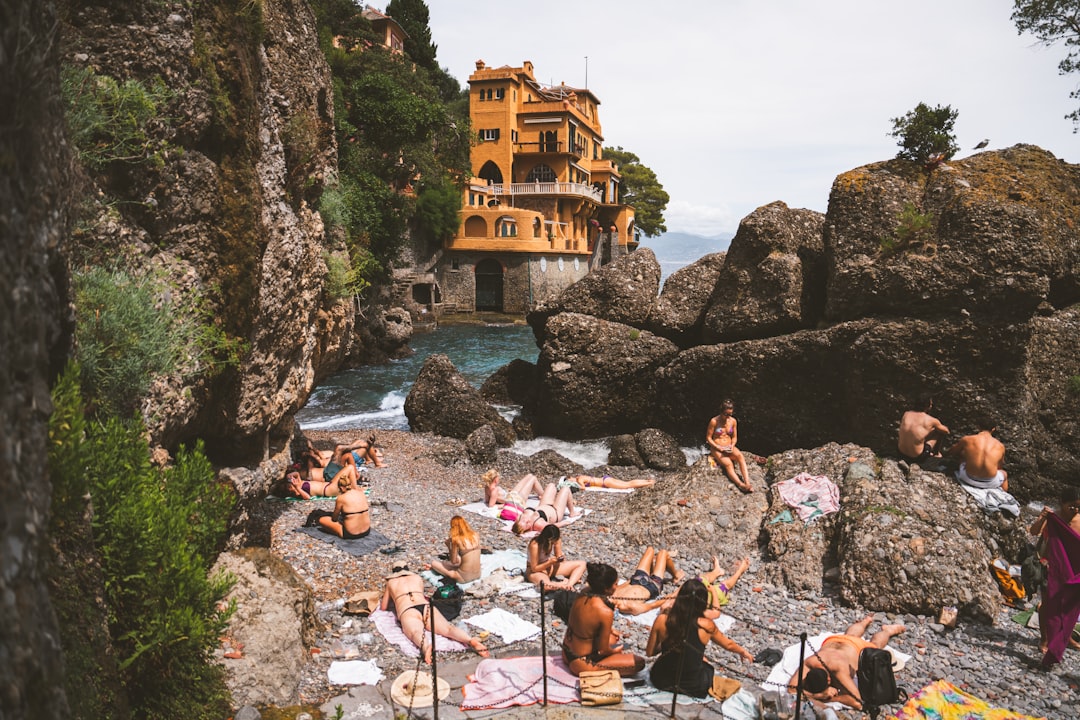
Photo by Peter Thomas on Unsplash
The classic European itinerary still works, but it often comes with a hidden tax: advance booking stress, inflated hotel rates, and the strange feeling that your day is being shaped by crowd-control barriers instead of curiosity. The appeal of underrated places in Europe is not just that they are quieter. It is that they allow a more human scale of travel. You can sit longer at lunch, hear church bells instead of suitcase wheels, and choose a harbor walk because it looks beautiful rather than because a guidebook says you should.
That slower pace changes the way a destination reveals itself. In the most rewarding less crowded European destinations, your best memory is often not a famous monument but a texture: laundry snapping above limestone steps, the click of dominoes in a square, sea salt drying on your arms after a ferry ride, the smell of pine resin warming in afternoon heat. These places are also better value. You are more likely to find owner-run hotels, regional train fares that do not feel punitive, and meals that still reflect local life rather than tourism demand. For travelers searching for alternative European city breaks, this is where Europe feels generous again.
Before you choose, think about what kind of trip you want most:
- For old-stone atmosphere and mountain views: Gjirokastër and Brisighella
- For urban energy without big-city pressure: Plovdiv
- For sea air and slower mornings: Izola and Lekeitio
- For dramatic landscapes and fresh weather: Orkney and Nida
- For shoulder-season value: Albania, Bulgaria, Slovenia, and Italy tend to shine in May, June, September, and early October
7 underrated places in Europe that reward slower travel
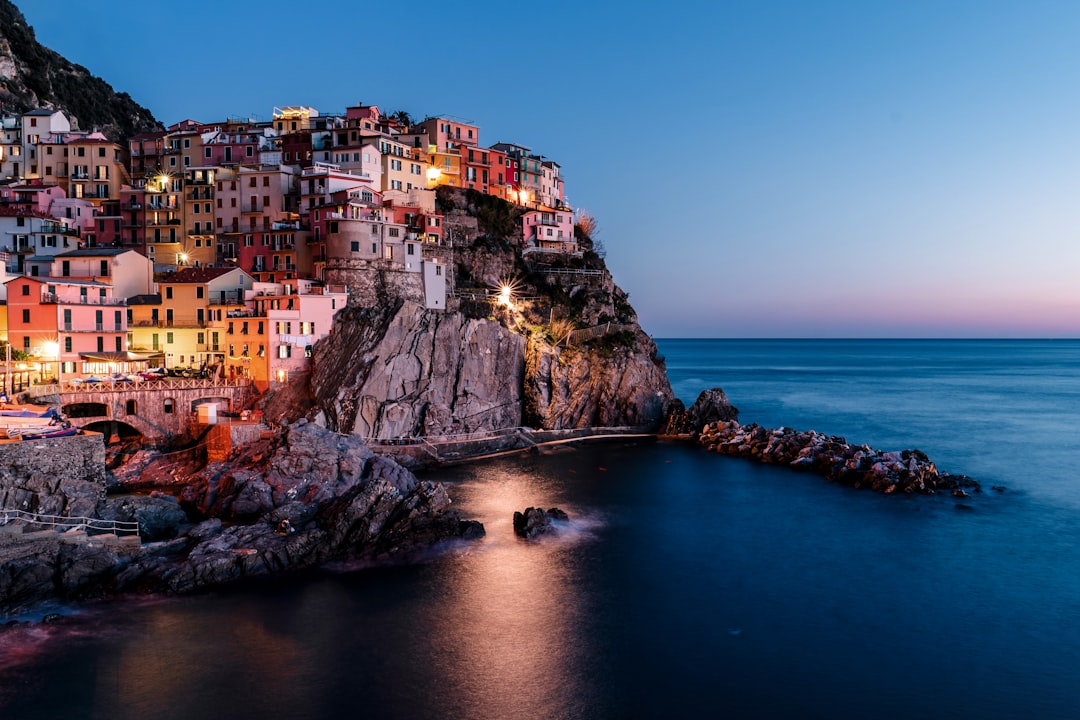
Photo by Bjorn Snelders on Unsplash
The best underrated places in Europe are not necessarily hard to reach. What they require is a willingness to look one stop beyond the obvious airport, one bay beyond the cruise port, one train ride past the city everyone else picked. These seven destinations are spread across the continent, but they share a common trait: they make you want to linger.
They also show how varied Europe hidden towns and overlooked regions can be. Some are compact enough for a long weekend. Others deserve four or five days so you can settle in, learn the street grid, and start ordering coffee like a regular. If you are drawn to quiet places in Europe but still want strong food, history, and scenery, start here.
Gjirokastër, Albania
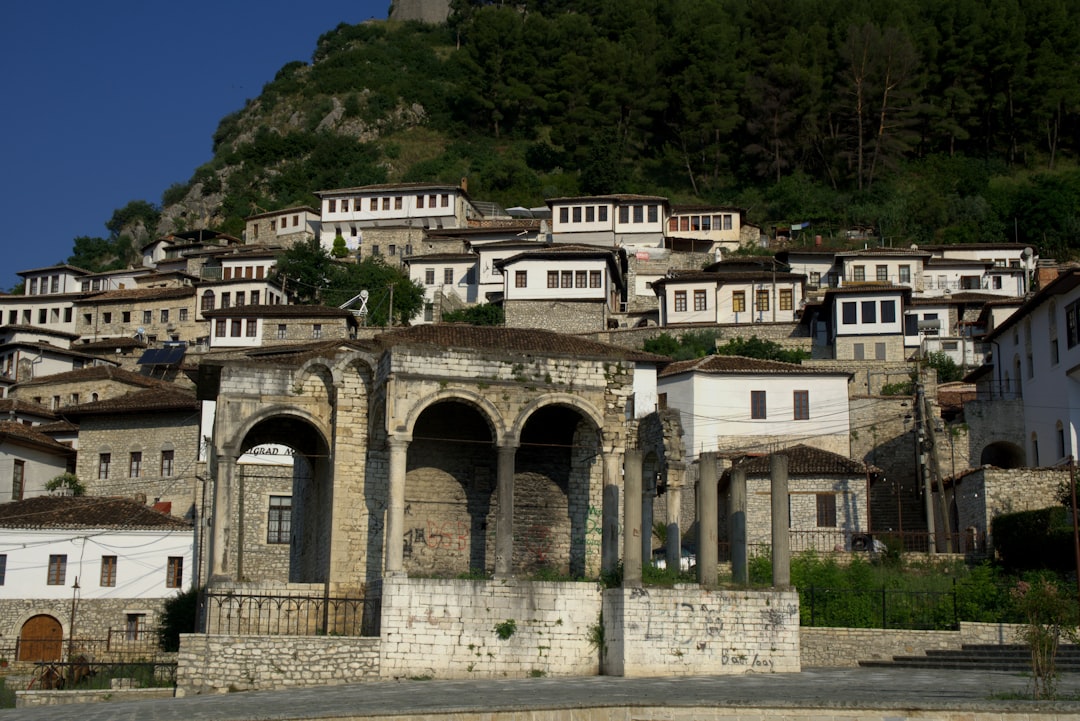
Gjirokastër rises in layers of gray stone above the Drino Valley, its steep slate roofs looking almost poured down the hillside. The old town feels architectural and intimate at the same time: heavy wooden doors, cool tunnel-like alleys, carved balconies, and stairways that seem built for a slower century. By late afternoon, the light turns honey-colored on the facades, and the bazaar fills with the smell of mountain herbs, coffee, and grilled meat. Among the most compelling underrated places in Europe, Gjirokastër offers that rare combination of deep history and low-key daily life.
What makes it special is the mood rather than a single landmark. Yes, the castle is immense, and yes, the Ottoman-era houses are striking, but the city works because it still feels lived in. Grandmothers sit in doorways. Cats nap on warm stone. The call to prayer and church bells can overlap in the same hour. This is one of those alternative European city breaks where you spend as much time wandering as sightseeing, and that is exactly the point.
What to focus on in Gjirokastër:
- Walk the Old Bazaar in the early morning before day-trippers arrive
- Visit Gjirokastër Castle for valley views and the military museum; allow 1.5 to 2 hours; entry is usually around 400 to 600 lek
- Tour Skenduli House or Zekate House for a glimpse of elite Ottoman domestic architecture
- Take a short taxi ride to the Ali Pasha Bridge for a quieter landscape detour
- Book dinner at Taverna Kuka or Kujtimi for qifqi, lamb, stuffed vegetables, and regional wine
Plovdiv, Bulgaria
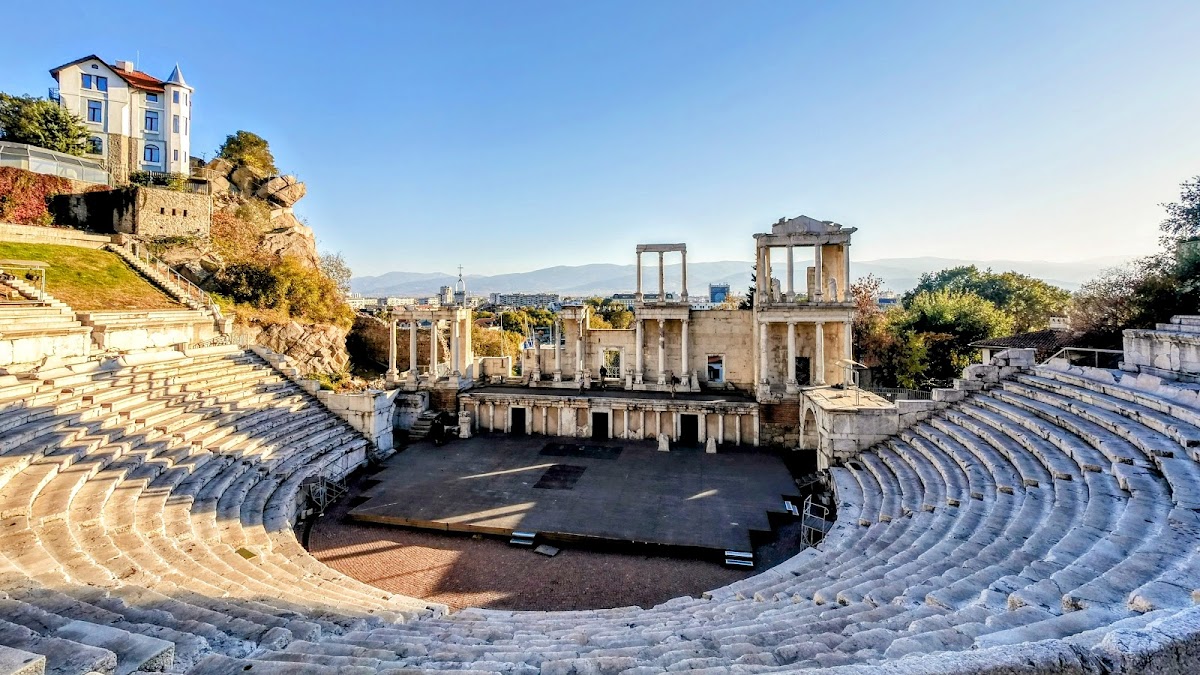
Plovdiv has the confidence of a city that has been important for a very long time and does not need to announce it. Its Roman theater still hosts performances, its old town ripples over hills with 19th-century mansions painted in ochre and blue, and its Kapana district hums with bars, design shops, and conversations that stretch late into the night. For travelers who want culture without capital-city fatigue, it is one of the smartest underrated places in Europe to visit in 2026.
The pleasure of Plovdiv is the way ancient and contemporary life overlap. You can spend the morning among churches, revival-era houses, and fragments of empire, then drift into a café where students are talking about music festivals and graphic design. It feels creative rather than curated. Among less crowded European destinations, few give you this much architectural drama, food culture, and urban energy at such a manageable scale. If alternative European city breaks are your sweet spot, Plovdiv makes a persuasive case.
Do not miss in Plovdiv:
- The Ancient Roman Theatre of Philippopolis, especially near sunset when the city glows below
- The Old Town lanes around Nebet Tepe, where layered ruins and viewpoints sit above the city
- Kapana, the former craft quarter, now packed with independent bars and boutiques
- Bishop’s Basilica of Philippopolis, one of the city’s strongest indoor historical sights
- Dinner at Pavaj for modern Bulgarian comfort food or Rahat Tepe for grilled meats and panoramic views
Izola, Slovenia
On the Slovenian coast, Izola often lives in the shadow of flashier neighbors, which is exactly why it works. This former fishing town has Venetian lines in its architecture, laundry-bright shutters, and a marina that looks best in the soft gold of early evening. Instead of chasing grandeur, it offers proportion: a waterfront you can walk in minutes, lanes where bicycles outnumber tour groups, and seafood lunches that turn into very long afternoons. It is one of the most quietly satisfying underrated places in Europe for travelers who love the sea but not the performance of it.
Izola also works beautifully as a base. You can swim in the morning, rent a bike after lunch, and be on the cliffs of Strunjan or the promenade to Koper by late afternoon. Among the most appealing quiet places in Europe, it delivers Adriatic light and maritime charm without the sticker shock or congestion of more famous coastal towns. It is also one of the easiest less crowded European destinations to combine with Italy or Croatia.
Best experiences in Izola:
- Wander Manzioli Square and the old lanes behind the waterfront
- Swim or sunbathe at Svetilnik Beach or Simonov zaliv
- Cycle a section of the old Parenzana route
- Take a half-day trip to Strunjan Nature Reserve for cliff views and salt-pan landscapes
- Eat grilled cuttlefish, mussels, and brodet at Gostilna Sidro or seafood at Marina Restaurant
Lekeitio, Spain
The Basque coast has famous names, but Lekeitio keeps a lower profile and all the better for it. Built around a sheltered harbor, it feels compact, salty, and local, with fishing boats rocking below old houses and conversations spilling out from pintxo bars. The town is framed by green hills and broad beaches, so the whole place feels caught between surf and pasture. In a continent full of photogenic coastlines, Lekeitio remains one of the most atmospheric underrated places in Europe.
What stays with you here is the texture of daily life. Elderly couples walk the quay in the evening. Children chase each other across the sand. Bells ring from the Basilica of Santa María de la Asunción, and then the tide redraws everything. On low tide days, people cross the sandbar to San Nicolás Island, a small adventure that feels delightfully unpolished. For travelers planning off the beaten path Europe beach time, Lekeitio offers sea, culture, and Basque flavor without the frenzy of Spain’s more famous resort strips.
Build your days around these moments:
- Walk the harbor and old quarter around Arranegi Kalea
- Visit the Basilica of Santa María de la Asunción for its grand Gothic interior
- Time the tide and walk to San Nicolás Island when conditions are safe
- Spend a beach afternoon at Isuntza or cross to Karraspio Beach in nearby Mendexa
- Eat pintxos around the port and order local hake, anchovies, and txakoli
Brisighella, Italy
Italy does not lack beautiful hill towns, but Brisighella still feels like a secret whispered among people who like their trips slow and their lunches serious. Set in Emilia-Romagna, it is ringed by three dramatic hills topped by a fortress, clock tower, and sanctuary. The old center is full of apricot-colored walls, arched passages, and steep little stairways that make the village seem sculpted rather than built. Among underrated places in Europe, Brisighella is a lesson in how much atmosphere can fit into one small place.
This is also one of the loveliest Europe hidden towns for travelers who care about food. Brisighella is known for excellent olive oil, and the countryside around it is rich in vineyards and farm kitchens. The mood is not theatrical Tuscany. It is softer, earthier, and a touch more local. You come for the views and stay for the feeling that the village is keeping its own schedule. For anyone dreaming of quiet places in Europe with proper Italian depth, Brisighella is a reward.
What to do in Brisighella:
- Walk Via degli Asini, the covered raised street that gives the village a rare medieval character
- Climb to Rocca Manfrediana for views over terracotta roofs and soft green ridges
- Continue to the Clock Tower and, if you have time, the Santuario del Monticino
- Taste local extra-virgin olive oil and regional wines in town enotecas
- Base yourself for easy day trips to Faenza, Ravenna, or the Romagna hills
Orkney Islands, Scotland
If many of Europe’s best-known islands sell escape as a polished product, Orkney feels like the real thing. The light changes by the minute. The sea is never far away. Villages appear under huge skies, and prehistoric stones rise from fields that look almost impossibly green. Even the drive between sights feels elemental, with wind, weather, and horizon doing half the work. These islands are among the most stirring underrated places in Europe, especially for travelers who respond to landscape as much as architecture.
Orkney asks you to slow down and look harder. A chapel built by Italian prisoners of war can move you as much as a cathedral. A cliff walk can feel as memorable as a museum. In summer, the long daylight stretches the day until evening barely seems to arrive. Among the finest quiet places in Europe, Orkney offers drama without noise. It is also one of the strongest examples of off the beaten path Europe travel for repeat visitors who think they already know the British Isles.
Prioritize these Orkney experiences:
- Explore Skara Brae, the remarkably preserved Neolithic village on the west coast
- Visit the Ring of Brodgar and the Stones of Stenness in a single windswept loop
- See the painted interior of the Italian Chapel on Lamb Holm
- Spend time in Kirkwall, especially St Magnus Cathedral and the harbor area
- Walk the cliffs at Yesnaby for seabirds, sea stacks, and huge Atlantic views
Nida, Lithuania
Nida sits on the Curonian Spit like a secret made of pine woods, sand, and still water. The village itself is tidy and low-slung, with wooden houses, weathered boat sheds, and a lagoon-side calm that seems to lower your pulse within minutes. Then there are the dunes: pale, shifting, almost otherworldly. Few underrated places in Europe offer such a strong contrast between settlement and landscape.
What makes Nida special is the sensory mix. The air smells of resin and water. Bicycles hum past on forested paths. You can swim in the Baltic, then return to town for smoked fish by the lagoon at sunset. Among the most evocative Europe hidden towns, Nida feels both northern and dreamlike. It is also one of the best less crowded European destinations for travelers who want nature without sacrificing good food, clean design, and a graceful village setting.
Make time for these Nida highlights:
- Climb Parnidis Dune for the sun clock and broad views over the spit
- Cycle the pine-lined paths between Nida and nearby beaches
- Visit the Thomas Mann House for culture and lagoon views
- Swim on the Baltic side, where the beach feels wild and spacious even in summer
- Eat smoked eel or whitefish in town and linger for sunset along the lagoon promenade
How to get there: flights, trains, ferries, and realistic route planning
Photo by Deeva Sood on Unsplash
One reason these underrated places in Europe are still overlooked is simple: they rarely sit right on top of a major long-haul hub. But that does not make them difficult. It just means your trip needs one extra step, usually a regional train, bus, ferry, or rental car. In practice, that final leg often becomes part of the pleasure. You see more countryside, get a better sense of geography, and arrive in a place that feels earned rather than consumed.
When I build routes through off the beaten path Europe, I usually compare flight times against the last-mile transfer before booking anything. That is especially true for islands and hill towns. Mapping those connections in TravelDeck helps keep the sequence logical, whether you are pairing Plovdiv with Sofia or combining Nida with Klaipėda and Vilnius.
| Destination | Best airport or hub | Typical route | Approx time | Typical one-way cost |
|---|---|---|---|---|
| Gjirokastër | Tirana Airport, TIA | Airport shuttle or taxi into Tirana, then intercity bus to Gjirokastër | 3.5 to 4.5 hours total | €15 to €25 |
| Gjirokastër via Corfu | Corfu Airport, CFU | Taxi to ferry port, ferry to Sarandë, then bus or taxi inland | 2.5 to 4 hours total | €30 to €70 |
| Plovdiv | Sofia Airport, SOF | Direct bus or train from Sofia to Plovdiv | 2 to 2.5 hours | €8 to €15 |
| Izola | Trieste Airport, TRS or Ljubljana, LJU | Rental car, shuttle, or train plus bus via Koper | 1.25 to 2.5 hours | €10 to €45 |
| Lekeitio | Bilbao Airport, BIO | Bizkaibus or car via Gernika and the coast | 1.25 to 1.75 hours | €7 to €20 |
| Brisighella | Bologna Airport, BLQ | Train from Bologna Centrale via Faenza | 1.75 to 2.25 hours | €12 to €20 |
| Orkney | Kirkwall Airport, KOI or Scrabster ferry | Flight from Edinburgh, Glasgow, or Aberdeen, or NorthLink ferry to Stromness | 1 to 7 hours depending on route | £20 to £180 |
| Nida | Palanga Airport, PLQ or Vilnius, VNO | Bus to Klaipėda, ferry to Curonian Spit, then bus to Nida | 2 to 5.5 hours | €10 to €35 |
Useful official planning links:
- Albania flights and airport info: https://www.tirana-airport.com/en
- Plovdiv visitor information: https://visitplovdiv.com/en
- Slovenia tourism and coastal planning: https://www.slovenia.info/en
- Orkney ferry schedules: https://www.northlinkferries.co.uk/
- Curonian Spit ferry info: https://www.keltas.lt/en/
Things to do in these less crowded European destinations
The joy of these places is that they do not demand a frantic itinerary. You can absolutely fill your days, but the best experiences usually come from mixing one or two anchor sights with unstructured time. A castle in the morning, a market browse at midday, a swim or hillside walk in the late afternoon, and a long dinner outside once the air softens. That rhythm suits less crowded European destinations especially well.
It also helps you notice the details that make underrated places in Europe feel distinctive. In big-name destinations, travelers often remember the headline landmark. In smaller ones, they remember the shape of the day.
- Take the long way up in Gjirokastër. Start in the bazaar, climb toward the castle through the side lanes, and stop for coffee halfway. The city reveals itself vertically.
- Pair ancient and contemporary Plovdiv. Spend the morning at the Roman theater and old town, then move to Kapana for craft beer and people-watching after dark.
- Swim and cycle in Izola. A short coastal swim followed by a bike ride toward Strunjan is one of the best summer combinations on the Adriatic.
- Use the tide table in Lekeitio. If low tide aligns, crossing to San Nicolás Island adds a playful edge to a beach day.
- Do Brisighella on foot. The village is small enough that every ascent changes the view. Walk from Via degli Asini to the fortress and back down for lunch.
- Give Orkney at least one weather day. The islands are better when you allow for wind, ferries, and light shifts instead of trying to force a packed schedule.
- Rent a bike in Nida. It is the best way to feel the balance between village, forest, dune, and sea.
Where to stay in underrated places in Europe
In many underrated places in Europe, accommodation shapes the trip more than usual. Instead of anonymous chain hotels, you are more likely to find family-run guesthouses, converted villas, and small design properties that still feel rooted in the destination. That matters. A terrace with a valley view in Gjirokastër or a harbor-facing room in Lekeitio does more for the mood of your trip than any checklist of amenities.
For value, aim to book 8 to 12 weeks ahead for late spring and early autumn, and 3 to 5 months ahead for July and August on the coast or in island destinations. These are not mass-market resort zones, so the best rooms disappear earlier than many travelers expect.
| Budget tier | Property | Destination | Typical nightly rate |
|---|---|---|---|
| Budget | Stone City Hostel | Gjirokastër | €25 to €45 |
| Budget | Old Plovdiv House | Plovdiv | €35 to €60 |
| Budget | Kirkwall Youth Hostel | Orkney | £35 to £70 |
| Mid-range | Hotel Kalemi 2 | Gjirokastër | €80 to €130 |
| Mid-range | Hotel Marina | Izola | €110 to €170 |
| Mid-range | Silken Palacio Uribarren | Lekeitio | €120 to €190 |
| Splurge | Kerculla Resort | Gjirokastër | €160 to €260 |
| Splurge | The Emporium Plovdiv MGallery | Plovdiv | €180 to €280 |
| Splurge | Lynnfield Hotel | Orkney | £180 to £300 |
A few booking tips:
- In Brisighella, consider agriturismi just outside the center if you have a car
- In Nida, lagoon-view guesthouses book fast in July and August
- In Izola, parking can be more valuable than square footage if you are driving the coast
- In Orkney, staying in Kirkwall is easiest for first-timers; self-catering works well for longer stays
Where to eat: regional dishes worth traveling for
If there is one consistent advantage to Europe hidden towns, it is food that still belongs primarily to locals. Menus tend to be shorter, seasonality is more obvious, and regional dishes are not being endlessly translated for passing crowds. That does not mean every meal will be fancy. Often the best ones are disarmingly simple: fish off the grill, a bowl of beans, excellent bread, local olive oil, a sharp cheese, a glass of something made nearby.
These destinations are also proof that alternative European city breaks and smaller-town escapes can eat very well indeed. Build at least one day around the market, the bakery, or the harbor catch. Some of the most memorable travel moments begin with a practical lunch that turns into a two-hour feast.
- Gjirokastër: Order qifqi, the city’s famous rice balls seasoned with mint and herbs, plus slow-cooked lamb and pickled vegetables at Taverna Kuka or Kujtimi
- Plovdiv: Try Bulgarian comfort food at Pavaj, then head to Rahat Tepe for grilled dishes and city views; add a glass of Mavrud if it is on the list
- Izola: Focus on Adriatic seafood such as mussels, grilled squid, and fish stew at Gostilna Sidro or around the marina promenade
- Lekeitio: Spend an evening grazing pintxos around the harbor area and look for anchovies, hake, croquetas, and local txakoli wine
- Brisighella: Seek out tagliatelle, rabbit, local olive oil, and Sangiovese in the old center; even a simple plate of bread, oil, and pecorino can feel like lunch solved
- Orkney: Eat local beef, crab, scallops, and island cheeses at The Foveran or try a relaxed meal at Helgi’s in Kirkwall
- Nida: Look for smoked fish, especially eel or whitefish, and reserve one sunset dinner on the lagoon side at Nidos Seklyčia or a similar waterside terrace
Practical tips for quiet places in Europe
Planning underrated places in Europe is mostly about timing and sequencing. Shoulder season is your friend. May and June usually bring long daylight, fresh landscapes, and decent accommodation choice. September is excellent almost everywhere in this guide: the sea is still warm in Slovenia and Spain, the Italian countryside is rich and busy with harvest energy, and the cities feel calmer. For travelers searching for quiet places in Europe, August is the month to handle carefully. It can be glorious, but it is also the period when coastal accommodation tightens and prices rise.
Packing is easier when you accept that these trips involve mixed transport. You may have a budget flight, a regional bus, cobbled lanes, and a ferry all in the same itinerary. That is why lighter luggage pays off. If you want a streamlined packing system for multi-stop routes, Carry-On Only Packing Guide for 2026: The One-Bag Method is genuinely useful. For route-building, train tickets, offline maps, and border-crossing admin, Best Travel Apps 2026: 17 Essentials for Easier Trips is worth keeping handy. And if these landscapes have you planning sunrise walks and harbor photography, Essential Travel Photography Gear for Every Trip in 2026 will help you avoid carrying too much.
Connectivity is usually straightforward. EU destinations in this guide are easy for roaming if you have a European SIM or eligible plan, though Albania follows separate rules for many non-EU providers. Cash still matters in smaller towns, especially for buses, bakeries, beach kiosks, and family-run guesthouses. Safety is generally strong across all seven destinations, but hill towns and islands demand good footwear more than anything else.
| Month | Best for | Notes |
|---|---|---|
| April | Plovdiv, Brisighella | Cool mornings, blossoms, lower rates |
| May | Gjirokastër, Plovdiv, Izola | Excellent light, manageable crowds, comfortable walking weather |
| June | Izola, Lekeitio, Nida | Long days, swimmable coasts begin, ferries and buses run frequently |
| July | Orkney, Nida, Izola | Peak season but long daylight and best island weather |
| August | Orkney, Lekeitio, Nida | Book early; warmest sea and strongest festival atmosphere |
| September | Gjirokastër, Brisighella, Izola, Plovdiv | The sweet spot for value, food, and relaxed pacing |
| October | Gjirokastër, Brisighella, Plovdiv | Cooler evenings, harvest mood, fewer tourists |
Practical essentials:
- Currency: euro in Slovenia, Italy, Lithuania; lek in Albania; lev in Bulgaria; pound sterling in Scotland; euro in Spain
- What to pack: walking shoes with grip, a light layer for evening wind, swimwear, sunscreen, and a compact rain shell for island or coastal routes
- Driving: useful in Brisighella and parts of Orkney, optional elsewhere
- Language: English is widely usable in tourism settings, but learning a few words goes a long way in smaller communities
- Booking strategy: reserve island stays and ferries first, then fill in trains and city hotels around them
FAQ
Some of the most common questions about underrated places in Europe come down to logistics and expectations. The good news is that these destinations are far easier to plan than their reputation suggests.
Which of these destinations is easiest without a car?
Plovdiv is the easiest by far. It works well on foot and has simple onward rail and bus connections from Sofia. Gjirokastër and Izola are also very manageable without a car if you choose central accommodation.
What is the best first trip if I want off the beaten path Europe without too much complexity?
Choose Plovdiv or Izola. Both give you the satisfaction of off the beaten path Europe with relatively gentle logistics, good food, and enough sights to fill three or four days.
Which are the best Europe hidden towns for a romantic trip?
Brisighella and Nida stand out. Brisighella has candlelit trattoria energy, hill views, and wine country nearby. Nida offers pine forests, dunes, and long Baltic sunsets that feel unusually cinematic.
Are these good alternatives to Europe’s classic hotspots?
Yes, but the mindset matters. These are not one-to-one substitutes for Venice, Santorini, or Barcelona. They are better understood as alternative European city breaks and slower regional escapes that deliver intimacy, local character, and better pacing.
Which destination offers the best value in 2026?
Gjirokastër and Plovdiv usually stretch the budget furthest for accommodation and meals. Orkney is the priciest in this list, especially once ferries or domestic flights are included.
A final thought on traveling better in Europe
The charm of underrated places in Europe is not just that they are quieter. It is that they restore a sense of proportion. Streets feel made for walking rather than managing crowds. Meals happen at the pace of appetite. A view can belong to the moment instead of to a line of phones. In the best quiet places in Europe, travel becomes less about access and more about attention.
If Europe has felt too busy, too polished, or too predictable lately, that does not mean the continent has lost its magic. It may simply mean you need to shift one train ride, one ferry, or one valley over. The reward is often a place that has not forgotten how to be itself, and a trip that leaves you with more than photos: wind, salt, bells, smoke, stone, and the pleasant shock of finding somewhere you did not know you were looking for.