Most first-time visitors arrive in Petra thinking they are coming to see one famous facade. Then the Siq opens, the Treasury appears, and you realize the real challenge is not whether Petra is worth it, but how to organize it without rushing one of the world’s great archaeological landscapes. If you are planning 3 days in Petra, this is the sweet spot for seeing the headline sights and the quieter trails without turning every hour into a race.
For most travelers, two full days in Petra are enough. But if you want the Monastery, the Royal Tombs, a high viewpoint, and Little Petra with enough energy left to enjoy Wadi Musa in the evening, three days is the smarter plan. I would save every stop in TravelDeck before arriving, because once you are inside the site, the distance between monuments matters more than it looks on a map.
This guide is built as a rebuildable route, stop by stop, with realistic timings, walking logic, and daily costs. If you like this kind of structured trip planning, 8 Days in Switzerland in 2026: Ultimate Scenic Itinerary uses the same practical day-by-day style.
How many days in Petra?
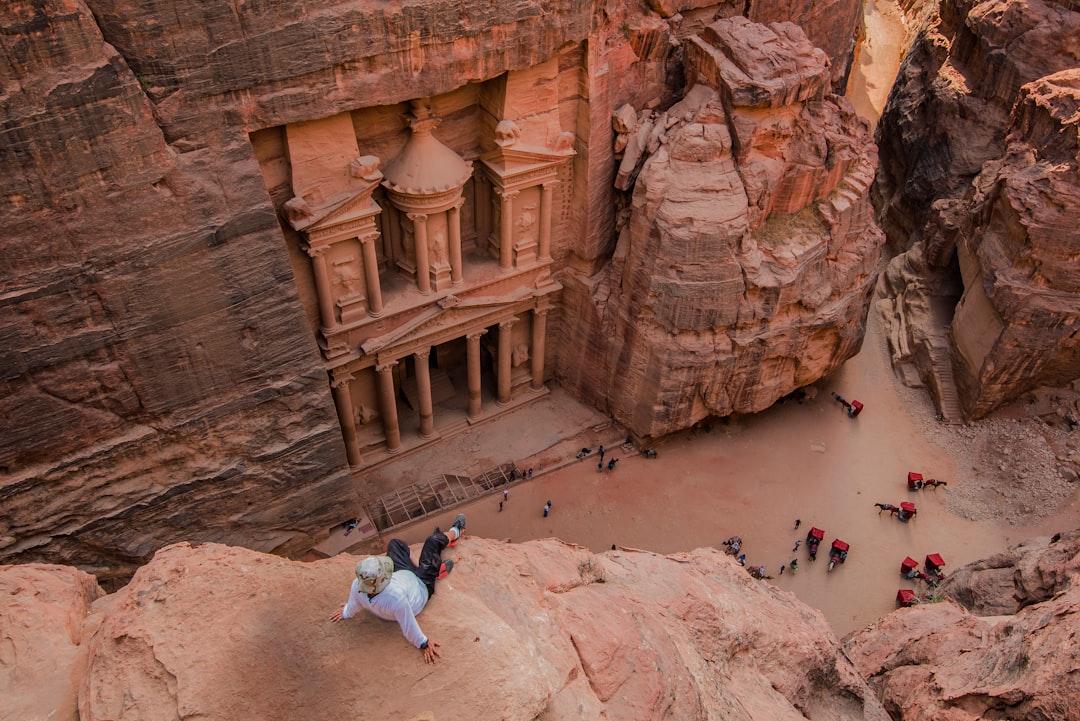
Photo by Ahmad Qaisieh on Unsplash
If your only goal is to walk the Siq, photograph the Treasury, and reach the Monastery, one very long day can work. Two days in Petra is the best choice for most people, because it lets you split the main trail and the higher hikes without flattening your legs by lunchtime.
That said, 3 days in Petra is the best version of the trip for first-timers who enjoy walking and want more than the postcard view. Day 1 covers the classic core, Day 2 adds Petra’s ritual and panoramic side, and Day 3 takes you to Little Petra and the back-door trail. That balance answers the real question behind how many days in Petra: enough time to feel the scale, not just tick the Treasury.
Day 1: The Siq, the Treasury and the Monastery
Photo by majid khan on Unsplash
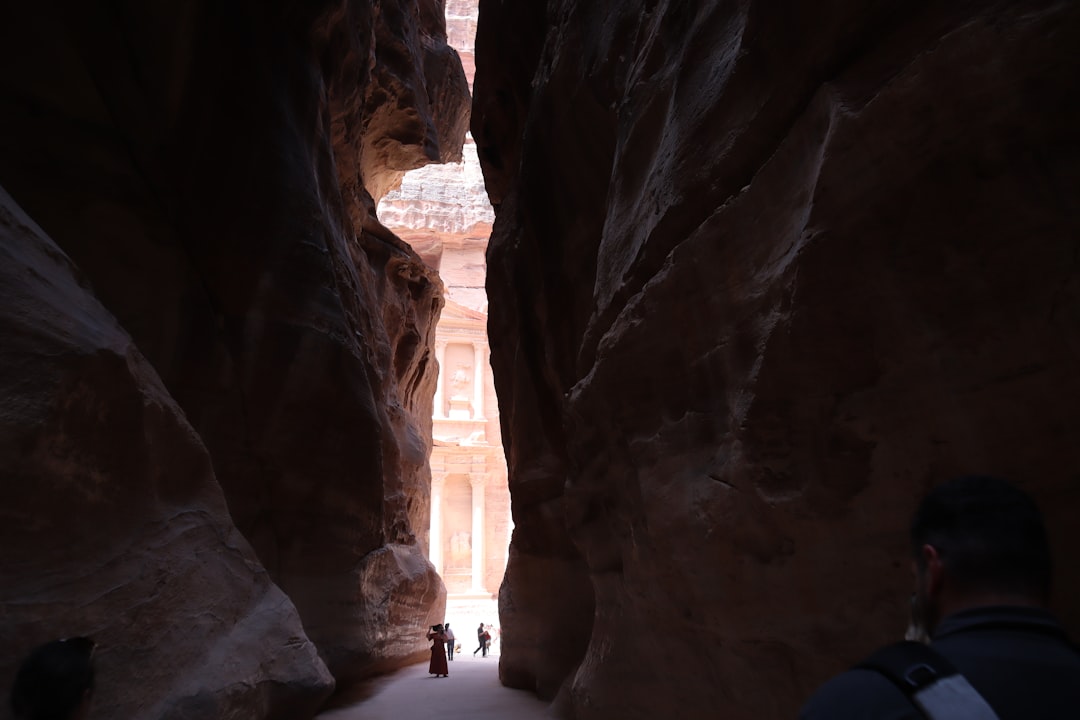
Your first morning should be all about timing. Entering Petra early lets you hear the canyon before you really see it: footsteps on stone, swifts overhead, the sound of vendors setting up long before the crowds arrive. The walk from the Petra Visitor Center through Bab as-Siq and into the narrow walls of the Siq is not just an approach; it is part of the drama that makes the Treasury reveal feel so cinematic.
This first of your 3 days in Petra is the biggest classic-hits day, so use your energy on distance rather than detours. You will follow the main axis of the ancient city from the entrance in Wadi Musa to the Basin area, then climb to Ad Deir, the Monastery, in the afternoon when many visitors are already heading back.
Morning
Start at the Petra Visitor Center in Lower Wadi Musa as close to opening time as possible. Petra typically opens around 6:00 to 6:30 AM depending on season, and the first hour is easily the best for cooler walking and clearer photos.
- 6:15 AM: Enter at Petra Visitor Center, Lower Wadi Musa
- 6:30 AM: Walk past Bab as-Siq and the Djinn Blocks
- 6:50 AM: Enter the Siq and take it slowly; expect 20 to 30 minutes with photo stops
- 7:20 AM: Reach Al-Khazneh, the Treasury
- 8:00 AM: Continue along the Street of Facades
- 8:30 AM: Pass the Theatre and main trail viewpoints
- 9:00 to 10:30 AM: Explore the Colonnaded Street, Great Temple area, and Qasr al-Bint
- Cost: Petra 3-day ticket 60 JOD, or Jordan Pass if already purchased; coffee or tea near the entrance 2 to 3 JOD; official guide from the visitor center from around 50 JOD for a short guided block
Afternoon
By midday, Petra starts to feel less like a single monument and more like a city of distances. The cliffs pull the eye upward, but the real strategy is simple: eat before the climb. The path to the Monastery begins near the Basin area and rises through a long staircase cut into rock, with tea stalls and shaded pauses along the way.
The climb is steady rather than technical, and the payoff is enormous. Ad Deir is broader, quieter, and somehow calmer than the Treasury, with a plateau atmosphere that makes it feel earned.
- 11:30 AM: Early lunch near the Basin area
- 12:15 PM: Start the Ad Deir trail from the Basin Restaurant area
- 1:00 to 1:15 PM: Reach the Monastery after roughly 800 steps
- 1:15 to 2:00 PM: Rest, photograph the facade, and walk to nearby viewpoints above Ad Deir
- 2:15 PM: Begin descent back to the Basin
- 3:15 PM: Rejoin the main trail and head slowly toward the entrance
- Cost: lunch 8 to 15 JOD; tea with a view near the Monastery 2 to 4 JOD; extra water 1 to 2 JOD per bottle
Evening
After a full first day, do not underestimate the return walk through the Siq. In late light, the sandstone shifts from rose to rust, and even the busy sections feel softer. Back in Wadi Musa, keep the evening easy: a Jordanian dinner, early sleep, and maybe Petra by Night if your dates line up.
If Petra by Night is running on your evening, it is worth seeing once for atmosphere, but it is not a substitute for the daylight visit. Think of it as a mood piece rather than a second sightseeing session.
- 5:00 PM: Exit Petra and rest at your hotel in Lower or Upper Wadi Musa
- 7:00 PM: Dinner on Tourism Street or around the Petra Visitor Center
- 8:30 PM: Petra by Night if operating on your date
- Good evening stops: Cave Bar near the visitor center or Al-Wadi Restaurant in Lower Wadi Musa
- Cost: dinner 8 to 18 JOD; Petra by Night 17 JOD; taxi up to Upper Wadi Musa 3 to 5 JOD
- Insider tip: Do not spend your entire morning at the Treasury. The best Petra itinerary works because you keep moving early, then linger later at the Monastery when the crowds thin out.
Day 2: High Place of Sacrifice, Wadi Farasa and the Royal Tombs
Day 2 is where Petra starts to feel personal. Yesterday gave you the icons; today gives you the shape of the city, the high ridges, and the ceremonial spaces that explain why the Nabataean capital was laid out the way it was. If Day 1 was about scale, Day 2 is about perspective.
Of all your 3 days in Petra, this is the most rewarding for walkers. The High Place of Sacrifice trail lifts you above the main traffic line, while the descent through Wadi Farasa takes you past quieter monuments that many rushed day-trippers never reach.
Morning
Enter early again and head straight past the Treasury toward the Theatre. Near this area, the High Place of Sacrifice trail branches uphill. The climb is steep in places but short enough to feel achievable before the day gets hot.
At the top, the reward is not one single monument but a broad sense of Petra’s geography: ridges, tombs, and the city basin laid out below in bands of pink and ochre.
- 6:30 AM: Enter Petra Visitor Center
- 7:10 AM: Reach the trail junction near the Theatre
- 7:15 to 8:00 AM: Climb to the High Place of Sacrifice
- 8:00 to 8:30 AM: Explore the altar area and panoramas
- 8:30 to 10:00 AM: Descend via the Wadi Farasa route
- Key stops on the way down: Lion Fountain, Garden Triclinium, Roman Soldier Tomb, Renaissance Tomb
- Cost: entry already covered; tea or water on the trail 2 to 3 JOD; optional local guide for the trail 50 JOD and up if you prefer route context
Afternoon
Wadi Farasa feels very different from the main spine of Petra. The sound drops, the tomb facades appear in isolation, and you get that rare sense of walking through a famous place that suddenly feels hidden again. Carry a light packed lunch or buy something early, because this is not the most convenient food section of the site.
Once you reconnect with the central area, spend the hotter part of the afternoon on lower-ground monuments and then finish at the Royal Tombs, which catch beautiful light later in the day.
- 12:00 PM: Break for snacks or a simple lunch near the Basin area
- 12:45 PM: Visit Qasr al-Bint if you moved fast on Day 1
- 1:30 PM: Explore the Great Temple precinct and Colonnaded Street in more detail
- 2:30 PM: Head toward the Royal Tombs above the Street of Facades
- 3:00 to 4:30 PM: Visit the Urn Tomb, Silk Tomb, Corinthian Tomb, and Palace Tomb
- Cost: packed lunch 5 to 8 JOD or sit-down lunch 8 to 15 JOD; extra drinks 1 to 3 JOD each
Evening
After the Royal Tombs, you can either leave the site slowly or pause on a bench and let Petra quiet down around you. The late-afternoon walk back through the Siq often feels better than the morning one because you notice details you missed while hurrying toward the Treasury on Day 1.
Back in Wadi Musa, this is a good night for a fuller dinner. You will have earned it.
- 5:00 PM: Exit Petra and return to Wadi Musa
- 6:30 PM: Dinner in Upper Wadi Musa if you want more local restaurant options
- Suggested dinner spots: My Mom’s Recipe Restaurant, Zawaya Restaurant, or a simple shawarma stop on Petra Queen Rania Street
- Cost: dinner 10 to 20 JOD; taxi between lower and upper town 3 to 5 JOD
- Insider tip: Bring small cash notes on Day 2. Water, tea, and trail snacks inside Petra are easy to find, but change is not.
Day 3: Little Petra and the back-door trail
Most visitors never see Siq al-Barid, better known as Little Petra, and that is exactly why it deserves your third day. It is smaller, quieter, and less theatrical than the main site, but it adds context. You see the carved spaces without the crush, and the pale desert around it makes Petra’s more crowded center feel even more dramatic by contrast.
This final day is what turns 3 days in Petra from a sensible trip into a memorable one. The back-door trail from Little Petra to the Monastery gives you one of the best walking approaches in the region, with open views, fewer people, and a satisfying final arrival above Ad Deir.
Morning
Arrange an early taxi from Wadi Musa to Little Petra. The site lies roughly 15 minutes north of central Wadi Musa, and starting here means you hike into Petra rather than out and back. Explore the short canyon first, especially the Painted House area if it is open, then begin the trail toward the Monastery.
This route is more exposed than the main trail, so sun protection matters. It is not a difficult technical hike, but it is a real walk, not a casual stroll.
- 7:00 AM: Taxi from Wadi Musa to Little Petra
- 7:20 AM: Enter Siq al-Barid and explore the carved facades
- 8:00 AM: Start the back-door trail toward Ad Deir
- 10:30 to 11:00 AM: Reach the viewpoint above the Monastery
- 11:00 AM: Arrive at Ad Deir from the upper side
- Cost: taxi 10 to 15 JOD one way; packed breakfast or bakery stop 3 to 5 JOD; extra water 2 to 4 JOD
Afternoon
Arriving at the Monastery from above changes the logic of Petra completely. Instead of ending with the climb, you begin with the payoff. Take a break here, then descend the standard staircase toward the Basin and use the afternoon to revisit whichever major area you liked most during the first two days.
If your energy is dropping, make this a shorter afternoon and save your legs. If you still feel strong, this is the time to linger at the Treasury for a second look or to stop at the Petra Museum after leaving the site.
- 11:30 AM: Tea break near the Monastery
- 12:00 to 1:00 PM: Descend the Ad Deir steps toward the Basin
- 1:15 PM: Lunch near the Basin or on the main trail back
- 2:00 PM: Choose one final focus area: Treasury revisit, Royal Tombs revisit, or central city monuments
- 4:00 PM: Exit Petra and visit the Petra Museum beside the visitor center
- Cost: lunch 8 to 15 JOD; museum entry free; club car only useful on selected lower sections if you are tired, from around 15 JOD one way on main tourist stretches
Evening
Your last evening in Wadi Musa should be slow. Petra is one of those places that gets bigger in memory a few hours after you leave it. From a rooftop terrace or restaurant balcony, the surrounding hills suddenly make sense: all those folds of rock that hid the city in plain sight for centuries.
Use the evening to sort tomorrow’s transfer, repack dusty shoes, and keep dinner simple. Desert travel rewards early nights.
- 6:30 PM: Sunset drink or mint tea in Wadi Musa
- 7:30 PM: Final dinner near your hotel
- Suggested easy last-night stops: a grill restaurant in Lower Wadi Musa or a family-style Jordanian meal in Upper Wadi Musa
- Cost: dinner 8 to 20 JOD; local tea 1 to 2 JOD
- Insider tip: If the weather is very hot, windy, or wet, skip the back-door hike and use Day 3 for Little Petra plus a lighter revisit inside the main site. Flexibility matters more than forcing the hardest walk.
Best time to visit Petra
The best months for Petra are March to May and September to November. Days are warm but usually manageable for long walks, mornings are cooler, and you have a much better chance of enjoying the climbs without feeling cooked by noon.
Summer can push well above 35 C, which makes a Petra itinerary far harder than it looks on paper. Winter is quieter and often beautiful, but mornings can be cold and rain can affect trail comfort. If you are comparing shoulder-season trips beyond Jordan, June 2026 Trip Planner: 6 Places Before Peak Summer is useful for timing other warm-weather routes.
Estimated Petra budget per person
Budgeting for 3 days in Petra depends mostly on where you sleep and whether you buy the Jordan Pass before arrival. The figures below assume three nights in Wadi Musa and twin-share accommodation for mid-range and luxury travelers.
| Budget tier | Stay for 3 nights | Petra entry and local transport | Food | Estimated total |
|---|---|---|---|---|
| Budget | 90 to 135 JOD | 75 to 95 JOD | 45 to 60 JOD | 210 to 290 JOD |
| Mid-range | 210 to 330 JOD | 80 to 110 JOD | 75 to 120 JOD | 365 to 560 JOD |
| Comfort or luxury | 450 to 750 JOD | 100 to 160 JOD | 120 to 210 JOD | 670 to 1120 JOD |
If you are staying at least three nights in Jordan overall, the Jordan Pass often makes the best financial sense because it can bundle your visa fee and Petra entry. If you are traveling light, Carry-On Packing Rules 2026: Fit 10 Days in One Bag is a smart companion for a Petra trip where every extra kilo feels heavier on the stairs.
Where to stay in Wadi Musa
Where you sleep has a bigger impact on this trip than many travelers expect. After a long day inside Petra, even a short uphill walk can feel much longer.
- Lower Wadi Musa: Best base for almost everyone. You are closest to the Petra Visitor Center, restaurants, and evening taxis. Expect roughly 30 to 180 JOD per night depending on style.
- Upper Wadi Musa: Better for budget rooms and a wider local restaurant scene, but the uphill return is real. Expect roughly 25 to 120 JOD per night.
- Little Petra road and countryside stays: Quiet, scenic, and useful if you have a car or want easier access to Day 3’s back-door trail. Expect roughly 60 to 220 JOD per night.
How to get to Petra
Petra sits beside the town of Wadi Musa in southern Jordan. Most travelers arrive either from Amman in the north or Aqaba on the Red Sea.
- By air: Fly into Amman Queen Alia International Airport, AMM, then drive about 3 hours to Wadi Musa. Aqaba King Hussein International Airport, AQJ, is closer at around 2 hours by road.
- By bus: JETT usually runs direct buses between Amman and Petra for around 10 JOD one way and between Aqaba and Petra for around 15 JOD one way. Travel time is generally 3 to 4 hours from Amman and around 3 hours from Aqaba.
- By car: The Desert Highway is the fastest route from Amman. The King’s Highway is slower but far more scenic.
- By taxi or private transfer: Amman to Petra commonly starts around 70 to 100 JOD depending on vehicle and season; Aqaba to Petra is usually less.
Check current transport schedules and site details on JETT, entry information on Visit Petra, and country-wide travel planning on Visit Jordan.
How to get around Petra
Inside Petra, you are mostly walking. Over 3 days in Petra, many travelers cover 18 to 25 km total depending on side trails and repeat visits. Wear proper walking shoes, not sandals with smooth soles.
A few practical transport options help. Club cars operate on limited stretches and can be useful if you need help between the entrance and lower monuments, usually from around 15 JOD one way. In Wadi Musa itself, short taxi rides typically cost 2 to 5 JOD. If you drive, there is parking near the visitor center.
Where to eat near Petra
You do not come to Wadi Musa for a food city break, but you can eat very well if you keep expectations local. Inside Petra, the Basin area is your main sit-down option, while smaller stalls on major trails sell tea, water, and simple snacks.
In Lower Wadi Musa, Al-Wadi Restaurant is dependable for grills, mezze, and Jordanian staples like mansaf when available. Cave Bar beside the Petra Visitor Center is good for a relaxed evening drink and light food. In Upper Wadi Musa, My Mom’s Recipe Restaurant is a solid choice for home-style dishes, and Zawaya Restaurant works well for mixed platters after a long day of walking.
FAQ
Is 3 days in Petra too much?
No, not if you like walking and want to see more than the Treasury. Two days is ideal for many travelers, but 3 days in Petra gives you the right pace for the Monastery, the High Place of Sacrifice, the Royal Tombs, and Little Petra without cramming them into one exhausting schedule.
Can you visit Petra without a guide?
Yes. The main routes are easy enough to follow independently, especially the main trail to the Treasury and Monastery. A guide is most useful if you want deeper history on Day 1 or extra confidence on side trails; official guides can be hired at the visitor center.
Is Petra by Night worth it?
It is worth it if this is your first visit and your dates match the operating nights. The candlelit approach through the Siq is atmospheric, but keep expectations realistic: it is brief, seated, and more about mood than exploration.
Do I need the Jordan Pass for Petra?
If you are spending at least three nights in Jordan overall, usually yes. The Jordan Pass can save money by combining Petra entry with your tourist visa and access to other sites, but it needs to be arranged before arrival.
Is Petra manageable for older travelers or families?
Yes, if you plan selectively. The walk through the Siq to the Treasury is the easiest must-do section, while the Monastery and higher trails are much more demanding. With smart pacing, early starts, and occasional use of club cars, many mixed-age groups still have a very good Petra trip.
Petra works best when you treat it as a landscape, not a landmark. Plan it as three connected days, and the site stops feeling overwhelming and starts feeling unforgettable.
---