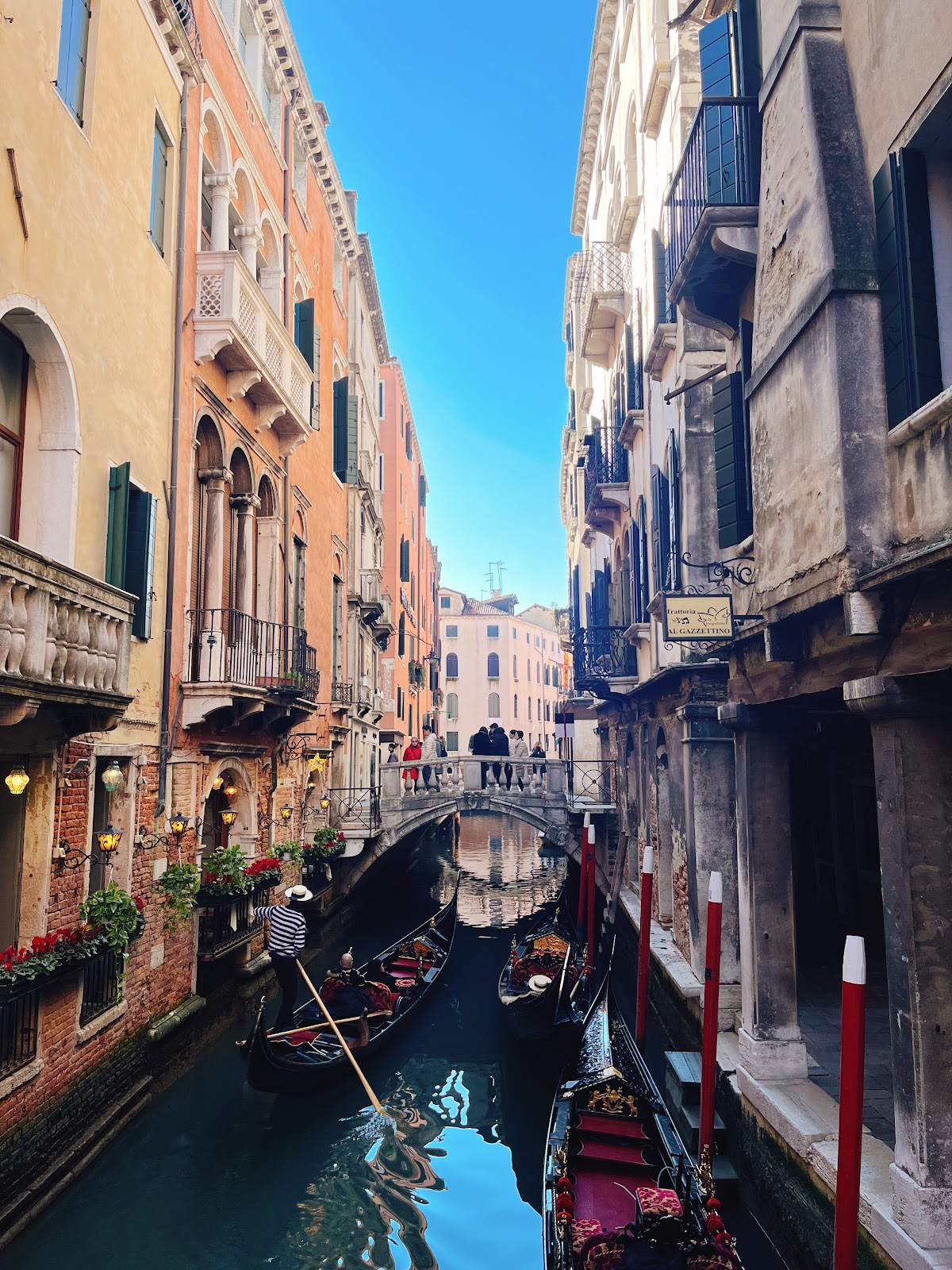
Venice can feel tiny on a map and strangely tiring in real life. That is exactly why a good 3 days in Venice itinerary matters: rush the city in one day and you mostly remember queues, bridges and expensive coffee; spread it across three well-routed days and Venice opens up into church domes, back-canal silence, lagoon light and neighborhoods that still feel lived in.
This plan is built for first-time visitors who want the classics without wasting half the trip zigzagging. You will start with San Marco before the crowds thicken, use a slower second day to see art and everyday Venice, then finish with the lagoon islands that make the whole city make sense. If you like turning ferries, entry slots and backup options into a live route, it helps to sketch this itinerary into TravelDeck before you fly.
If Venice is one stop on a wider northern Italy trip, it pairs especially well with 3 Days in Milan Itinerary 2026: The Route That Actually Flows. But for Venice itself, three days is the sweet spot: enough time to see the essential landmarks, eat well, and still have one unplanned hour to get beautifully lost.
How many days in Venice? Why 3 days works
Photo by Florian Wehde on Unsplash
For most first-timers, the answer to how many days in Venice is simple: three. One day is enough for a checklist, two days gives you the highlights, but a 3 days in Venice itinerary is where the city finally starts to feel coherent. You can do San Marco properly, add a neighborhood day with churches and galleries, and still save time for Murano and Burano without turning the trip into a sprint.
The key is not to cram every museum into every hour. Venice rewards rhythm more than volume. Early mornings are magical, mid-afternoons are best for indoor sights or long lunches, and evenings belong to the canals, not queues. This Venice itinerary 2026 keeps walks logical, uses vaporetto rides where they actually save time, and leaves room for aperitivo rather than forcing you through ten major sights a day.
- Day 1 covers San Marco, Doge's Palace, Castello and Rialto.
- Day 2 moves through San Polo, Dorsoduro and Cannaregio for art, food and a more local feel.
- Day 3 heads into the lagoon for Murano, Burano and a final sunset back in Venice.
Day 1: San Marco first, then Venice beyond the postcard
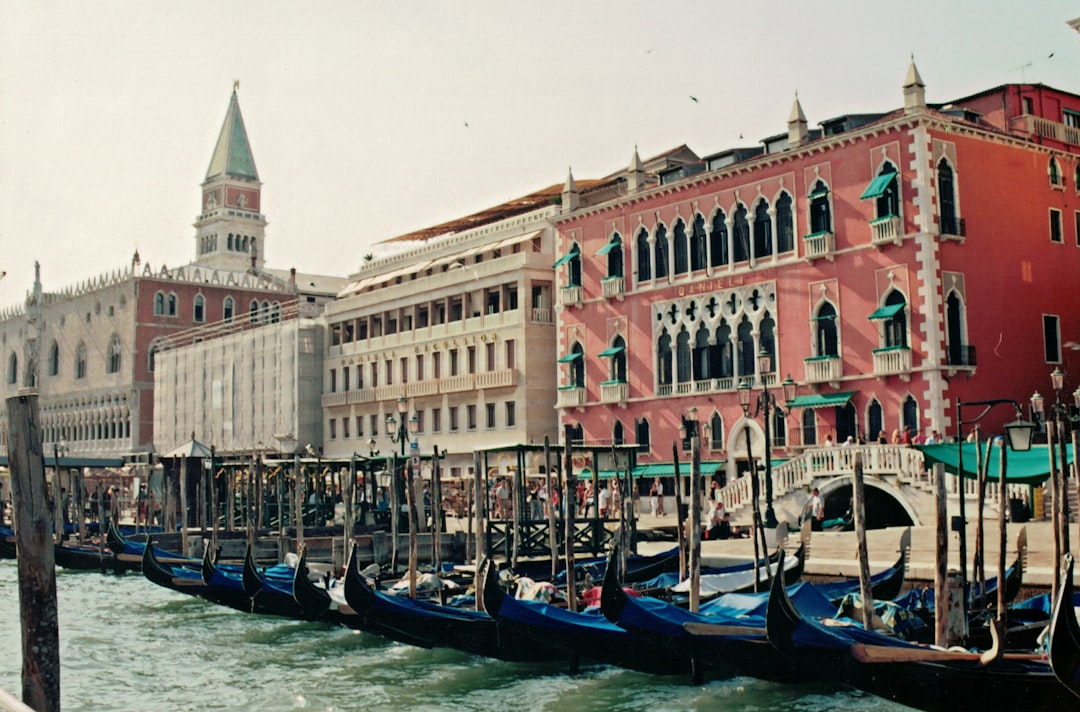
Photo by Polina Mukhamedova on Unsplash
Your first day should lean into the Venice you came for. Domes rise over the lagoon, bells carry across the square, and every turn feels slightly impossible, as if stone has been persuaded to float. The trick is to claim these places early, before the city fills with late-arriving day trippers.
This first day of the 3 days in Venice itinerary is front-loaded on purpose. You will use the morning for St Mark's Square and the Basilica, the afternoon for Doge's Palace and eastern Castello, then end around Rialto when the bridges glow and the crowds finally thin. Book major entries in advance when possible, especially through official channels such as Venezia Unica and the Palazzo Ducale official site.
Morning
At 08:00, Venice still feels half asleep. Arrive in Piazza San Marco from Calle Larga XXII Marzo or the waterfront side and you will see the square before the photo lines build. Begin with Basilica di San Marco in the San Marco sestiere. The mosaics are the point here: gold, shadow and a strange feeling that Byzantium somehow drifted west and anchored in the lagoon.
After the basilica, go straight up the Campanile di San Marco if visibility is good. From above, Venice stops looking chaotic and starts looking precise: red roofs, green domes, narrow cuts of water and the lagoon stretching beyond the city's edge.
- 08:00 Walk through Piazza San Marco, San Marco neighborhood, free.
- 08:30 Basilica di San Marco, San Marco, allow 45-60 minutes, about €6 for standard entry, extra if you add the museum or Pala d'Oro.
- 09:45 Campanile di San Marco, San Marco, 30 minutes, about €12.
- 10:30 Coffee stop standing at a bar near Calle dei Fabbri rather than sitting in the square to avoid service premiums, about €2-4.
Afternoon
Keep the monumental mood going with the Palazzo Ducale, better known as Doge's Palace, directly beside the basilica. The palace is not just pretty Gothic stonework; it explains how Venice worked. Council chambers, political theatre, prison cells and the Bridge of Sighs turn the city from scenery into history with stakes.
Afterward, walk east along Riva degli Schiavoni into Castello. This stretch gives you sea air, gondola traffic, church façades and a gradual drop in pressure once you move away from San Marco. End at Libreria Acqua Alta or continue to Campo Santa Maria Formosa if you want a quieter square and a late lunch nearby.
- 12:00 Palazzo Ducale, San Marco, 90-120 minutes, about €30.
- 14:00 Lunch around Campo Santa Maria Formosa or Calle della Morte, budget €15-25 for cicchetti and a spritz, €25-40 for a sit-down meal.
- 15:30 Walk Riva degli Schiavoni to Arsenale edge, Castello, free.
- 16:15 Libreria Acqua Alta, Castello, 20-30 minutes, free entry.
- 17:00 Optional detour to Chiesa di Santa Maria dei Miracoli, Cannaregio edge, about €3-4.
Evening
As the light softens, cross toward the Rialto Bridge. This is one of the best moments of the whole Venice itinerary 2026: shop shutters start coming down, the Grand Canal turns metallic, and the city finally sounds less like rolling suitcases and more like water. Walk over Ponte di Rialto, then drift through the lanes of San Polo for an easy first-night dinner.
If you want one classic splurge, this is the right night for a gondola ride. The fixed daytime rate is usually around €90 for 30 minutes and around €110 in the evening, so it is not cheap, but sharing with up to five people makes it more reasonable. If that feels too touristy, take Vaporetto Line 1 along the Grand Canal after dark for a fraction of the cost and many of the same views.
- 18:30 Ponte di Rialto at blue hour, San Marco/San Polo border, free.
- 19:00 Cicchetti crawl in San Polo, allow €12-25 depending on drinks.
- 20:30 Optional gondola from a smaller station near Campo San Tomà or Campo San Moisè, about €90-110 per boat.
- 21:00 Alternative: Vaporetto Line 1 full or partial Grand Canal ride, about €9.50 single ticket unless covered by a pass.
- Insider tip: Enter San Marco before 08:30 and save Doge's Palace for the lunch-hour slot, when many groups are sitting down to eat and the interior circulation is noticeably easier.
Day 2: San Polo, Dorsoduro and the Venice that breathes slower
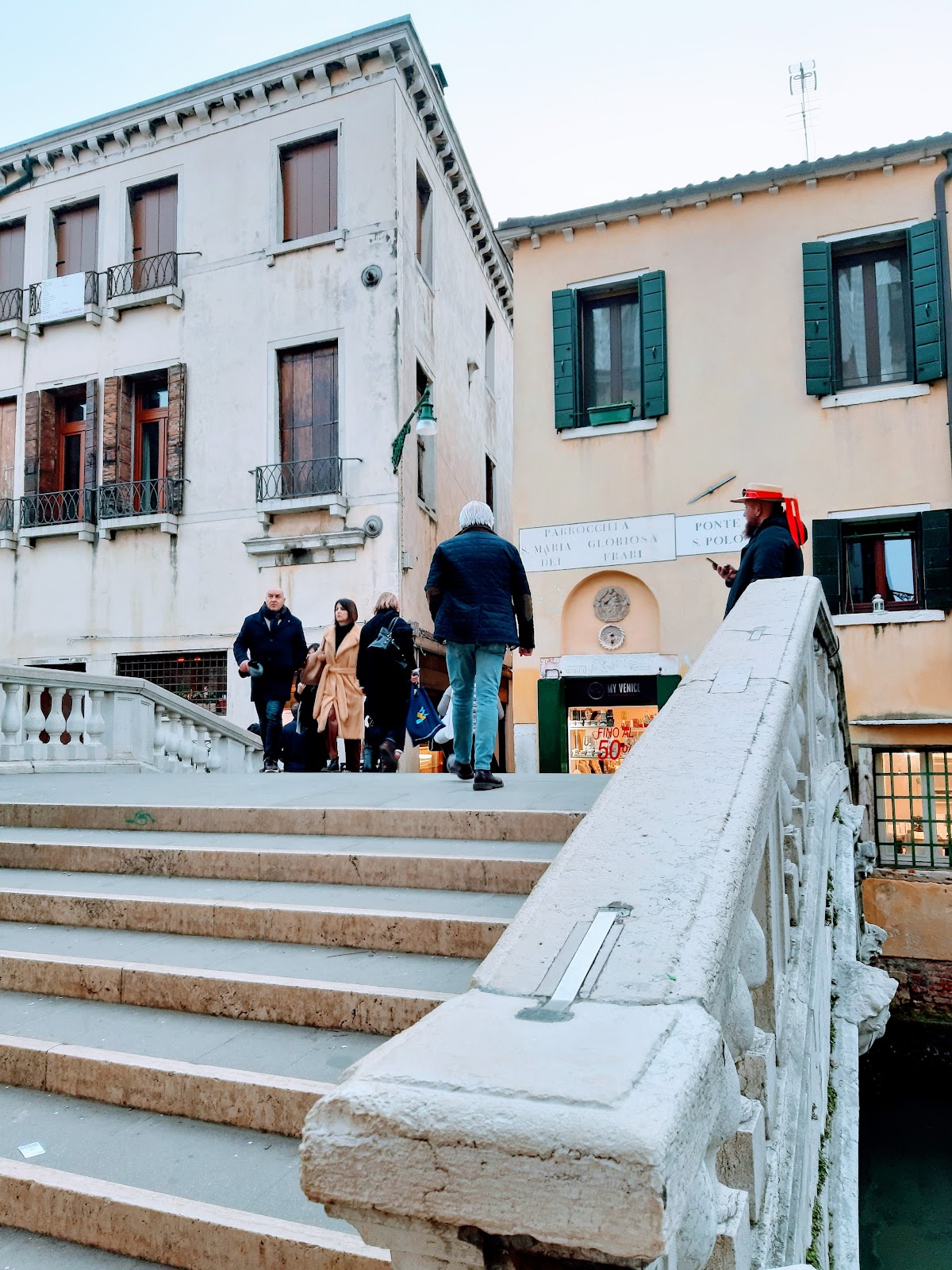
Bruno Tosato
Day two should feel different. After the ceremonial grandeur of San Marco, Venice becomes more human here: washing lines, student bars, church façades that appear almost accidentally, and quiet canals where the soundtrack is mostly footsteps. This is the day when many travelers decide they like Venice more than they expected.
This section of the 3 days in Venice itinerary mixes food, painting and neighborhood atmosphere. You will start with the market and great churches of San Polo, cross into Dorsoduro for art and waterfront walks, then finish the evening in Cannaregio, where the bacari scene feels lively without being as polished as the San Marco area.
Morning
Start at Mercato di Rialto if it is open, especially Tuesday to Saturday. It is not huge, but it adds texture to your morning: artichokes, silver fish, soft voices, restaurant buyers and the feeling that Venice still cooks from its lagoon. From there, walk south into San Polo for two of the city's best interiors: Basilica di Santa Maria Gloriosa dei Frari and Scuola Grande di San Rocco.
The Frari is all scale and gravitas, while San Rocco is pure Tintoretto drama. Dark wood, gilded frames and paintings that seem to push against the ceiling make this one of the most atmospheric cultural stops in Venice.
- 08:30 Mercato di Rialto, San Polo, 30-45 minutes, free.
- 09:30 Basilica dei Frari, San Polo, allow 45 minutes, about €5.
- 10:30 Scuola Grande di San Rocco, San Polo, allow 60 minutes, about €10.
- 11:45 Quick snack or early cicchetti near Campo San Polo, about €8-15.
Afternoon
From San Polo, cross Ponte dei Pugni into Dorsoduro. This is one of the best neighborhoods for a first trip because it feels spacious by Venetian standards. Campo Santa Margherita has everyday energy, students spill onto the edges of the square, and the route toward the Accademia and the Zattere promenade gives you repeated flashes of canal light.
Pick one main art stop rather than two. If you prefer old masters, choose Gallerie dell'Accademia; if you want modern art in a dreamy palazzo setting, choose the Peggy Guggenheim Collection. Either way, leave time to walk the Zattere afterward with a gelato, because Dorsoduro is as much about mood as museums.
- 12:30 Lunch around Campo Santa Margherita, Dorsoduro, about €15-30.
- 14:00 Gallerie dell'Accademia, Dorsoduro, 90 minutes, about €15.
- 14:00 Alternative: Peggy Guggenheim Collection, Dorsoduro, 75-90 minutes, about €17.
- 16:00 Ponte dell'Accademia viewpoint, free.
- 16:30 Walk the Zattere waterfront to Gelateria Nico, Dorsoduro, gelato about €4-6.
Evening
For the evening, take the city at its own pace. Board Vaporetto Line 1 or 2 toward Cannaregio and get off near Ca' d'Oro or the Fondamenta della Misericordia. This area feels social rather than ceremonial: canal-side tables, wine glasses, students, older Venetians and a little more room to breathe.
Dinner here can be a real highlight of a 3 days in Venice itinerary because it moves you away from tourist menus. Order cicchetti first, then choose one proper Venetian dish such as bigoli in salsa, baccalà mantecato or cuttlefish with polenta if you see it on the board.
- 18:30 Vaporetto across the Grand Canal toward Cannaregio, about €9.50 unless using a pass.
- 19:00 Aperitivo on Fondamenta della Misericordia, Cannaregio, about €8-15.
- 20:00 Dinner in Cannaregio, about €25-45.
- 21:30 Slow walk back via Strada Nova or by lit canal edges, free.
- Insider tip: If you do not care deeply about museums, skip one art stop and use that hour for a long canal-side drink in Dorsoduro; Venice often lands harder in the pauses than in the ticketed sights.
Day 3: Murano, Burano and a lagoon ending worth staying for
By day three, the city itself makes more sense, which is exactly when you should leave it for a few hours. Venice is not only bridges and palaces; it is a lagoon system, and the outer islands explain why the place feels so unlike anywhere else. Boats replace alleys, horizons widen, and colors sharpen.
This final day of the 3 days in Venice itinerary takes you first to Murano for glass, then to Burano for color and seafood, with Torcello as an optional extra if you still have energy. Back in Venice, finish with one last high view or waterside sunset rather than another museum. By now, the goal is not to collect more sights. It is to end well.
Morning
Catch an early vaporetto from Fondamente Nove to Murano. Aim to arrive before the middle of the day, when the island still feels productive rather than performative. Murano's appeal is not just buying glass; it is seeing furnaces, workshops and a place that has made one craft famous for centuries.
Walk from Murano Colonna or Murano Faro through the canals toward the Museo del Vetro if you want historical context. Even without the museum, the island is worth a measured stroll past church towers, bridges and shop windows full of pieces that shift color with the light.
- 08:30 Vaporetto from Fondamente Nove to Murano, 20-30 minutes, included in pass or about €9.50 single.
- 09:15 Murano glass demonstration or workshop visit, allow 30-45 minutes, some are free, others charge about €5-10.
- 10:15 Walk Murano Faro to Campo Santo Stefano, free.
- 11:00 Museo del Vetro, Murano, about €10 if you choose to visit.
Afternoon
Continue by vaporetto to Burano, where Venice suddenly turns bright. The island can feel overtly photogenic, but the color is only part of the pleasure. The canals are wider, the pace is slower, and lunch here tends to be one of the most satisfying of the trip if you order seafood rather than just sandwiches.
If you still want one more quiet historical stop, continue briefly to Torcello. Most travelers skip it, which is exactly why some people love it: reeds, silence, very old stone and a sense of lagoon emptiness that central Venice never offers.
- 12:00 Vaporetto Murano to Burano, about 35-45 minutes.
- 13:00 Lunch in Burano, budget €20-40.
- 14:30 Walk Via Baldassarre Galuppi and side canals, free.
- 15:30 Optional vaporetto to Torcello, 10 minutes, included in pass or additional single fare.
- 16:00 Basilica di Santa Maria Assunta, Torcello, about €5 if open on your date.
Evening
Return to Venice for a final, simple finish. The best move is often San Giorgio Maggiore at sunset. From San Zaccaria, the quick boat ride gives you a skyline view back toward the Doge's Palace, the Campanile and the curve of the lagoon. After three days of walking inside Venice, seeing it from the outside is the right last image.
End with dinner in Dorsoduro or near Santa Croce, somewhere you can hear conversation more than suitcase wheels. Order one last spritz if you want, but the real souvenir is the slower cadence you finally found on the third day.
- 17:30 Vaporetto back to Venice, ideally arriving at San Zaccaria or Fondamente Nove.
- 18:30 San Giorgio Maggiore bell tower, allow 30-45 minutes, about €10.
- 20:00 Final dinner in Dorsoduro, Santa Croce or Cannaregio, about €25-50.
- 21:30 Last walk along the waterfront or through a quiet square such as Campo San Giacomo dell'Orio, free.
- Insider tip: Burano is prettiest after lunch when many group tours have already looped through, so do not panic if you arrive later than the morning crowd.
Best time to go to Venice
The best months for this Venice itinerary 2026 are late March to early May and late September to early November. In spring, the light is clean, temperatures are usually comfortable for long walks, and outdoor tables start filling without the oppressive heat of high summer. In autumn, the city turns moodier and more cinematic, especially in the early morning.
June is beautiful but busy. July and August can be hot, humid and physically draining, especially if your hotel sits over several bridges from the nearest vaporetto stop. Winter has atmosphere and lower hotel rates, but shorter days and occasional flooding mean you need more flexibility. Check whether peak-date day-visitor access rules apply on your travel dates through Venezia Unica.
- Best overall balance: April, May, late September and October.
- Best for lower prices: November to early March, excluding holidays.
- Hardest months for comfort: late July and August.
- Watch for acqua alta: usually more likely from autumn into winter.
Estimated budget per person
Venice can be done more cheaply than people think, but it rarely feels cheap. The big difference is where you sleep and how many ticketed sights you stack into each day. For a 3 days in Venice itinerary, most travelers spend far more on accommodation than on transport.
Below is a realistic 2026 planning range for one person sharing a double room unless noted otherwise.
| Style | Stay per night | Food per day | Transport and sights per day | Estimated total for 3 days |
|---|---|---|---|---|
| Budget | €70-130 | €25-40 | €25-45 | €360-645 |
| Mid-range | €170-280 | €45-70 | €35-60 | €750-1,230 |
| Comfort/luxury | €350-800+ | €80-140 | €50-120 | €1,440-3,180+ |
A 72-hour vaporetto pass usually gives the best value if you follow this exact route and include the islands. Add around €45 for that pass, then budget separately for San Marco sights, one museum day and any gondola ride.
How to get there
Venice is served mainly by Venice Marco Polo Airport, train arrivals into Venezia Santa Lucia, and road access to Piazzale Roma or Tronchetto. Most first-timers should choose rail if arriving from elsewhere in Italy, because stepping out at Santa Lucia onto the Grand Canal is smoother than arriving with a car.
Use official sources for schedules and passes, especially Venice Marco Polo Airport (VCE) and Venezia Unica. If you are flying long-haul before this city break, 12-Hour Flight Checklist 2026: Comfort From Gate to Landing is worth reading before you start walking Venice on arrival day.
- From Venice Marco Polo Airport (VCE): airport bus to Piazzale Roma takes about 20-25 minutes and costs about €10 one way. Alilaguna water buses take roughly 60-75 minutes depending on line and cost about €15-18.
- From Treviso Airport (TSF): bus transfers usually take about 50-70 minutes to Piazzale Roma, around €12-15.
- By train from Milan: around 2 hours 30 minutes to Venezia Santa Lucia.
- By train from Florence: around 2 hours 15 minutes.
- By train from Bologna: around 1 hour 35 minutes.
- By car from Milan: about 3 hours 15 minutes without heavy traffic; park at Tronchetto or Piazzale Roma, then continue on foot or vaporetto.
- From Santa Lucia station to San Marco by vaporetto: about 30-40 minutes depending on line and stops.
Where to stay in Venice
Where to stay in Venice matters more than people expect because every extra bridge feels heavier with luggage. For a first trip, San Marco gives you classic atmosphere and short access to headline sights. Dorsoduro feels more relaxed and is excellent for evenings. Cannaregio usually offers better value and a more local rhythm while still being central enough for this 3 days in Venice itinerary.
If your budget is tight, Mestre can save money, but you lose the pleasure of very early mornings and quiet late nights inside the city. Venice is one of the few places where staying in the historic center genuinely changes the trip.
- Best area for first-timers: San Marco.
- Best area for atmosphere and food: Dorsoduro.
- Best area for value and local feel: Cannaregio.
Budget stays
- Combo Venezia, Cannaregio: roughly €50-90 for a dorm bed or €140-190 for a private room.
- Hotel Guerrato, San Polo near Rialto: roughly €110-170 per night for a double.
Mid-range stays
- Hotel Antiche Figure, Santa Croce by the station: roughly €220-320 per night.
- Ca' Pisani Hotel, Dorsoduro: roughly €230-330 per night.
Luxury stays
- Hotel Danieli, Castello by the lagoon: often €700+ per night.
- The Gritti Palace, San Marco on the Grand Canal: often €900+ per night.
How to get around Venice
Venice is a walking city first and a boat city second. Distances look short, but they expand with bridges, wrong turns and crowds, so plan by time rather than kilometers. Most visitors can walk large parts of days one and two, then rely on the vaporetto network for long canal stretches and the island day.
For this Venice itinerary 2026, buy a time-based vaporetto pass unless you plan to walk almost everything and skip Murano and Burano. Single fares are expensive for short hops, while multi-day passes become worthwhile quickly.
- Vaporetto single ticket, valid 75 minutes: about €9.50.
- 24-hour pass: about €25.
- 48-hour pass: about €35.
- 72-hour pass: about €45.
- Traghetto gondola crossings on a few Grand Canal points: about €2-3.
- Private water taxi inside Venice: usually €70-120 for short city trips; airport transfers can be much higher.
- Walking rule: give yourself 10-15 extra minutes beyond map estimates, especially around San Marco and Rialto.
Things to do in Venice beyond the core route
Even a strong 3 days in Venice itinerary leaves out plenty. If you arrive early, stay a fourth day, or want to swap one museum for something else, the city gives you easy add-ons that do not wreck the route.
These are the best extras to slot into the plan without creating long detours.
- Teatro La Fenice, San Marco: elegant opera house tours, about €12-15.
- Ca' Rezzonico, Dorsoduro: superb for 18th-century Venice, about €10.
- Basilica di San Giorgio Maggiore, island opposite San Marco: church free, bell tower about €10.
- Jewish Ghetto, Cannaregio: powerful walking area and museum option, prices vary by ticket.
- Campo San Giacomo dell'Orio, Santa Croce: one of the loveliest residential squares for an unstructured hour.
- Church of Madonna dell'Orto, Cannaregio: quieter Tintoretto stop, about €4-6.
- Punta della Dogana exterior and Salute views, Dorsoduro: free and excellent near sunset.
Where to eat
Food in Venice is best when you treat it like a bar city as much as a restaurant city. Cicchetti, small wine glasses and short standing stops suit the place perfectly. Save one or two nights for a full seafood dinner, but do not underestimate how satisfying a progressive snack crawl can be here.
Look for local dishes such as sarde in saor, baccalà mantecato, bigoli in salsa, cuttlefish with polenta and, in season, soft-shell moeche. Lunch menus are often better value than dinner in the busiest zones.
- All'Arco, San Polo: classic cicchetti near Rialto, about €2-4 per piece.
- Cantina Do Spade, San Polo: historic bacaro with stronger evening energy, about €15-30 for a grazing meal.
- Osteria Al Squero, Dorsoduro: easy stop by the canal for cicchetti and wine, about €10-20.
- Trattoria alla Madonna, San Polo: old-school seafood, mains often €20-35.
- Vini da Gigio, Cannaregio: excellent for a slower sit-down dinner, about €30-50 per person.
- Trattoria da Romano, Burano: famous island lunch stop, often €30-50 per person.
- Gelateria Nico, Dorsoduro: a ritual stop on the Zattere, about €4-6.
Practical tips
Venice rewards preparation more than brute stamina. The city is safe by big-city standards, but logistics can turn annoying fast if you arrive with heavy bags, no timed entries and no weather backup. A few simple choices make the 3 days in Venice itinerary much smoother.
Pack lighter than you think you need, especially if your accommodation sits beyond one or two bridges. Cabin Bag Packing Plan 2026: The 5-Zone Method That Fits is useful if you want to keep this trip genuinely walkable.
- Currency: euro.
- Cards: widely accepted, but carry a little cash for small bars or minor purchases.
- Safety: Venice is generally safe; watch for pickpockets around Santa Lucia, Rialto and San Marco.
- Shoes: bring comfortable, water-resistant walking shoes with grip on polished stone.
- Packing: a light layer for churches and breezy evenings, even in shoulder season.
- Connectivity: eSIM or EU roaming works well; historic lanes can make live navigation patchy, so screenshot your hotel route.
- Luggage: avoid large hard-shell bags if possible; stairs and bridge steps are constant.
- Etiquette: dress modestly for church interiors and keep voices low in residential lanes late at night.
- Flooding: if acqua alta is forecast, waterproof footwear becomes more useful than an umbrella.
FAQ
Is 3 days enough for Venice?
Yes. For most first-timers, three days is the best balance between seeing the essentials and not turning Venice into a checklist. A good 3 days in Venice itinerary covers San Marco, one slower neighborhood day and the lagoon islands without feeling rushed.
Is Murano or Burano better if I only have time for one?
Burano is more visually memorable for many travelers, especially if you want color, lunch and an easy walk. Murano is better if you care about craft and glassmaking. If you can, keep both because they complement each other well.
Should I stay in Mestre or in Venice itself?
If the budget allows, stay in the historic center. Early mornings and late evenings are some of the best hours in Venice, and commuting from Mestre means missing that atmosphere. Mestre makes sense mainly for one-night stopovers or very tight budgets.
Do I need a gondola ride?
No. A gondola is memorable, but it is not essential. If the price feels hard to justify, use Vaporetto Line 1 on the Grand Canal and spend the savings on a better dinner or one extra museum.
What is the biggest mistake in Venice?
Trying to do too much at midday in San Marco and Rialto. The city is far better with early starts, booked entries, long walks in Dorsoduro or Cannaregio, and one deliberate lagoon day. That is exactly why this 3 days in Venice itinerary works.
Three days will not empty Venice of wonders, but they are enough to give the city shape: a ceremonial first impression, a deeper neighborhood day and a lagoon finale that lets everything settle into place.
---