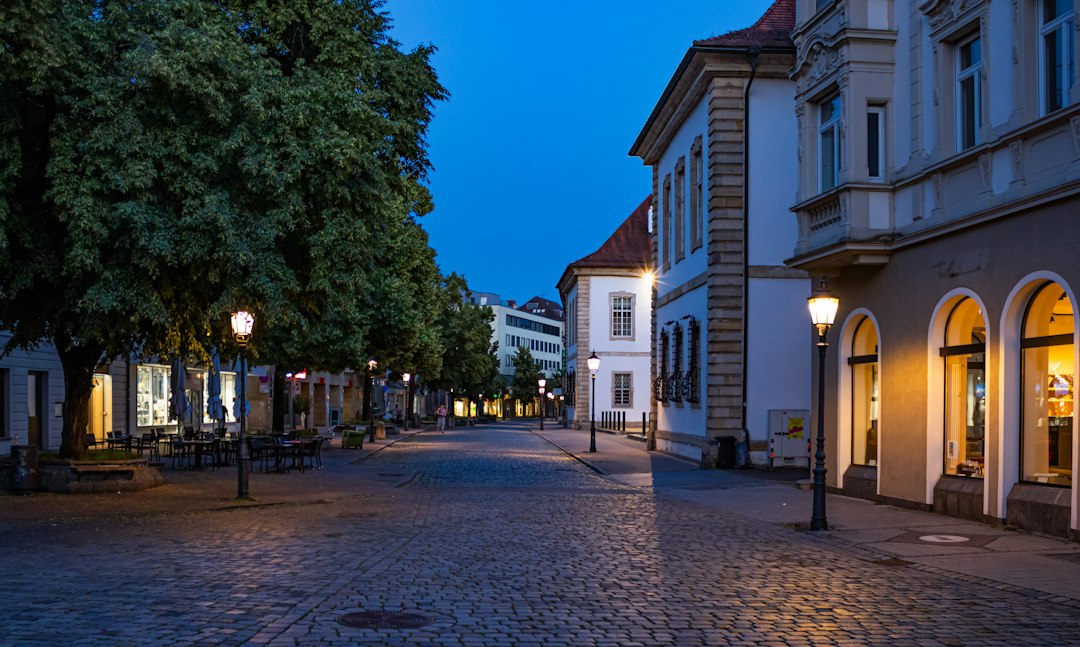
The best holiday is rarely the place with the loudest hype. It is the place where your flight time, daily budget and energy level line up so well that day three still feels easy. If you are trying to find the best holiday destination in 2026, start with fit, not fantasy: a three-night break wants a compact city or island, while a nine-night trip can absorb a long flight, a transfer and one slower day.
How to choose the best holiday destination
The Travel Expert Ltd
Most people pick a destination first and only then discover the hidden cost in time, transfers or weather. Reverse that. Choose your holiday by friction level: how much effort are you willing to spend getting there, moving around and adjusting once you arrive.
Ask these four questions before you browse anything:
- How many full days do I actually have after flights and transfers?
- What is my real total budget per person, not just the flight budget?
- Do I want motion or stillness: museums, hikes and drives, or one base and long lunches?
- Am I happy in heat, wind, humidity, cool water or short daylight?
A useful rule of thumb: if one-way travel time is more than about 30% of your total usable trip time, go closer. For a three-night break, that usually means a direct flight or train and one hotel. For a week, one connection can still work. For nine to 12 nights, long-haul becomes worthwhile if the arrival day is light and the route stays simple.
This is where the best holiday destination becomes obvious. A couple who want sea swims, walks and zero car hire will not have the same answer as a solo traveler chasing food markets and galleries. Once you have two or three candidates, put dates, transfer times and fixed costs into one simple comparison board such as TravelDeck so you can see the whole trip side by side before paying any deposit.
If your answer is, I only have two nights and I want everything walkable, a compact city template like Ljubljana weekend itinerary 2026: the right 2-day plan is a better fit than a sprawling capital with airport commutes.
Holiday destination ideas by trip length and mood

Photo by NIR HIMI on Unsplash
Instead of asking where everyone else is going, match the trip to the time you have. The places below work because the shape of the holiday makes sense: smooth arrivals, good value once you land, and enough to do without turning every day into logistics.
The numbers below are realistic mid-range estimates for 2026, based on one person sharing a room, eating well but not extravagantly, and using normal public transport or simple local transfers.
| Trip shape | Best pick | Why it works | Best months | Typical daily spend |
|---|---|---|---|---|
| 3 nights, city and food | Graz, Austria | Compact old town, river walks, strong food scene, easy weekend scale | May, June, September | EUR 140 to 220 |
| 4 to 5 nights, soft island break | Procida, Italy | Naples ferry in about 45 minutes, colorful harbor, swim-and-stroll pace | Late May to June, September | EUR 120 to 210 |
| 4 nights, cool-summer coast | North Zealand, Denmark | Beaches, cycling, cottage stays, easy from Copenhagen | July to late August | DKK 900 to 1600 |
| 5 to 7 nights, wild drive or ferry trip | Hebrides, Scotland | Beaches, whisky, walking, strong sense of remoteness without long-haul | May, June, early September | GBP 120 to 220 |
| 6 to 8 nights, culture plus recovery | Ishikawa, Japan | Kanazawa base, crafts, gardens, seafood, easy onward day trips | March to May, October to November | JPY 15000 to 30000 |
| 8 to 10 nights, big-nature reset | Osa Peninsula, Costa Rica | Wildlife, beaches, rainforest, slow eco-lodge rhythm | January to April, early December | USD 180 to 350 |
Use the table like a filter, not a ranking. Graz is a brilliant best holiday destination if you want a low-stress weekend of markets, courtyards and Styrian food. It is a bad pick if what you really want is salt water and a beach towel. Procida is perfect for readers who want a slower version of southern Italy: lemon groves, pastel houses, fishing boats in Marina Corricella and easy swims without needing to move hotels.
North Zealand is one of the smartest hot-weather alternatives for people who hate being sticky and crowded. You get bright evenings, cold sea dips, bike rides and short train hops from Copenhagen. The Hebrides give you dramatic white-sand beaches and peat-scented evenings, but the trade-off is weather variability and ferry planning.
For a longer trip, Ishikawa works beautifully if you want Japan without sprinting across five cities. If you prefer rail-based planning, 9 Days in Taiwan in 2026: A First-Timer Rail Itinerary shows the same principle: one coherent route beats too many hotel changes. If your dream is a calm Mediterranean island week with easy beach days, the pacing logic in 5 Days in Mallorca in 2026: Ultimate Day-by-Day Route is the kind of rhythm worth copying even if you choose somewhere else.
Weather, crowds and shoulder-season timing
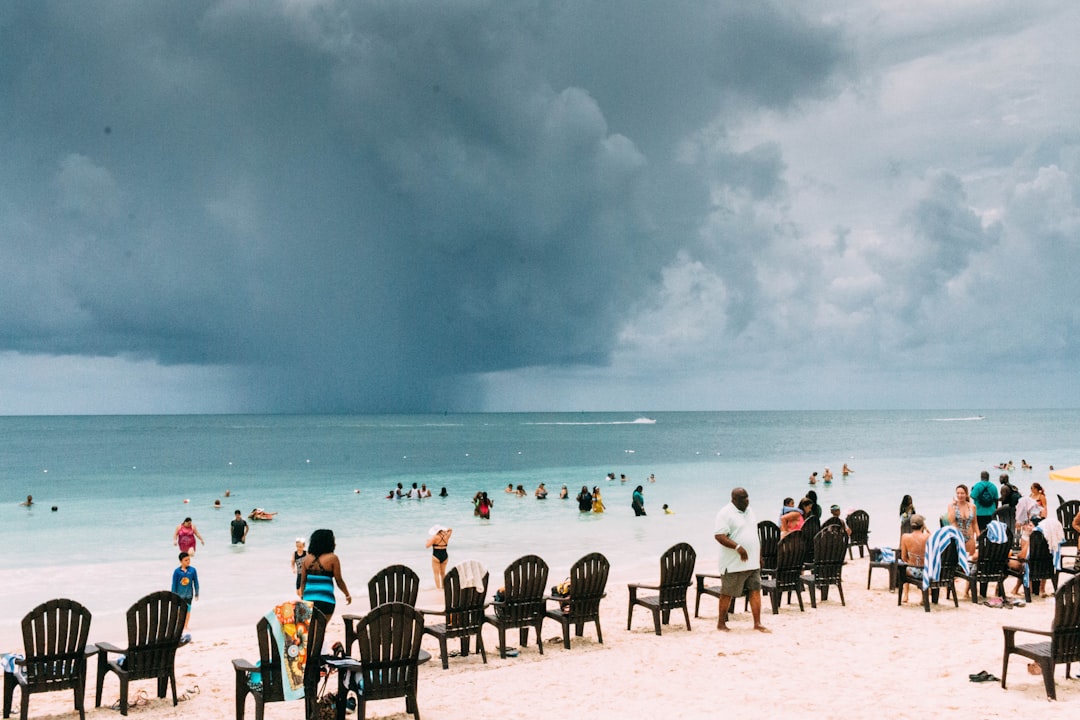
Photo by Rachel Smith on Unsplash
The cheapest week is not always the best-value week. One rained-out beach holiday or one heat-wave city break can erase every saving. A better strategy is to plan for shoulder season, when weather is usually stable enough but prices and crowds have not yet peaked.
For much of Europe, the sweet spots are mid-May to late June and mid-September to early October. The sea is warming, terraces are lively, and you are far less likely to spend half your day queueing. For northern beaches such as Denmark or the Hebrides, July and August give you the best chance of longer light and kinder temperatures, but booking a self-catering base protects you if one day turns wet and windy.
In tropical destinations, separate rain from constant misery. Costa Rica's Osa Peninsula can be lush and dramatic outside the driest months, but roads, boat connections and wildlife excursions become more weather-sensitive. That means your best holiday destination is not just a place on a map; it is the place at the right time of year for the trip style you want.
Use this timing shortcut:
- Mediterranean swim trip: late May, June, mid-September, early October
- City break with walking: April, May, late September, October
- Northern coast or islands: July to late August
- Japan culture trip: late March to May, or October to November
- Tropical wildlife trip: driest season unless you are comfortable trading sunshine for lower rates
Check official planning pages before you lock dates:
A realistic holiday budget before you book
A holiday feels expensive when the price is vague. Once you split it into fixed costs, daily spend and a buffer, it becomes much easier to compare destinations honestly. The biggest planning mistake is to compare only airfare and room rate. Ferries, park fees, airport transfers, car hire and simple lunches can flip the answer.
Build your budget in this order: transport to destination, sleeping cost, local transport, food, activities, then a 10% buffer. That last line matters more than people think. Weather changes, delayed ferries, museum closures and a last-minute taxi are normal travel costs, not bad luck.
| Category | 3-night city break | 5-night island break | 9-night long-haul nature trip |
|---|---|---|---|
| Flights or rail | EUR 80 to 220 | EUR 120 to 320 | EUR 650 to 1100 |
| Stay per night | EUR 70 to 140 | EUR 60 to 130 | EUR 90 to 220 |
| Local transport | EUR 30 to 70 total | EUR 50 to 120 total | EUR 120 to 300 total |
| Food per day | EUR 35 to 65 | EUR 30 to 55 | EUR 35 to 80 |
| Activities total | EUR 30 to 100 | EUR 40 to 120 | EUR 150 to 450 |
| Buffer | 10% of subtotal | 10% of subtotal | 10% of subtotal |
A quick decision hack: if two destinations look equally tempting, choose the one with the lower daily friction, not just the lower headline price. Procida might cost slightly more per meal than a mainland town, but the holiday can still feel cheaper overall because you are not renting a car, paying tolls or burning time on long transfers.
The booking plan that keeps a holiday flexible
Good planning is not booking everything early. Good planning is reserving the things that can break the trip if they sell out, then leaving space where flexibility improves the holiday. Ferries, festival dates, national park slots and the first two nights of accommodation matter more than every lunch and museum ticket.
Use this sequence:
- Pick the month first, then the destination. If you only know you want sea, warmth and low crowds, compare three places in the same month rather than chasing random bargains.
- Lock transport that controls the whole route: flights, ferries, sleeper trains, key car hire dates.
- Reserve the first two nights and the last night. That gives you a smooth arrival and a calm departure even if the middle of the trip stays flexible.
- Book one anchor experience for every two or three days. Examples: a vineyard lunch in Colchagua, a surf lesson in Costa Rica, a ferry day in the Hebrides, a craft workshop in Kanazawa.
- Leave at least one half-day empty every three days. This is your weather buffer, nap window or detour slot.
A very practical timing guide for 2026:
- 6 to 8 months out: summer islands, school-holiday cottages, Hebrides ferry-linked stays, premium eco-lodges
- 10 to 12 weeks out: most European city breaks, shoulder-season Mediterranean bases
- 4 to 6 weeks out: restaurant research, museum closures, local festival calendars, packing list
- 72 hours out: weather check, transfer screenshots, offline tickets, cash and card split
For transport and local logistics, go straight to the official operator or tourism board. Useful starting points include CalMac Ferries for the Hebrides and Japan National Tourism Organization for regional planning in Japan.
Practical travel mistakes that ruin otherwise good trips
A destination can be beautiful and still be wrong for your holiday. Most ruined trips are not caused by disasters. They are caused by too many bases, a bad arrival day, underestimating local transport or booking a beach week in the least swimmable month.
Watch for these common errors:
- Too many hotel changes. On a five-night trip, two bases is usually the maximum.
- Landing late and transferring far. If you arrive after 20:00, sleep near your entry point and move the next morning.
- Treating every cheap flight as a bargain. A low fare plus a four-hour transfer can make a short break feel exhausting.
- Ignoring closure patterns. In many places, museums shut on Monday, small restaurants shut on Sunday night, and ferries run reduced schedules outside peak season.
- Planning every meal. One booked dinner every two days is plenty; the best tavern, wine bar or fish grill often appears when you have time to notice it.
The best holiday destination nearly always has one more trait: it leaves room for ordinary pleasure. A swim before breakfast. Bread still warm from the bakery. The sound of cutlery on a harbor terrace. When the trip is planned well, you actually notice those things.
FAQ
Where is the best place to go on holiday in 2026 if I only have 3 or 4 nights?
Pick a destination with a direct arrival and one compact base. Graz, Vienna's greener cousin, works well for food and culture, while Procida works for a softer sea-and-stroll break. The key test is simple: can you be checked in and out walking by late afternoon on day one?
What is the best holiday destination for avoiding crowds without feeling remote?
Look for second-choice stars near major gateways. Procida gives you Bay of Naples color without Capri-level pressure, North Zealand gives you coast and culture without Mediterranean crush, and Graz feels easier than Europe's headline city breaks. The sweet spot is a place with strong local life but fewer bucket-list queues.
How far is too far for a short holiday?
If one-way travel time eats more than about 30% of your usable trip time, it is usually too far. For a three-night break, that often means no more than one direct flight or train and a short transfer. Save long-haul for trips of at least eight or nine nights.
How much money should I keep as a travel buffer?
Keep 10% of your trip subtotal untouched, and add a little local cash for places where taxis, small ferries or family-run cafés may prefer it. On a EUR 900 short break, that means about EUR 90 reserved for changes. On a USD 2500 long-haul trip, keep at least USD 250 flexible.
Should I plan every day before I leave?
No. Plan the skeleton, not every minute. Book transport, the first nights, and a few anchors, then leave space for weather and mood. That balance is what turns a planned trip into a holiday rather than a timetable.
The best holiday destination in 2026 is the one that fits the trip you can actually take well. Choose by days, weather, budget and pace, and the right answer stops looking glamorous and starts looking obvious. That is usually the moment a trip goes from maybe someday to booked.